STILL APPLYING. STILL HEARING NOTHING?BUILD YOUR RESUME

STILL APPLYING. STILL HEARING NOTHING?BUILD YOUR RESUME
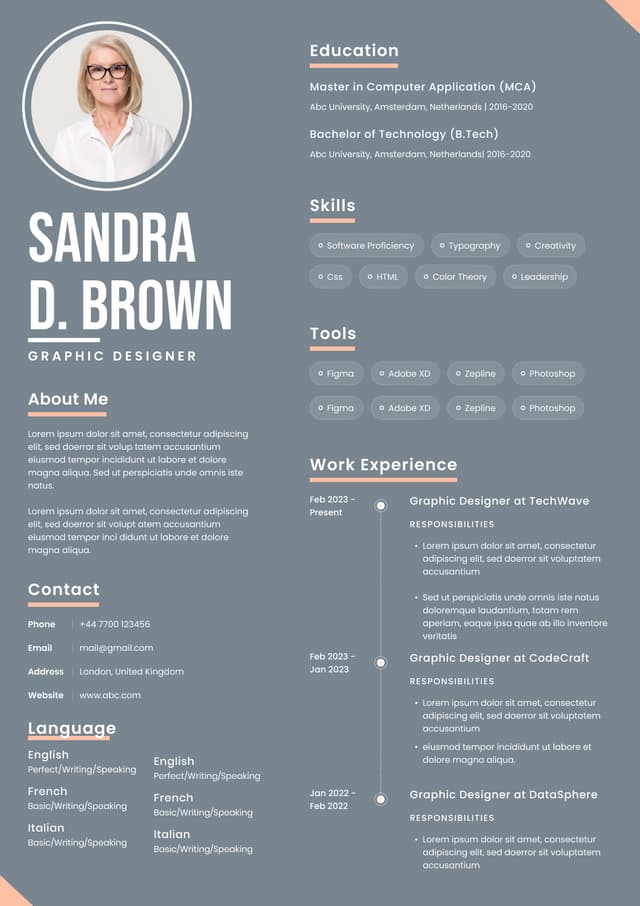
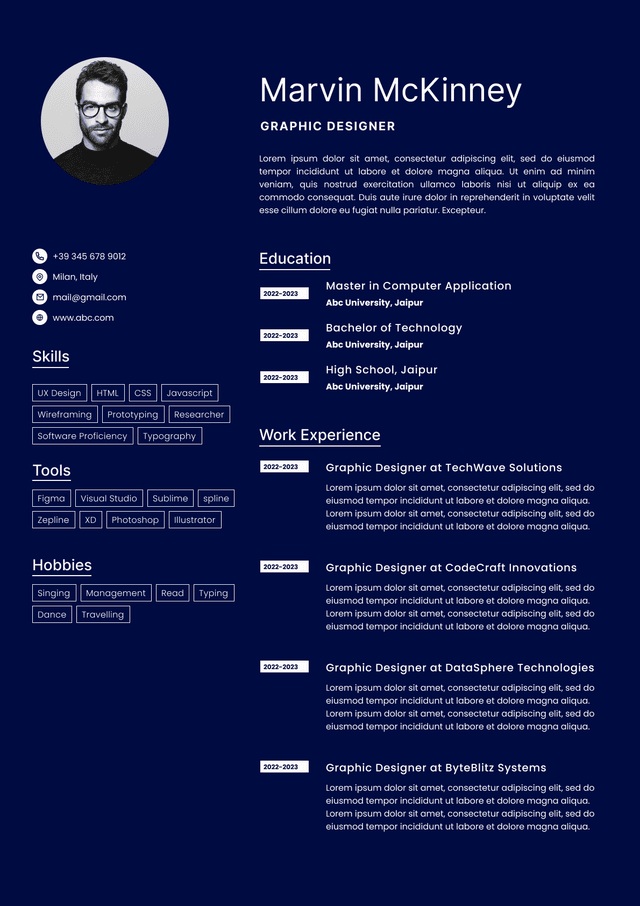
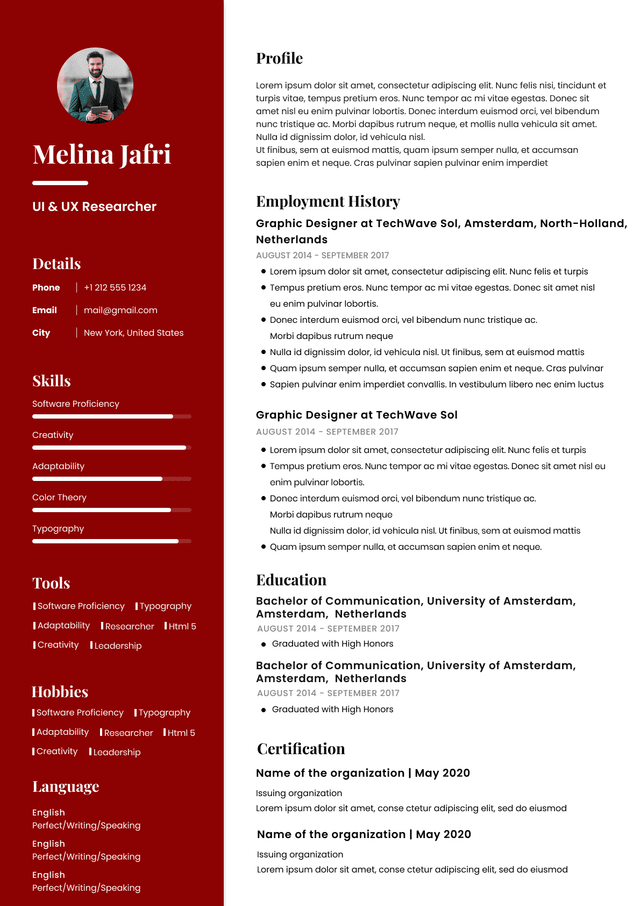
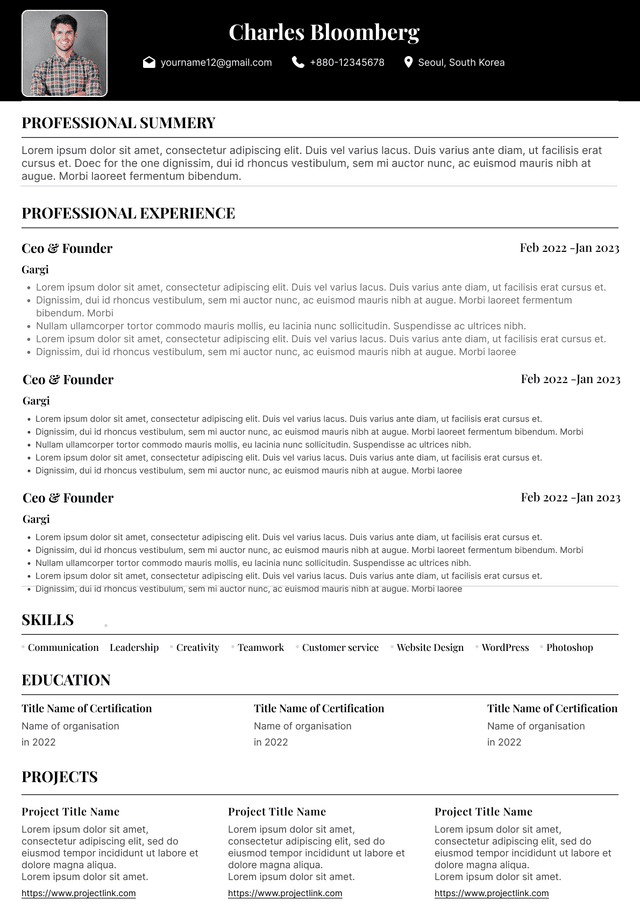
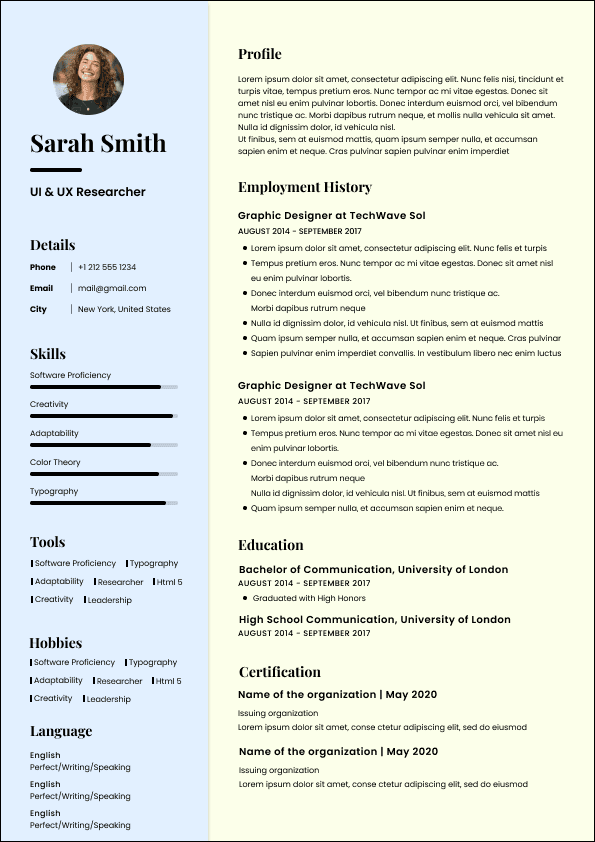
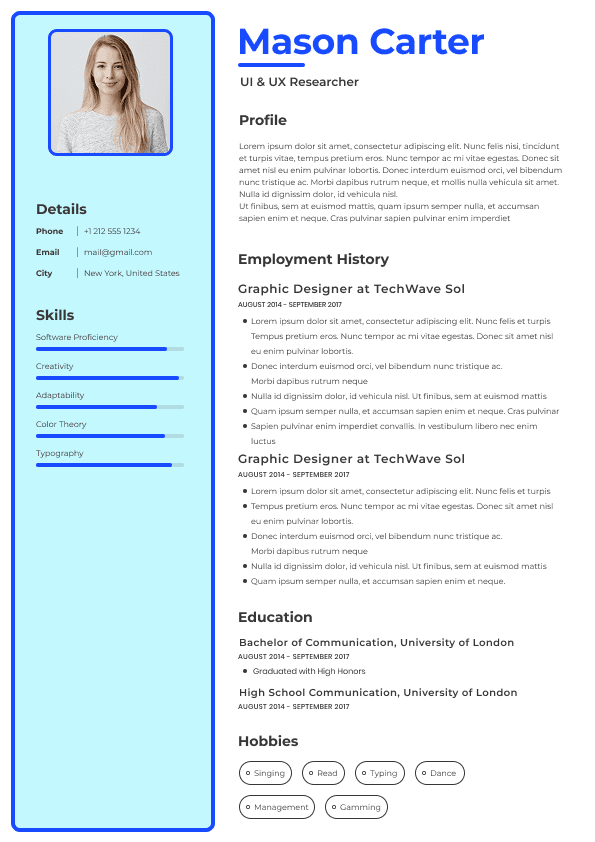
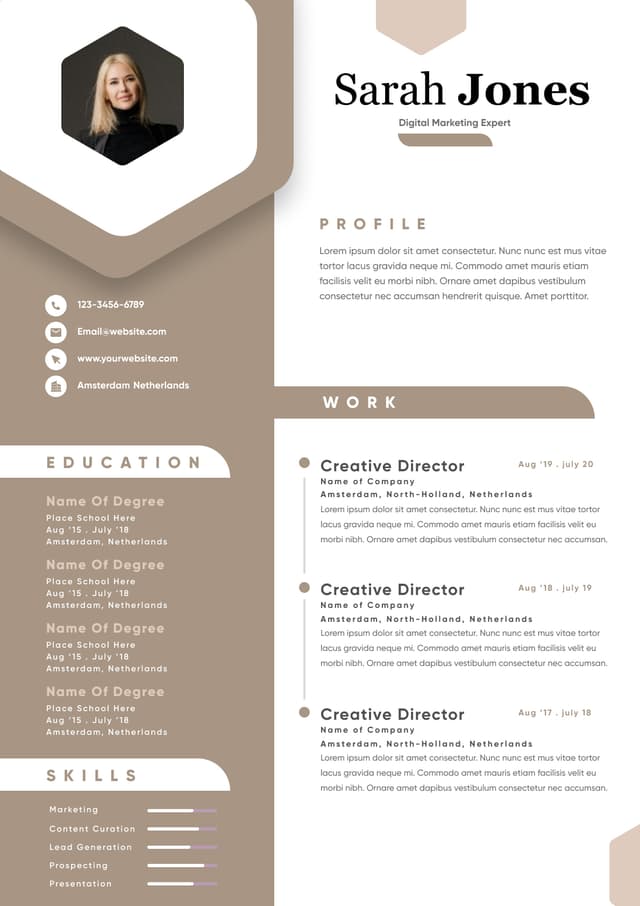
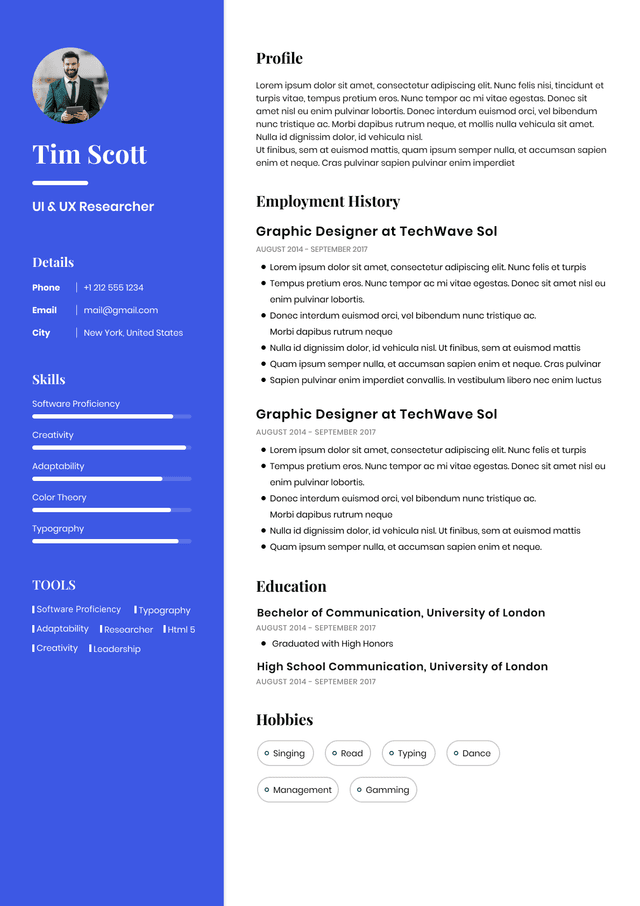
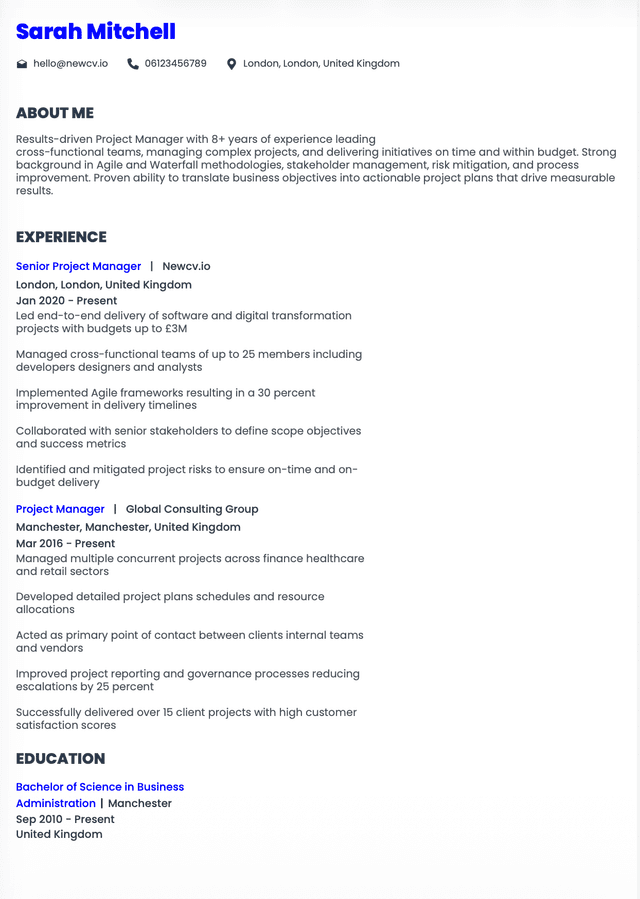
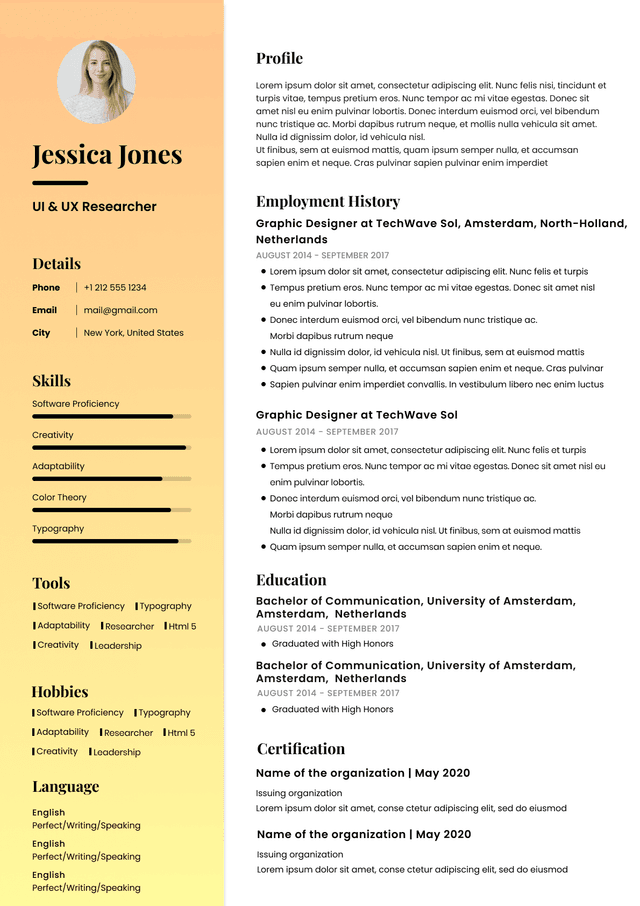
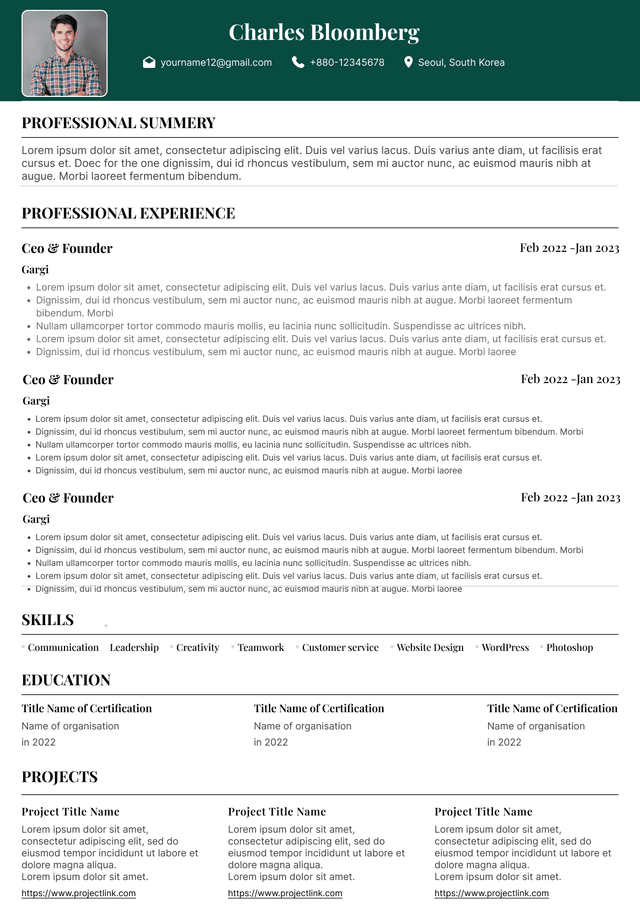
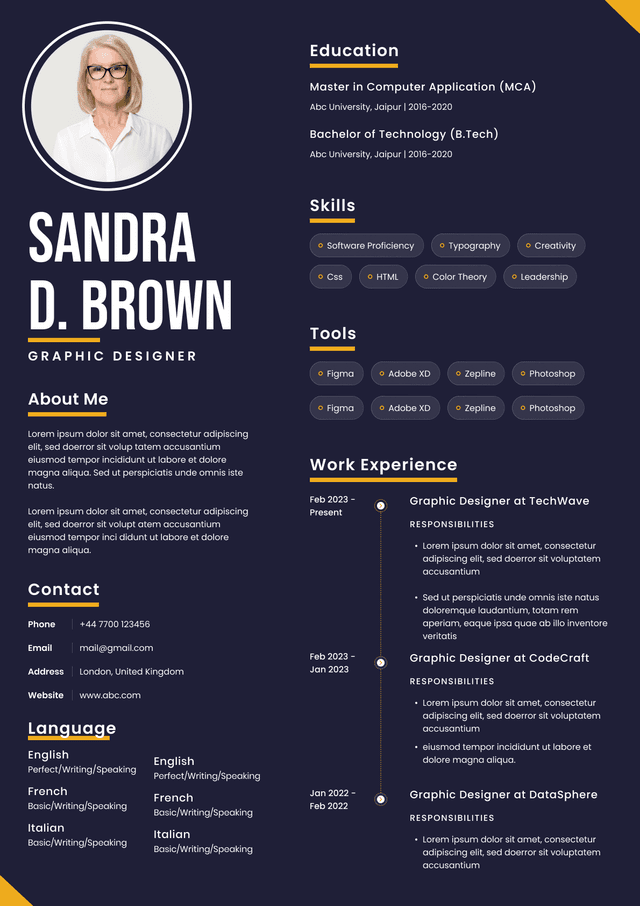
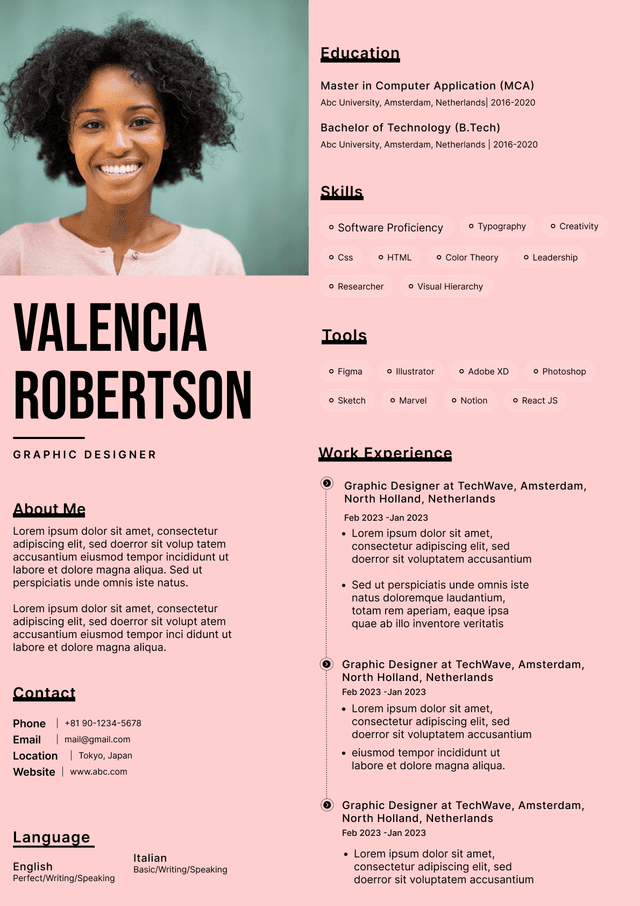
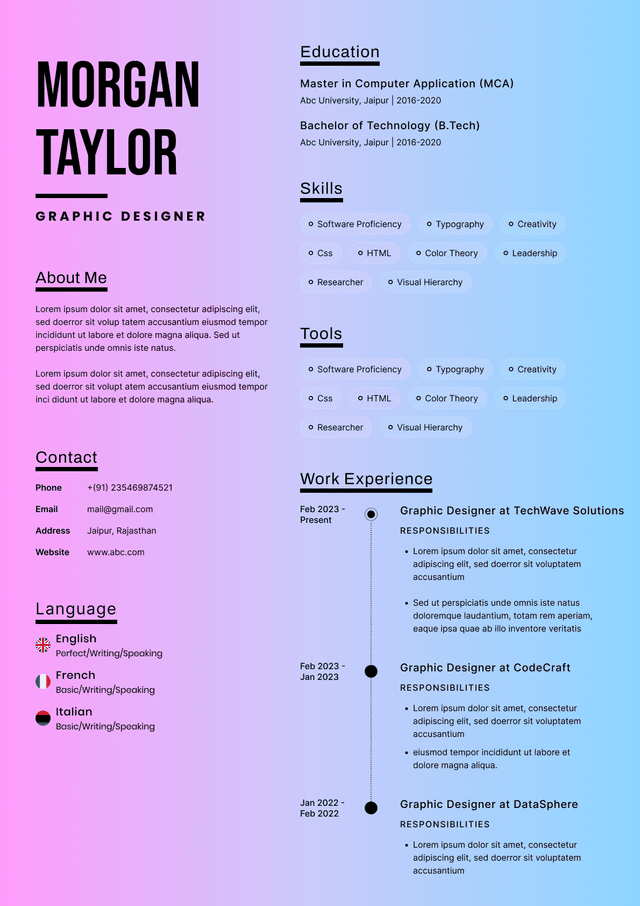
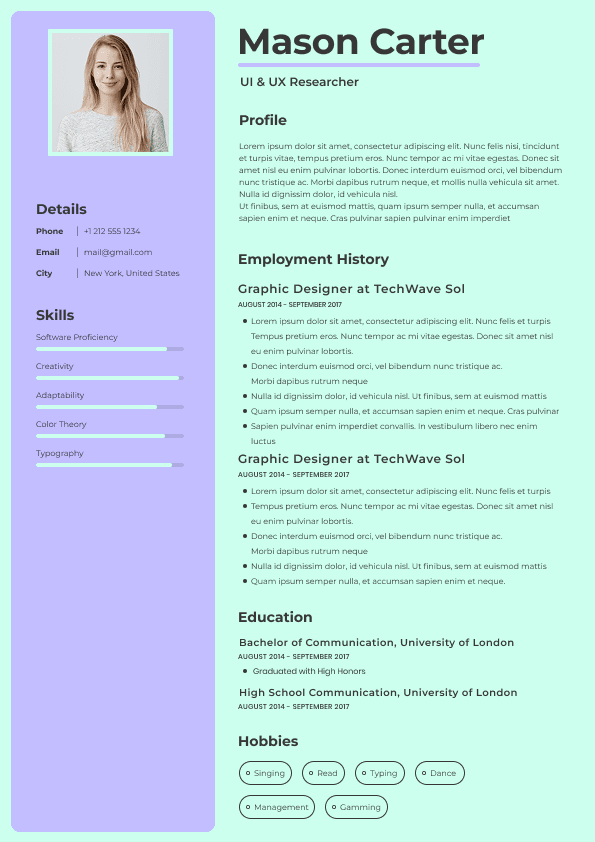
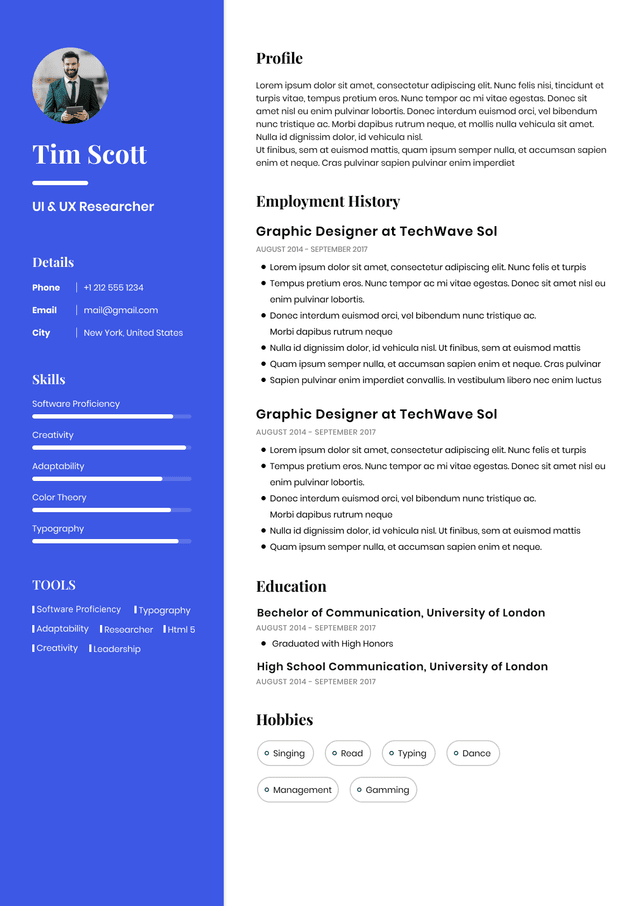
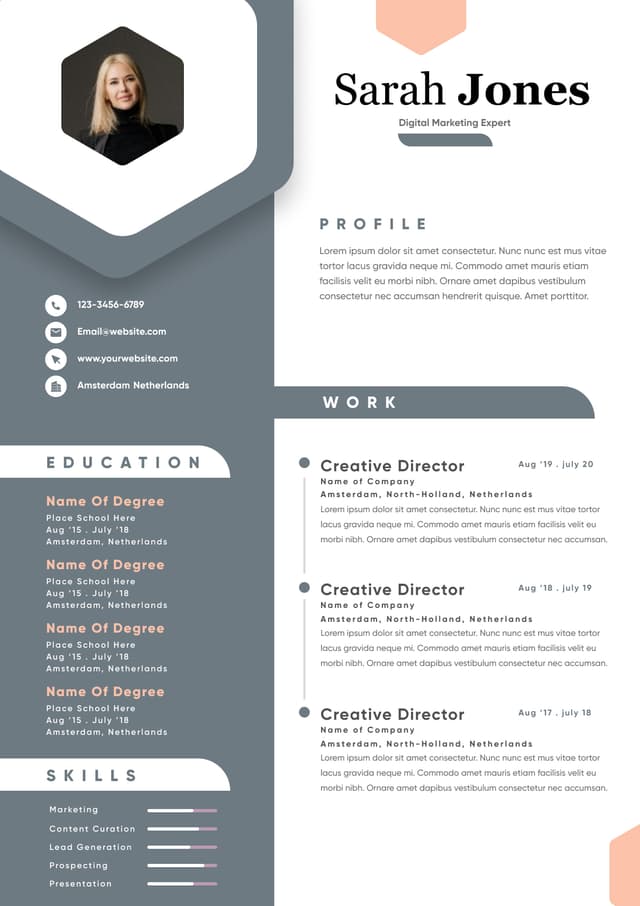
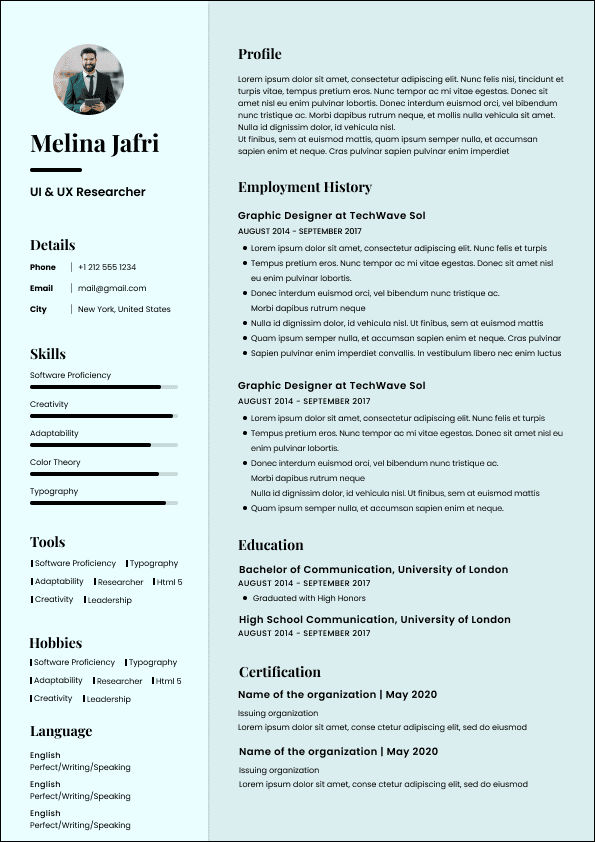
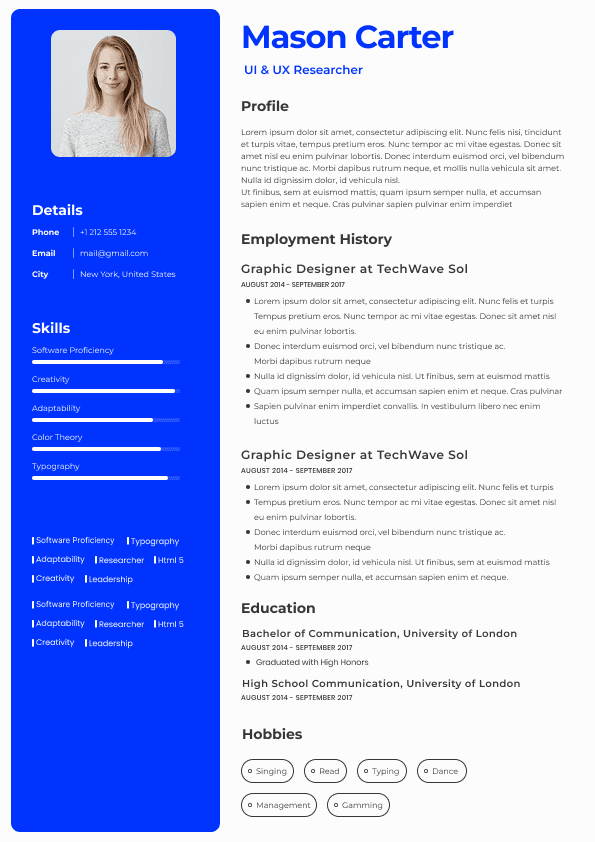
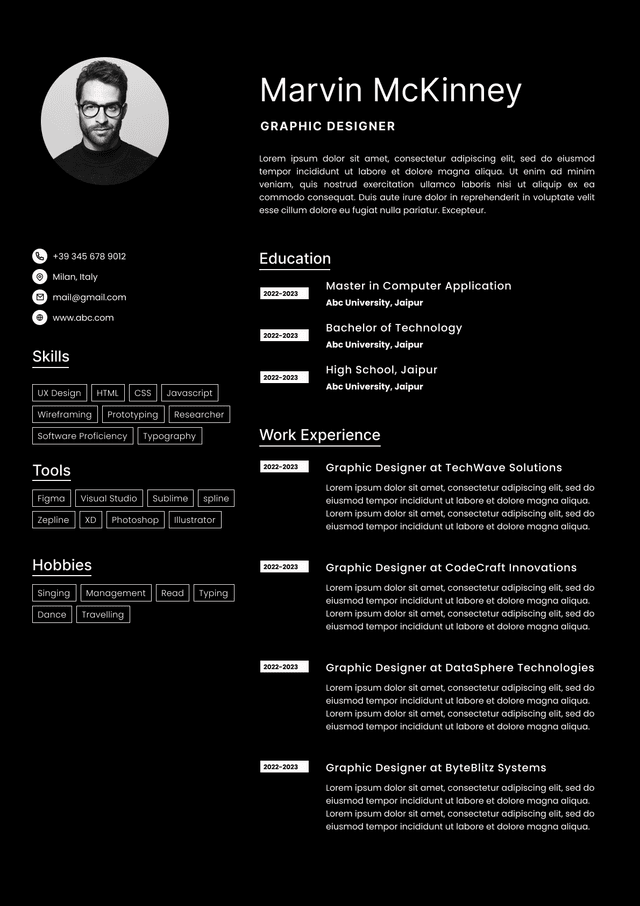
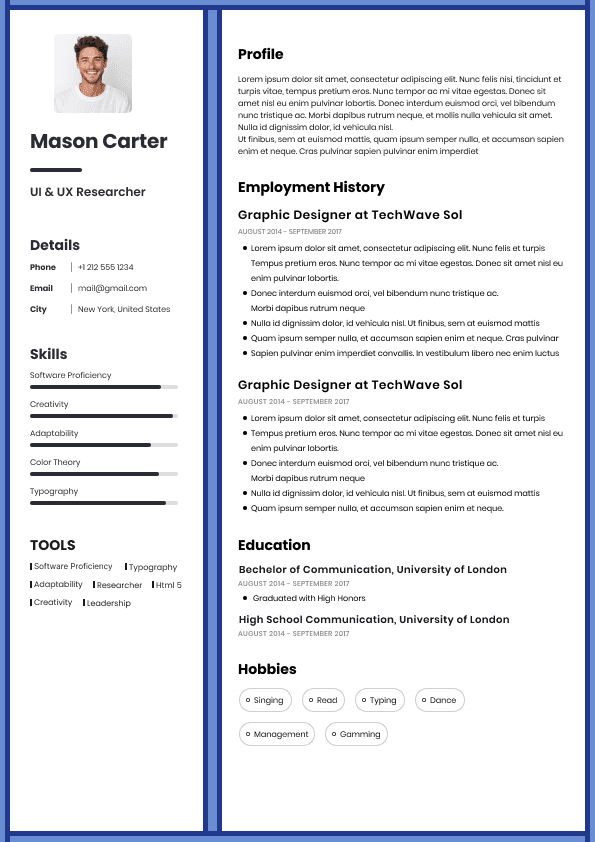
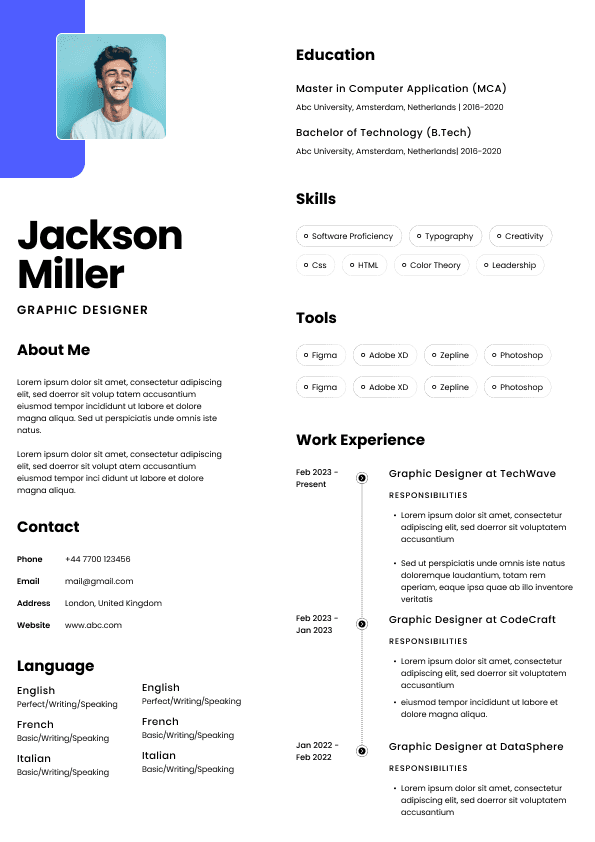
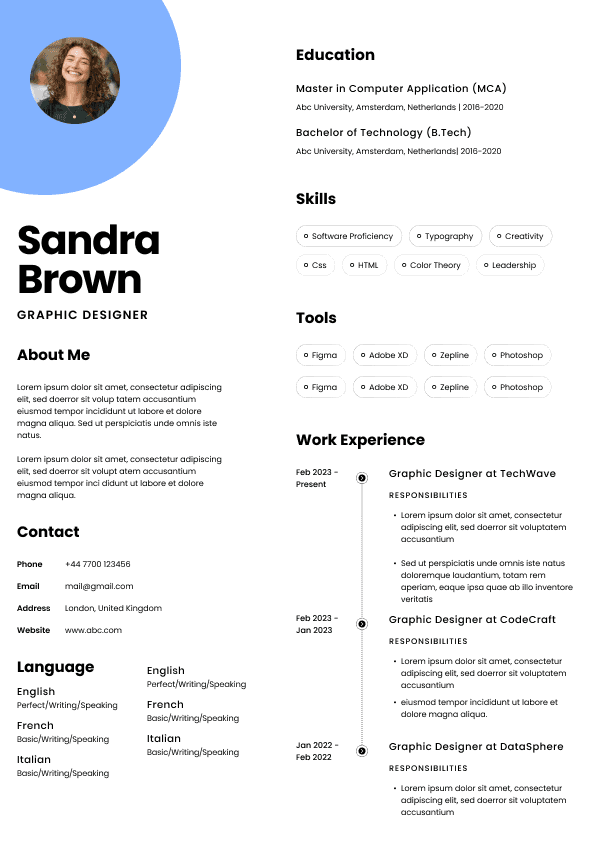
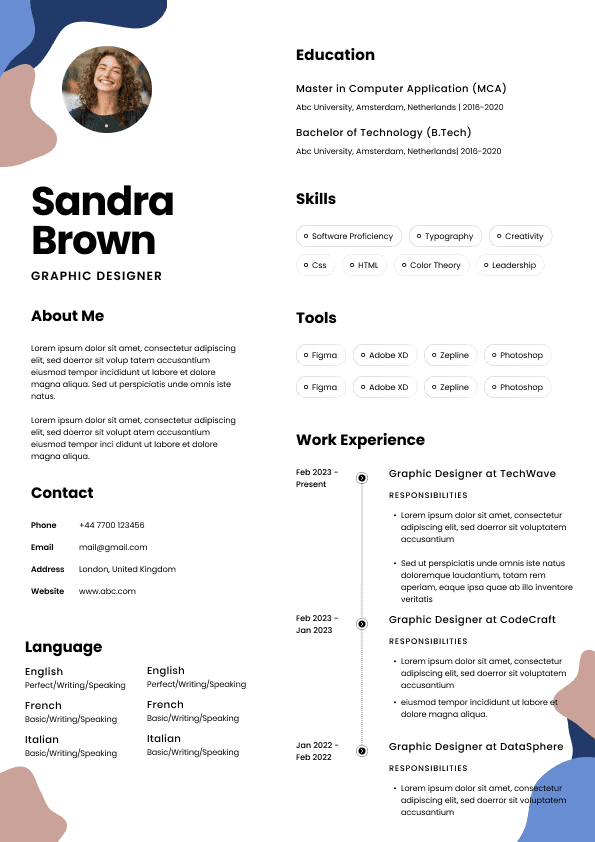
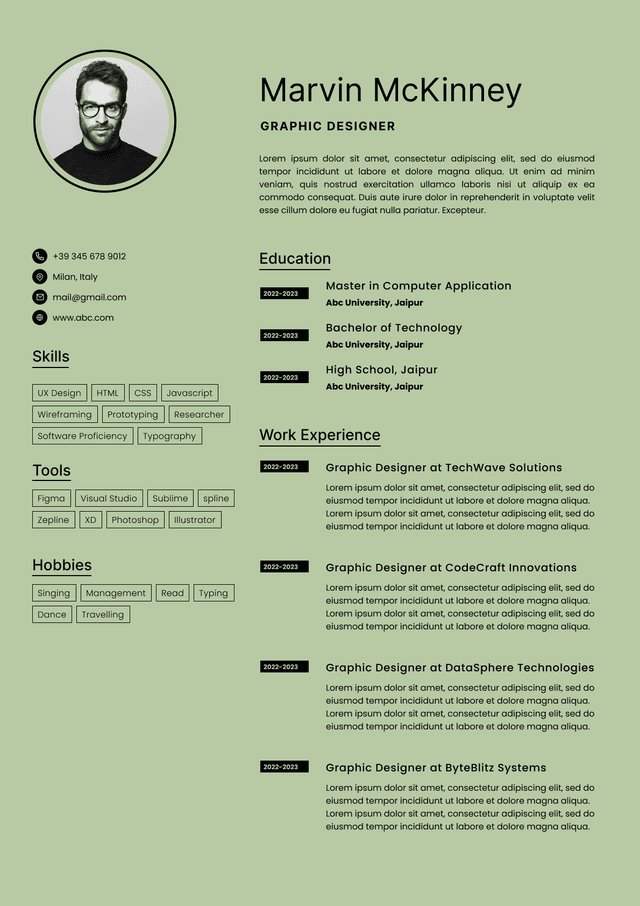
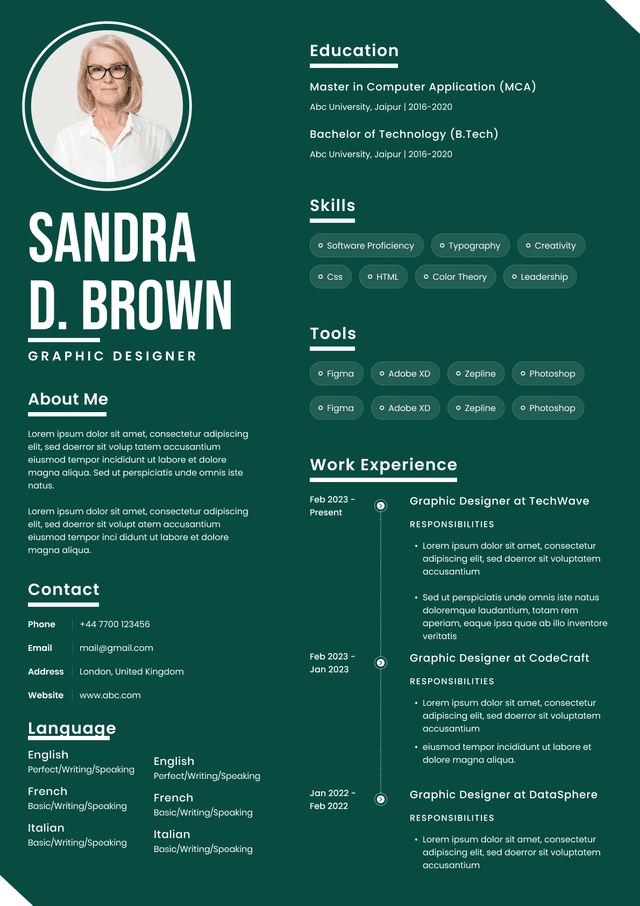
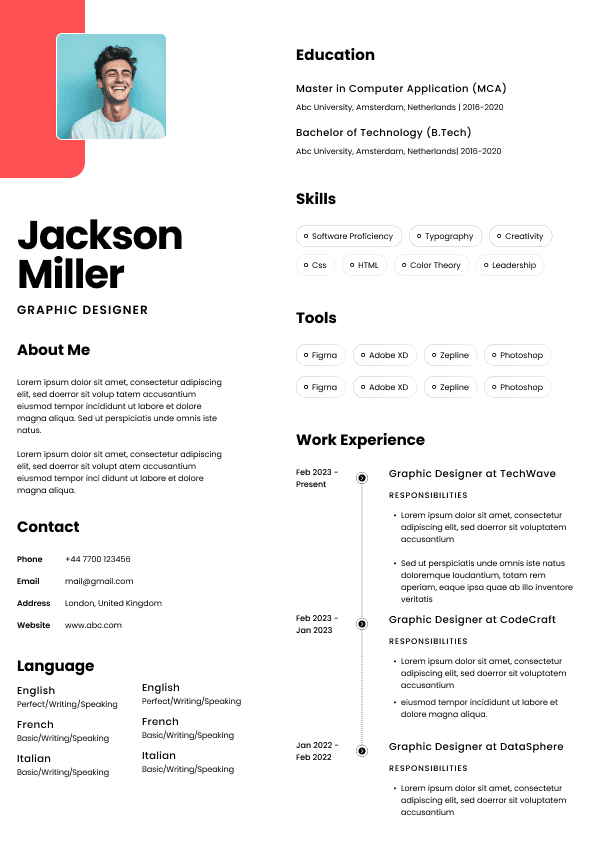
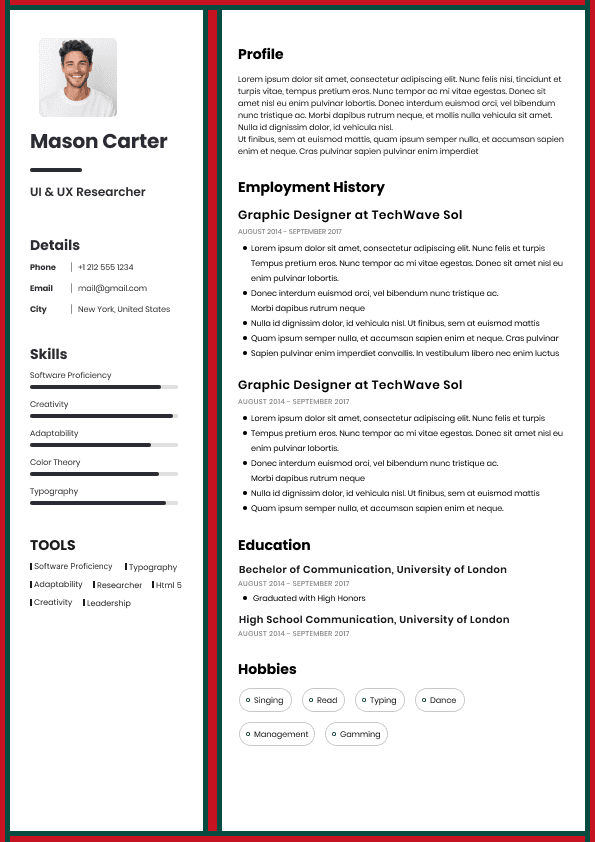
Choose from a wide range of NEWCV resume templates and customize your NEWCV design with a single click.
FAQ
Legacy PHP modernization is not just a version upgrade. In enterprise environments, outdated PHP systems often contain years of technical debt, undocumented business logic, insecure dependencies, fragile integrations, and deployment risks that can break mission-critical operations during migration.
The companies that modernize successfully treat legacy PHP upgrades as a business continuity initiative, not a simple development task.
A strong PHP modernization strategy focuses on five core outcomes:
Reducing technical debt without disrupting operations
Migrating safely from PHP 5.x or unsupported frameworks to PHP 8+
Improving maintainability and deployment stability
Retrofitting testing and automation into fragile systems
Legacy PHP modernization involves upgrading and restructuring outdated PHP applications to improve security, maintainability, scalability, compatibility, and operational stability.
In real enterprise environments, this usually includes:
PHP version upgrades from PHP 5.x or PHP 7.x to PHP 8+
Refactoring monolithic architectures
Replacing deprecated functions and unsupported libraries
Introducing Composer dependency management
Migrating legacy frameworks or custom-built systems
Retrofitting automated testing into untested applications
Standardizing coding practices and deployment pipelines
Unsupported PHP systems create compounding business risk.
Initially, organizations tolerate technical debt because systems continue functioning. Over time, however, maintenance becomes exponentially harder.
Common warning signs include:
Developers are afraid to touch certain modules
Deployments frequently cause outages
Small feature changes create unexpected regressions
Security vulnerabilities cannot be patched cleanly
Dependencies are abandoned or incompatible
Hiring developers for the stack becomes difficult
Infrastructure costs increase because scaling is inefficient
Not all PHP modernization projects are the same.
The modernization strategy depends heavily on the architecture and framework history of the application.
These systems often contain:
Procedural PHP mixed with HTML
Direct SQL queries without abstraction layers
No dependency management
No automated testing
Global state dependencies
Business logic scattered across files
These projects typically require the highest refactoring effort.
PHP 5 to PHP 8 migration is one of the most disruptive modernization jumps because PHP 8 removes or changes many legacy behaviors older applications rely on.
Major migration risks include:
Deprecated functions removed entirely
Fatal type handling differences
Framework incompatibilities
Legacy extensions no longer supported
Database driver changes
Session handling differences
Error handling behavior changes
The highest-performing modernization projects usually follow a phased framework rather than attempting full rewrites.
Full rewrites fail frequently because organizations underestimate operational complexity.
A safer modernization framework includes the following phases.
Before touching production code, modernization teams analyze:
PHP version dependencies
Framework compatibility
Infrastructure dependencies
Third-party integrations
Security vulnerabilities
Database architecture
Deployment workflows
Performance bottlenecks
Many older PHP systems lack modern dependency management.
Introducing Composer is often one of the first major improvements because it enables:
Controlled package management
Version standardization
Security auditing
Dependency isolation
Modern CI/CD workflows
However, Composer adoption can expose hidden conflicts immediately.
This is why dependency modernization should happen incrementally.
Before refactoring, strong teams implement static analysis tooling.
Common enterprise tools include:
Rector PHP
PHPStan
Psalm
These tools help identify:
Type inconsistencies
Dead code
Deprecated functions
Unsafe patterns
One of the biggest modernization mistakes is upgrading systems without test coverage.
Retrofitting automated testing into legacy systems provides a safety net for refactoring.
Most enterprise modernization teams prioritize:
Smoke tests
Integration tests
Business-critical workflow tests
API regression tests
Database integrity validation
PHPUnit remains the dominant testing framework in enterprise PHP modernization.
Without automated testing, modernization becomes high-risk guesswork.
Strong modernization teams avoid large-scale rewrites.
Instead, they refactor incrementally.
Common refactoring goals include:
Breaking monolith dependencies
Standardizing architecture patterns
Removing duplicated logic
Separating business logic from presentation layers
Replacing procedural code with service-oriented structures
Improving dependency injection practices
Incremental refactoring reduces operational disruption significantly.
Modern PHP applications increasingly rely on containerized infrastructure.
Docker adoption improves:
Environment consistency
Deployment reliability
Scalability
Local development parity
CI/CD automation
Containerization also helps eliminate the "works on my machine" problem common in older PHP environments.
Many modernization projects now integrate:
Docker
GitHub Actions
Companies hiring PHP migration specialists are not simply looking for PHP developers.
They are hiring risk managers for complex software ecosystems.
The best modernization engineers:
Understand backward compatibility deeply
Know how enterprise systems fail during upgrades
Can prioritize business continuity over engineering purity
Recognize hidden architectural debt quickly
Build phased migration strategies
Communicate technical risk clearly to leadership
Balance modernization speed with operational stability
Most failed modernization projects share similar patterns.
Full rewrites often collapse because:
Requirements drift over time
Business logic is poorly documented
Stakeholders underestimate hidden workflows
Delivery timelines become unrealistic
Incremental modernization usually performs better operationally.
Many teams attempt PHP 8 migration before analyzing package compatibility.
This creates cascading failures during deployment.
Dependency auditing should happen first.
Modernizing without automated tests creates enormous regression risk.
Testing retrofits are not optional in enterprise environments.
Old systems often connect to:
ERPs
Payment gateways
Internal APIs
Authentication systems
Legacy databases
Vendor platforms
These integrations frequently become the biggest blockers.
The fastest modernization approach is rarely the safest.
Experienced modernization teams optimize for deployment stability first.
Many organizations track the wrong success metrics.
Lines of code rewritten are meaningless.
The best modernization KPIs focus on operational outcomes.
Important enterprise KPIs include:
Technical debt reduction
Deployment stability improvement
Downtime reduction
Security vulnerability reduction
Performance improvement
Upgrade success rate
Maintenance cost reduction
Most companies hiring for PHP modernization roles screen candidates differently than standard PHP developers.
Hiring managers prioritize candidates who demonstrate:
Experience upgrading real production systems
Strong understanding of legacy architectures
Risk management thinking
Migration sequencing strategy
Testing and automation experience
Infrastructure modernization knowledge
Cross-functional communication skills
Strong candidates talk about outcomes, not just tools.
Modernization specialists typically work with a modernization ecosystem rather than isolated tools.
Used for automated code transformations and large-scale syntax modernization.
Best for:
Deprecated syntax replacement
Automated upgrade assistance
Refactoring acceleration
Used for static analysis and type safety improvements.
Best for:
Hidden bug detection
Type consistency
Most enterprise modernization projects should avoid full rewrites.
However, rewrites can become justified when:
Core architecture is fundamentally broken
Business requirements changed dramatically
Security risks are unmanageable
The platform cannot scale operationally
Technical debt exceeds modernization cost
Legacy infrastructure blocks all future development
Even then, phased replacement strategies usually outperform "big bang" rewrites.
Enterprise PHP modernization demand continues growing because many organizations still operate revenue-critical systems built between 2008 and 2018.
The modernization trend is shifting toward:
Incremental architecture evolution
Containerized PHP infrastructure
Automated refactoring pipelines
AI-assisted static analysis
CI/CD-driven deployments
Hybrid monolith-service architectures
Organizations are no longer trying to eliminate PHP entirely.
Instead, they are modernizing PHP systems to remain maintainable, secure, and scalable for another decade.


Use ATS-optimised Resume and resume templates that pass applicant tracking systems. Our Resume builder helps recruiters read, scan, and shortlist your Resume faster.


Use professional field-tested resume templates that follow the exact Resume rules employers look for.
Create Resume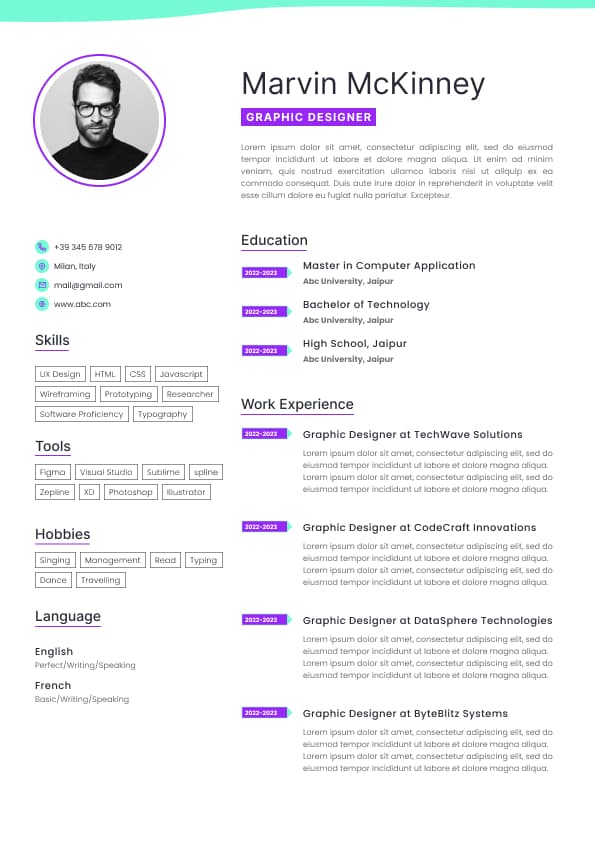
Use professional field-tested resume templates that follow the exact Resume rules employers look for.
Create ResumeReducing long-term maintenance costs and security exposure
Whether you are hiring a PHP modernization engineer, planning a monolith refactor, upgrading legacy Laravel or WordPress platforms, or migrating enterprise PHP infrastructure, the success of the project depends more on modernization sequencing and risk control than on coding speed.
Containerizing applications with Docker
Reducing technical debt and operational risk
The mistake many organizations make is assuming modernization is mainly a syntax problem.
It is not.
The real complexity comes from hidden dependencies, undocumented workflows, legacy integrations, outdated infrastructure assumptions, and business-critical edge cases buried deep inside old codebases.
Performance degrades under modern workloads
From a hiring perspective, companies actively seek PHP migration specialists because many internal engineering teams lack deep legacy modernization experience.
Modernization projects fail most often when companies underestimate the complexity of accumulated technical debt.
Older Laravel applications frequently suffer from:
Unsupported framework versions
Package incompatibilities
Deprecated middleware patterns
Security gaps
Inefficient queue and caching architecture
Tight coupling between services
A legacy Laravel upgrade often becomes a phased modernization initiative rather than a simple framework update.
Enterprise WordPress environments create unique modernization challenges because of:
Plugin dependency conflicts
Custom theme technical debt
Security vulnerabilities
Database bloat
Outdated PHP compatibility layers
Legacy hosting constraints
Many WordPress legacy upgrades fail because organizations focus only on WordPress core updates while ignoring plugin architecture quality.
Custom authentication breakage
The hidden risk is backward compatibility assumptions.
Many older enterprise applications rely on undocumented behaviors that worked accidentally for years. PHP 8 exposes those weaknesses immediately.
This is why experienced PHP modernization engineers prioritize audit and analysis before migration work begins.
Business-critical workflows
This phase identifies modernization blockers early.
Experienced migration specialists also map "fragile zones" where regressions are most likely.
Hidden bugs
Upgrade blockers
This phase dramatically reduces migration risk because it surfaces issues before runtime failures occur.
CI/CD pipelines
Automated deployments
Infrastructure-as-code workflows
This is why strong PHP modernization engineers command premium compensation in enterprise hiring markets.
Developer onboarding speed
Incident reduction frequency
CI/CD deployment reliability
Leadership teams care most about reduced operational risk and long-term maintainability.
“I upgraded a PHP application to PHP 8.”
“Led phased modernization of a legacy PHP 5.6 enterprise platform to PHP 8.2, reducing deployment failures by 70%, eliminating unsupported dependencies, implementing PHPUnit regression coverage, and containerizing production infrastructure with Docker.”
The second example demonstrates business impact, operational thinking, and modernization maturity.
Refactoring confidence
Critical for regression testing and modernization safety.
Best for:
Workflow validation
Integration protection
Deployment confidence
Used for environment standardization and infrastructure modernization.
Best for:
Containerized deployments
Environment consistency
CI/CD support
Commonly used for deployment automation and CI/CD modernization.
Best for:
Automated testing
Deployment pipelines
Code quality checks



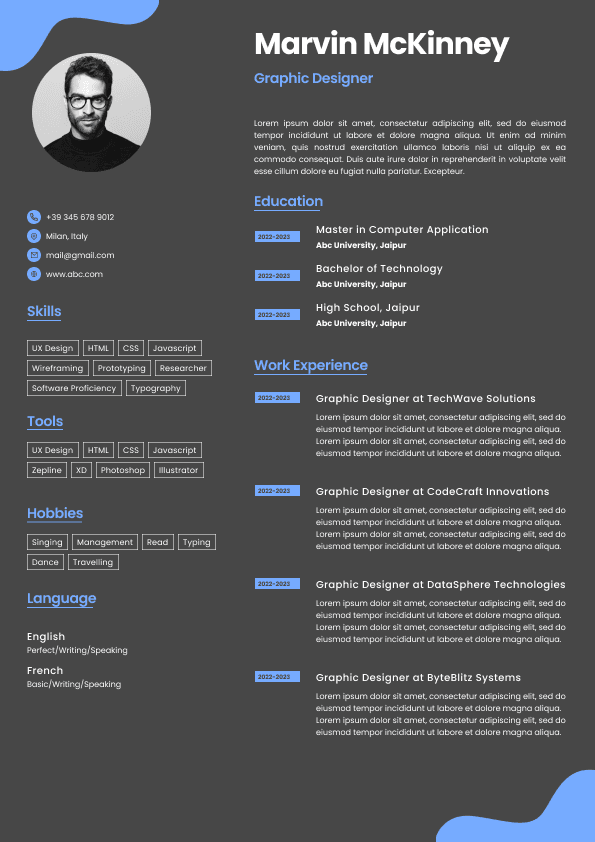
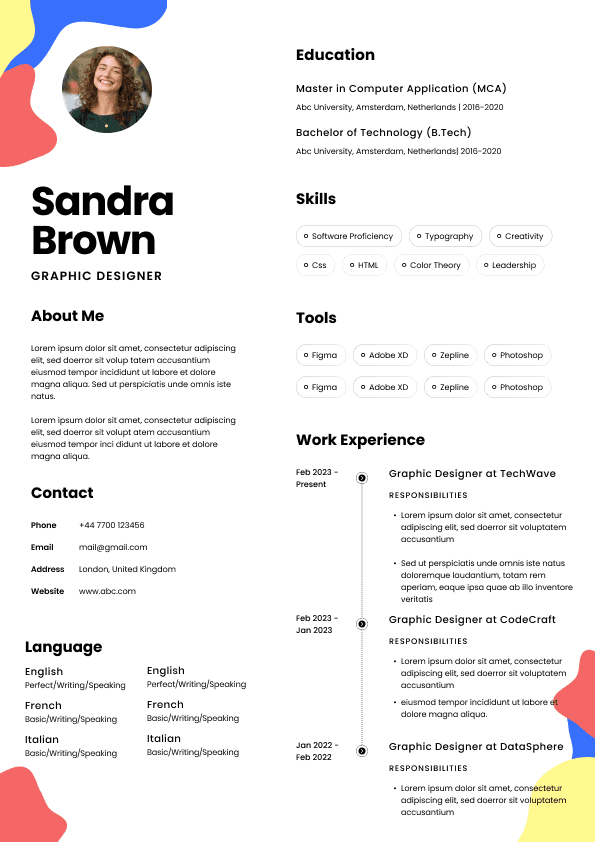
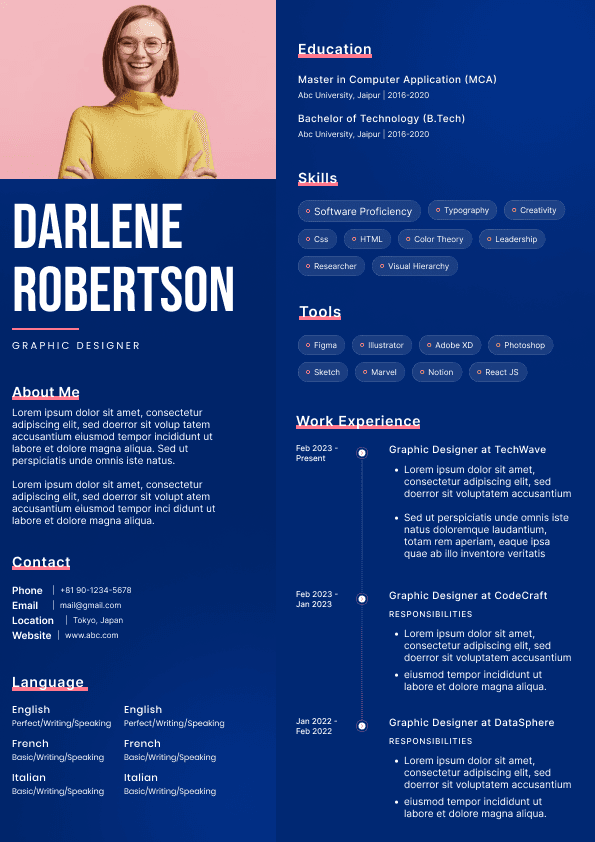

 Upload Resume
 Import from Linkedin