STILL APPLYING. STILL HEARING NOTHING?BUILD YOUR RESUME

STILL APPLYING. STILL HEARING NOTHING?BUILD YOUR RESUME
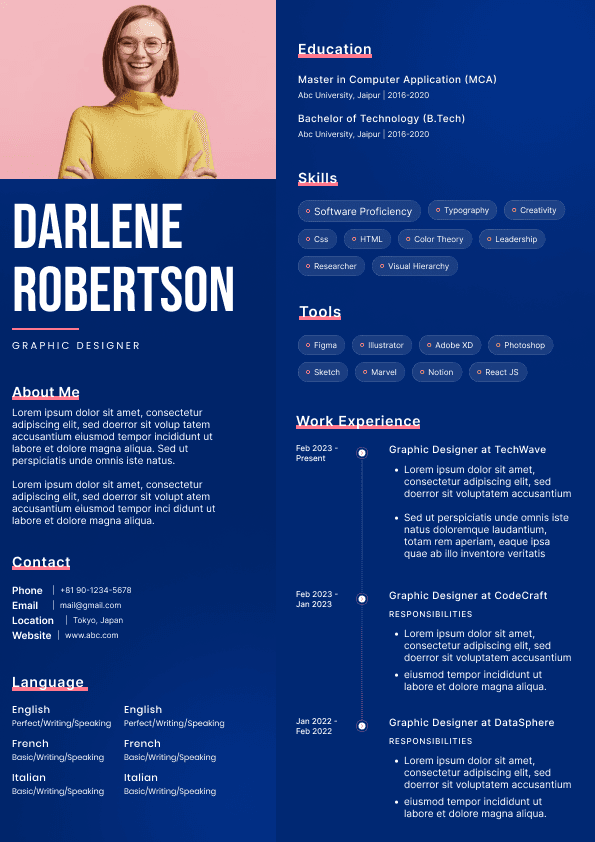
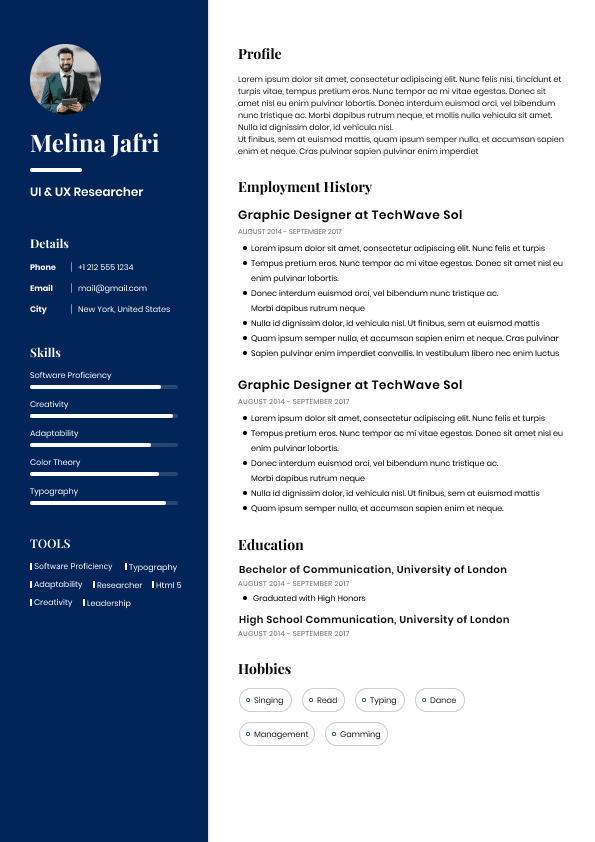
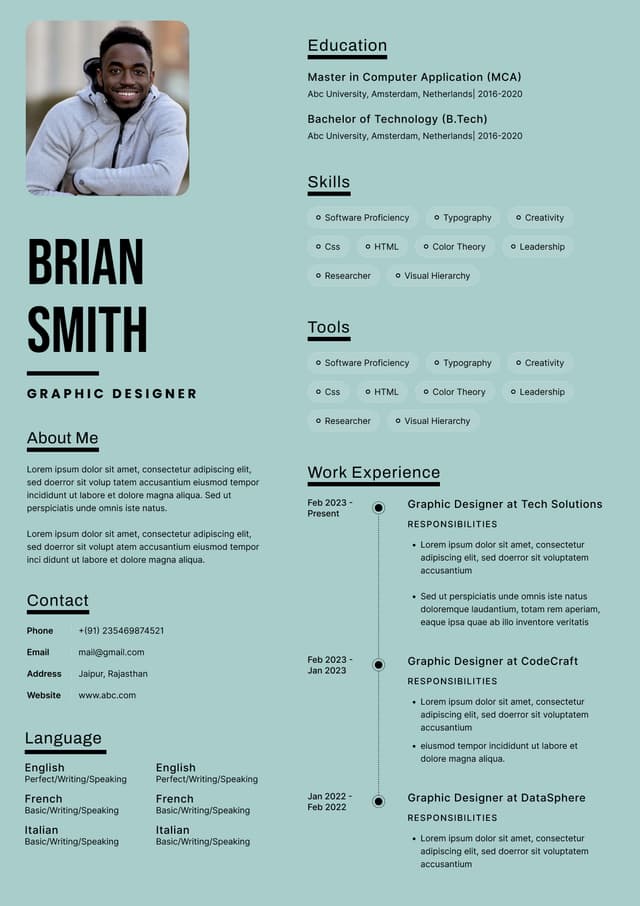
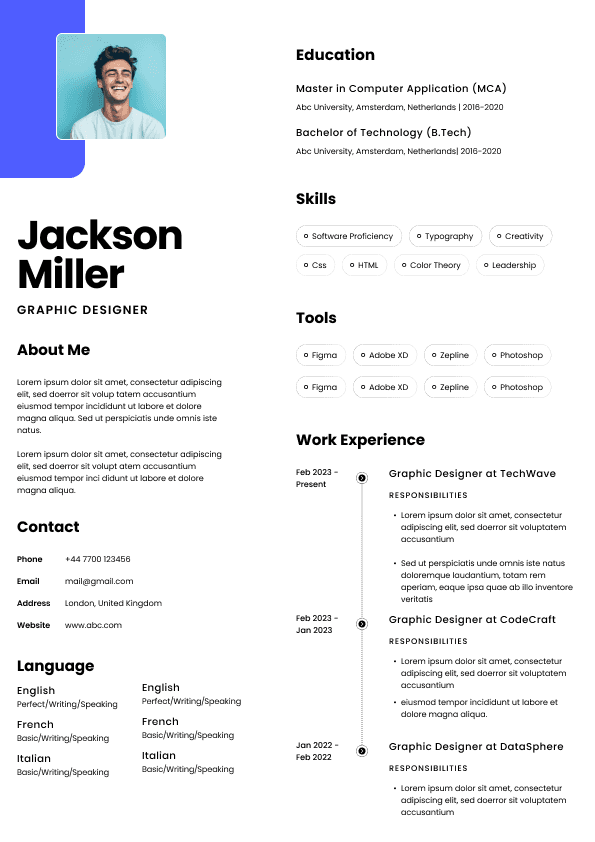
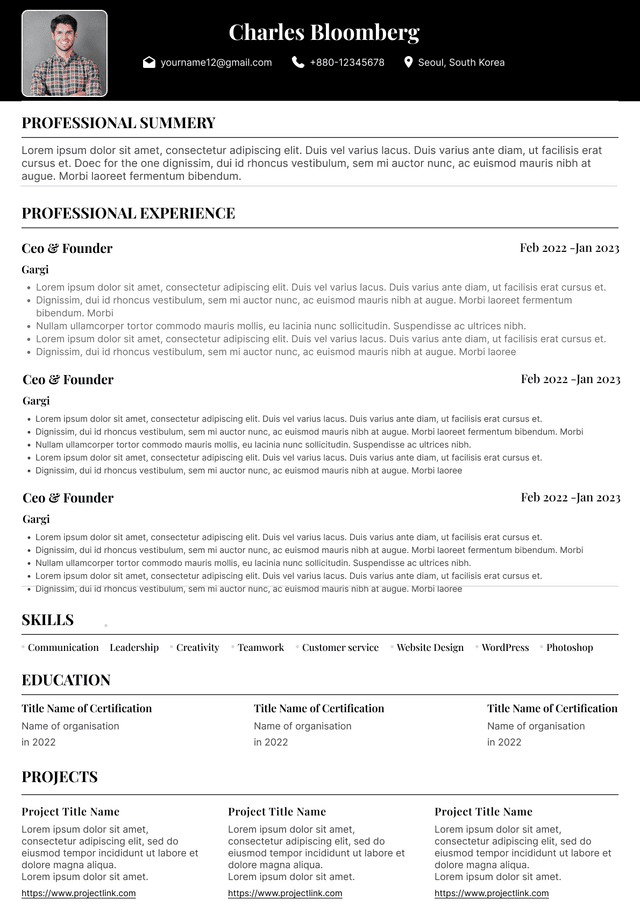
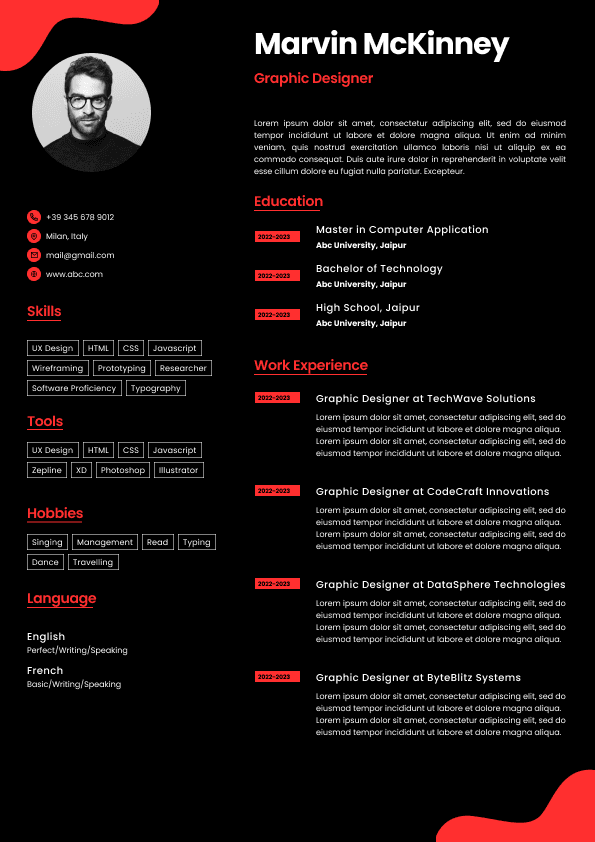
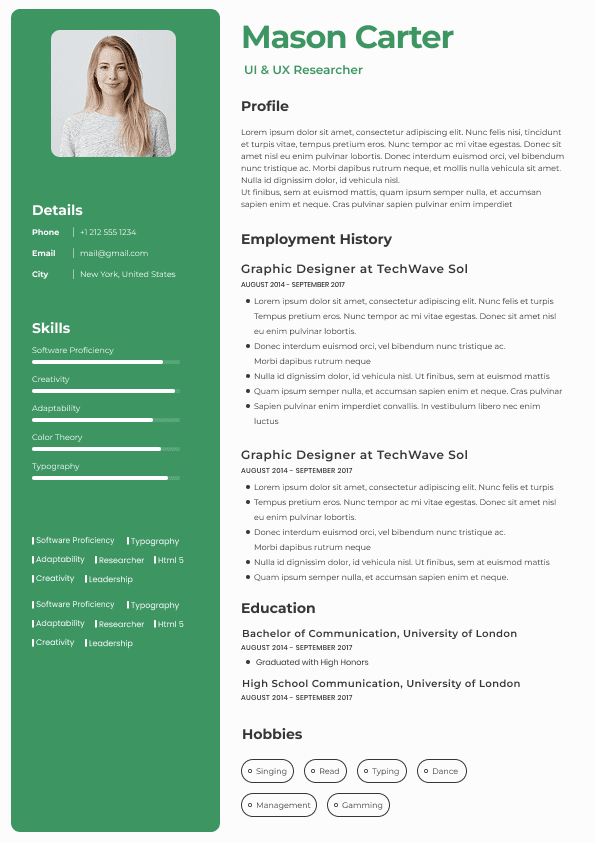
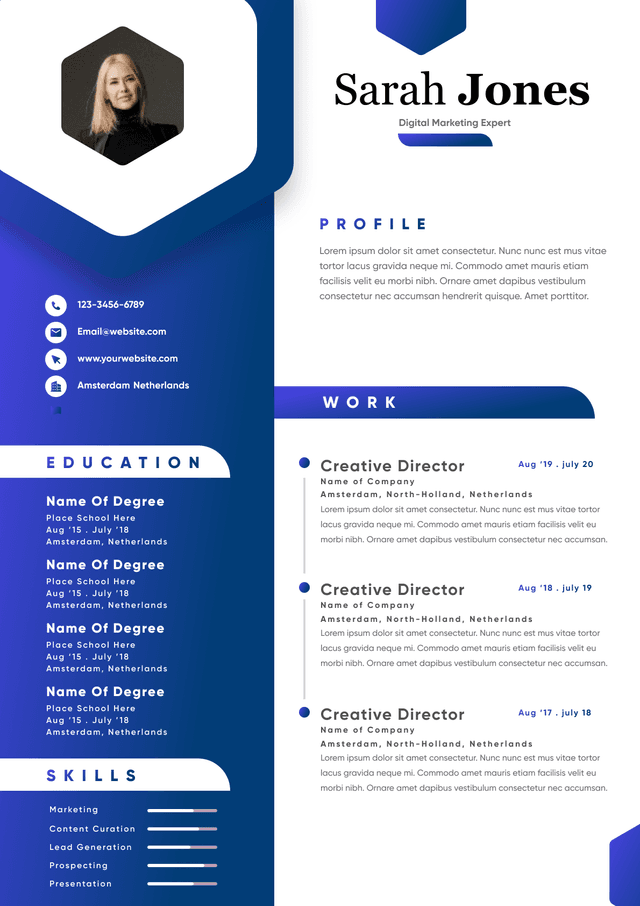
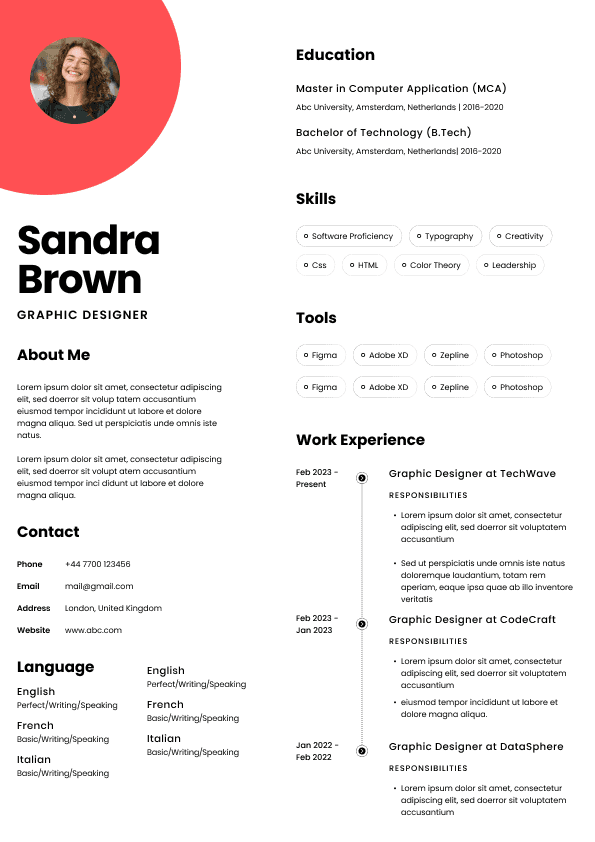
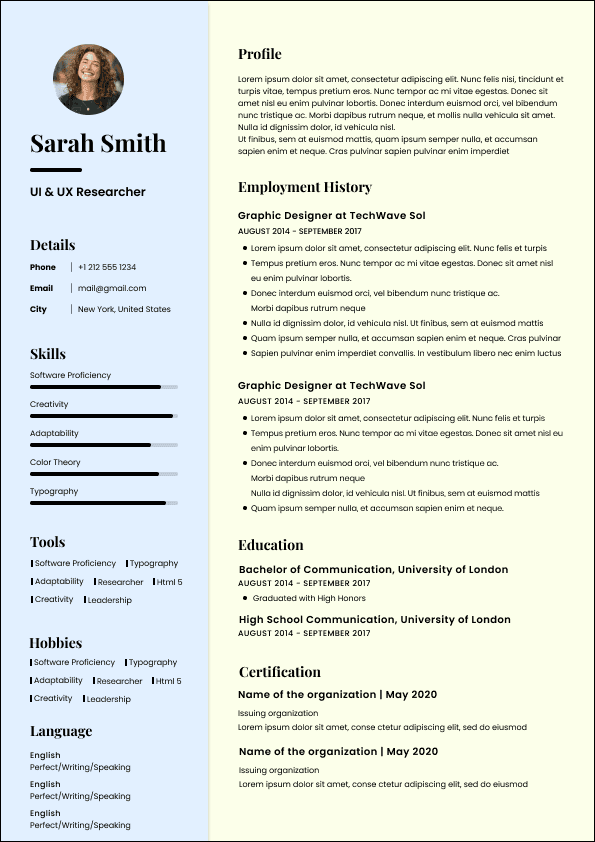
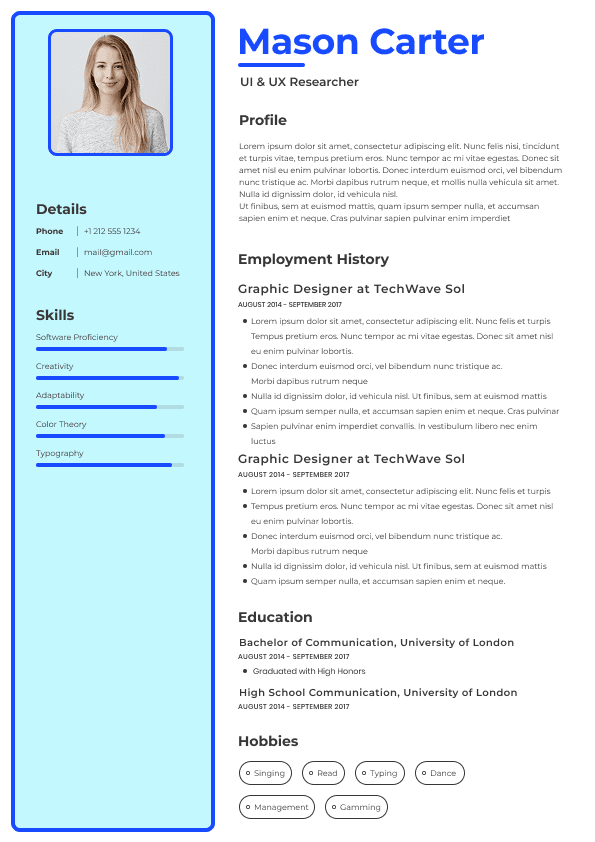
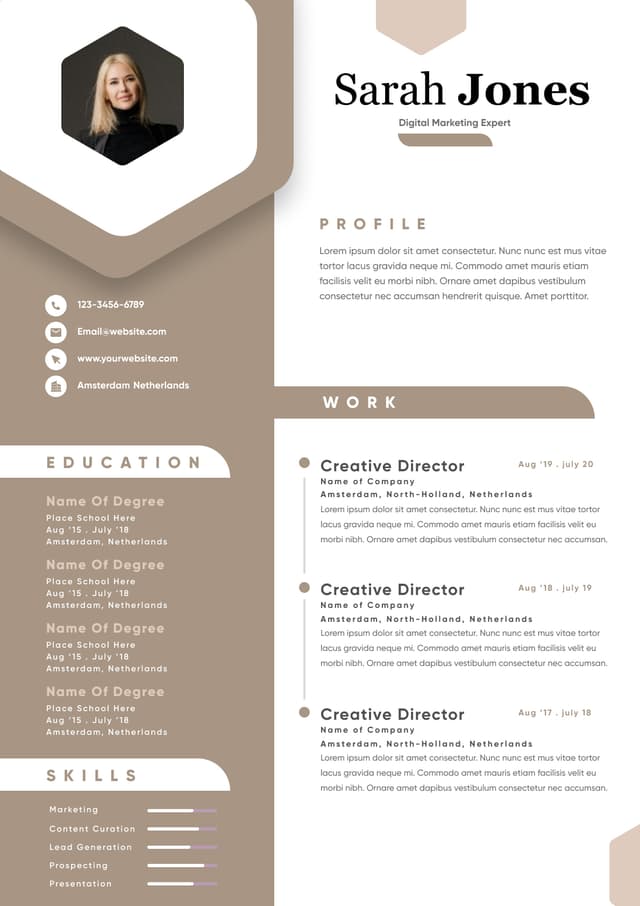
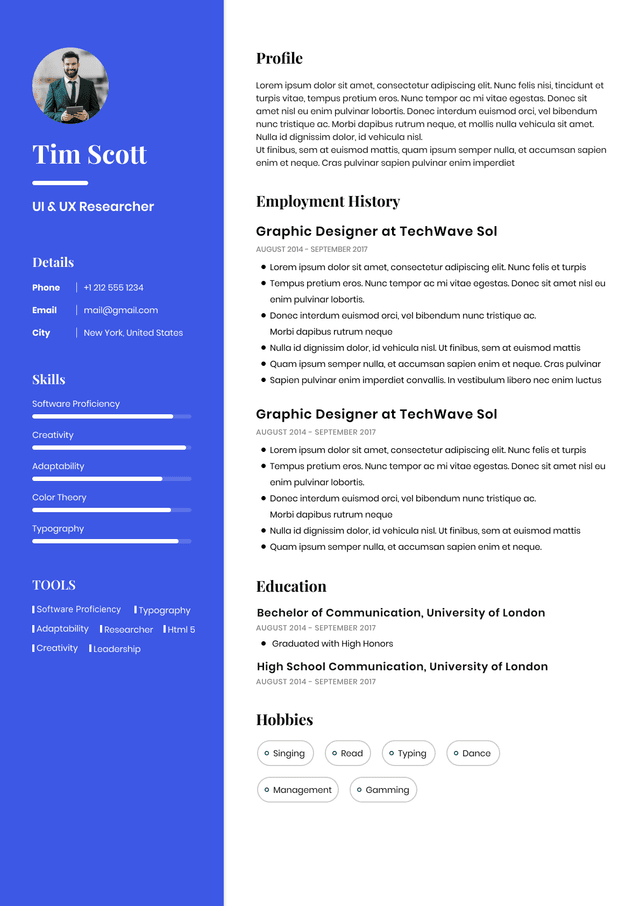
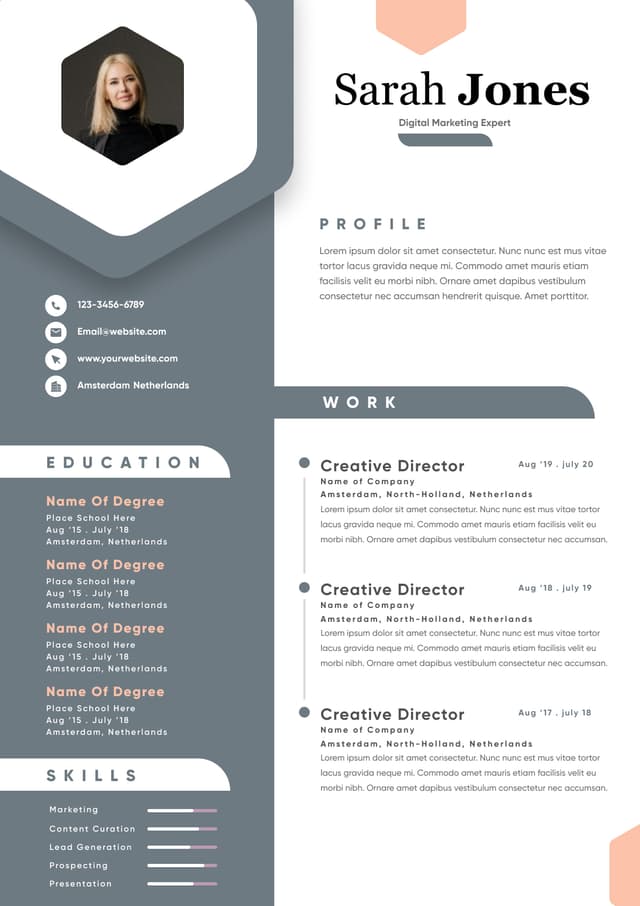
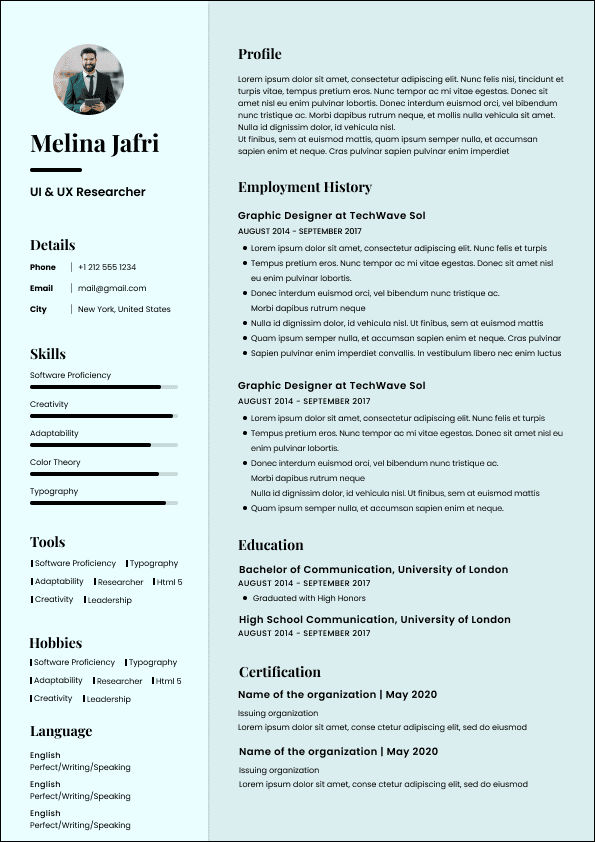
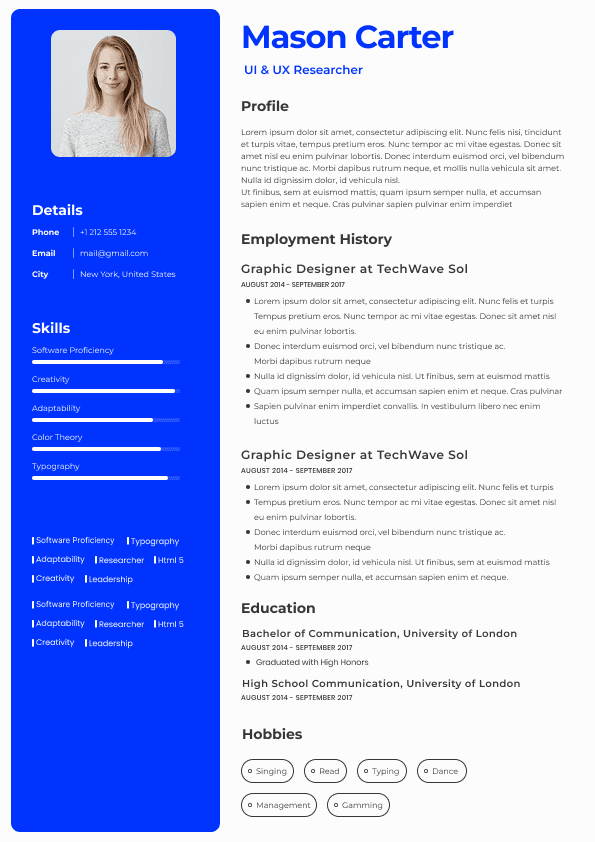
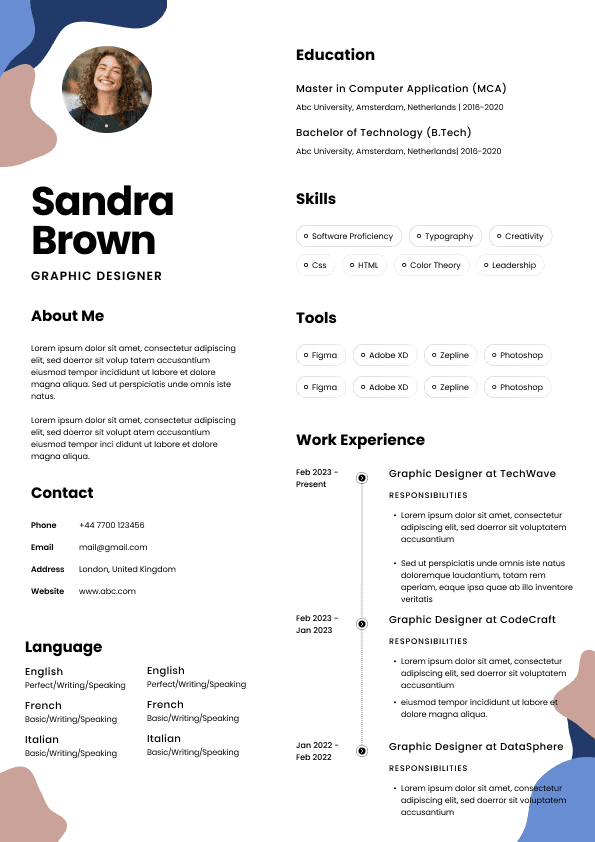
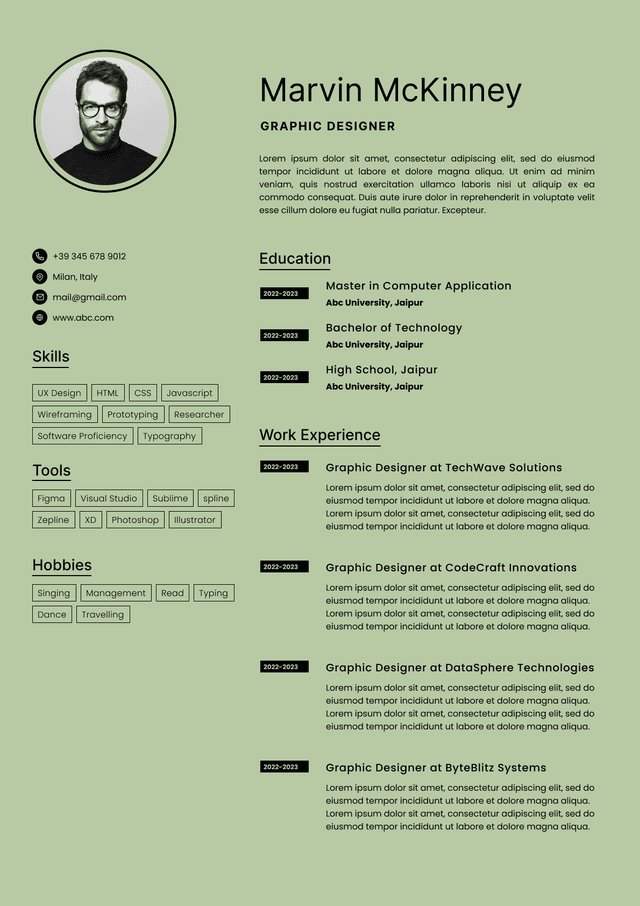
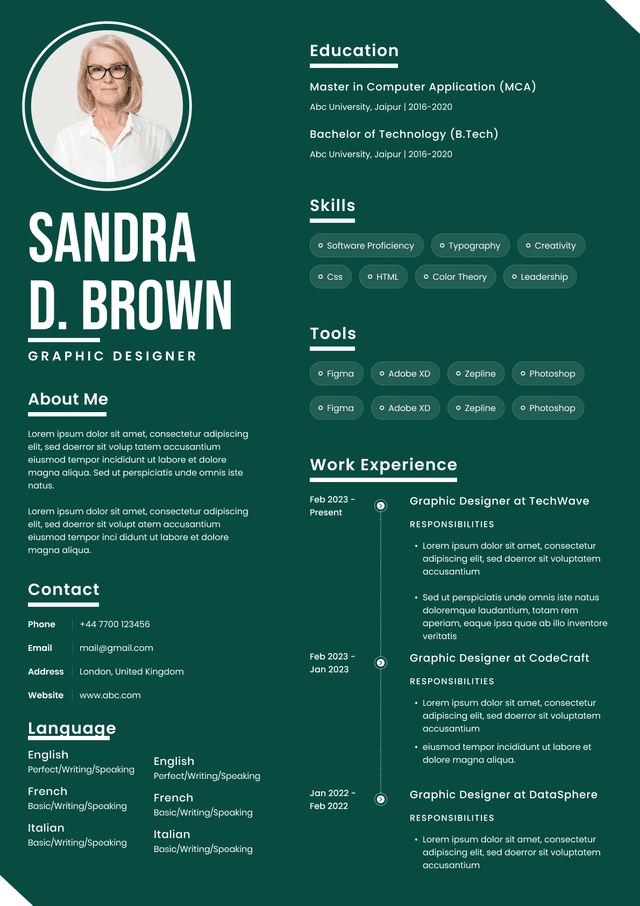
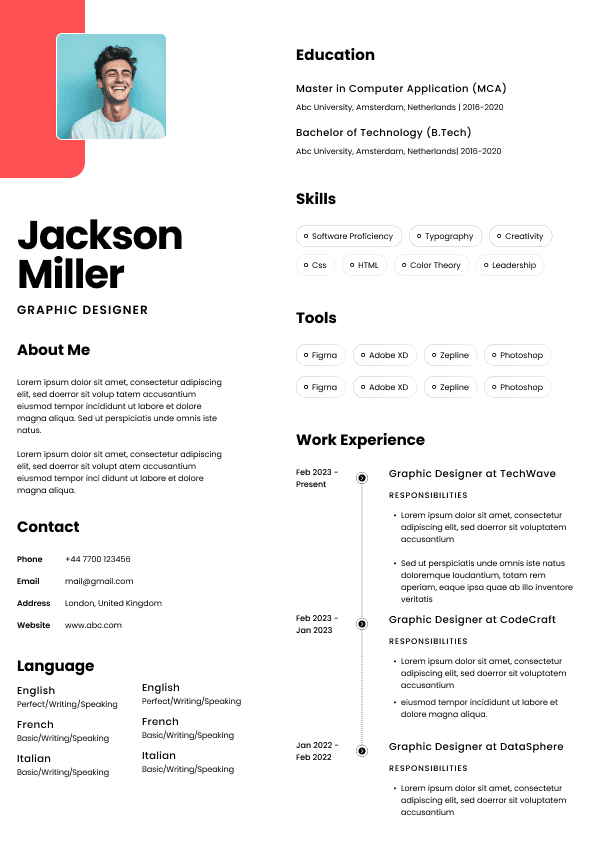
Choose from a wide range of NEWCV resume templates and customize your NEWCV design with a single click.
FAQ
A Python developer career path is no longer just about writing scripts or building basic web apps. In today’s US tech market, the highest-paid Python engineers are backend architects, platform engineers, AI infrastructure specialists, cloud-native developers, and technical leaders who can scale systems, mentor teams, and solve business-critical engineering problems.
The biggest career mistake Python developers make is staying “feature-level engineers” for too long. Promotions are rarely based on years of experience alone. Hiring managers promote engineers who increase system reliability, improve scalability, reduce operational risk, and influence technical direction across teams.
If your goal is to move from junior Python developer to senior, staff, or principal engineer, you need a roadmap that combines coding mastery, backend systems expertise, cloud engineering, architecture thinking, and leadership development. This guide breaks down exactly how Python engineering careers evolve in real-world hiring environments, what skills unlock promotions, which specialization paths pay the most, and what separates average developers from high-impact engineers.
The Python developer career path is the progression from entry-level coding roles into increasingly complex engineering, architecture, leadership, and platform-focused responsibilities.
In modern US companies, Python engineers typically evolve through these stages:
Python intern
Junior Python developer
Mid-level backend engineer
Senior Python developer
Staff backend engineer
Principal platform engineer
Distinguished engineer
At lower levels, success is measured by code execution and task completion. At senior and staff levels, success is measured by architectural impact, scalability decisions, reliability improvements, mentoring influence, and technical leadership.
The first stage focuses on learning engineering fundamentals and becoming employable in production environments.
Most junior developers overestimate advanced frameworks and underestimate fundamentals. Recruiters and hiring managers care far more about whether you can contribute safely to real backend systems than whether you memorized obscure algorithms.
At this stage, hiring managers expect competency in:
Python syntax and core programming concepts
Functions, classes, and object-oriented programming
APIs and HTTP fundamentals
Git and version control
SQL basics
Debugging skills
This is where many Python developers stall.
The transition from junior to mid-level engineer is not about writing more code. It is about becoming independently productive in production systems.
At this level, engineers stop needing constant oversight.
Mid-level backend engineers typically own:
API development
Database integration
Production debugging
Feature delivery
CI/CD participation
Service integrations
Senior-level engineers are expected to influence system quality, engineering velocity, and technical direction.
This is the level where compensation often jumps significantly in the US market.
The difference between mid-level and senior is rarely coding speed. It is systems thinking.
Senior Python engineers typically:
Design scalable backend systems
Lead technical initiatives
Review architecture decisions
Mentor junior engineers
Reduce operational risk
Improve system reliability
Coordinate across teams
Drive engineering standards
Senior engineers are trusted with ambiguity.
Backend architecture becomes the defining differentiator at senior and staff levels.
Most companies promote engineers who reduce technical risk and improve scalability.
Senior Python developers should understand:
Distributed systems
Event-driven architecture
Caching strategies
Message queues
Load balancing
API gateway patterns
Staff-level engineering is where many technically strong developers struggle.
The problem is not technical capability.
The problem is scope.
Staff engineers are expected to influence engineering organizations, not just individual systems.
Staff engineers often lead:
Multi-service architecture initiatives
Cross-team backend modernization
Platform engineering strategy
Reliability improvement programs
Developer productivity systems
Large-scale migration projects
Their value comes from multiplying the effectiveness of other engineers.
At this level, success metrics change dramatically.
You are evaluated on:
Principal and distinguished engineers operate at company-wide technical scope.
These are among the highest-paid individual contributor roles in technology.
They shape engineering direction across large systems, departments, or entire organizations.
Principal-level Python engineers typically:
Define platform strategy
Lead architecture governance
Solve large-scale scalability issues
Drive engineering modernization
Influence executive technical decisions
Evaluate long-term technical risk
Their impact is measured in business outcomes, not ticket velocity.
Distinguished engineers usually become:
Not all Python paths pay equally.
Compensation depends heavily on scalability impact, infrastructure complexity, and business-critical ownership.
One of the fastest-growing areas.
High-paying AI Python roles often involve:
LLM infrastructure
AI APIs
Data pipelines
Vector databases
Inference optimization
ML deployment systems
Companies increasingly value engineers who can operationalize AI systems, not just train models.
Many developers waste years learning low-impact technologies.
Promotions usually come from mastering high-leverage engineering capabilities.
This includes:
Writing maintainable production code
Performance optimization
Advanced debugging
Memory efficiency
Concurrency handling
Clean code matters more than clever code.
Senior promotions heavily depend on system design capability.
You should understand:
Scalability tradeoffs
Most developers misunderstand how engineering promotions and hiring decisions work.
Technical skill alone rarely determines outcomes.
Hiring managers typically evaluate:
Ownership
Communication
Technical judgment
Reliability
Execution consistency
Collaboration
Scalability thinking
Business awareness
The higher the role, the less hiring becomes purely about coding.
Many backend engineers unintentionally stall their careers.
Developers who only know frameworks often plateau quickly.
Frameworks change.
Architecture thinking does not.
Engineers who avoid cloud systems, deployment pipelines, and operational tooling often struggle to reach senior levels.
Modern backend engineering is tightly connected to infrastructure.
Senior engineers spend substantial time:
Writing technical documentation
Explaining tradeoffs
Coordinating decisions
Aligning teams
Weak communication slows promotions significantly.
Depth matters more than endless tool exposure.
Strong engineers typically develop:
Deep backend expertise
Strong systems understanding
Reliable architectural judgment
Not random technology collections.
Career acceleration usually comes from intentional scope expansion.
Nothing develops engineering maturity faster than production ownership.
This teaches:
Reliability thinking
Monitoring practices
Incident response
Performance optimization
Most developers wait too long to study architecture.
Start early with:
Scalability patterns
Distributed systems
Python remains one of the strongest long-term engineering languages because it sits at the center of:
AI infrastructure
Backend systems
Cloud automation
Security tooling
Platform engineering
Data systems
The highest-value Python engineers are increasingly hybrid engineers who combine:
Backend engineering

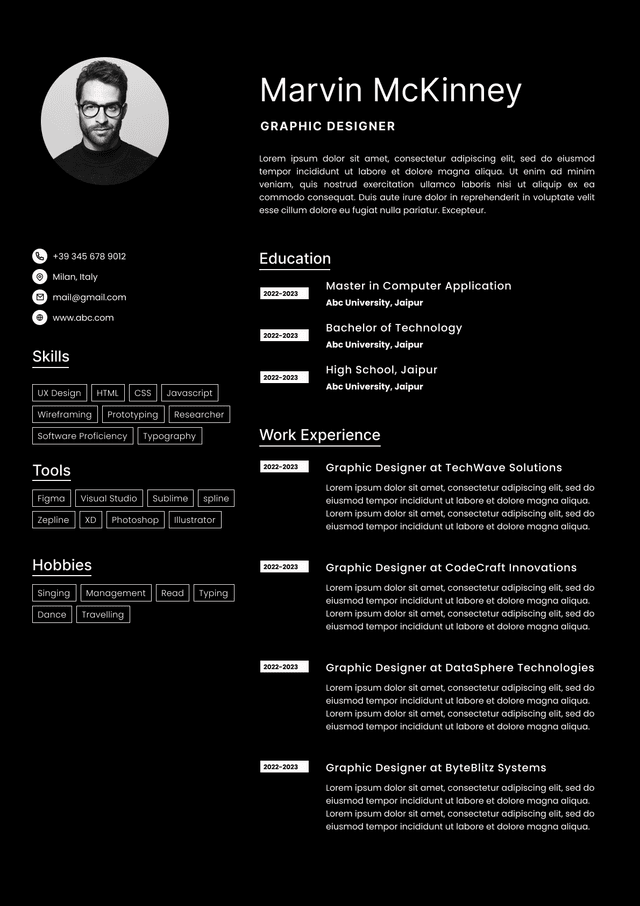
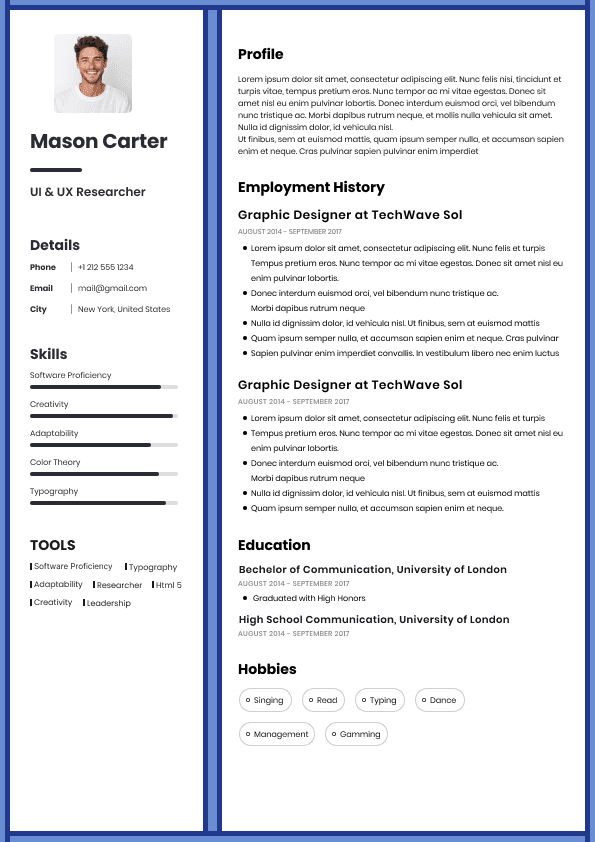
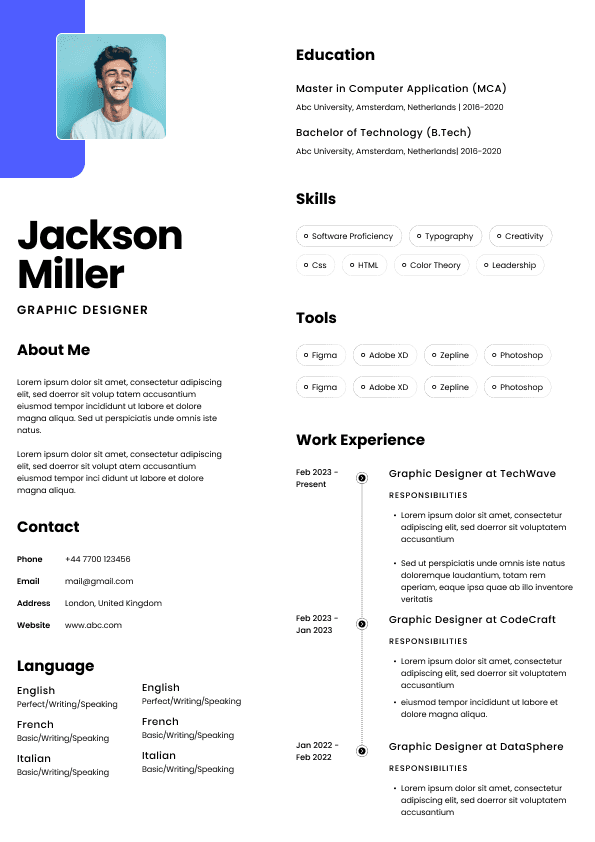
Use ATS-optimised Resume and resume templates that pass applicant tracking systems. Our Resume builder helps recruiters read, scan, and shortlist your Resume faster.


Use professional field-tested resume templates that follow the exact Resume rules employers look for.
Create Resume
Use professional field-tested resume templates that follow the exact Resume rules employers look for.
Create ResumeThe biggest shift happens when engineers move from “writing code” to “designing systems.”
That transition determines long-term salary growth and promotion potential.
Basic testing practices
Reading existing codebases
Working inside development teams
Strong juniors are not judged by complexity. They are judged by reliability, coachability, and execution quality.
Most rejected junior candidates fail because of one or more of these issues:
Tutorial-level knowledge only
No understanding of backend architecture
Weak debugging ability
Inability to explain technical decisions
Poor Git workflow knowledge
No deployed projects
Overly academic coding style
Resume projects that look copied
Hiring managers can usually spot tutorial clones within minutes.
The strongest entry-level Python candidates usually have:
One or two deployed backend projects
API integration experience
Clear GitHub commit history
Understanding of REST APIs
Exposure to Docker or cloud deployment
Ability to explain tradeoffs clearly
A junior developer who understands deployment basics often beats candidates with more theoretical coding knowledge.
Performance improvements
Code reviews
Hiring managers expect mid-level engineers to contribute across the software lifecycle, not just code isolated tickets.
Most companies promote engineers to mid-level when they demonstrate:
Independent problem-solving
Ownership mentality
Reduced oversight requirements
Production awareness
Strong communication with cross-functional teams
This is where “business impact” starts mattering.
Engineers who only code assigned tasks often plateau.
The most promotable Python backend engineers develop:
Async programming knowledge
Database optimization skills
API scalability understanding
Containerization experience
Cloud deployment capability
Monitoring and observability familiarity
This is usually where developers start specializing.
Promotion committees and hiring managers usually evaluate:
Architectural judgment
Reliability under pressure
Incident handling capability
Technical communication
Long-term thinking
Tradeoff awareness
Mentorship effectiveness
Strong senior engineers understand operational consequences, not just implementation details.
The most common blockers include:
Strong coding but weak communication
No system design capability
Limited ownership mindset
Inability to mentor others
Lack of scalability experience
Narrow technical exposure
Many developers underestimate how heavily communication affects senior promotions.
Database scaling
Fault tolerance
Horizontal scaling
Rate limiting
Hiring managers specifically look for engineers who can anticipate scaling failures before they happen.
Modern Python backend systems heavily use:
AsyncIO
FastAPI
Concurrent processing
Queue-based workloads
Streaming systems
Engineers who understand async architecture often become more valuable in high-scale backend environments.
Junior engineers focus on building features.
Senior engineers focus on:
Latency reduction
System uptime
Failure prevention
Operational efficiency
Reliability engineering
That mindset shift is what creates promotion leverage.
Organizational influence
Engineering alignment
Strategic architecture decisions
Technical leadership
Cross-team execution
Long-term scalability
This is no longer an individual contributor coding competition.
The most common issues:
Over-focusing on coding
Weak stakeholder communication
Limited strategic thinking
No organizational influence
Poor prioritization skills
Staff engineers must communicate clearly with engineering managers, directors, and product leadership.
Deep domain experts
Technical vision leaders
Infrastructure authorities
Performance optimization specialists
AI platform architects
Security engineering experts
Very few engineers reach this level because it requires both exceptional technical depth and broad organizational influence.
Cloud-native engineers build scalable distributed systems using:
Kubernetes
Docker
AWS
Terraform
Service meshes
Observability platforms
These engineers are highly valued because they directly impact reliability and scalability.
Platform engineers create internal systems that improve developer productivity and operational efficiency.
Typical responsibilities include:
Internal tooling
CI/CD systems
Infrastructure automation
Developer platforms
Deployment pipelines
This specialization has become extremely valuable in large engineering organizations.
Python is heavily used in security automation and DevSecOps.
Common responsibilities include:
Threat detection automation
Security tooling
Infrastructure scanning
Compliance automation
Cloud security workflows
This niche often pays exceptionally well due to talent shortages.
This combines backend engineering and machine learning operations.
Engineers in this path often manage:
Model deployment systems
Training infrastructure
GPU orchestration
Feature stores
Inference pipelines
This is one of the highest-compensation Python specializations in enterprise AI environments.
Service decomposition
Data consistency models
Failure recovery patterns
API architecture
System design interviews increasingly determine senior-level hiring outcomes.
Cloud skills are now expected for many backend roles.
The most valuable capabilities include:
AWS architecture
Infrastructure as code
Kubernetes operations
Cloud observability
Distributed deployment systems
Technical leadership becomes essential after mid-level roles.
High-growth engineers:
Mentor junior developers
Improve team standards
Reduce engineering friction
Share technical knowledge
Lead architecture discussions
Promotion committees consistently reward engineers who elevate team performance.
Engineering leaders promote people they trust to handle ambiguity, pressure, and production risk.
Trust is built through:
Consistent delivery
Clear communication
Calm incident handling
Reliable execution
Strong documentation
Thoughtful decision-making
This is why some technically average engineers advance faster than brilliant but unreliable developers.
Data flow design
Reliability engineering
Promotions are easier when your impact is visible.
High-growth engineers:
Improve documentation
Mentor others
Lead technical discussions
Solve recurring team problems
Staff and principal engineers succeed because they align engineering with business priorities.
Learn how technical decisions affect:
Cost
Reliability
Velocity
Product scalability
That perspective separates high-level engineers from strong coders.
Infrastructure expertise
Cloud systems
AI operational knowledge
Architecture leadership
The market is rewarding engineers who can bridge software engineering and operational scalability.
That trend is likely to continue for years.




 Upload Resume
 Import from Linkedin