STILL APPLYING. STILL HEARING NOTHING?BUILD YOUR RESUME

STILL APPLYING. STILL HEARING NOTHING?BUILD YOUR RESUME
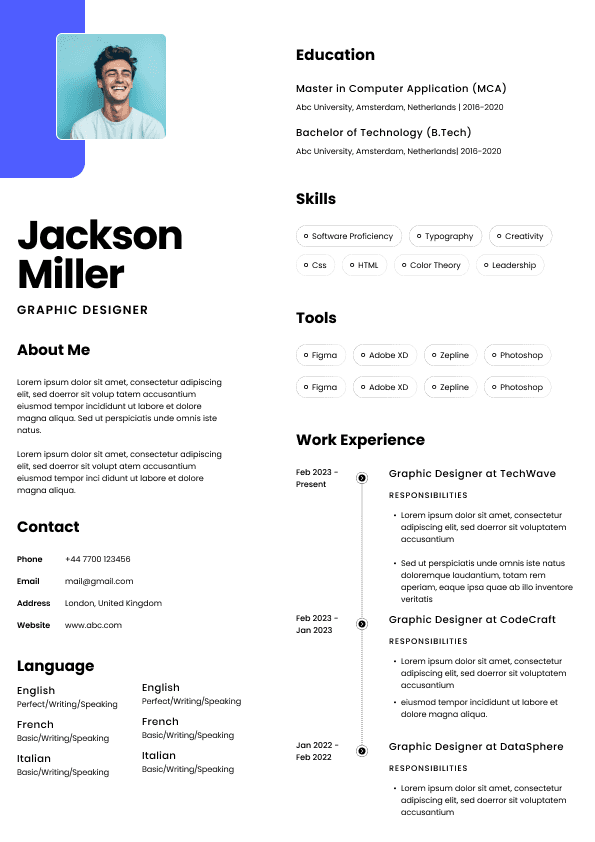
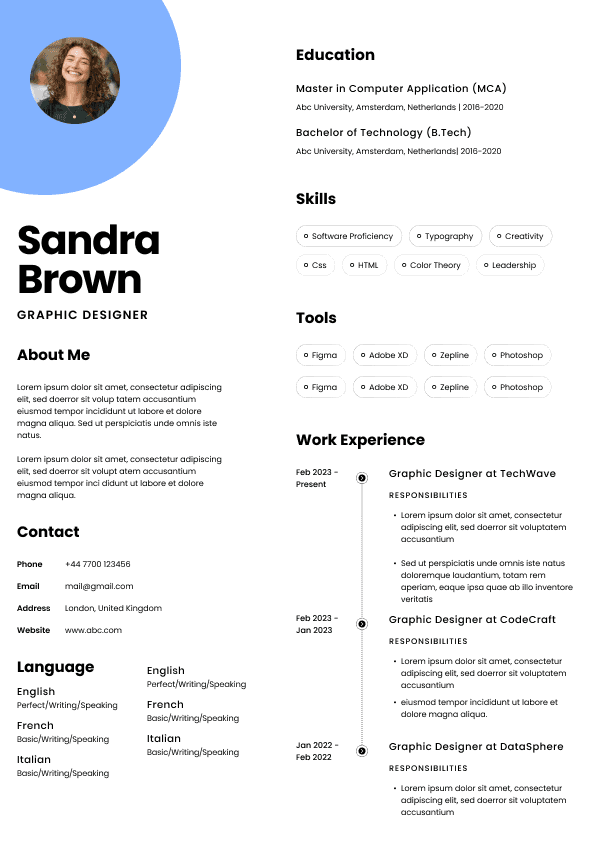
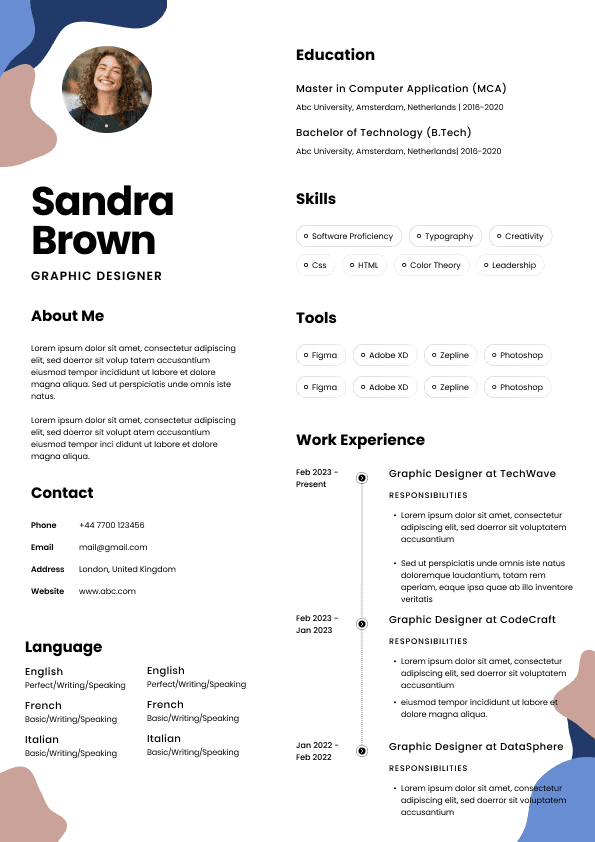
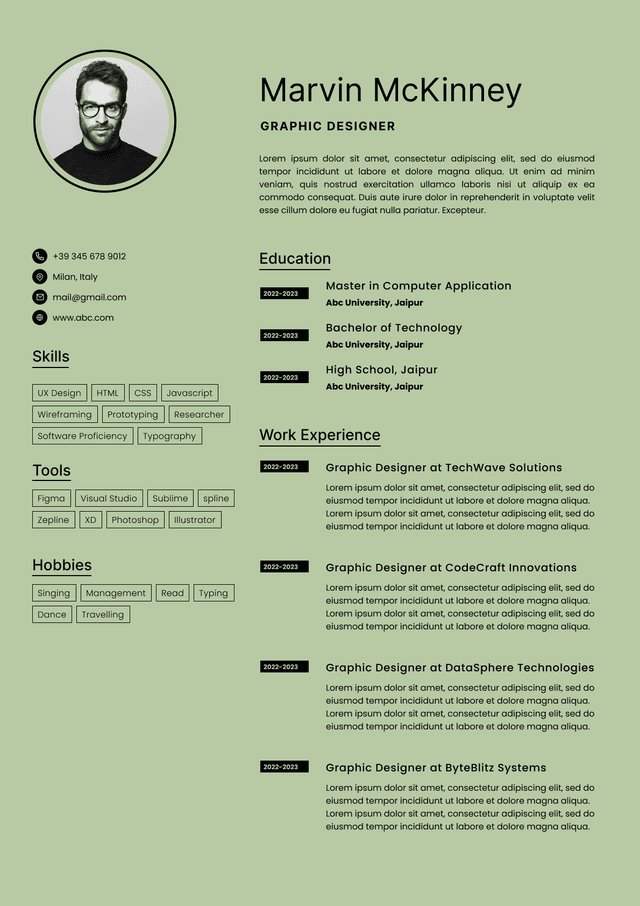
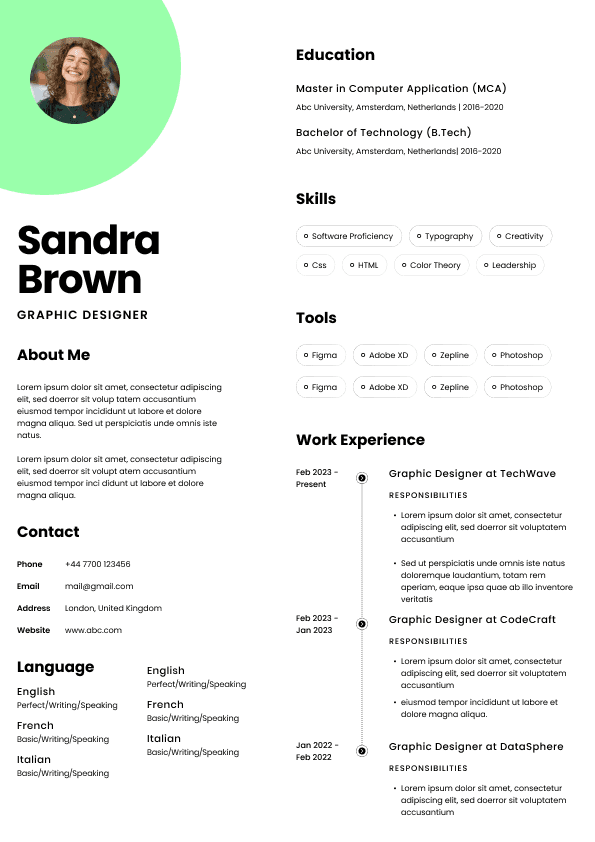
Choose from a wide range of NEWCV resume templates and customize your NEWCV design with a single click.
FAQ


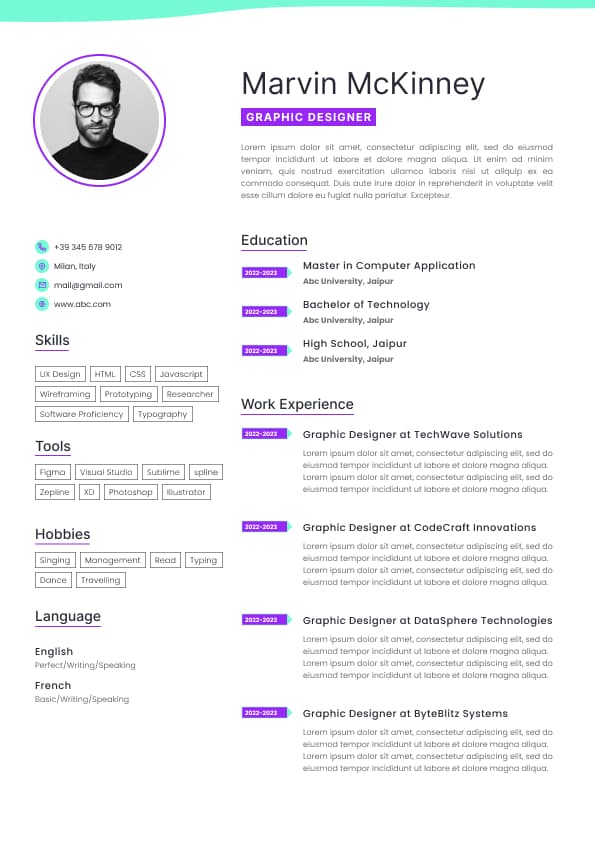
Use professional field-tested resume templates that follow the exact Resume rules employers look for.
Create ResumeIf you are applying for PHP API Developer, Laravel API Engineer, or backend integration roles, your resume is not being evaluated like a generic PHP developer resume.
Hiring managers for API-focused backend positions are screening for three things immediately:
Can you design and maintain production-grade APIs?
Have you integrated complex third-party systems successfully?
Do you understand backend scalability, security, and reliability beyond writing CRUD endpoints?
Most PHP developer resumes fail because they focus heavily on frontend tasks, generic Laravel work, or basic MVC development instead of API architecture, integrations, authentication, queue systems, webhook handling, and backend performance.
For API-heavy PHP roles, employers care less about “built websites” and far more about:
REST and GraphQL architecture
Third-party API integrations
OAuth2 and JWT authentication
Queue and async processing
Webhook reliability
API performance optimization
Error handling and retry logic
Distributed backend systems
API security standards
Scalable backend infrastructure
Your resume must position you as a backend systems engineer who happens to specialize in PHP, not just a PHP coder.
Candidates searching for PHP API Developer resume guidance are usually trying to achieve one of these outcomes:
Transition from general PHP development into backend API engineering
Position themselves for SaaS or platform engineering roles
Get shortlisted for Laravel API jobs
Improve resume quality for integration-heavy positions
Demonstrate modern backend architecture experience
Compete for higher-paying backend engineering jobs
That means your resume needs to show engineering depth, operational thinking, and system reliability experience.
A generic PHP resume will not compete effectively in this market.
For backend API roles, clarity and technical depth matter more than creative formatting.
Use this structure:
Professional Summary
Core Technical Skills
Professional Experience
Key API Projects
Education
Certifications if relevant
Avoid:
Graphic-heavy layouts
Multi-column ATS-breaking designs
Long objective statements
Generic soft skills sections
Overloaded technology lists without context
Recruiters reviewing backend engineering resumes typically scan the first page in under 30 seconds.
Your technical positioning must be obvious immediately.
Your summary should establish:
Backend specialization
API expertise
Integration experience
Scale or performance exposure
Framework strengths
Security knowledge
“PHP developer with experience building websites and applications using Laravel and MySQL.”
Why this fails:
Too generic
No API specialization
No backend positioning
No integration depth
Sounds junior
“Backend-focused PHP Developer with 6+ years of experience building scalable REST APIs, third-party integrations, and microservices using Laravel, Symfony, and distributed queue architectures. Specialized in payment integrations, OAuth2 authentication, webhook processing, and high-availability API systems supporting 2M+ monthly requests.”
Why this works:
Establishes specialization immediately
Signals backend architecture experience
Shows production scale
Includes relevant API technologies
Aligns with SaaS hiring expectations
Most resumes overload skills sections with irrelevant tools.
Backend API recruiters care about specialization depth.
Your skills should align with modern API engineering hiring patterns.
PHP 8+
Laravel
Symfony
REST APIs
GraphQL
JSON APIs
API versioning
OpenAPI/Swagger
OAuth2
JWT authentication
API gateways
Webhook integrations
Queue systems
Redis
RabbitMQ
Microservices
Event-driven architecture
Docker
MySQL
PostgreSQL
Payment APIs
CRM integrations
ERP integrations
Marketing automation platforms
Shipping APIs
Identity providers
Social authentication
Email/SMS APIs
AI API integrations
Analytics APIs
Security knowledge dramatically improves backend API hiring outcomes.
Include:
Rate limiting
OWASP API Security
Token-based authentication
Request validation
API encryption
Secure session handling
Secret management
Retry and idempotency logic
Many resumes completely ignore API security. That is a major missed opportunity.
The biggest mistake candidates make is describing responsibilities instead of engineering outcomes.
Hiring managers care about:
Scale
Reliability
Performance
System complexity
Business impact
“Integrated APIs into Laravel applications.”
Why this fails:
No complexity
No scale
No business impact
No technical depth
“Designed and implemented RESTful API integrations with Stripe, Salesforce, and HubSpot using Laravel queues and webhook retry systems, reducing failed transactions by 42% and improving synchronization reliability across 3 enterprise SaaS platforms.”
Why this works:
Specific integrations
Real architecture details
Operational impact
Performance metrics
Enterprise-level context
Backend engineering resumes become dramatically more credible when they include measurable outcomes.
High-value metrics include:
API latency reduction
Requests per second handled
Uptime improvements
Queue throughput
Error reduction
Retry success rate
Deployment frequency
Infrastructure scaling
Integration reliability
Transaction volume
Reduced average API response latency from 480ms to 140ms
Improved webhook retry success rate from 82% to 99.2%
Processed 4M+ API requests daily across distributed microservices
Increased queue processing throughput by 65%
Reduced third-party API failure incidents by 38%
Maintained 99.95% API uptime across production systems
These metrics separate senior backend engineers from general PHP developers.
Michael Carter
Backend-focused PHP API Developer with 7+ years of experience designing scalable REST APIs, microservices, and enterprise integrations using Laravel, Symfony, Redis, RabbitMQ, and cloud-native backend architectures. Specialized in payment processing APIs, OAuth2 authentication, webhook systems, and distributed asynchronous processing supporting high-volume SaaS environments.
PHP 8+
Laravel API Development
Symfony API Platform
REST APIs
GraphQL
OAuth2
JWT Authentication
Redis
RabbitMQ
Docker
Kubernetes
MySQL
PostgreSQL
API Gateway Architecture
Webhooks
Queue Systems
Event-Driven Systems
Microservices
OpenAPI Documentation
CI/CD Pipelines
NovaScale Technologies – Austin, TX
2021 – Present
Architected and maintained RESTful APIs supporting 4M+ monthly requests across multi-tenant SaaS infrastructure
Built distributed webhook processing systems using Laravel queues and Redis, improving retry success rates to 99.4%
Integrated Stripe, PayPal, Salesforce, HubSpot, and Twilio APIs into enterprise workflow platforms
Reduced API response latency by 58% through query optimization, Redis caching, and async job processing
Implemented OAuth2 and JWT authentication systems securing partner-facing APIs across 150+ enterprise clients
Designed versioned API architecture reducing backward compatibility issues during major product releases
Led migration from monolithic backend architecture to event-driven microservices using RabbitMQ and Docker
BrightForge Systems – Denver, CO
2018 – 2021
Developed scalable JSON APIs for logistics and shipping automation platforms handling 900K+ requests weekly
Integrated FedEx, UPS, DHL, and ERP APIs to automate order fulfillment pipelines
Built secure API throttling and rate limiting systems reducing abuse-related incidents by 71%
Improved queue processing speed by 46% using optimized worker scaling and async event handling
Created centralized API monitoring and logging workflows improving incident response time
Bachelor of Science in Computer Science
University of Colorado
Technical recruiters and backend hiring managers scan resumes differently than general recruiters.
They look for signals of engineering maturity.
Production-scale APIs
Enterprise integrations
Security implementation
Queue architecture
Async processing
Distributed systems
Microservices exposure
Performance optimization
Reliability engineering
API documentation standards
Mostly frontend work
Generic CRUD development
No measurable outcomes
Missing integration examples
No infrastructure context
No scalability evidence
No security knowledge
No architecture ownership
If your resume sounds interchangeable with a junior Laravel developer resume, you will struggle in competitive API engineering hiring funnels.
REST remains dominant in enterprise hiring.
However, GraphQL experience is increasingly valuable for:
SaaS companies
Product engineering teams
API platform companies
High-scale frontend ecosystems
If you have GraphQL experience:
Mention schema design
Resolver optimization
Query performance
Authentication layers
Caching strategies
Do not simply list “GraphQL” without context.
“Designed GraphQL APIs with optimized resolvers and Redis-backed query caching, reducing frontend over-fetching and improving response efficiency across customer analytics dashboards.”
Integration-heavy experience is one of the strongest differentiators for PHP backend engineers.
Most companies struggle with:
Vendor API instability
Retry handling
Rate limits
Authentication refresh cycles
Webhook failures
Data synchronization issues
If you solved these problems, show it clearly.
Built fault-tolerant webhook processing systems
Implemented retry queues for failed API transactions
Reduced synchronization failures between CRM and ERP systems
Managed OAuth token lifecycle automation
Optimized API throughput under rate-limited environments
This signals operational backend engineering experience.
If half your bullets mention HTML, CSS, or jQuery, your backend positioning weakens immediately.
Bad:
Laravel
REST
Redis
APIs
Good:
Context matters.
Backend engineering without metrics feels junior.
Always quantify reliability, scale, or performance.
Security is critical in API hiring.
Mention:
OAuth2
JWT
Request validation
Rate limiting
OWASP practices
“Worked on integrations” is not enough.
Specify:
Which APIs
Which systems
Which architecture
Which outcomes
Modern ATS systems still rely heavily on keyword relevance.
Important keyword clusters include:
REST API
GraphQL
API integration
JSON API
API gateway
API versioning
Microservices
Event-driven architecture
Queue systems
Distributed systems
Async processing
OAuth2
JWT
API security
Rate limiting
Secure authentication
Laravel
Symfony
Slim Framework
Lumen
Laminas
Do not keyword-stuff unnaturally.
Use these terms naturally inside accomplishment-driven bullets.
Senior-level hiring decisions increasingly focus on ownership.
Strong senior resumes demonstrate:
System design leadership
Cross-functional collaboration
Reliability improvements
Infrastructure modernization
Scalability planning
Technical mentorship
Incident reduction
“Led backend API modernization initiative transitioning legacy SOAP integrations into scalable REST microservices architecture, reducing partner onboarding time by 63% and improving system reliability across 40+ enterprise integrations.”
This communicates:
Leadership
Architecture ownership
Migration complexity
Business impact
Enterprise scale
That is senior backend engineering positioning.
SaaS hiring managers heavily prioritize backend reliability because APIs directly impact:
Revenue
Customer retention
Platform uptime
Third-party ecosystem stability
They look closely for:
Integration resilience
Retry systems
Monitoring
Queue reliability
Authentication security
Performance optimization
Backward compatibility handling
If you have SaaS experience, emphasize operational stability and scalability.
The strongest PHP API Developer resumes position the candidate as:
A backend systems engineer
An API architecture specialist
An integration reliability expert
A scalable platform contributor
Not simply a PHP developer.
Your resume should make it obvious that you can:
Build reliable APIs
Handle production-scale integrations
Secure backend systems
Optimize distributed architectures
Maintain operational stability
That is what drives interviews in modern backend PHP hiring.
Use ATS-optimised Resume and resume templates that pass applicant tracking systems. Our Resume builder helps recruiters read, scan, and shortlist your Resume faster.


Use professional field-tested resume templates that follow the exact Resume rules employers look for.
Create Resume


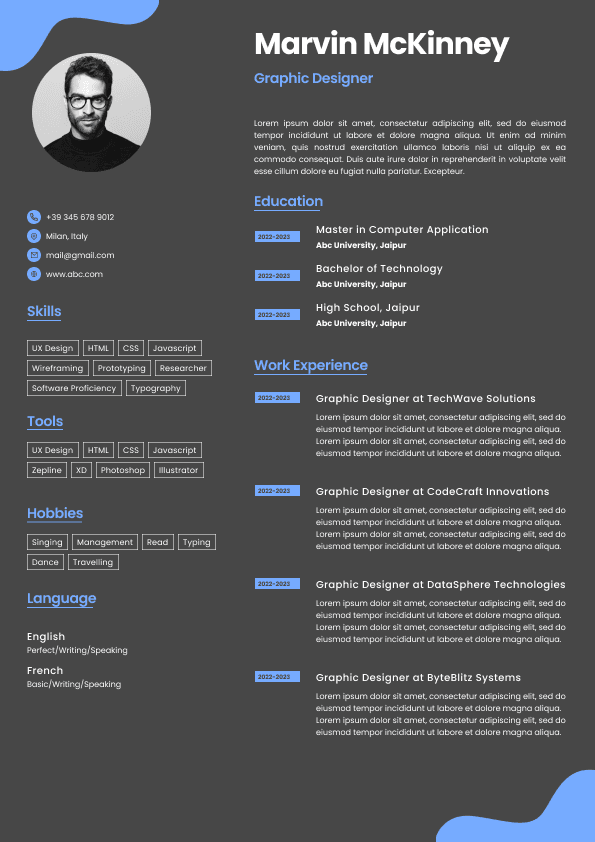
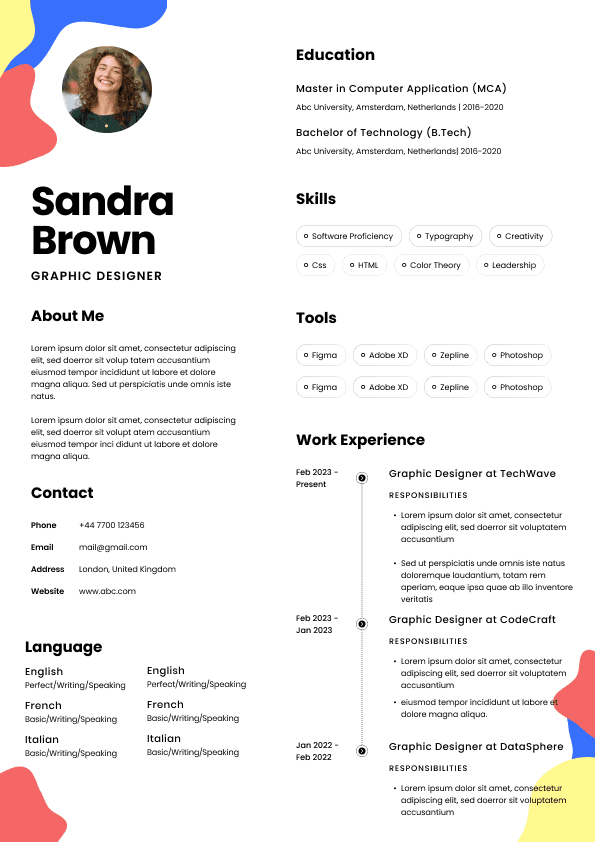
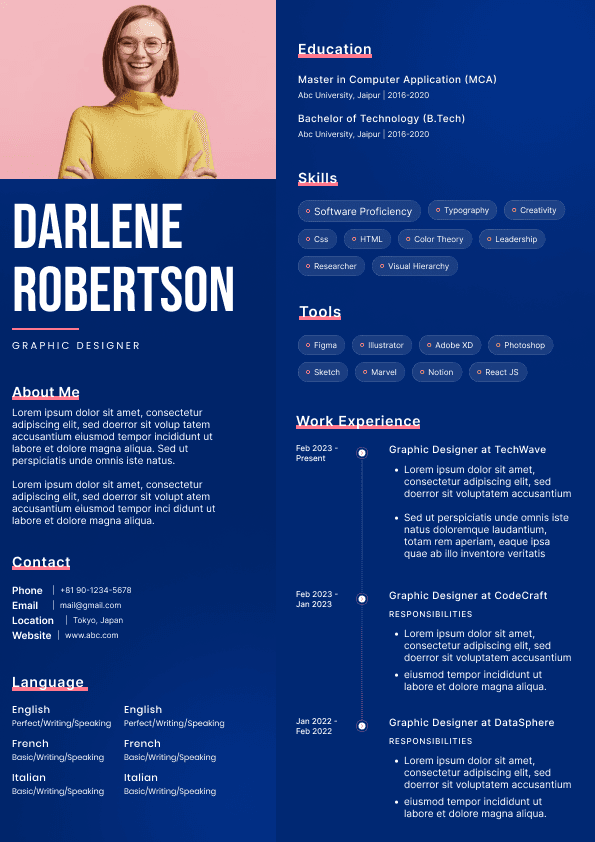


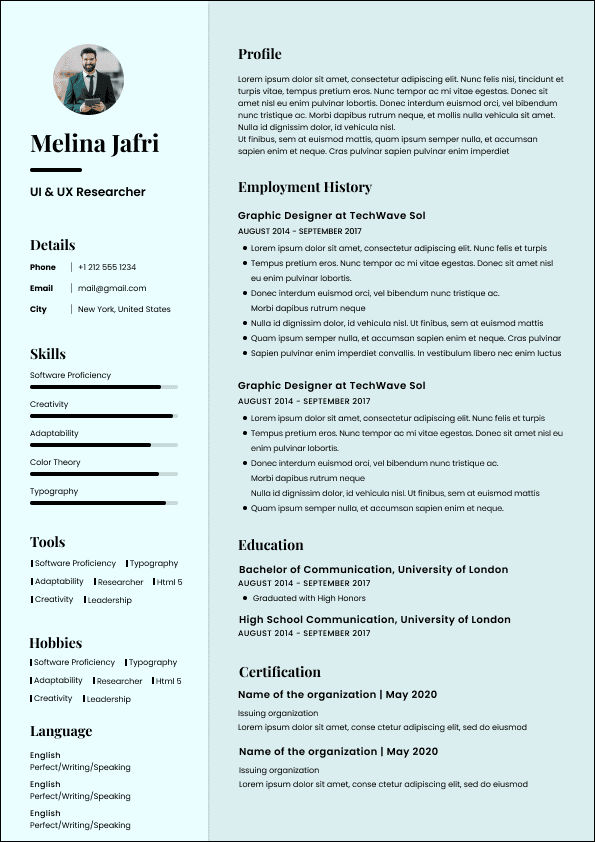
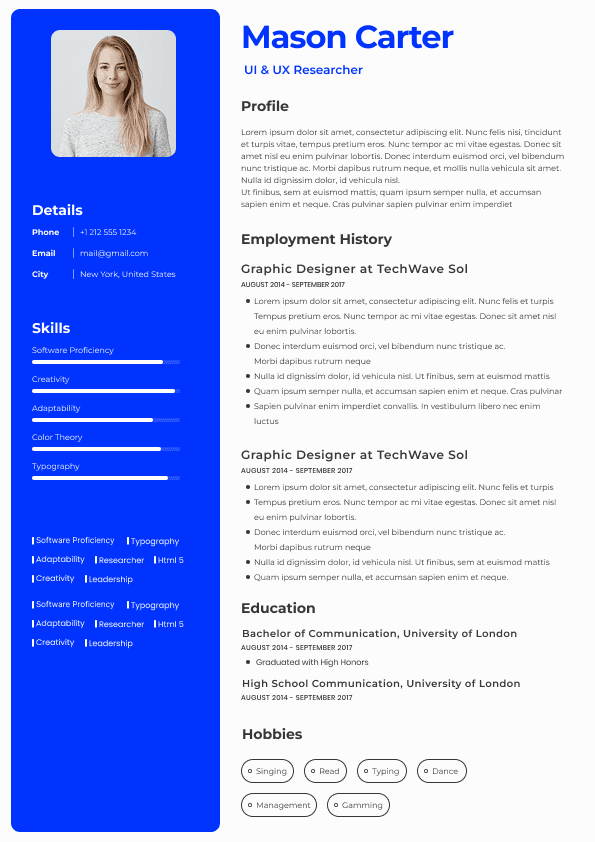
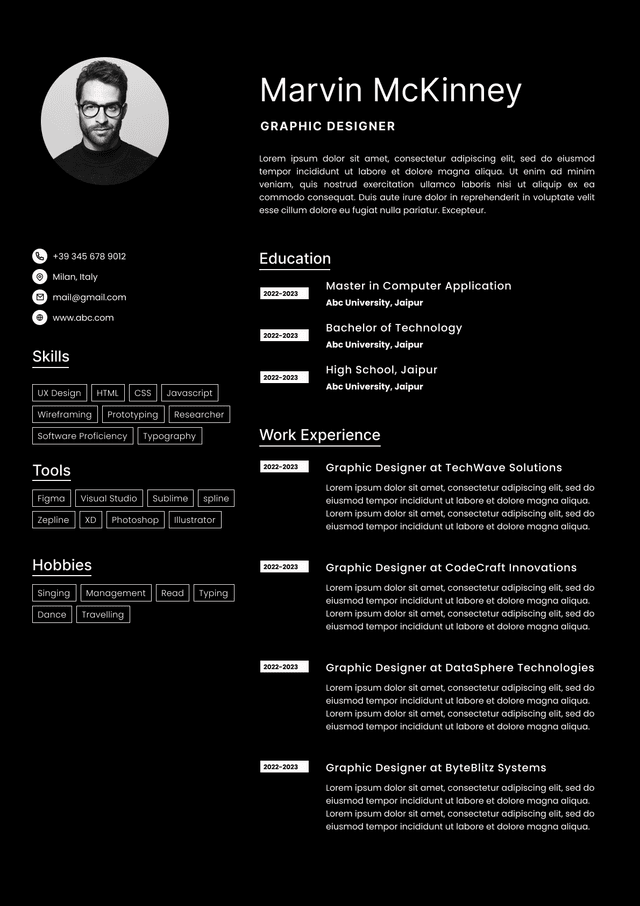
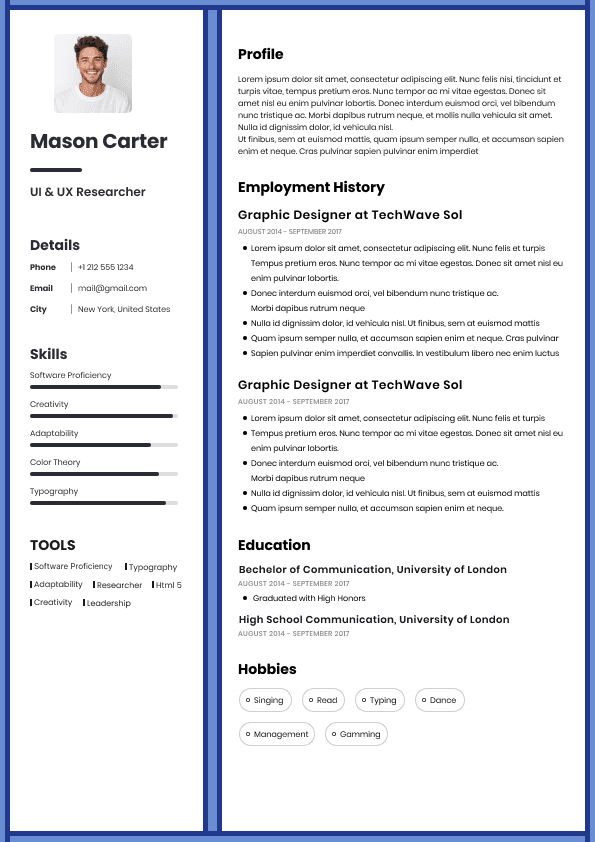
 Upload Resume
 Import from Linkedin