STILL APPLYING. STILL HEARING NOTHING?BUILD YOUR RESUME

STILL APPLYING. STILL HEARING NOTHING?BUILD YOUR RESUME
Choose from a wide range of NEWCV resume templates and customize your NEWCV design with a single click.
FAQ
A Python developer resume template should do two things exceptionally well: pass ATS parsing and help recruiters immediately understand your technical value. Most resumes fail because they bury core Python skills, overload the layout with design elements, or describe work without measurable backend impact. In real hiring environments, recruiters spend seconds deciding whether a Python resume moves forward. That means your template and structure matter almost as much as your experience.
The best Python developer resume formats prioritize clean hierarchy, framework visibility, deployment experience, API work, cloud tools, and business outcomes. Whether you are applying for backend engineering, Django development, FastAPI roles, automation engineering, data-heavy Python jobs, or senior cloud-focused positions, the template must support recruiter scanning behavior and ATS extraction accuracy.
This guide breaks down the best Python developer resume templates, which format works for your experience level, what recruiters actually look for, and how to structure your resume for interviews in today’s US tech market.
Recruiters reviewing Python developer resumes are not evaluating code quality first. They are evaluating hiring risk, technical alignment, and interview potential.
Your resume must quickly answer these questions:
Does this candidate match the stack we use?
Have they worked on production systems?
Can they build APIs, backend systems, or automation reliably?
Do they understand cloud deployment and databases?
Are they senior enough for the complexity of the role?
Is this resume easy to scan quickly?
A strong Python resume template helps recruiters find these answers immediately.
The highest-performing Python resumes usually highlight:
The best format depends on your experience level and hiring target.
This is the strongest option for most experienced Python developers.
It works best for:
Mid-level backend developers
Senior Python engineers
Django developers
FastAPI developers
Cloud engineers
Technical leads
Engineers with stable work history
Best for:
Junior developers
Entry-level candidates
Internships
Bootcamp graduates
Developers with less than 5 years of experience
Recruiters prefer concise resumes when experience is limited.
Best for:
Senior backend engineers
An ATS-friendly Python developer resume should follow this structure:
Include:
Full name
Phone number
Professional email
GitHub
Portfolio or deployment links if applicable
Avoid:
Full address
For technical roles, skills should appear near the top.
Recruiters often scan skills before reading experience.
A strong Python skills section should group technologies logically.
Django
FastAPI
Flask
Celery
SQLAlchemy
PostgreSQL
Below is the ideal ATS-friendly structure recruiters expect.
Professional contact details and portfolio links.
Concise technical positioning statement.
Grouped by categories.
Focus on measurable backend impact.
Especially important for:
Junior developers
Career changers
Freelancers
Experienced Python resumes should emphasize business outcomes and engineering scale.
Recruiters hiring senior engineers evaluate:
System design exposure
Scalability
Architecture ownership
Performance optimization
Cloud infrastructure
Leadership influence
Your bullets should reflect these areas.
Entry-level candidates often struggle because they underestimate project quality.
Recruiters know junior developers lack extensive work history.
What matters instead:
Project realism
Deployment experience
GitHub quality
API understanding
Database integration
Testing fundamentals
Django hiring managers specifically look for:
ORM optimization
REST API development
Authentication systems
Admin panel customization
Celery tasks
PostgreSQL performance
Production deployment
FastAPI hiring has increased significantly because companies want lightweight, high-performance APIs.
FastAPI recruiters often prioritize:
Async programming
API performance
Microservices
OpenAPI documentation
Containerization
Cloud-native deployment
AsyncIO
Many technically qualified developers lose interviews because ATS systems cannot parse their resumes properly.
Arial
Calibri
Helvetica
Aptos
Tables
Graphics
Icons
Most developers misunderstand recruiter behavior.
Recruiters are not reading line by line initially.
They scan for signals.
The first scan usually focuses on:
Job title alignment
Years of experience
Python frameworks
Backend stack
Cloud technologies
Company quality
Measurable impact
Huge keyword dumps reduce credibility.
Recruiters prefer focused technical alignment.
Weak bullets describe tasks.
Strong bullets describe outcomes.
Weak Example
“Responsible for backend API development.”
Good Example
“Built Python REST APIs reducing payment processing time by 34% across high-volume transaction systems.”
Generic summaries destroy differentiation.
Modern Python hiring heavily favors deployment familiarity.
Even junior developers benefit from mentioning:
Docker
Yes, especially if:
You have under 5 years of experience
Your projects are production-quality
You contributed to open source
Your work includes APIs or deployment
You are transitioning into backend engineering
Strong projects demonstrate:
Real coding ability
Architecture thinking
Use PDF unless the employer specifically requests Word.
PDF advantages:
Maintains formatting
Reduces layout issues
Looks cleaner across devices
Use Word only when:
Explicitly requested
Applying through legacy systems known to reject PDFs
Use a professional naming convention.
Good Example
John_Smith_Python_Developer_Resume.pdf
Strong ATS optimization depends on natural keyword integration.
Important Python resume keywords include:
Python
Django
FastAPI
Flask
REST API
PostgreSQL
AWS
Docker
The best Python resumes do not try to impress everyone.
They position for a specific hiring target.
A backend API engineer resume should not look identical to:
A machine learning engineer resume
A DevOps engineer resume
A data engineer resume
An automation engineer resume
Your template, keywords, projects, and technical emphasis should align with the actual role you want.
That alignment dramatically improves recruiter response rates because hiring managers immediately recognize role fit.

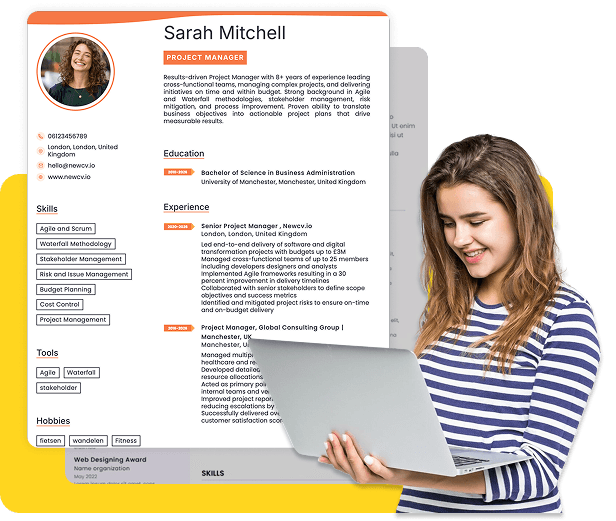
Use ATS-optimised Resume and resume templates that pass applicant tracking systems. Our Resume builder helps recruiters read, scan, and shortlist your Resume faster.

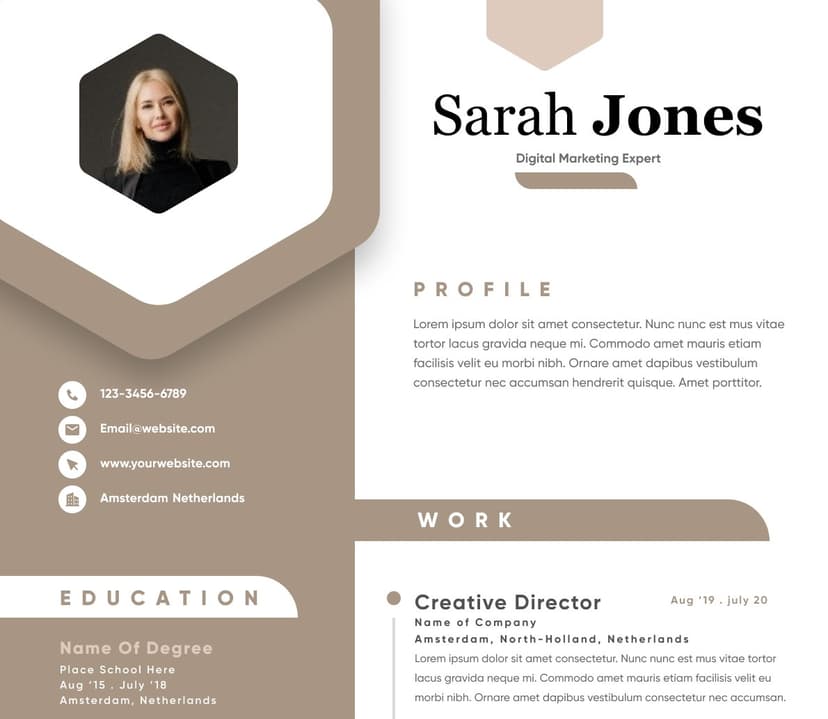
Use professional field-tested resume templates that follow the exact Resume rules employers look for.
Create Resume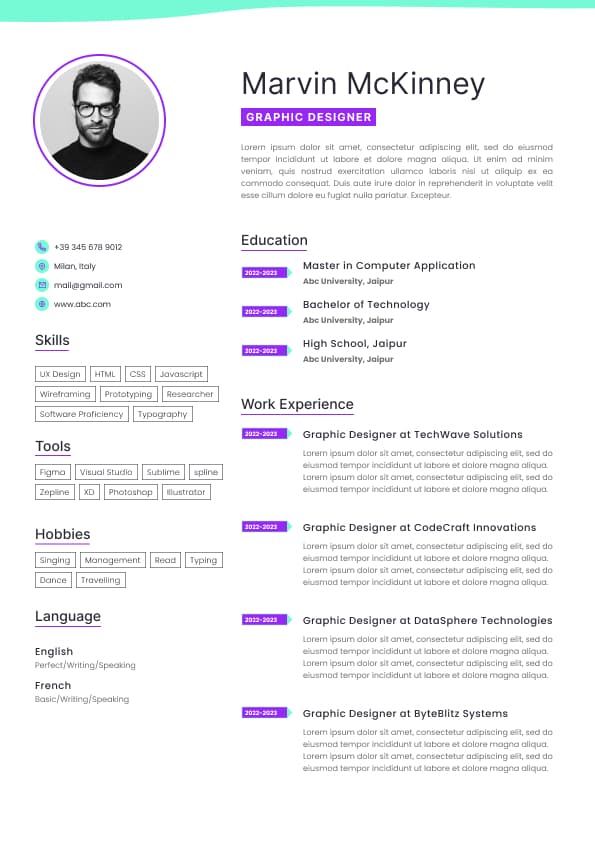
Use professional field-tested resume templates that follow the exact Resume rules employers look for.
Create ResumePython frameworks near the top
Backend architecture experience
API development
Database technologies
Cloud and DevOps exposure
Testing and CI/CD workflows
Quantified technical impact
GitHub or deployed project links when relevant
Weak Python resumes often fail because they:
Use graphic-heavy templates that break ATS parsing
Hide technical skills at the bottom
List tools without business context
Focus only on coursework instead of real projects
Include vague bullets like “worked on backend systems”
Use dense paragraphs instead of scannable structure
Why recruiters prefer it:
Shows career progression clearly
Makes recent experience easy to evaluate
Helps ATS systems organize data correctly
Prioritizes real-world production experience
This is the standard format used across most US tech hiring pipelines.
This format works best for:
Career changers
Bootcamp graduates
Self-taught developers
Entry-level Python candidates
Candidates with employment gaps
The focus shifts from work history to skills and projects.
However, recruiters are cautious with functional resumes because they can hide experience gaps. If you use this format, your projects must look substantial and technically credible.
This is ideal for:
API-heavy backend developers
Freelancers
Contract engineers
Cloud-focused Python developers
Candidates with strong GitHub portfolios
Developers transitioning into AI or platform engineering
This structure combines technical projects with professional experience.
It works especially well when your technical portfolio is stronger than your formal job history.
Cloud engineers
AI engineers
Engineering managers
Developers with extensive architecture experience
Technical leads
If the second page contains meaningful technical depth, it is completely acceptable in US hiring.
What recruiters dislike:
Fluff
Long summaries
Repeated technologies
Generic responsibilities
Dense paragraphs
Every line should justify its space.
Photos
Graphics
Icons
Multiple phone numbers
Your summary should immediately position your specialization.
Strong summaries identify:
Years of experience
Python specialization
Backend frameworks
Cloud environment
Infrastructure scale
Key technical strengths
Weak Example
“Motivated Python developer seeking opportunities to grow skills.”
Why it fails:
Generic
No technical positioning
No hiring signal
No specialization
Good Example
“Python developer with 6+ years of experience building scalable REST APIs using Django, FastAPI, PostgreSQL, and AWS. Experienced in backend architecture, CI/CD automation, microservices, and high-volume production systems supporting over 2 million monthly users.”
Why it works:
Clear technical identity
Production credibility
Recruiter-relevant stack visibility
Strong engineering signals
MySQL
MongoDB
Redis
DynamoDB
AWS
Docker
Kubernetes
Terraform
Jenkins
GitHub Actions
PyTest
Selenium
Unit Testing
Integration Testing
Postman
Git
Linux
RabbitMQ
Kafka
NGINX
This structure improves ATS parsing and recruiter readability.
FastAPI developers
Open-source contributors
Include only relevant certifications such as:
AWS Certified Developer
Azure Developer Associate
Google Cloud certifications
Kubernetes certifications
Keep concise unless recently graduated.
Designed FastAPI microservices handling 12M+ monthly API requests with 99.98% uptime
Reduced PostgreSQL query latency by 45% through indexing and backend optimization
Led migration from monolithic Django architecture to containerized microservices using Docker and Kubernetes
Built CI/CD pipelines reducing deployment failures by 38%
Implemented Redis caching layer improving API response times by 60%
These bullets work because they combine:
Technology
Scale
Business outcome
Technical ownership
Real deployed projects
REST APIs
Authentication systems
CRUD applications
Docker usage
Database design
Unit testing
GitHub repositories
Tutorial-only projects
Unfinished repositories
“Learning Python” descriptions
Generic classroom assignments
Overloaded skills sections
Django REST Framework
Celery
PostgreSQL
Redis
JWT Authentication
Gunicorn
NGINX
Dockerized deployment
This demonstrates:
Scale
Security
Backend performance
Technical depth
FastAPI
Pydantic
OpenAPI
Docker
Kubernetes
Microservices
API Gateway
Skill bars
Multi-column layouts
Header/footer contact info
Text boxes
ATS systems frequently misread these elements.
Use:
Clear headings
Standard section titles
Consistent spacing
Simple bullets
Plain text formatting
The cleaner the structure, the lower the parsing risk.
Resume readability
If these signals are unclear within seconds, the resume may not advance.
This is why template structure matters.
A technically skilled candidate with poor formatting often loses to a slightly weaker candidate with better positioning.
AWS
CI/CD
Cloud hosting
GitHub Actions
For many Python roles, GitHub acts as technical proof.
Especially for:
Junior developers
Freelancers
Self-taught engineers
Career changers
Technical initiative
Engineering depth
Authentication systems
SaaS platforms
API services
Automation systems
Web scraping pipelines
AI integrations
Cloud deployment projects
Data processing systems
Avoid:
ResumeFinal2.pdf
UpdatedResumeNEW.pdf
Recruiters notice professionalism details.
Kubernetes
CI/CD
Redis
Celery
SQLAlchemy
Microservices
AsyncIO
Unit Testing
PyTest
Linux
Git
Do not keyword-stuff.
Instead, integrate them naturally into:
Skills
Experience bullets
Project descriptions
Technical summaries


 Upload Resume
 Import from Linkedin