STILL APPLYING. STILL HEARING NOTHING?BUILD YOUR RESUME

STILL APPLYING. STILL HEARING NOTHING?BUILD YOUR RESUME
Choose from a wide range of NEWCV resume templates and customize your NEWCV design with a single click.
FAQ

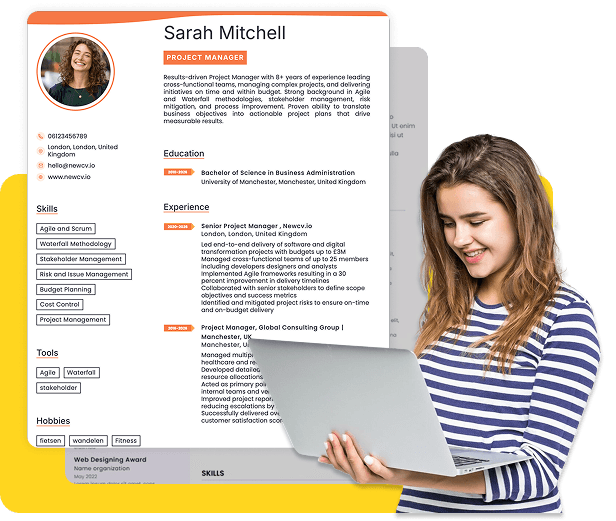
Remote Android developer jobs are still one of the strongest global opportunities in software engineering, especially for developers with Kotlin, Jetpack Compose, and mobile architecture experience. But most candidates apply the wrong way.
Remote-first companies do not hire Android engineers the same way traditional local employers do. They screen heavily for communication, ownership, async collaboration, release coordination, and independent execution, not just coding ability.
The developers getting interviews consistently are the ones who position themselves as low-friction remote teammates.
That means your success depends on three things:
Targeting the right remote job platforms
Positioning your Android experience for distributed teams
Passing communication-heavy remote interviews
If you understand how remote mobile hiring actually works, you can compete globally, even without FAANG experience or a perfect resume.
Most candidates think remote Android hiring is primarily about technical skills.
It is not.
Technical competency gets you considered. Remote execution gets you hired.
Hiring managers worry about completely different risks in remote environments:
Can this person work independently?
Will they communicate blockers early?
Can they ship mobile features without constant supervision?
Do they understand release coordination?
Can they collaborate across time zones?
Will they slow down distributed Agile workflows?
This is especially important in Android development because mobile engineering affects:
App store releases
QA timing
Backend dependencies
Product rollout schedules
Crash monitoring
Device compatibility testing
A remote Android engineer who creates communication gaps becomes expensive very quickly.
That is why companies often choose a slightly weaker coder with strong remote collaboration skills over a stronger engineer with poor async communication habits.
The remote Android market is fragmented. Different platforms attract different types of employers.
Understanding this changes your strategy significantly.
:contentReference[oaicite:0] is still one of the largest sources of remote Android developer openings.
Best for:
Mid-level and senior Android roles
Enterprise mobile teams
US-based remote employers
Stable full-time opportunities
Larger tech companies
Most LinkedIn applicants fail because they mass-apply.
Instead:
Apply within the first 24 hours
Tailor your headline toward remote Android work
Mention Kotlin and Jetpack Compose early
Optimize your About section for distributed teams
Connect with engineering managers directly
Remote Android hiring moves fast. Early applicants get disproportionate visibility.
Wellfound is one of the best platforms for startup-focused remote Android jobs.
Best for:
Startup Android engineering
International remote hiring
Equity-heavy roles
Small product teams
Direct founder access
Startup mobile teams care heavily about ownership.
If your profile sounds task-oriented instead of product-oriented, you lose advantage immediately.
Strong positioning sounds like this:
Weak Example
“Implemented Android features using Kotlin.”
Good Example
“Owned Android feature delivery from architecture through release coordination for a fintech mobile app serving 200K+ users.”
Ownership language matters heavily in startup hiring.
These platforms are especially strong for worldwide hiring:
These platforms favor candidates who can demonstrate:
Strong written communication
Independent execution
Clean Git workflows
Cross-functional collaboration
Reliable availability
Async coordination
Most remote-first employers assume technical skills can be improved. Communication habits are harder to fix.
Many Android developers overload resumes with libraries and frameworks.
Remote hiring managers care more about operational effectiveness.
The strongest remote Android resumes usually emphasize:
Kotlin
Jetpack Compose
MVVM or Clean Architecture
Coroutines and Flow
Retrofit
Room
Dependency Injection
Firebase
REST APIs
CI/CD pipelines
Async communication
Jira workflows
Git collaboration
Documentation-first development
Remote debugging
Mobile release coordination
Cross-time-zone collaboration
Agile sprint execution
QA coordination
This combination matters because remote Android engineering is operationally complex.
You are rarely coding in isolation.
You are coordinating with:
Backend engineers
Product managers
QA teams
Designers
Release managers
DevOps teams
Candidates who understand distributed execution consistently outperform technically stronger but operationally weaker applicants.
Remote Android resumes fail for predictable reasons.
Most resumes sound like local office resumes with the word “remote” added randomly.
Hiring managers notice immediately.
Remote recruiters typically scan for:
Evidence of self-management
Clear ownership
Communication ability
Remote tooling familiarity
Independent delivery experience
Product thinking
Your resume should reduce perceived management risk.
That means emphasizing outcomes, coordination, and execution reliability.
Weak Example
“Worked with team members on Android app updates.”
Good Example
“Collaborated asynchronously with distributed engineering and QA teams across three time zones to coordinate Android feature releases and reduce production defects by 28%.”
The second example demonstrates:
Remote coordination
Async collaboration
Cross-functional communication
Measurable business impact
That is what remote employers want.
Your summary should immediately position you as remote-capable.
Strong summaries typically include:
Years of Android experience
Kotlin specialization
Remote collaboration experience
Product ownership
Distributed team exposure
Group skills strategically.
Avoid giant keyword dumps.
Strong categories include:
Android Development
Architecture
Collaboration Tools
CI/CD & Deployment
Agile & Workflow Tools
Remote hiring managers care about:
Ownership
Scalability
Collaboration
Delivery outcomes
Communication
Focus heavily on shipped features, release coordination, and measurable improvements.
Entry-level remote Android roles are harder to land, but not impossible.
The biggest mistake junior developers make is competing purely on technical depth.
You will lose that battle against experienced engineers.
Instead, compete on execution reliability.
Fast learning ability
Communication consistency
Documentation quality
Strong Git habits
Personal projects
App publishing experience
Internship collaboration
Clean code practices
Even publishing one solid Android app can dramatically improve credibility.
Especially if you can explain:
Architecture decisions
API integration
Performance optimization
State management
Release handling
Hiring managers often care more about implementation thinking than app complexity.
“No experience” rarely means literally zero experience.
It usually means:
No formal Android job history
Limited commercial work
Career transition candidates
To compete here, you need proof of execution.
Published Play Store apps
GitHub consistency
Real API integrations
Firebase implementation
Authentication flows
Modern UI practices
Jetpack Compose usage
Bug fixing documentation
Recruiters want evidence you can finish things independently.
That matters more than tutorial projects.
These are major rejection triggers:
Tutorial-clone portfolios
No shipped apps
No measurable outcomes
Generic resumes
Weak communication
No Git history
No documentation examples
Remote hiring amplifies uncertainty.
Anything that reduces trust hurts more in remote recruiting.
Remote Android interviews are usually more communication-heavy than local interviews.
Many candidates underestimate this.
Companies are evaluating whether you can function inside distributed engineering environments.
These often involve:
Building Android features
Fixing bugs
Refactoring code
Architecture improvements
API integration
What companies evaluate:
Code clarity
Commit quality
Documentation
Communication notes
Time management
Messy submissions kill otherwise strong candidates.
You may discuss:
App scalability
Offline-first design
State management
Dependency injection
Performance optimization
Crash reduction
Strong candidates explain tradeoffs clearly.
Weak candidates memorize frameworks without understanding engineering decisions.
Remote pair programming evaluates:
Communication clarity
Debugging approach
Collaboration behavior
Calmness under pressure
Interviewers care less about perfection than collaboration quality.
Talking through your thinking matters heavily.
This is increasingly common.
You may be asked to explain:
A feature you built
Architecture decisions
Release coordination
Technical tradeoffs
Performance improvements
Candidates who can explain impact beyond code stand out significantly.
Global remote Android hiring is no longer limited to Silicon Valley companies.
Teams now hire internationally across Europe, Latin America, Asia, and Africa.
That changes competition dynamics.
This is often more important than pure coding ability.
Remote engineering breaks down when communication breaks down.
Employers prioritize candidates who:
Respond clearly
Write structured updates
Escalate blockers early
Explain technical issues well
You do not need perfect overlap.
But employers want predictability.
Strong candidates clearly communicate:
Working hours
Availability expectations
Collaboration windows
Remote Android engineers are expected to unblock themselves.
Hiring managers look for:
Ownership language
Initiative examples
Problem-solving ability
Delivery consistency
Micromanagement does not scale remotely.
Contract Android work is growing rapidly, especially in startups and product rebuilds.
These roles often involve:
MVP development
Feature expansion
Legacy modernization
Jetpack Compose migration
Release stabilization
Contract hiring moves faster than full-time hiring.
But expectations are higher immediately.
Fast onboarding
Strong communication
Reliable delivery
Minimal supervision
Clear estimates
Stable Git practices
Most contract Android developers fail because they behave like employees instead of owners.
Clients want execution certainty.
If your resume sounds interchangeable, you disappear.
Remote hiring is crowded.
Specificity wins.
Late replies, vague answers, and unclear explanations create risk signals immediately.
Remote employers heavily weight responsiveness.
Framework-heavy resumes without business impact underperform.
Employers care about shipped outcomes.
If your resume lacks:
Async workflows
Distributed collaboration
Jira usage
Git coordination
Release communication
You may look unprepared for remote environments.
The strongest candidates consistently:
Show ownership
Quantify impact
Explain technical decisions clearly
Demonstrate strong communication
Understand product outcomes
Write clearly and concisely
Ship production-quality work
They position themselves as reliable remote teammates, not just Android coders.
That distinction matters enormously.
Most candidates spray applications randomly.
That creates poor conversion rates.
A better strategy looks like this:
Update:
LinkedIn headline
Resume summary
GitHub profile
Portfolio messaging
Position yourself specifically for remote Android hiring.
Demonstrate:
Async communication
Documentation
Technical writing
Consistent Git activity
Remote jobs attract massive applicant volume.
Speed matters.
Many remote Android hires happen through direct outreach.
Especially in startups.
Practice:
Architecture explanations
Technical storytelling
Feature walkthroughs
Debugging communication
Communication quality often determines final-round outcomes.
Use ATS-optimised Resume and resume templates that pass applicant tracking systems. Our Resume builder helps recruiters read, scan, and shortlist your Resume faster.
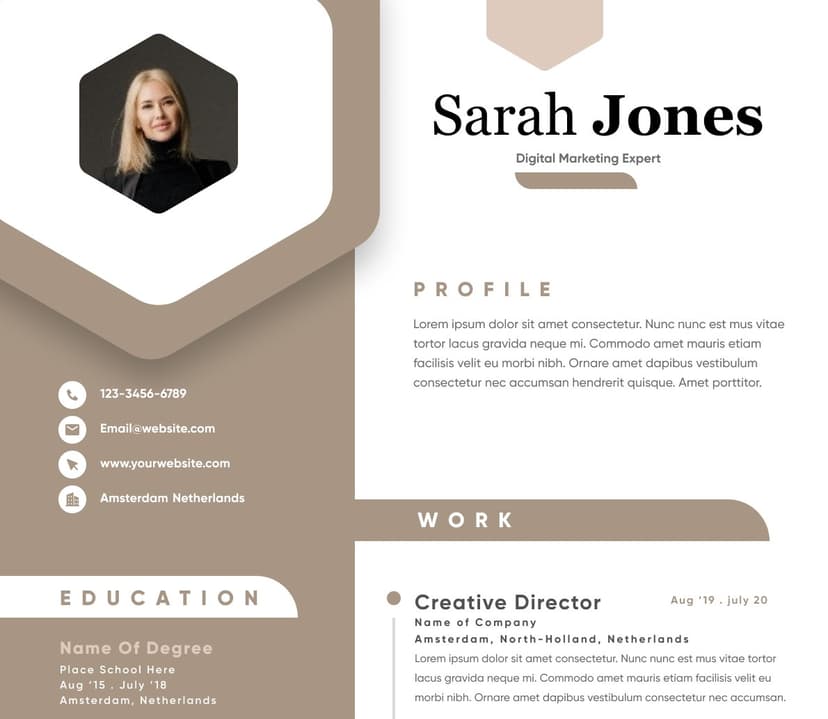
Use professional field-tested resume templates that follow the exact Resume rules employers look for.
Create Resume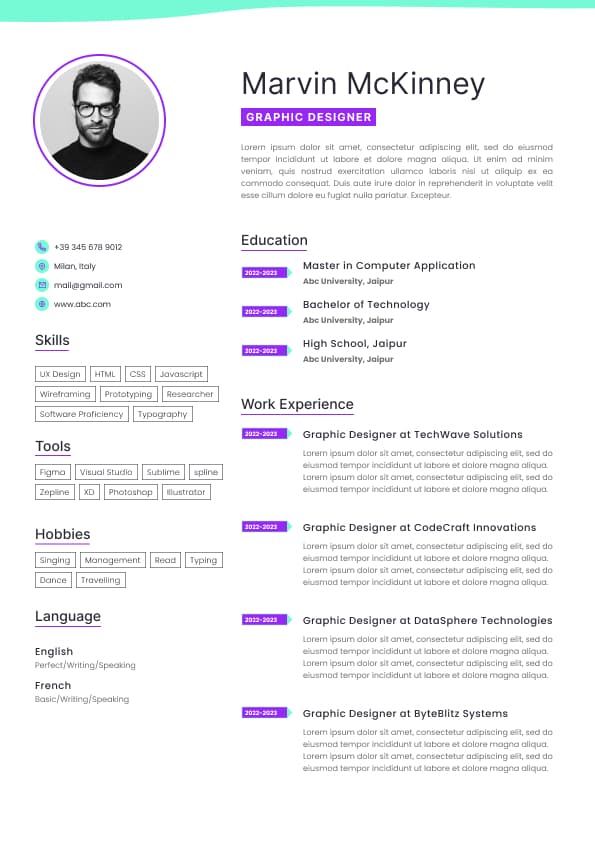
Use professional field-tested resume templates that follow the exact Resume rules employers look for.
Create Resume


 Upload Resume
 Import from Linkedin