STILL APPLYING. STILL HEARING NOTHING?BUILD YOUR RESUME

STILL APPLYING. STILL HEARING NOTHING?BUILD YOUR RESUME
Choose from a wide range of NEWCV resume templates and customize your NEWCV design with a single click.
FAQ

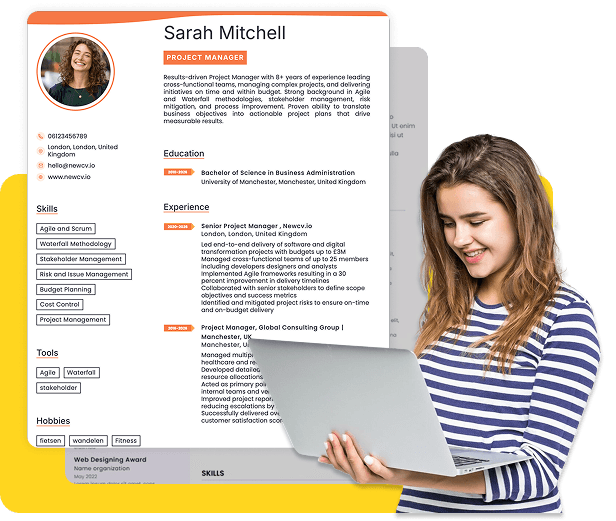
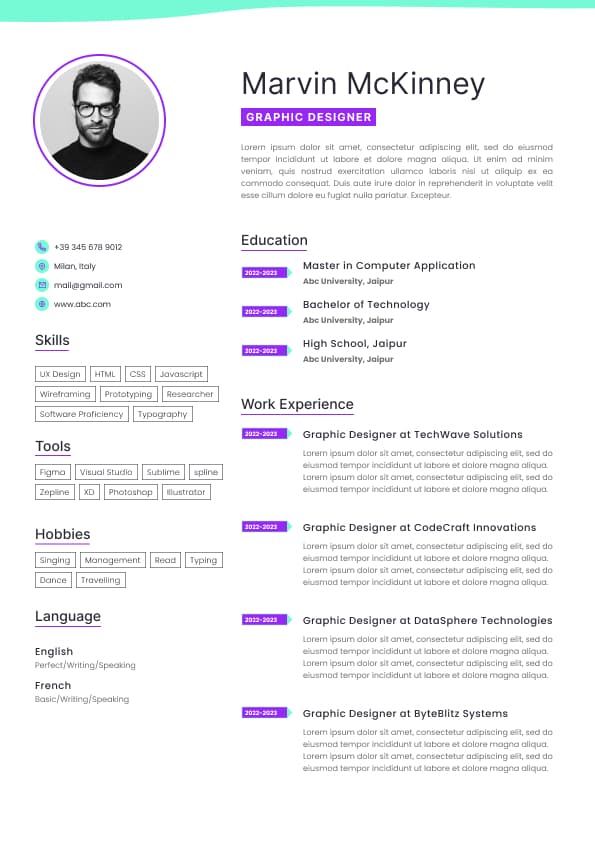
Use professional field-tested resume templates that follow the exact Resume rules employers look for.
Create ResumeA Python developer internship is no longer just about knowing Python syntax. Most companies hiring interns today want candidates who can demonstrate practical backend development ability, problem-solving skills, and evidence of real technical work outside the classroom.
The strongest internship candidates typically have:
2–4 solid Python projects on GitHub
Basic backend API experience using Flask, Django, or FastAPI
Familiarity with Git, SQL, and REST APIs
Strong debugging and logical thinking skills
A resume focused on technical impact, not coursework alone
Evidence of initiative through hackathons, automation tools, or self-driven projects
Recruiters hiring for Python internships are usually evaluating potential, not mastery. They want to see whether you can learn quickly, contribute to a development team, and write maintainable code with guidance.
Most applicants fail because they rely too heavily on certificates, generic tutorials, or weak resume descriptions that do not prove technical ability.
This guide breaks down exactly how to position yourself competitively for Python developer internships in today’s hiring market.
Most Python developer internships fall into one of these categories:
Backend engineering internships
Automation and scripting internships
API development internships
AI or machine learning support internships
Data processing and internal tooling internships
QA automation internships
The actual responsibilities vary by company size.
Smaller startups often expect interns to contribute quickly. You may:
Build API endpoints
Fix backend bugs
Work on internal automation tools
Deploy applications
Write scripts to process data
Help with integrations
Startups care heavily about practical skills and GitHub evidence.
Mid-sized companies usually provide more structure. Interns may:
Work under senior developers
Contribute to backend modules
Write unit tests
Participate in sprint planning
Learn Git workflows and code review processes
These companies evaluate communication and teamwork more heavily.
Large enterprises often focus on:
Clean coding practices
Security awareness
Testing fundamentals
OOP concepts
Team collaboration
Documentation
Interview processes are usually more standardized and algorithm-focused.
Many students waste time learning advanced technologies before mastering the fundamentals recruiters actually screen for.
The most important internship skills are still foundational.
You should be comfortable with:
Variables and data types
Functions and classes
Loops and conditionals
Error handling
File handling
List comprehensions
Dictionaries and sets
Modules and packages
Virtual environments
Recruiters often detect weak Python fundamentals immediately during technical interviews.
A candidate who deeply understands core Python usually performs better than someone who only memorized frameworks.
OOP is heavily tested because it reflects how backend systems are structured.
You should understand:
Classes and objects
Inheritance
Encapsulation
Polymorphism
Instance vs class variables
Constructors
Method overriding
Many internship applicants can explain theory but cannot apply OOP practically.
For example, interviewers may ask:
How would you structure a user authentication system?
Why use inheritance here?
How would you organize reusable API logic?
Strong candidates explain architecture clearly instead of repeating textbook definitions.
A surprising number of applicants underestimate databases.
Most backend internship roles expect:
Basic SQL queries
JOIN operations
Filtering and aggregation
Primary and foreign keys
Database normalization basics
Even AI-focused Python internships frequently require database work.
Candidates who combine Python + SQL + APIs are dramatically more employable than candidates focused only on Python syntax.
Many students still apply without meaningful GitHub activity.
That is a major mistake.
Recruiters increasingly use GitHub as proof of:
Coding consistency
Project ownership
Technical curiosity
Collaboration habits
Code organization
A strong GitHub profile can compensate for limited internship experience.
Projects matter more than certificates in most internship hiring decisions.
The strongest projects solve real problems and demonstrate backend thinking.
A CRUD API remains one of the highest-value internship projects.
Good project features:
Authentication
Database integration
API documentation
Pagination
Error handling
Input validation
Frameworks:
Flask
FastAPI
Django REST Framework
Automation projects perform well because they demonstrate practical value.
Good examples:
Resume parser
File organization automation
Web scraping tools
Email automation systems
CSV processing pipelines
Recruiters like projects that save time or automate repetitive work.
AI internships are becoming more common, but many student AI projects are weak because they only use prebuilt APIs.
Better AI internship projects include:
AI resume analyzer
Document summarization API
Chatbot with memory handling
Sentiment analysis dashboard
OCR processing pipeline
The key is demonstrating backend logic around the AI functionality.
Most applicants build the same tutorial projects.
Recruiters remember projects that show:
Independent problem-solving
Real deployment
Clean architecture
Strong README documentation
Error handling
API security awareness
Practical use cases
“Built a weather app using Python.”
This tells recruiters almost nothing.
“Developed a FastAPI-based weather aggregation API integrating OpenWeatherMap and geolocation services, reducing API response latency by 28% through async request optimization.”
The second version demonstrates:
Technical depth
Specific frameworks
Problem-solving
Performance awareness
Backend engineering thinking
Most internship resumes fail because they look academic instead of practical.
Recruiters spend very little time on first-pass resume screening.
You must immediately demonstrate:
Technical capability
Relevant projects
Clear backend alignment
Evidence of execution
In order of importance:
Projects
Technical skills
Internship experience
GitHub portfolio
Coursework relevance
Leadership or hackathons
Your projects section is usually the most important area if you lack professional experience.
A strong internship resume typically includes:
Summary or objective
Technical skills
Projects
Education
Experience
Certifications only if highly relevant
Only include skills you can discuss confidently in interviews.
High-value internship skills:
Python
FastAPI
Flask
Django
SQL
PostgreSQL
Git
REST APIs
Docker basics
Linux basics
JSON
OOP
Data structures and algorithms
Recruiters care less about course completion and more about demonstrated technical initiative.
Strong signals include:
GitHub contribution activity
Self-built APIs
Hackathon participation
Open-source contributions
Technical blogging
Deployed applications
Even small contributions can strengthen your positioning.
Most students think recruiters deeply review codebases.
Usually they do not.
Recruiters typically scan for:
Consistency
Professional organization
Active learning
Real project ownership
Technical relevance
Hiring managers and engineers may review more deeply later.
Good internship GitHub profiles usually include:
Pinned repositories
Clear README files
Screenshots or API examples
Organized commit history
Real deployment links
Descriptive project naming
Uploading tutorial clones with no customization.
Recruiters recognize tutorial projects instantly.
You must personalize projects with:
Additional features
Better architecture
Deployment
Different UI
Performance improvements
Authentication systems
Most internship interviews evaluate:
Problem-solving ability
Communication
Technical fundamentals
Learning potential
Not senior-level expertise.
You may be asked:
Difference between lists and tuples
Mutable vs immutable objects
What is a dictionary hash map?
Explain list comprehensions
What are decorators?
Explain generators
Common topics:
REST APIs
HTTP methods
Authentication basics
API status codes
Database integration
JSON serialization
Interviewers frequently ask:
Why use classes?
What is inheritance?
Explain abstraction
How would you structure this backend system?
Even internship roles often include:
Arrays
Strings
Hash maps
Sorting
Searching
Basic recursion
Most companies prioritize clarity and reasoning over perfect optimization for interns.
Many students prepare inefficiently.
The highest-return preparation strategy is:
One coding platform
One backend framework
One SQL platform
Consistent project improvement
Recommended:
LeetCode Easy and Medium
HackerRank Python tracks
NeetCode roadmap
Build:
Authentication APIs
CRUD systems
Database integrations
File upload systems
Prepare stories around:
Problem-solving
Team conflict
Learning quickly
Debugging difficult issues
Project ownership
Behavioral interviews eliminate many technically capable candidates.
Students often overthink framework selection.
The best framework is usually the one you can explain deeply.
Best for:
Modern API development
Async applications
AI integrations
High-performance backend learning
FastAPI is growing rapidly in internship hiring because many startups use it for modern APIs.
Best for:
Full-stack backend systems
Enterprise learning
Authentication-heavy applications
Django demonstrates strong architectural understanding.
Best for:
Learning backend fundamentals
Lightweight APIs
Beginner-friendly experimentation
Flask is still highly respected for internship-level backend work.
Recruiters often reject candidates for reasons students never realize.
Many resumes:
Focus too heavily on coursework
Lack measurable impact
Use vague project descriptions
Include irrelevant skills
Technical ability alone is rarely enough.
Interviewers evaluate:
Clarity
Confidence
Structured thinking
Problem explanation
Candidates who explain debugging processes clearly often outperform technically stronger but disorganized applicants.
Strong internship candidates often:
Build projects voluntarily
Learn beyond coursework
Contribute consistently
Explore documentation independently
Hiring managers notice self-driven learning immediately.
You do not need previous internships to compete effectively.
You need evidence of capability.
Focus on:
One backend specialization
3–4 excellent projects
Consistent GitHub activity
Practical APIs
Strong resume bullet points
Interview communication skills
A focused candidate often beats a scattered candidate with more technologies listed.
The strongest Python internship applicants today usually have:
Python + SQL proficiency
FastAPI or Django experience
2–4 deployed projects
GitHub activity
Basic cloud understanding
API development skills
Strong communication ability
They do not necessarily know advanced distributed systems, Kubernetes, or deep AI research.
Most companies hiring interns simply want someone who can:
Learn fast
Contribute reliably
Debug problems
Work collaboratively
Build maintainable code
Recruiters recognize copied projects quickly.
Always customize and extend projects meaningfully.
A long skills list often signals shallow understanding.
Depth beats breadth for internships.
“Worked on backend development.”
“Built RESTful API endpoints using FastAPI and PostgreSQL, reducing average query response time through indexed database optimization.”
Specificity builds credibility.
Deployed projects dramatically improve internship applications.
Even simple deployment using:
Render
Railway
Vercel
AWS basics
can separate you from other applicants.
Use ATS-optimised Resume and resume templates that pass applicant tracking systems. Our Resume builder helps recruiters read, scan, and shortlist your Resume faster.

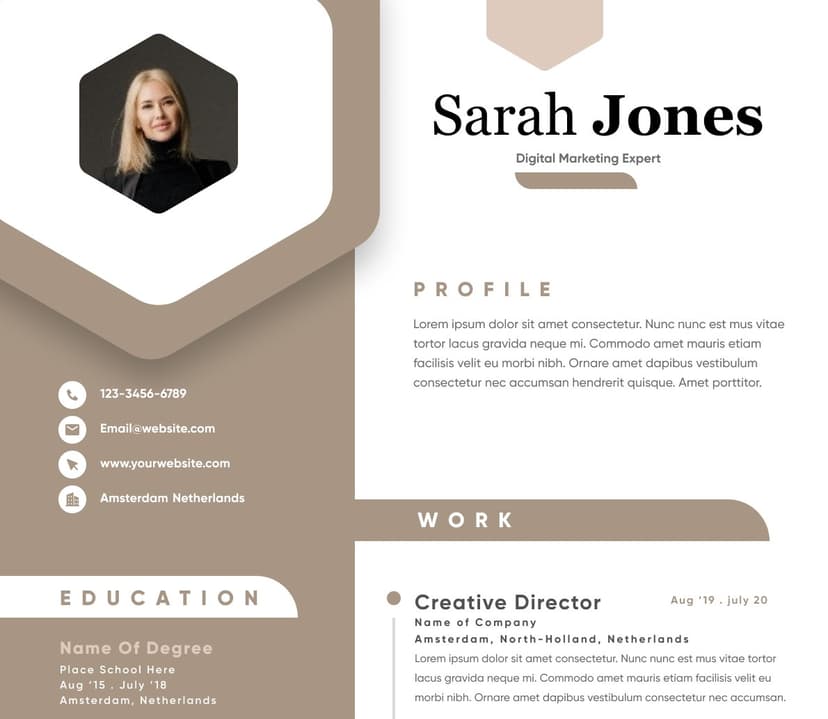
Use professional field-tested resume templates that follow the exact Resume rules employers look for.
Create Resume


 Upload Resume
 Import from Linkedin