STILL APPLYING. STILL HEARING NOTHING?BUILD YOUR RESUME

STILL APPLYING. STILL HEARING NOTHING?BUILD YOUR RESUME
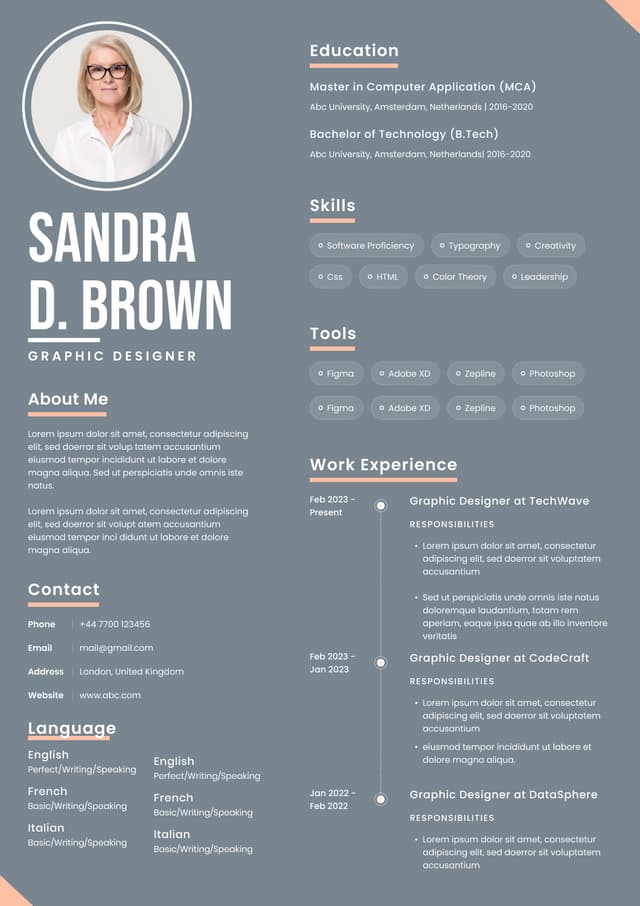
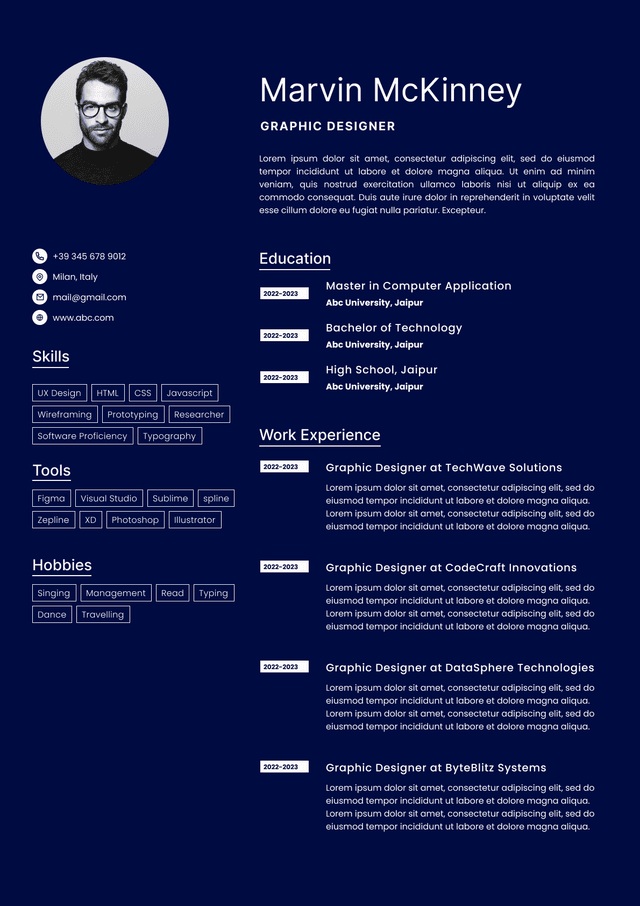
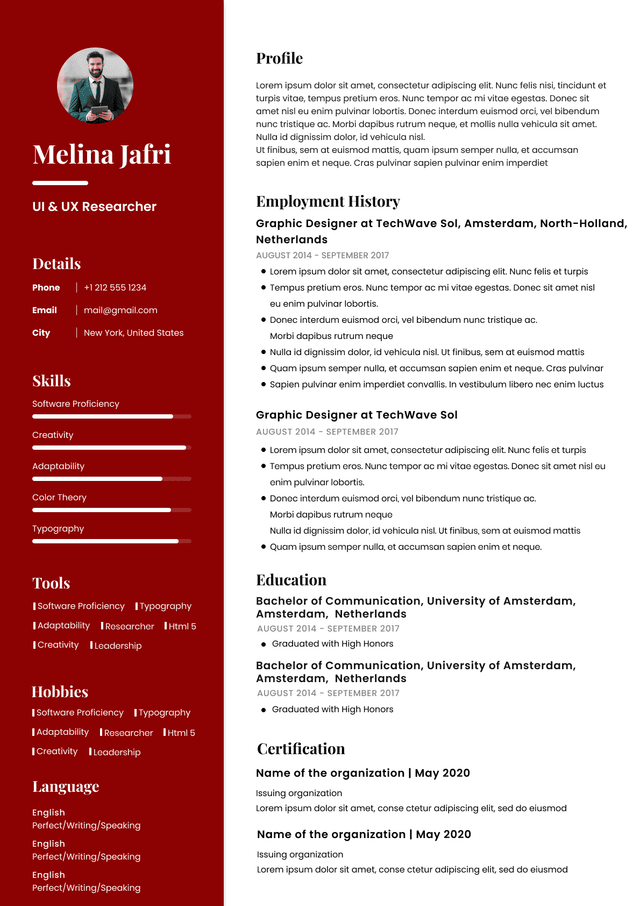
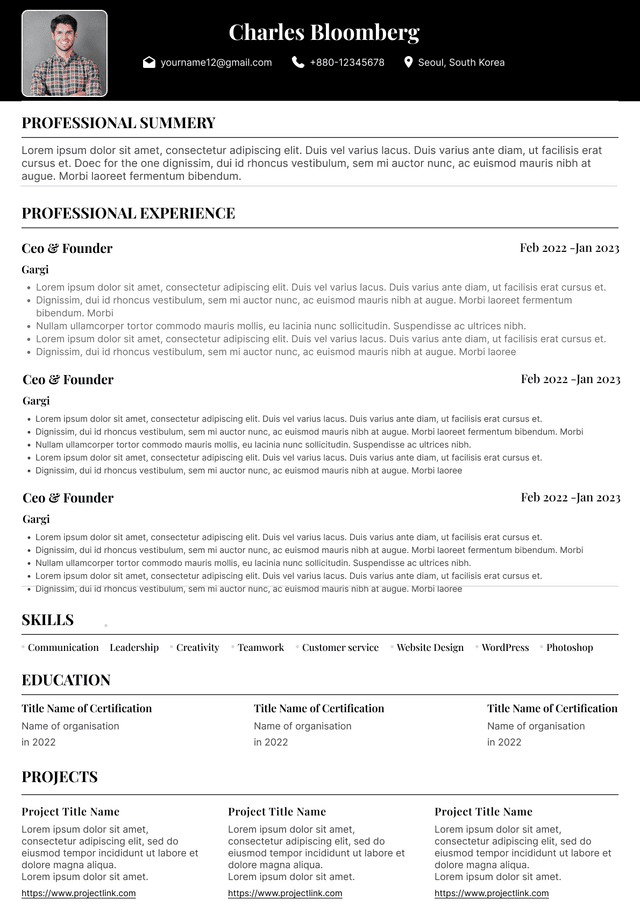
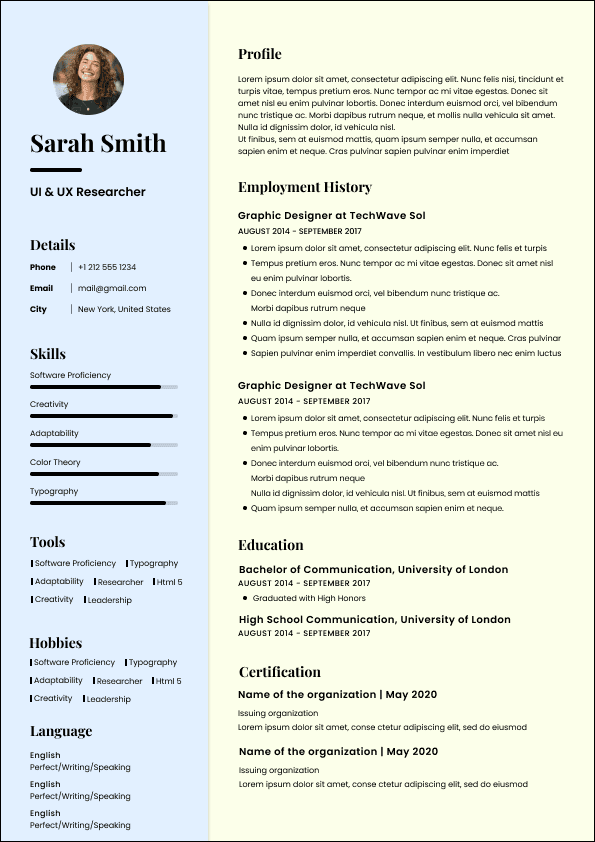
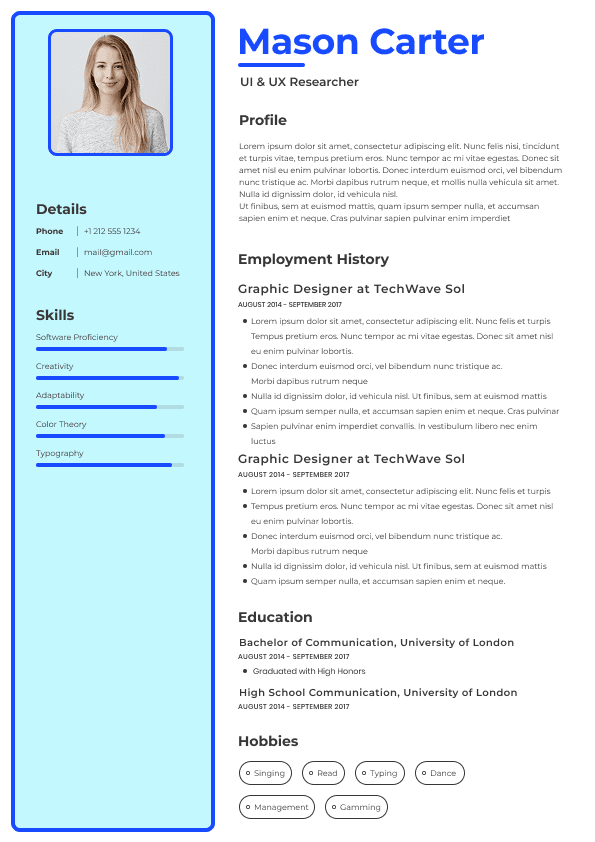
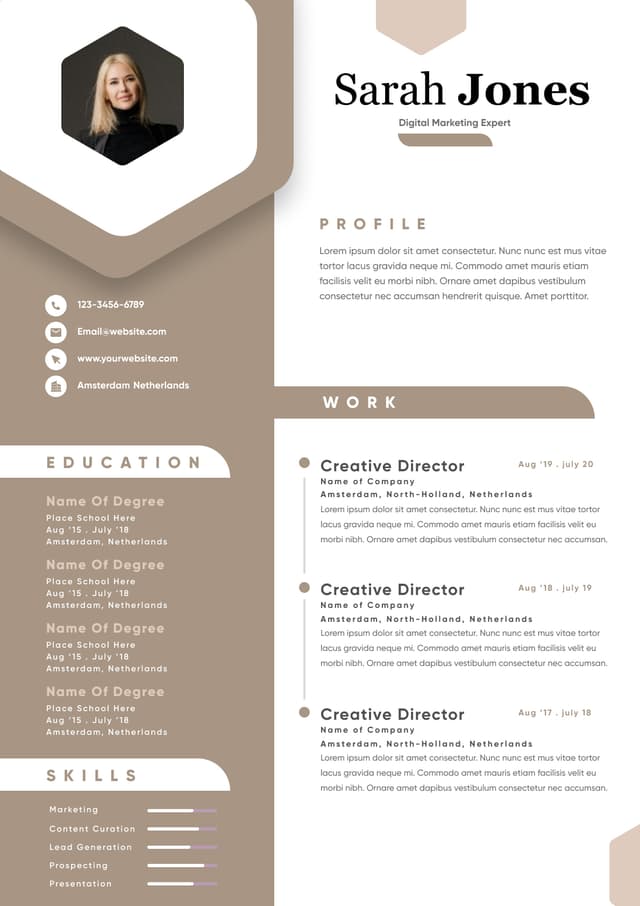
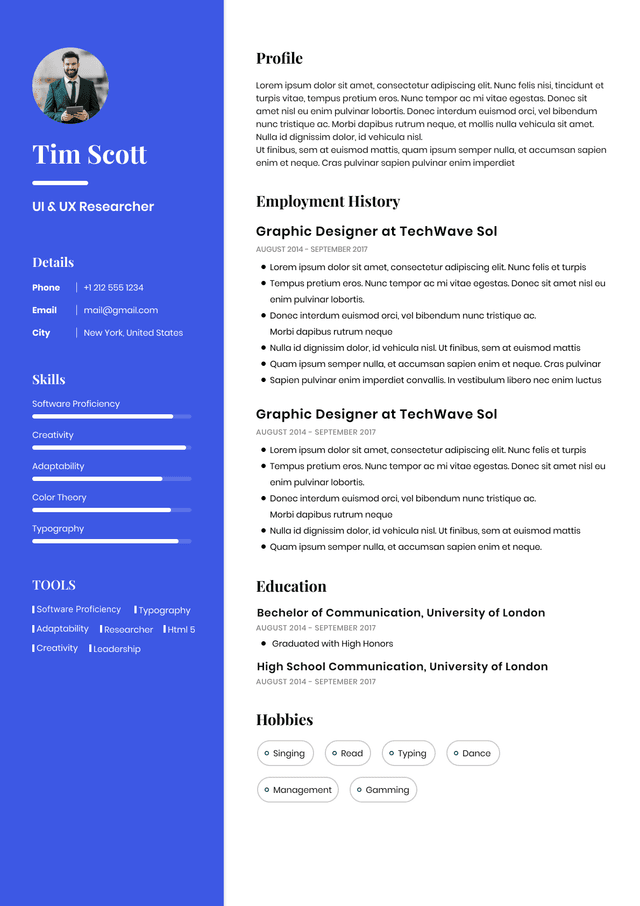
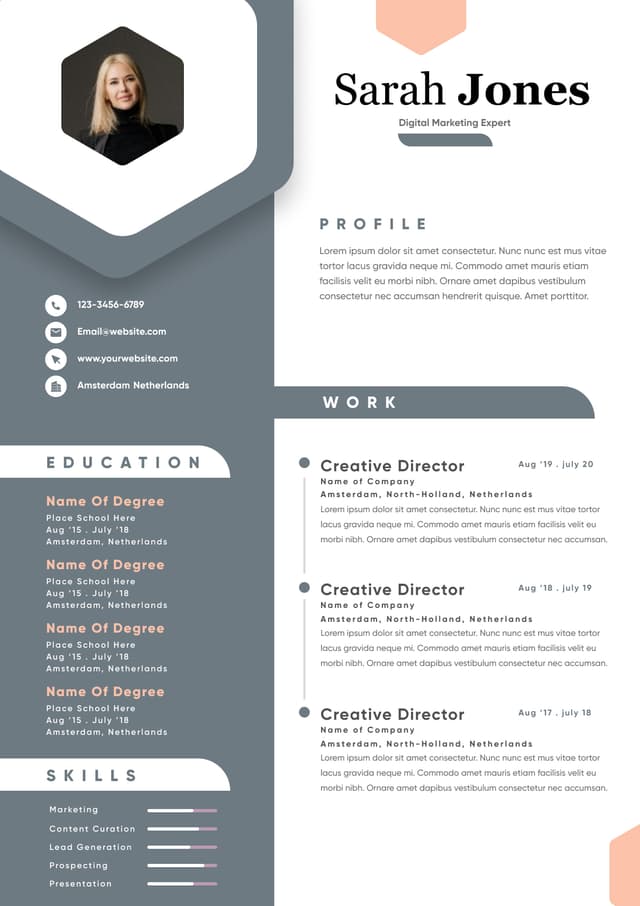
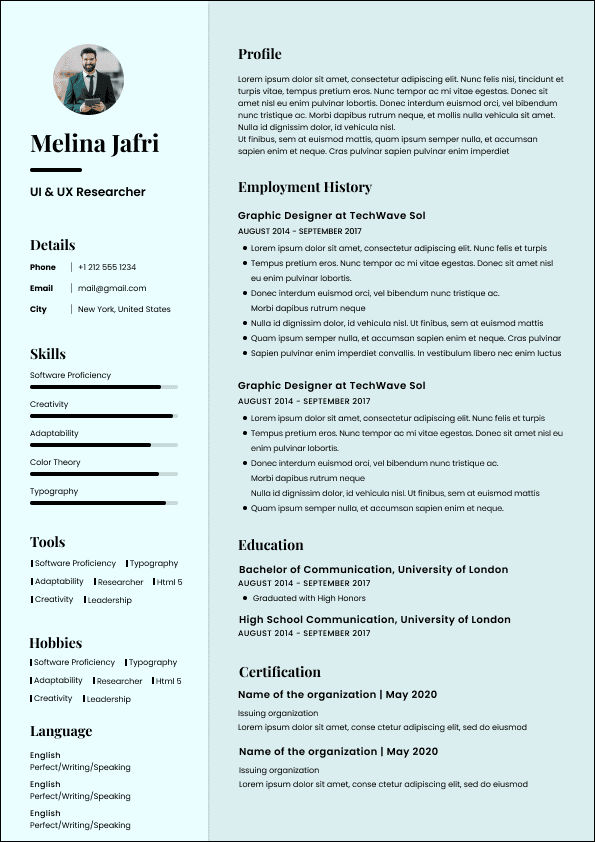
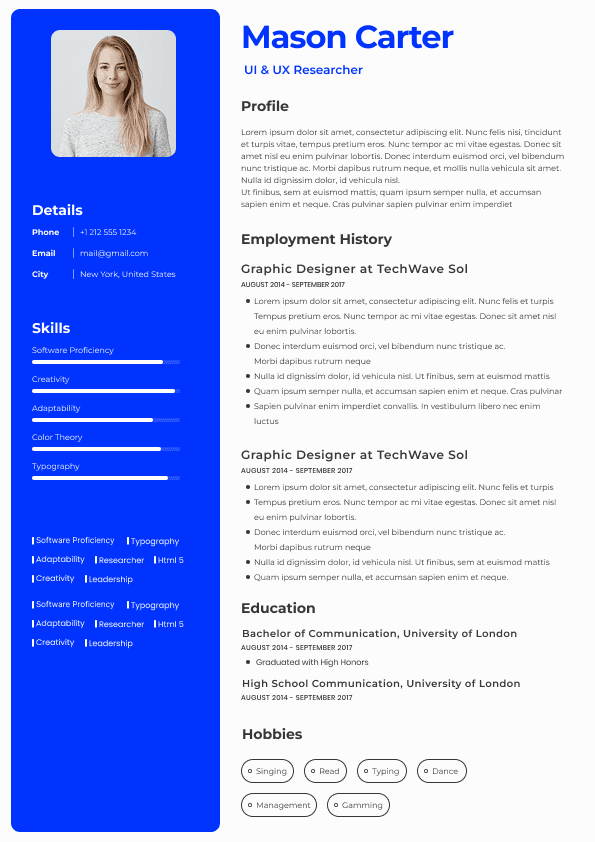
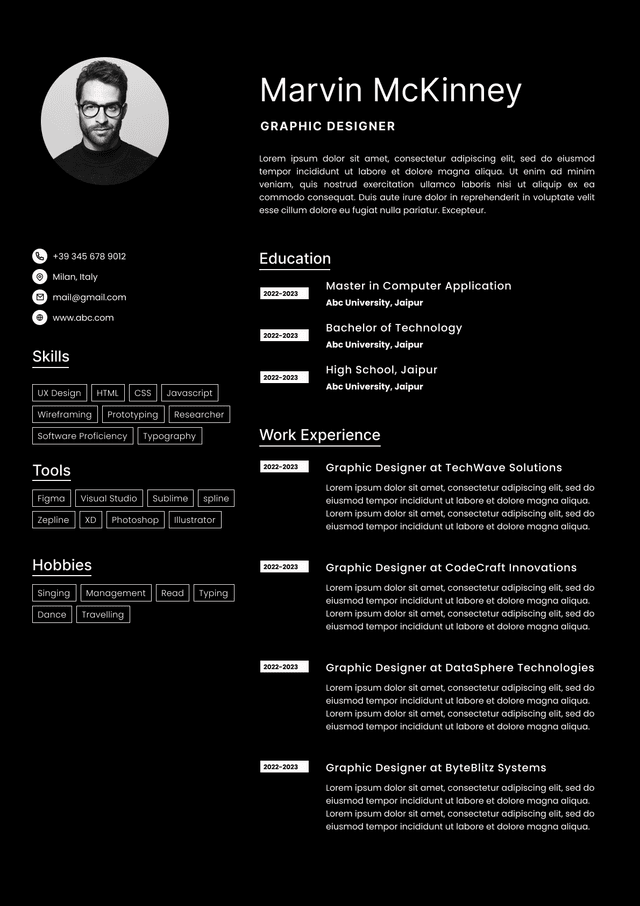
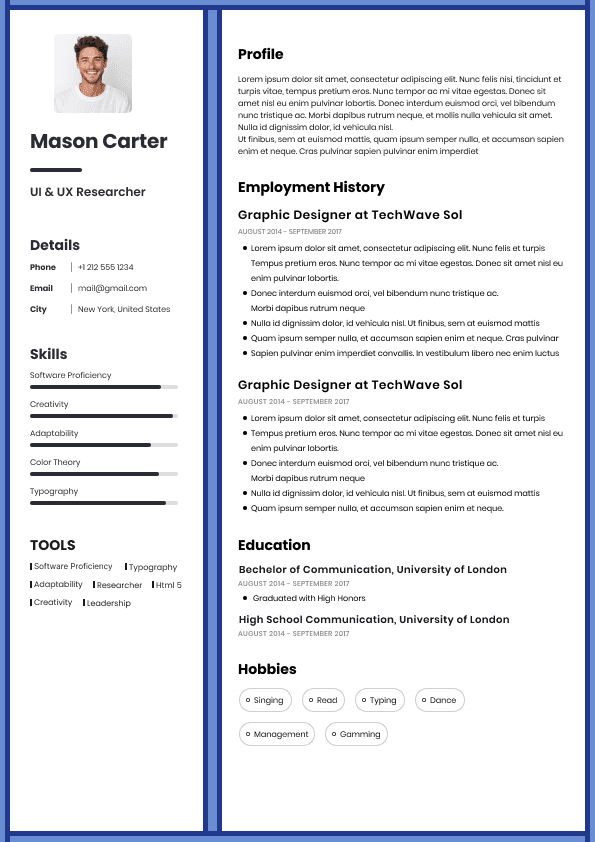
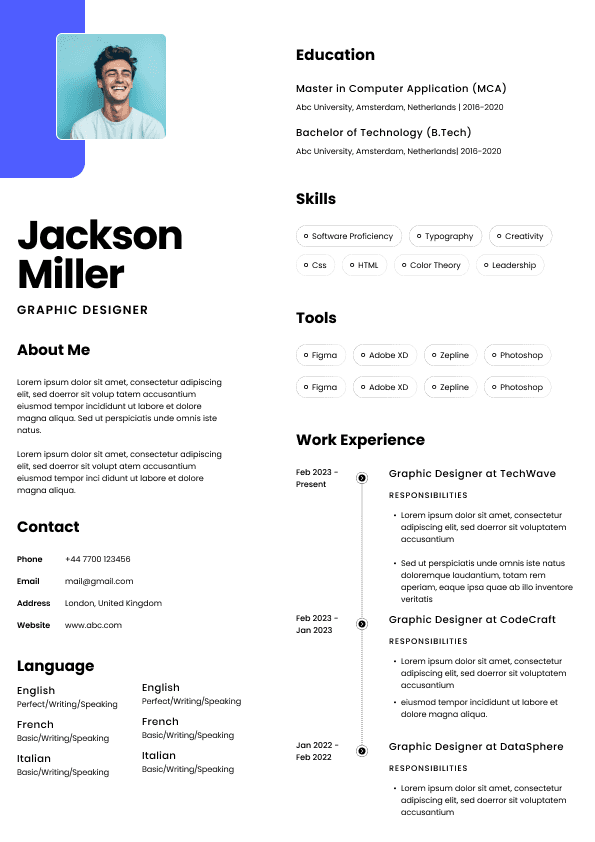
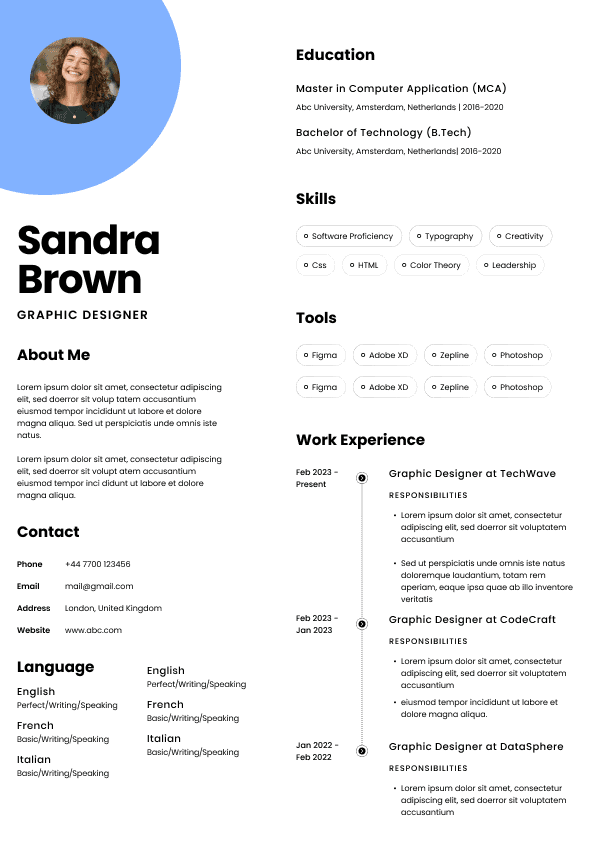
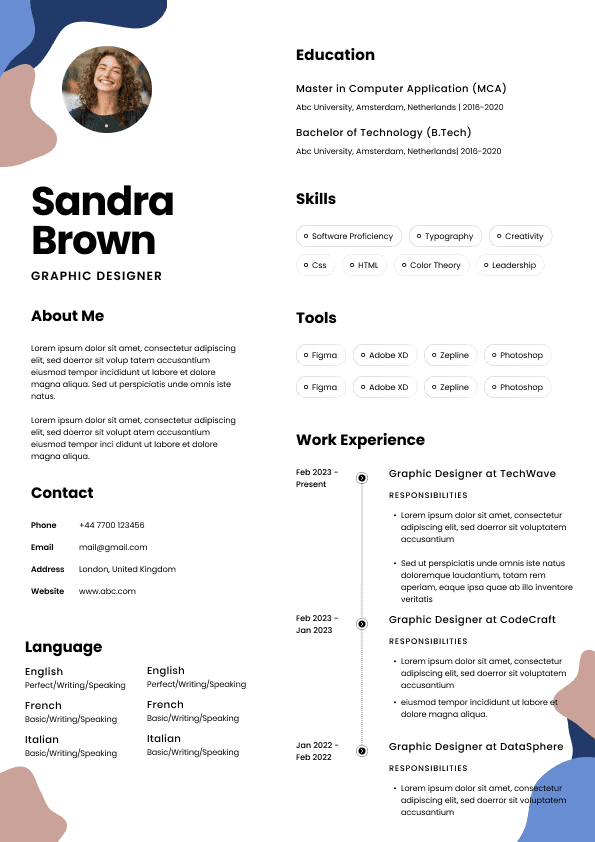
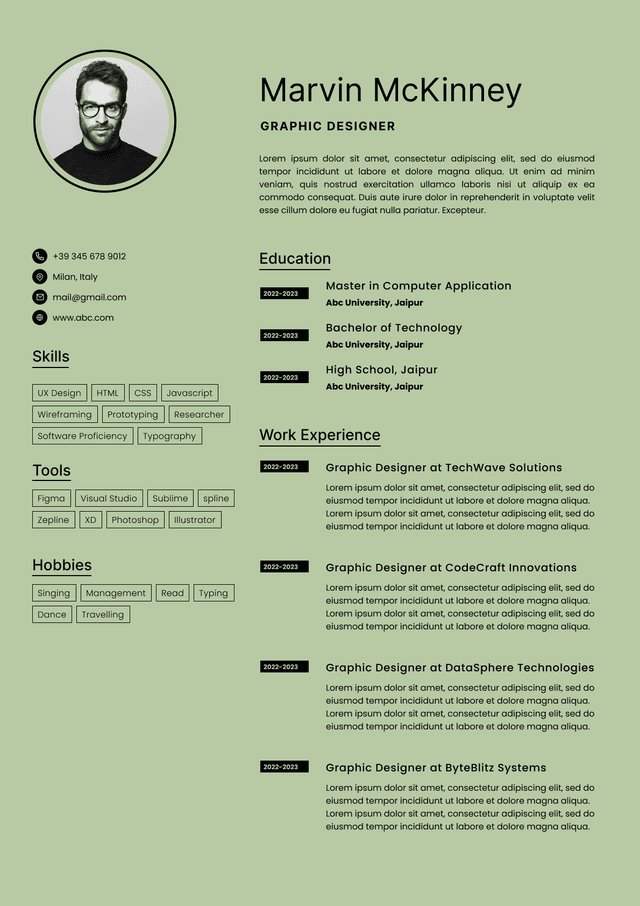
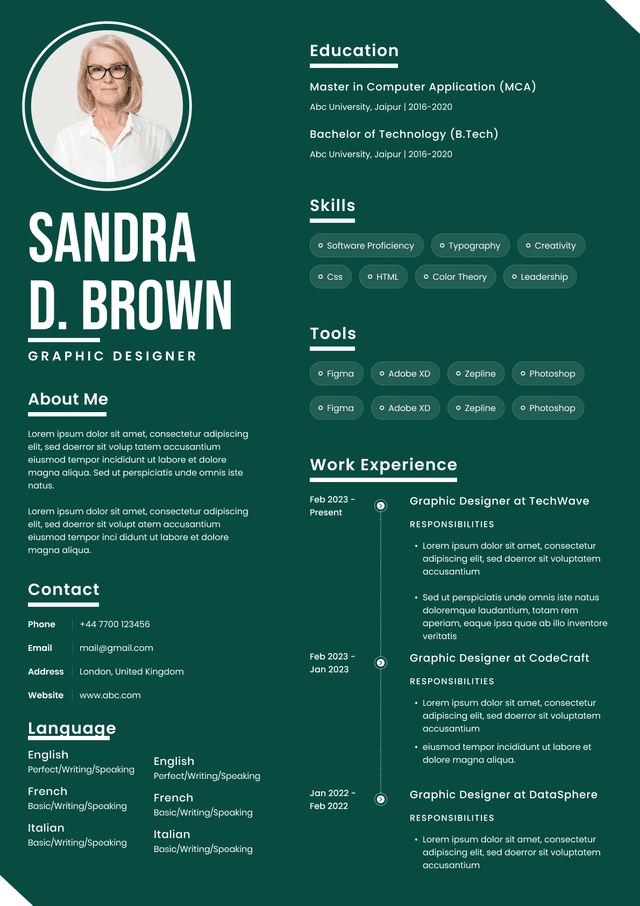
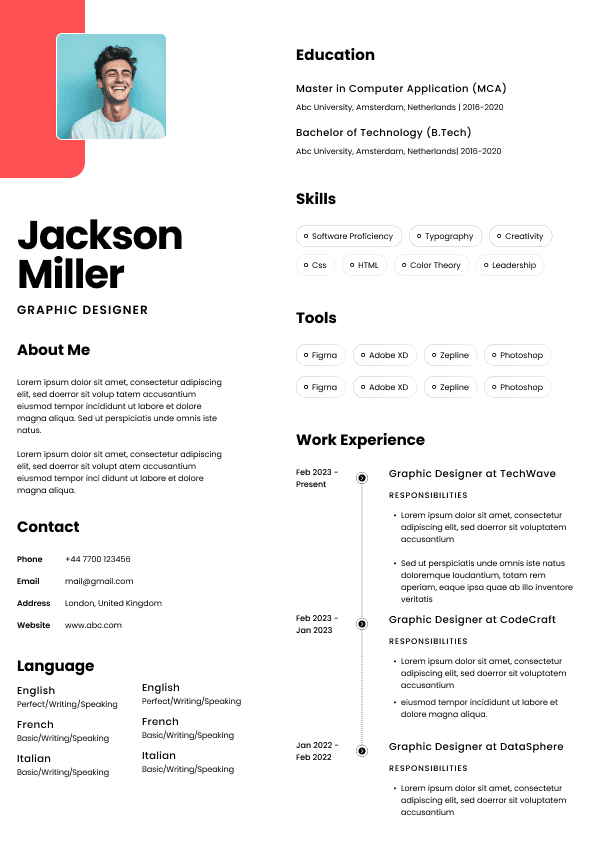
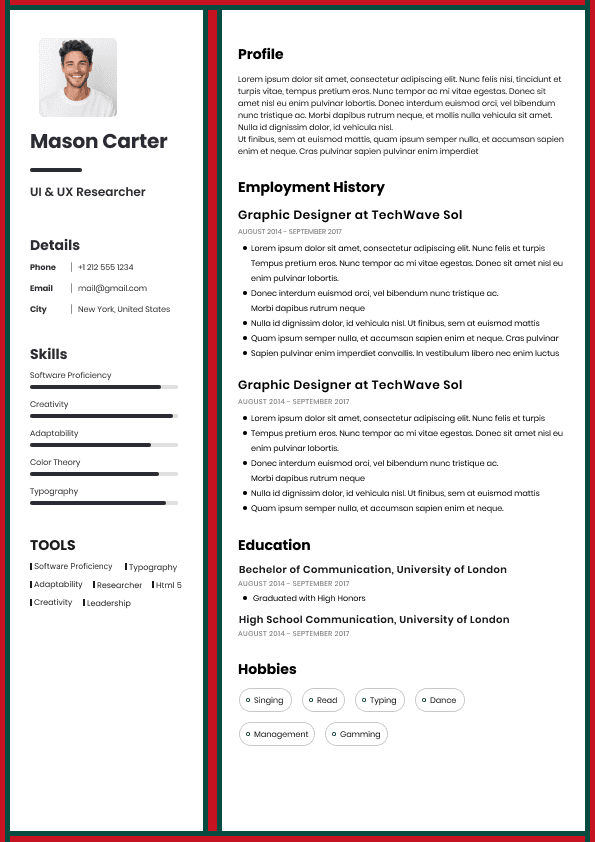
Choose from a wide range of NEWCV resume templates and customize your NEWCV design with a single click.
FAQ
A strong TypeScript developer cover letter does not repeat your resume. It explains how your technical decisions created business impact, why your engineering background matches the company’s stack, and how you solve real product problems. Hiring managers want evidence that you can build reliable, scalable applications using TypeScript in production environments, collaborate with engineering teams, and contribute beyond writing code.
The best TypeScript developer cover letters focus on specific outcomes:
Performance improvements
API scalability
Frontend reliability
Type safety implementation
Deployment automation
Testing coverage
Most engineering hiring managers scan cover letters for signals, not storytelling. They are trying to answer a few practical questions quickly:
Can this developer work in our stack?
Have they built production systems before?
Do they understand scalability and maintainability?
Can they collaborate effectively with product and engineering teams?
Do they think beyond isolated coding tasks?
Are they likely to ramp up quickly?
A weak cover letter stays generic:
Weak Example:
“I am passionate about software development and believe I would be a great fit for your company.”
That tells the hiring manager nothing.
Strong engineering cover letters are concise, technically credible, and outcome-focused.
A proven structure looks like this:
Immediately establish:
Target role
Years of experience
Core TypeScript specialization
Why you fit the company’s engineering environment
Focus on:
Tech stack alignment
Dear Hiring Manager,
I am excited to apply for the TypeScript Developer position at BrightScale Technologies. With over five years of experience building scalable web applications using TypeScript, React, Node.js, and AWS, I have consistently delivered high-quality features that improved application performance, engineering efficiency, and user experience.
In my current role at Nexora Labs, I lead frontend development initiatives for a SaaS analytics platform serving more than 200,000 monthly users. I helped migrate a large React codebase from JavaScript to TypeScript, significantly improving type safety and reducing production bugs related to state management and API integrations. I also collaborated closely with backend engineers to redesign internal API contracts, improving frontend-backend reliability and accelerating feature deployment cycles.
Beyond technical implementation, I focus heavily on maintainable architecture, testing, and developer experience. I introduced shared TypeScript utility libraries, expanded Jest and Cypress test coverage, and contributed to CI/CD improvements that reduced deployment rollback incidents across the engineering team.
What especially interests me about BrightScale Technologies is your focus on building scalable developer-focused products. Your emphasis on engineering quality, performance optimization, and modern frontend architecture strongly aligns with the type of environment where I do my best work.
I would welcome the opportunity to discuss how my TypeScript development experience and product-focused engineering approach could support your team’s goals. You can also review additional projects and technical contributions on my GitHub portfolio.
Thank you for your time and consideration.
Sincerely,
Daniel Carter
Frontend TypeScript roles are heavily evaluated on:
React architecture
Component design
State management
UI performance
Accessibility
Collaboration with design and product teams
Hiring managers want developers who can build maintainable frontend systems, not just ship UI quickly.
Dear Hiring Manager,
I am applying for the Frontend TypeScript Developer role at Elevate Commerce. Over the past four years, I have specialized in building performant, scalable frontend applications using TypeScript, React, Next.js, and modern component-driven architecture.
At my current company, I helped redesign a customer-facing dashboard used by enterprise retail clients across North America. By implementing TypeScript across shared UI components and optimizing React rendering behavior, our team reduced frontend error rates and improved page load performance by nearly 30%.
Backend TypeScript hiring managers care about:
Node.js architecture
API design
Database performance
Scalability
Cloud infrastructure
Reliability engineering
Testing and observability
Many candidates fail because they only discuss frameworks instead of system outcomes.
Dear Hiring Manager,
I am excited to apply for the Backend TypeScript Developer position at CloudNova Systems. With six years of backend engineering experience focused on TypeScript, Node.js, PostgreSQL, Redis, and AWS infrastructure, I have built scalable APIs and distributed services supporting high-volume production environments.
Full stack TypeScript developers are evaluated differently from specialized frontend or backend engineers.
Hiring managers look for:
End-to-end ownership
Product thinking
Ability to connect frontend and backend decisions
Cross-functional communication
Delivery velocity without sacrificing quality
A common mistake is sounding like two separate developers instead of one engineer who understands complete product systems.
For React TypeScript roles, your cover letter should demonstrate:
Component architecture expertise
State management experience
Performance optimization
Reusable UI systems
Testing practices
Design system collaboration
Mentioning React alone is not enough anymore. Hiring managers expect modern engineering workflows.
Strong supporting technologies include:
React Query
Node.js TypeScript developers should focus less on syntax knowledge and more on backend engineering outcomes.
Strong cover letters emphasize:
API reliability
Throughput optimization
Queue systems
Event-driven architecture
Authentication systems
Cloud deployments
Testing and observability
Many developers make the mistake of listing technologies without explaining production impact.
Instead of this:
Entry-level TypeScript developers often assume they have nothing valuable to discuss. That is usually false.
Hiring managers for junior engineering roles look for:
Proof of learning ability
Real project work
GitHub activity
Technical curiosity
Collaboration potential
Problem-solving mindset
You do not need enterprise experience if you can demonstrate engineering capability.
If you are early in your career, emphasize:
Senior TypeScript engineering roles are evaluated very differently from junior and mid-level roles.
At senior level, hiring managers expect:
Architectural decision-making
Technical leadership
Mentorship
Scalability thinking
Cross-team influence
Engineering standards ownership
Your cover letter should sound strategic, not task-oriented.
Strong senior-level signals include:
Hiring managers already have your resume.
Your cover letter should explain:
Why your experience matters
How your engineering decisions created impact
Why you fit this specific role
Framework lists do not differentiate candidates anymore.
Anyone can claim:
React
TypeScript
The best engineering cover letters feel specific to the company’s environment.
Research:
Product architecture
Engineering blog posts
Tech stack
Scaling challenges
Platform complexity
Hiring priorities
Then connect your background directly to those needs.
Good tailoring includes:
The ideal engineering cover letter length is:
Approximately 300 to 450 words
Three to five focused paragraphs
Concise but technically credible
Too short:
Feels generic
Lacks evidence
Too long:
Reduces readability
Loses hiring manager attention
Most engineering hiring managers skim first and read deeper only if interested.
Yes, especially for:
Junior developers
Full stack engineers
Open-source contributors
Candidates with strong project work
GitHub links are most valuable when:
Projects are production-quality
Documentation is clean
Commit history shows consistency
Architecture decisions are visible


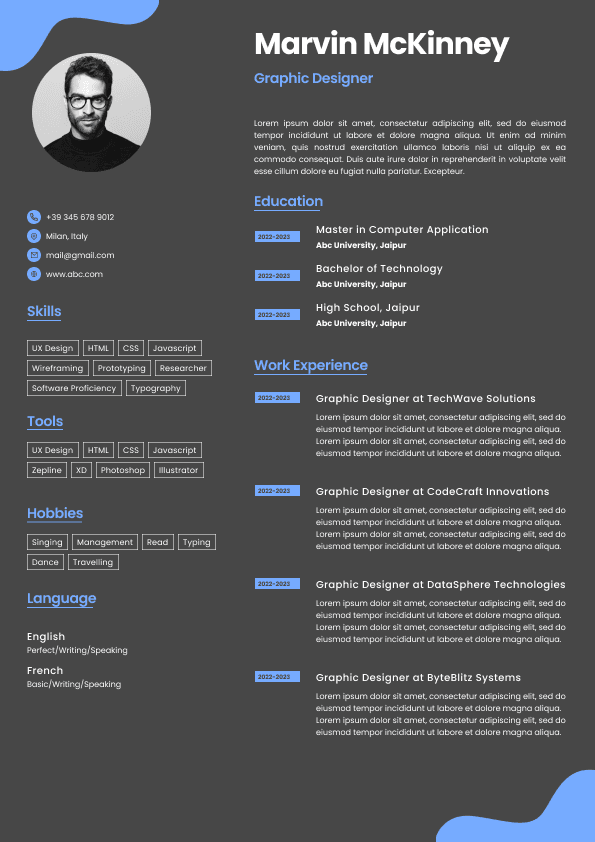
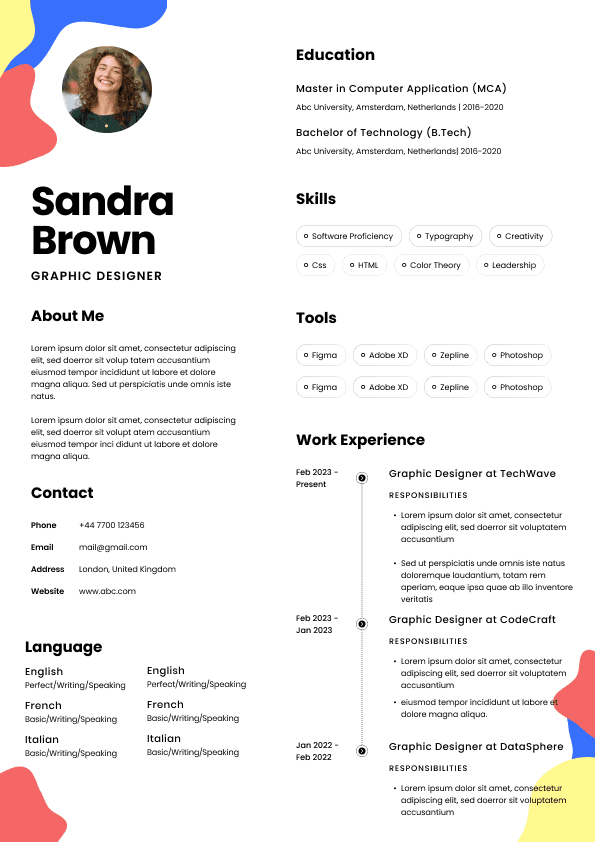
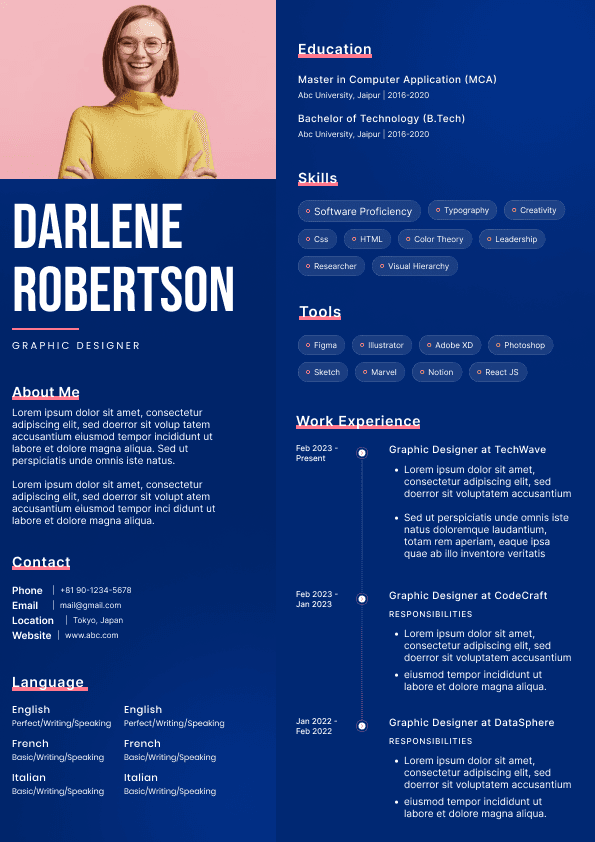
Use ATS-optimised Resume and resume templates that pass applicant tracking systems. Our Resume builder helps recruiters read, scan, and shortlist your Resume faster.


Use professional field-tested resume templates that follow the exact Resume rules employers look for.
Create Resume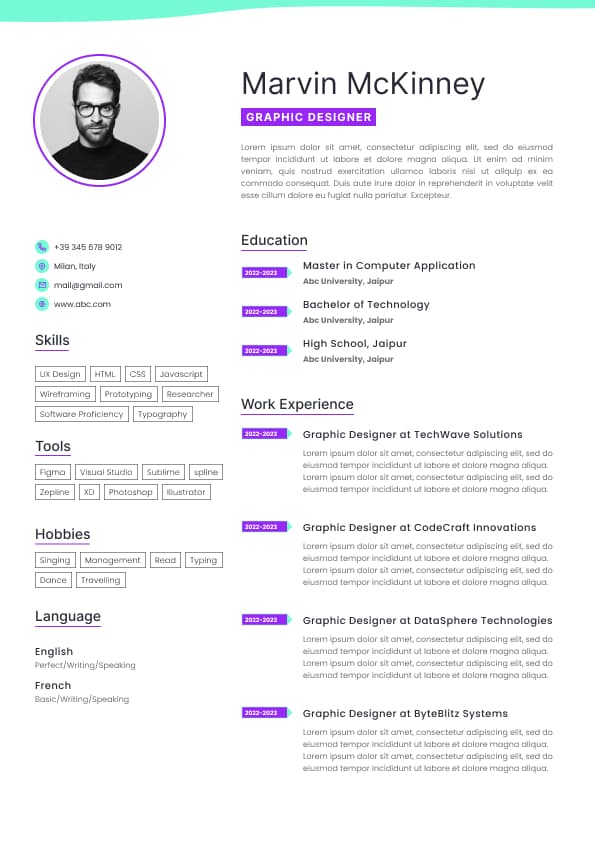
Use professional field-tested resume templates that follow the exact Resume rules employers look for.
Create ResumeCross-functional collaboration
Product impact
Whether you are applying for a frontend React role, a backend Node.js position, or a full stack TypeScript engineering job, your cover letter should position you as someone who understands both software engineering quality and business goals.
This guide includes recruiter-approved TypeScript developer cover letter examples, strategic frameworks, common mistakes, and role-specific approaches that align with how modern US engineering teams hire.
A strong cover letter connects technical expertise to measurable engineering outcomes:
Good Example:
“At Acme Health, I migrated critical frontend modules from JavaScript to TypeScript, reducing runtime type-related production bugs by 37% and improving deployment confidence across a 12-engineer frontend team.”
That immediately demonstrates:
Technical depth
Ownership
Scale
Collaboration
Business impact
Product or platform impact
Performance improvements
Testing and deployment practices
Team collaboration
Engineering ownership
Close with:
Genuine interest in the company
Alignment with product or engineering challenges
Portfolio or GitHub mention if relevant
Strong but professional CTA
I have extensive experience working with React hooks, Redux Toolkit, REST APIs, GraphQL integrations, and accessibility standards. I also collaborate closely with UX designers and product managers to ensure engineering decisions support both usability and long-term maintainability.
One of the reasons I am particularly interested in Elevate Commerce is your focus on high-performance customer experiences and scalable frontend systems. I am excited by opportunities to contribute to complex UI challenges while maintaining strong engineering standards around testing, code quality, and performance optimization.
I would welcome the opportunity to discuss how my frontend TypeScript experience could contribute to your engineering team.
Sincerely,
Amanda Lewis
In my current role at Vertex Digital, I helped redesign internal microservices using NestJS and TypeScript, improving API response performance and reducing deployment-related failures through stronger type validation and automated testing. I also implemented centralized logging and monitoring workflows that improved incident response visibility across engineering teams.
My experience includes REST and GraphQL APIs, database optimization, Docker-based deployments, CI/CD pipelines, and cloud-native application architecture. I enjoy solving reliability and scalability challenges while collaborating closely with frontend, DevOps, and product teams.
CloudNova’s focus on scalable infrastructure and developer tooling strongly aligns with my technical interests and background. I would value the opportunity to contribute both hands-on engineering expertise and long-term architectural thinking to your backend platform team.
Thank you for your consideration.
Sincerely,
Michael Rivera
Redux Toolkit
Next.js
Storybook
Cypress
Jest
Tailwind CSS
GraphQL
The best candidates explain how these tools improved developer efficiency or user experience.
Weak Example:
“Experienced with Node.js, Express, TypeScript, MongoDB, Docker, and AWS.”
Use this:
Good Example:
“Built and maintained TypeScript-based Node.js APIs handling more than 4 million monthly requests while improving response latency through query optimization and Redis caching.”
The second version demonstrates:
Scale
Ownership
Engineering thinking
Business impact
Personal projects
Bootcamp projects
Open-source contributions
Freelance work
Coursework
APIs you built
React or Node.js applications
Testing practices
Deployment experience
Many entry-level developers write cover letters that sound apologetic.
Avoid phrases like:
“Although I don’t have experience…”
“I know I may not be qualified…”
“I’m just starting out…”
Those phrases immediately weaken your positioning.
Instead, focus on capability and momentum.
Dear Hiring Manager,
I am excited to apply for the Junior TypeScript Developer position at Nova Interactive. While I am early in my professional software engineering career, I have developed strong hands-on experience building TypeScript applications through personal projects, coursework, and collaborative development work.
Recently, I built a full stack task management application using TypeScript, React, Node.js, and PostgreSQL. The project included JWT authentication, API integration, responsive UI components, automated testing, and deployment through Vercel and Render. I also regularly contribute to open-source frontend projects and actively improve my skills in modern TypeScript development patterns.
What attracts me most to Nova Interactive is your focus on mentorship, product quality, and collaborative engineering culture. I am highly motivated to continue growing as a developer while contributing to meaningful product development work.
I would welcome the opportunity to discuss how my technical foundation, problem-solving mindset, and eagerness to learn could contribute to your engineering team.
Thank you for your time and consideration.
Sincerely,
Ethan Brooks
Designing large-scale frontend or backend systems
Leading migrations to TypeScript
Improving engineering standards
Mentoring developers
Driving testing adoption
Reducing technical debt
Scaling distributed systems
Influencing architecture decisions
Senior candidates often fail by:
Sounding too tactical
Listing technologies without leadership context
Focusing only on coding tasks
Ignoring business outcomes
Overusing technical jargon without clarity
Senior engineering hiring managers care about technical judgment as much as coding skill.
Node.js
AWS
What matters is:
What you built
What improved
What scale you handled
What engineering problems you solved
Strong TypeScript developers understand user impact.
Hiring managers increasingly favor engineers who think beyond implementation details.
Mention:
Customer-facing improvements
Product collaboration
UX impact
Business metrics
Reliability gains
This hurts response rates significantly:
Weak Example:
“I am writing to apply for the TypeScript Developer role at your company.”
That opening is forgettable.
A stronger version establishes expertise immediately:
Good Example:
“With seven years of experience building scalable TypeScript applications across fintech and SaaS platforms, I was excited to see your opening for a Senior Full Stack Engineer.”
Mentioning relevant engineering challenges
Referencing platform scale
Aligning with product direction
Connecting to the company’s stack naturally
Showing understanding of user problems
Do not fake personalization with shallow company compliments.
This sounds generic:
Weak Example:
“I admire your innovative company culture.”
That adds no value.
This is stronger:
Good Example:
“I was especially interested in your recent migration toward event-driven backend architecture and would be excited to contribute my experience building scalable TypeScript microservices.”
TypeScript usage is meaningful
Weak repositories can hurt more than help.




 Upload Resume
 Import from Linkedin