STILL APPLYING. STILL HEARING NOTHING?BUILD YOUR RESUME

STILL APPLYING. STILL HEARING NOTHING?BUILD YOUR RESUME
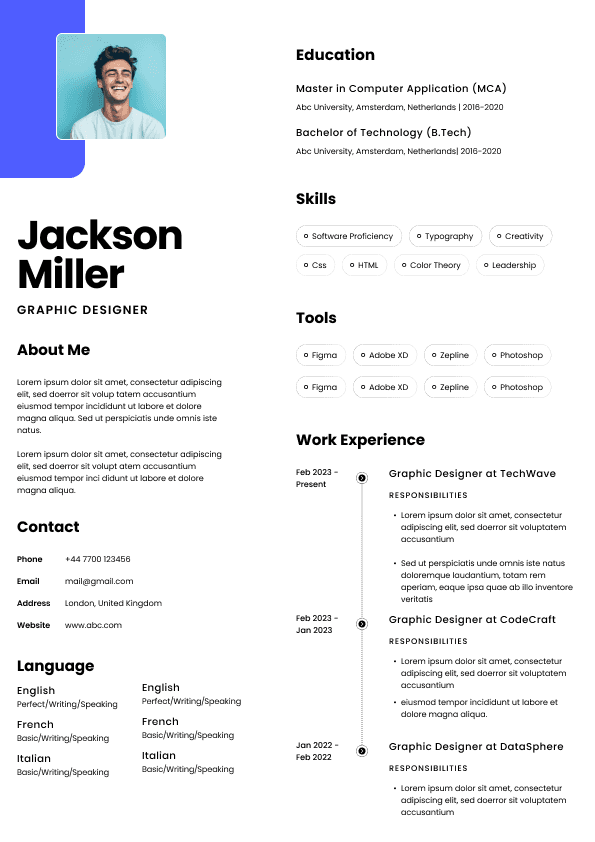
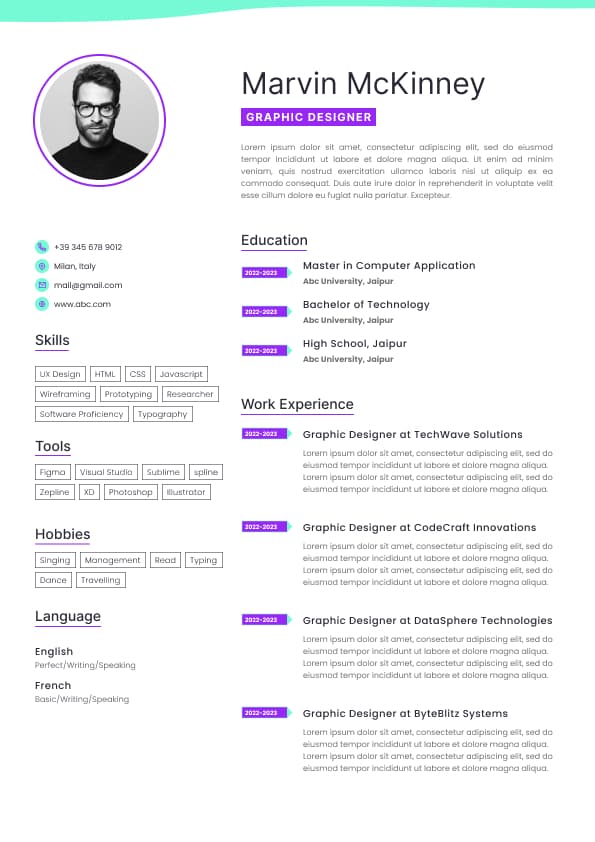
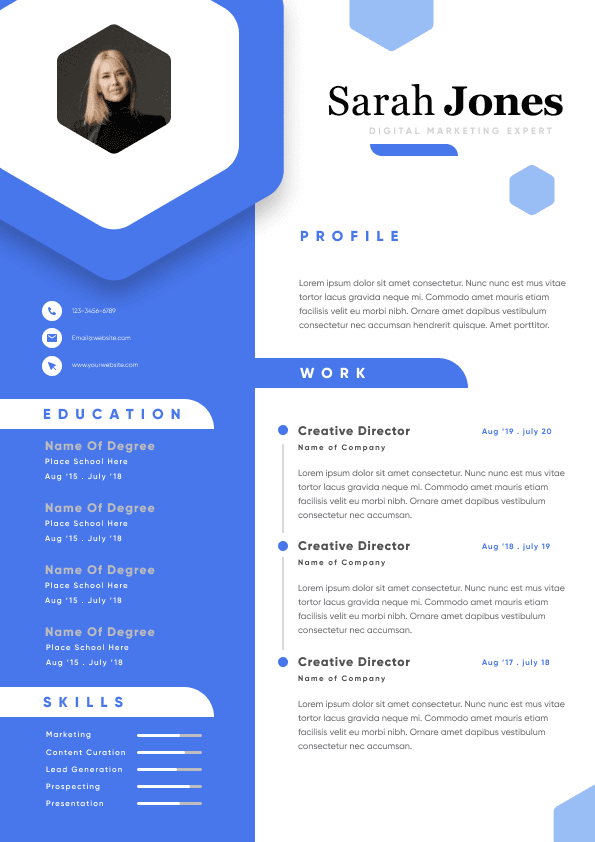
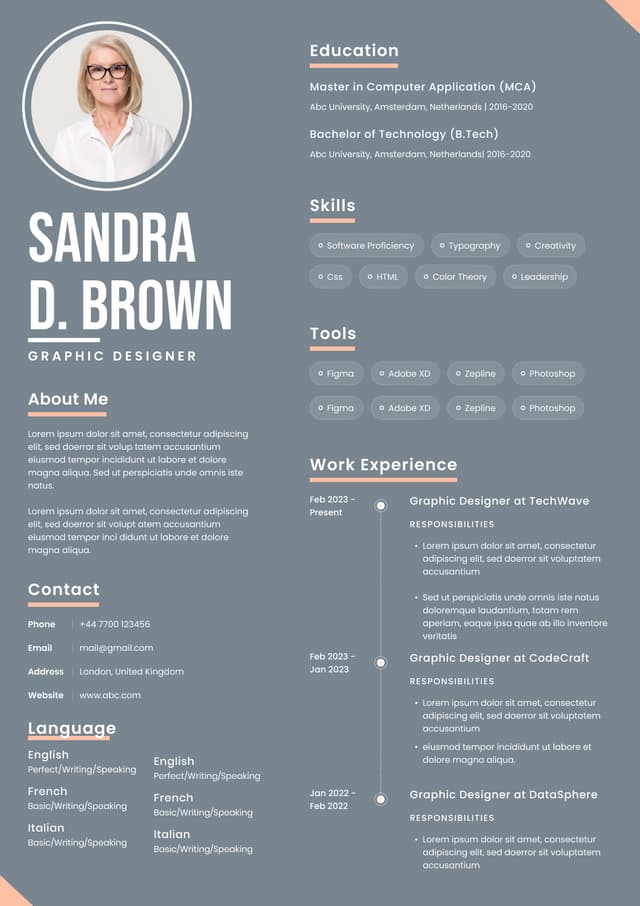
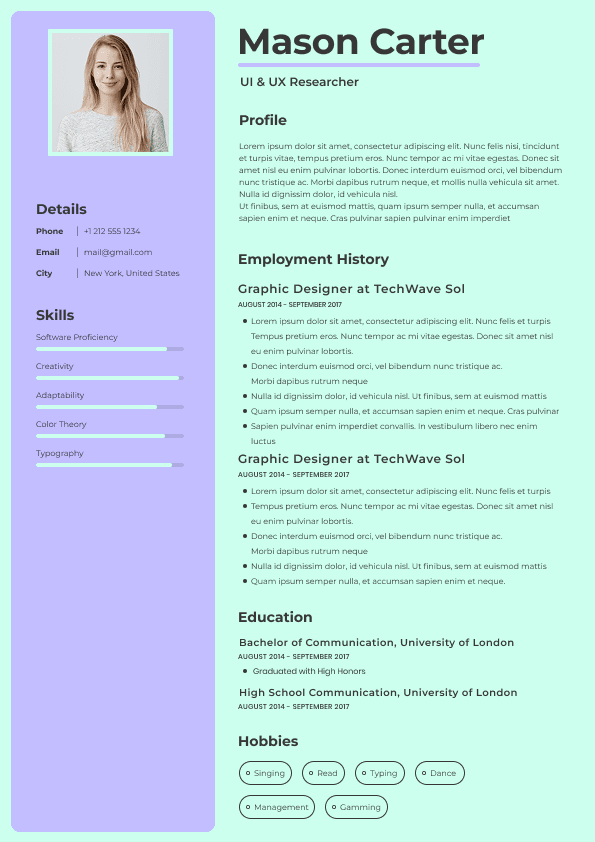
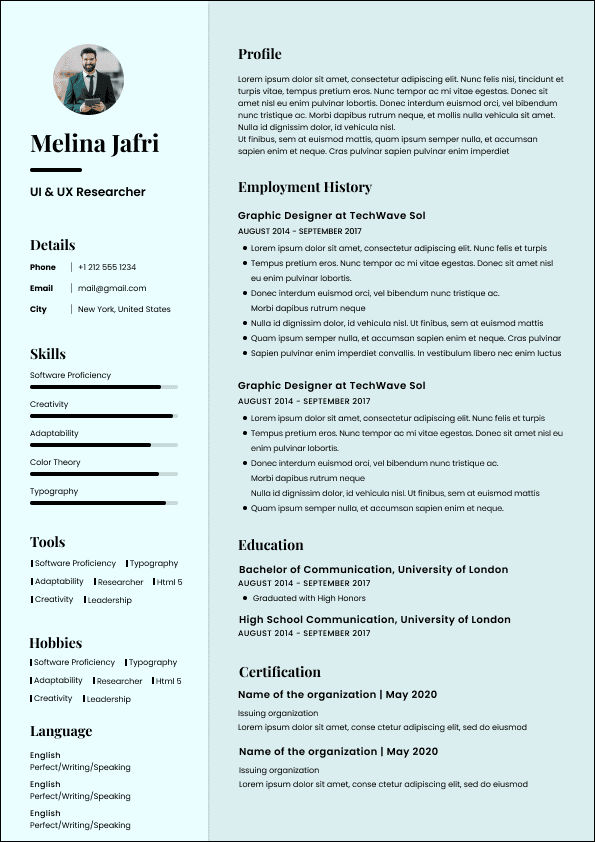
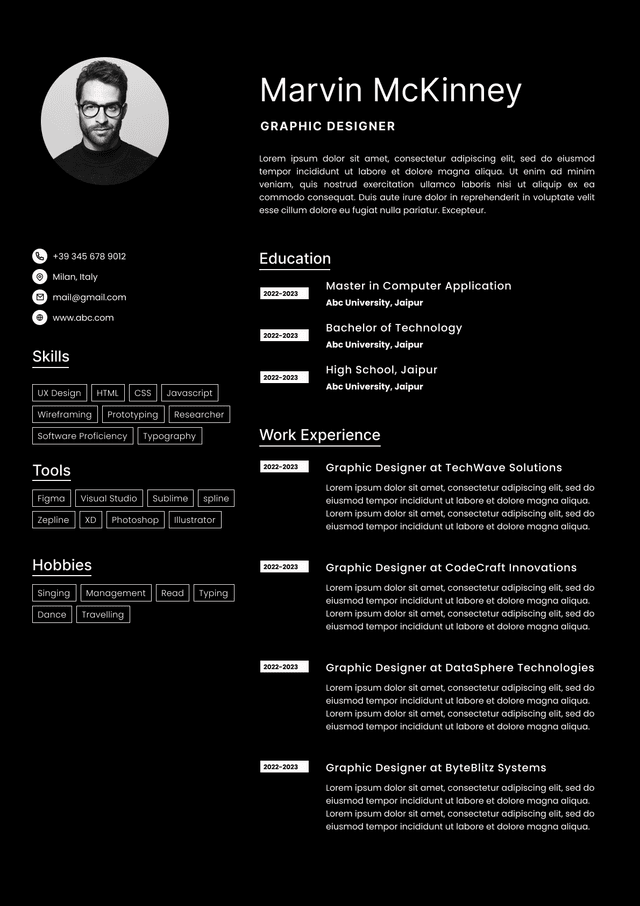
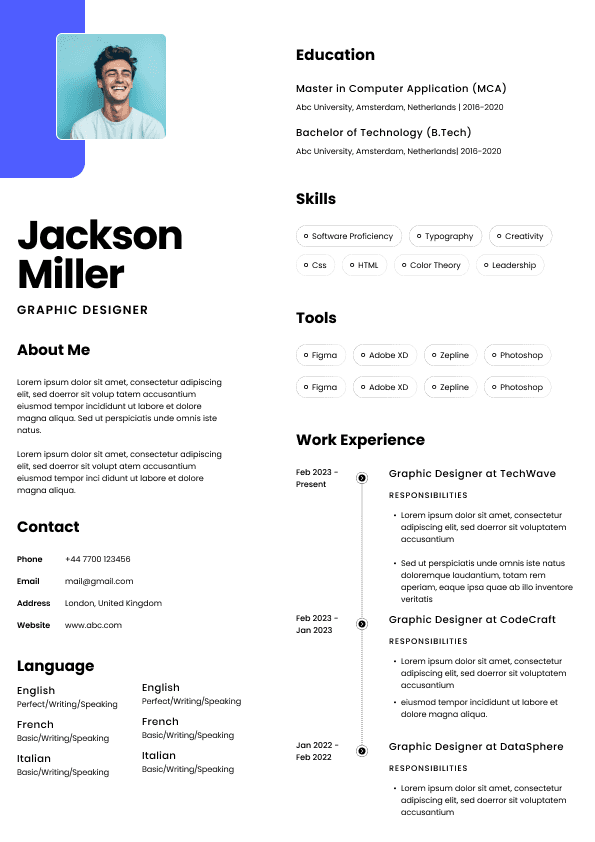
Choose from a wide range of NEWCV resume templates and customize your NEWCV design with a single click.
FAQ
TypeScript migration is not a syntax conversion project. It is a risk reduction, maintainability, and scalability initiative. The companies that succeed with JavaScript to TypeScript migration treat it as a long-term engineering modernization strategy, not a quick refactor sprint.
The most successful migrations reduce runtime errors, improve onboarding speed, strengthen API contracts, and make large-scale refactoring safer. Failed migrations usually share the same patterns: enabling strict mode too early, overusing weak typing, migrating without test coverage, and treating TypeScript as a developer preference instead of an operational reliability investment.
For enterprise teams, SaaS platforms, React applications, Node.js services, and legacy frontend systems, the goal is gradual adoption with measurable business outcomes. A strong TypeScript migration strategy minimizes disruption while improving developer productivity, code quality, and production stability over time.
A successful TypeScript migration does not require rewriting the entire application.
The best migrations are incremental, measurable, and operationally safe.
A mature migration typically includes:
Gradual file-by-file conversion
Type-safe API contracts
Shared domain models and interfaces
Automated type checking in CI/CD
Reduced runtime production defects
Improved IDE tooling and autocomplete
Safer large-scale refactoring
The biggest driver is predictability.
Large JavaScript applications become difficult to maintain because runtime behavior becomes harder to trust as the codebase grows.
TypeScript introduces static analysis and type safety that help teams catch problems earlier during development rather than after deployment.
One of the largest operational wins is preventing undefined values, incorrect API assumptions, and invalid object structures before production deployment.
Teams often report:
Fewer regression bugs
More reliable releases
Lower incident rates
Faster debugging cycles
Many engineering teams wait too long to migrate.
The warning signs are usually obvious.
Frequent runtime errors from invalid data structures
Fear of refactoring critical modules
Inconsistent API response handling
Large amounts of duplicated logic
Slow onboarding for new engineers
Excessive reliance on documentation instead of code clarity
Poor autocomplete and IDE intelligence
The highest-performing migrations are phased.
Attempting a full rewrite is one of the fastest ways to create delivery delays and engineering resistance.
Before writing a single TypeScript file, teams should assess:
Application architecture
Build tooling compatibility
Dependency health
Test coverage quality
High-risk modules
API boundaries
React applications are among the most common migration targets.
Large React codebases often accumulate inconsistent props, poorly typed state, and unstable component contracts.
The safest React migration sequence is usually:
Convert shared utility functions
Add typed hooks
Migrate reusable UI components
Add typed API layers
Convert feature modules incrementally
Strengthen state management typing
Backend migrations introduce different challenges.
Node.js services often contain:
Dynamic object structures
Legacy CommonJS modules
Weakly typed database layers
Inconsistent error handling
Backend systems benefit heavily from:
Request typing
Response typing
Enterprise migrations are rarely technical problems alone.
Most failures come from operational and organizational issues.
Frontend, backend, QA, DevOps, and platform teams must align on:
Migration standards
Shared type ownership
Validation strategies
Release coordination
Without governance, migrations become inconsistent.
This is one of the most expensive mistakes.
Real modernization requires:
Strict mode is valuable, but enabling it too early can overwhelm teams.
The best approach is progressive tightening.
Start with relaxed rules.
Then gradually introduce stronger controls around:
Implicit weak typing
Null and undefined handling
Unsafe indexed access
Optional property behavior
This phased approach prevents migration paralysis.
Recruiters hiring senior TypeScript engineers often look specifically for candidates who understand migration sequencing instead of blindly advocating maximum strictness from day one.
The foundation of type validation and static analysis.
Critical for enforcing migration consistency.
Maintains formatting standardization across mixed JavaScript and TypeScript codebases.
Large teams often use automated migration tools to accelerate repetitive file conversions and initial type generation.
These tools are especially useful for enterprise systems with thousands of files.
Codemods are powerful for automating repetitive transformations across large codebases.
They become essential when manual refactoring would be too slow or inconsistent.
Modern TypeScript projects increasingly use:
This is where many developers position themselves poorly.
Hiring managers do not care that you used TypeScript.
They care whether you improved engineering outcomes.
Strong modernization experience includes measurable business and engineering impact.
JavaScript-to-TypeScript migration
Legacy modernization
Type-safe refactoring
API contract standardization
Runtime defect reduction
This is the most common anti-pattern.
Heavy weak typing creates false confidence while preserving the same risks that existed in JavaScript.
TypeScript is not a replacement for testing.
Compile-time safety does not guarantee runtime correctness.
Strong migrations improve both:
Type safety
Test reliability
API responses can still contain invalid data even with TypeScript.
Runtime schema validation remains essential.
Engineers resist migrations when:
The best migrations produce measurable engineering improvements.
One of the strongest indicators of migration success.
Useful for tracking modernization progress.
Type enforcement improves deployment confidence.
Especially important in large React and Node.js platforms.
Strong typing improves confidence during feature development.
This becomes visible through:
Cleaner architecture
The highest-performing engineering organizations do not treat TypeScript as a one-time migration.
They treat it as an engineering quality system.
That includes:
Shared type ownership
Strict pull request review standards
Continuous type coverage improvement
Runtime validation standards
CI/CD enforcement
Architecture governance
Ongoing refactoring discipline
This is what separates scalable TypeScript platforms from partially typed legacy systems.


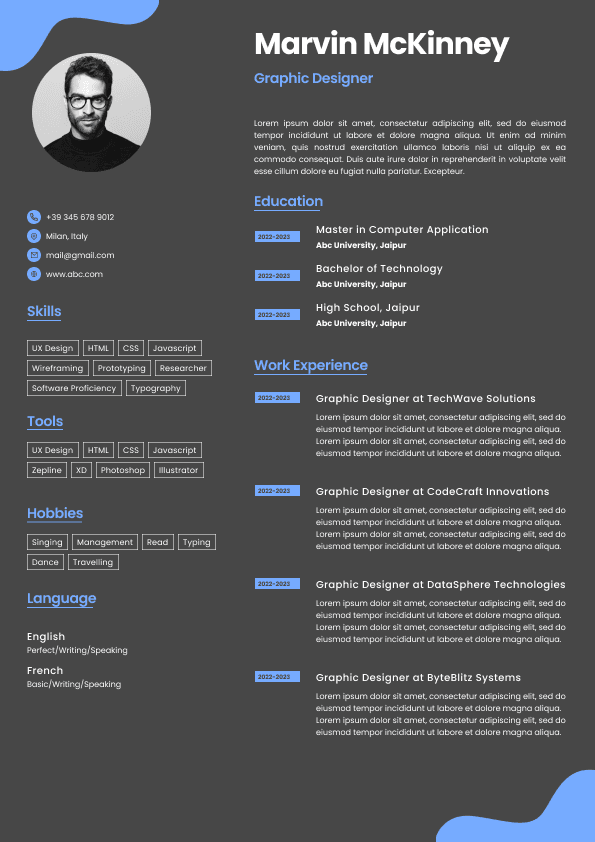
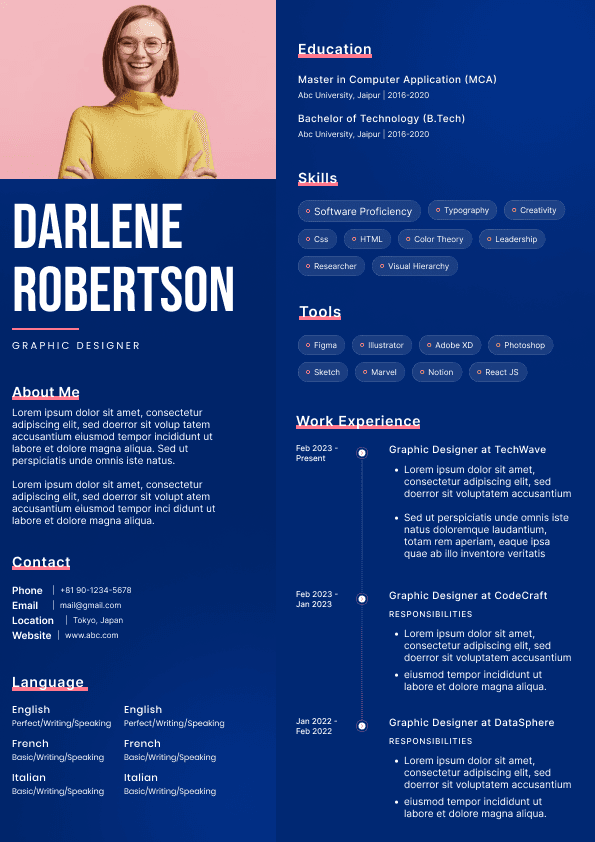
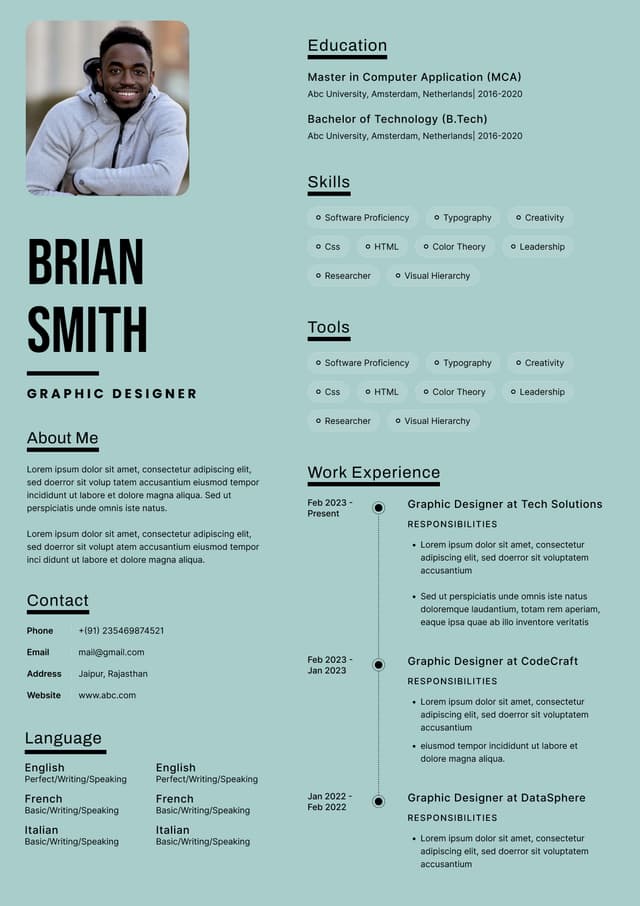
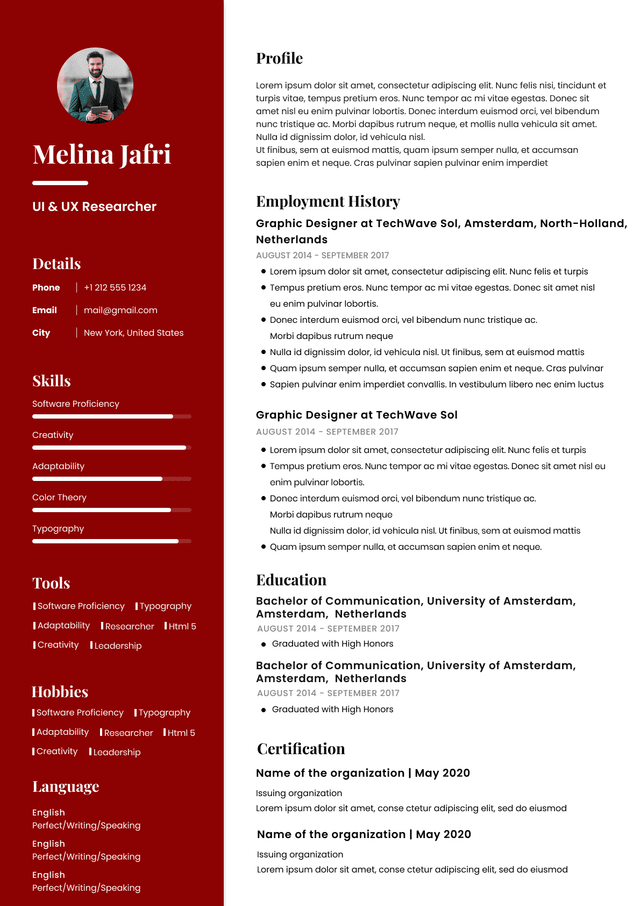
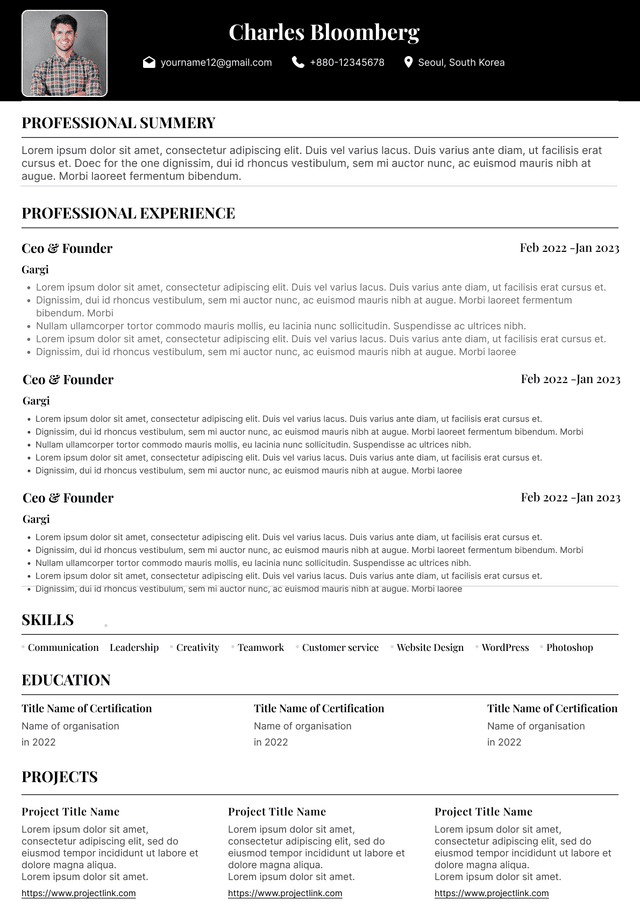
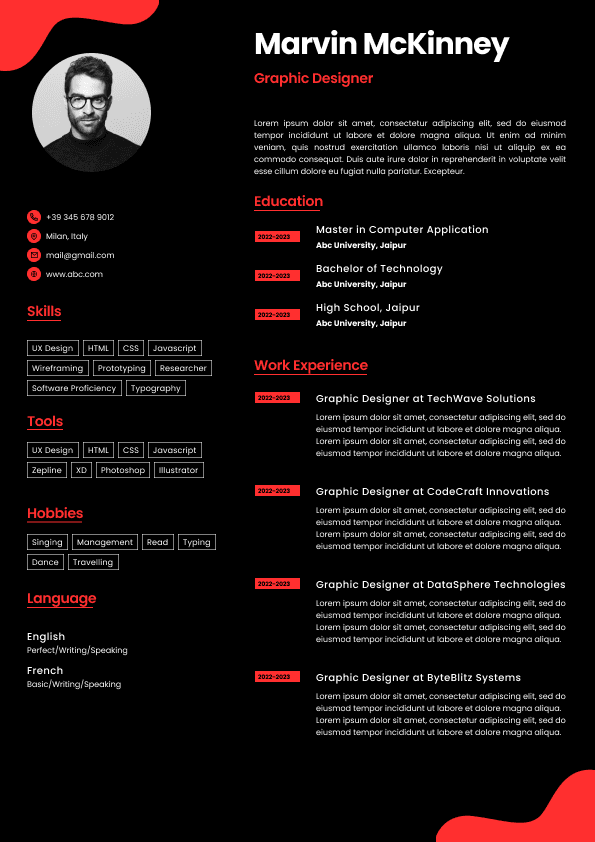
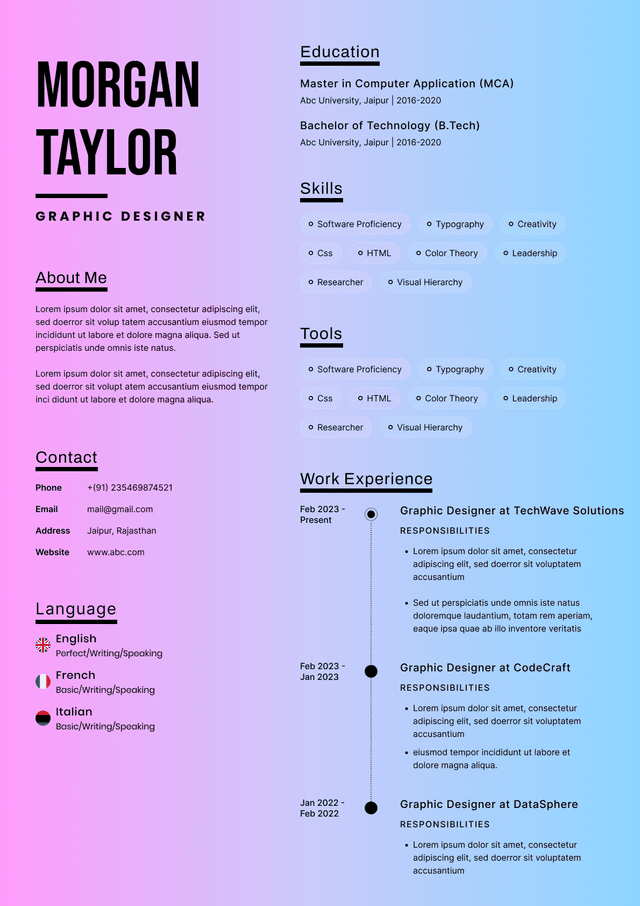
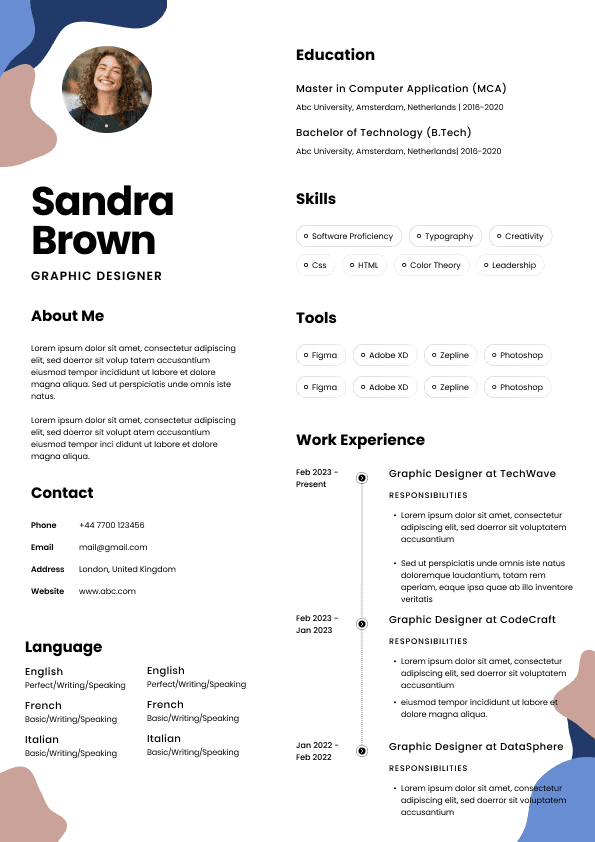
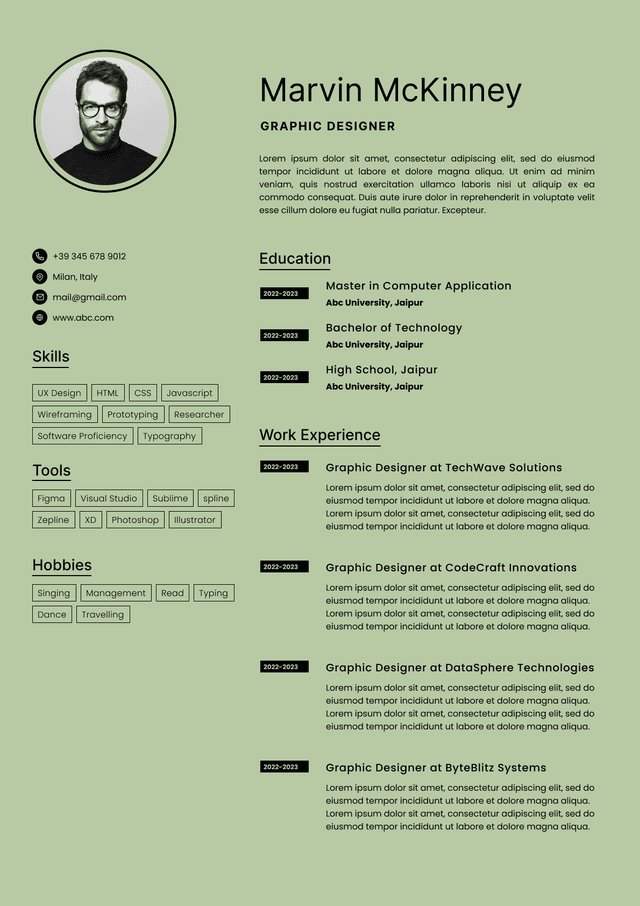
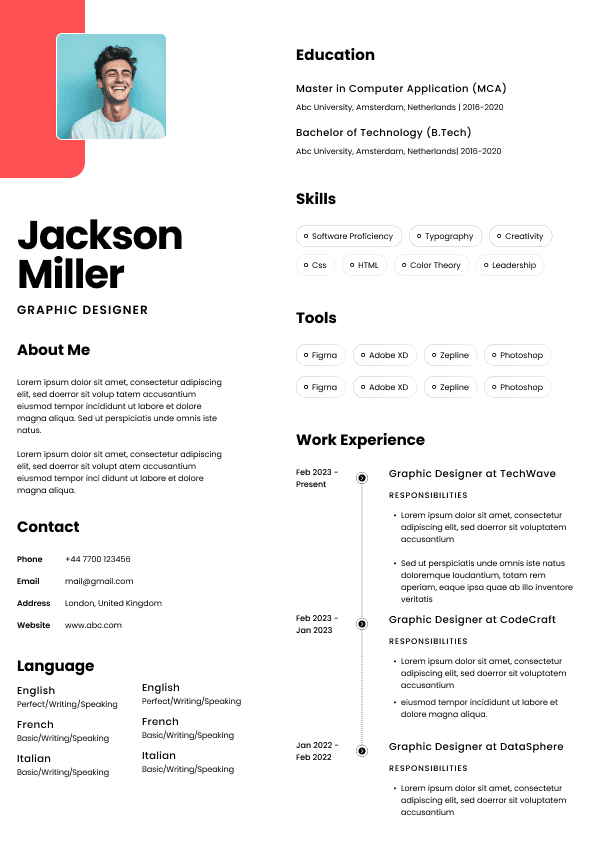
Use ATS-optimised Resume and resume templates that pass applicant tracking systems. Our Resume builder helps recruiters read, scan, and shortlist your Resume faster.


Use professional field-tested resume templates that follow the exact Resume rules employers look for.
Create Resume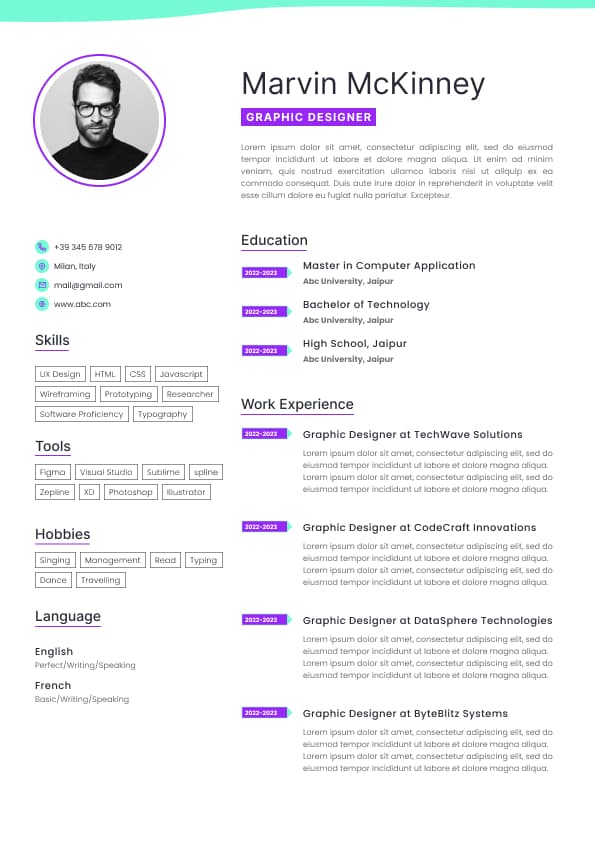
Use professional field-tested resume templates that follow the exact Resume rules employers look for.
Create ResumeBetter onboarding for new engineers
Lower long-term technical debt
From a hiring and recruiter perspective, engineering teams with proven TypeScript modernization experience are increasingly valued because they demonstrate scalability thinking, maintainability discipline, and architectural maturity.
Companies hiring senior frontend, full-stack, and platform engineers now frequently evaluate candidates based on their ability to modernize legacy JavaScript systems safely.
New engineers can understand typed systems significantly faster than loosely structured JavaScript applications.
Clear interfaces and typed models reduce dependency on tribal knowledge.
Without TypeScript, large refactors become dangerous because developers cannot reliably predict downstream impact.
TypeScript enables safer architecture evolution.
This matters heavily in:
Enterprise SaaS platforms
FinTech systems
Healthcare applications
E-commerce infrastructure
Internal tooling platforms
Strong typing improves communication between:
Frontend teams
Backend teams
Platform engineering
QA automation
DevOps teams
Shared contracts reduce ambiguity.
Growing technical debt from legacy JavaScript patterns
Frequent production regressions after deployments
For recruiters and hiring managers, candidates who can identify these operational scaling problems are viewed differently from developers who only discuss syntax-level improvements.
Shared utilities
Runtime validation gaps
This audit identifies migration complexity and prioritization opportunities.
Start with a minimal TypeScript configuration.
Do not enable strict mode immediately.
A safer initial setup often includes:
Allowing JavaScript and TypeScript to coexist
Avoiding aggressive compiler restrictions at the start
Using relaxed compiler settings initially
Supporting incremental compilation
This coexistence phase is critical for enterprise systems because it lets teams migrate without stopping product delivery.
Utility modules are ideal migration starting points because they usually:
Have fewer dependencies
Contain isolated logic
Produce immediate type reuse value
This creates early momentum without destabilizing the application.
One of the biggest migration accelerators is creating centralized shared types for:
API responses
User models
Authentication payloads
Feature flags
Configuration objects
Domain entities
This prevents duplicated type definitions across teams.
Many migrations fail because TypeScript becomes optional instead of enforced.
Automated type validation should become part of the deployment pipeline.
That typically includes:
TypeScript compiler checks
Linting validation
Build verification
Pull request validation
Strong engineering organizations treat typing failures similarly to failing tests.
This defeats most TypeScript benefits.
Weak Example
A component accepts any type of props without defining what values are required, optional, or restricted.
Good Example
A component clearly defines expected props, including required labels, optional states, accepted values, and reusable interface structure.
TypeScript only validates compile-time assumptions.
It does not validate runtime API correctness.
This is why mature React migrations increasingly use runtime validation tools such as:
Zod
io-ts
Yup
Runtime validation and static typing should work together.
Database model typing
Authentication middleware typing
This improves service reliability significantly.
Modern TypeScript architectures often share types across frontend and backend applications.
This reduces:
API mismatches
Contract drift
Integration bugs
Monorepos frequently accelerate this strategy.
Architecture cleanup
Runtime validation
Technical debt reduction
Build optimization
Dependency modernization
Otherwise, teams simply create typed technical debt.
Engineering leadership should track measurable outcomes like:
Runtime defect reduction
Type coverage improvement
Production incident reduction
Build reliability improvements
Deployment confidence
Refactor velocity
Developer onboarding speed
Without metrics, migrations lose executive support.
Vite
SWC
Next.js
Turborepo
Webpack
Babel
Migration planning should include build pipeline evaluation because outdated tooling can become a hidden bottleneck.
Technical debt reduction
Static analysis adoption
CI/CD type enforcement
Type coverage improvement
Frontend modernization
Weak Example
Good Example
Weak Example
Good Example
Hiring managers want operational outcomes, not tooling mentions.
Rules feel arbitrary
Productivity initially drops
Standards are inconsistent
Migration ownership is unclear
Successful migrations require engineering buy-in.
Large rewrites increase:
Delivery risk
Regression risk
Stakeholder frustration
Timeline instability
Incremental modernization is almost always safer.
Better dependency management
Improved maintainability
Engineering leaders increasingly use these metrics to justify modernization budgets.
The real competitive advantage is not simply using TypeScript.
It is building a codebase that engineers can safely evolve for years without accumulating unsustainable technical debt.































 Upload Resume
 Import from Linkedin