STILL APPLYING. STILL HEARING NOTHING?BUILD YOUR RESUME

STILL APPLYING. STILL HEARING NOTHING?BUILD YOUR RESUME
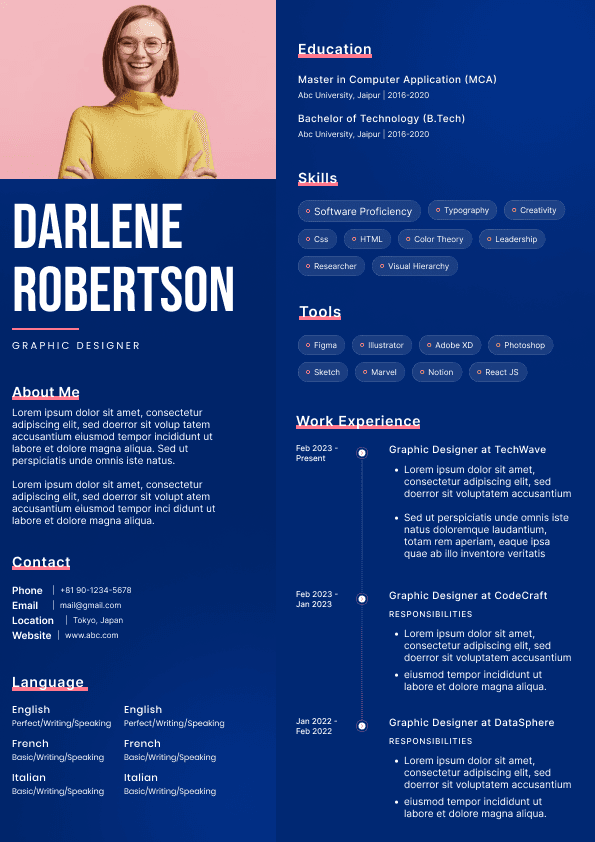
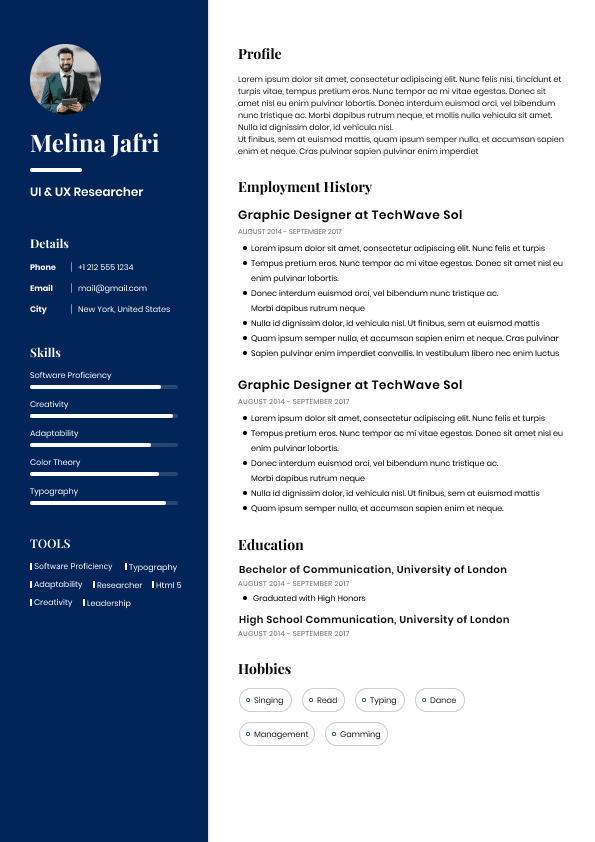
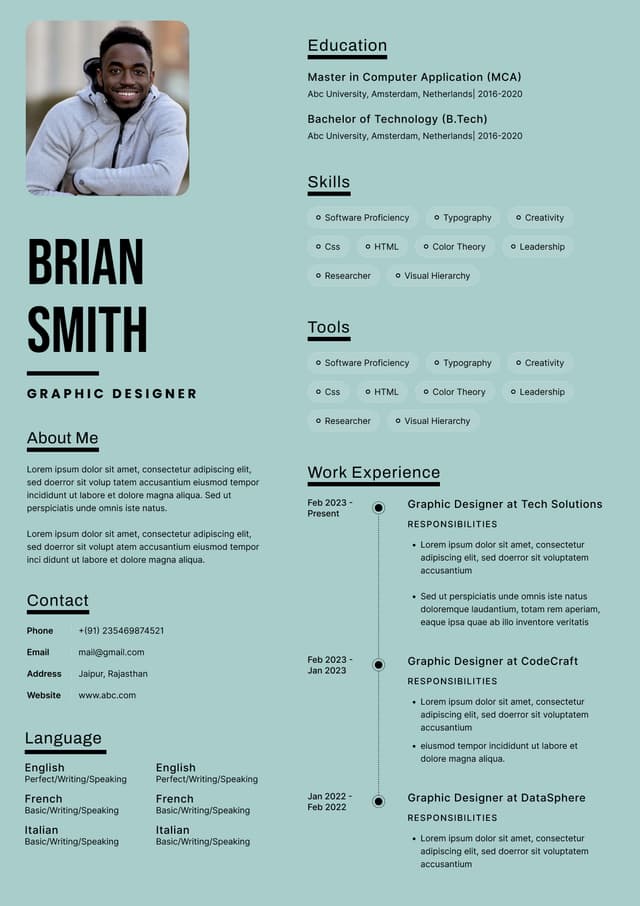
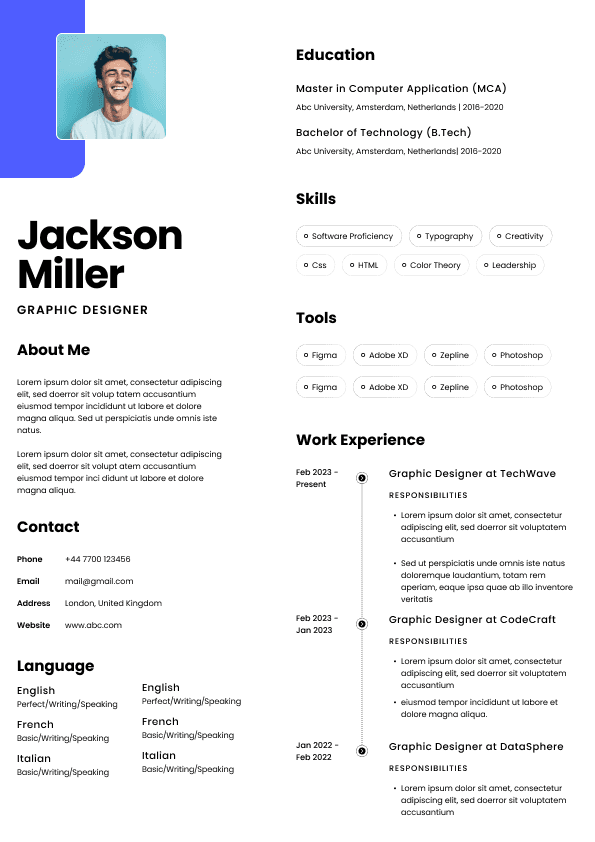
Choose from a wide range of NEWCV resume templates and customize your NEWCV design with a single click.
FAQ
TypeScript system design interviews test far more than coding ability. Hiring managers want to see whether you can design scalable frontend and full stack systems that remain maintainable under growth, traffic spikes, real-time updates, and cross-team complexity.
For senior TypeScript developers, the interview is usually less about syntax and more about architecture thinking. Can you design a frontend that supports millions of users? Can you balance SSR, CSR, and ISR correctly? Can you explain caching trade-offs, API boundaries, state management strategy, observability, and developer experience decisions?
The strongest candidates think like system owners, not feature developers.
This guide breaks down how TypeScript system design interviews actually work in modern SaaS and Big Tech hiring, including frontend architecture interviews, scalable web systems, distributed systems concepts, and full stack TypeScript design expectations.
Most candidates incorrectly assume these interviews focus mainly on backend infrastructure.
That is outdated.
Modern TypeScript system design interviews evaluate whether you can architect entire web platforms across frontend, backend, infrastructure, and developer workflows.
Interviewers typically evaluate these core dimensions:
Scalability thinking
Frontend architecture maturity
API design decisions
State management strategy
Performance optimization
Reliability and fault tolerance
These interviews are intentionally open-ended.
There is rarely one correct answer.
The interviewer wants to observe how you reason through complexity.
Common prompts include:
Design a scalable SaaS dashboard
Design a real-time chat application
Design a collaborative editor like Google Docs
Design a notification system
Design an e-commerce frontend architecture
Design a streaming analytics dashboard
Design a scalable design system platform
Candidates who perform well usually follow a predictable architecture process.
Start by defining:
Who are the users?
What are the core workflows?
Is the system read-heavy or write-heavy?
Is real-time communication required?
Are there multi-tenant concerns?
What platforms are supported?
Are offline capabilities needed?
Frontend system design interviews have changed dramatically over the last few years.
Companies no longer evaluate frontend engineers as UI implementers.
They evaluate them as distributed systems contributors.
Modern frontend architecture interviews often include:
Rendering strategy decisions
CDN optimization
Edge caching
State synchronization
API orchestration
WebSocket scaling
Micro-frontend architecture
One of the most common frontend architecture evaluation areas is rendering strategy.
Interviewers want to see whether you understand trade-offs.
Best for:
Highly interactive applications
Internal dashboards
Authenticated SaaS products
Weaknesses:
Poor SEO
Slower initial load
Hydration overhead
A common interview prompt is:
“Design a scalable frontend architecture for a SaaS platform.”
Strong answers usually include:
Separate:
UI components
Business logic
API services
Shared utilities
State management
Domain modules
This improves maintainability and team scalability.
Weak candidates say:
“Use Redux.”
Strong candidates explain when and why.
Modern state management evaluation focuses on architecture fit.
Best for:
Component-scoped interaction
UI-only behavior
Best tools:
React Query
TanStack Query
SWR
Strong candidates separate server state from client state clearly.
Real-time systems are extremely common interview topics.
Examples include:
Chat apps
Collaborative editing
Notifications
Live dashboards
Trading systems
Strong answers discuss:
Connection management
Horizontal scaling
A strong architecture usually includes:
WebSocket client
Optimistic UI updates
Message queue handling
Reconnection strategy
API gateway
WebSocket gateway
Message broker
Senior frontend interviews increasingly evaluate CDN understanding.
Most candidates underperform here.
Strong candidates discuss:
Static asset caching
Edge rendering
Cache invalidation
Regional latency reduction
Image optimization
CDN routing strategy
Popular platforms:
Cloudflare
Full stack TypeScript system design interviews usually evaluate service boundaries.
Strong answers include:
Authentication
Rate limiting
Request routing
Observability
Security enforcement
Candidates should explain when to use:
REST
Trade-off analysis is one of the biggest differentiators in system design interviews.
Interviewers rarely expect perfect architectures.
They expect mature decision-making.
“We should use microservices because they scale better.”
“Microservices improve independent deployment and team scalability, but they increase operational complexity, observability overhead, distributed tracing requirements, and local development friction. For a smaller engineering organization, a modular monolith may deliver faster iteration.”
This level of thinking strongly signals seniority.
Some interviews include low-level design components.
This evaluates:
Type modeling
Interface design
Extensibility
Component contracts
Clean architecture
Strong candidates focus on:
Domain-driven naming
Separation of concerns
Most failed system design interviews follow predictable patterns.
Weak candidates immediately say:
“Use Kubernetes and Kafka.”
Strong candidates first define requirements.
Many frontend engineers focus only on backend architecture.
Interviewers increasingly expect frontend scalability thinking.
Senior candidates must explain:
Why something is chosen
Why alternatives were rejected
What operational costs exist
This is extremely common.
Expected skills:
Component architecture
State management
API integration
Performance optimization basics
Expected skills:
Distributed system awareness
Scalability planning
Strong candidates discuss tools naturally instead of keyword-dropping them.
Common technologies include:
AWS
Kubernetes
Docker
Kafka
RabbitMQ
Redis Streams
Most candidates misunderstand how interview feedback works internally.
Hiring managers typically score:
Architecture clarity
Communication ability
Technical maturity
Scalability awareness
Risk awareness
Collaboration mindset
Decision-making quality
Candidates who communicate clearly often outperform candidates with stronger technical depth but weaker structure.
A highly effective interview flow looks like this:
Clarify assumptions first.
Explain the major components.
Describe how requests move through the system.
Discuss bottlenecks and growth plans.
Address failure handling and protection.
Explain alternative approaches.
Discuss how the system evolves over time.
This creates a highly structured and senior-level interview experience.
Senior TypeScript interviews increasingly include advanced platform concerns.
Useful when:
Multiple teams deploy independently
Large organizations require ownership separation
Challenges include:
Shared dependencies
Bundle duplication
Runtime coordination
Strong candidates discuss:
Many candidates ignore these entirely.
Strong candidates mention:
WCAG compliance
Keyboard navigation
Semantic HTML
Screen reader support
XSS prevention
CSP policies
Authentication flows
Most candidates prepare incorrectly.
They memorize architectures instead of learning decision-making.
Better preparation methods include:
Reverse engineer SaaS architectures
Design systems verbally
Practice trade-off analysis
Study frontend scalability case studies
Review distributed systems basics
Practice whiteboarding clearly
One of the best exercises is redesigning existing products.
For example:
The candidates who consistently pass TypeScript system design interviews are rarely the ones using the most advanced technologies.
They are the ones who:
Think structurally
Explain trade-offs clearly
Prioritize maintainability
Understand scaling constraints
Communicate calmly under ambiguity
Balance frontend and backend concerns
Design for teams, not just code
Hiring managers are evaluating whether they can trust you to own systems that continue evolving long after launch.


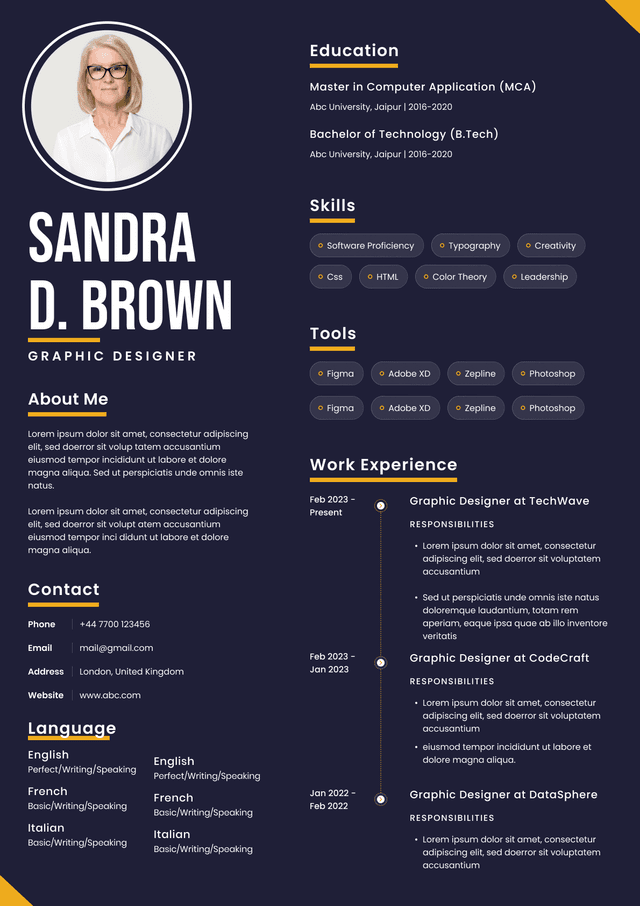
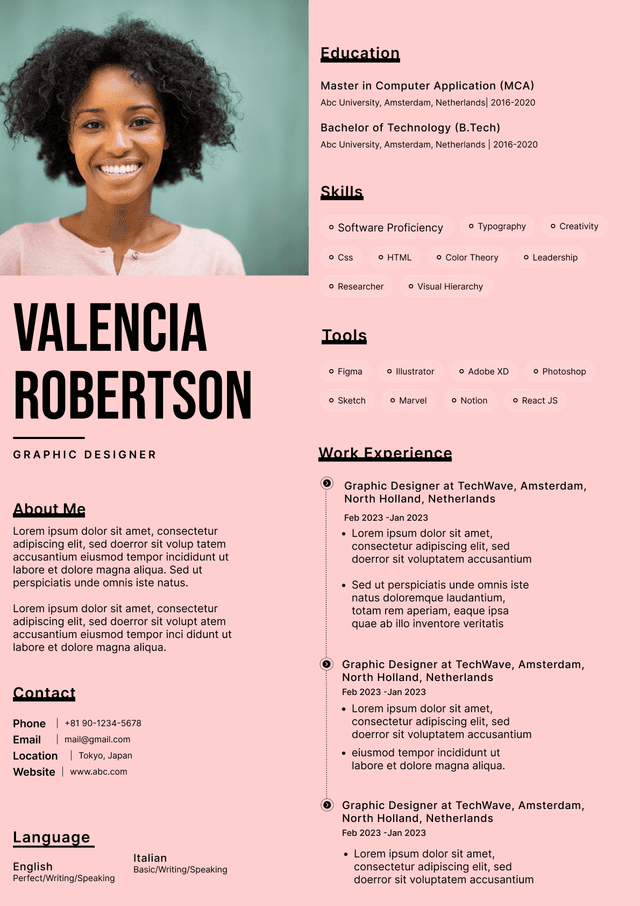
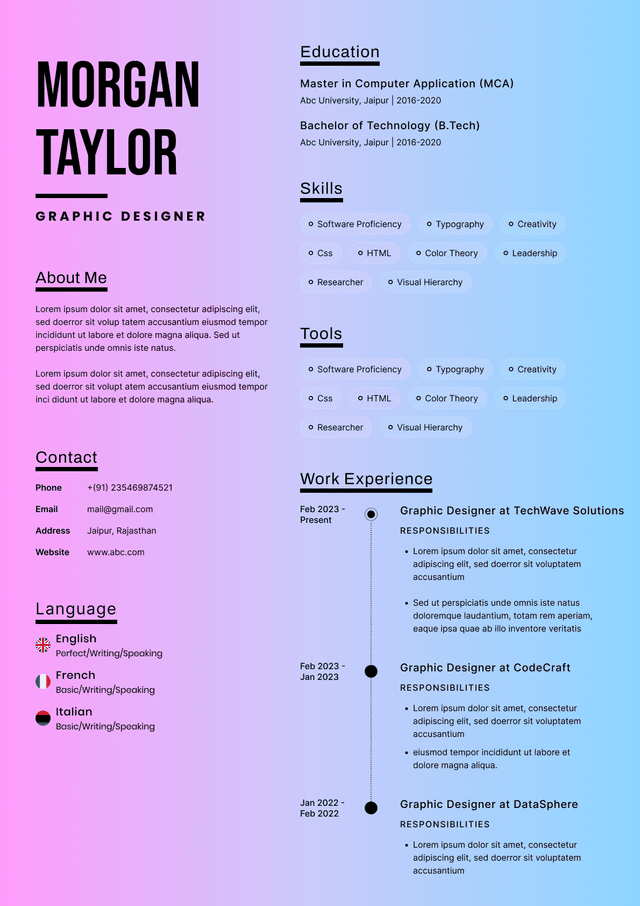
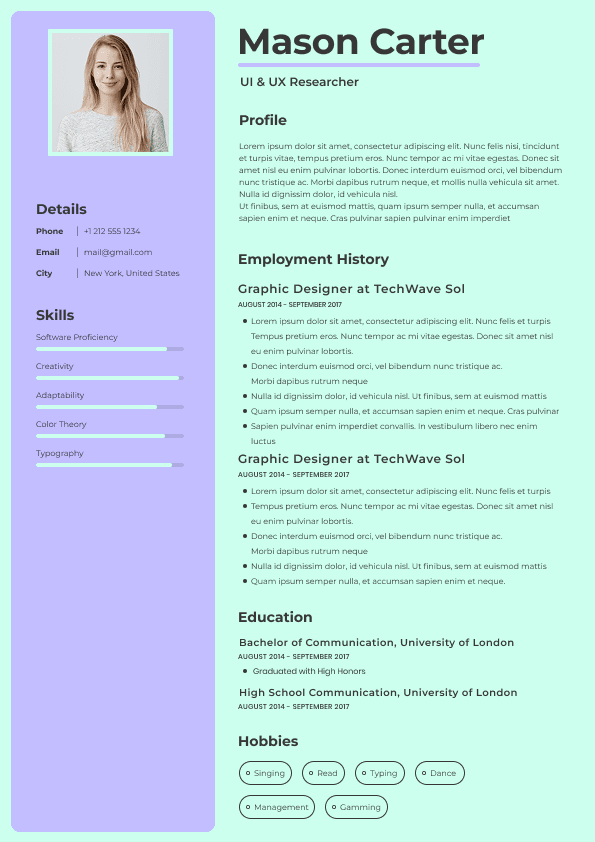
Use ATS-optimised Resume and resume templates that pass applicant tracking systems. Our Resume builder helps recruiters read, scan, and shortlist your Resume faster.

Use professional field-tested resume templates that follow the exact Resume rules employers look for.
Create Resume
Use professional field-tested resume templates that follow the exact Resume rules employers look for.
Create ResumeMaintainability over time
Team scalability
Security awareness
Accessibility considerations
Trade-off analysis
Developer experience optimization
Senior frontend engineers are increasingly expected to think like platform architects.
Especially at companies using React, Next.js, TypeScript monorepos, GraphQL, edge rendering, and microservices.
Design a multi-tenant admin portal
Design a frontend architecture for millions of users
Design a real-time trading interface
The strongest candidates structure their thinking clearly instead of jumping directly into tools or frameworks.
This immediately signals senior-level thinking.
Weak candidates skip clarification and begin naming technologies immediately.
This is where seniority becomes obvious.
Discuss:
Expected traffic scale
Performance SLAs
Availability targets
Security requirements
Accessibility standards
Internationalization
Caching strategy
Reliability expectations
Compliance constraints
Mobile performance considerations
Hiring managers often care more about this section than the actual diagram.
Bundle optimization
Component architecture
Design systems scalability
Best for:
SEO-heavy applications
Dynamic content
Personalized pages
Weaknesses:
Increased server cost
Slower TTFB under load
Best for:
Content-heavy websites
Hybrid performance strategies
Strong candidates explain cache invalidation strategy here.
Best for:
Reducing client bundle size
Data-fetching optimization
Interviewers increasingly ask about server components in modern TypeScript ecosystems.
Strong candidates often discuss:
Turborepo
Nx
Shared TypeScript packages
Shared API contracts
Shared component libraries
This demonstrates platform thinking.
A major scaling problem is frontend-backend contract drift.
Strong solutions include:
OpenAPI generation
GraphQL schemas
tRPC shared types
Zod validation
Type-safe API clients
Recruiters increasingly see type-safe contracts as a senior-level signal.
Use carefully.
Appropriate for:
Authentication
Theme
Shared workflow state
Tools commonly discussed:
Zustand
Redux Toolkit
Jotai
Recoil
Hiring managers care more about minimizing unnecessary global state than choosing trendy libraries.
Pub/sub systems
Event ordering
Presence tracking
Retry logic
Common supporting technologies:
Redis Pub/Sub
Kafka
RabbitMQ
Socket.IO
WebRTC
Persistence layer
Redis for session state
Kafka for event streaming
PostgreSQL for durable storage
Strong candidates also discuss:
Typing indicators
Delivery guarantees
Read receipts
Offline synchronization
Vercel Edge Functions
AWS CloudFront
GraphQL
tRPC
Event-driven architecture
Weak candidates choose technologies emotionally.
Strong candidates choose based on scalability and operational constraints.
Reusability without over-abstraction
Type safety
Predictable APIs
Example topics:
Design a notification service
Design a plugin architecture
Design a component system
Design a permissions engine
Candidates design Netflix-level infrastructure for simple applications.
Hiring managers see this as immaturity.
Frontend platform thinking
Reliability engineering mindset
Architectural trade-offs
Expected skills:
Cross-team architecture strategy
Platform ownership
Long-term maintainability
Org-level technical leadership
PostgreSQL
DynamoDB
Redis
Next.js
Vercel
Cloudflare Workers
GraphQL
REST
tRPC
The key is explaining operational trade-offs.
Not memorizing tool names.
Component governance
Accessibility enforcement
Versioning
Token systems
Cross-team adoption
Interviewers increasingly expect knowledge of:
Code splitting
Tree shaking
Lazy loading
Route-based chunking
Edge caching
Token handling
Rate limiting
These topics strongly differentiate senior engineers.
Slack
Notion
Figma
Shopify
Airbnb dashboards
Focus on why architectural choices exist.
Not just what technologies are used.
That is the real interview.




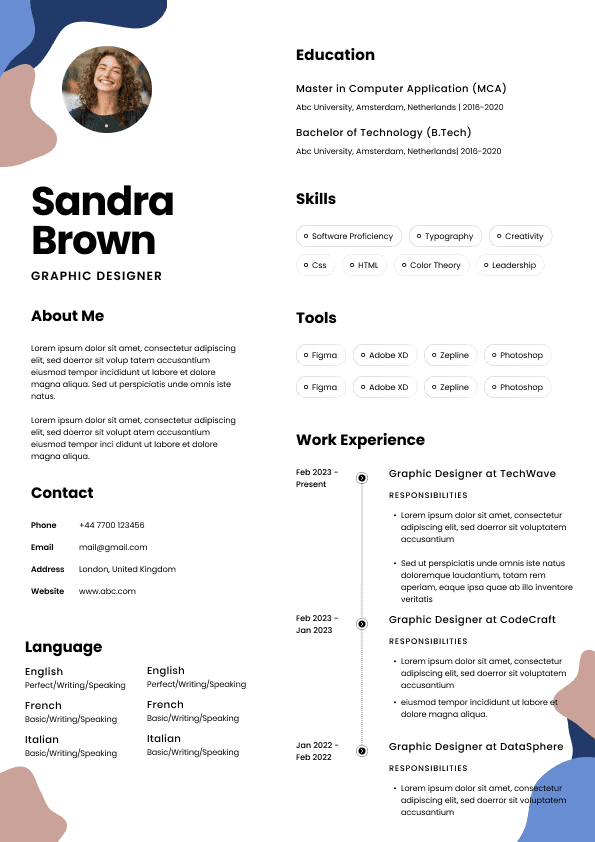
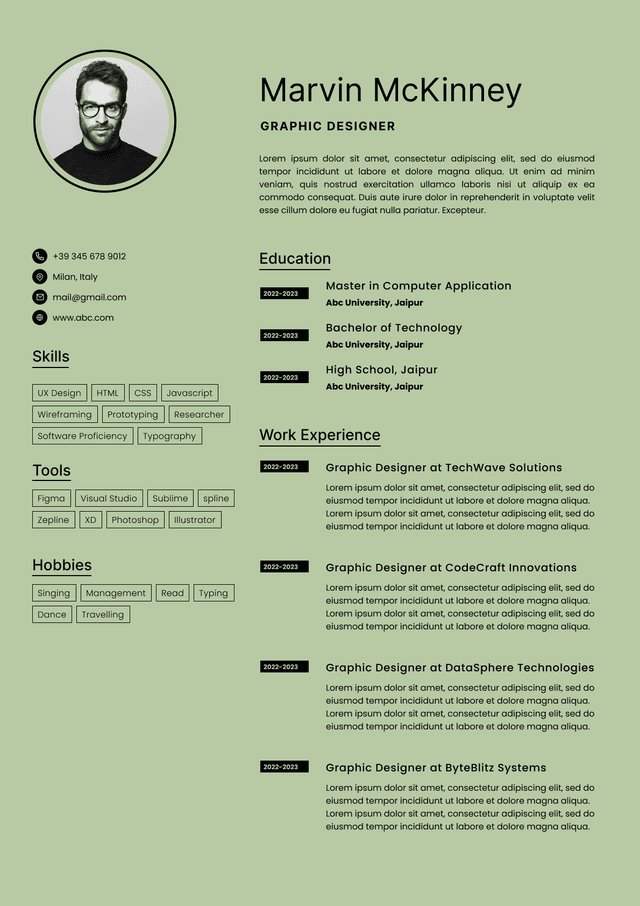
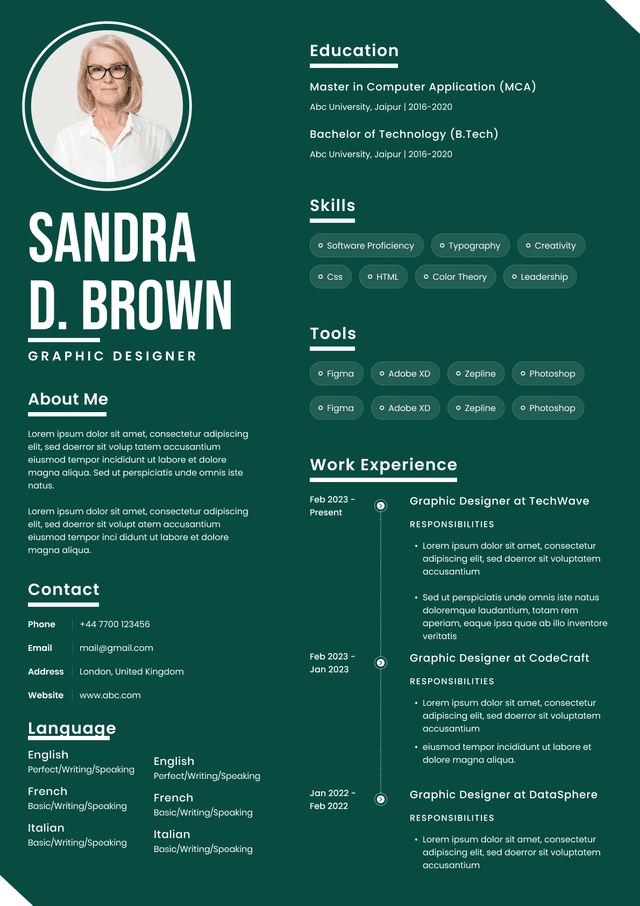
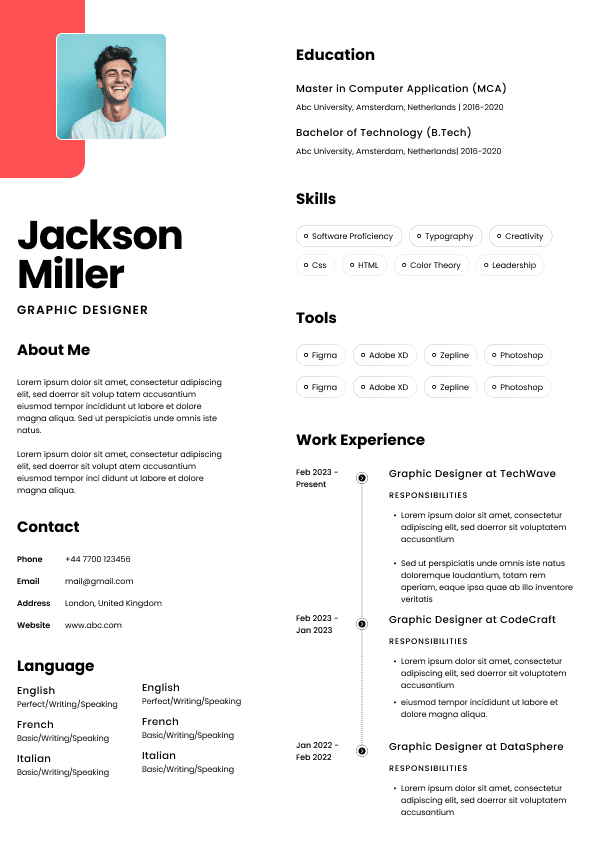
 Upload Resume
 Import from Linkedin