
Choose from a wide range of NEWCV resume templates and customize your NEWCV design with a single click.

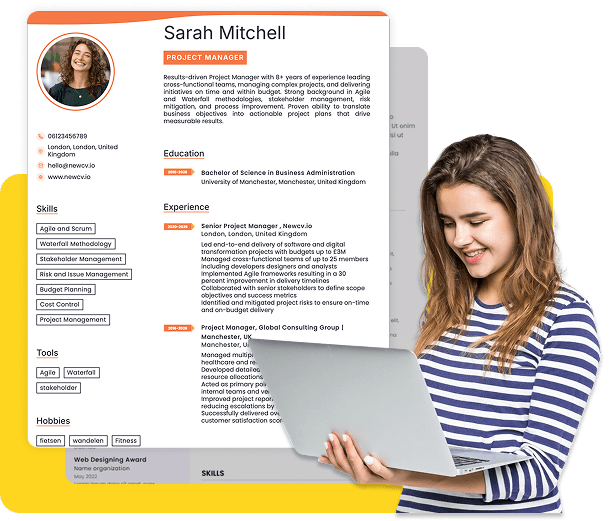
Use ATS-optimised Resume and resume templates that pass applicant tracking systems. Our Resume builder helps recruiters read, scan, and shortlist your Resume faster.

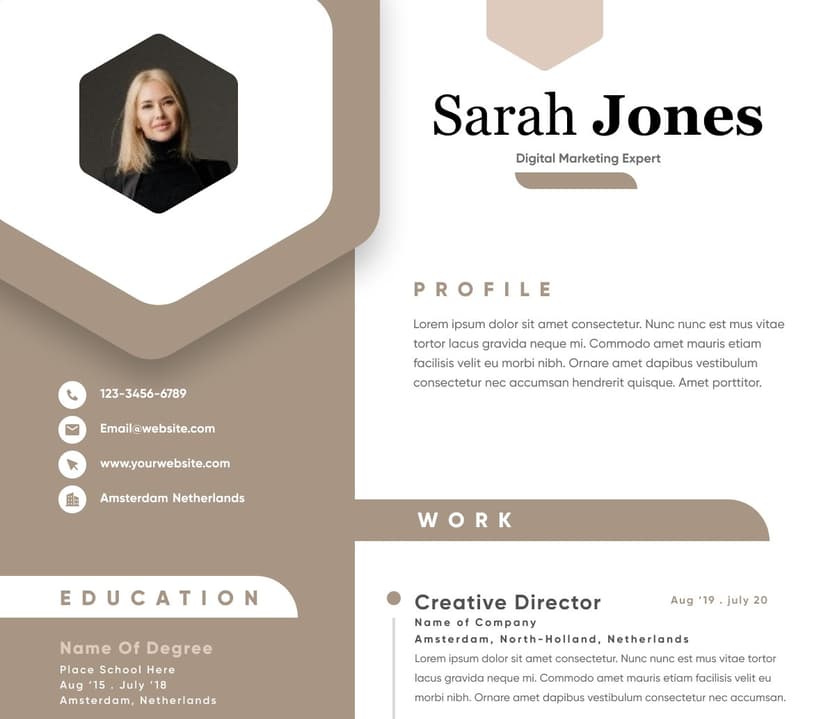
Use professional field-tested resume templates that follow the exact Resume rules employers look for.
Create Resume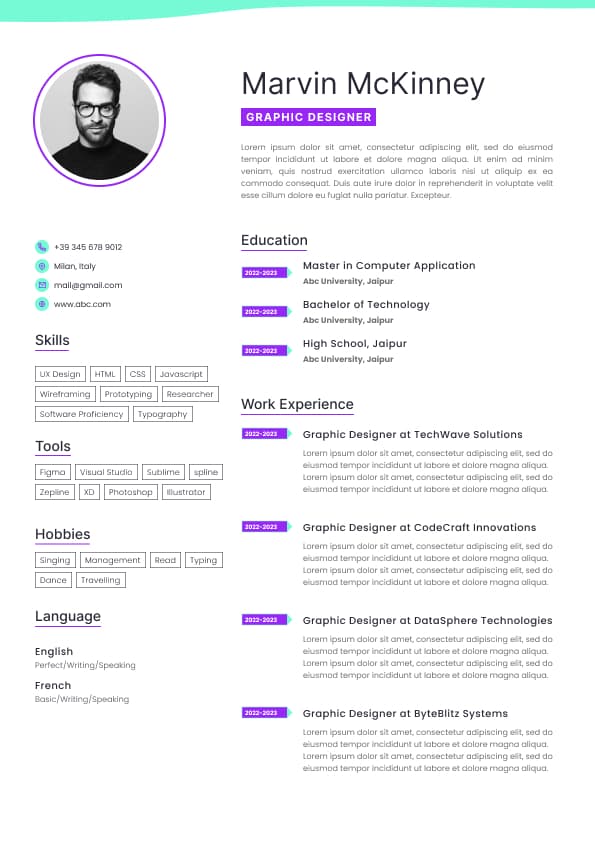
Use professional field-tested resume templates that follow the exact Resume rules employers look for.
Create ResumeIf you're looking for jobs in the UK with visa sponsorship, focus on occupations where employers face genuine skill shortages and are actively licensed to sponsor overseas workers. The strongest opportunities currently exist in healthcare, engineering, technology, construction, education, finance, and certain skilled trades. However, securing sponsorship is far more competitive than many job seekers realise.
UK employers only sponsor international candidates when they cannot easily fill roles from the local talent market or when a candidate offers exceptional skills and experience. This means your success depends not only on finding sponsored vacancies but also on positioning yourself as a stronger candidate than local applicants.
Understanding how sponsorship works, which industries hire internationally, and how recruiters assess overseas candidates can significantly improve your chances of receiving a sponsored job offer.
A visa sponsorship job is a position where a UK employer holds a government-approved sponsor licence and is willing to sponsor an overseas worker for a Skilled Worker visa.
The employer must:
Hold an active sponsor licence
Offer an eligible skilled role
Meet minimum salary requirements
Provide a Certificate of Sponsorship (CoS)
Comply with Home Office sponsorship regulations
Without employer sponsorship, most overseas candidates cannot legally work in the UK under the Skilled Worker route.
From a recruiter's perspective, sponsorship represents additional cost, administration, and compliance obligations. Employers therefore reserve sponsorship for candidates who bring clear value to the business.
Not all sectors sponsor at the same rate.
The highest concentration of sponsored roles is typically found in industries experiencing persistent recruitment shortages.
Healthcare remains one of the largest sponsorship sectors in the UK.
Common sponsored roles include:
Registered Nurses
Mental Health Nurses
Care Managers
Radiographers
Physiotherapists
Occupational Therapists
Biomedical Scientists
Doctors and Consultants
Pharmacists
The NHS and private healthcare providers regularly recruit internationally due to ongoing workforce shortages.
Technology employers frequently sponsor highly skilled professionals.
Common sponsored positions include:
Software Engineers
Full Stack Developers
DevOps Engineers
Cyber Security Specialists
Cloud Engineers
Data Scientists
AI Engineers
Infrastructure Engineers
Solutions Architects
Candidates with specialist expertise in high-demand technologies often receive stronger consideration for sponsorship.
Engineering remains one of the UK's most sponsorship-friendly sectors.
Typical sponsored roles include:
Mechanical Engineers
Electrical Engineers
Civil Engineers
Structural Engineers
Design Engineers
Manufacturing Engineers
Project Engineers
Employers often struggle to source experienced engineering talent locally, creating opportunities for overseas professionals.
Major infrastructure and housing projects continue driving demand for skilled construction professionals.
Common sponsored positions include:
Quantity Surveyors
Site Managers
Construction Project Managers
Building Services Engineers
Structural Engineers
Planning Engineers
Many UK schools face recruitment challenges in key teaching subjects.
Areas frequently offering sponsorship include:
Mathematics Teachers
Physics Teachers
Chemistry Teachers
Computing Teachers
Secondary School Teachers in shortage subjects
While sponsorship is more selective in finance, strong opportunities exist for experienced professionals.
Examples include:
Actuaries
Risk Managers
Financial Analysts
Audit Professionals
Tax Specialists
Investment Professionals
Salary levels vary significantly by industry, experience, and location.
Some of the highest-paying sponsored roles include:
Medical Consultants
Specialist Doctors
Solutions Architects
Cyber Security Managers
Data Scientists
AI Specialists
Investment Banking Professionals
Senior Engineering Managers
Quantitative Analysts
Actuaries
In many cases, sponsorship becomes easier as salary and skill level increase because employers struggle to source experienced talent.
A common mistake among overseas candidates is targeting entry-level roles. Sponsorship is generally more accessible for mid-level and senior professionals than for graduates with limited experience.
Many candidates assume sponsorship decisions are based solely on qualifications.
In reality, recruiters assess risk.
A hiring manager typically evaluates:
Ability to perform the role immediately
Relevance of previous experience
English communication skills
Industry certifications
Technical competence
Long-term retention potential
Sponsorship costs versus business value
A candidate requiring sponsorship must often outperform non-sponsored applicants.
This does not mean sponsorship is impossible. It means your application must clearly demonstrate why the employer should invest in hiring you.
One of the most effective strategies is targeting employers already sponsoring international workers.
Focus on organisations that:
Hold active sponsor licences
Have a history of international hiring
Operate in shortage occupations
Recruit at scale
Useful sources include:
UK government sponsor licence register
Company careers websites
NHS recruitment portals
University careers pages
Specialist recruitment agencies
Professional association job boards
Many candidates waste time applying to companies that have never sponsored a worker. Prioritising licensed sponsors dramatically improves efficiency.
Successful international candidates approach the process differently from local job seekers.
The strongest sponsorship opportunities exist where employers face recruitment challenges.
Avoid highly saturated positions where employers can easily hire local candidates.
Generic CVs are frequently rejected.
Your application should clearly demonstrate:
Relevant achievements
Industry expertise
Technical skills
Commercial impact
Eligibility for sponsorship
Hiring managers want evidence, not generic claims.
Many overseas CVs fail because they do not align with UK hiring expectations.
A strong UK CV should:
Focus on achievements
Include measurable results
Be concise and targeted
Avoid unnecessary personal information
Highlight skills relevant to the advertised role
Direct applications often outperform mass applications through job boards.
Companies actively recruiting internationally typically state sponsorship availability within vacancy descriptions.
The more difficult your skills are to replace, the stronger your sponsorship prospects become.
Employers sponsor expertise, not availability.
Understanding rejection patterns can help candidates avoid costly mistakes.
Many applicants target positions that employers can easily fill locally.
These roles rarely justify sponsorship.
Applications often focus on responsibilities rather than results.
Hiring managers want evidence of business impact.
Candidates frequently apply to companies that do not sponsor workers.
This dramatically lowers success rates.
In competitive sectors, employers often prioritise candidates with proven commercial experience.
CV formats that work in other countries may not align with UK recruiter expectations.
After reviewing thousands of applications, a consistent pattern emerges.
Employers sponsor candidates when they see a clear business case.
Strong sponsored candidates typically demonstrate:
In-demand specialist skills
Relevant industry experience
Strong communication ability
Professional certifications
Proven achievements
Immediate value creation
The question every hiring manager asks is simple:
"Can this person solve a problem that is difficult for us to solve locally?"
When the answer is yes, sponsorship becomes far more likely.
Instead of applying to hundreds of random vacancies, use a focused approach.
Target industries with genuine recruitment shortages.
Position your experience around measurable outcomes.
Research employers with active sponsor licences.
Apply only where your experience closely matches requirements.
Gain certifications, specialist skills, or industry credentials that increase demand for your profile.
Connect with recruiters, hiring managers, and professionals already working in your target sector.
The UK continues to welcome skilled international talent, but sponsorship is not automatic.
The strongest candidates understand that employers are not simply filling vacancies. They are making an investment.
Success comes from aligning your skills with genuine labour market demand, targeting licensed sponsors, presenting a strong UK-focused application, and demonstrating clear value that outweighs the cost and complexity of sponsorship.
Candidates who approach the process strategically consistently outperform those who rely on volume applications alone.


 Upload Resume
 Import from Linkedin