
Choose from a wide range of NEWCV resume templates and customize your NEWCV design with a single click.

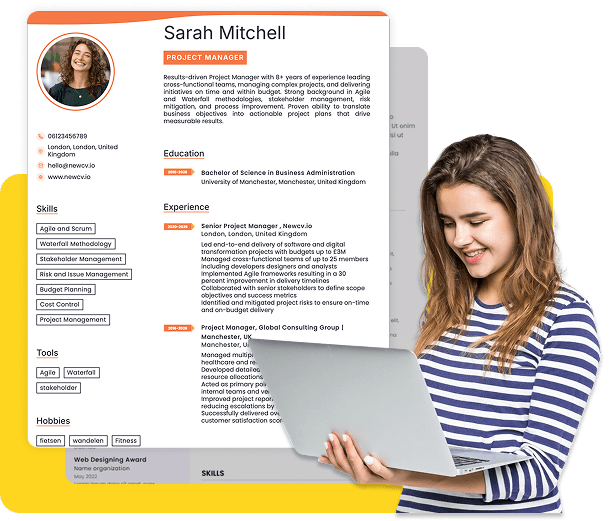
Use ATS-optimised Resume and resume templates that pass applicant tracking systems. Our Resume builder helps recruiters read, scan, and shortlist your Resume faster.

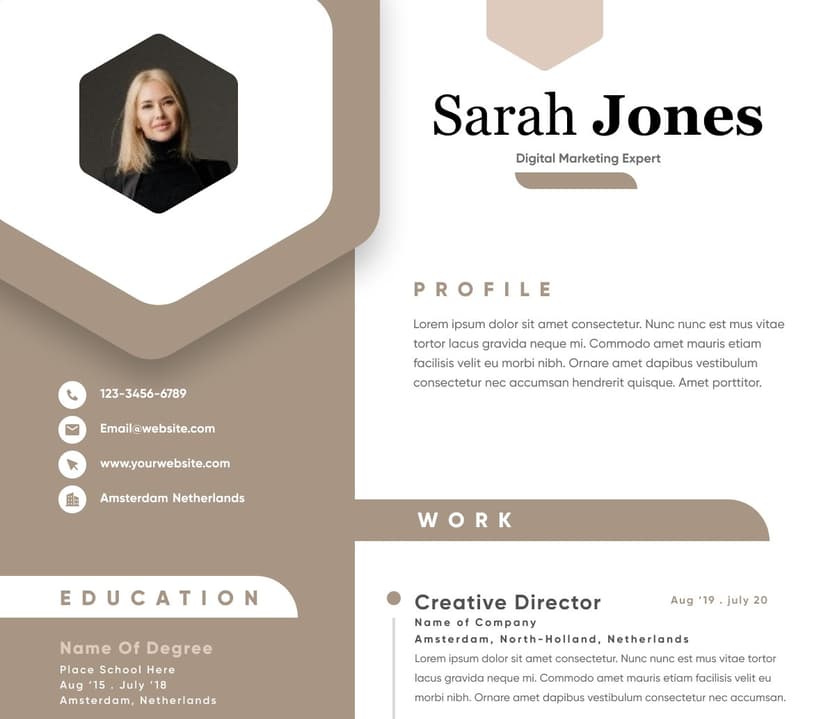
Use professional field-tested resume templates that follow the exact Resume rules employers look for.
Create Resume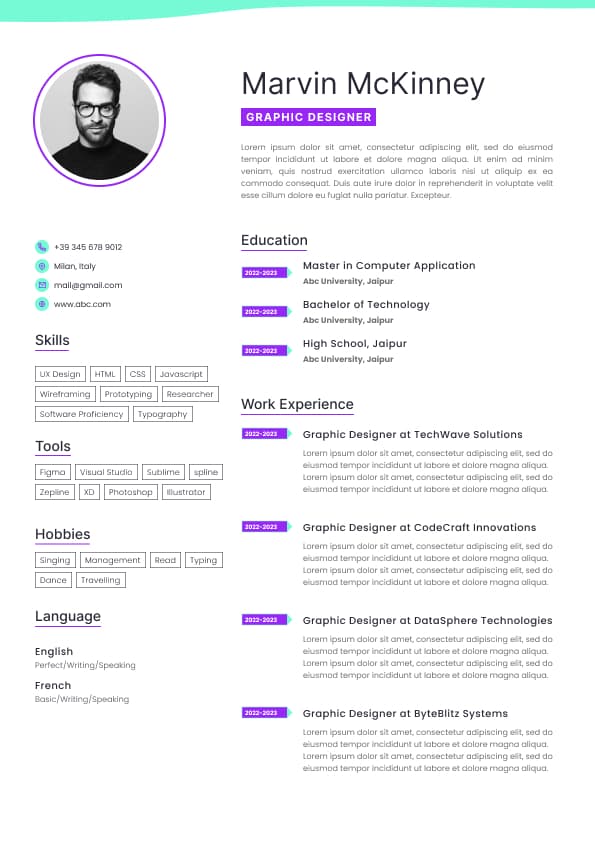
Use professional field-tested resume templates that follow the exact Resume rules employers look for.
Create ResumeAn NHS supporting statement is one of the most important parts of your application. In many NHS recruitment processes, candidates with strong CVs and relevant experience are rejected because their supporting statement fails to demonstrate how they meet the essential criteria in the person specification.
The purpose of a supporting statement is not to repeat your employment history. It is to show the recruiter and hiring manager exactly why you are suitable for the role by providing evidence against the requirements listed in the job description and person specification.
The strongest NHS supporting statements are tailored, evidence-based, and structured around the employer's requirements.
When shortlisting applications, NHS recruiters and hiring managers typically assess:
Whether you meet the essential criteria
How closely your experience aligns with the role
Evidence of NHS values and behaviours
Examples demonstrating relevant skills
Understanding of patient care and confidentiality
Communication and teamwork abilities
Commitment to equality, diversity, and inclusion
Attention to detail and professionalism
A common mistake is making broad claims without evidence.
Weak Example
"I am a hardworking team player with excellent communication skills."
This statement tells the recruiter nothing.
Good Example
"In my current administrative role, I manage patient appointments, communicate daily with multidisciplinary teams, and respond to patient enquiries. This has strengthened my communication skills while ensuring patients receive accurate information and a positive experience."
The second example provides evidence and context.
A strong NHS supporting statement generally follows this structure:
Briefly explain:
The role you are applying for
Your current position or background
Why you are interested in the opportunity
Address the requirements listed in the person specification.
For each criterion:
Explain your experience
Provide a specific example
Describe the outcome
Demonstrate behaviours that reflect NHS values such as:
Respect and dignity
Compassion
Improving lives
Working together for patients
Commitment to quality of care
Summarise your suitability and enthusiasm for the role.
"I am applying for the Healthcare Assistant position because I am passionate about delivering high-quality patient care and supporting individuals with dignity and compassion. Through my experience working in a residential care setting, I have developed strong patient support, communication, and teamwork skills that align closely with the requirements of this role.
In my current position, I assist residents with personal care, mobility support, meal preparation, and daily living activities while maintaining their independence wherever possible. I understand the importance of treating every individual with dignity and respect and ensuring they feel safe and supported.
I regularly work alongside nurses, carers, and other healthcare professionals to ensure continuity of care. Effective communication is essential in this environment, particularly when reporting changes in a resident's condition or escalating concerns promptly.
I have experience maintaining accurate care records, following infection prevention procedures, and adhering to safeguarding policies. These responsibilities have strengthened my attention to detail and commitment to patient safety.
I am particularly attracted to working within the NHS because of its commitment to compassionate care and continuous improvement. I believe my caring nature, practical experience, and dedication to supporting patients would enable me to make a positive contribution to your team."
"I am excited to apply for the Administrative Assistant position within the NHS. My background in administration, customer service, and data management has equipped me with the skills required to provide efficient and professional administrative support.
In my current role, I coordinate appointments, manage confidential records, respond to telephone enquiries, and support multiple departments with administrative tasks. I consistently maintain accuracy when handling sensitive information and understand the importance of confidentiality within healthcare environments.
A key aspect of my role involves communicating with patients, colleagues, and external organisations. I am confident managing competing priorities while maintaining a professional and approachable manner.
I have extensive experience using Microsoft Office applications and database systems to maintain records, prepare reports, and support operational processes. My organisational skills enable me to meet deadlines while ensuring high standards of accuracy.
I am particularly drawn to this role because it combines administration with supporting patient services. I would welcome the opportunity to contribute my skills within an organisation dedicated to improving patient outcomes and delivering excellent healthcare services."
"I am applying for the Staff Nurse position because I am committed to delivering safe, compassionate, and evidence-based patient care. As a registered nurse, I have experience working within busy clinical environments where patient safety, teamwork, and effective communication are essential.
In my current role, I assess patient needs, develop care plans, administer medication, and collaborate with multidisciplinary teams to ensure high-quality care. I am experienced in managing competing clinical priorities while maintaining patient-centred care standards.
One of my strengths is building positive relationships with patients and families. I recognise the importance of listening carefully, providing reassurance, and involving patients in decisions about their care.
I maintain accurate clinical documentation and ensure compliance with professional standards, infection prevention protocols, and safeguarding requirements. I am committed to continuous professional development and regularly participate in training to enhance my clinical knowledge and skills.
The NHS values closely reflect my own professional approach, particularly compassion, respect, and commitment to quality care. I would welcome the opportunity to contribute my experience and dedication to your organisation."
Many applicants lose interview opportunities because they:
Copy and paste generic statements
Repeat their CV instead of providing evidence
Ignore the person specification
Fail to address essential criteria
Write lengthy paragraphs with no examples
Do not demonstrate NHS values
Submit the same statement for multiple jobs
Recruiters often shortlist candidates using a scoring system. If your statement does not clearly address each requirement, you may lose points even if you possess the necessary experience.
One of the most effective ways to strengthen your statement is to use a simplified STAR approach.
Describe the context.
Explain your responsibility.
Describe what you did.
Show the outcome.
Example
"When appointment waiting times increased within our department, I reviewed scheduling processes and identified opportunities to improve efficiency. By reorganising appointment allocation procedures and improving communication between teams, we reduced delays and improved patient satisfaction scores."
This approach provides evidence rather than unsupported claims.
Before writing your statement:
Copy every essential criterion from the person specification
Create a response for each requirement
Use examples from work, volunteering, education, or placements
Demonstrate measurable outcomes where possible
Include relevant NHS values throughout
This approach mirrors how many shortlisting panels assess applications and significantly increases your chances of being shortlisted.
After reviewing thousands of NHS applications, one pattern appears consistently.
The strongest candidates do not focus on telling recruiters they are hardworking, passionate, or motivated.
Instead, they prove it.
Shortlisting panels score evidence, not intentions.
Candidates who provide clear examples showing how they meet the essential criteria almost always outperform candidates who rely on generic statements, regardless of overall experience level.
If there is one principle to remember, it is this:
Match every essential requirement with a real example that demonstrates competence, professionalism, and alignment with NHS values.


 Upload Resume
 Import from Linkedin