
Choose from a wide range of NEWCV resume templates and customize your NEWCV design with a single click.

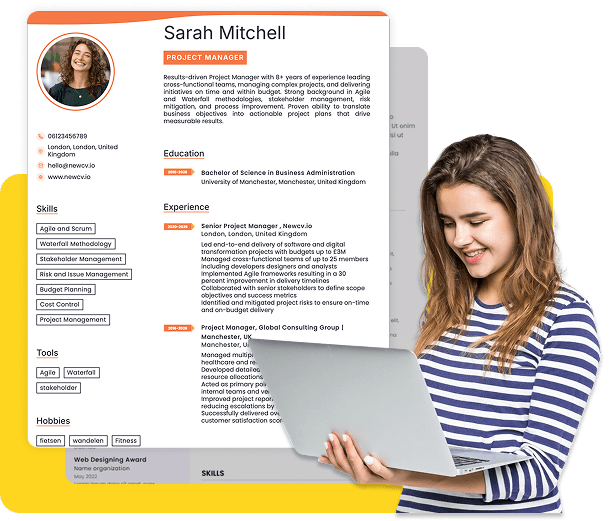
Use ATS-optimised Resume and resume templates that pass applicant tracking systems. Our Resume builder helps recruiters read, scan, and shortlist your Resume faster.

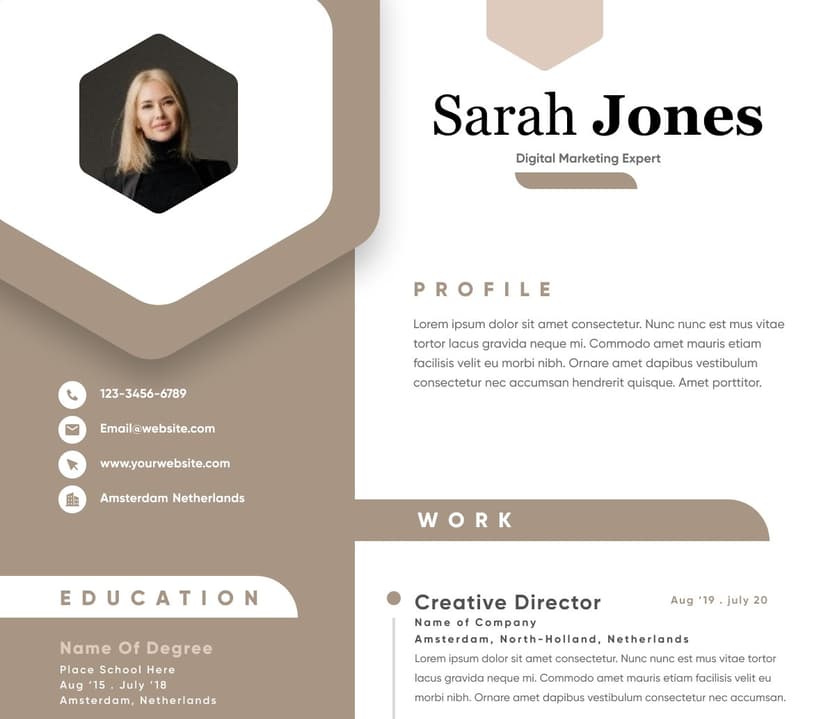
Use professional field-tested resume templates that follow the exact Resume rules employers look for.
Create Resume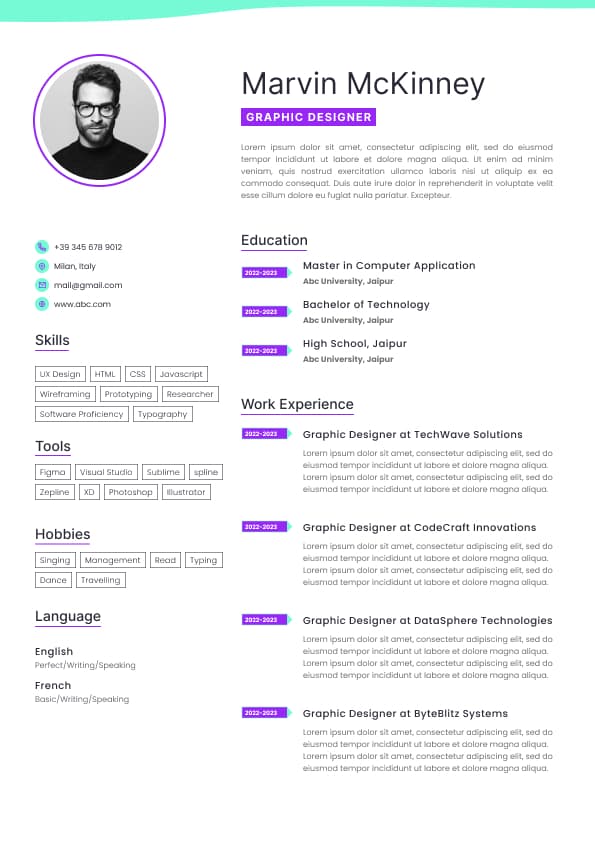
Use professional field-tested resume templates that follow the exact Resume rules employers look for.
Create ResumeCasual jobs in Australia are one of the fastest ways to earn income, gain local experience, build employability, and enter competitive industries without committing to permanent employment. Employers across retail, hospitality, warehousing, healthcare, customer service, administration, logistics, and tourism regularly hire casual staff because they need flexibility, fast availability, and immediate coverage.
The candidates who get hired quickest are not always the most experienced. In the Australian job market, hiring managers prioritise reliability, availability, communication skills, and work rights before almost anything else for casual positions. Many applicants fail because they apply too broadly, use generic resumes, or misunderstand how casual hiring actually works.
If you want a casual job quickly in Australia, you need to understand where employers hire, what recruiters screen for, and how casual recruitment decisions are really made.
A casual job is employment without guaranteed ongoing hours. Casual employees are typically paid a higher hourly rate, known as casual loading, instead of receiving paid annual leave or sick leave entitlements.
Casual work is extremely common across Australia and is widely used by employers to manage:
Peak trading periods
Staff shortages
Weekend demand
Seasonal work
Shift coverage
Temporary operational needs
Workforce flexibility
Common industries hiring casual workers include:
Casual recruitment moves faster because employers often need staff urgently. Hiring managers are usually solving an operational problem, not running a long-term strategic recruitment process.
This changes how candidates are evaluated.
For permanent roles, employers assess:
Long-term fit
Career progression
Technical depth
Leadership potential
Cultural alignment
For casual jobs, employers focus heavily on:
Immediate availability
Retail
Hospitality
Aged care
Disability support
Warehousing
Construction labour
Events
Administration
Call centres
Delivery and logistics
Tourism
Supermarkets
For many Australians, casual work becomes a pathway into permanent employment. Employers frequently test reliability and workplace fit through casual shifts before offering part-time or full-time opportunities.
Reliability
Shift flexibility
Communication skills
Attitude
Work rights
Ability to start quickly
This is why candidates with limited experience can still secure casual work quickly if they position themselves properly.
The strongest casual job markets in Australia typically align with labour shortages, consumer demand, and operational staffing pressure.
Hospitality remains one of the largest casual employment sectors in Australia.
Common roles include:
Bar staff
Wait staff
Kitchen hands
Baristas
Food runners
Event staff
Bartenders
Hotel attendants
What employers actually look for:
Weekend availability
Late-night flexibility
Fast communication
Customer service confidence
Ability to work under pressure
A major mistake applicants make is underestimating personality fit. Hospitality hiring is highly behaviour-driven. Employers often hire based on energy, presentation, and attitude over technical experience.
Retail employers regularly hire casual workers for:
Weekend coverage
Holiday trade
Stock replenishment
Customer service
Peak shopping periods
Major Australian retail employers often recruit year-round, especially large chains and supermarkets.
Hiring managers care heavily about:
Availability across weekends
Reliability
Presentation
Customer interaction skills
Ability to multitask
Candidates who state “fully flexible availability” often outperform applicants with stronger resumes but limited hours.
Warehousing has become one of Australia’s fastest-growing casual employment sectors.
High-demand roles include:
Pick packers
Forklift operators
Warehouse assistants
Dispatch staff
Labourers
Delivery drivers
Why employers hire quickly in logistics:
High staff turnover
Seasonal spikes
Immediate operational demand
Labour shortages
Candidates gain a major advantage if they already hold:
Forklift licence
Driver’s licence
White Card
RF scanning experience
Manual handling experience
Many warehouse employers prioritise attendance reliability more than previous experience.
Healthcare and support sectors continue experiencing strong casual hiring demand across Australia.
Common casual roles include:
Disability support workers
Aged care assistants
Personal care workers
Support staff
Allied health assistants
These jobs often pay better than entry-level retail or hospitality roles but usually require:
Police checks
NDIS Worker Screening
First Aid certification
Working With Children Check
Relevant qualifications or training
Recruiters in this sector heavily assess communication style, emotional maturity, and reliability.
The best casual job opportunities are usually filled through a combination of online applications, direct approaches, referrals, and recruitment agencies.
Relying on only one method significantly reduces your chances.
The most commonly used Australian job platforms include:
SEEK
Jora
Indeed
Workforce Australia
LinkedIn Jobs
However, many candidates fail because they use “easy apply” approaches without tailoring applications.
Recruiters often receive hundreds of applications for casual jobs. Generic resumes are filtered out quickly.
Recruitment agencies play a major role in casual hiring across:
Warehousing
Administration
Labour hire
Manufacturing
Construction
Customer service
Agencies move quickly because clients often need staff immediately.
Candidates who respond quickly, answer calls professionally, and complete onboarding paperwork promptly are prioritised for future shifts.
Many hospitality and retail employers still hire directly through:
Walk-ins
In-store resumes
Local Facebook groups
Business websites
Referrals
This approach works particularly well for smaller businesses.
Timing matters significantly. Walking into a café during peak lunch service is a poor strategy. Mid-morning or mid-afternoon is usually more effective.
Most casual job applicants misunderstand how quickly recruiters screen resumes.
Initial screening may last less than 20 seconds.
Recruiters are usually checking for:
Availability
Location
Work rights
Relevant experience
Communication quality
Employment stability
Immediate suitability
For casual jobs, availability is often more important than qualifications.
One of the biggest hiring realities in Australia is this:
A less experienced candidate with full weekend availability often gets hired over a stronger candidate with restricted hours.
Employers want operational flexibility.
Candidates who limit:
Weekends
Public holidays
Evenings
Short-notice shifts
often reduce their employability significantly in casual markets.
A casual job resume should not look like a corporate executive resume.
Hiring managers want fast clarity.
Your resume should immediately communicate:
What work you can do
When you can work
Whether you can start quickly
Whether you are reliable
Strong casual resumes typically include:
Clear work history
Simple formatting
Local availability
Customer service skills
Shift flexibility
Practical responsibilities
Results or reliability indicators
Common mistakes include:
Overly long resumes
Generic career objectives
Poor formatting
Irrelevant information
No availability listed
No local location
Spelling mistakes
AI-generated wording with no personality
Recruiters can often identify templated AI applications immediately because they sound vague, inflated, and impersonal.
Candidates who secure casual jobs quickly usually combine speed, consistency, and strategic positioning.
Many casual jobs are filled rapidly.
Applications submitted within the first 24 to 48 hours often perform significantly better than late applications.
Most candidates never follow up.
A short, professional follow-up can improve visibility, especially for hospitality and retail roles.
A strong follow-up communicates:
Genuine interest
Reliability
Initiative
Communication skills
Casual recruitment often moves very quickly.
Employers may call the same day.
Candidates lose opportunities because they:
Miss calls
Delay responses
Sound unprepared
Cannot interview quickly
Fast responsiveness matters more in casual recruitment than many applicants realise.
Casual interviews are usually shorter and more practical than corporate interviews.
Hiring managers often assess:
Reliability
Energy
Communication
Attitude
Presentation
Availability
Common casual job interview questions include:
What availability do you have?
Can you work weekends?
How soon can you start?
Tell me about your customer service experience.
How do you handle busy environments?
Why do you want this role?
Australian hiring managers often evaluate:
Whether you will show up consistently
Whether you will quit quickly
Whether you can handle pressure
Whether customers or teams will like working with you
Whether rostering you will be easy
This is why communication style and attitude matter heavily in casual recruitment.
Many applicants assume casual jobs are easy to secure simply because they are entry-level.
In reality, employers reject large numbers of applicants for predictable reasons.
Restricted availability is one of the biggest rejection triggers.
Mass applying with identical resumes reduces interview success significantly.
Employers notice:
Slow replies
Unprofessional emails
Missed calls
Weak phone communication
Hiring managers look for evidence of consistency.
Frequent unexplained short-term jobs can raise concerns unless explained properly.
Many job seekers confuse casual and part-time employment.
No guaranteed hours
Higher hourly rate
Flexible shifts
No paid annual leave
Often variable rosters
Guaranteed hours
Paid leave entitlements
More predictable schedules
Ongoing employment structure
Some employers intentionally start workers casually before transitioning them into permanent positions.
Yes, very often.
Many Australian employers use casual employment as an informal probation period.
This is especially common in:
Retail
Hospitality
Warehousing
Healthcare
Administration
Employees who consistently demonstrate:
Reliability
Strong attendance
Positive attitude
Teamwork
Flexibility
are frequently prioritised for permanent openings.
This is one of the most overlooked career advantages of casual work.
Casual work offers flexibility and faster hiring opportunities, but it also comes with trade-offs.
Faster hiring
Flexible scheduling
Higher hourly pay
Easier workforce entry
Industry exposure
Potential pathway to permanent roles
Income inconsistency
Unpredictable rosters
Limited job security
Fewer leave entitlements
Competitive peak hiring periods
Understanding these realities helps candidates make smarter employment decisions instead of treating casual work as either entirely positive or entirely negative.
The strongest casual candidates position themselves as low-risk hires.
That means demonstrating:
Reliability
Flexibility
Fast responsiveness
Positive communication
Consistency
Practical work readiness
Recruiters are not looking for perfection in casual hiring.
They are looking for people who will:
Show up
Work hard
Fit the team
Handle pressure
Stay reliable
Candidates who understand this usually outperform applicants focused only on qualifications or resume aesthetics.


 Upload Resume
 Import from Linkedin