
Choose from a wide range of NEWCV resume templates and customize your NEWCV design with a single click.

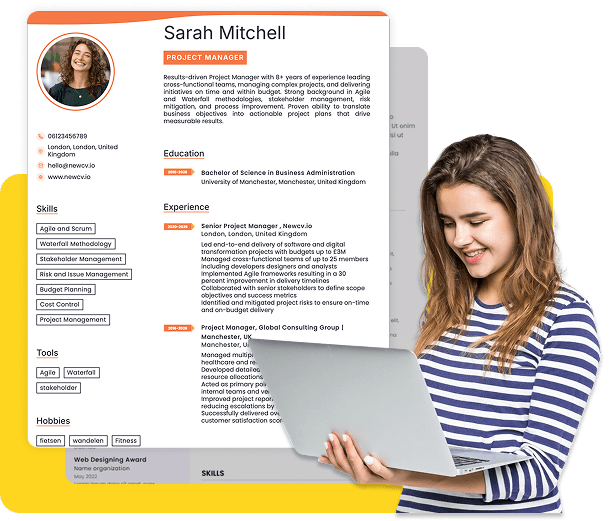
Use ATS-optimised Resume and resume templates that pass applicant tracking systems. Our Resume builder helps recruiters read, scan, and shortlist your Resume faster.

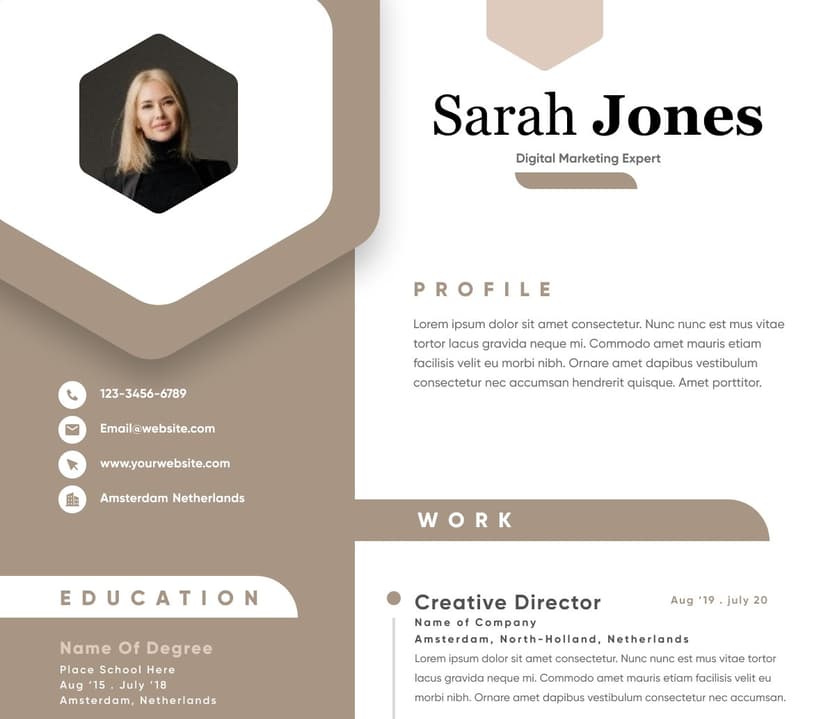
Use professional field-tested resume templates that follow the exact Resume rules employers look for.
Create Resume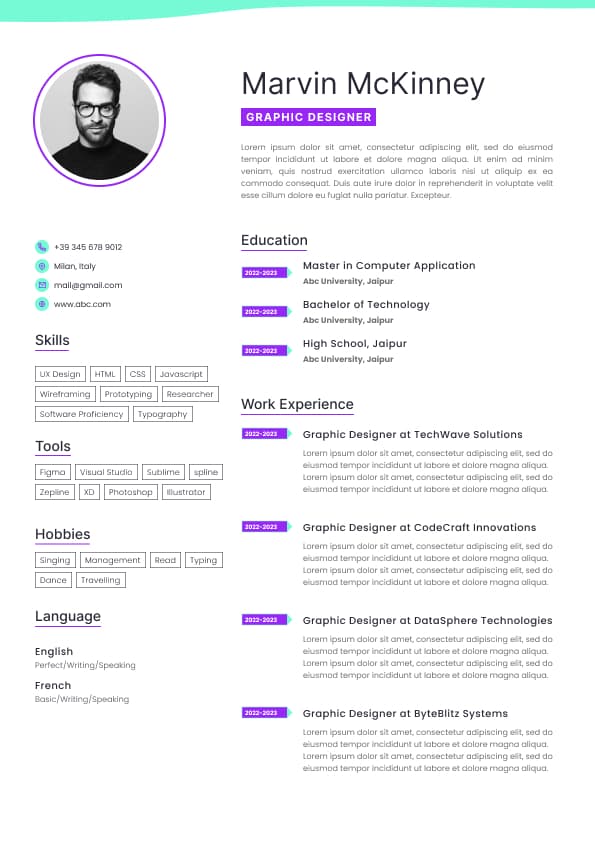
Use professional field-tested resume templates that follow the exact Resume rules employers look for.
Create ResumeMost job seekers fail because they apply for remote jobs the same way they apply for office-based roles. Hiring managers screen remote candidates differently. They look for proof of autonomy, reliability, responsiveness, and results without supervision. If your resume, application, and interview responses do not demonstrate those qualities clearly, you will struggle even if you are highly qualified.
This guide breaks down the best work from home jobs in Australia, where the real hiring demand exists, what employers actually want, expected salaries, and how to position yourself competitively in the current Australian remote job market.
Remote work is now a permanent part of Australian hiring culture across many industries. While some employers have shifted back to hybrid arrangements, fully remote roles continue to grow in sectors where output matters more than physical presence.
Australian companies increasingly use remote hiring to:
Access wider talent pools across states
Reduce office overheads
Improve employee retention
Hire specialised talent faster
Support flexible work expectations
For candidates, remote work offers:
Better work life balance
Reduced commuting costs
Greater location flexibility
Access to interstate employers
More opportunities in specialised industries
However, competition is significantly higher for fully remote jobs than standard office roles. A Sydney-based office role may receive 80 applicants. A fully remote national role may receive 600+ applications within days.
That changes how you need to apply.
Not all remote jobs offer the same level of stability, salary, flexibility, or long-term career growth. The strongest remote opportunities in Australia currently fall into several high-demand categories.
These remain among the most common entry-level remote jobs in Australia.
Common roles include:
Customer service representative
Virtual assistant
Call centre consultant
Client support officer
Online chat support
Appointment scheduler
Admin assistant
Industries hiring:
Insurance
Banking
E-commerce
Healthcare
Telecommunications
Education providers
Typical salary range:
What employers look for:
Strong written communication
Phone confidence
CRM system experience
Reliability
Ability to manage workload independently
Most applicants fail because their resume sounds task-focused instead of outcomes-focused.
Weak Example:
“Answered customer calls and emails.”
Good Example:
“Managed high-volume customer enquiries across phone and digital channels while maintaining 95%+ customer satisfaction ratings.”
That difference matters heavily in remote hiring.
Technology remains the strongest fully remote sector nationally.
High-demand remote tech roles include:
Software developer
Cybersecurity analyst
Data analyst
Cloud engineer
UX/UI designer
Product manager
DevOps engineer
QA tester
Salary expectations:
The major advantage in tech is that employers already measure performance digitally. Remote work integrates naturally into these environments.
What Australian tech hiring managers prioritise:
Proven project outcomes
Collaboration ability
Communication clarity
Documentation skills
Independent problem-solving
Remote team experience
One major recruiter insight many candidates miss:
Senior technical skill alone does not secure remote jobs.
Candidates who communicate clearly and operate autonomously often outperform technically stronger applicants during hiring.
Digital marketing continues to expand remotely because campaigns, analytics, content, and reporting are fully digital.
Popular remote marketing jobs:
SEO specialist
Content marketer
PPC specialist
Email marketing manager
Social media manager
Marketing coordinator
Growth marketer
Salary range:
Remote marketing hiring is highly portfolio-driven.
Australian employers want evidence, not claims.
They look for:
Revenue impact
Campaign growth
Traffic improvements
Lead generation results
ROI metrics
Platform expertise
Candidates who simply list tools without measurable outcomes struggle badly in this market.
Recruitment has become one of Australia’s strongest remote-capable industries.
Remote recruitment roles include:
Talent acquisition specialist
Internal recruiter
Recruitment consultant
Candidate sourcer
HR coordinator
People and culture advisor
Salary range:
Remote recruiters are evaluated heavily on:
Communication speed
Relationship management
Stakeholder confidence
Candidate quality
Time management
Australian employers hiring remote recruiters often prefer candidates who already understand ATS systems, LinkedIn sourcing, and video interviewing platforms.
Finance teams increasingly operate remotely, especially in SME and tech environments.
Remote finance roles:
Bookkeeper
Payroll officer
Financial accountant
Accounts payable officer
Finance analyst
Tax consultant
Salary range:
What employers assess:
Accuracy
Confidentiality
Deadline reliability
Compliance understanding
ERP/accounting software experience
Remote finance hiring is less forgiving of mistakes because supervision is lower.
Trustworthiness becomes a major hiring factor.
Australia’s online education sector continues to grow rapidly.
Common remote education jobs:
Online tutor
Instructional designer
Learning designer
Corporate trainer
ESL teacher
Course coordinator
Salary range:
The strongest candidates demonstrate:
Digital engagement ability
Presentation confidence
Curriculum experience
Online facilitation skills
Learning platform familiarity
Remote sales roles can offer some of the highest earning potential.
Common positions:
Business development manager
Account executive
SaaS sales consultant
Sales development representative
Account manager
Salary range:
Australian employers hiring remotely in sales prioritise:
Pipeline management
Self-motivation
Commercial communication
CRM discipline
Video meeting confidence
Many candidates underestimate how much energy and communication presence matter in remote sales interviews.
Some of the strongest-paying remote careers currently include:
Software engineering
Cybersecurity
Enterprise sales
Cloud architecture
Product management
Data science
Recruitment leadership
Financial consulting
Digital strategy
UX design leadership
Fully remote salaries are increasingly comparable to office-based roles because employers compete nationally for talent.
However, lower-level remote jobs often face downward salary pressure because employers can access larger applicant pools.
The best remote jobs are rarely found through random social media ads.
Strong sources include:
SEEK
EthicalJobs
company career pages
niche industry job boards
specialist recruiters
remote-first companies
One major hiring reality:
Many remote jobs are filled through recruiter sourcing before public advertising gains traction.
Candidates with strong LinkedIn positioning gain a major advantage.
This is where most job seekers misunderstand remote hiring.
Employers are not simply asking:
“Can this person do the job?”
They are asking:
“Can this person perform consistently without physical supervision?”
That changes screening criteria significantly.
Australian hiring managers assess:
Communication responsiveness
Self-management
Reliability
Accountability
Technology confidence
Written communication
Time management
Independent decision-making
Professional maturity
Remote hiring risk is higher for employers.
So they prioritise predictability heavily.
The biggest failure patterns include:
Many candidates apply to remote jobs using standard resumes that do not show remote capability.
Hiring managers want evidence of:
Independent work
Remote collaboration
Stakeholder management
Digital tools
Communication outcomes
Remote roles receive massive applicant volumes.
Low-effort applications are rejected quickly.
This includes:
Generic cover letters
Weak LinkedIn profiles
No measurable achievements
Poor formatting
No tailoring
Remote work is communication-heavy.
Candidates who:
Ramble
Write poorly
Respond slowly
Lack clarity
are screened out quickly.
Strong remote candidates combine:
Direct applications
Recruiter networking
LinkedIn visibility
Referral strategies
The best remote candidates demonstrate four core qualities consistently.
Remote teams rely heavily on written communication.
Strong candidates:
Write clearly
Communicate proactively
Keep updates concise
Handle ambiguity well
Hiring managers want candidates who:
Take ownership
Solve problems independently
Deliver without constant follow-up
You do not need advanced technical skills for every role.
But you do need confidence using:
Microsoft Teams
Zoom
Slack
CRM systems
Project management platforms
Shared digital workflows
Remote employers fear disengagement and inconsistency.
Candidates who demonstrate:
Stability
Organisation
Reliability
Professional maturity
gain a significant advantage.
Your resume should clearly demonstrate:
Remote collaboration
Independent responsibility
Communication ability
Measurable achievements
Include:
Remote tools
Cross-functional collaboration
Outcome-based achievements
Stakeholder communication examples
Avoid:
Task-heavy bullet points
Generic soft skills
Vague claims
Many Australian recruiters source remote candidates directly through LinkedIn.
Your profile should:
Match your target remote role
Include measurable achievements
Use strong role-specific keywords
Demonstrate credibility
Show professional consistency
Remote hiring is highly competitive.
Generic applications rarely succeed.
Strong tailoring includes:
Aligning achievements to the role
Matching industry terminology
Addressing remote requirements directly
Reflecting employer priorities
Remote interviews assess:
Presence
Communication
Professionalism
Digital confidence
Hiring managers notice:
Eye contact
Audio quality
Environment setup
Responsiveness
Clarity of answers
Many candidates lose opportunities through poor virtual interview execution rather than lack of capability.
The remote job market also contains scams and low-quality employers.
Be cautious of roles that:
Promise unrealistic income quickly
Require upfront payments
Lack company transparency
Avoid formal interviews
Use vague job descriptions
Push commission-only structures aggressively
Legitimate Australian employers follow standard hiring processes.
For many professionals, yes.
But remote work suits self-directed individuals more than people who rely heavily on structure and supervision.
The strongest long-term remote workers typically:
Manage time independently
Communicate proactively
Stay organised
Maintain professional discipline
Handle isolation well
Remote work is not easier work.
In many professional environments, expectations are actually higher because performance visibility depends heavily on output and communication quality.
Fully remote work will continue growing selectively rather than universally.
Industries most likely to maintain strong remote hiring:
Technology
Digital marketing
Recruitment
Professional services
Online education
SaaS
Finance
Customer operations
Hybrid work will remain dominant across many corporate environments, but fully remote opportunities will continue to exist for highly capable candidates who demonstrate strong communication, accountability, and results.
The Australian market is becoming increasingly skills-first for remote hiring.
Employers care less about where you sit and more about:
What outcomes you produce
How independently you operate
How effectively you communicate
Whether you reduce management friction
That is ultimately what separates candidates who consistently secure remote jobs from those who struggle.


 Upload Resume
 Import from Linkedin