
Choose from a wide range of NEWCV resume templates and customize your NEWCV design with a single click.


Use ATS-optimised Resume and resume templates that pass applicant tracking systems. Our Resume builder helps recruiters read, scan, and shortlist your Resume faster.

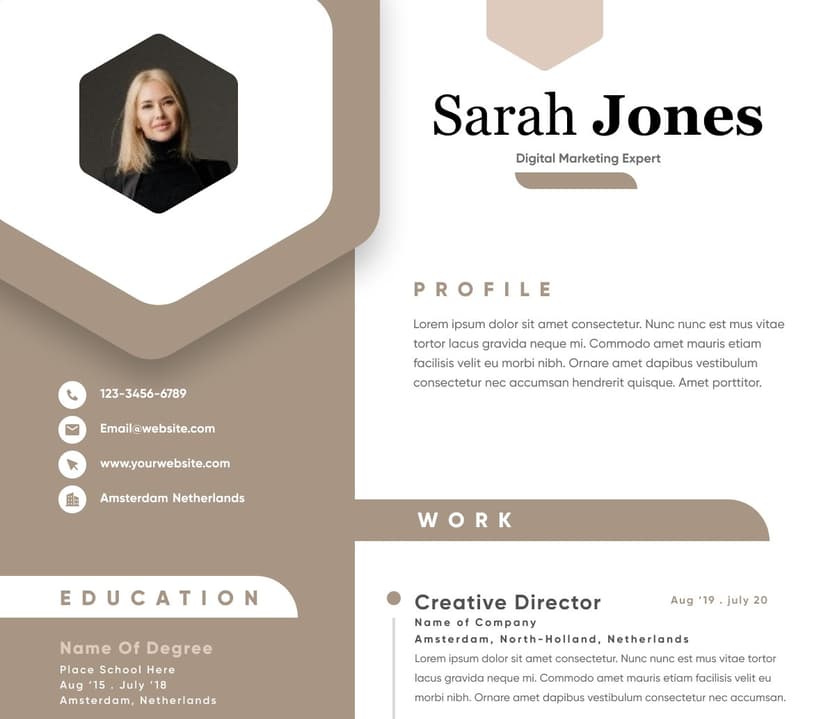
Use professional field-tested resume templates that follow the exact Resume rules employers look for.
Create Resume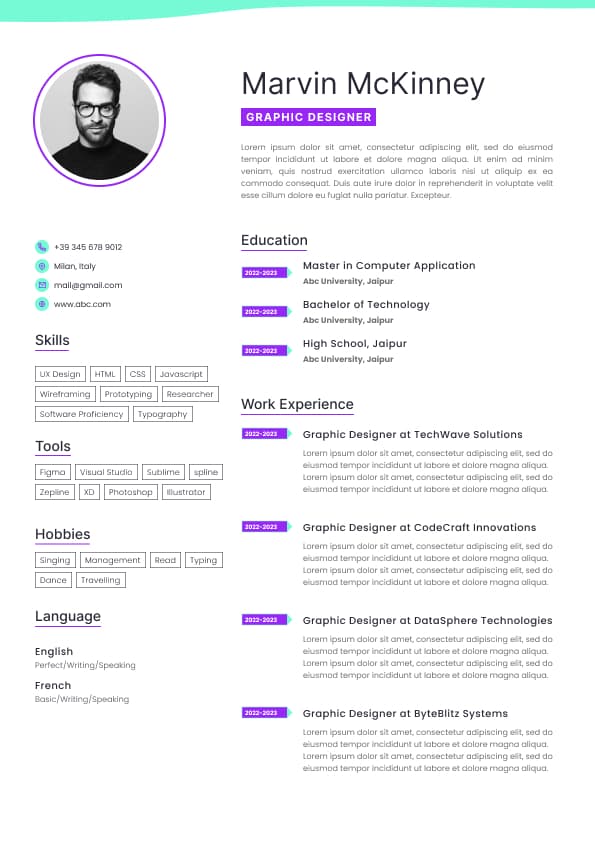
Use professional field-tested resume templates that follow the exact Resume rules employers look for.
Create ResumeIf you want to migrate to Australia through a skilled visa, the Skilled Occupation List is one of the first things you must check. Your occupation determines whether you can apply for visas like the Skilled Independent visa (subclass 189), Skilled Nominated visa (subclass 190), or Skilled Work Regional visa (subclass 491).
But many applicants misunderstand how the Skilled Occupation List actually works.
Being “on the list” does not automatically mean:
You qualify for a visa
You will receive an invitation
Your occupation is currently in demand
Employers will sponsor you
Recruiters will consider overseas applicants
In practice, Australian migration and hiring decisions depend on a combination of:
The specific occupation list your role appears on
The Skilled Occupation List is a government-managed list of occupations eligible for skilled migration visas in Australia.
It identifies occupations Australia considers necessary to support labour market shortages and economic demand.
The list is used for:
Skilled migration visas
State nomination programs
Regional migration pathways
Employer-sponsored visas
Occupation eligibility assessments
Your occupation must usually appear on an approved occupation list before you can apply for many skilled visas.
However, Australia does not use just one single occupation list.
There are multiple lists and categories depending on:
Your assessing authority requirements
Your points score
State nomination demand
Current invitation trends
Your actual employability in the Australian market
This guide explains how the Skilled Occupation List works in real-world Australian migration and hiring conditions, including how occupations are assessed, what recruiters look for, and where many applicants fail.
Visa subclass
State requirements
Regional demand
Employer sponsorship eligibility
Federal migration priorities
This is where many applicants become confused.
The MLTSSL includes occupations considered strategically important to Australia’s long-term economy.
These occupations generally provide access to:
Subclass 189 visas
Subclass 190 visas
Subclass 491 visas
Employer-sponsored pathways
Occupations on the MLTSSL are usually stronger for long-term migration prospects.
Examples often include:
Software Engineer
Registered Nurse
Civil Engineer
Accountant
Electrician
Secondary School Teacher
From a recruiter perspective, candidates in MLTSSL occupations are often more aligned with sustained labour demand across Australia.
However, this does not mean every occupation experiences equal hiring activity.
For example:
Some engineering disciplines remain highly employable
Some accounting applicants face heavy competition despite being eligible occupations
Migration eligibility and employment competitiveness are not the same thing.
The STSOL contains occupations needed for shorter-term labour shortages.
These occupations may provide access to:
Subclass 190 visas
Subclass 491 visas
Certain employer-sponsored visas
But they may not provide access to subclass 189 visas.
This distinction matters significantly.
A common migration mistake is assuming all skilled occupations have equal visa flexibility.
They do not.
Applicants on the STSOL often become heavily reliant on:
State nomination
Regional pathways
Employer sponsorship
Changing migration policy priorities
That creates more uncertainty compared to some MLTSSL occupations.
Regional Australia has separate workforce needs.
Some occupations qualify only through regional migration pathways.
Regional programs often favour:
Healthcare workers
Trades
Hospitality management
Agriculture-related occupations
Education professionals
Construction and infrastructure roles
Regional eligibility can improve migration opportunities substantially because:
Invitation thresholds may be lower
Competition may be reduced
Additional migration points may apply
But applicants frequently underestimate the practical employment realities of regional Australia.
Some regional areas:
Have limited job volume
Prefer local candidates
Require Australian licences
Expect immediate work rights and local experience
Migration eligibility does not guarantee employability.
You need to identify your exact ANZSCO occupation code.
ANZSCO stands for Australian and New Zealand Standard Classification of Occupations.
Each occupation has:
A title
A code
A skill level
Defined job duties
Qualification expectations
This step is critical.
One of the most common migration errors is selecting the wrong occupation purely because:
The title sounds similar
The visa pathway appears easier
Another applicant recommended it online
Australian assessing authorities examine whether your:
Employment history
Qualifications
Daily responsibilities
Seniority level
Industry background
actually match the occupation criteria.
Recruiters also assess this during hiring.
If your experience appears mismatched or inflated, it damages credibility immediately.
Australian migration assessments focus heavily on actual duties performed, not just your job title.
For example, someone called:
may actually perform:
Another applicant using:
might actually be:
Data Analyst
Project Coordinator
Administrative support
This distinction matters because:
The occupation list eligibility changes
The assessing authority changes
Visa pathways change
Recruiter expectations change
Experienced Australian recruiters notice inflated or inaccurate titles very quickly.
Hiring managers care far more about:
Scope of work
Technical capability
Commercial impact
Team size
Industry context
than impressive job titles alone.
Demand changes regularly based on:
Economic conditions
Infrastructure spending
Healthcare shortages
Government priorities
Regional workforce gaps
Occupations consistently showing strong demand include:
Australia continues experiencing significant shortages in:
Registered Nurses
Aged Care professionals
Mental Health Nurses
General Practitioners
Allied Health professionals
Healthcare remains one of the strongest migration sectors because shortages are structural, not temporary.
Infrastructure investment continues supporting demand for:
Civil Engineers
Project Engineers
Construction Managers
Electricians
Surveyors
Quantity Surveyors
However, Australian employers often prioritise:
Local standards knowledge
Australian compliance experience
Site safety familiarity
Local project exposure
Overseas applicants without Australian market context may still struggle despite occupation demand.
Tech remains strong but more competitive than many applicants expect.
Demand exists for:
Software Engineers
Cyber Security specialists
Cloud Engineers
Data Engineers
DevOps professionals
But Australian employers increasingly assess:
Communication skills
Stakeholder capability
Local work rights
Industry experience relevance
rather than purely technical capability.
This is one of the biggest misunderstandings in Australian migration.
An occupation can be:
but still:
Examples include oversupplied professions where:
Migration eligibility exists
But employer demand is weaker than applicant volume
This commonly affects:
Some accounting pathways
Certain business occupations
Generic management roles
Broad administrative occupations
From a recruiter perspective, many overseas applicants assume migration eligibility equals employability.
It does not.
Australian hiring managers typically prioritise:
Local experience
Australian communication standards
Industry-specific knowledge
Immediate availability
Local qualifications or licensing
before considering offshore candidates.
Most migration articles ignore the hiring side completely.
But migration success and employment success are closely connected.
Australian recruiters generally assess overseas applicants through four filters:
Employers often hesitate if:
Visa status is unclear
Sponsorship is required
Relocation timing is uncertain
Work rights are temporary
Candidates who clearly explain:
Current visa status
Availability date
Residency pathway
Location plans
perform significantly better.
Recruiters evaluate whether your experience translates into Australian business environments.
This includes:
Regulations
Systems
Client expectations
Communication style
Safety standards
Commercial context
A technically strong candidate can still fail if their experience appears disconnected from Australian workplace expectations.
Communication is heavily weighted in Australia.
This affects:
Interviews
Leadership opportunities
Client-facing roles
Team collaboration
Stakeholder management
Applicants who sound overly scripted or rely heavily on jargon often underperform.
Recruiters ask:
That includes:
Licensing
Certifications
Location flexibility
Salary expectations
Industry alignment
Resume clarity
Many applicants focus only on migration eligibility while ignoring employability strategy.
This creates major long-term risks.
If your nominated occupation:
Does not match your real experience
Cannot support future employment
Creates resume inconsistencies
it may:
Fail assessment
Create visa complications
Damage job prospects
Always prioritise occupation accuracy over perceived migration shortcuts.
Many applicants focus only on federal lists.
But state nomination often changes faster than national occupation availability.
States may:
Prioritise certain industries
Exclude occupations temporarily
Require local work experience
Require regional commitment
Migration strategy should always include state demand analysis.
Invitation competitiveness varies heavily.
Some occupations require:
Very high points scores
Strong English results
Extensive experience
State nomination support
Others may receive invitations faster due to lower applicant competition.
The Skilled Occupation List only establishes eligibility.
Invitation competitiveness depends heavily on your points score.
Points are awarded for:
Age
English proficiency
Skilled employment
Qualifications
Australian study
Partner qualifications
Regional nomination
Many applicants technically qualify but never receive invitations because:
Their points score is not competitive enough
Their occupation is oversaturated
State quotas are limited
Current migration strategy is increasingly competitive, especially for offshore applicants.
From both migration and hiring perspectives, occupations with stronger long-term stability often include:
Healthcare
Infrastructure engineering
Education
Trades
Cyber security
Energy and utilities
Regional healthcare services
These sectors typically show:
Sustained shortages
Stronger employer demand
Better sponsorship potential
More stable migration relevance
Generic corporate roles usually face more competition.
This depends heavily on:
Occupation demand
Visa pathway
Industry hiring behaviour
Licensing requirements
Some industries recruit offshore regularly, including:
Healthcare
Mining
Engineering megaprojects
Certain tech roles
Other sectors strongly favour candidates already in Australia.
Recruiters often prioritise local applicants because:
Hiring risk is lower
Start dates are faster
Communication assessment is easier
Local references may exist
Being physically in Australia can improve hiring outcomes substantially in many occupations.
Choose occupations that:
Accurately match your background
Align with real labour demand
Support long-term employability
Migration success without employment sustainability creates long-term career problems.
Higher English results can significantly improve:
Points scores
Recruiter confidence
Interview performance
Workplace integration
Strong communication capability is one of the biggest differentiators in Australia.
Candidates perform better when they:
Tailor resumes to Australian standards
Use Australian terminology
Demonstrate transferable experience
Understand local market expectations
Many otherwise strong applicants fail because their positioning feels disconnected from the Australian market.
Do not rely solely on migration forums or occupation lists.
Review:
Actual Australian job ads
Salary expectations
Recruiter activity
Industry shortages
Licensing requirements
This provides a more realistic picture of employability.
These pathways are often confused.
You apply independently through:
Points-tested systems
State nomination pathways
Regional programs
This provides more flexibility but is highly competitive.
An Australian employer sponsors your visa.
This may provide:
Faster entry pathways
Reduced points reliance
Direct employment opportunities
But employers usually sponsor only when:
Skills shortages are genuine
Local hiring efforts fail
Your expertise is difficult to replace
Sponsorship is not common for generic mid-level candidates.
Australian hiring culture is generally practical and low-ego.
Hiring managers typically value:
Capability over titles
Clarity over buzzwords
Results over exaggerated claims
Team fit over corporate jargon
Strong candidates communicate:
What they achieved
How they solved problems
Their technical capability
Their commercial value
clearly and directly.
Overcomplicated resumes and inflated positioning often perform poorly in Australia.
The Skilled Occupation List Australia is only the starting point of a successful migration strategy.
The strongest applicants think beyond:
and focus on:
Real employability
Long-term career sustainability
Australian market alignment
Recruiter expectations
Industry demand reality
Migration pathways change regularly, but employability fundamentals remain consistent.
Candidates who combine:
Strong occupation alignment
Competitive points
Clear communication
Australian-focused positioning
Genuine labour market demand
typically achieve the best long-term outcomes in both migration and employment.


 Upload Resume
 Import from Linkedin