
Choose from a wide range of NEWCV resume templates and customize your NEWCV design with a single click.

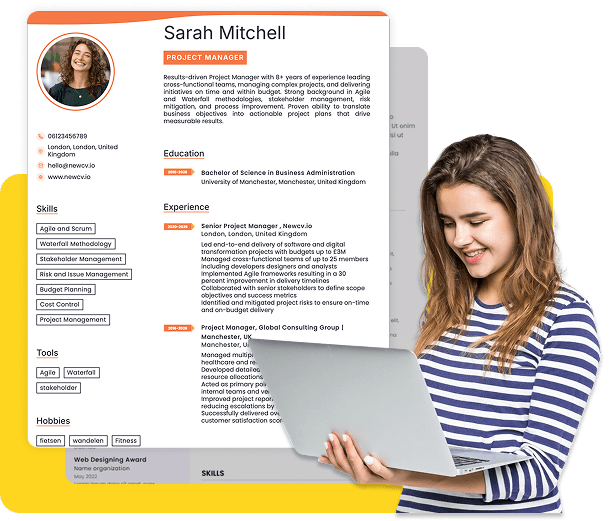
Use ATS-optimised Resume and resume templates that pass applicant tracking systems. Our Resume builder helps recruiters read, scan, and shortlist your Resume faster.

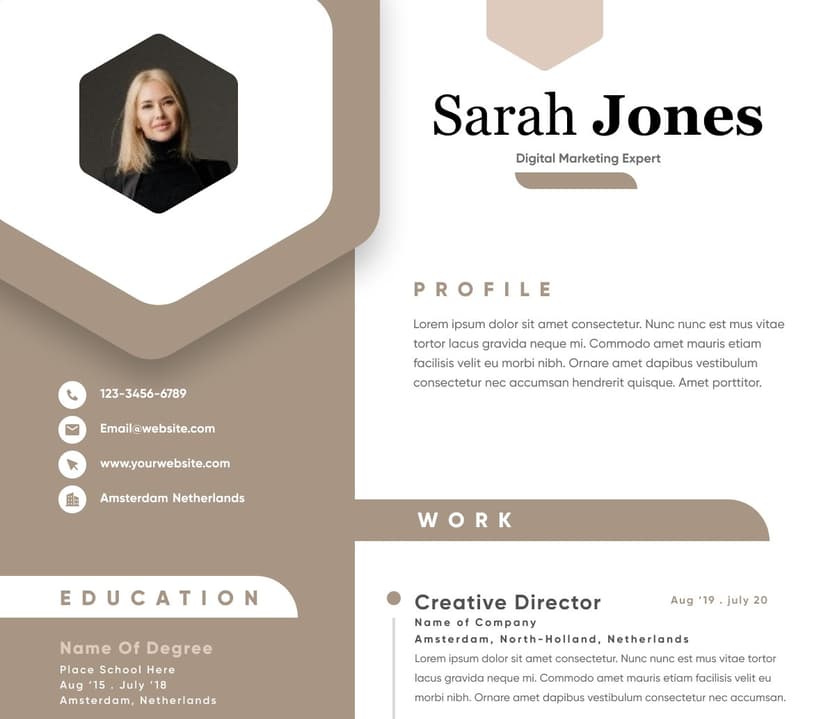
Use professional field-tested resume templates that follow the exact Resume rules employers look for.
Create Resume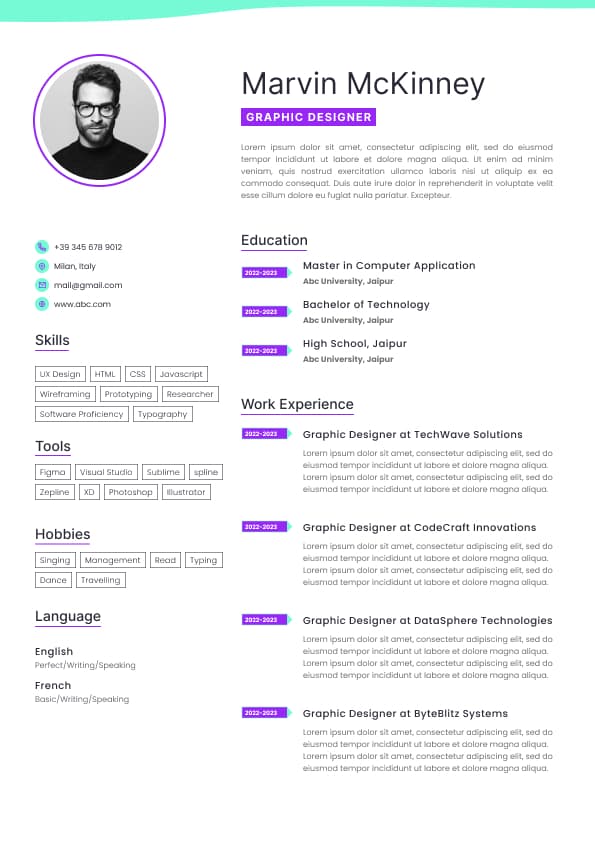
Use professional field-tested resume templates that follow the exact Resume rules employers look for.
Create ResumeEntry level jobs in Australia are competitive, but most candidates are rejected for the same predictable reasons: weak applications, poor job targeting, generic resumes, and no understanding of how Australian employers screen junior candidates. The good news is that most entry level hiring managers are not expecting years of experience. They are looking for employability, reliability, communication skills, attitude, and evidence that you can adapt quickly in a workplace.
In Australia, entry level hiring is heavily driven by risk reduction. Employers want candidates who appear trainable, dependable, and easy to onboard. That matters far more than trying to sound overly experienced. Whether you are a school leaver, graduate, migrant, career changer, or someone re-entering the workforce, the fastest path into an entry level role is positioning yourself correctly for how Australian recruiters actually hire.
This guide breaks down where the real opportunities are, which industries hire fastest, what recruiters reject immediately, and how to improve your chances of getting interviews in the current Australian job market.
An entry level job is a role designed for candidates with limited or no direct professional experience. In Australia, these jobs typically include:
Graduate roles
Junior administrative positions
Customer service jobs
Retail and hospitality roles
Warehouse and logistics jobs
Call centre positions
Traineeships and apprenticeships
Junior IT support jobs
Some industries consistently hire high volumes of junior candidates because turnover, growth, or operational demand require ongoing recruitment.
Retail remains one of the biggest entry points into the workforce in Australia. Large employers often prioritise attitude and availability over experience.
Common roles include:
Retail assistant
Customer service assistant
Storeperson
Cashier
Sales assistant
Hiring managers typically prioritise:
Weekend availability
Receptionist roles
Entry level healthcare support roles
Sales support and coordinator positions
Importantly, Australian employers often label jobs as “entry level” even when they ask for 1 to 2 years of experience. This frustrates many applicants, but recruiters frequently use this wording as a filtering mechanism rather than a strict requirement.
If you meet around 60 to 70 percent of the requirements and can demonstrate transferable skills, you should still apply.
Communication skills
Reliability
Ability to work under pressure
Restaurants, cafés, hotels, and event venues regularly hire entry level staff.
Common roles include:
Barista
Wait staff
Kitchen hand
Front desk assistant
Food runner
Hospitality employers care heavily about:
Presentation
Speed
Teamwork
Flexibility
Customer interaction skills
Entry level office jobs are highly competitive because many candidates want stable Monday to Friday work.
Common roles include:
Receptionist
Administrative assistant
Data entry clerk
Office junior
Scheduling coordinator
Candidates who perform well here usually demonstrate:
Strong written communication
Attention to detail
Professionalism
Basic Microsoft Office capability
Australia’s ageing population continues to create demand for entry level healthcare support workers.
Common roles include:
Disability support worker
Aged care assistant
Medical receptionist
Patient services officer
Many employers provide training, especially when candidates already hold:
First Aid certification
Working With Children Check
NDIS Worker Screening Check
This sector has grown significantly due to eCommerce and supply chain expansion.
Common roles include:
Pick packer
Warehouse assistant
Delivery assistant
Forklift trainee
Employers usually prioritise:
Physical reliability
Shift flexibility
Attendance consistency
Safety awareness
Junior tech hiring has become more skills-focused than degree-focused.
Common entry level roles include:
IT support officer
Help desk analyst
Junior developer
Technical support assistant
Recruiters increasingly value:
Certifications
Practical portfolios
Self-learning projects
Communication skills
The biggest misconception about entry level hiring is believing “no experience” means employers expect nothing.
Australian employers still assess employability signals very aggressively.
Most rejected applicants make these mistakes:
Sending generic resumes to dozens of jobs
Applying for unsuitable roles
Writing weak resumes with no measurable achievements
Using poor formatting that looks unprofessional
Failing to customise applications
Ignoring cover letters when requested
Having unclear work rights or visa information
Listing responsibilities instead of outcomes
Recruiters often decide within seconds whether an entry level application moves forward.
At junior level, employers are looking for evidence of:
Reliability
Initiative
Communication
Professionalism
Coachability
Work ethic
Not having direct experience is rarely the actual problem.
Reliability is one of the strongest hiring factors for junior candidates.
Employers want indicators such as:
Long-term involvement in sport or volunteering
Consistent casual work
School leadership roles
Strong attendance history
Stable commitments
Even small examples matter.
Many entry level candidates underestimate how heavily communication is assessed.
Poor grammar, awkward resume wording, and low-effort applications immediately reduce interview chances.
Strong candidates usually:
Write clearly and professionally
Follow instructions carefully
Respond promptly
Communicate confidently without sounding robotic
Australian workplaces often prefer a less experienced candidate with a strong attitude over a technically stronger candidate with poor interpersonal skills.
Hiring managers ask themselves:
Can this person be trained quickly?
Will they fit into the team?
Will they cause problems?
Can they communicate with customers and colleagues?
For migrants and international graduates especially, demonstrating understanding of Australian workplace expectations matters.
That includes:
Professional communication
Punctuality
Team collaboration
Customer interaction style
Workplace safety awareness
Many candidates waste time applying through low-quality job ads or overloaded job boards.
A more strategic approach works far better.
The strongest job platforms for entry level hiring include:
SEEK
Indeed Australia
Jora
LinkedIn Jobs
GradConnection for graduate programs
However, most candidates use poor search strategies.
Instead of searching only “entry level jobs”, search combinations like:
Junior administration assistant
No experience customer service
Graduate sales consultant
Trainee warehouse operator
Junior project coordinator
Retail assistant casual
This exposes less saturated listings.
Timing matters significantly.
Many recruiters review applications continuously rather than waiting for closing dates.
Applications submitted within the first 24 to 72 hours often receive more attention.
Large employers regularly hire junior staff and usually have structured onboarding.
Examples include:
Supermarkets
Banks
Telecommunications companies
Government departments
Call centres
Logistics companies
Healthcare providers
These employers are often more process-driven and open to inexperienced applicants.
Good recruitment agencies can help junior candidates access temporary and permanent opportunities.
Entry level recruiters commonly hire for:
Administration
Customer service
Warehousing
Reception
Data entry
Contact centres
Candidates who communicate professionally and remain responsive often receive repeat opportunities.
Entry level resumes fail when they focus too heavily on duties rather than employability signals.
Australian recruiters want fast evidence that you can function effectively in a workplace.
Even if you have never worked professionally, you still have transferable experience.
Strong transferable areas include:
Volunteering
University projects
Sporting leadership
Casual work
Community involvement
Team activities
Numbers create credibility.
Instead of:
Weak Example
“Helped customers in retail environment.”
Use:
Good Example
“Assisted 80 to 100 customers daily in a fast-paced retail environment while maintaining strong customer satisfaction.”
Recruiters see generic phrases constantly:
Hardworking
Team player
Motivated
Go-getter
Fast learner
These terms mean very little without evidence.
Replace vague claims with specific examples.
Australian recruiters strongly prefer:
Clear formatting
Simple layouts
Professional fonts
Minimal graphics
ATS-friendly structure
Over-designed resumes often perform worse.
In retail, hospitality, warehousing, and customer service especially, availability heavily influences hiring decisions.
Candidates with:
Weekend availability
Evening flexibility
Immediate start capability
often receive priority.
Some employers quietly deprioritise applicants with long commute distances for junior roles due to attendance concerns.
Including your suburb can help when applying locally.
Many candidates rush applications.
Employers notice immediately when:
Cover letters are generic
Questions are answered poorly
Resume wording is copied from templates
Applications feel mass-produced
Quality consistently outperforms quantity.
Some entry level jobs create much stronger long-term progression opportunities than others.
Strong customer service experience transfers into:
Sales
Account management
Recruitment
Operations
Administration
Team leadership
Administrative roles often evolve into:
Executive assistant positions
Project coordination
HR support
Office management
Operations roles
This sector can progress into:
Team leadership
Supply chain coordination
Inventory management
Transport operations
Entry level IT support is one of the strongest pathways into higher-paying technology careers.
Progression can include:
Systems administration
Cybersecurity
Cloud support
Networking
Software engineering
Recruiters rarely explain why candidates are rejected early.
Common instant rejection factors include:
Spelling and grammar mistakes
Unprofessional email addresses
Poor formatting
Extremely generic applications
No explanation of work rights
Unrealistic salary expectations
Inconsistent employment dates
Low-effort applications
For entry level jobs, professionalism matters more than sounding highly experienced.
Candidates who consistently get interviews without experience usually do three things well.
Examples include:
Completing certifications
Building small portfolios
Volunteering
Taking online courses
Participating in projects
Strong candidates align their application directly to:
The role
The employer’s language
The required skills
The company environment
Many entry level applications sound copied or AI-generated.
Hiring managers respond better to candidates who communicate naturally, clearly, and specifically.
Entry level interviews are usually less technical and more behavioural.
Interviewers assess:
Communication
Confidence
Reliability
Attitude
Problem-solving
Customer interaction capability
Even simple examples work well when structured properly.
Good areas to discuss include:
Teamwork
Handling pressure
Customer service
Conflict resolution
Learning quickly
Managing responsibilities
Many junior candidates skip this entirely.
Even basic research gives a major advantage.
Know:
What the company does
Their customers
Their values
Why you want the role specifically
Australian employers generally prefer confidence and professionalism over overly rehearsed enthusiasm.
Balanced communication performs better.
Migrants and international students often face additional screening barriers.
Common recruiter concerns include:
Communication confidence
Visa restrictions
Local workplace experience
Long-term availability
Candidates improve their chances significantly when they:
Clearly state work rights
Gain local volunteer experience
Use Australian-style resumes
Improve spoken communication confidence
Apply strategically instead of mass applying
If you are struggling to get interviews, focus on high-impact improvements rather than sending more applications.
Rewrite your resume properly
Improve LinkedIn profile quality
Clarify target industries
Prepare a strong cover letter template
Apply strategically to highly relevant jobs
Register with recruiters
Practise interview responses
Improve application quality
Gain certifications if relevant
Improve communication confidence
Build practical examples or portfolio pieces
Follow up professionally
Refine weak applications
Track interview patterns
Adjust strategy based on results


 Upload Resume
 Import from Linkedin