STILL APPLYING. STILL HEARING NOTHING?BUILD YOUR RESUME

STILL APPLYING. STILL HEARING NOTHING?BUILD YOUR RESUME
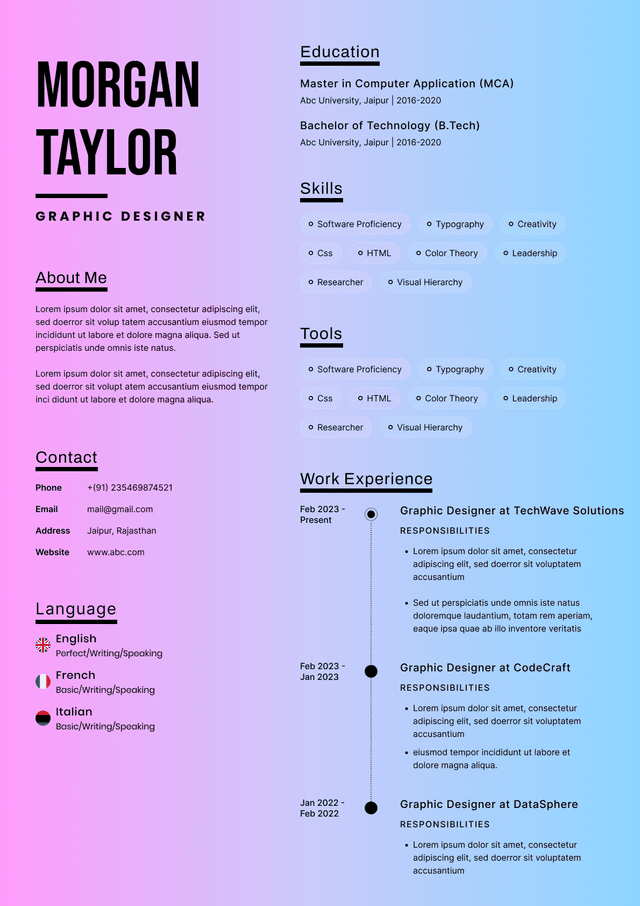
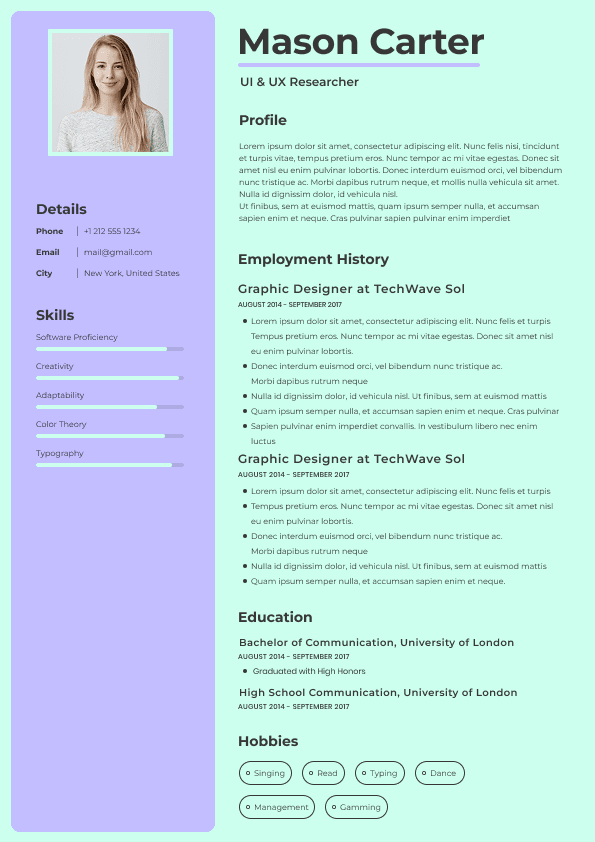
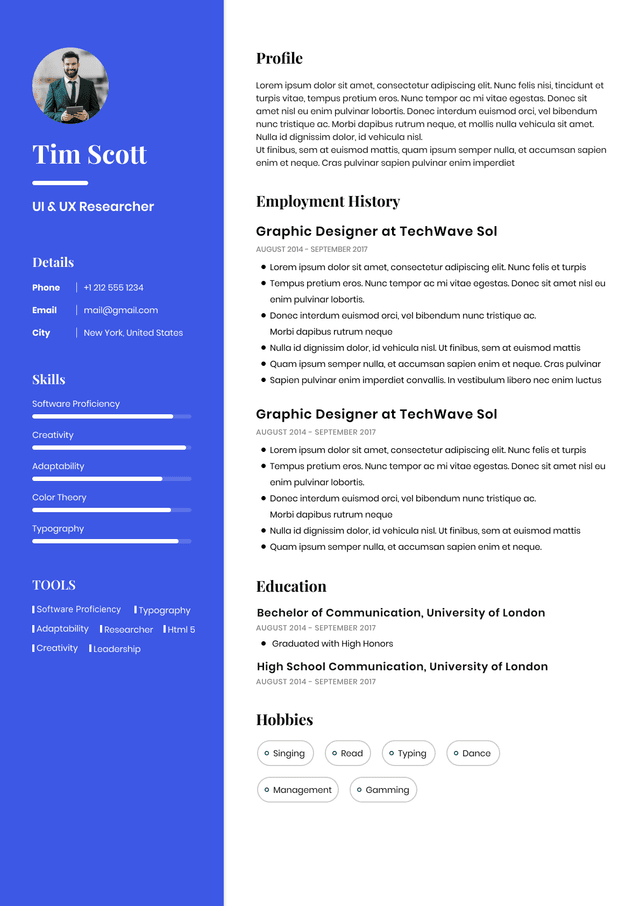
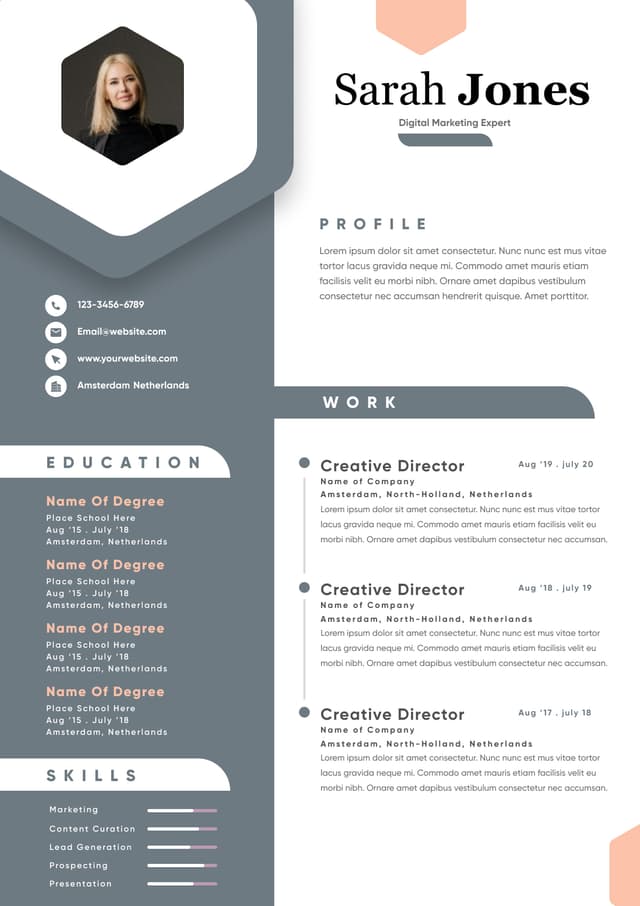
Choose from a wide range of NEWCV resume templates and customize your NEWCV design with a single click.
FAQ
If you want to get hired as an Android developer in today’s market, technical skills alone are not enough. Hiring managers are flooded with applicants who all list Kotlin, Android Studio, and Jetpack Compose on their resumes. The candidates who actually get interviews usually prove three things quickly: they can build real Android apps, they understand modern Android development practices, and they can demonstrate problem-solving beyond tutorials.
The fastest path to landing Android developer jobs in 2026 is combining a targeted job search strategy with visible proof of work. That means applying to the right types of companies, tailoring your resume for each role, optimizing LinkedIn and GitHub, showcasing deployed apps in the Play Store, and preparing for Kotlin-based technical interviews. Entry-level and no-experience candidates can absolutely get hired, but only if they position themselves strategically instead of applying blindly to hundreds of jobs.
Most Android developer hiring decisions happen in three stages:
Recruiter screening
Technical evaluation
Team fit and execution confidence
At the recruiter screening stage, your resume is usually reviewed for less than 30 seconds. Recruiters are looking for signals that immediately reduce hiring risk.
Strong Android candidates typically show:
Kotlin proficiency
Experience with Jetpack Compose or modern UI frameworks
Published apps or portfolio projects
The Android job market is broader than many candidates realize. Different companies evaluate Android developers very differently.
Startups often move fastest in hiring.
These companies usually prioritize:
Speed
Product mindset
Adaptability
Ability to work independently
You may handle:
UI implementation
API integrations
Many candidates rely only on LinkedIn or Indeed. That severely limits opportunities.
The best Android developers use a layered job search strategy.
Use multiple platforms simultaneously:
“No experience” does not mean “no evidence.”
This is where many candidates misunderstand the market.
Hiring managers care more about proof of capability than formal experience for junior Android roles.
You can compensate for lack of experience with:
Strong Android portfolio projects
Published Play Store apps
GitHub consistency
Open-source contributions
Technical problem-solving ability
Internship or freelance work
Hackathon participation
You do not need to know every Android framework.
But you do need the right modern stack.
The most marketable Android developers today typically know:
Kotlin
Jetpack Compose
Android SDK
Coroutines
Retrofit
Firebase
Room Database
Your portfolio should reduce uncertainty for hiring managers.
The best Android portfolios prove:
Technical execution
UI capability
Architecture understanding
Product thinking
Real deployment experience
A strong junior Android developer portfolio usually includes:
One polished production-style app
Most Android resumes fail because they read like technology inventories instead of evidence of value.
Hiring managers want proof of outcomes.
Recruiters typically scan:
Job titles
Android stack
Kotlin experience
Years of experience
Project credibility
Metrics or impact
GitHub or portfolio links
Mass applying rarely works anymore.
Targeted applications consistently outperform high-volume spam applications.
Do not limit yourself to exact-title matches.
Apply to:
Android Developer
Mobile Developer
Android Engineer
Mobile Software Engineer
Kotlin Developer
Junior Android Developer
Remote Android jobs are highly competitive because applicants come from everywhere.
Remote hiring managers usually prioritize:
Communication
Self-management
Documentation habits
Async collaboration
Reliable execution
Strong remote candidates demonstrate:
GitHub consistency
Android interviews are increasingly practical.
Companies care less about memorized trivia and more about implementation thinking.
Expect questions involving:
Kotlin fundamentals
Coroutines
Lifecycle management
Jetpack Compose
MVVM architecture
State handling
Dependency injection
Networking is heavily underused in tech hiring.
Many Android jobs are filled before they are widely advertised.
High-value networking environments include:
If you want faster results, prioritize these actions first:
Publish at least one polished Play Store app
Optimize LinkedIn headline around Android development
Tailor every resume submission
Apply daily across multiple platforms
Improve GitHub project quality
Add measurable outcomes to resume bullets
Practice Kotlin interview problems consistently
Follow up selectively after applying
A weak portfolio wastes applications.
Improve your proof of work before mass applying.
Keyword stuffing hurts credibility.
Recruiters notice immediately when resumes feel artificial.
Many recruiters search LinkedIn before scheduling interviews.
An incomplete profile lowers response rates.
Easy Apply creates massive competition pools.
Direct applications and networking often convert better.
Hiring managers can identify tutorial clones instantly.
Projects must demonstrate original thinking.

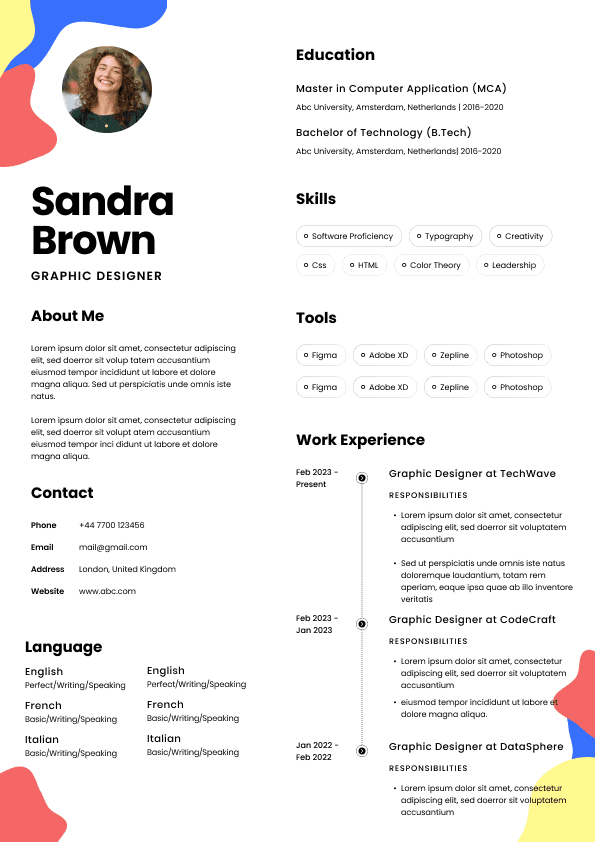
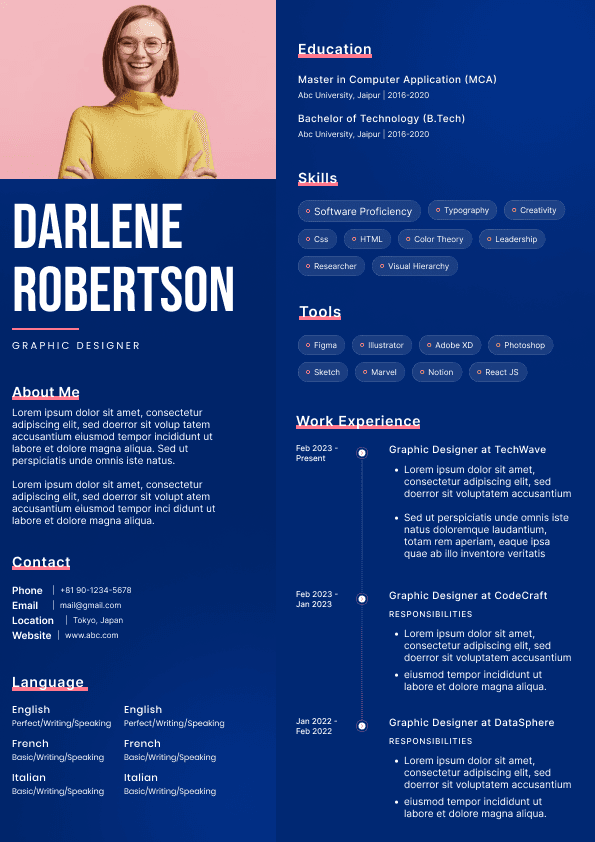
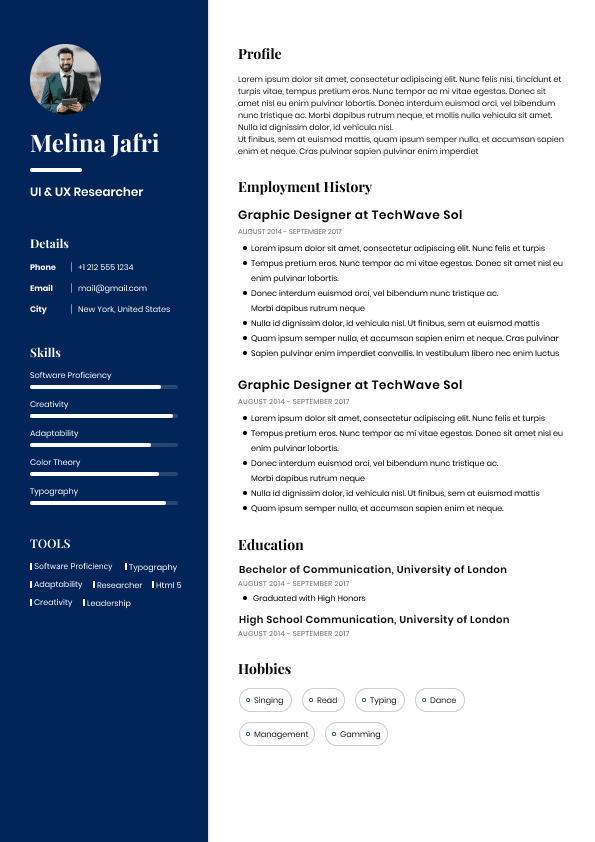
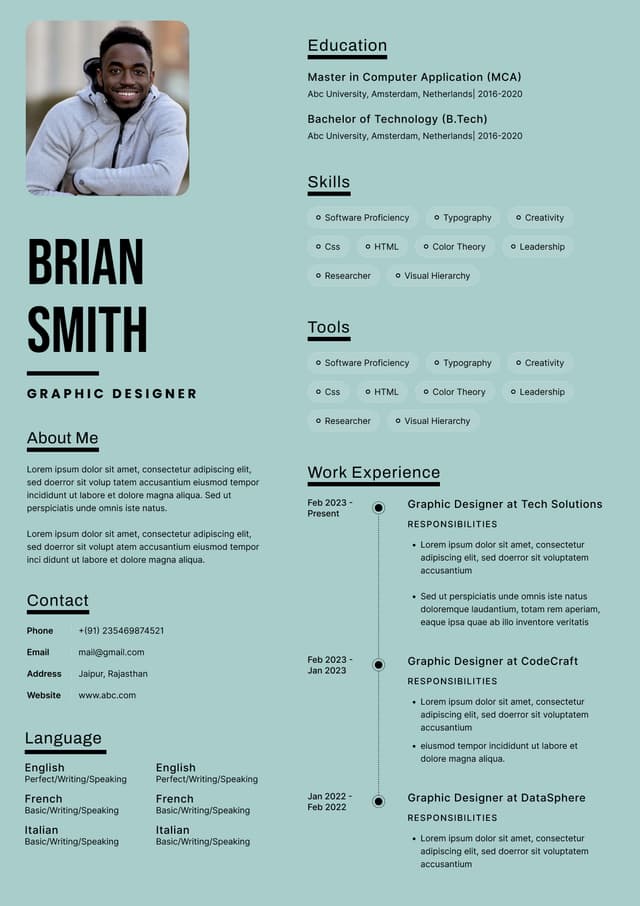
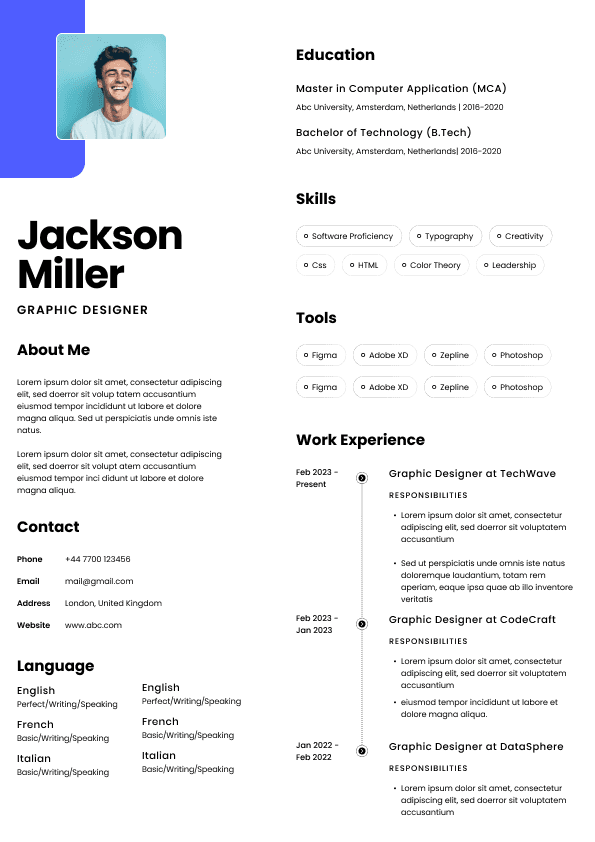
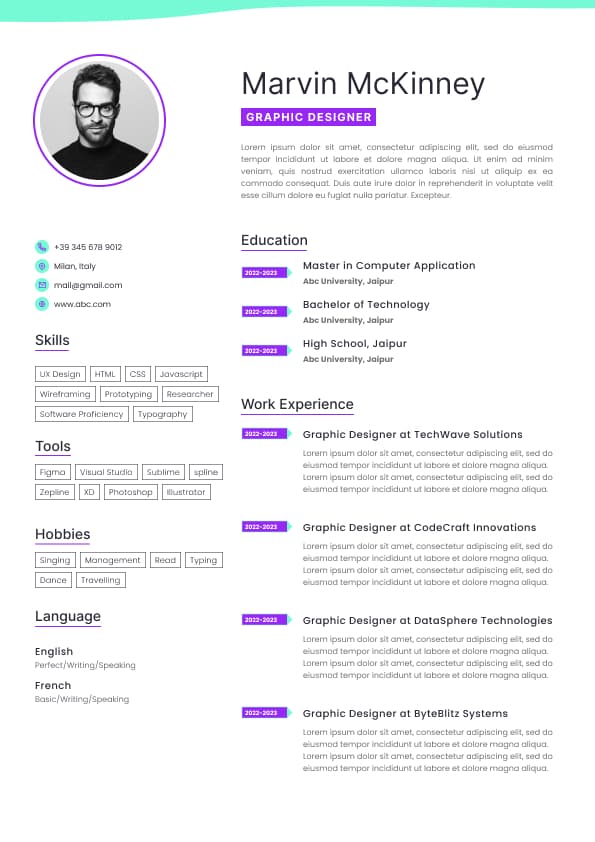
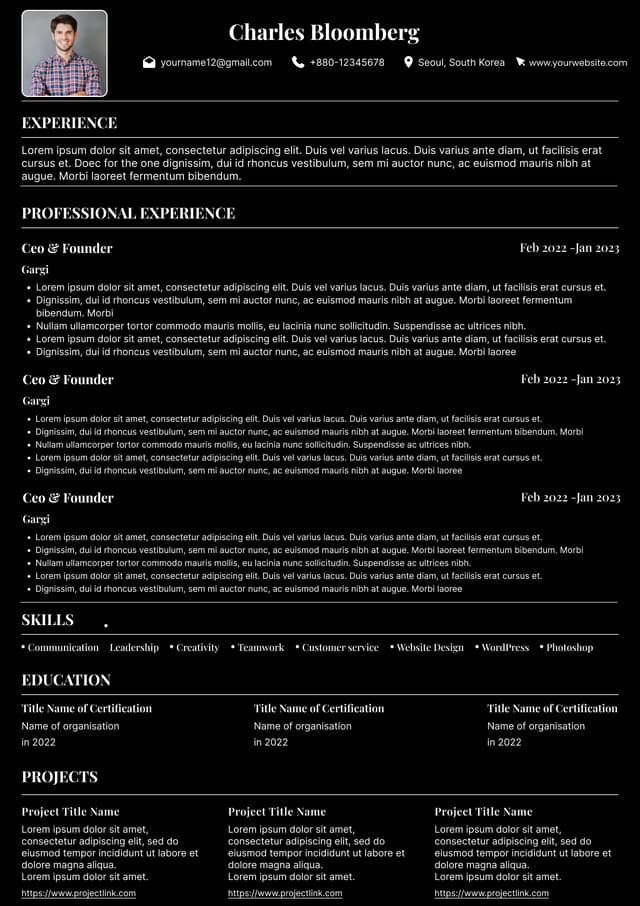
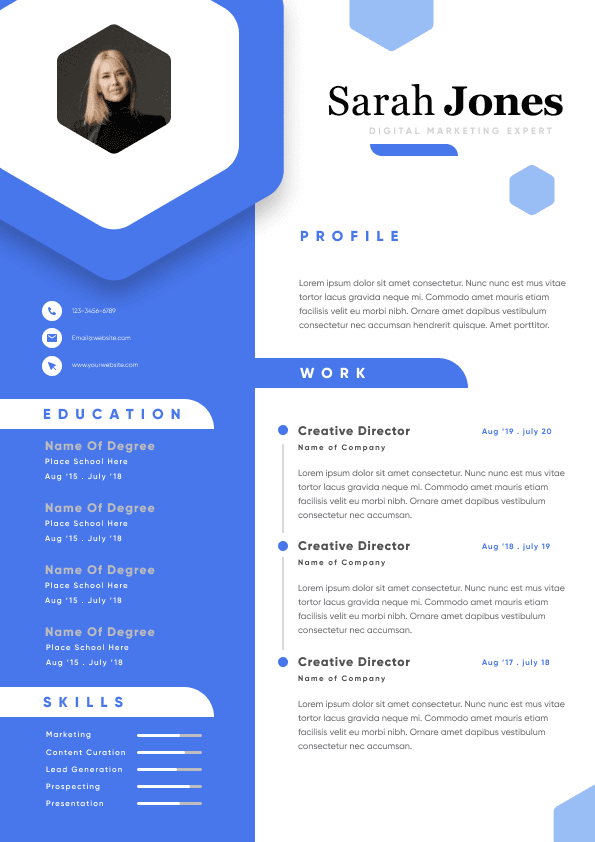
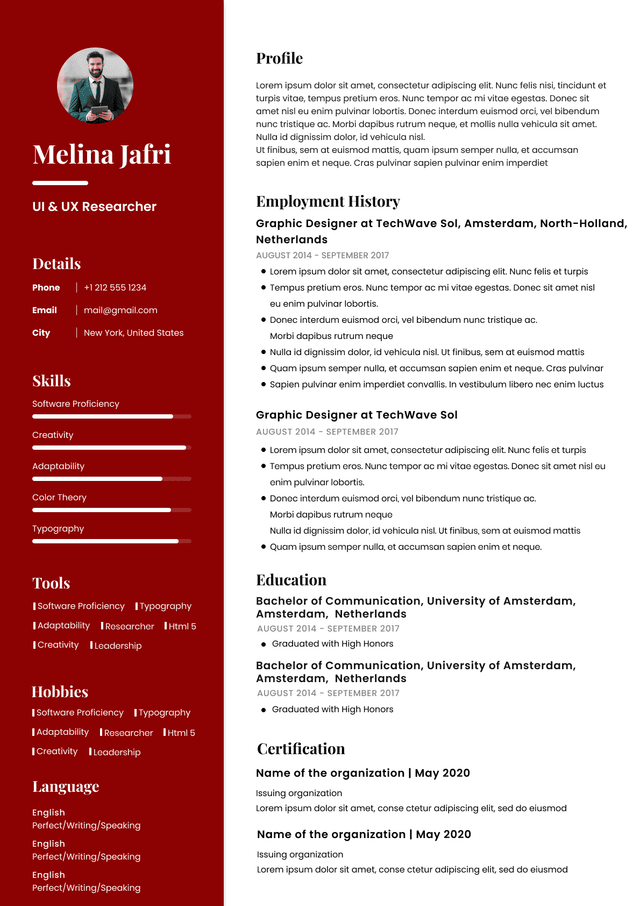
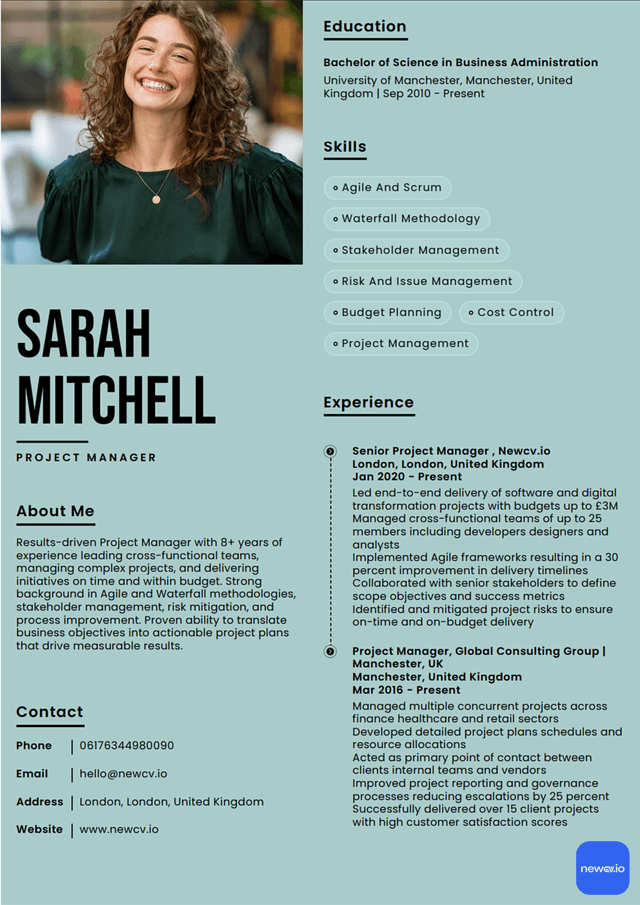
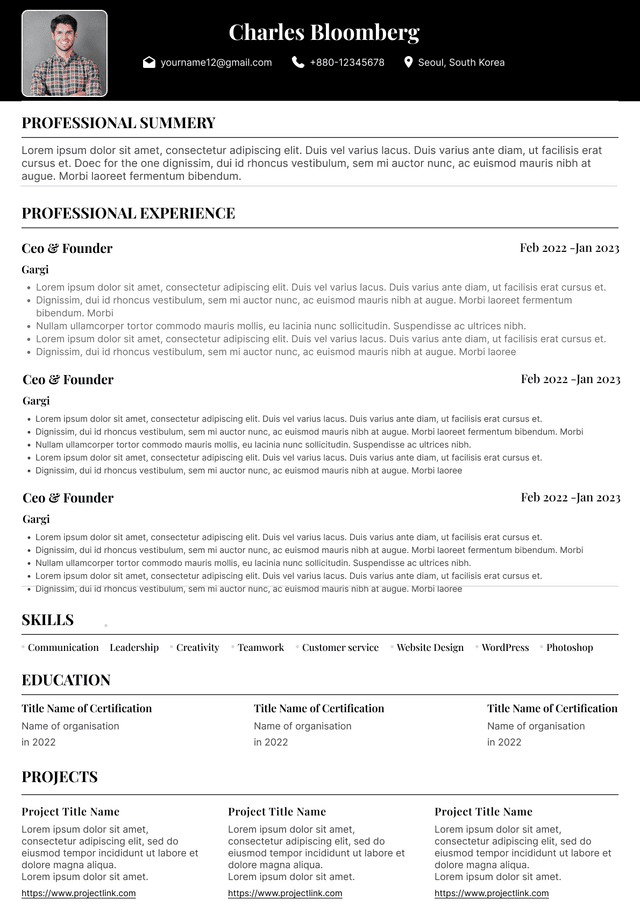
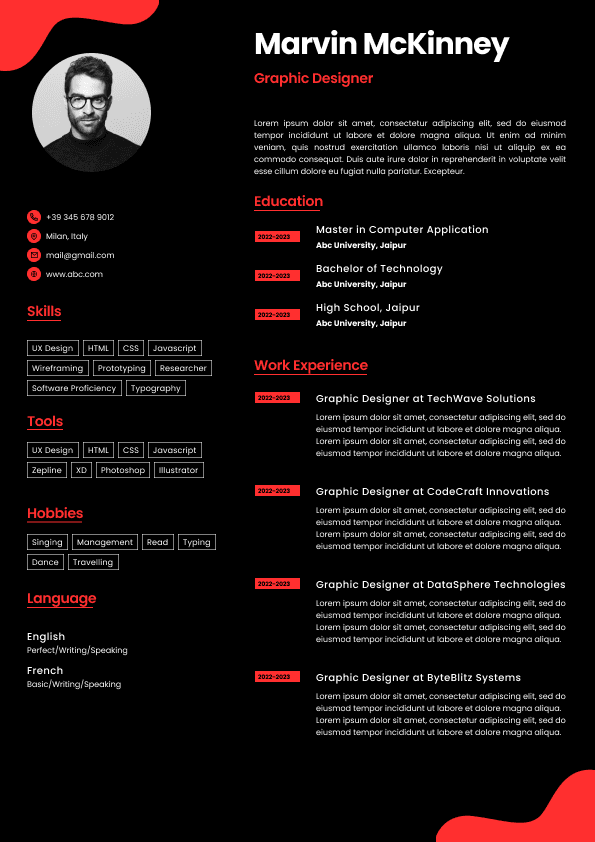
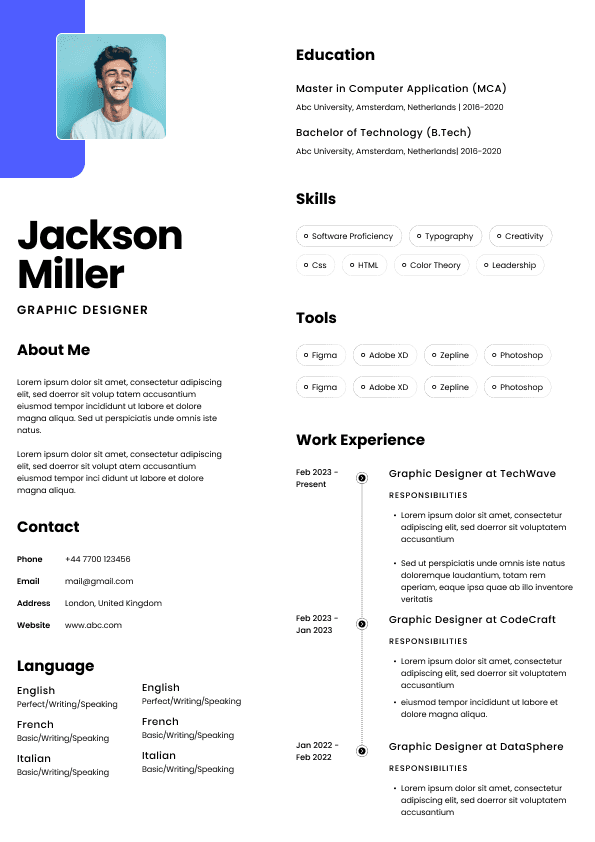
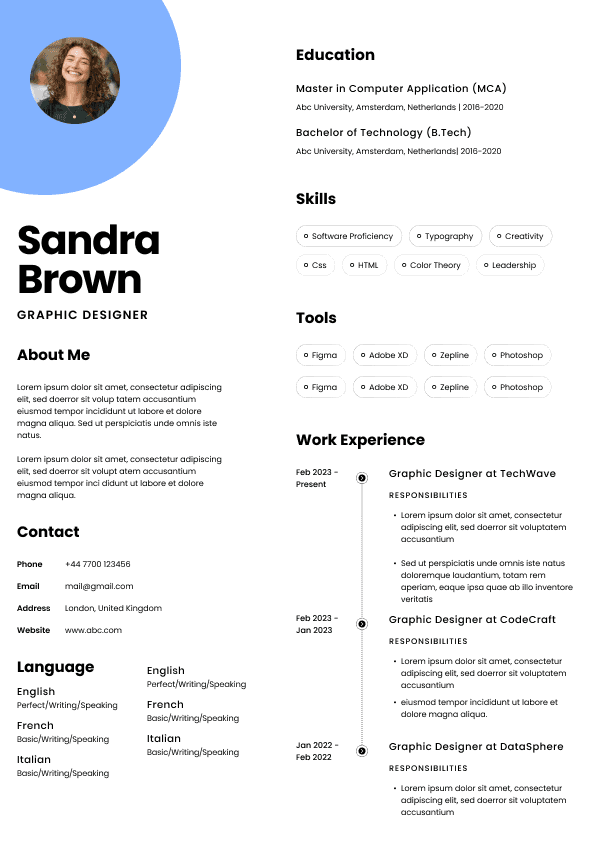
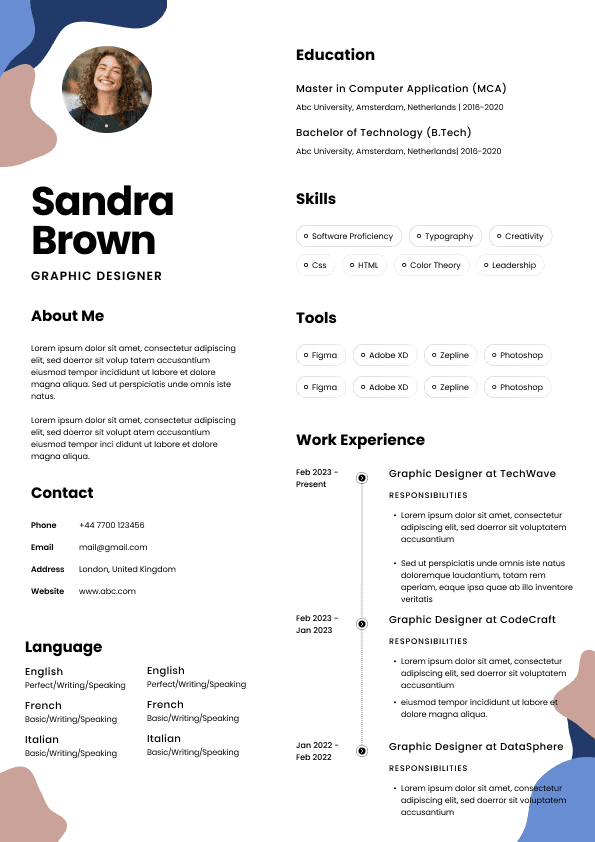
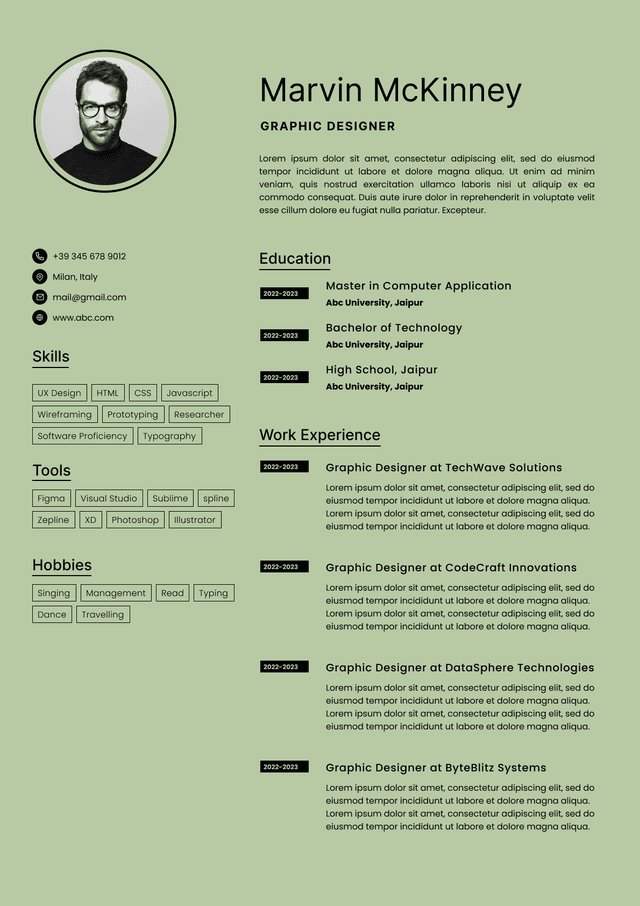
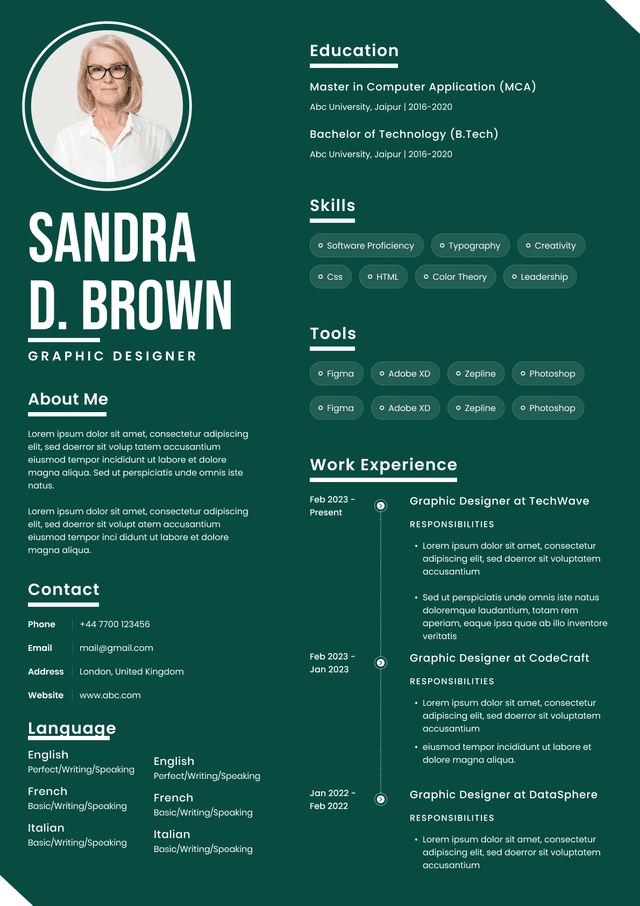
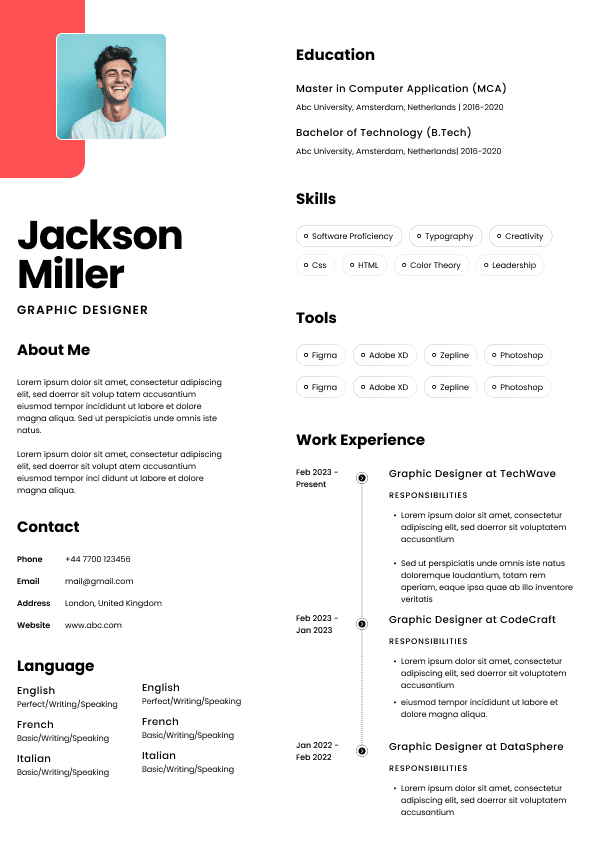
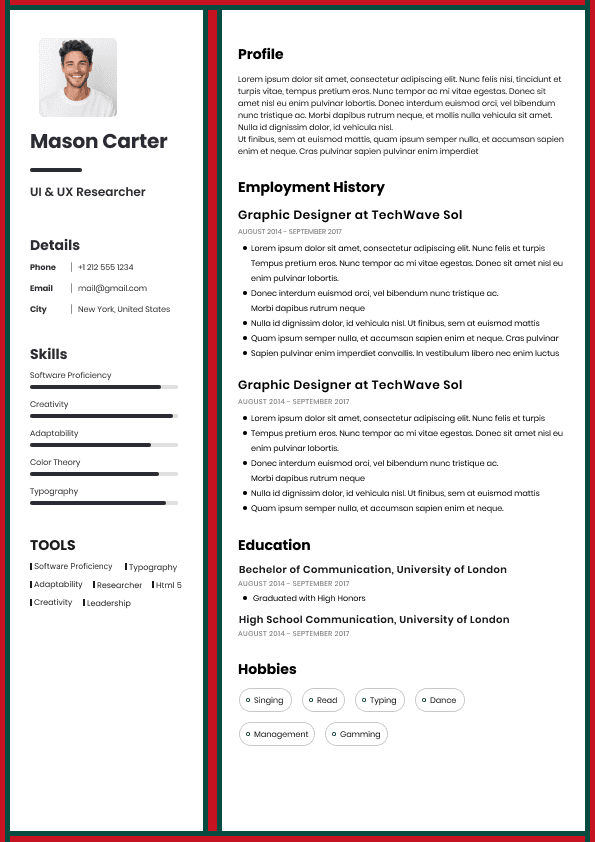
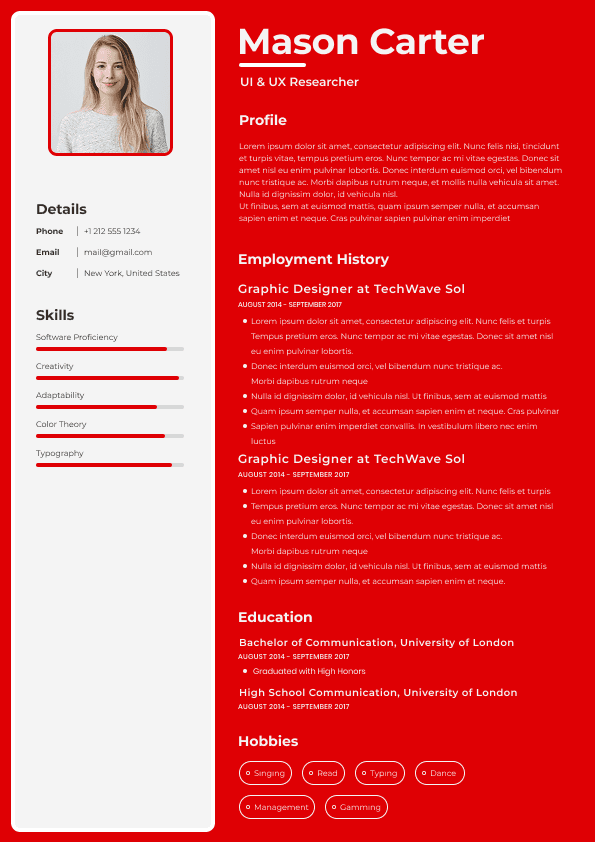
Use ATS-optimised Resume and resume templates that pass applicant tracking systems. Our Resume builder helps recruiters read, scan, and shortlist your Resume faster.

Use professional field-tested resume templates that follow the exact Resume rules employers look for.
Create Resume
Use professional field-tested resume templates that follow the exact Resume rules employers look for.
Create ResumeClean GitHub activity
MVVM or Clean Architecture familiarity
REST API integration experience
Firebase or backend integration
Real debugging and testing exposure
Strong communication and collaboration skills
Weak candidates often fail because they:
Only completed tutorial projects
Have generic resumes with no measurable impact
List too many technologies without depth
Show no real Android app deployments
Lack GitHub or portfolio proof
Apply without tailoring applications
For junior and entry-level roles, hiring managers do not expect senior-level architecture expertise. They want evidence that you can contribute to production Android applications with guidance.
Firebase setup
Performance fixes
App releases
This is often the best route for junior Android developers because startups care more about demonstrated capability than years of experience.
Large enterprise companies typically focus heavily on:
Architecture
Scalability
Team collaboration
Testing practices
Long-term maintainability
These interviews are usually more structured and process-heavy.
Common requirements include:
MVVM
Dependency injection
Unit testing
Coroutines
CI/CD familiarity
Agencies are excellent for rapid skill growth.
You may work across:
Fintech apps
Healthcare platforms
Ecommerce apps
SaaS products
Consumer applications
Agency hiring managers often value candidates who can learn quickly and communicate well with clients and internal stakeholders.
Healthcare, defense, and government contractors often value stability and documentation discipline over trendy tech stacks.
These jobs may require:
Security awareness
Legacy Android support
Documentation quality
Long-term maintenance skills
Each platform attracts different employers.
Strong candidates often bypass crowded job boards entirely.
Apply directly through:
SaaS company websites
Fintech startups
Consumer app companies
Healthcare technology firms
Consulting companies
Enterprise software companies
Direct applications often face less competition than LinkedIn Easy Apply submissions.
For local searches, use combinations like:
Android developer jobs near me
Junior Android developer jobs in [city]
Kotlin developer jobs in [city]
Android app developer hiring now
Local companies frequently prefer candidates who can work hybrid schedules.
That gives nearby candidates a significant advantage.
These all count positively during evaluation:
Personal Android apps
Freelance client work
Bootcamp capstone projects
Open-source contributions
Team projects
Internship work
Volunteer mobile app development
Recruiters see these weak patterns constantly:
Copy-paste tutorial apps
Empty GitHub accounts
Resume keyword stuffing
Generic “weather app” projects with no differentiation
No deployed applications
If you want interviews, your projects must demonstrate decision-making and implementation skill.
MVVM architecture
Dependency injection
REST APIs
Git and GitHub
Unit testing basics
Kotlin dominates modern Android hiring.
Most companies now prefer Kotlin-first candidates.
However, Java still matters because:
Many enterprise apps still use Java
Legacy Android systems remain common
Some interview questions still involve Java
Strong candidates can read and work with both.
Jetpack Compose has become one of the strongest differentiators for Android candidates.
Many companies are actively modernizing older Android codebases.
Candidates with Compose experience often stand out immediately.
Especially for:
Startup roles
Consumer apps
SaaS platforms
Modern mobile product teams
One API-driven application
One app using local persistence
One collaborative or open-source project
Hiring managers care about implementation depth, not just visuals.
Strong Android portfolio projects include:
Authentication flows
Error handling
API state management
Offline support
Performance optimization
Modern UI patterns
Clean architecture
Many applicants never publish an app publicly.
That creates a major opportunity.
A deployed Play Store app demonstrates:
Completion ability
Release familiarity
Real deployment knowledge
Production awareness
Even a small but polished app can outperform larger unfinished projects.
Strong Android resume bullets typically follow this pattern:
Action
Technical implementation
Measurable result
Weak Example
“Worked on Android app development using Kotlin.”
Good Example
“Built and deployed a Kotlin-based Android application with Jetpack Compose, reducing screen load time by 35% through optimized state management and API caching.”
Many Android resumes fail before human review.
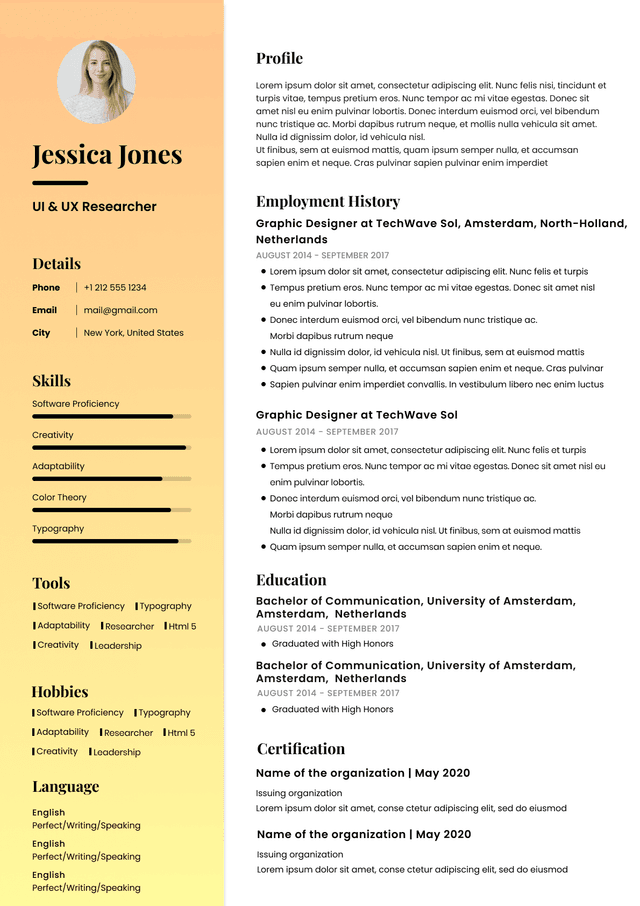
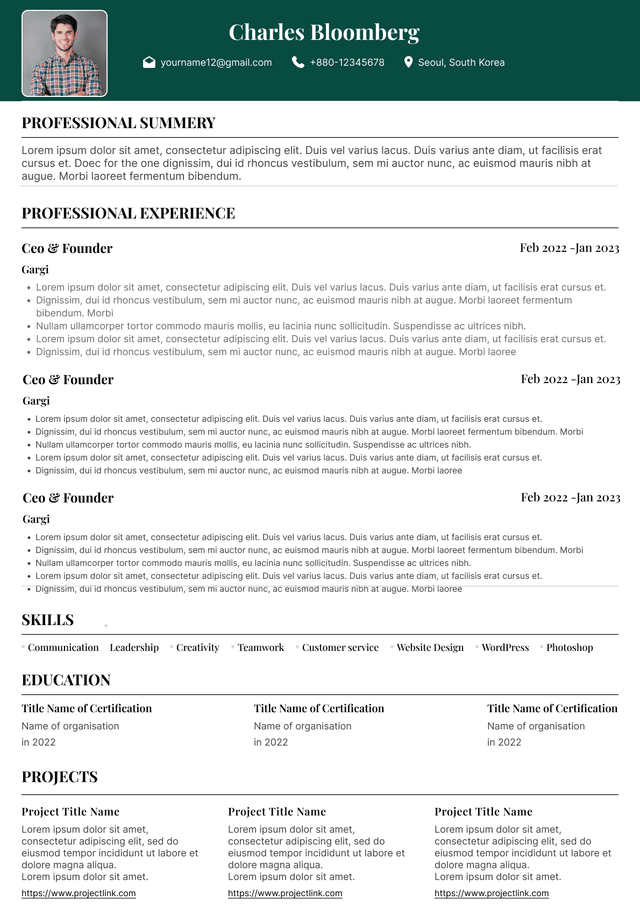
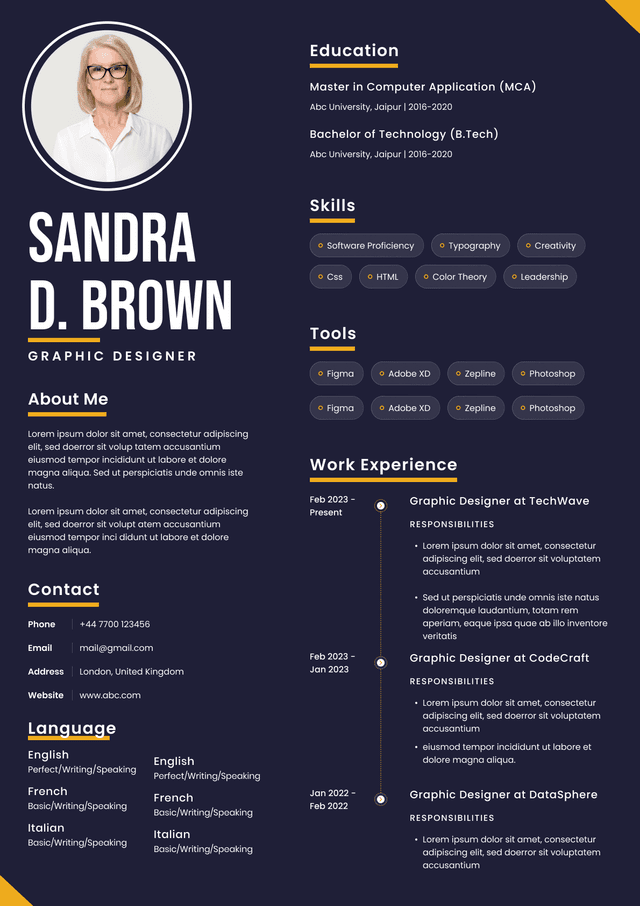
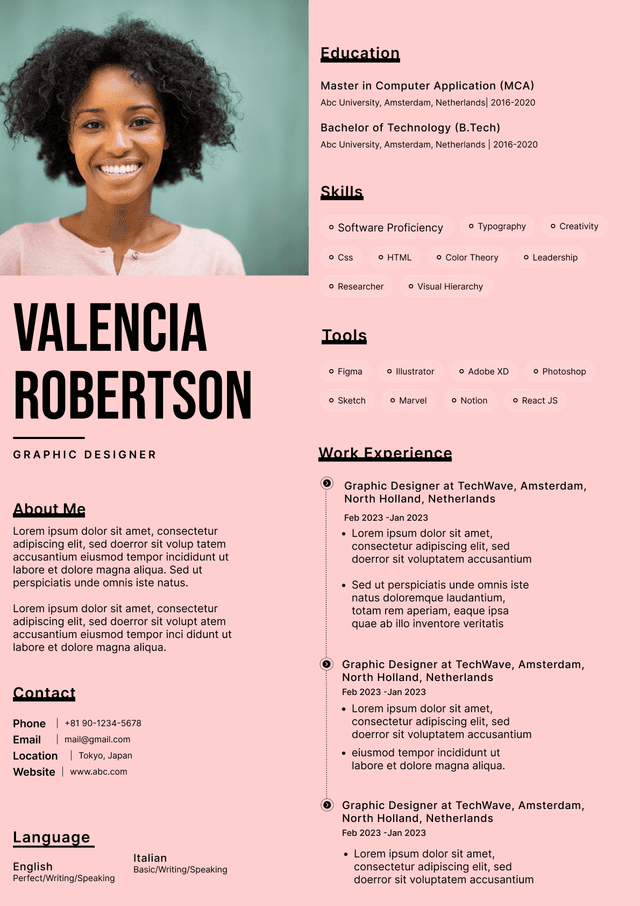
Use ATS-friendly formatting:
Standard section headings
Clear Android keywords
Consistent formatting
No graphics-heavy layouts
Accurate skill alignment with job descriptions
Naturally include terms like:
Kotlin
Android SDK
Jetpack Compose
MVVM
Coroutines
REST APIs
Firebase
Android Studio
Mobile app development
Dependency injection
Android App Developer
The fastest way to improve response rates is alignment.
If the role emphasizes:
Jetpack Compose → prioritize Compose projects
APIs → highlight backend integrations
Fintech → emphasize security or transactional apps
Enterprise → emphasize testing and architecture
Good follow-ups are brief and professional.
Candidates who follow up intelligently often outperform similarly qualified applicants.
Good follow-ups typically:
Reinforce interest
Mention relevant experience
Stay concise
Avoid sounding desperate
Clear written communication
Independent project execution
Organized portfolio documentation
Professional LinkedIn presence
Remote applicants often fail because they:
Have weak communication skills
Show poor project organization
Lack collaboration examples
Appear difficult to manage remotely
Hiring managers want low-maintenance contributors.
RecyclerView and UI optimization
API integration
Memory leaks
Testing basics
Many companies use take-home projects.
Common evaluation criteria include:
Code readability
Architecture choices
Error handling
UI polish
Scalability thinking
Git commit quality
Hiring managers often reject technically strong candidates for collaboration concerns.
Be ready to discuss:
Debugging challenges
Team conflict resolution
Project ownership
Learning new technologies
Handling deadlines
Good networking is not random connection requests.
Strong networking includes:
Sharing Android project progress
Contributing to discussions
Posting technical insights
Participating in open-source work
Attending meetups and hackathons
Building visible credibility over time
Network in Android-focused communities
Build projects beyond tutorials
The candidates who get hired fastest are rarely the ones with the most certifications.
They are the candidates who reduce uncertainty for employers.



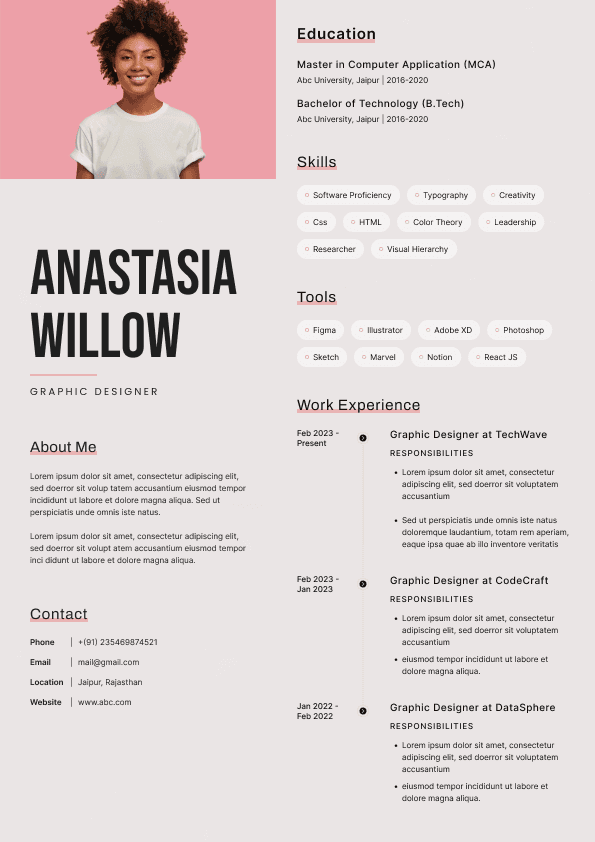
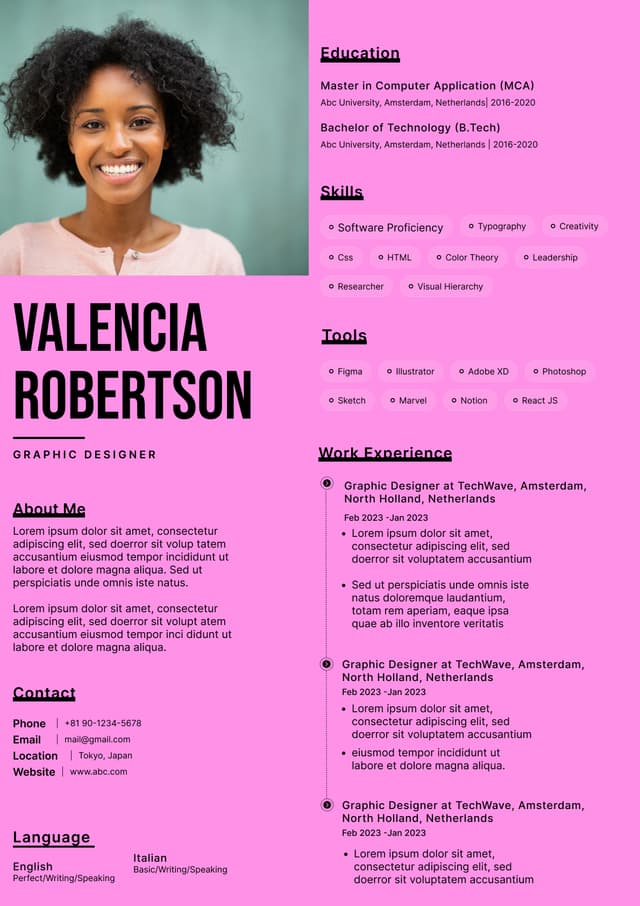
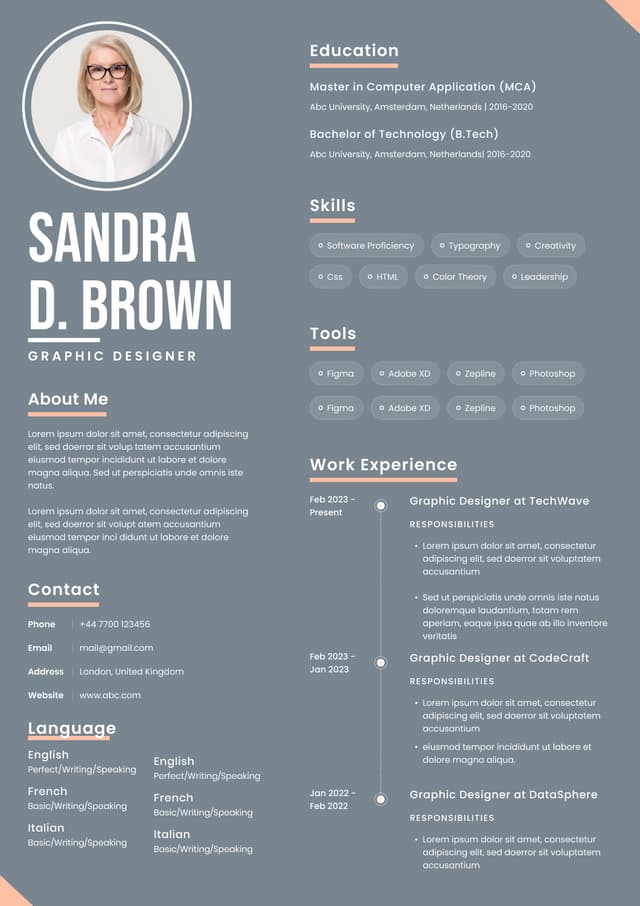
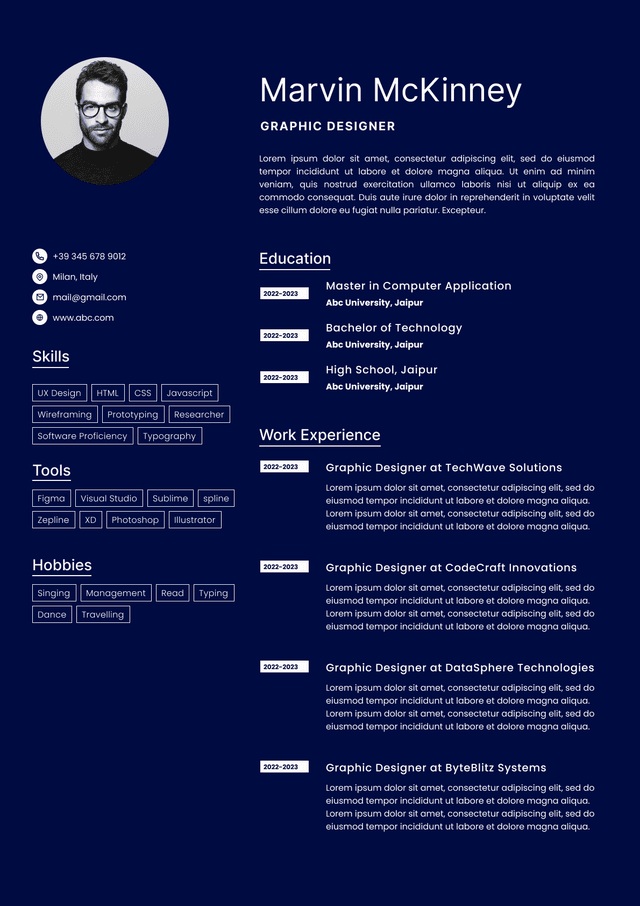
 Upload Resume
 Import from Linkedin