STILL APPLYING. STILL HEARING NOTHING?BUILD YOUR RESUME

STILL APPLYING. STILL HEARING NOTHING?BUILD YOUR RESUME
Choose from a wide range of NEWCV resume templates and customize your NEWCV design with a single click.
FAQ

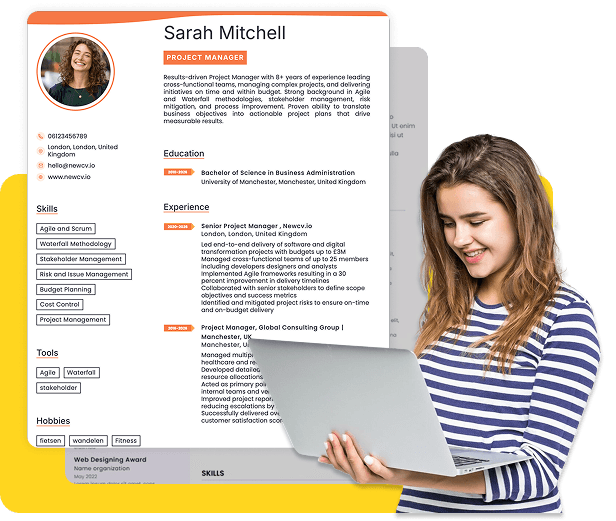
Android developer salaries in the U.S. remain strong in 2026, especially for engineers with Kotlin, Jetpack Compose, mobile architecture, performance optimization, and scalable app development experience. Most Android developers earn between $80,000 and $230,000+ annually, while senior engineers at Big Tech, fintech, AI, and high-scale consumer app companies can exceed $300,000 to $450,000+ in total compensation through bonuses and equity.
The biggest salary drivers are no longer just years of experience. Employers now pay premium compensation for developers who can improve app performance, reduce crashes, scale mobile systems, ship revenue-impacting features, and lead architecture decisions. Recruiters also prioritize candidates with modern Android stacks, production-scale apps, and measurable business impact over candidates who simply list Android tools on a resume.
If you want higher Android developer compensation in today’s market, the fastest paths are specialization, technical depth, and ownership of real production outcomes.
Android developer compensation varies heavily based on technical depth, ownership level, and company type.
Most entry-level Android developers earn between $75,000 and $115,000 per year.
At this level, employers mainly evaluate:
Kotlin fundamentals
Android lifecycle knowledge
API integration ability
Git workflows
Testing basics
UI implementation
Debugging skills
Portfolio projects or internships
Candidates without production experience often struggle unless they can demonstrate:
Play Store apps
Strong GitHub projects
Open-source contributions
Mobile bootcamp outcomes
Internship experience
Clean architecture understanding
Recruiters typically reject junior Android candidates who only completed tutorials without building complete applications.
Mid-level Android developers generally earn between $110,000 and $155,000 annually.
This is where compensation starts increasing quickly because companies expect independent ownership.
Mid-level Android engineers are expected to:
Build complete app features independently
Handle API integrations
Improve app stability
Write maintainable Kotlin code
Participate in architecture discussions
Contribute to CI/CD pipelines
Review pull requests
Collaborate cross-functionally with product and design teams
Strong mid-level engineers often become highly valuable because they can deliver features without heavy supervision.
Senior Android developers commonly earn $145,000 to $220,000+ annually, with significantly higher compensation possible in major tech markets.
At this level, hiring managers evaluate:
System design capability
Architecture leadership
Mobile scalability expertise
Performance optimization
App reliability
Technical mentorship
Business impact
Cross-team communication
Senior Android engineers are expected to reduce engineering risk, improve delivery speed, and make architecture decisions that scale.
This is also where compensation diverges sharply between average and elite engineers.
A senior developer who simply ships features may earn $160K. A senior engineer who improves app startup speed by 40%, reduces crashes, and leads architecture modernization may command substantially higher offers.
Lead and principal Android engineers often earn:
$180,000 to $300,000+ base compensation
$220,000 to $450,000+ total compensation at high-paying companies
These roles are heavily tied to organizational influence.
Companies pay premium compensation for engineers who can:
Lead mobile engineering strategy
Standardize architecture across teams
Improve engineering velocity
Scale Android platforms
Mentor senior engineers
Reduce operational risk
Drive platform modernization
At the principal level, business impact matters more than coding speed alone.
Hourly compensation varies significantly depending on employment type and specialization.
Typical Android developer hourly rates include:
General Android developer: $40 to $115/hour
Contract Android developer: $60 to $150+/hour
Senior Android consultant: $100 to $200+/hour
Specialized fintech or security contractor: potentially higher
Freelance Android developers may earn less or significantly more depending on:
App complexity
Client quality
Product stage
Backend integrations
Compliance requirements
UI/UX expectations
Maintenance scope
Many contractors earn higher cash compensation but sacrifice:
Equity
PTO
Healthcare
Retirement matching
Long-term stability
Location still heavily influences compensation despite remote work growth.
California remains one of the highest-paying Android markets.
Typical ranges:
$130,000 to $250,000+
Bay Area total compensation often exceeds $300,000+
Companies in San Francisco and Silicon Valley pay aggressively for:
Mobile platform engineers
Kotlin specialists
Consumer app engineers
AI/mobile integration expertise
New York Android developers commonly earn:
Fintech and enterprise mobile companies dominate this market.
High-paying sectors include:
Banking
Trading platforms
Digital payments
Healthcare tech
Media apps
Seattle remains one of the strongest Android engineering markets.
Typical compensation:
Large cloud and consumer tech companies continue offering strong RSU packages and bonuses.
Texas salaries vary substantially by city.
Typical statewide range:
Austin remains the strongest Android market in Texas because of startup growth and tech expansion.
Austin-specific compensation often reaches:
Remote Android developer compensation now depends on company pay philosophy.
Common approaches include:
National pay bands
Location-adjusted compensation
Hybrid regional models
Remote Android developers commonly earn:
Some remote-first companies now compete directly with coastal compensation bands to attract elite mobile engineers.
Certain Android specializations consistently command premium compensation.
Kotlin expertise is now expected at most modern Android companies.
Engineers with deep Kotlin knowledge earn more when they understand:
Coroutines
Flow
Dependency injection
Modularization
Architecture patterns
Scalability
Jetpack Compose specialists are increasingly valuable because many companies are modernizing legacy Android applications.
Developers experienced in:
Compose migration
Design systems
State management
Performance optimization
Complex UI rendering
often command premium offers.
Platform engineers focus on internal frameworks, developer tooling, and mobile infrastructure.
These roles often pay more because they impact multiple engineering teams simultaneously.
Android Automotive engineers are among the fastest-growing specialized mobile engineering segments.
Demand continues increasing across:
EV manufacturers
Embedded systems companies
Automotive platforms
Infotainment systems
Specialized embedded Android experience can dramatically increase compensation.
Security-focused Android engineers often command premium salaries because mobile security talent remains scarce.
High-value skills include:
Secure authentication
Encryption
Reverse engineering protection
Fraud prevention
Financial compliance
Secure SDK integration
Mobile architects often earn some of the highest Android-related compensation packages outside engineering management.
These professionals are responsible for:
Organization-wide architecture standards
Scalability decisions
Platform modernization
Mobile engineering strategy
Cross-platform consistency
Many developers assume salary is mostly tied to years of experience. In reality, compensation is driven by business impact and technical leverage.
Modern Android stacks increase compensation substantially.
High-value skills include:
Kotlin
Jetpack Compose
Clean Architecture
Modularization
Firebase
GraphQL
Mobile CI/CD
App performance optimization
Security engineering
Kotlin Multiplatform
Outdated Android stacks often reduce market competitiveness.
Recruiters pay attention to app scale.
Candidates who worked on apps with:
Millions of downloads
High transaction volume
Real-time systems
Enterprise complexity
Subscription revenue
Large user bases
often command stronger offers.
Employers pay more for engineers who can make technical decisions independently.
This includes:
System design
Mobile architecture
Dependency management
Scalability planning
Technical leadership
Reliability improvements
Senior Android compensation increasingly depends on non-coding abilities.
Highly paid engineers can:
Influence stakeholders
Explain technical tradeoffs
Mentor developers
Align engineering with business goals
Lead cross-functional initiatives
Large tech companies frequently offer the highest total compensation.
Packages may include:
High base salary
RSUs
Annual bonuses
Signing bonuses
Refresh equity grants
Total compensation can exceed:
However, interview difficulty is substantially higher.
Startups often provide:
Lower base salary
Higher equity upside
Faster promotion opportunities
Broader ownership
The tradeoff is higher volatility and potentially longer work hours.
Strong startup Android engineers can accelerate career growth faster because they gain wider technical exposure.
Base salary is only part of compensation.
High-quality Android roles frequently include:
Healthcare coverage
Dental and vision insurance
401(k) matching
RSUs or stock options
Annual bonus
Signing bonus
Learning budget
Conference reimbursement
Remote work stipend
Mobile device stipend
Test device budget
Wellness reimbursement
Paid parental leave
Mobile-heavy companies may also provide:
Android phones
Tablets
Foldables
Wear OS devices
Internal testing labs
Most Android engineering careers follow this progression:
Android Developer
Mid-Level Android Developer
Senior Android Developer
Lead Android Engineer
Principal Android Engineer
Mobile Architect or Engineering Manager
Some engineers eventually move into:
Director of Mobile
VP of Engineering
CTO roles
The highest-paying paths typically involve either:
Deep technical specialization
Organizational technical leadership
High-scale platform ownership
The fastest-growing Android salary multipliers include:
Kotlin
Jetpack Compose
Mobile performance engineering
Security engineering
Clean Architecture
CI/CD pipelines
Platform engineering
Kotlin Multiplatform
Senior compensation requires architecture-level thinking.
Strong Android engineers understand:
Scalability
App modularization
Offline synchronization
Performance bottlenecks
Reliability engineering
Memory optimization
Recruiters strongly value proof of execution.
Strong evidence includes:
Play Store applications
GitHub repositories
Open-source contributions
Technical blogs
Conference talks
Measurable mobile impact
Industries paying the strongest Android compensation include:
Fintech
AI/mobile products
Consumer technology
Cloud platforms
Cybersecurity
High-scale SaaS products
Many Android developers under-negotiate compensation.
High-performing candidates negotiate:
Equity
Signing bonuses
RSUs
Remote flexibility
PTO
Promotion timelines
Device budgets
Learning stipends
Most recruiters screen Android candidates within seconds.
They immediately look for:
Kotlin expertise
Modern Android stack usage
App scale
Architecture ownership
Performance impact
Leadership indicators
Product impact metrics
Weak Android resumes often fail because they only describe responsibilities.
“Worked on Android app development and bug fixes.”
This provides no measurable value.
“Reduced Android app startup time by 37%, improved crash-free sessions to 99.8%, and led Jetpack Compose migration across 14 production screens.”
The second version demonstrates:
Technical depth
Ownership
Scale
Measurable business impact
That is what drives higher compensation.
Developers who avoid Kotlin modernization or Compose adoption often lose competitiveness quickly.
High-paying engineers improve systems, reliability, scalability, and engineering velocity.
Many strong developers fail high-paying interviews because they neglect:
Data structures
System design
Android architecture discussions
Behavioral interviews
Employers increasingly want engineers who understand product outcomes, not just implementation tasks.
Android compensation remains strong because mobile products continue driving revenue for:
Fintech
AI products
Healthcare platforms
Ecommerce companies
Enterprise SaaS
Consumer technology companies
The highest future salary growth will likely concentrate around:
AI-enabled mobile experiences
Kotlin Multiplatform
Mobile security
Performance engineering
Android Automotive
Cross-platform architecture leadership
Engineers who combine deep Android expertise with architecture leadership and business understanding will continue commanding premium compensation.
Use ATS-optimised Resume and resume templates that pass applicant tracking systems. Our Resume builder helps recruiters read, scan, and shortlist your Resume faster.

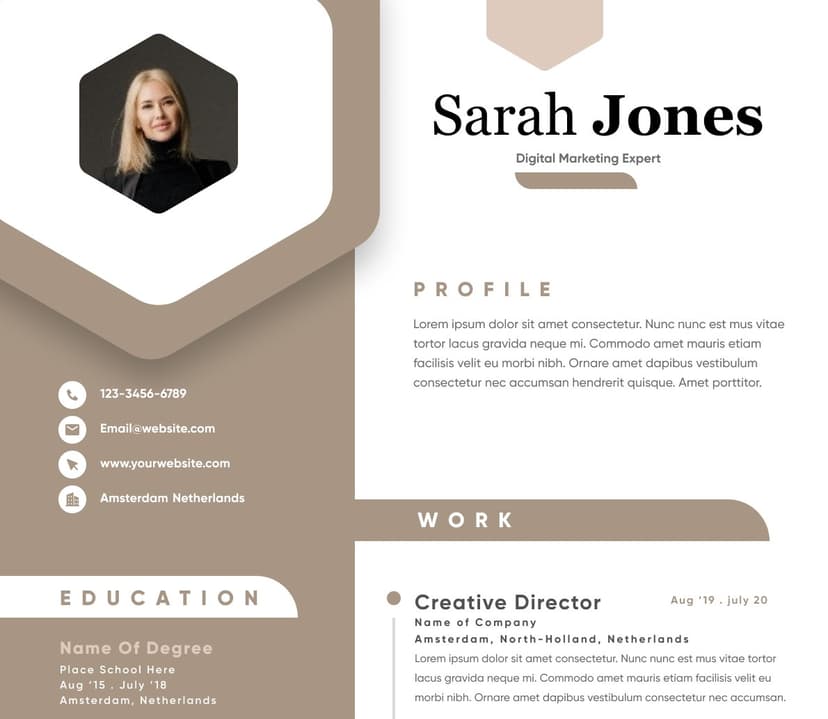
Use professional field-tested resume templates that follow the exact Resume rules employers look for.
Create Resume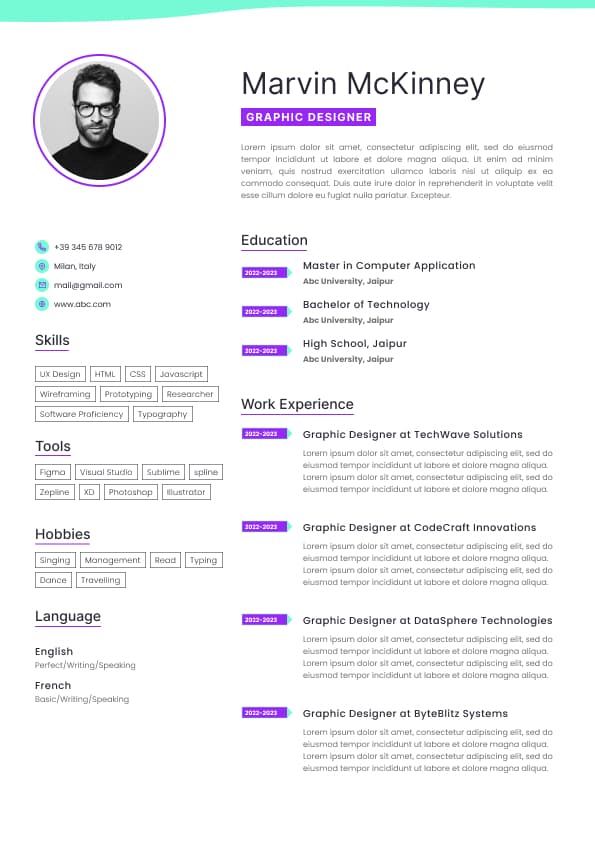
Use professional field-tested resume templates that follow the exact Resume rules employers look for.
Create Resume


 Upload Resume
 Import from Linkedin