STILL APPLYING. STILL HEARING NOTHING?BUILD YOUR RESUME

STILL APPLYING. STILL HEARING NOTHING?BUILD YOUR RESUME
Choose from a wide range of NEWCV resume templates and customize your NEWCV design with a single click.
FAQ
An ASP.NET developer resume for a career change must do one thing exceptionally well: prove you can already solve software development problems, even if your previous title was not “developer.” Most career changers fail because their resume reads like a beginner learning to code instead of a professional transitioning existing value into engineering. Recruiters are not just looking for technical keywords. They are evaluating whether you can contribute to real software teams, communicate with stakeholders, understand business systems, and deliver reliable solutions.
The strongest ASP.NET career change resumes lead with technical proof first. That means projects, GitHub repositories, deployed applications, certifications, ASP.NET Core skills, SQL Server experience, APIs, and business-relevant problem solving should appear before unrelated work history. Your previous career should support your candidacy, not dominate it. The goal is to position yourself as an emerging ASP.NET developer with transferable business and technical value, not as someone “trying to break into tech.”
Hiring managers reviewing career change resumes are asking four questions immediately:
Can this person write production-relevant code?
Can they learn quickly without excessive hand-holding?
Do they understand business workflows and software usage?
Can they work effectively with teams, stakeholders, and Agile processes?
Most resumes fail because they overemphasize education while underemphasizing technical execution.
A recruiter does not care that you completed a bootcamp unless the resume proves what you built afterward.
For ASP.NET developer transitions, recruiters want evidence of:
ASP.NET Core projects
C# proficiency
For career changers, resume structure matters more than most people realize.
Traditional chronological resumes often hurt candidates transitioning into development because they push technical qualifications too far down the page.
A stronger structure looks like this:
Your summary should immediately establish technical direction and business value.
A weak summary sounds like this:
Weak Example:
“Motivated professional seeking an opportunity to transition into software development.”
This fails because it says nothing specific or credible.
A stronger version sounds like this:
Good Example:
“ASP.NET developer transitioning from IT support with hands-on experience building ASP.NET Core MVC applications, REST APIs, and SQL Server databases. Experienced troubleshooting enterprise systems, supporting Windows environments, and improving operational workflows. Strong foundation in C#, Entity Framework, Azure deployment, and Agile collaboration.”
This works because it positions the candidate as already functioning within technical ecosystems.
This section should appear near the top.
Group technologies strategically instead of creating an overwhelming keyword dump.
Languages: C#, SQL, JavaScript, HTML, CSS
Frameworks: ASP.NET Core, MVC, Entity Framework, LINQ
Databases: SQL Server, PostgreSQL
Cloud & DevOps: Azure, GitHub Actions, Docker basics
Tools: Git, Visual Studio, Postman, Swagger
Methodologies: Agile, Scrum, REST API development, Unit Testing
Avoid adding technologies you cannot discuss confidently during interviews.
Recruiters and hiring managers can quickly detect inflated skills sections.
This is one of the biggest strategic differences between successful and unsuccessful career change resumes.
If your technical projects are stronger than your previous non-developer experience, projects should appear first.
This section proves capability.
Without projects, you are asking employers to trust potential alone.
With projects, you are giving evidence.
The best projects solve real business problems.
Weak tutorial clones rarely impress recruiters.
Uses ASP.NET Core instead of outdated frameworks
Includes CRUD operations
Uses SQL Server or another relational database
Integrates authentication and authorization
Includes REST APIs
Demonstrates Entity Framework usage
Is deployed publicly
Most candidates describe projects poorly.
Weak project descriptions list technologies only.
Weak Example:
“Built an ASP.NET Core app using C#, SQL Server, and Azure.”
This says almost nothing.
A strong project description explains business purpose, technical implementation, and measurable functionality.
Good Example:
“Developed a full-stack ASP.NET Core MVC inventory management system with role-based authentication, SQL Server integration, and REST APIs to automate inventory tracking workflows. Implemented Entity Framework Core for database operations and deployed the application to Azure App Service with CI/CD integration through GitHub Actions.”
This sounds credible because it reflects real engineering work.
Most career changers either ignore transferable skills or overstate them.
The correct strategy is translation.
Do not simply say you have “communication skills.”
Show how prior responsibilities map to software engineering environments.
This transition is highly credible because of technical overlap.
Relevant transferable strengths include:
Troubleshooting complex systems
Windows Server environments
IIS familiarity
User issue resolution
Technical documentation
Infrastructure awareness
Instead of:
Weak Example:
“Provided customer support.”
Use:
QA professionals already understand software lifecycle fundamentals.
Relevant strengths include:
Regression testing
Bug reporting
Test case development
Automation awareness
Software quality processes
SDLC familiarity
This transition often performs well because hiring managers trust QA professionals to understand application behavior and edge cases.
This background is particularly valuable for database-heavy ASP.NET roles.
Relevant strengths include:
SQL proficiency
Reporting systems
Business logic understanding
Data modeling
Power BI familiarity
Analytical thinking
Candidates should emphasize database design and business systems understanding.
This transition works best when candidates already participated heavily in technical environments.
Relevant transferable strengths include:
Agile methodologies
Sprint planning
Requirements gathering
Stakeholder communication
Cross-functional coordination
Process improvement
The key is avoiding resumes that sound purely managerial.
Technical proof must still dominate.
Finance professionals often underestimate how valuable domain expertise can be.
Fintech companies value candidates who understand:
Transactional systems
Reporting workflows
Compliance environments
Auditing requirements
Financial operations
Enterprise business logic
A developer who understands financial workflows can onboard faster than someone with stronger coding skills but no business context.
Healthcare technology is heavily workflow-driven.
Relevant strengths include:
HIPAA awareness
EHR systems understanding
Patient workflow familiarity
Compliance environments
Healthcare operations
Healthcare SaaS companies often prioritize domain understanding alongside technical growth potential.
One of the most damaging mistakes is apologizing for lack of experience.
Never frame yourself as “just learning.”
Recruiters already know you are transitioning careers.
Instead, focus on evidence of execution.
With:
The resume should emphasize:
Technical projects
GitHub repositories
Deployed applications
For ASP.NET developer career changers, GitHub can significantly improve credibility.
Recruiters may never open your repository.
Hiring managers often will.
A weak GitHub profile hurts.
An empty GitHub profile hurts even more.
Consistent project activity
Clean README documentation
Logical folder structures
Meaningful commit history
Realistic application architecture
Proper naming conventions
Certifications alone do not get interviews.
However, they can strengthen a transition narrative when combined with projects.
The strongest certifications for ASP.NET career changers include:
Microsoft Certified: Azure Fundamentals
Microsoft Certified: Azure Developer Associate
FreeCodeCamp backend certifications
Microsoft Learn pathways
SQL-related certifications
The value is not the credential itself.
The value is demonstrating structured learning and commitment.
ATS optimization matters, but keyword stuffing hurts readability.
Strong ASP.NET resume keywords should appear naturally throughout the document.
ASP.NET Core
C#
MVC
REST APIs
Entity Framework Core
SQL Server
Azure
This is the most common failure pattern.
If your resume opens with extensive non-technical achievements and barely mentions coding until halfway down the page, recruiters will mentally categorize you as non-technical immediately.
Technical identity must come first.
Recruiters care far more about implementation than coursework.
“Completed ASP.NET course” is weak.
“Built and deployed ASP.NET Core API integrated with SQL Server and Azure” is strong.
Avoid meaningless phrases like:
Hard worker
Team player
Passionate learner
Self-starter
These phrases add no hiring value.
Replace them with evidence.
Not every previous role deserves equal detail.
Older unrelated positions should be condensed if they distract from technical positioning.
Career changers often list dozens of technologies after touching them briefly.
This creates interview risk.
A smaller, credible technical stack performs better than an inflated one.
Hiring managers are not expecting senior-level engineering depth from career changers.
What they want is lower risk.
You reduce perceived risk by proving:
You can learn independently
You can solve technical problems
You understand software workflows
You communicate effectively
You can contribute in team environments
You already think analytically
Career changers often outperform junior candidates with traditional backgrounds because they bring business maturity, communication skills, and operational understanding.
The key is presenting that value strategically.
Strong bullet points follow a simple pattern:
Weak Example:
“Worked on internal systems.”
Good Example:
“Developed and enhanced internal ASP.NET Core applications supporting workflow automation and data management processes, improving operational efficiency and reducing manual administrative tasks.”
The stronger version shows:
Technical involvement
Business purpose
Outcome relevance
For ASP.NET career changers, a tailored cover letter can help more than it does for traditional candidates.
Why?
Because transitions create context gaps.
A strong cover letter can explain:
Why you transitioned
Why your prior experience matters
What technical work you completed
Why you are credible despite title differences
However, the cover letter should reinforce technical capability, not ask for sympathy or opportunity.
The strongest resumes combine three things:
Projects, GitHub, APIs, deployment, databases, Azure, testing.
Industry knowledge, workflows, stakeholder understanding, operations awareness.
Communication, accountability, process improvement, collaboration.
Most entry-level candidates only have technical education.
Career changers can differentiate themselves by combining technical growth with real-world business experience.
That combination is extremely valuable when positioned correctly.
The most effective ASP.NET developer career change resumes do not try to hide previous experience.
They translate it.
Your previous career is not irrelevant unless you present it that way.
The winning strategy is:
Lead with technical capability
Showcase projects early
Use GitHub and deployment proof
Translate prior experience into engineering value
Demonstrate problem-solving and business understanding
Position yourself as a developer who already understands how organizations operate
Recruiters are not hiring resumes.
They are hiring future team members who can contribute to software delivery.

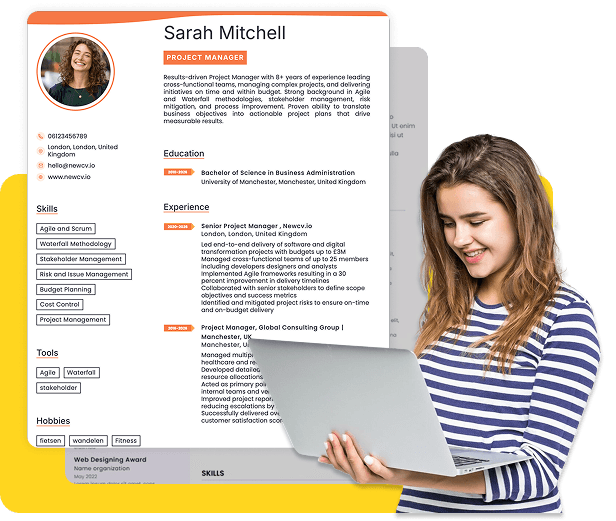
Use ATS-optimised Resume and resume templates that pass applicant tracking systems. Our Resume builder helps recruiters read, scan, and shortlist your Resume faster.

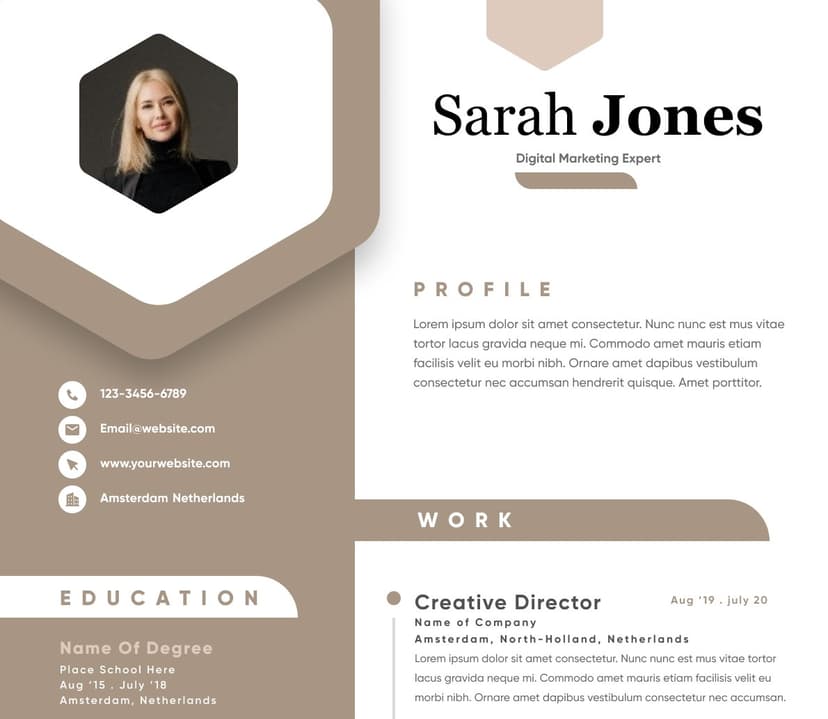
Use professional field-tested resume templates that follow the exact Resume rules employers look for.
Create Resume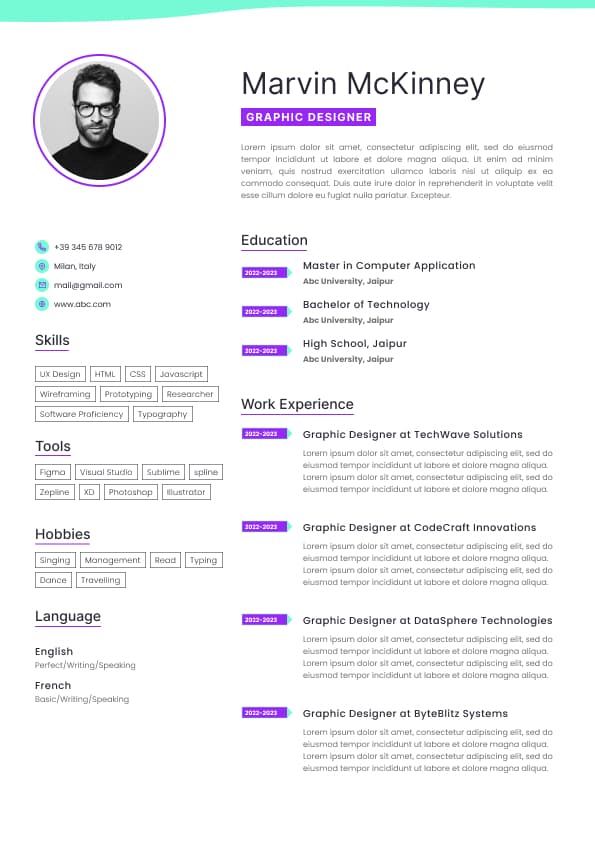
Use professional field-tested resume templates that follow the exact Resume rules employers look for.
Create ResumeREST API development
SQL Server or database work
Entity Framework usage
Azure familiarity
Git and GitHub usage
Testing fundamentals
Debugging and troubleshooting ability
Understanding of software development workflows
Your previous career becomes valuable when translated into engineering-relevant outcomes.
For example:
A project manager becomes someone experienced in Agile delivery, sprint coordination, stakeholder communication, and requirements gathering
A QA tester becomes someone skilled in software quality, bug tracking, regression testing, and automation awareness
A finance professional becomes someone with fintech workflow knowledge and compliance understanding
An IT support specialist becomes someone experienced in troubleshooting, Windows systems, IIS basics, and technical support environments
The resume should connect prior experience to software engineering relevance instead of treating it as unrelated history.
Has GitHub documentation
Solves a realistic business workflow problem
Employee management system
Healthcare appointment scheduling app
Inventory tracking platform
Financial transaction dashboard
Help desk ticketing system
Recruitment workflow application
E-commerce order management platform
Good Example:
“Diagnosed and resolved technical issues across Windows-based enterprise systems while collaborating with infrastructure and development teams to improve application reliability and user support processes.”
This framing sounds much closer to engineering operations.
Certifications
Open-source contributions
Freelance work
Volunteer development work
Self-directed learning with measurable outputs
Evidence beats labels.
Incomplete tutorial projects
Broken deployment links
Random copied repositories
Poor documentation
No explanation of project purpose
Your GitHub should reinforce your resume narrative.
Dependency Injection
LINQ
Git
Agile
Scrum
API Integration
Authentication
Authorization
Unit Testing
Visual Studio
CI/CD
Cloud Deployment
Do not isolate keywords in giant skill blocks only.
Integrate them into projects and accomplishments.
Your resume should prove you already can.


 Upload Resume
 Import from Linkedin