STILL APPLYING. STILL HEARING NOTHING?BUILD YOUR RESUME

STILL APPLYING. STILL HEARING NOTHING?BUILD YOUR RESUME
Choose from a wide range of NEWCV resume templates and customize your NEWCV design with a single click.
FAQ
If you’re an ASP.NET developer returning to the workforce after a career gap, your resume should focus less on the gap itself and more on proving current technical relevance. Hiring managers care most about whether you can contribute to a modern engineering team today. That means your resume must demonstrate updated Microsoft stack skills, recent hands-on development work, familiarity with modern Agile workflows, and evidence that you can build, debug, deploy, and collaborate in a current .NET environment.
Most candidates with employment gaps fail because they submit outdated resumes focused on old technologies or attempt to hide the gap entirely. Strong candidates do the opposite. They acknowledge the gap briefly, showcase recent ASP.NET Core and Azure work, include portfolio applications or GitHub activity, and position themselves as technically current and immediately employable.
This is especially important in today’s hiring market, where recruiters and engineering managers screen for recent relevance more aggressively than years of past experience alone.
For ASP.NET developers with employment gaps, recruiters are evaluating four things immediately:
Whether your technical skills are current
Whether you can work in a modern development environment
Whether your gap created skill stagnation
Whether you are genuinely ready to return to engineering work
Most hiring managers are not automatically rejecting candidates because of a gap. They reject candidates because the resume fails to reduce uncertainty.
A recruiter reviewing your resume is silently asking:
Can this developer work with modern .NET architecture?
Do they understand ASP.NET Core and cloud deployment?
Most employment-gap resumes fail for predictable reasons.
If your resume still emphasizes:
ASP.NET Web Forms
Legacy .NET Framework only
SVN instead of Git
jQuery-heavy architectures
Monolithic applications without cloud exposure
you immediately look disconnected from the modern Microsoft ecosystem.
That does not mean older experience has no value. It means your resume must clearly show progression into current technologies.
Recruiters notice missing years instantly.
You do not need a dramatic explanation.
You need a brief, confident, low-friction explanation that keeps attention on your technical value.
Good reasons recruiters generally accept include:
Family care responsibilities
Relocation
Continuing education
Career transition
Freelance development
Contract work
Health recovery followed by retraining
For candidates with employment gaps, the most important section is often not work history.
It is the combination of:
Technical skills
Recent projects
Certifications
GitHub activity
Portfolio evidence
This section determines whether recruiters view you as “inactive” or “current.”
If you are returning to the workforce, your resume should emphasize current Microsoft ecosystem technologies.
Today’s hiring market heavily prioritizes:
ASP.NET Core
.NET 8
C#
Entity Framework Core
REST APIs
Azure
Docker
CI/CD pipelines
Projects are often the deciding factor for career comeback candidates.
Hiring managers want evidence that you can still build real applications.
A strong portfolio project proves:
Technical competency
Initiative
Problem-solving ability
Current architecture knowledge
Engineering discipline
Strong projects usually include:
ASP.NET Core backend architecture
Recruiters rarely check GitHub for every candidate.
But for candidates with employment gaps, GitHub dramatically reduces hiring risk.
An active GitHub profile tells employers:
You are still coding
Your skills are current
You understand Git workflows
You are engaged with development work
You can produce maintainable code
Even small but consistent activity helps.
Useful GitHub signals include:
Recent commits
Yes, especially if your gap is longer than 12 months.
Certifications help validate current knowledge when recent employment history is limited.
The strongest certifications for returning ASP.NET developers include:
Microsoft Certified: Azure Developer Associate
Azure Fundamentals
Azure AI Fundamentals
.NET and ASP.NET Core bootcamps
Docker and Kubernetes training
Microsoft Learn coursework
Pluralsight certifications
Candidates over 40 often assume age is the primary issue.
In reality, recruiters usually worry about something else:
Resistance to modern tools
Outdated development habits
Poor adaptability
Weak cloud exposure
Inflexibility in Agile teams
Your resume must counter those assumptions directly.
Showing modern frameworks prominently
Stay-at-home parents returning to development work should avoid apologetic language.
Recruiters respond better to confidence and technical relevance.
A strong approach is:
Briefly acknowledge the caregiving period
Immediately pivot into technical activity
Demonstrate current skills
Show project work and learning momentum
“Career pause for family responsibilities while maintaining technical development through ASP.NET Core portfolio projects, Azure cloud training, and ongoing C# coursework.”
This works because it avoids defensiveness and reinforces capability.
A modern resume structure matters more when returning after a gap.
Recruiters should immediately see current technical readiness.
Focus on:
ASP.NET specialization
Current stack
Recent training or projects
Years of experience
Agile collaboration
Keep this modern and highly relevant.
“ASP.NET Developer with 6+ years of experience building enterprise web applications using C# and Microsoft technologies. Recently completed advanced ASP.NET Core, Azure, and Docker projects focused on REST APIs, cloud deployment, and modern Agile development practices. Strong background in debugging, backend architecture, SQL optimization, and cross-functional collaboration.”
“Full stack ASP.NET Developer returning to software engineering after career transition period. Updated technical expertise in .NET 8, ASP.NET Core, Azure cloud services, Entity Framework Core, and CI/CD deployment pipelines through hands-on portfolio development and advanced technical training.”
These summaries work because they:
Sound current
Sound employable
Avoid defensive language
Focus on capability instead of explanation
If your strongest professional experience is older, do not remove it completely.
But you should modernize the framing.
Do not center the resume around:
ASP.NET Web Forms
IIS administration only
VB.NET-heavy work
Legacy maintenance tasks
Focus on:
Backend architecture
Your resume gets interviews.
Your interview closes the gap concerns.
Hiring managers want confidence, clarity, and evidence of momentum.
Strong candidates explain their gap briefly, then immediately pivot into technical discussion.
“I stepped away for family responsibilities, but during that time I intentionally updated my stack with ASP.NET Core, Azure deployment, Docker workflows, and API development. I’ve been actively building projects and I’m fully ready to return to a collaborative engineering role.”
This works because it:
Removes awkwardness
Shows accountability
Reinforces current skills
Signals readiness
Most candidates treat employment gaps as the problem.
Recruiters usually treat uncertainty as the problem.
Your job is to reduce uncertainty.
You do that through evidence.
The strongest ASP.NET comeback resumes create a clear pattern:
Current technologies
Recent activity
Portfolio applications
Cloud exposure
Agile familiarity
GitHub evidence
Many returning developers write resumes trying to justify themselves.
That is the wrong mindset.
Strong resumes position the candidate as:
Current
Capable
Adaptable
Technically engaged
Ready to contribute immediately
Your goal is not to “explain the gap.”
Your goal is to prove you are a modern ASP.NET developer who can help solve engineering problems today.
That is what gets interviews.

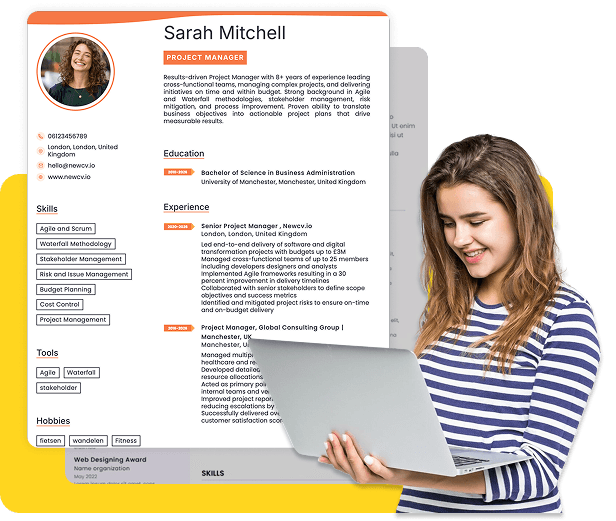
Use ATS-optimised Resume and resume templates that pass applicant tracking systems. Our Resume builder helps recruiters read, scan, and shortlist your Resume faster.

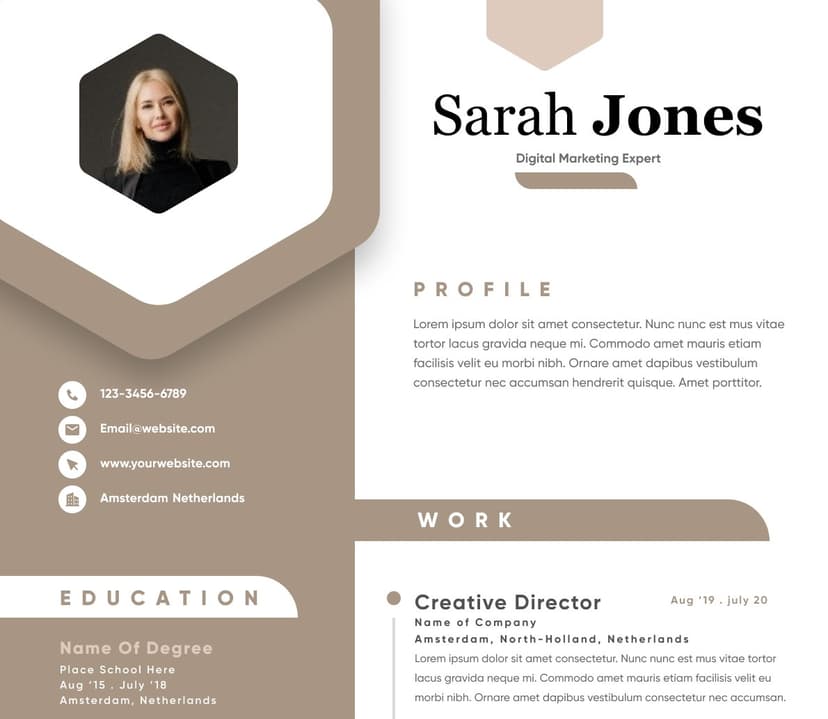
Use professional field-tested resume templates that follow the exact Resume rules employers look for.
Create Resume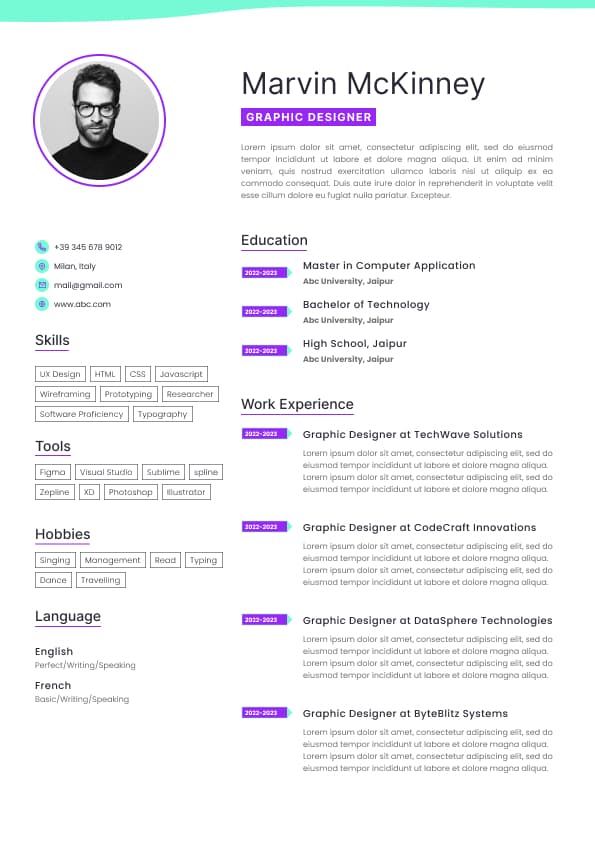
Use professional field-tested resume templates that follow the exact Resume rules employers look for.
Create ResumeHave they touched production-level code recently?
Can they collaborate in Git-based Agile teams?
Are they going to require excessive onboarding?
Are they committed to returning long term?
Your resume must answer those questions before the interview even happens.
Attempting to disguise the gap creates distrust. A short, professional explanation works far better than avoidance.
This is the biggest problem.
A candidate who has been out of work for three years but recently built ASP.NET Core applications, deployed APIs to Azure, contributed to GitHub projects, and completed certifications is far stronger than someone employed continuously but technically stagnant.
Recent activity matters more than resume chronology.
Weak resumes say things like:
Weak Example
“Seeking opportunities to restart my career after time away from work.”
This creates concern without proving capability.
Strong resumes demonstrate readiness through evidence.
Good Example
“Completed multiple ASP.NET Core and Azure-based portfolio applications focused on REST API architecture, Docker deployment, and SQL optimization during career transition.”
That shifts the focus from the gap to current competence.
Stay-at-home parenting
Upskilling and certifications
The key is brevity.
“Career pause for family caregiving while completing Microsoft Learn training in ASP.NET Core and Azure services.”
“Career transition period focused on full stack .NET development projects, cloud deployment training, and technical upskilling.”
“Returned to software engineering after relocation and completed advanced coursework in .NET 8, REST API development, and Azure DevOps.”
Notice what these examples do well:
They explain the gap without oversharing
They demonstrate momentum
They reinforce technical relevance
They redirect attention toward readiness
Git and GitHub
SQL Server
Blazor
Angular or React
Microservices exposure
Authentication and authorization
API integration
Cloud deployment
Even if your previous experience was primarily legacy .NET Framework, your resume should clearly demonstrate recent exposure to the modern stack.
RESTful APIs
SQL Server integration
Entity Framework Core
Azure deployment
Authentication and authorization
Docker containerization
GitHub repository management
Swagger documentation
Frontend integration with Angular or Blazor
The more your project resembles real enterprise development, the stronger your resume becomes.
Weak Example
“Built practice applications using ASP.NET.”
Too vague. No technical depth.
Good Example
“Built and deployed full stack ASP.NET Core applications using C#, SQL Server, Entity Framework Core, Docker, Azure App Services, and REST API integration.”
This sounds employable because it mirrors real engineering environments.
Clean repositories
README documentation
API projects
Deployment instructions
Unit testing
Branching practices
The goal is not perfection.
The goal is proof of technical continuity.
Udemy advanced .NET coursework when paired with projects
Certifications alone will not get interviews.
But certifications plus projects plus updated skills often will.
Demonstrating cloud deployment experience
Highlighting collaboration tools like Jira and GitHub
Including Agile or Scrum environments
Emphasizing mentorship and ownership
Demonstrating continued learning
Older developers often outperform junior candidates in:
Debugging
System design
Communication
Documentation
Root-cause analysis
Production stability
Stakeholder communication
Those strengths should absolutely appear on your resume.
Especially important after gaps.
Critical section for workforce re-entry candidates.
Keep older experience concise but achievement-focused.
Include relevant coursework if recent.
Enterprise application development
API integration
Database optimization
Performance tuning
Cross-team collaboration
Production debugging
Stakeholder communication
Those skills still transfer directly into modern engineering environments.
Continuous learning
Practical engineering capability
When recruiters see those signals consistently, the employment gap becomes far less important.


 Upload Resume
 Import from Linkedin