STILL APPLYING. STILL HEARING NOTHING?BUILD YOUR RESUME

STILL APPLYING. STILL HEARING NOTHING?BUILD YOUR RESUME
Choose from a wide range of NEWCV resume templates and customize your NEWCV design with a single click.
FAQ
An ASP.NET developer resume should usually be 1 page for entry-level candidates and 2 pages for experienced professionals. Recruiters do not reward longer resumes unless every section adds clear hiring value. For most ASP.NET developers, the real issue is not page count. It is whether the resume is structured correctly for technical screening, ATS parsing, and fast recruiter evaluation.
The best ASP.NET developer resume format prioritizes:
Recent ASP.NET Core and C# experience
Azure and cloud-related work
Measurable backend and enterprise achievements
Clean ATS-friendly formatting
Strong technical skills placement near the top
The best resume length depends on your experience level, project complexity, and technical depth.
A 1-page resume works best for:
Entry-level ASP.NET developers
Computer science students
Internship candidates
Bootcamp graduates
Junior developers with under 3 years of experience
Career changers entering .NET development
At this stage, recruiters are not expecting extensive enterprise architecture experience. They want to quickly evaluate:
Recruiters do not evaluate resume length in isolation. They evaluate signal quality.
A 1-page resume can fail because it lacks depth.
A 2-page resume can fail because it lacks prioritization.
What hiring teams actually assess:
Relevance of technical stack
Recency of ASP.NET Core experience
Enterprise complexity
Business impact
Architecture exposure
Cloud proficiency
Scalability experience
The structure of your resume directly affects recruiter scanning behavior and ATS readability.
The most effective ASP.NET developer resume structure is:
Include:
Full name
Phone number
Professional email address
LinkedIn profile
GitHub profile
Portfolio website if relevant
Location
This section should be brief and highly targeted.
A strong ASP.NET developer summary:
Mentions years of experience
Highlights ASP.NET Core expertise
References Azure or cloud work if applicable
Includes enterprise or backend specialization
Focuses on technical value
Good Example
“ASP.NET Core developer with 6+ years of experience building scalable enterprise web applications, REST APIs, and Azure-integrated backend systems using C#, SQL Server, and microservices architecture.”
Weak summaries are vague and generic.
For ASP.NET developers, technical skills should usually appear near the top of the resume.
This is because recruiters and technical screeners often perform immediate stack matching.
Organize skills into logical technical groups.
Recommended categories:
Languages
Frameworks
Cloud platforms
Databases
Frontend technologies
DevOps tools
Your work experience section is the core of the resume.
This is where technical credibility is established.
The strongest bullet points follow this structure:
Action
Technical implementation
Business or performance impact
Many developers underestimate how much hiring managers value measurable outcomes.
Technical execution alone is not enough.
Strong resumes show:
Performance improvements
Scalability gains
Reduced deployment times
Increased uptime
Faster API responses
Cost reductions
Security improvements
Projects should appear:
Near the top for junior developers
After work experience for experienced developers
Projects are especially important when:
Professional experience is limited
You changed careers
You learned ASP.NET independently
You built strong portfolio applications
Your projects showcase modern architecture
ATS compatibility is critical for developer resumes.
Many technically strong candidates lose opportunities because their resume formatting breaks ATS parsing.
Use:
Standard section headings
Simple fonts
Single-column layout
Clear spacing
Consistent formatting
Standard bullet points
Avoid:
The ideal order usually looks like this:
Header
Summary or objective
Technical skills
Projects
Education
Internship or experience
Certifications
Modern ASP.NET hiring heavily favors:
ASP.NET Core
Cloud-native development
Azure integration
API development
Scalable backend architecture
Recruiters increasingly deprioritize resumes focused primarily on:
Legacy Web Forms
Outdated .NET Framework-only environments
Some developers list 40 to 60 technologies without demonstrating real expertise.
This weakens credibility instead of strengthening it.
Important ASP.NET Core experience buried below irrelevant older positions hurts screening outcomes.
Your strongest and most relevant experience should appear first.
Recruiters scan quickly.
Dense paragraphs reduce readability and increase rejection risk.
Bullet points that only mention technologies without describing implementation or impact feel shallow.
Three-page ASP.NET resumes are rarely justified unless:
You are an architect
You have extensive enterprise leadership
Hiring managers often scan resumes in this order:
Current role
ASP.NET Core experience
Cloud technologies
API development
Technical stack alignment
Project complexity
Career progression
This means your resume structure should support rapid validation.
Do not force recruiters to search for critical qualifications.
For ASP.NET developers, the answer is usually no.
Functional resumes often create suspicion because they:
Hide timelines
Reduce technical context
Obscure project ownership
Make career progression unclear
Chronological or hybrid chronological formats perform better for technical hiring.
The best layouts are simple and highly scannable.
Consistent spacing
Clear section headings
Short bullet points
Easy-to-scan technical stack
Logical information hierarchy
Strong whitespace usage
Ideal bullet points are:
1 to 2 lines
Highly specific
Results-oriented
Technically descriptive
Avoid:
Long multi-line paragraphs
Generic responsibility descriptions
Repeated technologies across every bullet
Recruiters want rapid comprehension.
The goal is not aesthetics alone.
The real goal is reducing recruiter friction.
Your resume should help a recruiter instantly answer:
Does this developer match the stack?
Have they built systems at the required scale?
Do they understand modern .NET development?
Can they contribute quickly?
Are they credible technically?
Every structural decision should support those answers.

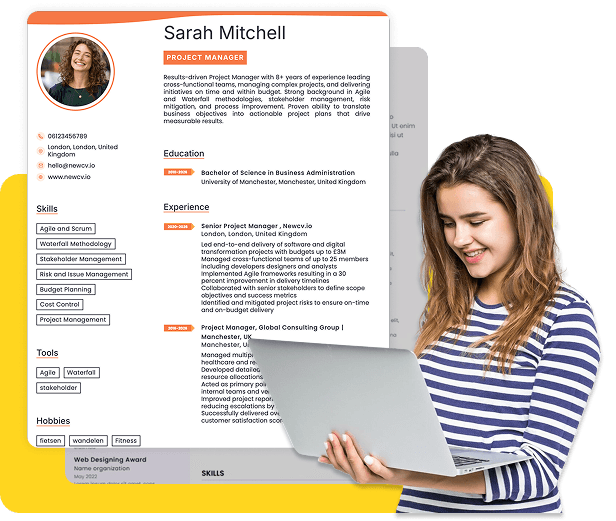
Use ATS-optimised Resume and resume templates that pass applicant tracking systems. Our Resume builder helps recruiters read, scan, and shortlist your Resume faster.

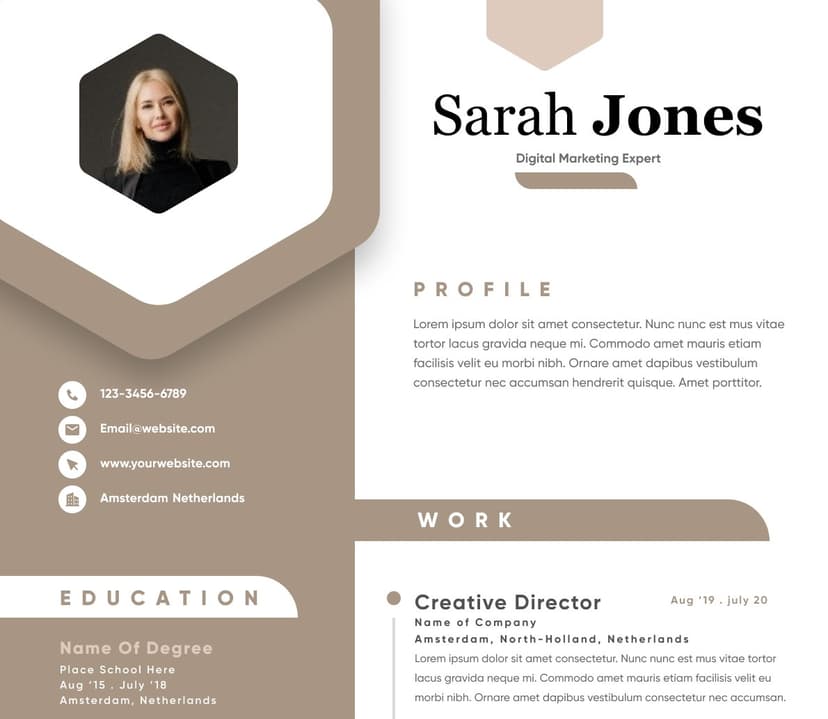
Use professional field-tested resume templates that follow the exact Resume rules employers look for.
Create Resume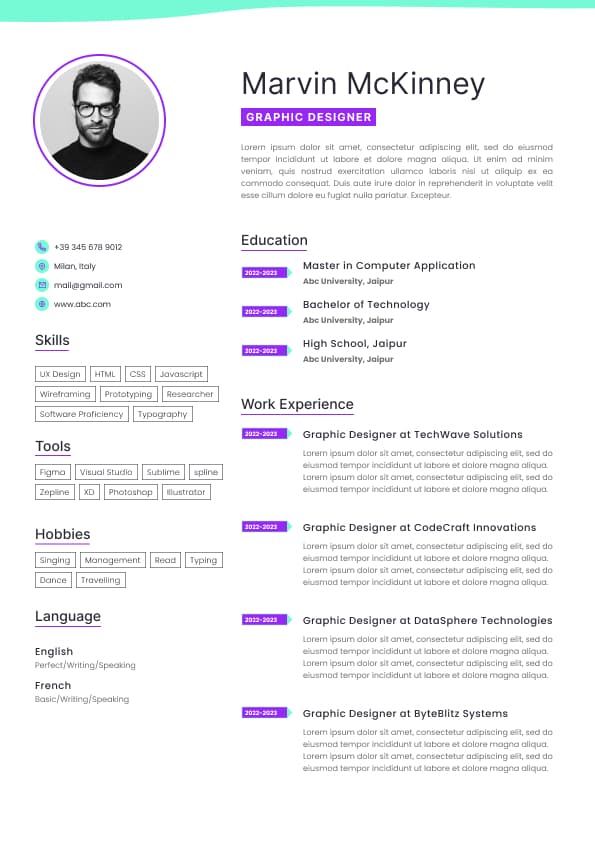
Use professional field-tested resume templates that follow the exact Resume rules employers look for.
Create ResumeHiring managers typically spend less than 30 seconds on the first review. A resume with weak structure, poor prioritization, or overloaded technical sections often gets rejected before a technical interview even happens. The goal is not to fit everything onto one page. The goal is to make your strongest qualifications impossible to miss.
Technical foundation
Project quality
ASP.NET Core familiarity
C# proficiency
SQL knowledge
Git and development workflow understanding
Internship or practical coding experience
A concise one-page resume signals clarity and focus. But the mistake many junior developers make is shrinking content too aggressively just to stay on one page.
Recruiters are usually looking for proof of execution, not years of experience.
Strong junior resumes show:
Real projects
Deployments
APIs
Authentication systems
Database integration
Azure exposure
GitHub activity
Internship contributions
Weak junior resumes waste space on:
Generic objective statements
Long coursework lists
Soft skill paragraphs
Every programming language ever touched
Irrelevant part-time jobs
A 2-page resume is completely acceptable for:
Mid-level ASP.NET developers
Senior ASP.NET developers
Lead developers
Software architects
Azure-focused engineers
Enterprise backend developers
Full-stack .NET engineers with substantial project history
Two pages become justified when your experience includes:
Enterprise systems
Cloud migrations
Microservices architecture
Team leadership
CI/CD implementation
Azure DevOps pipelines
Large-scale API development
Performance optimization
Security implementation
Multi-environment deployments
The key difference is value density.
A strong 2-page resume contains highly relevant technical achievements throughout both pages. A weak 2-page resume contains repetition, oversized skills lists, and low-impact bullet points.
Backend ownership
Team collaboration
If your second page contains meaningful technical achievements, it helps you.
If your second page contains filler, it hurts you.
Avoid:
Full mailing address
Headshot
Multiple phone numbers
Unprofessional email addresses
Your GitHub profile matters more for developers than many other professions. Hiring managers often review repositories before interviews.
Weak Example
“Motivated developer seeking opportunities to grow skills while contributing to company success.”
This says nothing meaningful about technical capability.
Testing tools
Version control
Languages: C#, SQL, JavaScript, TypeScript
Frameworks: ASP.NET Core, MVC, Entity Framework Core, Web API
Cloud: Azure App Services, Azure Functions, Azure DevOps
Databases: SQL Server, PostgreSQL
Frontend: React, Angular, HTML, CSS
DevOps: Docker, Kubernetes, CI/CD pipelines
Tools: Git, Visual Studio, Postman
Recruiters regularly see:
Massive keyword dumping
Skills without experience backing them up
Outdated technologies prioritized over modern stacks
No organization or categorization
Another major mistake is listing technologies that appear nowhere in the work experience section.
If you claim Kubernetes expertise but never mention containerized deployments, recruiters notice.
This provides no scope, no impact, and no differentiation.
Faster release cycles
This demonstrates business awareness alongside technical capability.
Projects that strengthen resumes typically include:
Authentication systems
JWT authorization
Azure deployment
API integrations
Microservices
CI/CD pipelines
Docker containers
Entity Framework optimization
Real-time features with SignalR
Scalable cloud architecture
Recruiters often ignore:
Basic CRUD tutorials
Duplicate YouTube projects
Simple calculators
Generic to-do apps without advanced functionality
The issue is not the project topic alone. It is whether the project demonstrates engineering depth.
Tables
Text boxes
Multiple columns
Icons
Graphics
Progress bars
Complex templates
Heavy design formatting
Many ATS systems struggle to parse layered formatting correctly.
Developers especially hurt themselves with overly stylized resumes downloaded from design marketplaces.
Technical hiring teams care far more about clarity than visual creativity.
Header
Professional summary
Technical skills
Work experience
Projects
Certifications
Education
Experience should dominate the resume once you have meaningful enterprise history.
Monolithic systems without modernization exposure
This does not mean older technologies have no value. But resumes should emphasize modernization experience whenever possible.
For senior ASP.NET roles, recruiters and engineering leaders often scan for:
Architecture ownership
Distributed systems
Performance optimization
Secure API development
Cloud scalability
DevOps collaboration
Database optimization
Mentoring experience
This changes how a senior resume should be structured.
A senior resume should not read like a task list.
It should read like evidence of technical leadership and engineering impact.
You have highly specialized consulting history
Even then, concise writing is usually more effective.
Dense blocks of text
Multiple columns
Tiny fonts
Decorative visuals
Overdesigned templates
Hard-to-read formatting
The best technical resumes are usually visually simple but strategically structured.


 Upload Resume
 Import from Linkedin