STILL APPLYING. STILL HEARING NOTHING?BUILD YOUR RESUME

STILL APPLYING. STILL HEARING NOTHING?BUILD YOUR RESUME
Choose from a wide range of NEWCV resume templates and customize your NEWCV design with a single click.
FAQ
An Android developer resume gets interviews when it proves three things quickly:
You can build production-grade Android apps
You understand modern Android architecture and tooling
Your work created measurable product or engineering impact
Most Android developer resumes fail because they read like task lists instead of engineering outcomes. Hiring managers are not looking for someone who “worked on Android apps.” They want evidence that you improved app performance, shipped scalable features, reduced crashes, optimized release cycles, or supported large user bases.
A strong Android developer resume combines technical depth with business impact. That means showing the Android stack you used, the architecture decisions you supported, the app environment you worked in, and the measurable results your work produced.
If your resume clearly communicates production-level Android delivery experience, modern Android expertise, and measurable outcomes, you immediately move ahead of most applicants.
Recruiters typically spend less than 10 seconds on the first resume scan. For Android roles, the evaluation process usually follows this order:
Does the candidate match the Android stack?
Is the experience modern or outdated?
Have they worked on production applications?
Is there measurable impact?
Does the candidate understand architecture and scalability?
Is the resume technically credible?
For Android developers specifically, hiring managers often prioritize:
Kotlin proficiency
Your professional summary should immediately position you as a qualified Android engineer.
This section should include:
Your title
Years of experience
Primary Android technologies
Industry or app domain experience
Measurable impact or specialization
Good Example
“Android Developer with 5+ years of experience building scalable mobile applications using Kotlin, Java, Android SDK, Jetpack Compose, and MVVM architecture. Delivered fintech and e-commerce applications supporting more than 2 million users while improving crash-free sessions from 96.1% to 99.4%. Experienced in Firebase, REST APIs, CI/CD pipelines, and Google Play Store releases.”
The technical skills section should be highly organized and easy for recruiters and ATS systems to scan.
Do not dump technologies randomly.
Group your Android stack strategically.
Kotlin
Java
Dart
SQL
Android SDK
Jetpack Compose
Your work experience section is the most important part of the resume.
Most Android resumes fail here because candidates describe responsibilities instead of engineering outcomes.
Hiring managers care about:
What you built
How you built it
The scale of the application
What improved because of your work
Every bullet should ideally contain:
Action
Android technology
Product or engineering scope
Metrics separate strong Android developers from average applicants.
Without measurable outcomes, recruiters cannot evaluate impact.
Monthly active users
App downloads
App store ratings
User retention improvements
Session duration improvements
Crash-free rate improvements
Recruiters want to understand your actual engineering level.
That means your resume should show:
Production experience
Architecture understanding
Collaboration scope
Release ownership
Technical decision-making
Senior-level Android resumes should include:
Architecture leadership
Projects are critical for:
Entry-level developers
Bootcamp graduates
Career changers
Self-taught Android developers
Strong Android projects prove practical engineering ability.
Weak projects look like tutorial copies.
A strong project should include:
Real functionality
Modern Android architecture
Android hiring varies heavily by industry.
A fintech Android developer is evaluated differently than a media or logistics Android developer.
Tailoring your resume improves interview conversion significantly.
Fintech companies prioritize:
Security
Authentication flows
Transaction reliability
Scalability
Performance optimization
Strong keywords:
Encryption
Applicant Tracking Systems scan resumes before recruiters often see them.
Android resumes fail ATS screening when they:
Use graphics or columns
Hide keywords inside design elements
Omit role-specific terminology
Use vague descriptions
Include relevant terms naturally throughout the resume:
Android Developer
Android Engineer
Saying “Kotlin, Firebase, Retrofit” means very little without implementation examples.
Always connect technologies to outcomes.
This is one of the biggest reasons Android resumes fail.
Weak Example
“Responsible for Android app maintenance.”
Good Example
“Maintained and optimized a healthcare Android application serving 500K+ users, reducing crash frequency by 36% through Kotlin refactoring and improved exception handling.”
Old Android stacks can create concern if not framed correctly.
For example:
Heavy reliance on Java without Kotlin
No modern architecture mention
The best Android developer resume format is:
Reverse chronological
ATS-friendly
Single-column layout
Clear headings
Minimal graphics
Strong spacing and readability
Professional Summary
Certifications alone will not get interviews.
But the right certifications can support credibility, especially for junior developers or career changers.
Associate Android Developer Certification
Kotlin Developer Certification
Firebase Certifications
Google Cloud Certifications
AWS Certified Developer
Scrum Certification
Mobile Security Certifications
The strongest Android resumes consistently do three things well:
Recruiters want evidence that you can ship real applications in collaborative engineering environments.
Strong resumes connect Android engineering work to measurable outcomes.
One major resume mistake is trying to sound more senior than your actual experience.
Experienced hiring managers detect inflated resumes quickly.
A strong mid-level Android developer resume is far more effective than a weak “senior” resume.
Most Android developers focus only on coding tasks.
Hiring managers evaluate product contribution.
That means your resume should communicate:
Engineering quality
Product impact
Release ownership
User experience improvements
Collaboration effectiveness
Scalability understanding
The best Android developer resumes do not read like technical documentation.
They read like evidence that the candidate can build, improve, and scale production mobile products successfully.
That is what gets interviews.

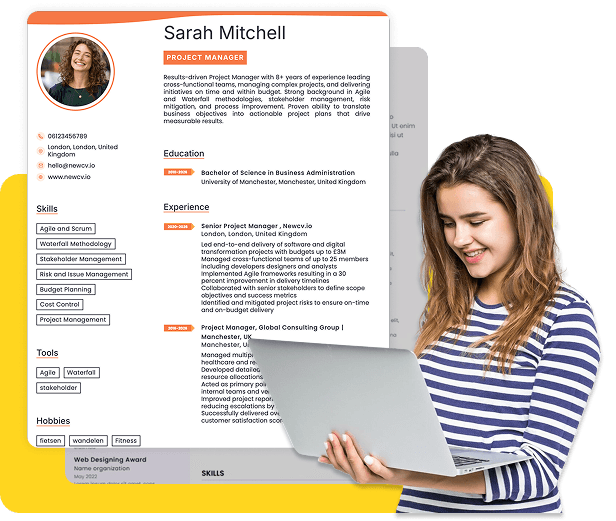
Use ATS-optimised Resume and resume templates that pass applicant tracking systems. Our Resume builder helps recruiters read, scan, and shortlist your Resume faster.

Use professional field-tested resume templates that follow the exact Resume rules employers look for.
Create Resume
Use professional field-tested resume templates that follow the exact Resume rules employers look for.
Create ResumeAndroid SDK expertise
Jetpack Compose or modern UI frameworks
MVVM or clean architecture experience
API integration
Firebase integration
CI/CD and testing workflows
Google Play Store deployment experience
Performance optimization
Crash reduction and app stability
A resume that only lists technologies without showing implementation or results usually gets rejected early.
Weak Example
“Hardworking Android developer with experience building mobile apps and working in teams.”
The weak version fails because it contains no technical depth, no measurable outcomes, and no hiring signals.
XML
Coroutines
Retrofit
Room
Dagger/Hilt
LiveData
Navigation Component
MVVM
MVI
Clean Architecture
Repository Pattern
REST APIs
GraphQL
Firebase
WebSockets
Room
SQLite
Realm
Firebase Cloud Messaging
Google Cloud Platform
AWS
CI/CD
GitHub Actions
Jenkins
JUnit
Espresso
Mockito
UI Testing
Android Studio
Git
Jira
Postman
Figma
This structure improves ATS parsing while helping hiring managers quickly assess technical alignment.
Measurable result
Action Verb + Android Stack + Feature or System + Measurable Impact
Developed a Kotlin-based fintech Android application using MVVM architecture and Retrofit APIs, supporting more than 1.8 million active users with a 99.3% crash-free session rate
Reduced app startup time by 38% through lazy loading optimization, dependency injection improvements, and Android memory management enhancements
Implemented Jetpack Compose migration for key user flows, reducing UI development time by 27% across multiple release cycles
Built offline-first synchronization features using Room and WorkManager, decreasing user-reported sync failures by 44%
Integrated Firebase Crashlytics and performance monitoring tools, reducing ANRs by 31% within two release versions
Collaborated with backend, QA, and product teams in Agile sprints to release biweekly Android updates with a 96% on-time deployment rate
These bullets work because they combine technical depth with measurable business or engineering outcomes.
ANR reduction
Startup time reduction
Memory optimization
APK size reduction
Test coverage increases
Bug reduction percentages
Release frequency improvements
CI/CD automation impact
Feature delivery speed improvements
Revenue impact
Conversion rate improvements
Subscription growth
Checkout completion increases
Good Example
“Reduced app crashes by 42% by refactoring legacy Java modules into Kotlin and implementing structured exception handling with Firebase Crashlytics.”
Weak Example
“Worked on improving app quality.”
The weak version provides no credibility, scale, or measurable outcome.
Performance optimization
Mentorship
Feature ownership
Scalability improvements
CI/CD optimization
Cross-functional collaboration
Mid-level candidates should emphasize:
Feature implementation
API integration
UI development
Testing practices
Bug resolution
Agile delivery
Entry-level developers should focus on:
Strong projects
Clean code practices
GitHub work
Android fundamentals
Kotlin proficiency
App deployment experience
Even junior candidates should avoid sounding like students once they have production-quality projects.
API integration
Firebase or backend connectivity
Play Store deployment or production readiness
Performance considerations
Clean UI implementation
Expense Tracker Android App
Kotlin, Jetpack Compose, Room, Firebase Authentication
Developed a personal finance Android app with real-time expense tracking and category analytics using MVVM architecture
Integrated Firebase Authentication and Room database synchronization for offline-first functionality
Achieved 95% unit test coverage for core business logic using JUnit and Mockito
Reduced APK size by 18% through image compression and resource optimization techniques
This sounds like production-level work rather than a classroom exercise.
PCI compliance
Secure API integration
Biometric authentication
Healthcare employers look for:
HIPAA awareness
Stability
Accessibility
Secure patient data handling
Strong keywords:
Healthcare compliance
Secure messaging
Patient-facing applications
E-commerce companies prioritize:
Conversion optimization
Checkout performance
Push notifications
Analytics integration
Strong keywords:
Shopping cart optimization
Payment integration
Firebase Analytics
Enterprise mobile teams value:
Scalability
Maintainability
Architecture quality
Team collaboration
Strong keywords:
Clean Architecture
Modularization
Enterprise mobility
Kotlin
Java
Android SDK
Jetpack Compose
MVVM
Firebase
REST APIs
Mobile app development
Google Play Store
Coroutines
Room Database
Android Studio
Do not keyword stuff.
Recruiters can immediately tell when resumes are artificially optimized.
No Compose or Jetpack references
Legacy Android support libraries only
If your environment uses older stacks, balance that by showing modernization efforts.
Recruiters care more about depth than giant technology lists.
A focused, credible stack performs better than listing every framework you touched once.
Technical Skills
Professional Experience
Projects
Education
Certifications
Keep formatting simple.
Complex visual resumes often break ATS parsing.
Only include certifications that are relevant and current.


 Upload Resume
 Import from Linkedin