STILL APPLYING. STILL HEARING NOTHING?BUILD YOUR RESUME

STILL APPLYING. STILL HEARING NOTHING?BUILD YOUR RESUME
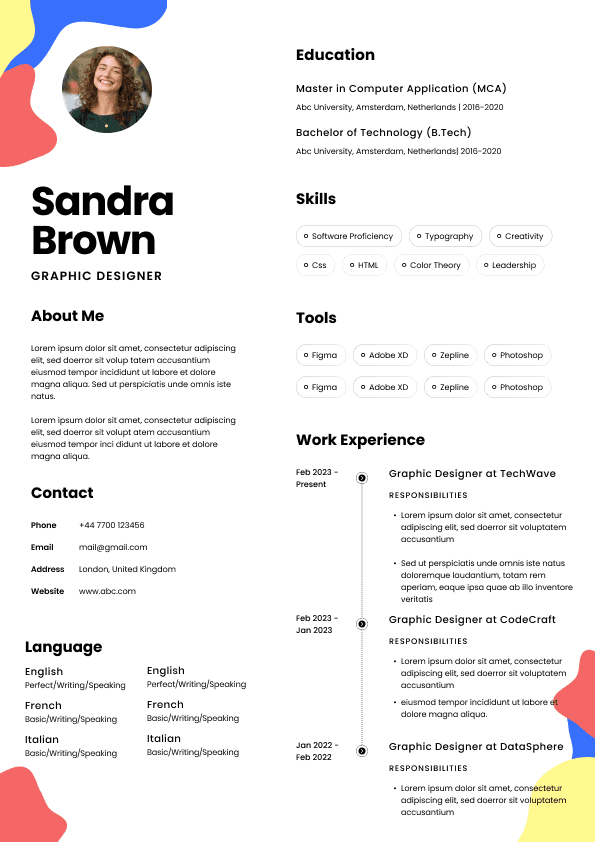
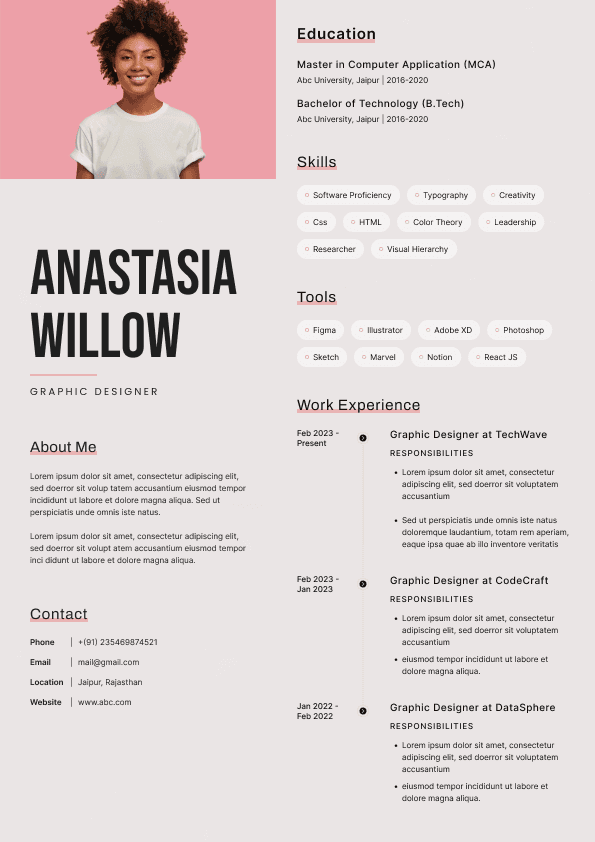
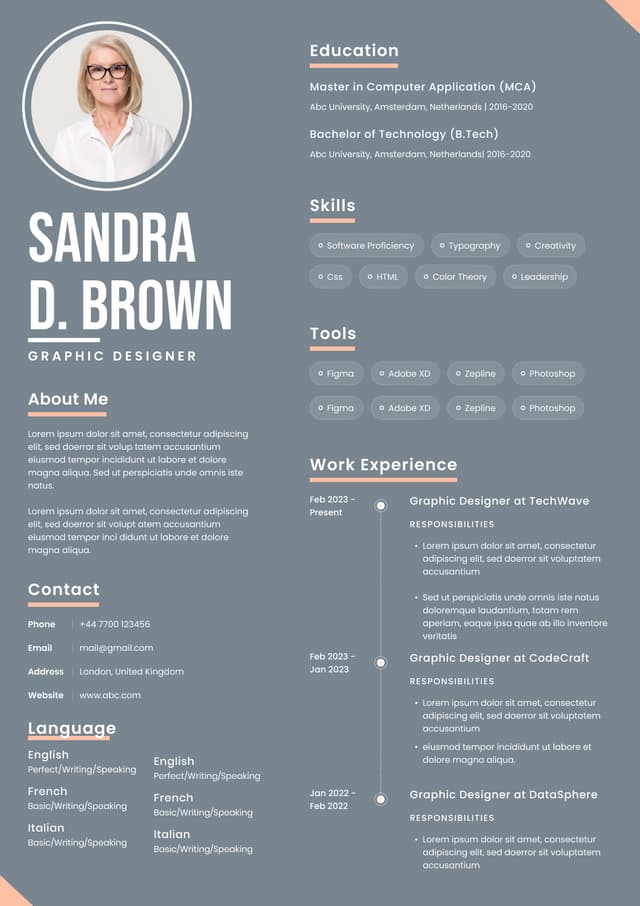
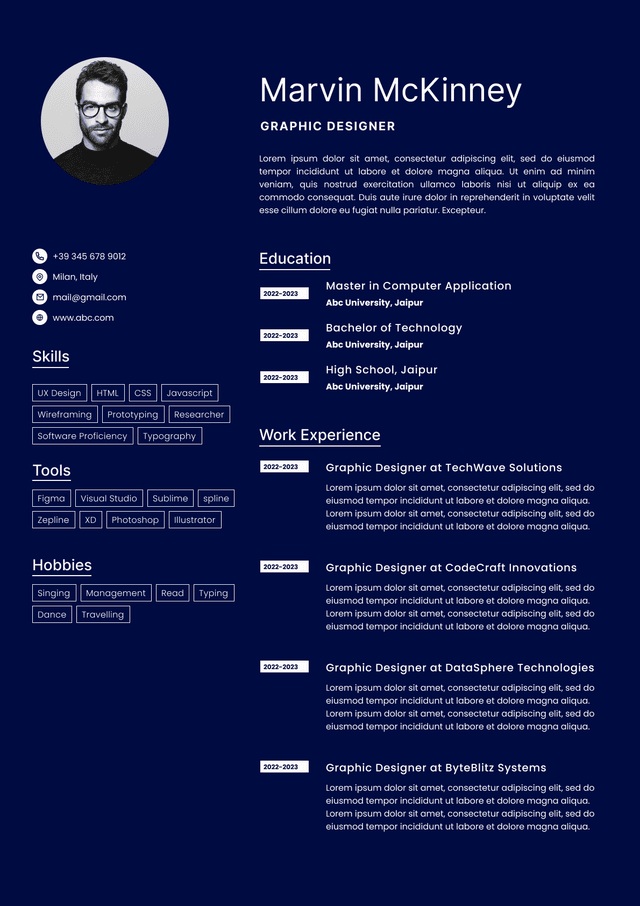
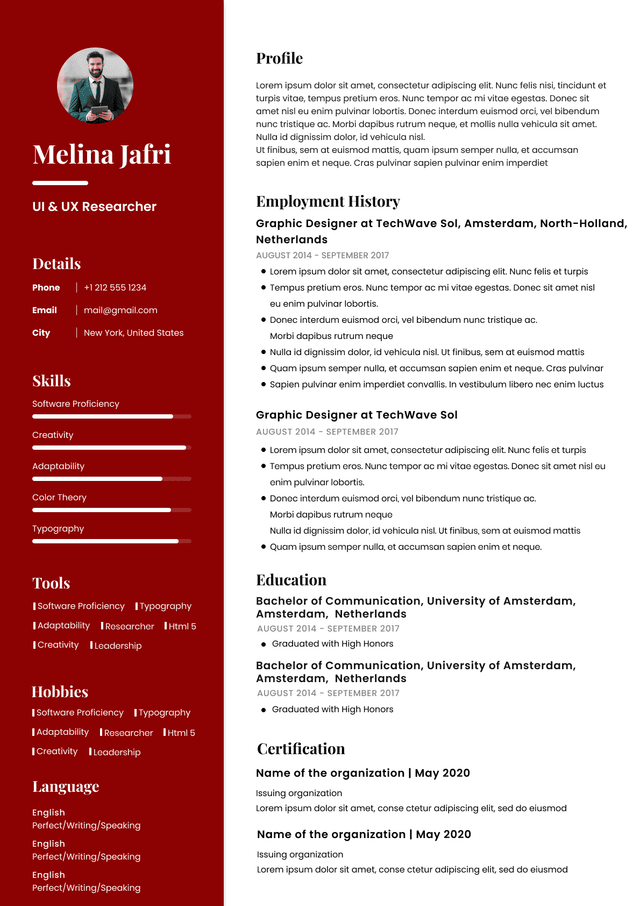
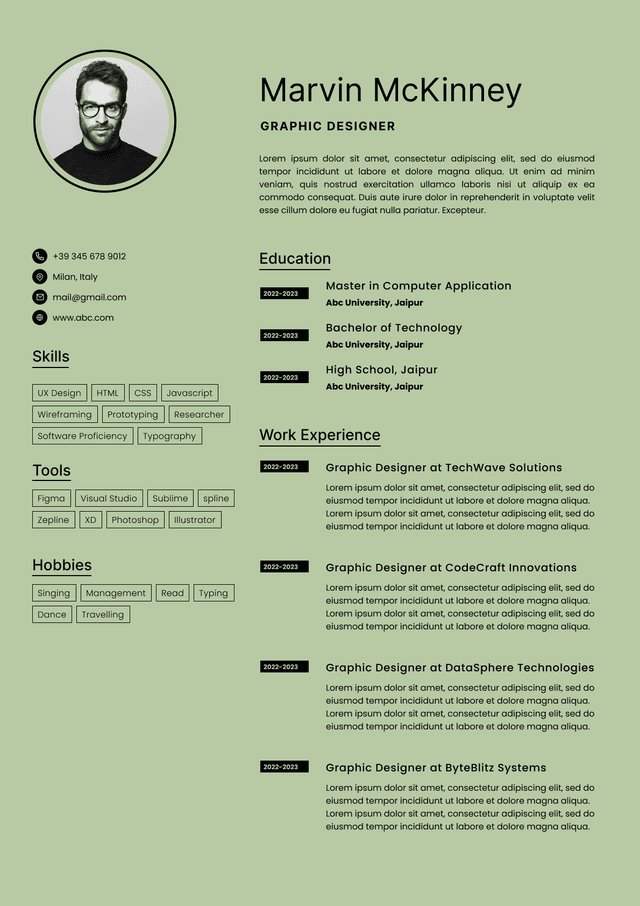
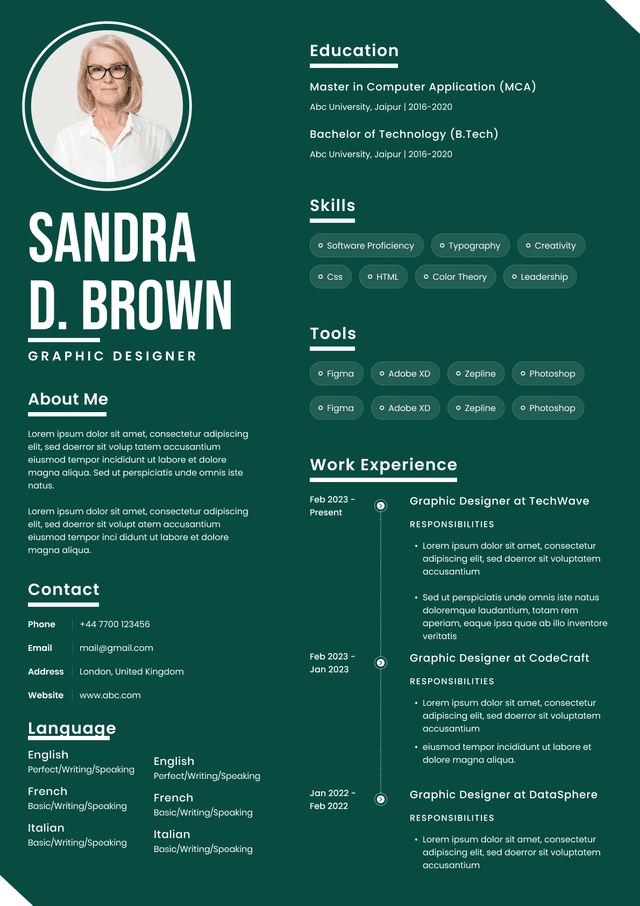
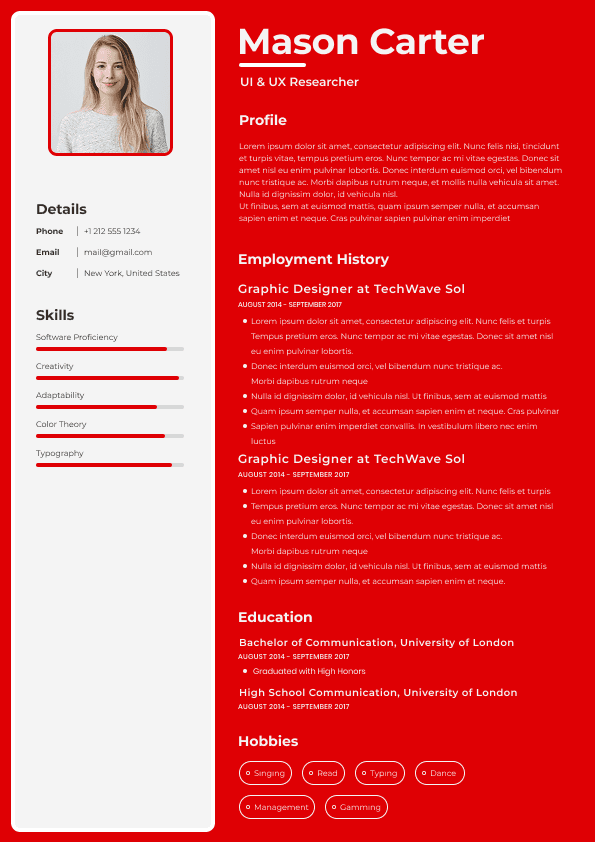
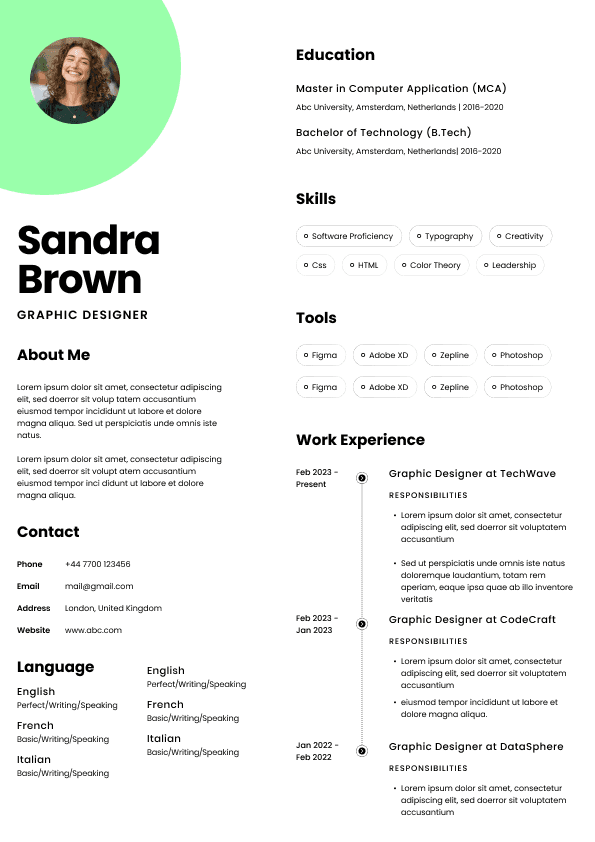
Choose from a wide range of NEWCV resume templates and customize your NEWCV design with a single click.
FAQ
iOS app monetization is no longer just about adding in-app purchases. The highest-performing mobile apps today are engineered around subscription lifecycle management, conversion optimization, retention strategy, analytics, and App Store policy compliance from day one.
For most modern iOS apps, especially SaaS, fitness, creator, education, productivity, finance, and media products, recurring subscription revenue drives long-term profitability. That means developers are expected to understand far more than StoreKit implementation alone.
Strong iOS monetization architecture now includes:
StoreKit 2 implementation
Subscription lifecycle management
Receipt validation
RevenueCat or monetization SDK integration
Paywall optimization
Apple Pay workflows
Many developers underestimate how complex subscription ecosystems have become on iOS.
Today’s monetization systems involve multiple moving parts across Apple infrastructure, analytics platforms, backend services, and growth experimentation tools.
A production-grade monetization stack commonly includes:
StoreKit 2
App Store Connect product configuration
RevenueCat or custom subscription backend
App Store Server API
App Store Server Notifications
Apple Pay integration
StoreKit 2 fundamentally changed subscription development on iOS.
Older StoreKit implementations required more manual transaction handling and receipt parsing. StoreKit 2 introduced modern Swift APIs, async/await support, cryptographically signed transactions, and significantly cleaner subscription management.
Companies increasingly expect StoreKit 2 experience because it improves:
Maintainability
Subscription state accuracy
Security
Developer productivity
Transaction reliability
Developers working on modern monetized apps should understand:
Choosing the wrong monetization model can permanently limit app growth.
The most successful iOS apps align pricing architecture with user behavior and engagement frequency.
Freemium remains the dominant iOS monetization model because it reduces acquisition friction while creating upgrade opportunities.
Best for:
Productivity apps
Fitness apps
Creator tools
SaaS platforms
Education apps
Freemium works best when the free experience delivers genuine value while making premium upgrades feel necessary rather than forced.
One of the biggest architecture decisions for iOS monetization is whether to use RevenueCat or build a custom backend.
RevenueCat simplifies:
Receipt validation
Cross-platform subscriptions
Entitlement management
Webhook handling
Subscription analytics
Restore purchases
Refund detection
Paywalls are product experiences, not just payment screens.
Top-performing subscription apps invest heavily in paywall optimization because even small conversion improvements create substantial revenue gains.
Strong paywalls usually include:
Clear value positioning
Minimal decision friction
Strong feature differentiation
Trial messaging clarity
Social proof
Clean visual hierarchy
Apple Pay improves checkout completion rates because it removes friction from payment workflows.
It is especially valuable for:
Marketplace apps
Ecommerce apps
Food delivery platforms
Booking systems
Financial products
Creator economy apps
Apple Pay reduces:
Manual form entry
Junior developers often focus only on purchase completion.
Senior monetization engineers understand the entire subscriber lifecycle.
Production subscription systems must correctly manage:
Active subscriptions
Billing retry periods
Grace periods
Expired subscriptions
Refunds
Upgrades and downgrades
Revenue-focused iOS engineers understand analytics beyond crash reporting.
Modern monetized apps rely heavily on behavioral and revenue analytics.
Top mobile teams monitor:
Trial conversion rate
Subscriber retention
Monthly recurring revenue
Annual recurring revenue
Average revenue per user
Churn rate
Many developers underestimate how aggressively Apple enforces payment policies.
Common rejection triggers include:
Using external payment links improperly
Misclassifying digital purchases
Misleading subscription language
Hidden pricing
Poor cancellation transparency
Broken restore purchase flows
Subscription bait-and-switch tactics
Different app categories require different monetization approaches.
Usually optimize around:
Habit retention
Coaching subscriptions
Annual plans
Challenge systems
Typically succeed with:
Tiered subscriptions
Free trial funnels
Companies hiring monetization engineers increasingly evaluate candidates beyond technical implementation.
Strong candidates demonstrate:
StoreKit 2 expertise
Subscription debugging experience
Product thinking
Analytics familiarity
App Store compliance knowledge
Revenue optimization awareness
Backend coordination skills
The highest-performing monetized apps usually follow several consistent principles.
Aggressive monetization can temporarily increase revenue but damage retention long-term.
High-retention apps prioritize:
Transparent pricing
Clear value delivery
Reliable subscription access
Smooth cancellation flows
Consistent customer experience
Many teams obsess over downloads while ignoring subscriber churn.
Retention improvements often create stronger revenue growth than acquisition campaigns.


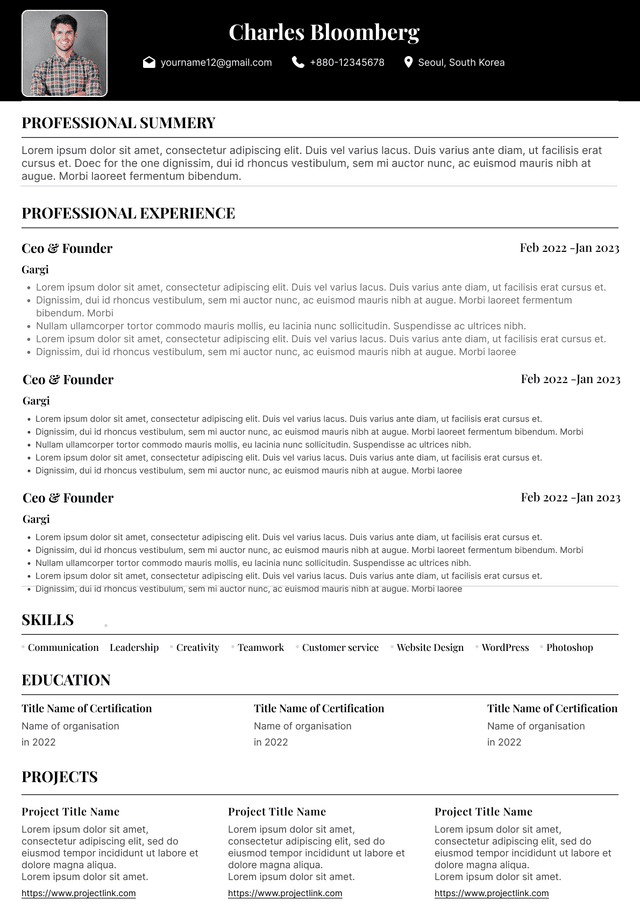
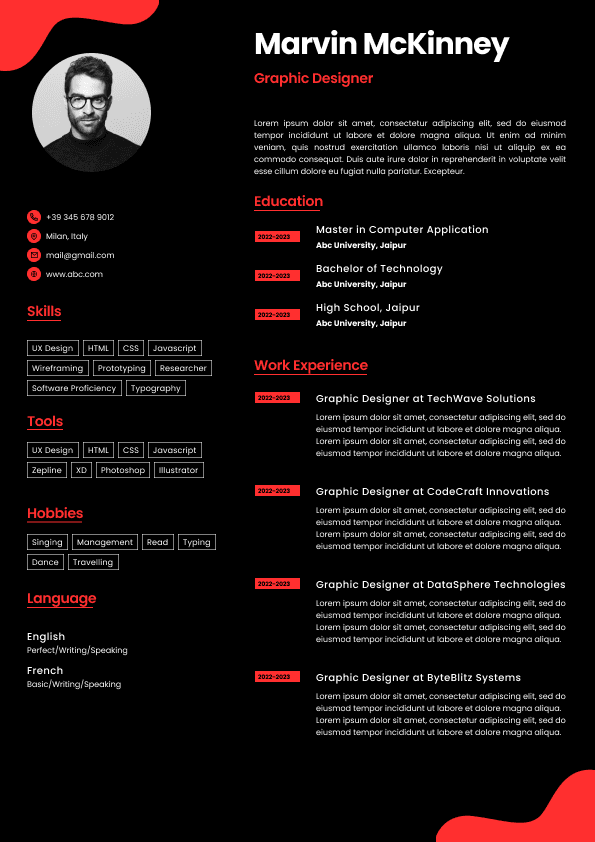
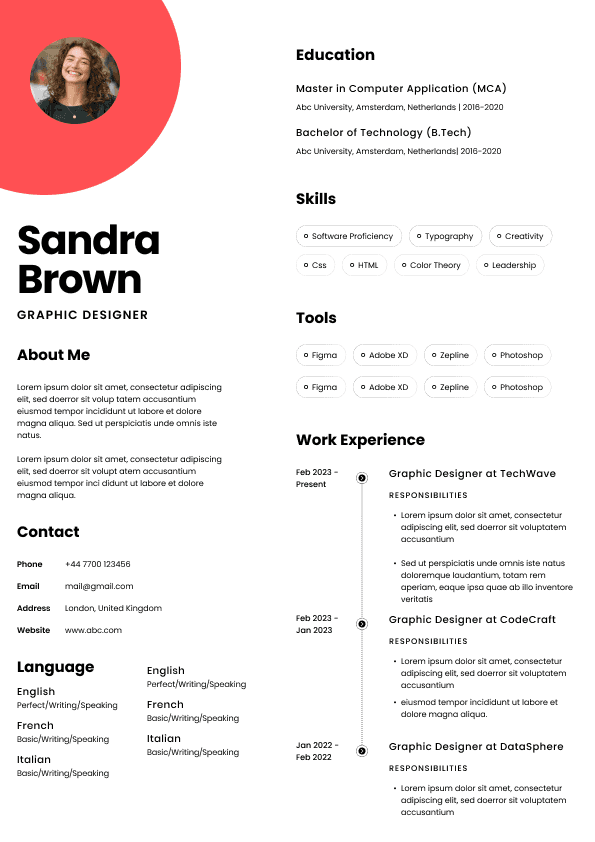
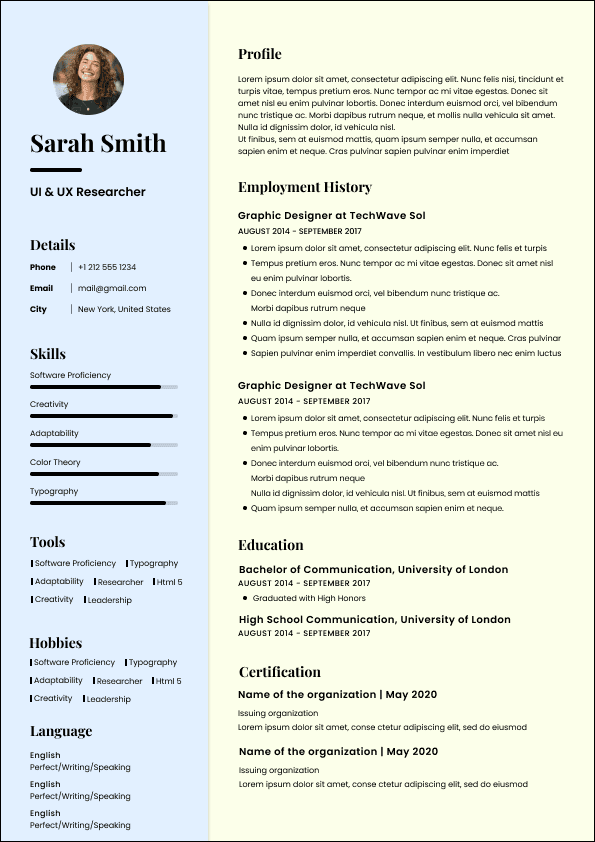
Use ATS-optimised Resume and resume templates that pass applicant tracking systems. Our Resume builder helps recruiters read, scan, and shortlist your Resume faster.

Use professional field-tested resume templates that follow the exact Resume rules employers look for.
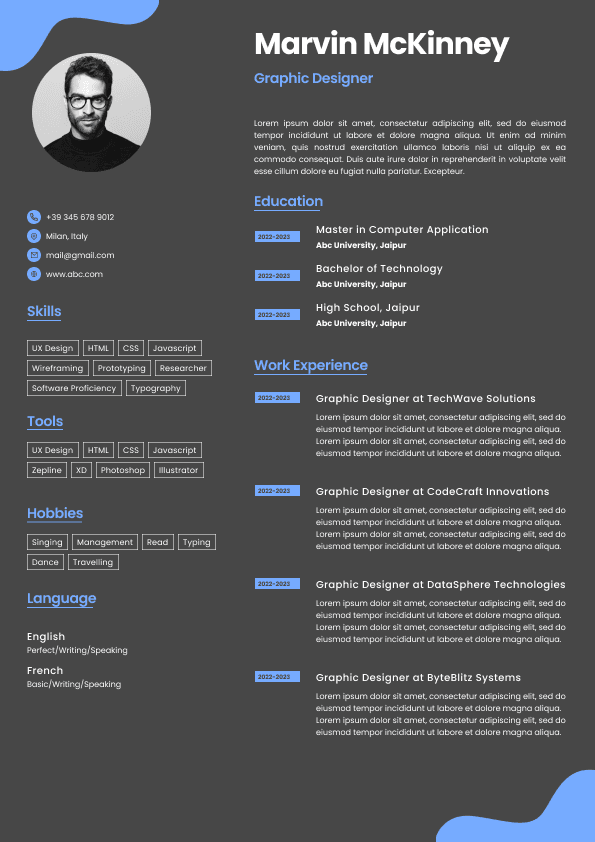
Create Resume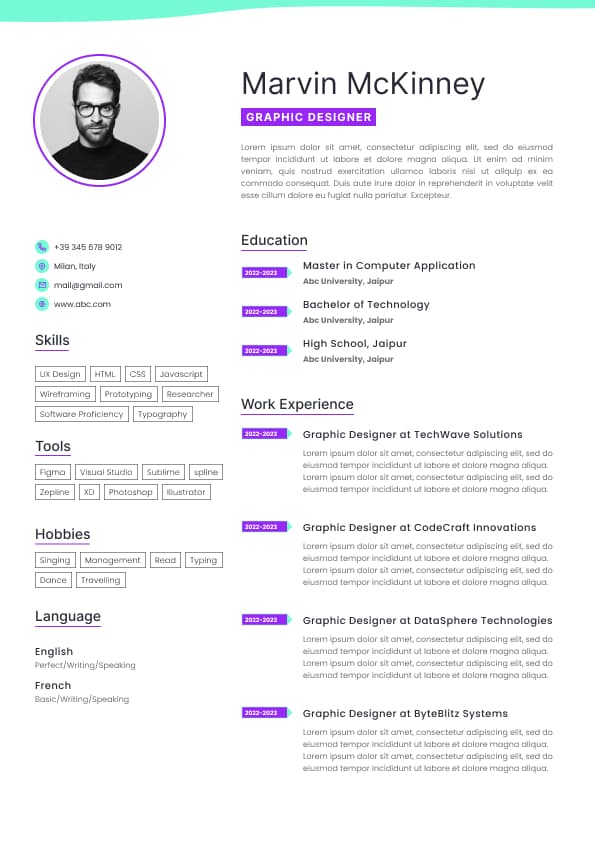
Use professional field-tested resume templates that follow the exact Resume rules employers look for.
Create ResumeFree trial logic
Server-side subscription handling
Refund and grace period recovery
Mobile revenue analytics
From a hiring perspective, companies increasingly prioritize iOS developers who understand business outcomes, not just Swift code. Engineers who can improve subscription conversion rates, reduce churn, and support product-led growth are significantly more valuable than developers who only ship features.
Firebase Analytics or Mixpanel
Paywall experimentation tools like Superwall or Adapty
Subscription entitlement management
Transaction restoration handling
Trial eligibility checks
Refund detection workflows
High-growth apps treat monetization as a product system, not a payment feature.
That distinction matters because the engineering decisions directly impact:
Trial conversion rate
Subscriber retention
Revenue per user
Paywall conversion
Refund rates
Customer lifetime value
App Store review approval
Product fetching
Transaction listeners
Verification workflows
Entitlement management
Auto-renewable subscriptions
Refund status handling
Subscription renewal states
Many monetization bugs are not obvious during development but create major revenue leakage in production.
Common failures include:
Incorrect subscription state handling
Broken restore purchase flows
Trial eligibility errors
Missing transaction listeners
UI race conditions during checkout
Poor offline behavior
Invalid entitlement caching
Incomplete refund handling
Incorrect grace period recovery
These issues directly impact App Store reviews, subscriber trust, and revenue retention.
Recruiters and hiring managers often look for developers who understand these edge cases because subscription systems fail in real-world production environments far more often than candidates realize.
This is the preferred model for recurring engagement products.
Strong candidates include:
Meditation apps
Streaming apps
AI tools
Business software
Learning platforms
Habit tracking apps
Subscription businesses prioritize predictable recurring revenue over one-time purchases because retention compounds revenue growth over time.
Typically used for:
Mobile games
Digital currencies
Credits
Temporary boosts
Consumables generally perform poorly in non-gaming productivity ecosystems unless integrated carefully.
Useful for:
Permanent unlocks
Premium features
One-time upgrades
However, many companies now prefer subscriptions because they improve long-term revenue predictability.
Grace period handling
For startups and fast-moving product teams, this dramatically reduces engineering complexity.
Larger companies may choose custom infrastructure when they need:
Advanced pricing control
Marketplace billing models
Proprietary analytics pipelines
Complex account systems
Enterprise billing workflows
Highly customized subscription logic
However, building subscription infrastructure internally is expensive and operationally risky.
Many companies now specifically search for:
RevenueCat experience
StoreKit 2 expertise
Subscription lifecycle management
Mobile growth engineering skills
This is especially true for venture-backed SaaS startups where mobile revenue performance directly affects valuation.
Subscription comparison clarity
Transparent cancellation language
Poor paywalls often fail because they:
Overwhelm users
Hide pricing details
Confuse subscription terms
Introduce too many options
Trigger App Store distrust
Use weak onboarding timing
Many developers focus too heavily on UI aesthetics while ignoring behavioral conversion design.
The best paywall is usually the one shown at the correct moment.
Strong conversion timing often occurs when users:
Reach feature limits
Experience product value
Complete onboarding milestones
Trigger premium-only workflows
Subscription timing strategy can outperform visual redesigns.
Checkout abandonment
Payment hesitation
Users trust Apple’s payment ecosystem, which significantly improves mobile purchase completion.
This is one of the most misunderstood areas in iOS monetization.
Apple requires in-app purchases for digital goods consumed within the app.
Apple Pay is generally used for:
Physical goods
Services outside the app
Real-world transactions
Developers who misunderstand these policies risk App Store rejection.
Hiring managers often test candidates on App Store payment compliance because policy violations can delay launches and create legal exposure.
Promotional offers
Introductory pricing
Family sharing
Restore purchases
Many apps lose revenue because subscription states become inconsistent between Apple, backend systems, and local app caches.
Grace periods are critical for retention.
Users may temporarily lose payment access due to:
Expired cards
Bank declines
Fraud protection systems
Apps that aggressively revoke access immediately often increase churn unnecessarily.
Sophisticated subscription systems use grace periods strategically to recover failed renewals.
Customer lifetime value
Paywall conversion rate
Checkout completion rate
Refund percentage
Popular platforms include:
Firebase Analytics
Amplitude
Mixpanel
RevenueCat analytics
AppsFlyer
Adjust
Developers who can discuss monetization metrics intelligently are increasingly viewed as product-minded engineers.
That matters because companies want engineers who contribute to revenue outcomes, not just code delivery.
Apple expects:
Clear pricing
Clear renewal terms
Easy cancellation understanding
Honest trial messaging
Apps that obscure subscription details often face review rejection or increased refund rates.
Course gating
Family plans
Focus heavily on:
Cross-platform subscriptions
Team billing
Enterprise upgrades
Multi-device synchronization
Often combine:
Memberships
Tips
Premium content
Community subscriptions
Developers who understand category-specific monetization behavior are far more valuable in product-focused environments.
Customer lifecycle understanding
Senior candidates usually:
Understand churn mechanics
Think about conversion optimization
Anticipate edge cases
Handle production incidents confidently
Understand subscription analytics
Collaborate effectively with product and growth teams
Candidates often struggle because they:
Only discuss frontend implementation
Ignore backend validation
Lack App Store policy knowledge
Cannot explain subscription states
Have never handled real production monetization issues
This is why practical monetization experience is increasingly valuable in competitive iOS hiring markets.
Successful subscription apps continuously optimize:
Paywalls
Pricing experiments
Trial lengths
Messaging
Upgrade timing
Win-back campaigns
Revenue optimization is never finished.










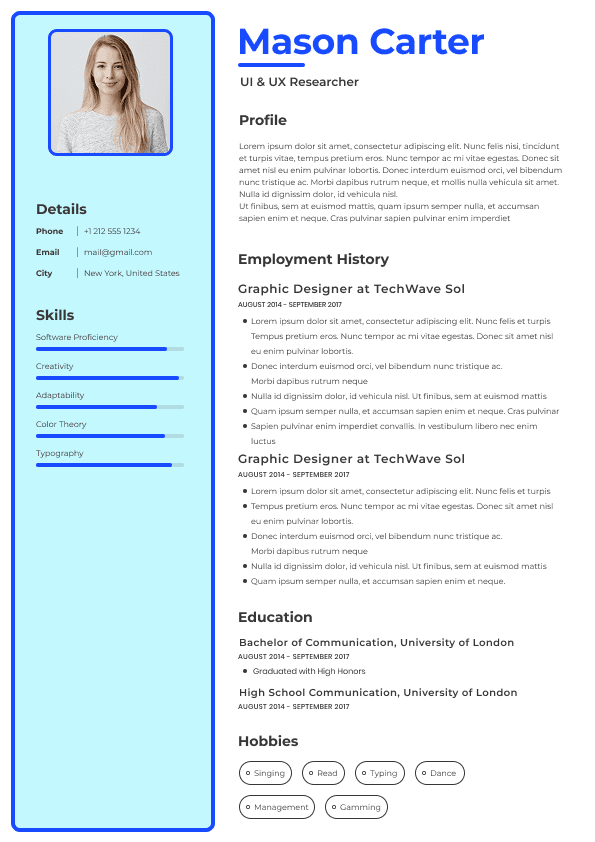

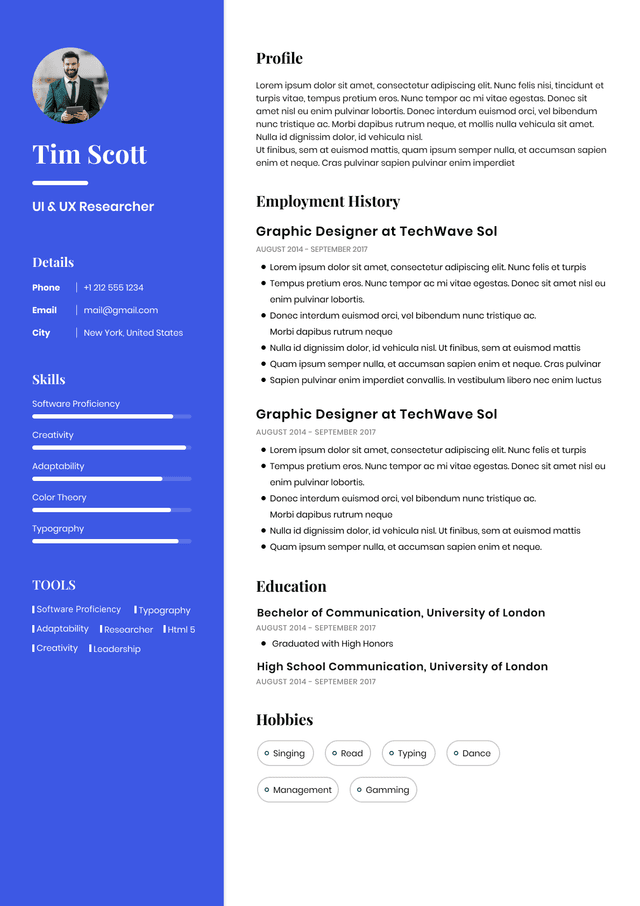
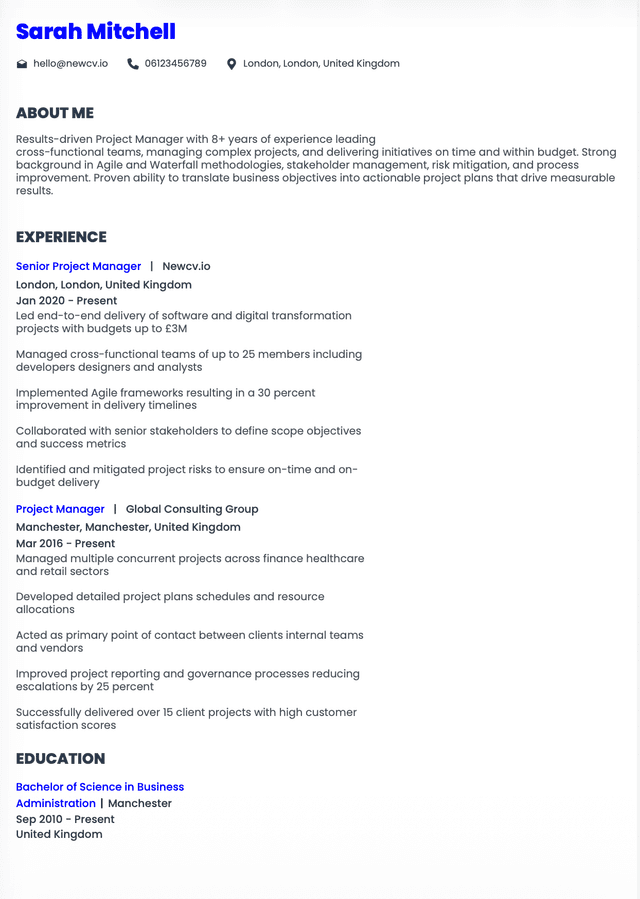
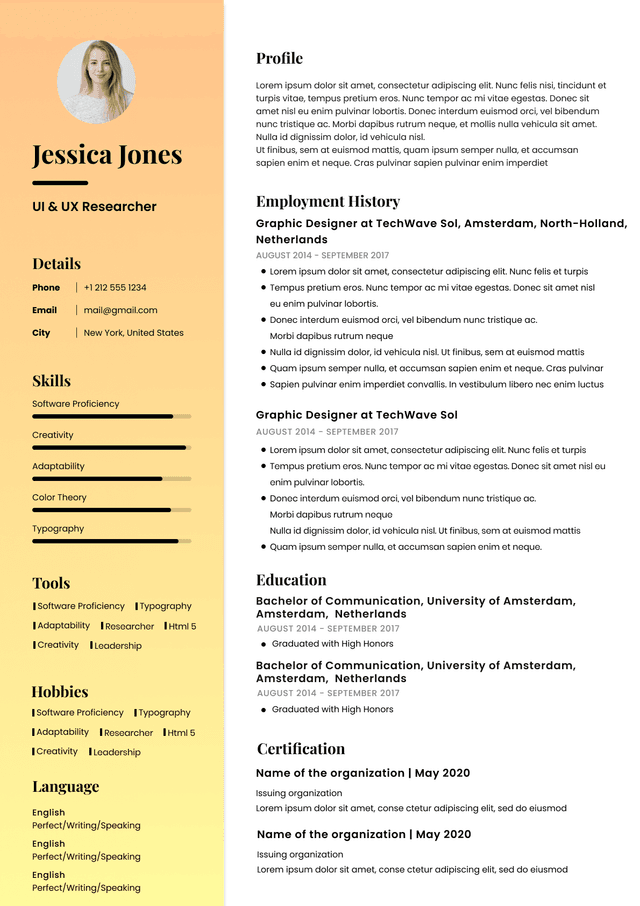








 Upload Resume
 Import from Linkedin