STILL APPLYING. STILL HEARING NOTHING?BUILD YOUR RESUME

STILL APPLYING. STILL HEARING NOTHING?BUILD YOUR RESUME
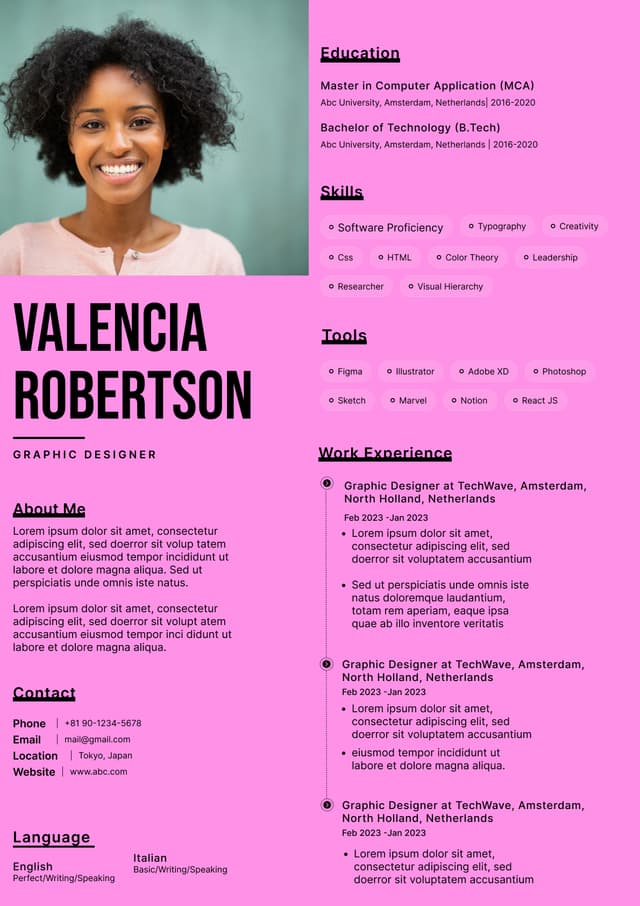
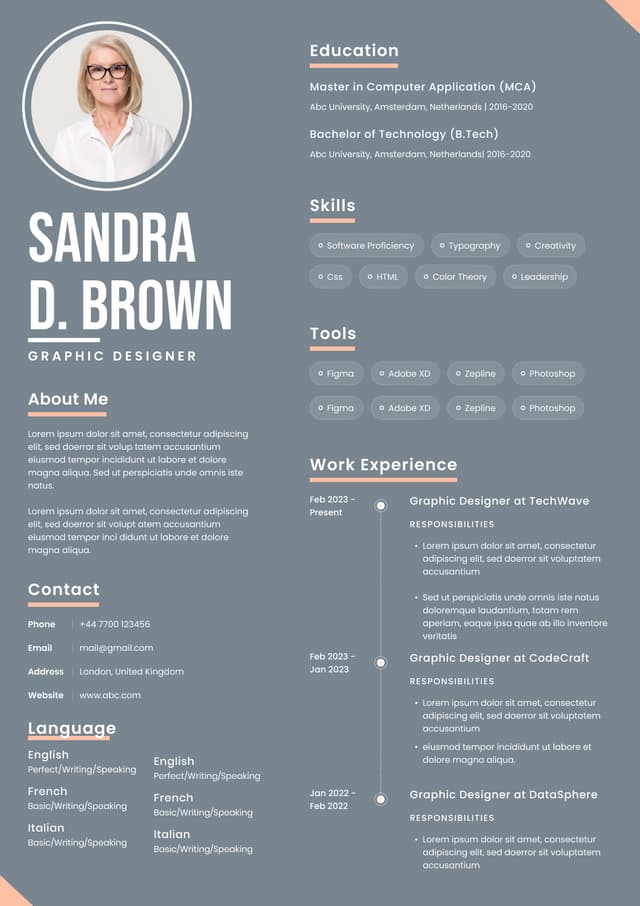
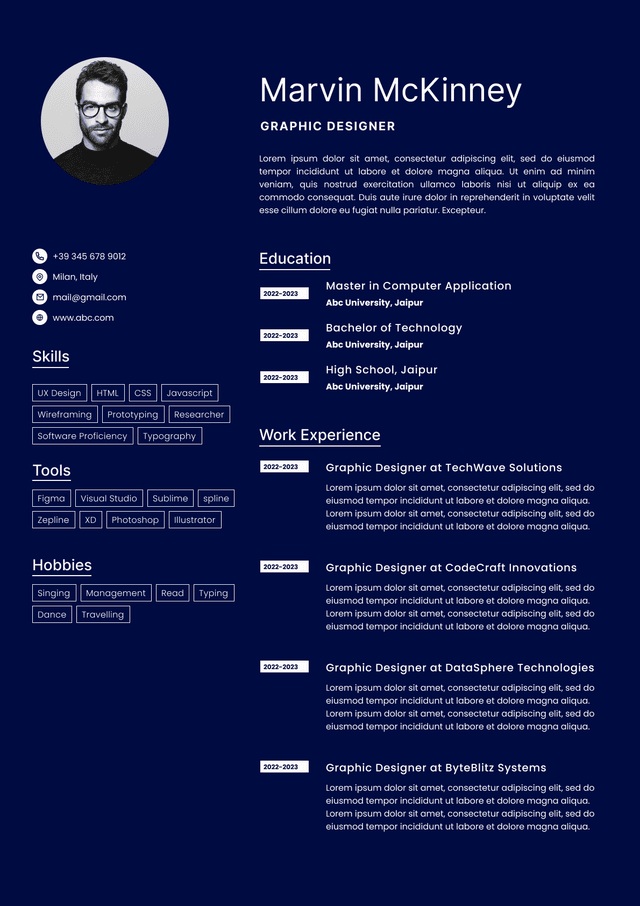
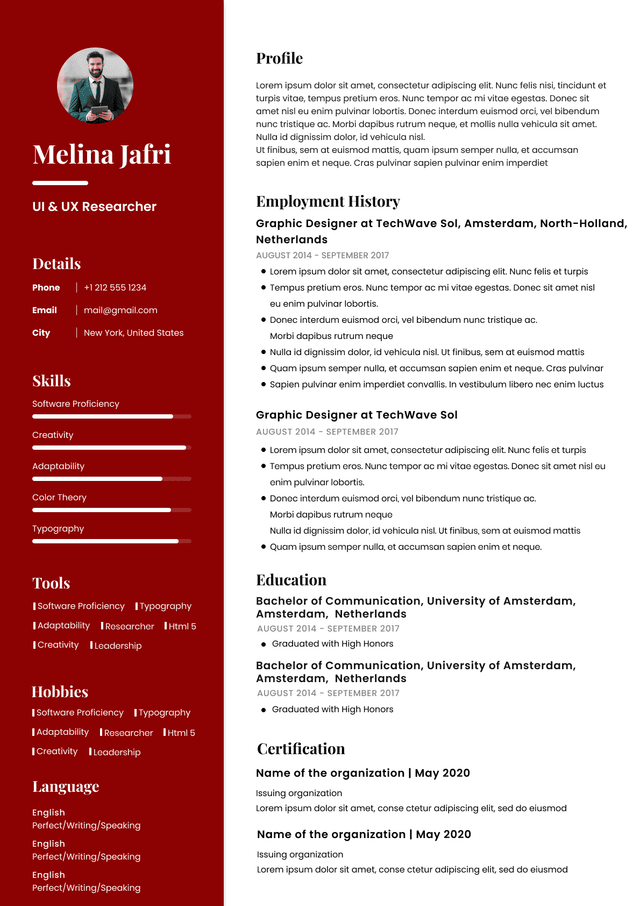
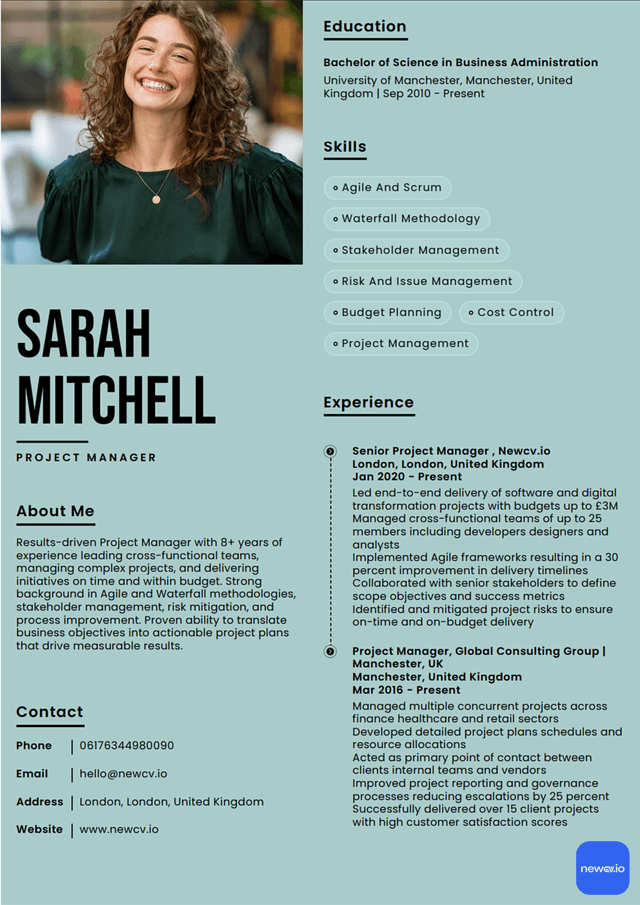
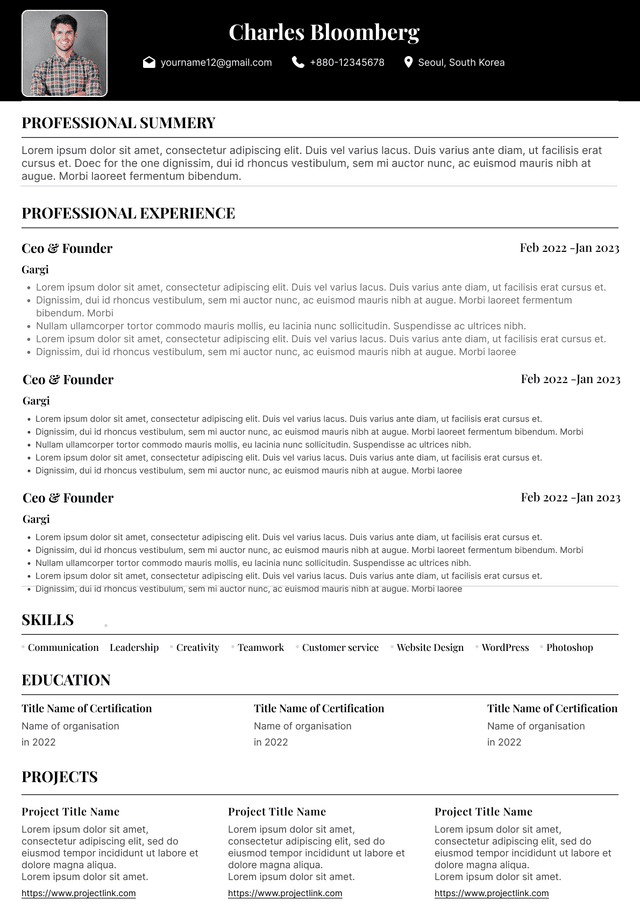
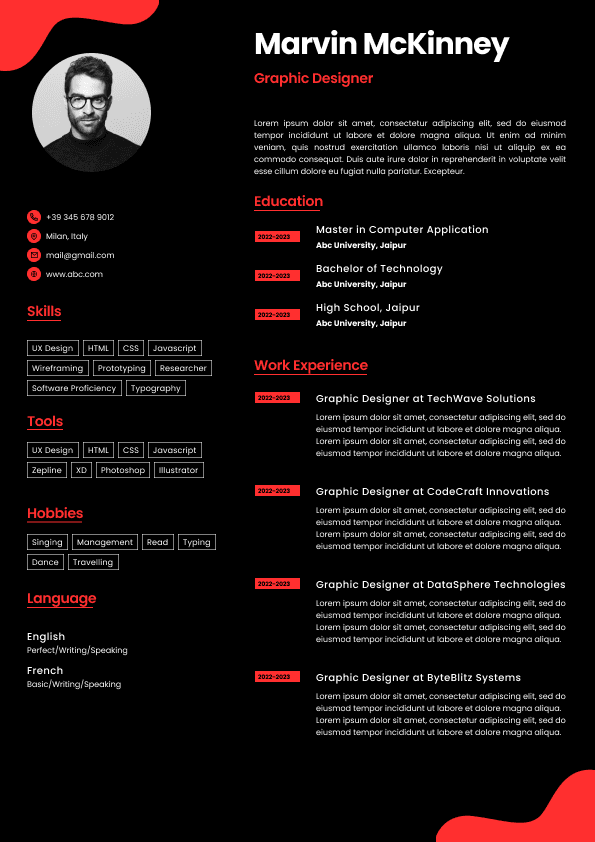
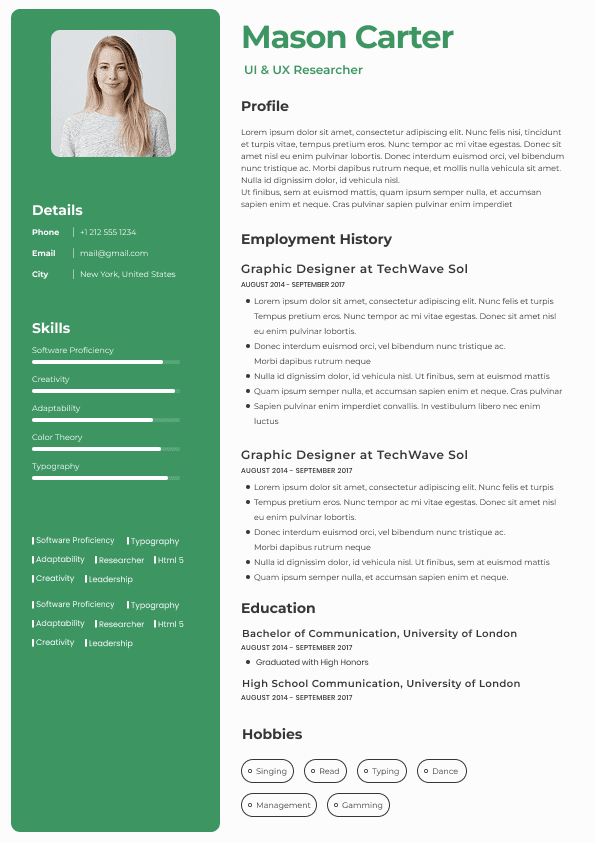
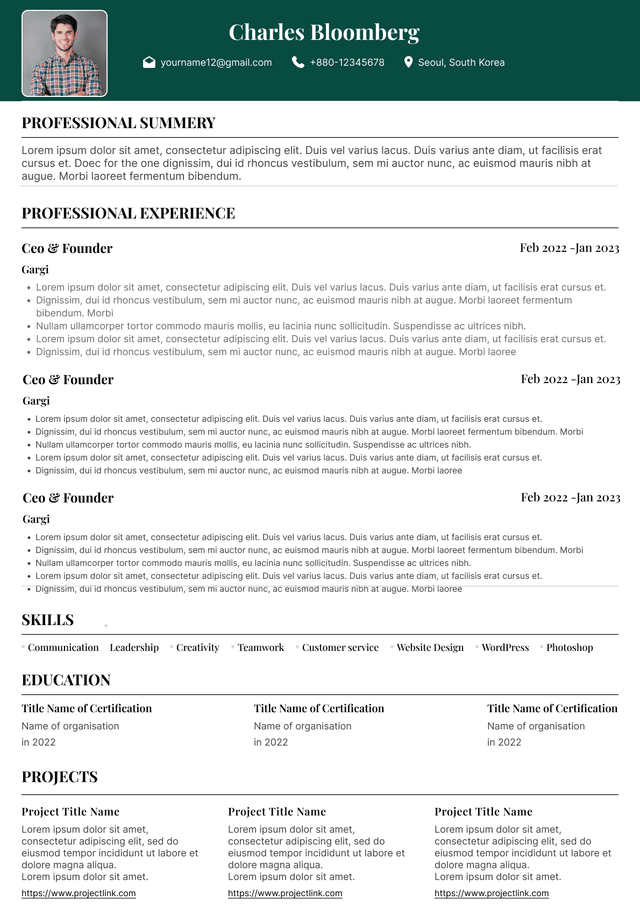
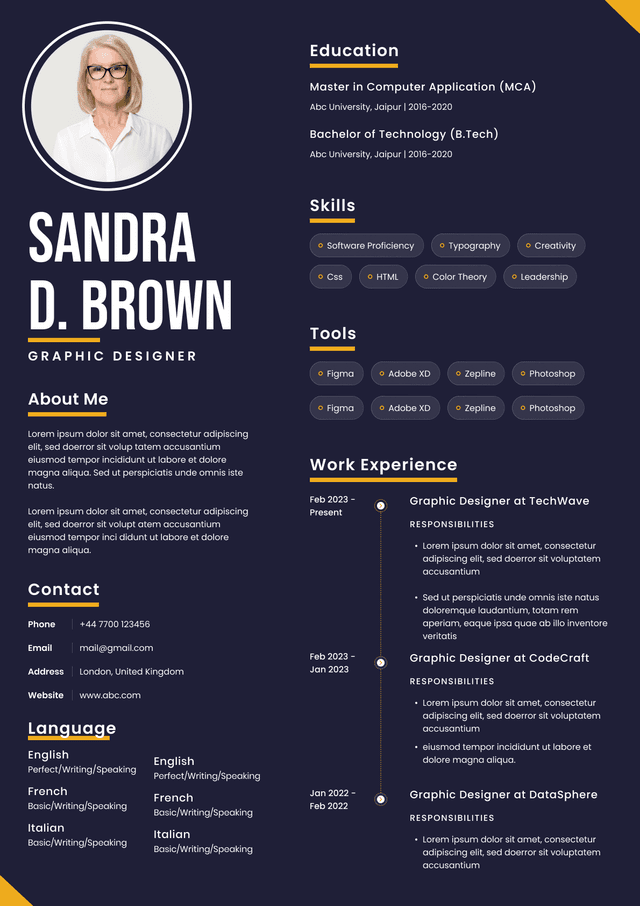
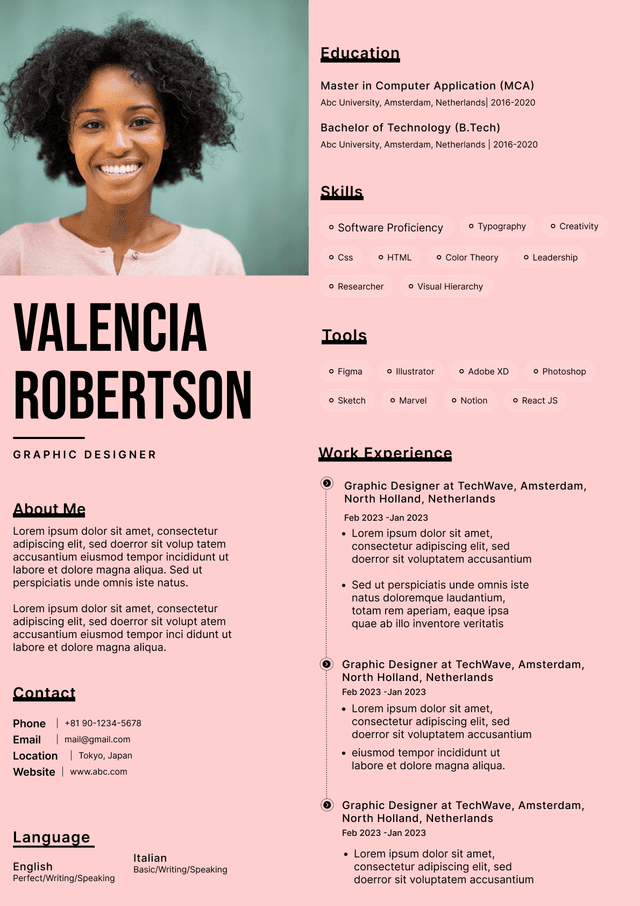
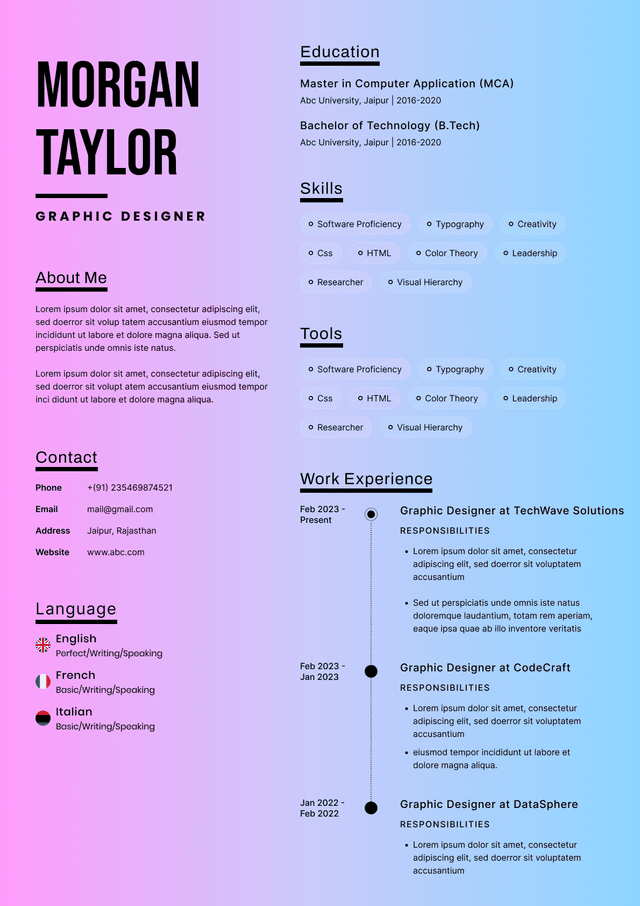
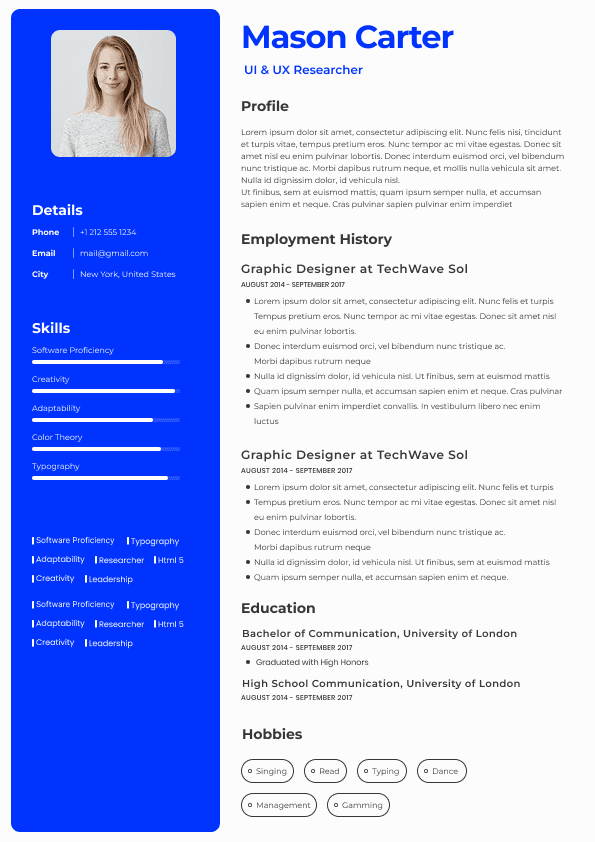
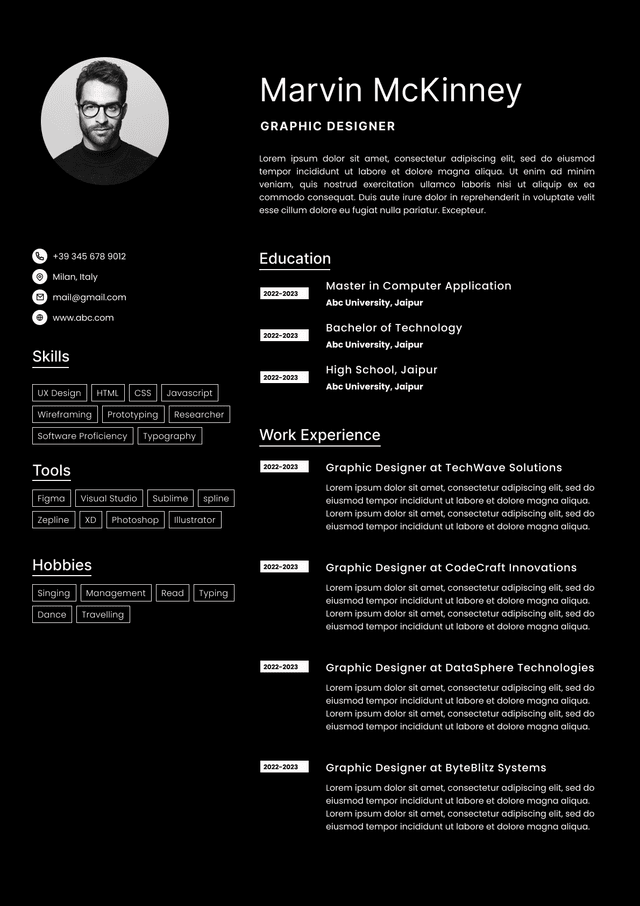
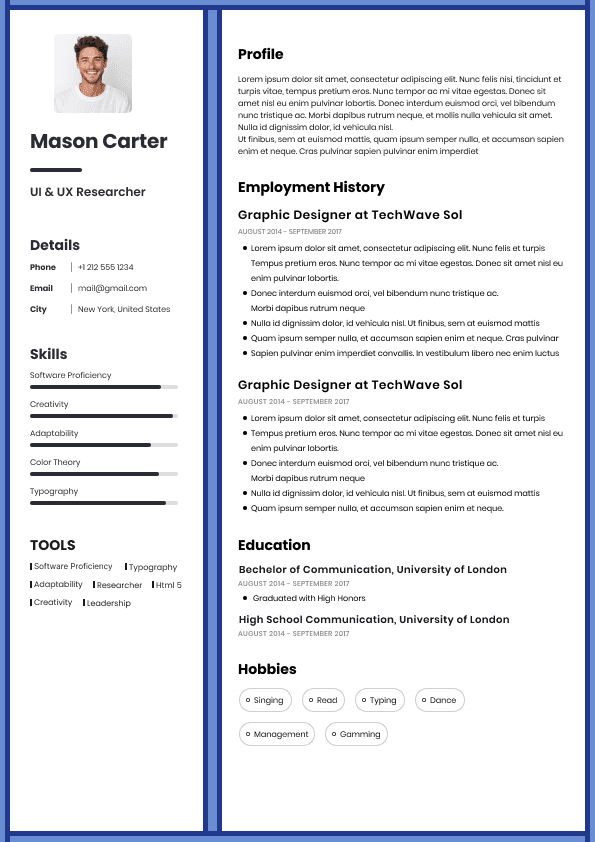
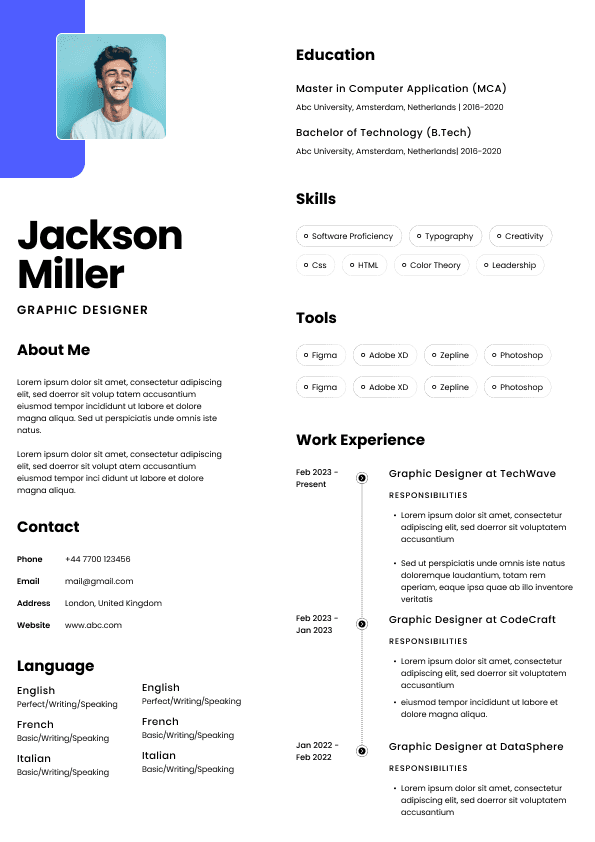
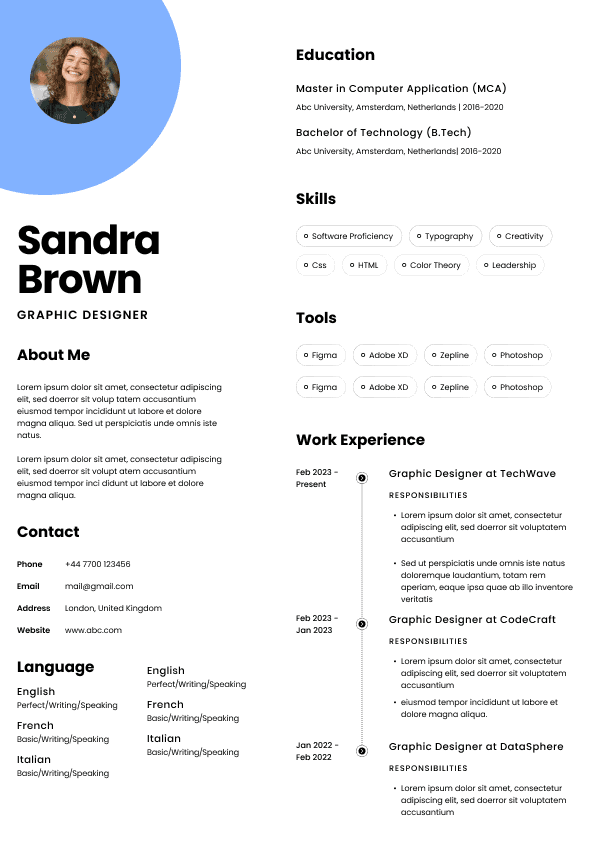
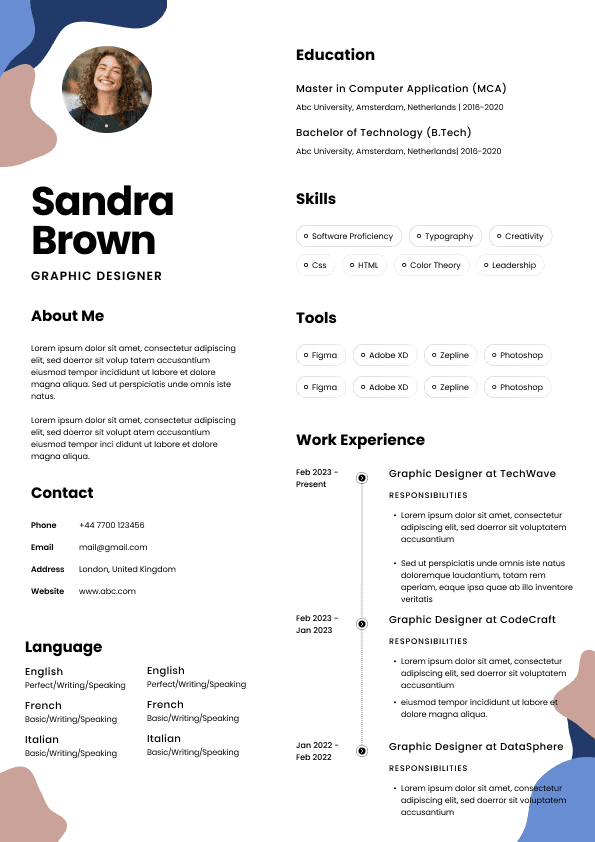
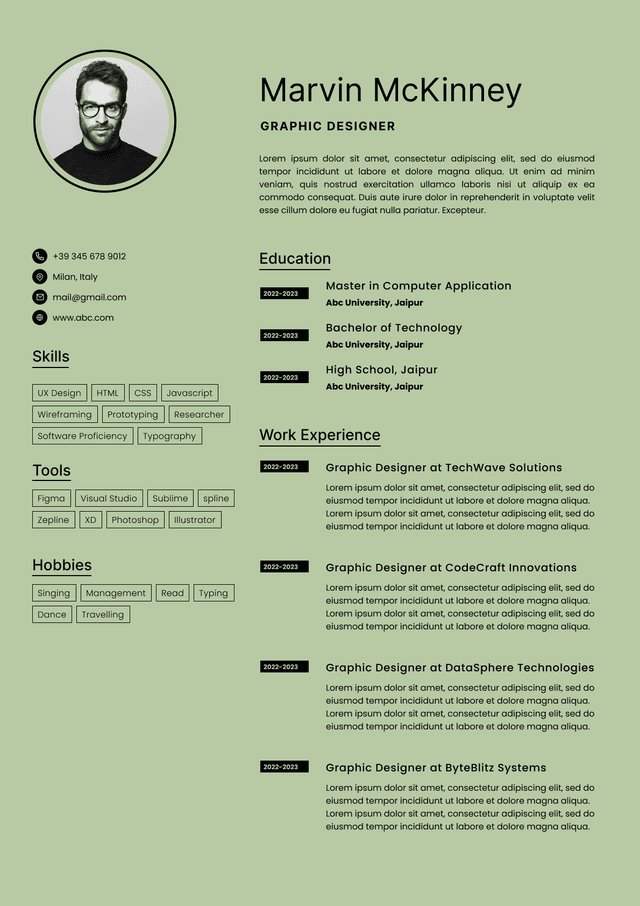
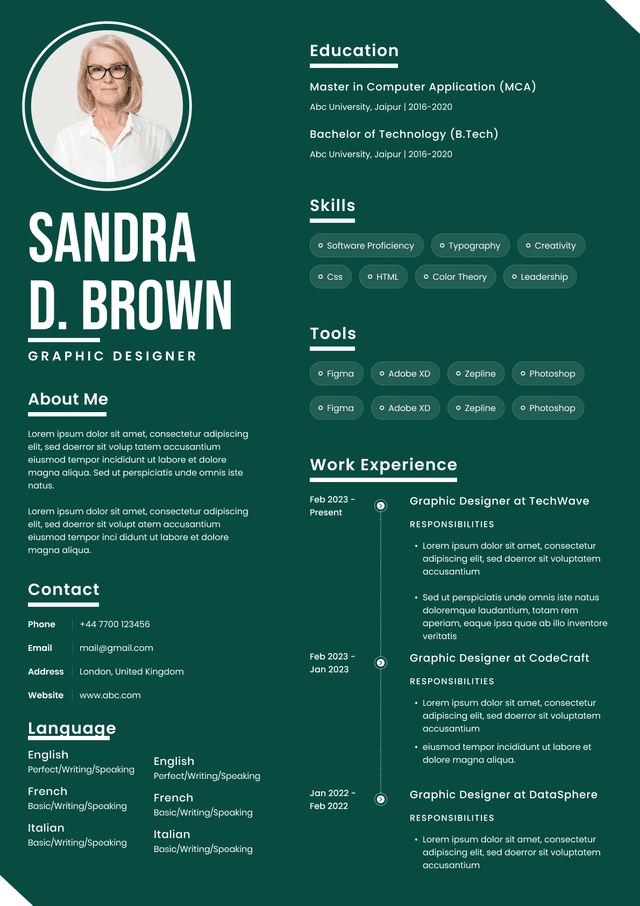
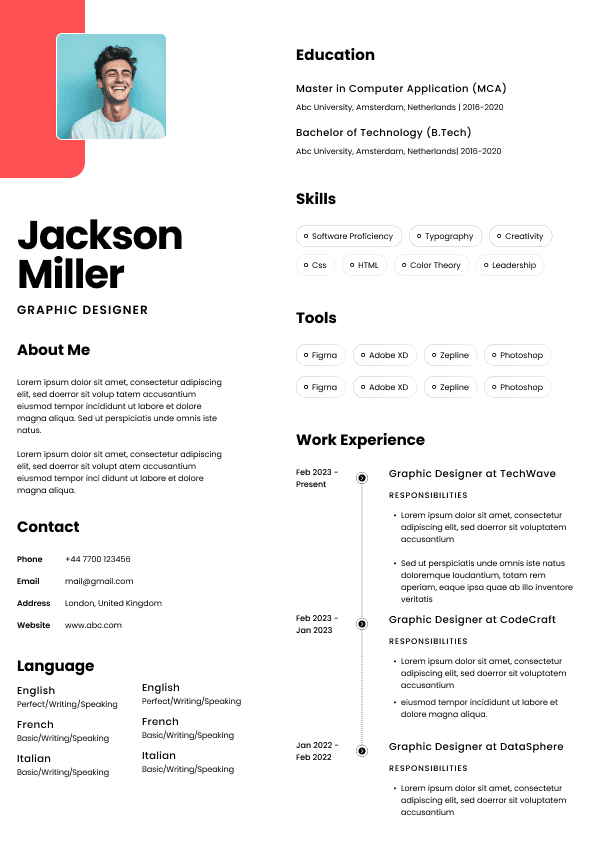
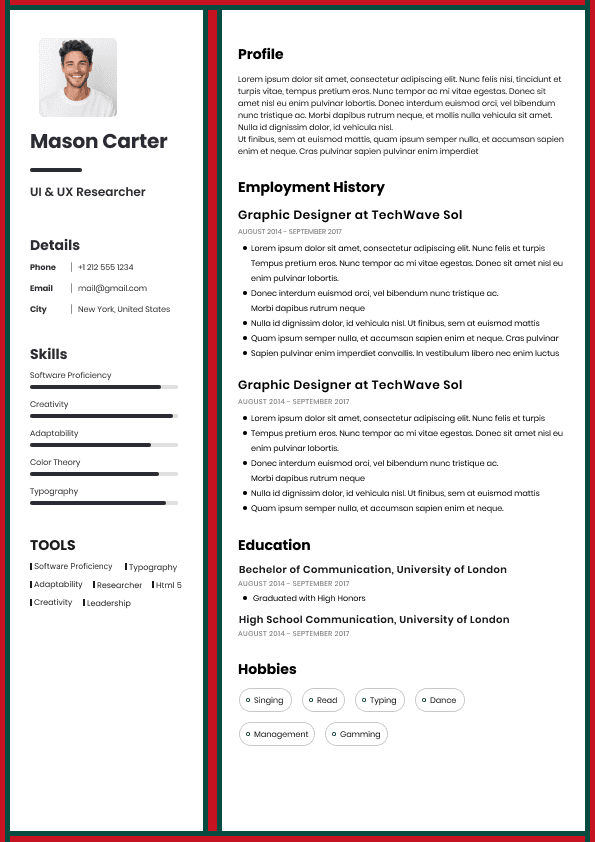
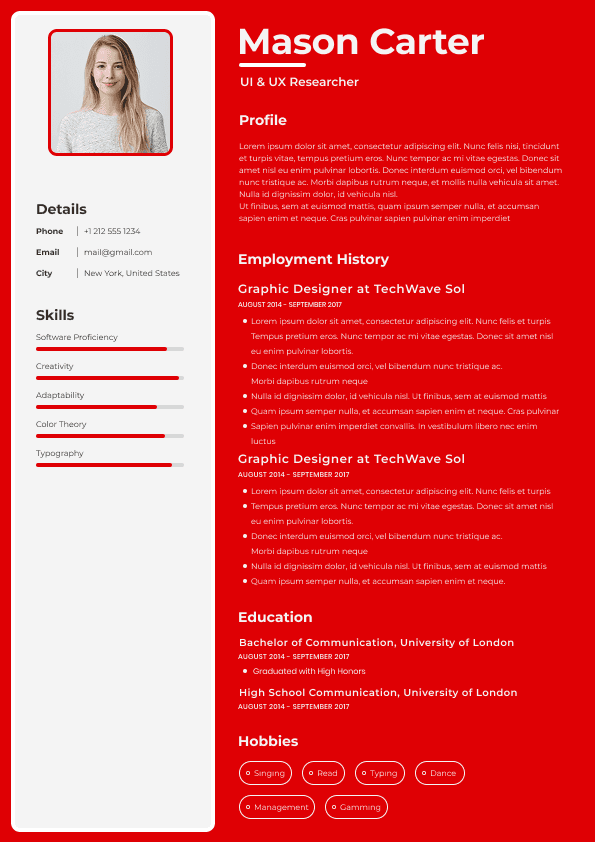
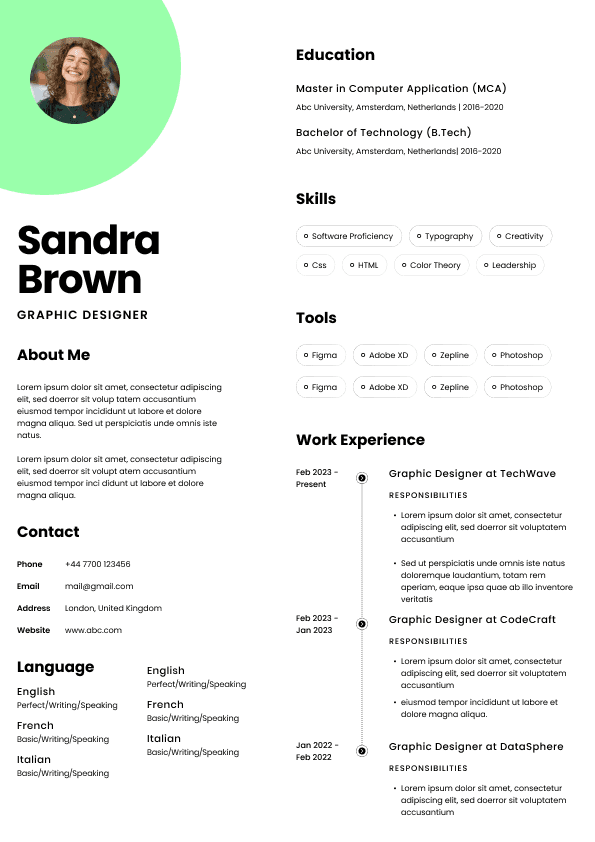
Choose from a wide range of NEWCV resume templates and customize your NEWCV design with a single click.
FAQ


Modernizing a legacy iOS application is no longer optional for enterprise engineering teams. Companies running large Objective-C codebases face rising maintenance costs, slower release cycles, deprecated APIs, onboarding challenges, and growing technical debt. The real goal is not simply rewriting old code in Swift. It is reducing long-term engineering risk while improving scalability, developer productivity, app stability, and delivery velocity.
Senior iOS engineers who can safely modernize legacy systems are increasingly valuable because most real-world enterprise apps are not greenfield SwiftUI projects. They are large UIKit applications with years of accumulated architectural decisions, inconsistent patterns, fragile dependencies, and outdated workflows.
The strongest modernization strategies focus on incremental migration, measurable business impact, test coverage, modular architecture, and low-risk refactoring rather than massive rewrites.
Legacy modernization is the process of upgrading an older iOS codebase to modern engineering standards without disrupting business continuity.
This typically includes:
Objective-C to Swift migration
UIKit to SwiftUI migration
MVC to MVVM or modular architecture migration
Replacing deprecated APIs
Reducing technical debt
Improving test coverage
Migrating to async/await
Replacing monolithic code structures
Modernizing dependency management
Improving CI/CD workflows
Refactoring networking and persistence layers
Most enterprise modernization projects fail when teams attempt large-scale rewrites instead of controlled incremental evolution.
Hiring managers increasingly prioritize engineers who can modernize safely while maintaining feature delivery speed.
Many developers underestimate how common legacy iOS applications remain in large organizations.
Enterprise apps often contain:
5 to 10+ years of business logic
Revenue-critical workflows
Deep backend integrations
Compliance-sensitive functionality
Large shared UIKit component libraries
Multiple architecture generations layered together
Hundreds of interconnected screens
Rewriting these systems from scratch is expensive, risky, and often unrealistic.
From a recruiter perspective, candidates who demonstrate experience managing technical debt in production systems immediately stand out from developers who have only worked on newer apps.
Hiring managers know modern engineering maturity is proven in difficult legacy environments, not simple demo projects.
The most effective Objective-C to Swift migrations are incremental, measurable, and low risk.
Senior iOS developers know that complete rewrites create:
Regression risk
Feature freezes
Release instability
Knowledge gaps
Delayed delivery timelines
Cross-team coordination failures
Instead, experienced modernization engineers migrate strategically.
A safer migration framework usually includes:
Introducing Swift into the existing Objective-C codebase
Migrating isolated modules first
Using bridging headers carefully
Prioritizing actively maintained features
Adding tests before refactoring
Reducing shared mutable state
Removing dead code before migration
Migrating networking and utility layers early
Avoiding simultaneous architecture rewrites
Weak Example
“We rewrote the entire app in Swift.”
This often signals uncontrolled scope, high regression exposure, and poor risk management.
Good Example
“Led phased Objective-C to Swift migration across 120+ modules while maintaining weekly release cadence and reducing crash rates by 28%.”
This demonstrates:
Risk-managed execution
Enterprise scalability
Operational maturity
Measurable outcomes
Production stability awareness
Recruiters and hiring managers notice this difference immediately.
Many teams incorrectly assume SwiftUI should replace UIKit immediately.
That is rarely how enterprise modernization works.
Large organizations typically cannot afford:
Complete UI rewrites
Multi-quarter freezes
Massive regression testing cycles
Accessibility instability
Design inconsistency risks
The strongest modernization engineers use hybrid migration strategies.
Most successful migrations follow this approach:
Introduce SwiftUI in isolated new screens
Use UIHostingController incrementally
Keep critical UIKit flows stable initially
Rebuild reusable UI components gradually
Prioritize high-maintenance screens first
Migrate feature-by-feature instead of app-wide
SwiftUI modernization provides the highest value in:
Settings screens
Internal enterprise tools
Reusable design system components
Rapidly evolving UI flows
Dynamic content rendering
Feature experimentation environments
Poor modernization strategies often include:
Rebuilding stable UIKit flows unnecessarily
Ignoring accessibility regression risk
Migrating without snapshot testing
Mixing inconsistent state management patterns
Overusing ObservableObject globally
Replacing architecture before stabilizing UI
Senior iOS engineers avoid introducing new technical debt during modernization.
Technical debt reduction is not cosmetic cleanup.
It directly impacts:
Engineering velocity
Release quality
Team onboarding speed
Regression frequency
Build performance
Feature scalability
Strong engineering organizations treat technical debt reduction as a business investment.
Common enterprise warning signs include:
Massive view controllers
Duplicate networking layers
Inconsistent architecture patterns
Circular dependencies
Unmaintained CocoaPods dependencies
Deprecated Apple APIs
Build times exceeding acceptable thresholds
Low automated test coverage
Excessive shared state
Hardcoded feature logic
Poor module boundaries
The best modernization engineers prioritize debt based on business impact.
Top priorities usually include:
Crash-prone modules
Build-time bottlenecks
Release instability sources
Critical onboarding friction
Dependency sprawl
Deprecated API exposure
Performance-sensitive flows
Not all technical debt deserves immediate removal.
Senior engineers know how to separate harmful debt from low-priority legacy code.
One of the biggest modernization goals in enterprise iOS systems is reducing coupling.
Massive MVC codebases create:
Fragile feature development
Difficult testing
Slow onboarding
Poor ownership boundaries
Regression-heavy releases
Successful architecture migration typically includes:
Feature-based modularization
Dependency injection
Protocol abstraction
Shared interface contracts
Reduced singleton usage
Decoupled networking layers
Dedicated domain logic separation
Large iOS applications often move toward:
Feature modules
Core shared frameworks
Dedicated networking modules
Separate design systems
Independent testing layers
Reusable business logic components
Proper modularization improves:
Build speed
Team scalability
Parallel development
Ownership clarity
Dependency isolation
Release reliability
Recruiters hiring senior iOS engineers increasingly look for modularization experience because enterprise apps rarely scale well without it.
Legacy networking systems often rely on:
Nested completion handlers
Callback-heavy APIs
Inconsistent threading logic
Manual state synchronization
Modern Swift concurrency significantly improves maintainability.
Modern concurrency patterns help teams:
Reduce callback complexity
Improve readability
Simplify error handling
Reduce race conditions
Improve debugging clarity
Standardize asynchronous workflows
Experienced iOS modernization engineers usually:
Wrap legacy APIs first
Introduce async adapters gradually
Avoid rewriting all networking simultaneously
Migrate high-frequency flows first
Preserve API compatibility during rollout
Recruiters often prioritize engineers who understand:
Structured concurrency
Thread safety
Incremental migration patterns
Backward compatibility
Performance implications
Modernization maturity matters more than simply using the newest APIs.
Dependency modernization is increasingly important in enterprise iOS development.
Common motivations include:
Faster builds
Improved dependency management
Better Xcode integration
Reduced maintenance overhead
Simplified CI environments
Improved package version visibility
Weak migrations commonly fail because teams ignore:
Binary compatibility
Private package handling
Legacy transitive dependencies
CI caching differences
Version conflict resolution
The safest approach usually involves:
Migrating low-risk dependencies first
Maintaining hybrid support temporarily
Testing CI stability continuously
Removing abandoned libraries entirely
Reducing dependency count before migration
Senior engineers focus on long-term maintainability, not trend adoption.
One of the biggest modernization failures happens when teams refactor untested systems.
Without testing, modernization creates:
Hidden regressions
Unstable releases
Reduced deployment confidence
Slower feature velocity
Difficult debugging
Strong modernization teams prioritize:
Critical business flows
Networking logic
Authentication systems
Revenue-impacting features
Shared utility layers
Serialization and persistence logic
Enterprise iOS teams typically benefit most from:
Unit testing
Snapshot testing
Integration testing
UI automation for critical flows
Weak teams often:
Over-test trivial UI code
Ignore integration failures
Skip regression-prone flows
Write brittle implementation-specific tests
Modernization without testing is often just controlled instability.
Legacy release processes slow engineering organizations significantly.
Older environments often depend on:
Manual signing workflows
Local machine deployments
Inconsistent release procedures
Manual QA coordination
Human-dependent distribution steps
Modern enterprise teams increasingly adopt:
Fastlane automation
Xcode Cloud
GitHub Actions
Automated test pipelines
Automated code signing
Release branch validation
Feature flag deployment strategies
Release automation improves:
Deployment consistency
Engineering velocity
Rollback reliability
Build reproducibility
Team scalability
Developer onboarding
Recruiters hiring senior iOS engineers increasingly evaluate operational engineering maturity, not just feature development skills.
Strong modernization initiatives track measurable outcomes.
The best engineering leaders evaluate:
Reduced crash rates
Improved build times
Increased automated test coverage
Faster onboarding time
Reduced deprecated API usage
Faster feature delivery
Lower regression frequency
Improved release cadence
Reduced CI instability
Lower maintenance overhead
Candidates stand out more when they quantify modernization impact.
Weak Example
“Worked on refactoring legacy iOS code.”
Good Example
“Reduced build times by 34%, migrated 70% of Objective-C modules to Swift, and decreased regression defects by 40% through modular refactoring and CI modernization.”
Specific impact demonstrates senior-level engineering ownership.
Recruiters hiring for enterprise iOS roles are not looking for developers who only build clean demo apps.
They want engineers who can stabilize messy production systems.
Strong candidates demonstrate:
Legacy system ownership
Incremental migration experience
Risk-managed refactoring
Architecture modernization
Cross-functional collaboration
Technical debt prioritization
Production stability awareness
CI/CD modernization
Test strategy understanding
Enterprise-scale engineering maturity
Strong modernization-focused resumes emphasize:
Business impact metrics
Migration ownership
Stability improvements
Architecture decisions
Scalability outcomes
Team enablement contributions
Candidates often undersell modernization work by writing vague bullets like:
“Maintained legacy iOS app”
“Updated old code”
“Worked on migration”
These fail because they lack business value and engineering depth.
Better positioning includes:
“Led phased Objective-C to Swift migration across enterprise healthcare platform serving 2M+ users.”
“Reduced iOS build times by 40% through modularization and dependency cleanup.”
“Implemented async/await migration strategy reducing networking-related crashes by 23%.”
“Modernized UIKit architecture with incremental SwiftUI adoption while maintaining release stability.”
Recruiters respond strongly to measurable modernization ownership.
The biggest modernization failures usually come from strategy problems, not technical limitations.
Poor modernization efforts often involve:
Full rewrites without incremental planning
Simultaneous architecture and UI rewrites
No testing strategy
Ignoring backward compatibility
Refactoring without ownership clarity
Migrating everything at once
Chasing trends instead of business value
Underestimating release risk
Weak dependency governance
Large modernization initiatives often fail because teams lose momentum.
Strong engineering leaders prevent this by:
Defining measurable milestones
Delivering incremental wins
Maintaining feature velocity
Prioritizing developer experience improvements
Aligning modernization with business goals
Sustainable modernization beats aggressive rewrites almost every time.
The strongest modernization engineers think like system architects, not just feature developers.
Experienced engineers prioritize:
Stability first
Incremental change
Risk isolation
Long-term maintainability
Clear ownership boundaries
Measurable outcomes
Developer productivity improvements
Modernization success is rarely about writing the newest code.
It is about creating systems that:
Scale across teams
Remain maintainable long term
Reduce operational risk
Improve release confidence
Accelerate product delivery
That is the difference between mid-level implementation work and senior modernization leadership.
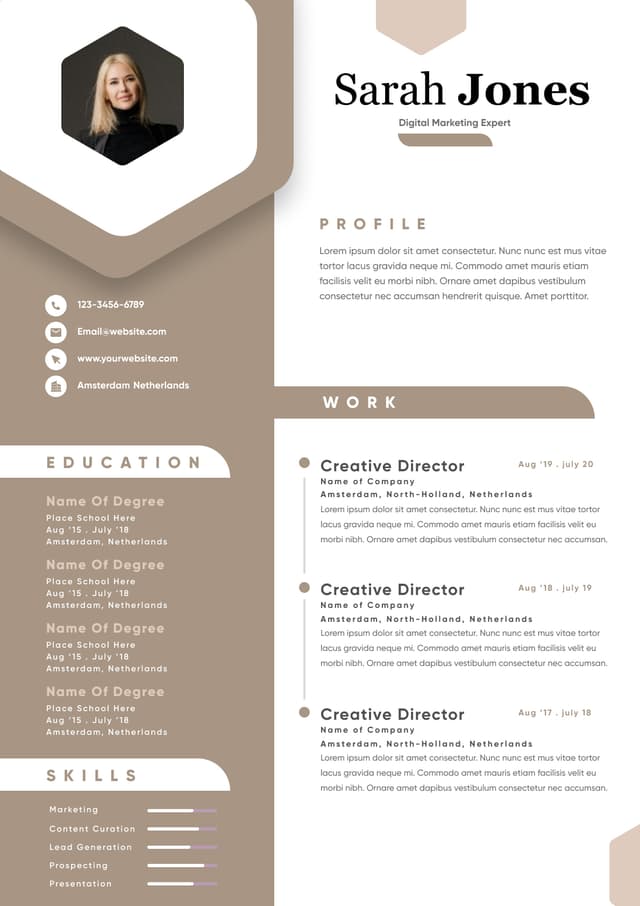
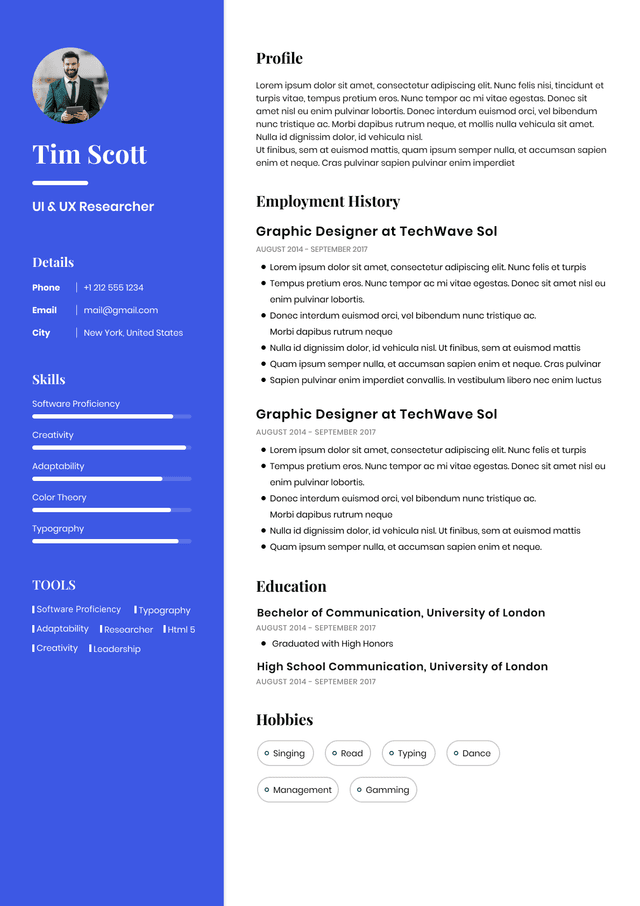
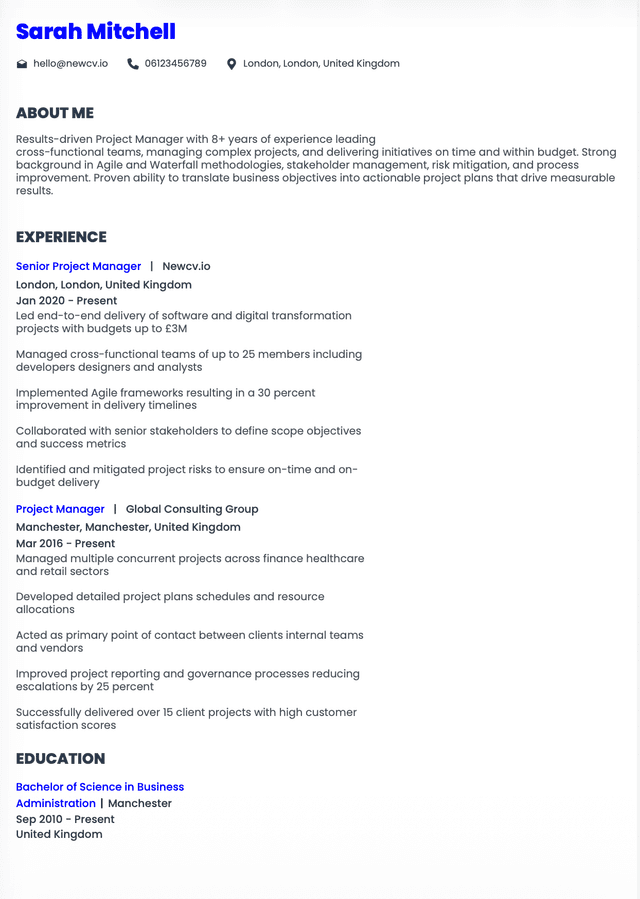
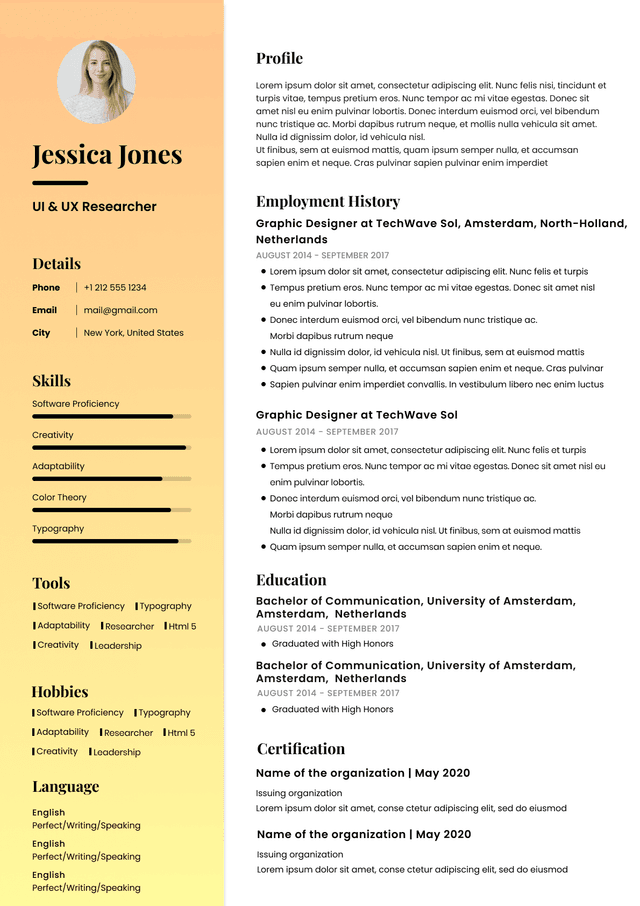
Use ATS-optimised Resume and resume templates that pass applicant tracking systems. Our Resume builder helps recruiters read, scan, and shortlist your Resume faster.

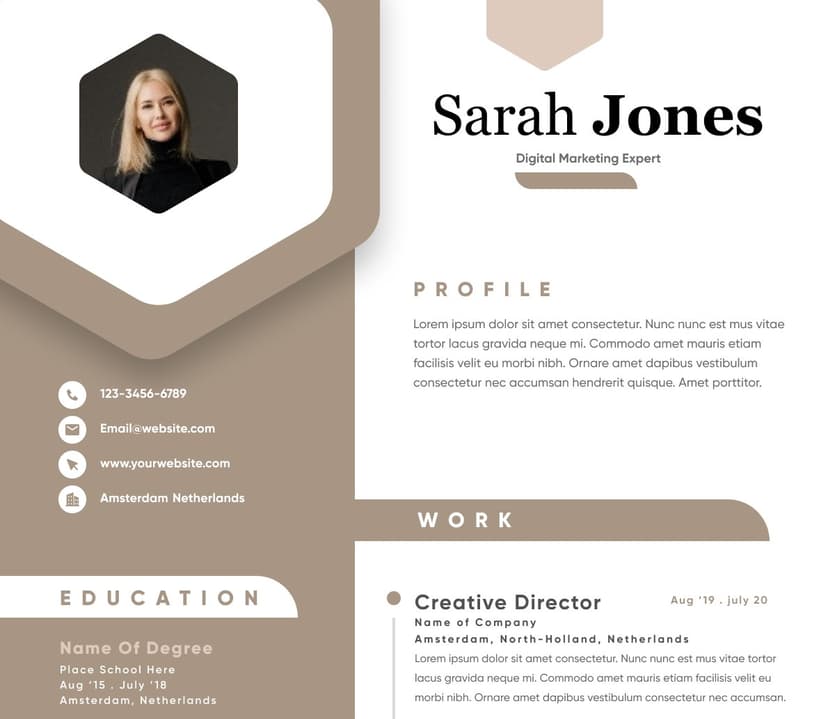
Use professional field-tested resume templates that follow the exact Resume rules employers look for.
Create Resume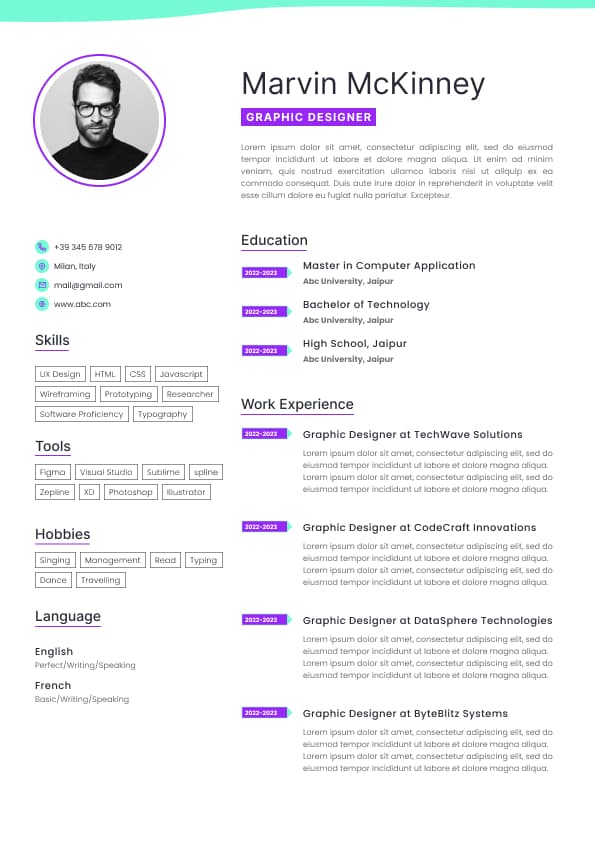
Use professional field-tested resume templates that follow the exact Resume rules employers look for.
Create Resume


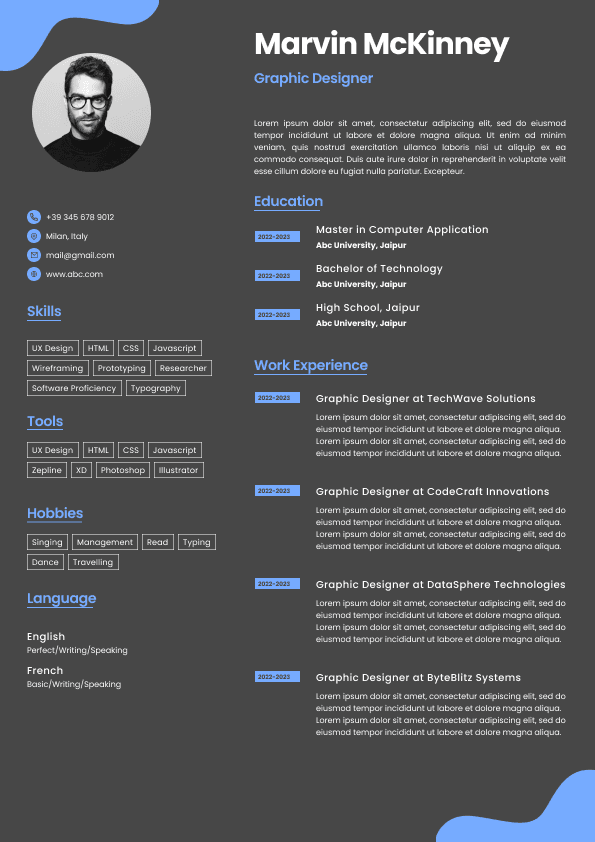
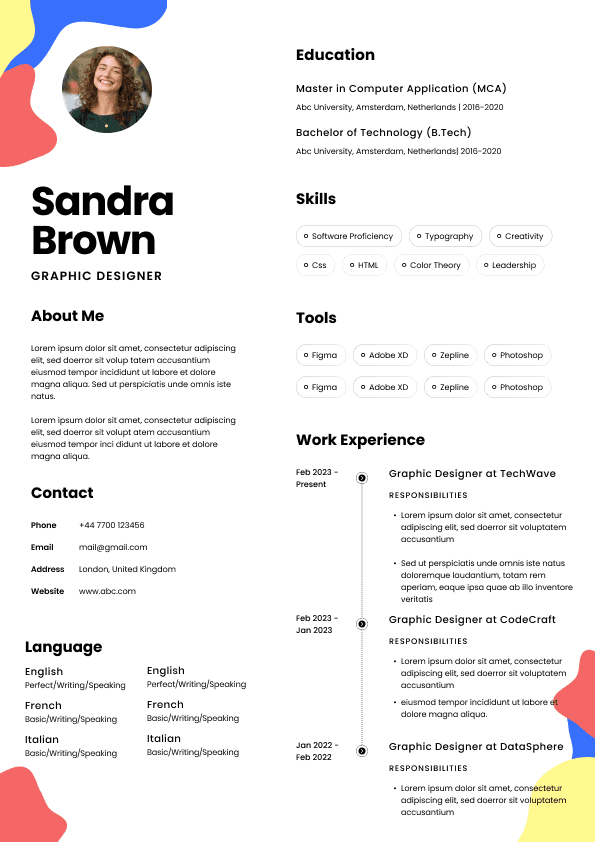
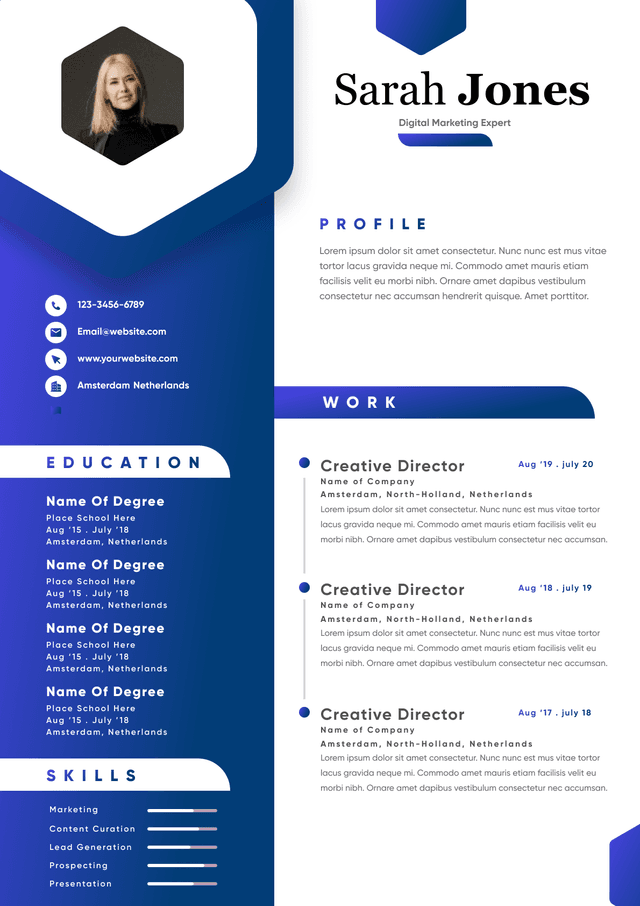
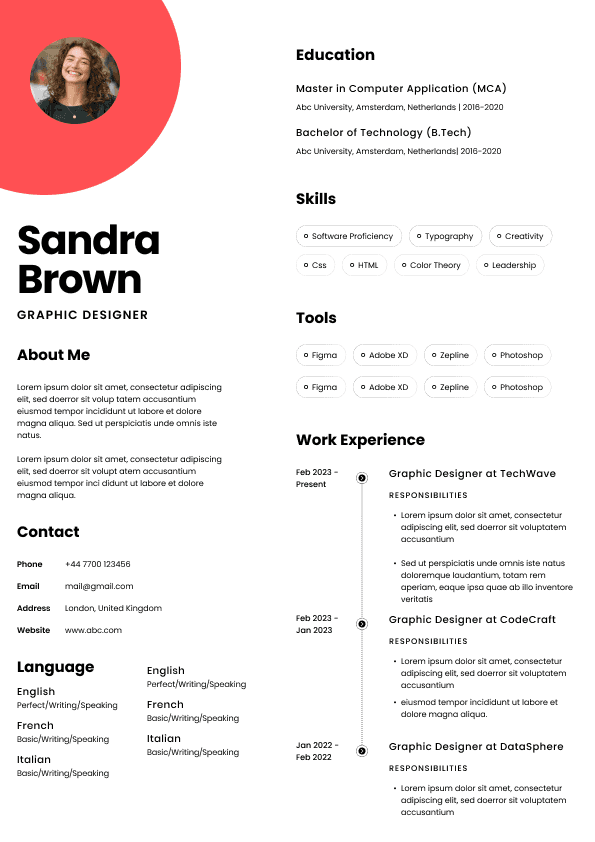
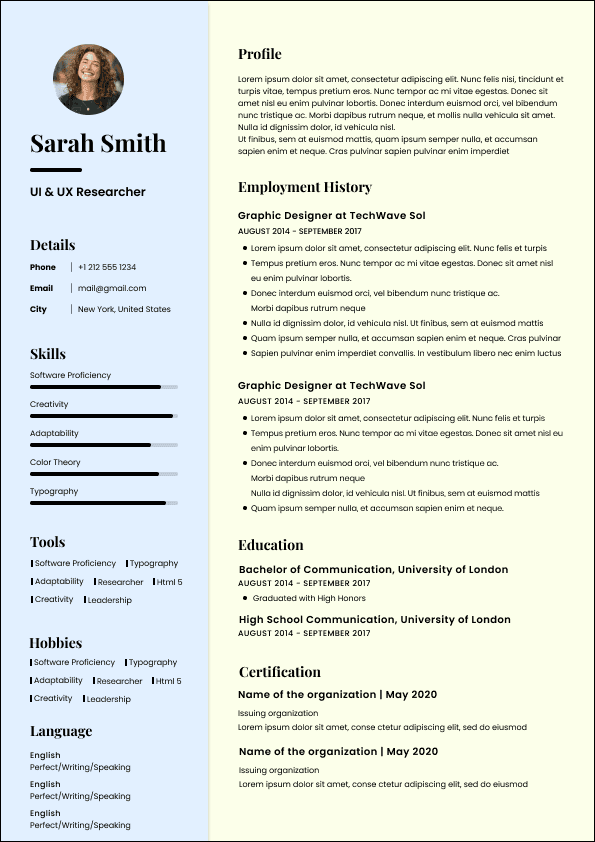
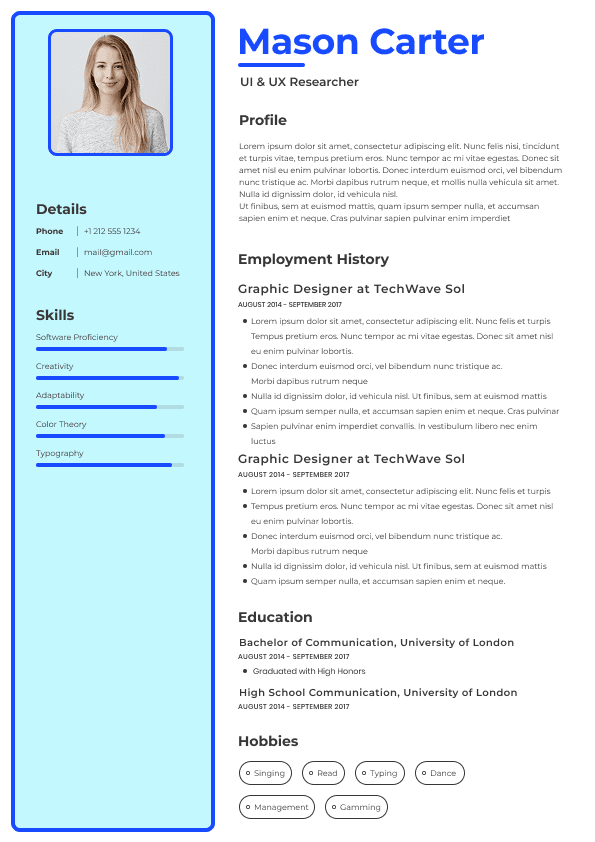
 Upload Resume
 Import from Linkedin