STILL APPLYING. STILL HEARING NOTHING?BUILD YOUR RESUME

STILL APPLYING. STILL HEARING NOTHING?BUILD YOUR RESUME
FAQ
JavaScript system design interviews test whether you can architect scalable frontend and full stack applications beyond writing components or APIs. Companies use these interviews to evaluate how you think about performance, scalability, state management, distributed systems, rendering strategies, caching, authentication, and real-world user experience under load.
For senior frontend and full stack roles, interviewers are not looking for perfect diagrams. They want to see whether you understand tradeoffs. Can you design a React dashboard used by 500,000 users? Can you prevent frontend bottlenecks? Can you handle real-time updates, edge caching, SSR, micro-frontends, and API failures at scale?
Most candidates fail because they treat frontend system design like backend system design with UI attached. Strong candidates think holistically across browser performance, rendering architecture, API communication, caching layers, observability, accessibility, scalability, and developer experience.
This guide breaks down exactly how JavaScript system design interviews work, what hiring managers evaluate, common architecture questions, and how senior engineers structure high-level frontend systems that scale in production.
Most frontend engineers underestimate these interviews because they assume system design is backend-heavy. That is no longer true at modern SaaS companies.
Senior JavaScript engineers are expected to own architecture decisions that directly impact scalability, reliability, performance, and product velocity.
Interviewers typically evaluate five areas simultaneously:
Frontend scalability
System thinking
Performance optimization
API and data flow architecture
Tradeoff analysis
The strongest candidates explain not only what they would build, but why.
For example, a weak candidate says:
Weak Example
“We can use React with Redux and deploy on AWS.”
Most frontend system design interviews revolve around scalable user-facing applications.
Common interview prompts include:
Design a scalable React dashboard
Design a collaborative document editor
Design a chat application
Design a streaming platform frontend
Design a notification system
Design a real-time analytics dashboard
Design a SaaS admin panel
Top candidates follow a repeatable structure instead of jumping into React components immediately.
A strong frontend system design flow looks like this:
Start by defining what the application actually does.
For example, for a collaborative document editor:
Real-time editing
Presence indicators
Offline support
Conflict resolution
User authentication
Version history
Scalable frontend architecture is one of the biggest gaps between mid-level and senior frontend engineers.
Many developers can build features.
Far fewer understand how applications behave with:
Millions of users
Hundreds of engineers
Large bundles
Distributed deployments
Slow devices
Poor network conditions
Large React applications fail when components become tightly coupled.
Strong architecture usually includes:
State management is one of the most common frontend architecture discussion areas.
Interviewers care less about specific libraries and more about architectural reasoning.
Use local component state when:
State is isolated
No cross-component synchronization exists
Updates are highly localized
Simplicity matters
Use centralized state for:
Authentication
This topic appears constantly in modern frontend system design interviews.
Interviewers want candidates who understand rendering tradeoffs.
Best for:
Highly interactive applications
Internal dashboards
SaaS products
Real-time systems
Weaknesses:
Slower initial load
Poor SEO
This is one of the most common frontend system design prompts.
A strong architecture discussion usually includes:
For dashboards:
CSR is often acceptable
SSR may help for faster initial load
Streaming SSR can improve perceived performance
Avoid fetching everything at once.
Use:
Incremental loading
Pagination
Real-time systems are now common interview topics.
Examples include:
Chat applications
Collaborative editors
Trading dashboards
Multiplayer systems
Notification platforms
Strong candidates explain tradeoffs clearly.
Polling:
Simpler
Frontend system design interviews increasingly evaluate API consumption strategy.
Interviewers want reasoning, not tribal preferences.
GraphQL advantages:
Flexible querying
Reduced over-fetching
Better frontend composition
GraphQL disadvantages:
Caching complexity
Backend resolver performance
Operational overhead
REST advantages:
Authentication is commonly overlooked until interviewers ask deeper questions.
Senior candidates should understand:
JWT authentication
Session-based authentication
OAuth flows
Refresh token handling
Secure cookie storage
CSRF protection
Role-based authorization
Weak candidates often:
Micro-frontends are a common senior-level architecture discussion.
Many candidates mention them because they sound advanced.
Few understand the operational tradeoffs.
Useful when:
Multiple autonomous teams exist
Independent deployments matter
Large enterprise systems scale organizationally
Micro-frontends often create:
Bundle duplication
Shared dependency conflicts
Frontend system design interviews heavily evaluate performance awareness.
Strong candidates naturally discuss:
Core Web Vitals
Time to Interactive
Largest Contentful Paint
Hydration bottlenecks
JavaScript execution cost
Browser rendering performance
Common optimization areas include:
This is where many technically capable candidates fail.
Hiring managers are not simply evaluating whether your architecture works.
They evaluate whether you can lead engineering decisions at scale.
Strong candidates demonstrate:
Prioritization skills
Risk awareness
Scalability thinking
Maintainability concerns
Team collaboration mindset
Product understanding
Operational awareness
If you want a repeatable framework for JavaScript system design interviews, use this structure consistently:
Ask:
Who are the users?
What scale are we designing for?
Is SEO important?
Is real-time communication required?
What are latency expectations?
Estimate:
Concurrent users
For highly senior frontend roles, interviews may explore:
Distributed frontend systems
Edge computing architecture
Streaming SSR
Event sourcing
Offline-first architecture
Conflict resolution systems
CRDTs for collaboration
Frontend observability
Most candidates prepare incorrectly.
They memorize architectures instead of learning systems thinking.
Strong preparation includes:
Designing applications on whiteboards
Practicing tradeoff explanations
Studying production architectures
Reviewing frontend bottlenecks
Learning browser internals
Understanding CDN behavior
Practicing scalability discussions aloud
The most common mistakes include:
Focusing only on React components
Ignoring browser limitations
Forgetting performance budgets
Overengineering early
Ignoring operational complexity
Not discussing tradeoffs
Forgetting accessibility
Ignoring failure handling
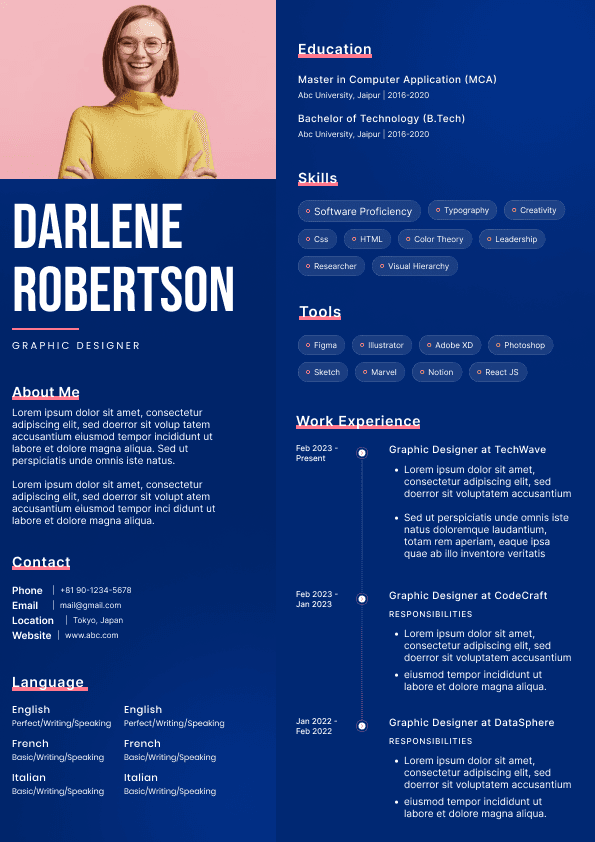
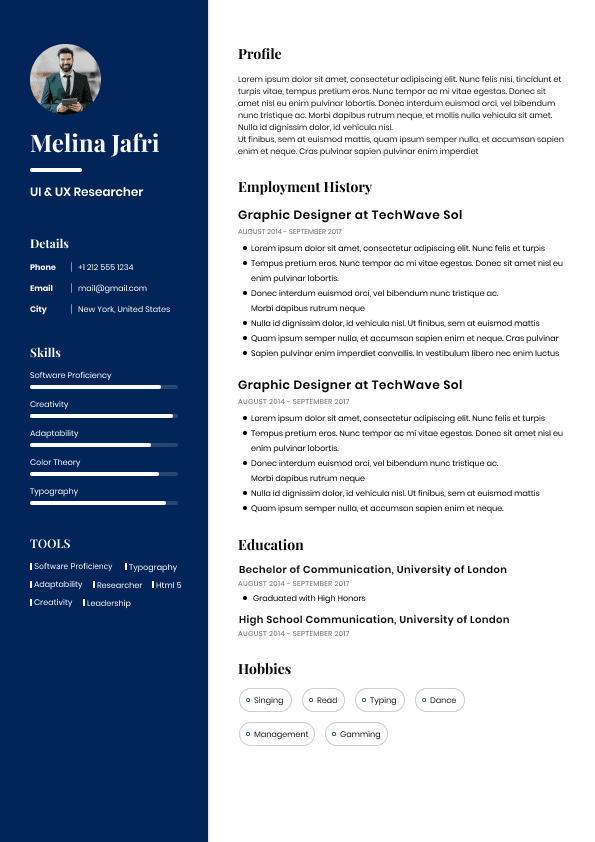
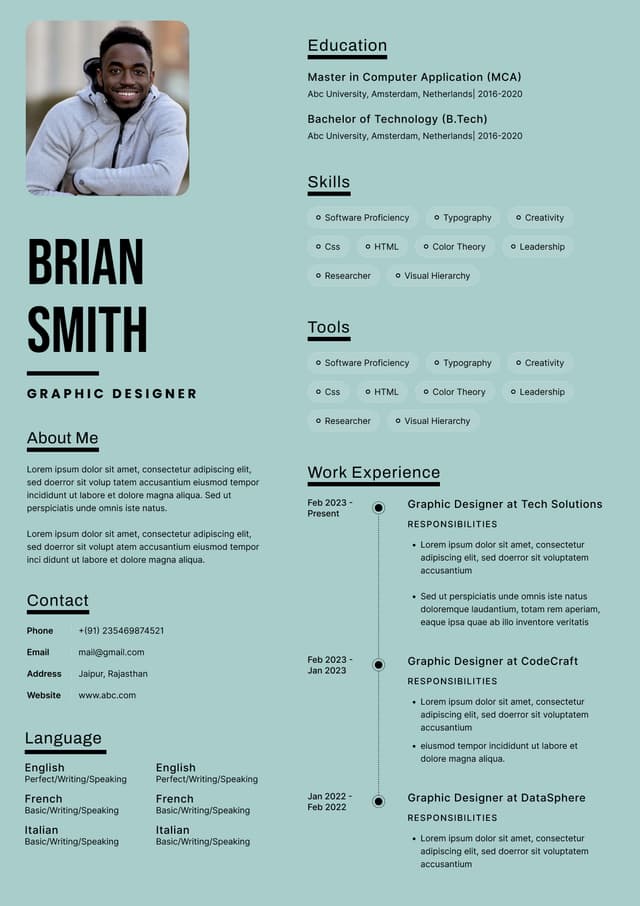
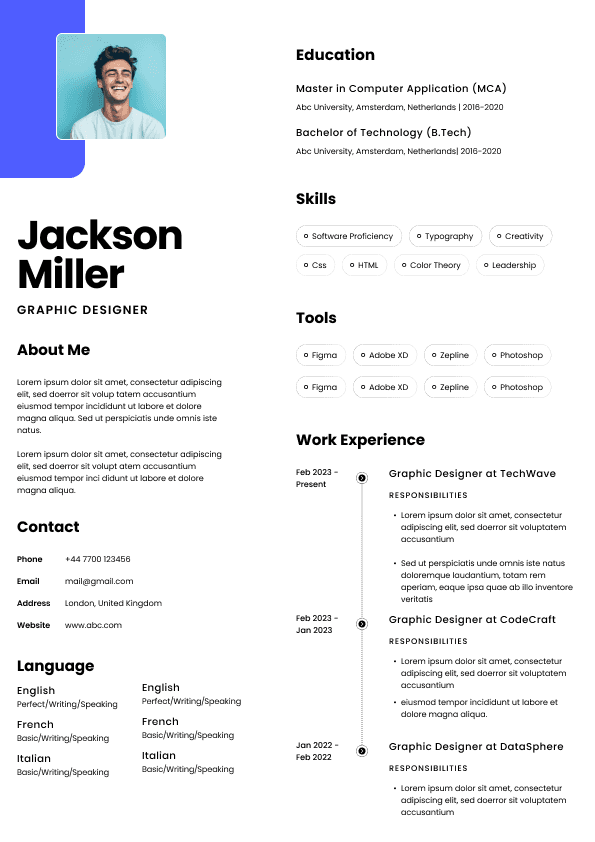
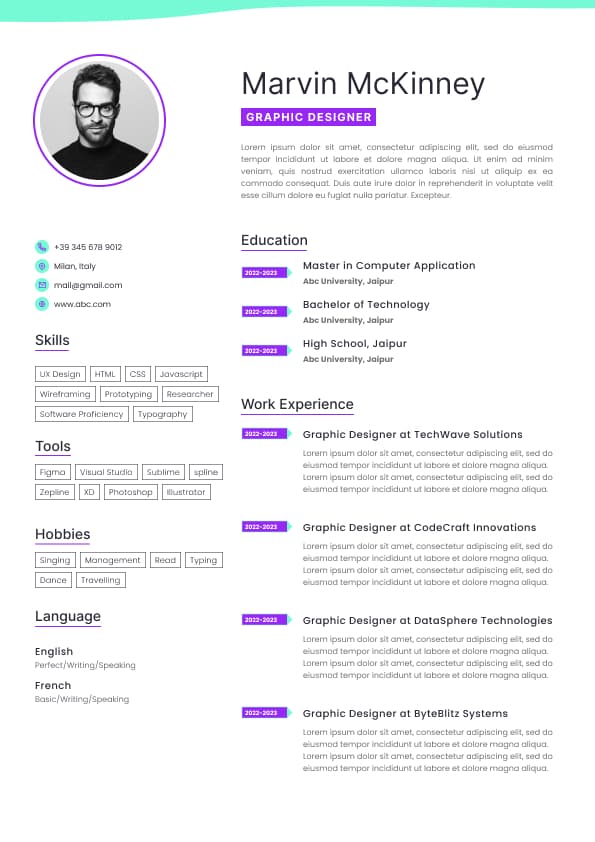
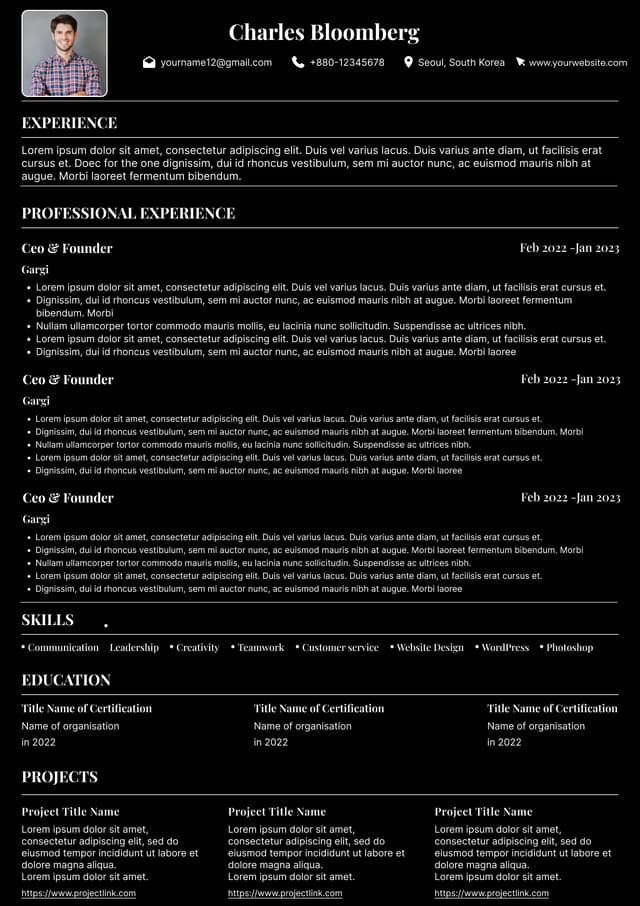
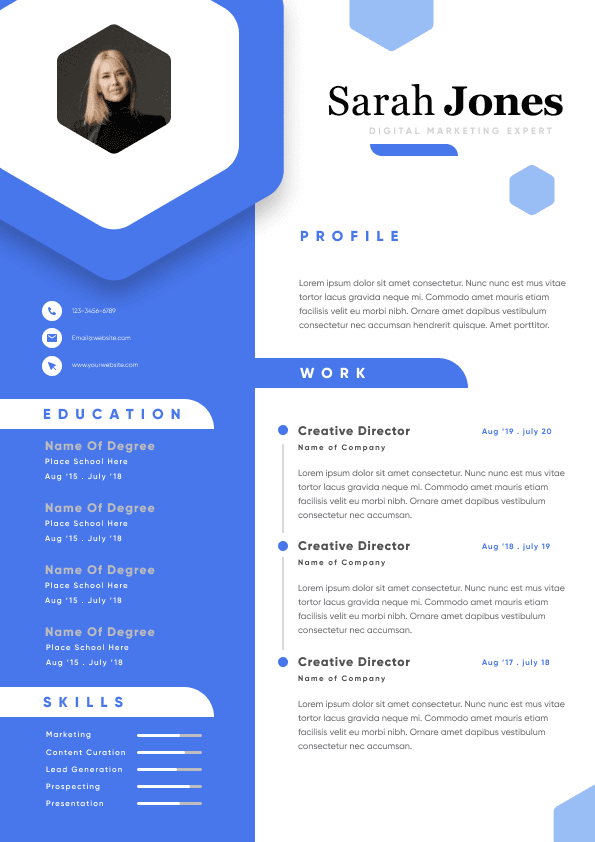
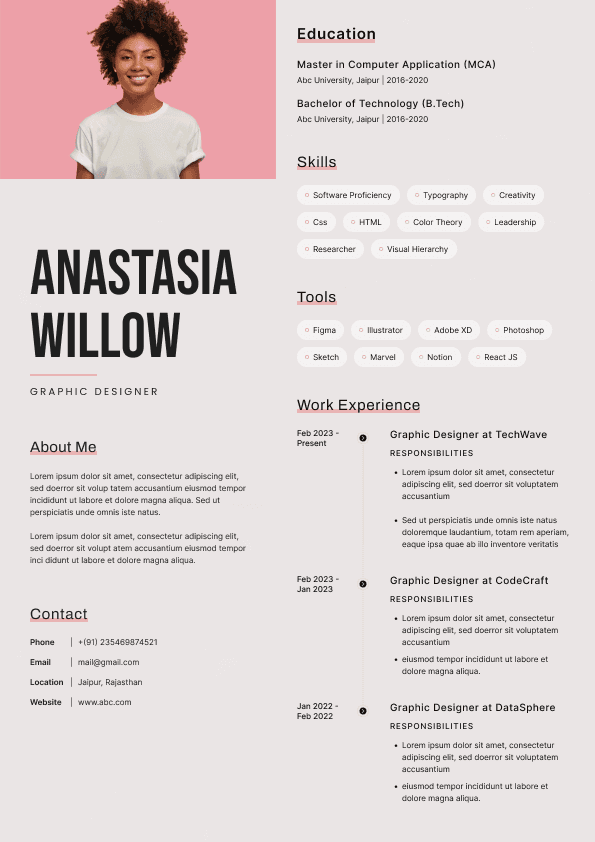
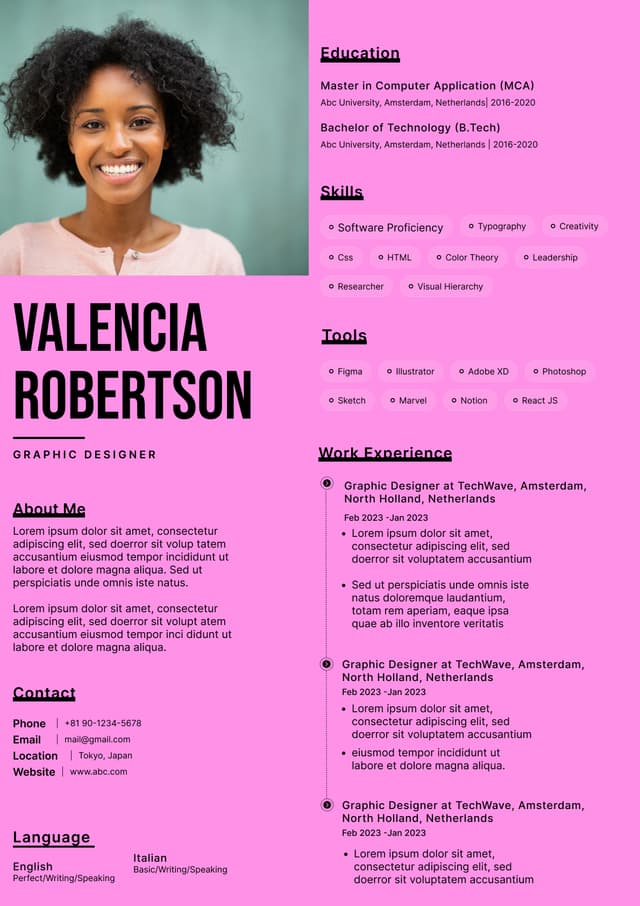
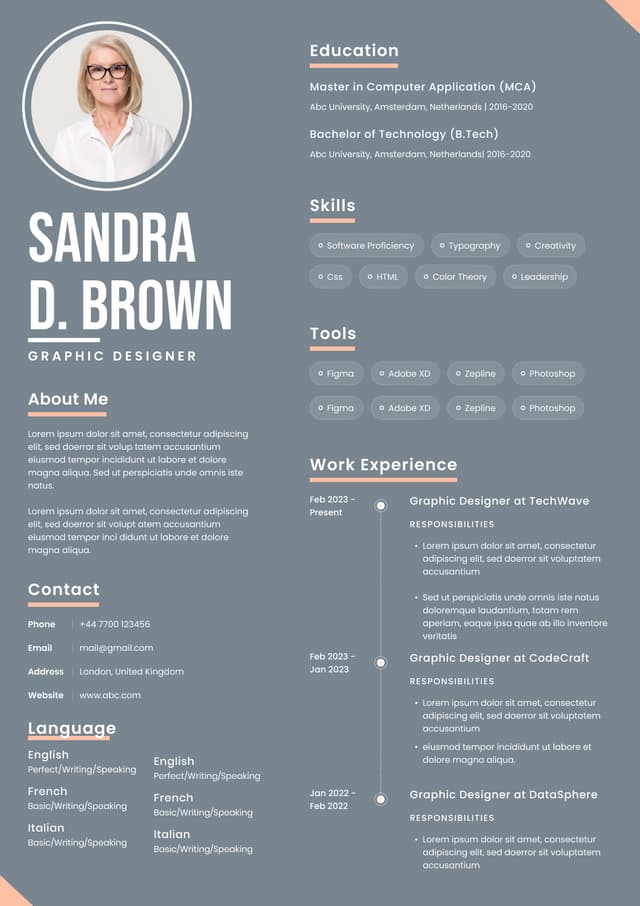
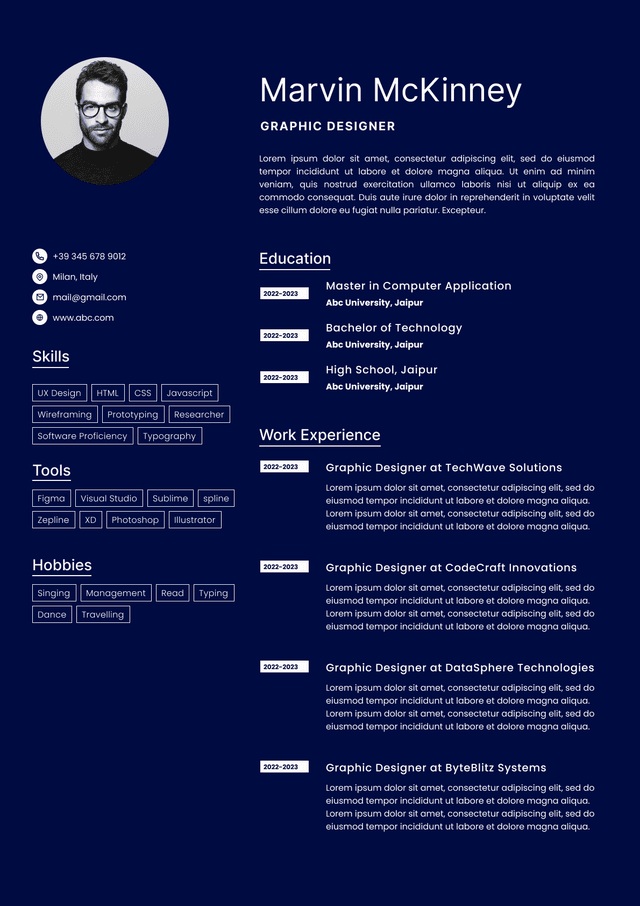
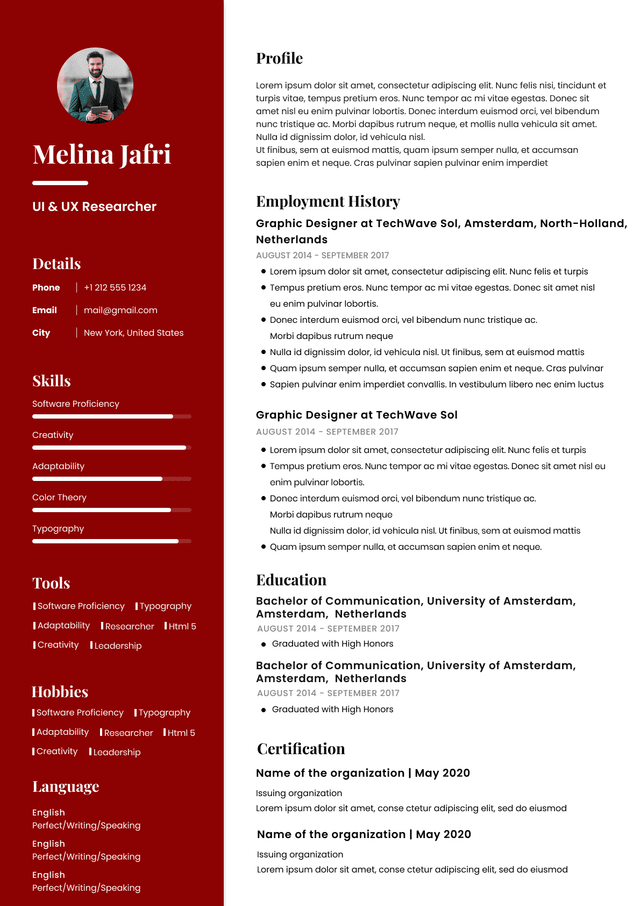
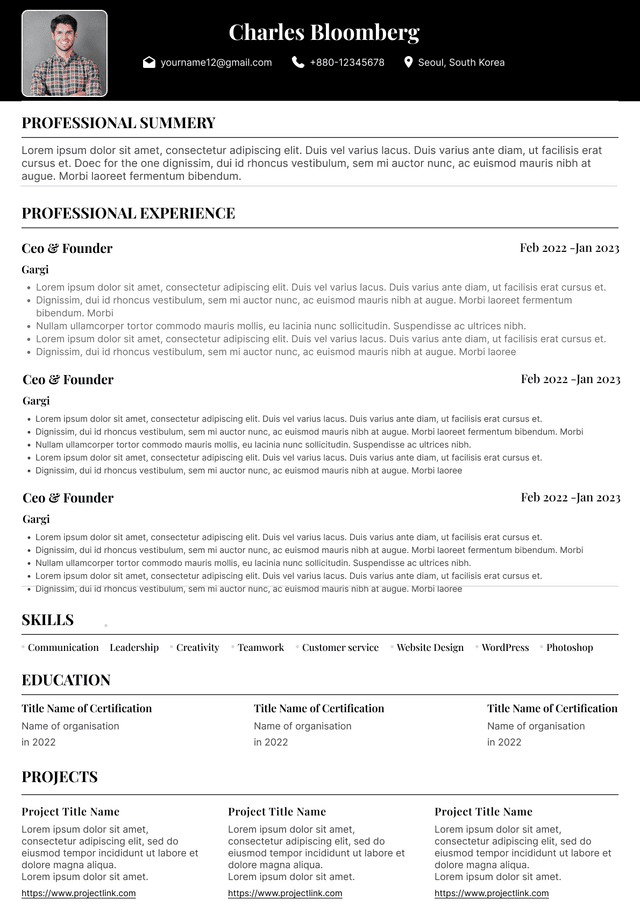
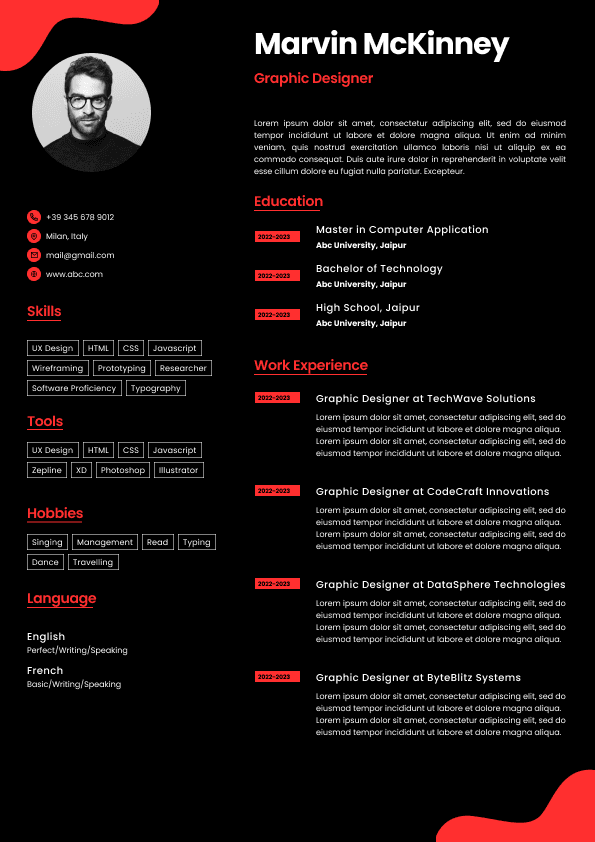
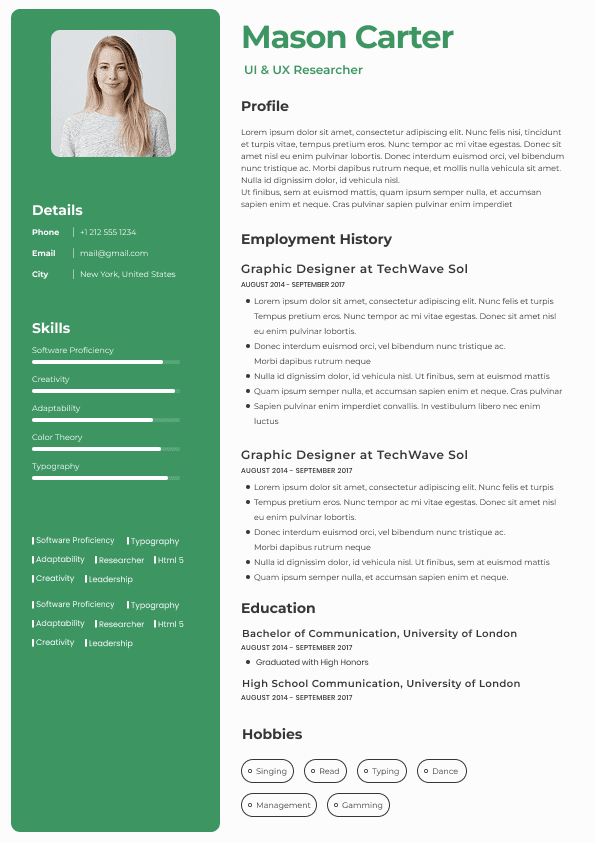
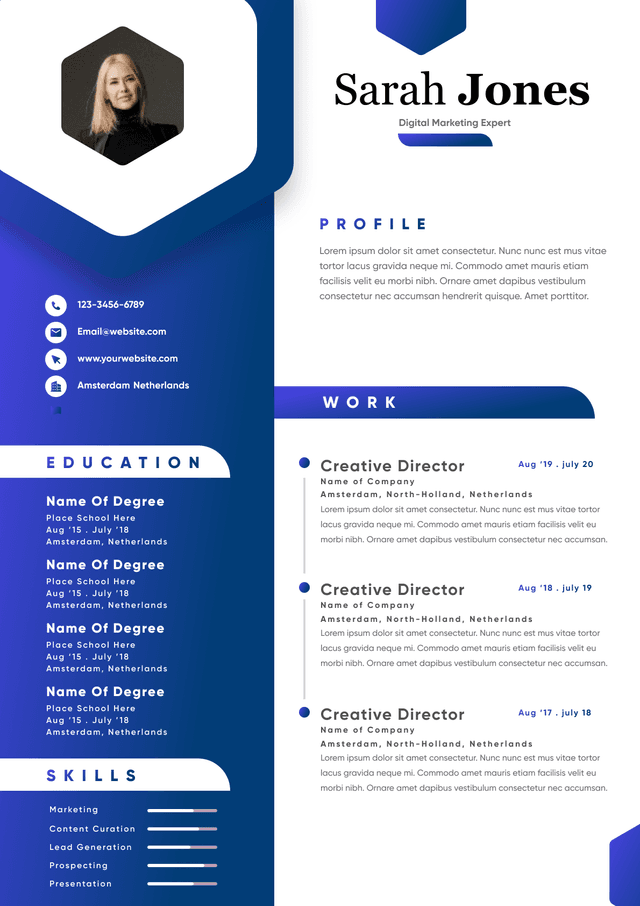
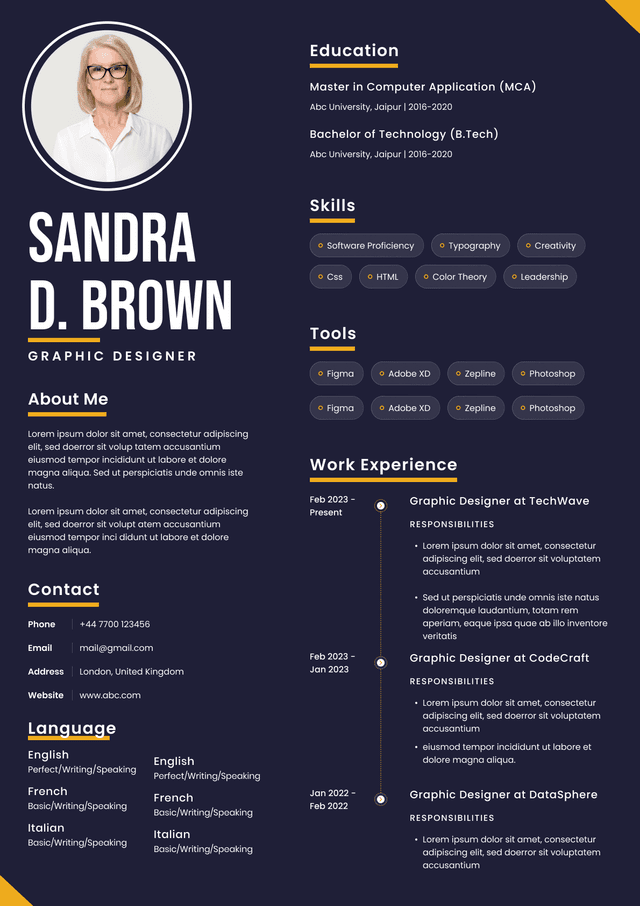
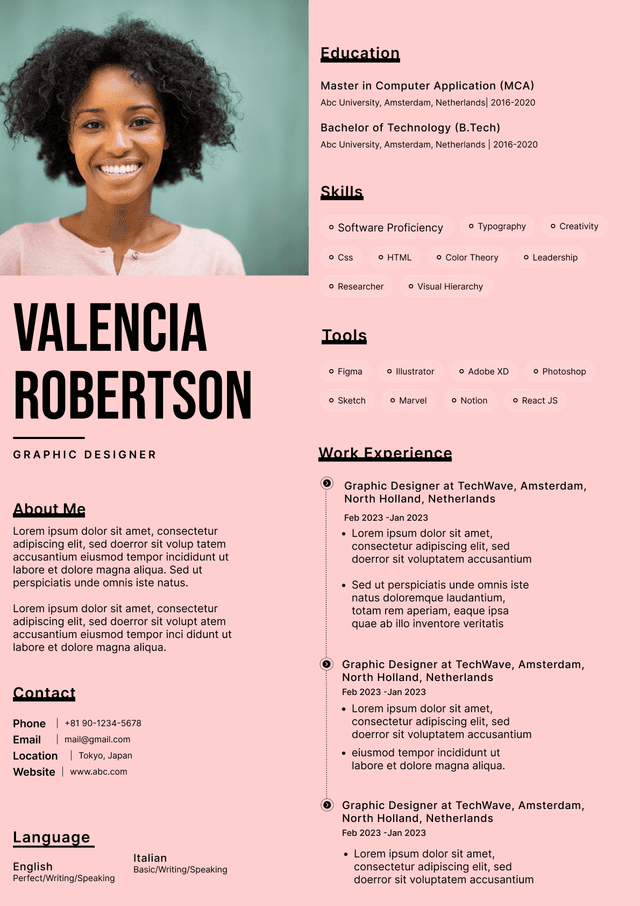
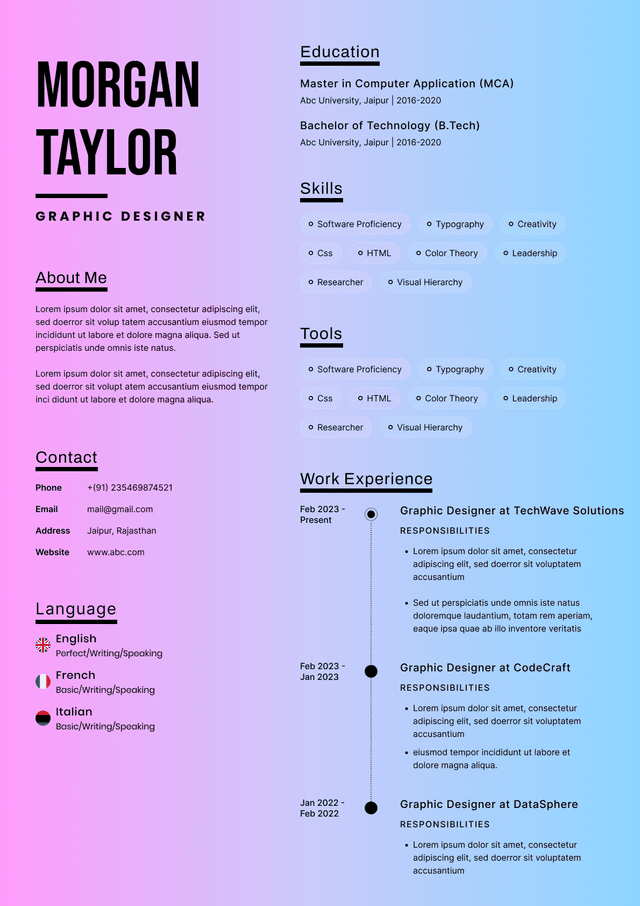
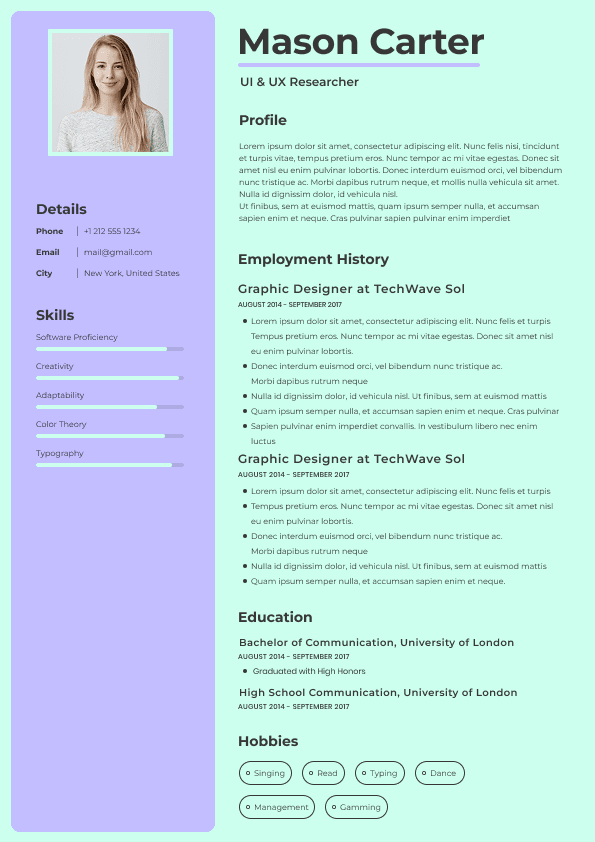
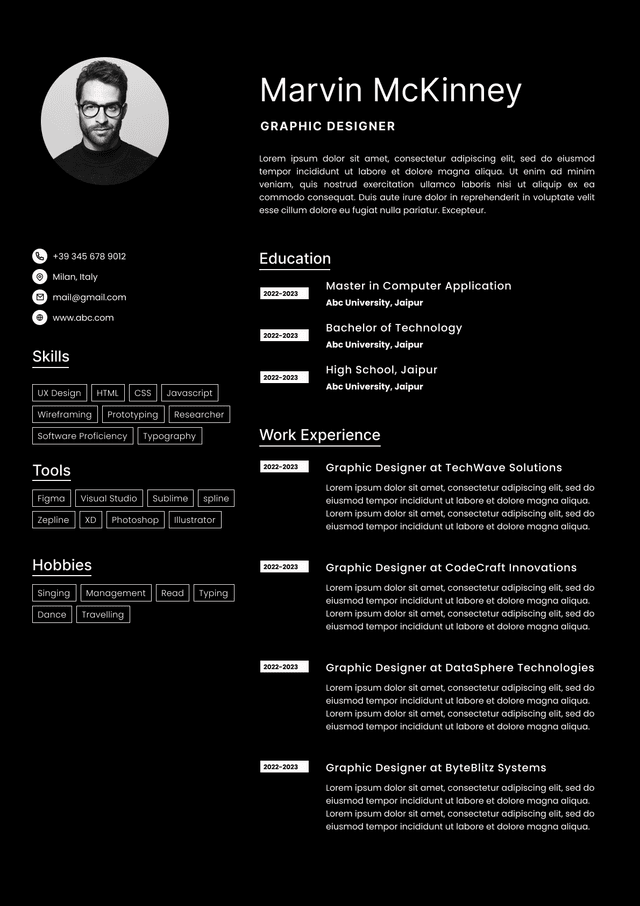
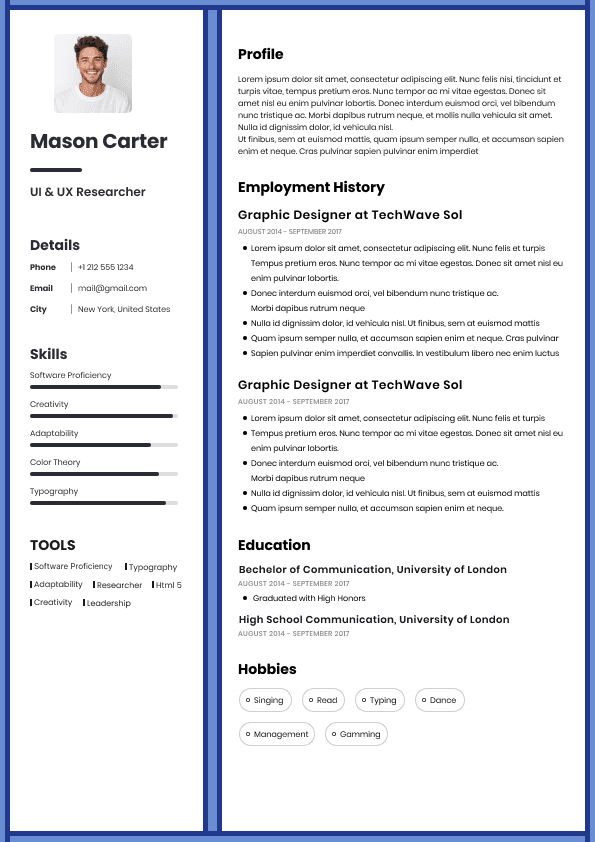
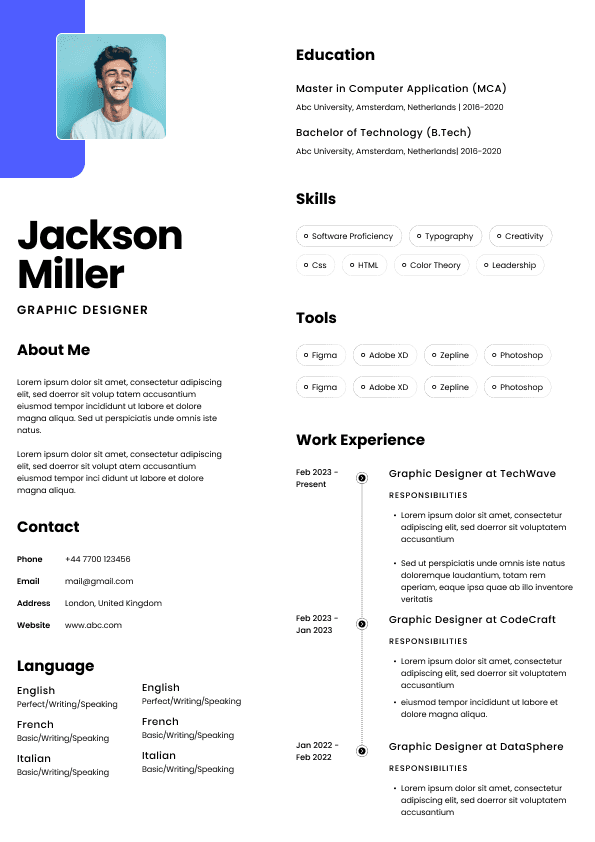
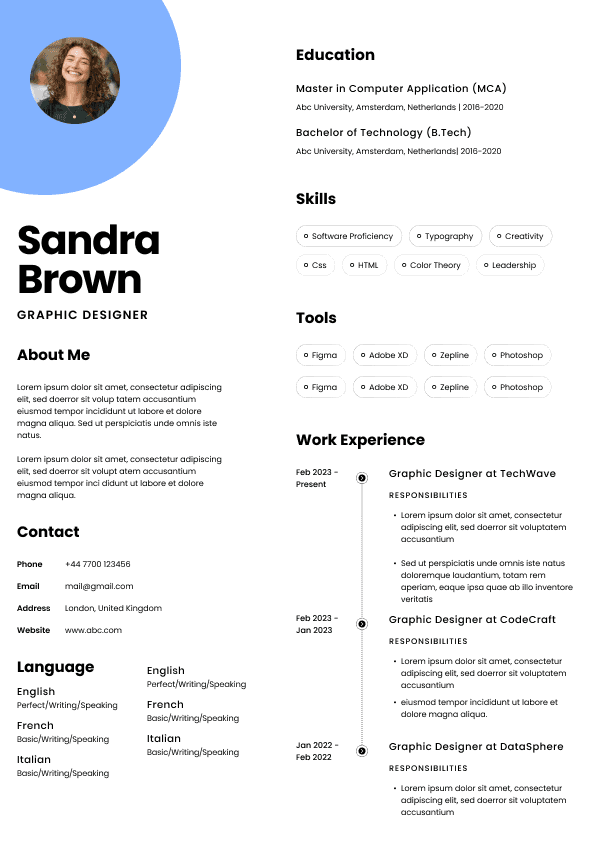
Choose from a wide range of NEWCV resume templates and customize your NEWCV design with a single click.


Use ATS-optimised Resume and resume templates that pass applicant tracking systems. Our Resume builder helps recruiters read, scan, and shortlist your Resume faster.

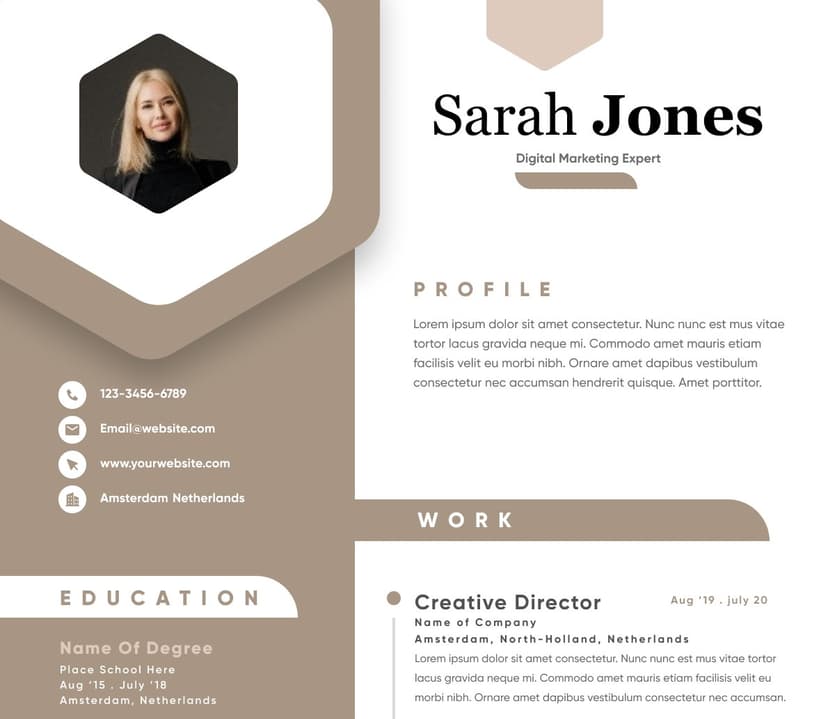
Use professional field-tested resume templates that follow the exact Resume rules employers look for.
Create Resume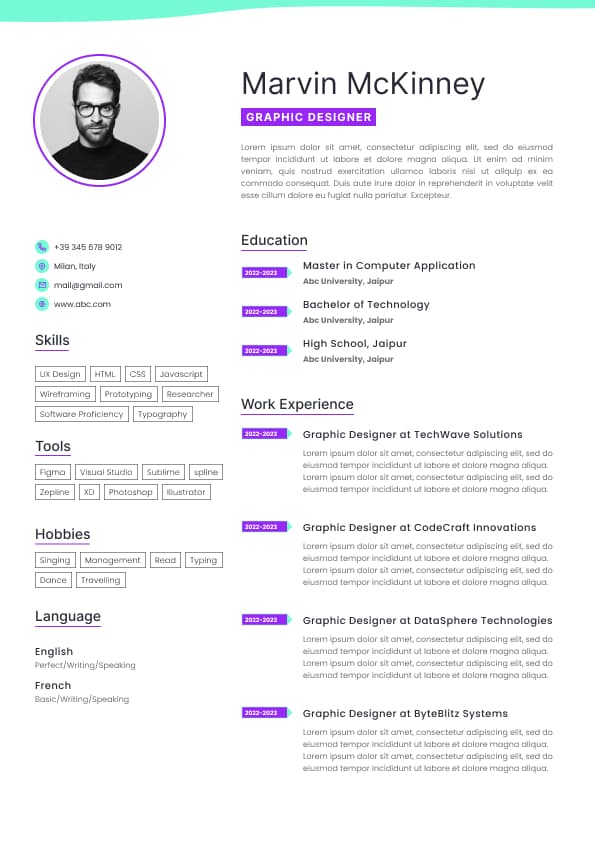
Use professional field-tested resume templates that follow the exact Resume rules employers look for.
Create ResumeA strong candidate says:
Good Example
“For a real-time analytics dashboard, I would separate live streaming updates from static dashboard queries. Live metrics can use WebSockets with incremental state updates, while historical analytics should use cached GraphQL queries with pagination and edge caching to reduce expensive recomputation.”
That answer demonstrates architectural thinking instead of tool memorization.
Design an e-commerce platform frontend
Design a booking platform
Design a URL shortener frontend and backend
These questions are intentionally broad.
Interviewers want to see whether you can:
Clarify requirements
Prioritize scalability concerns
Identify bottlenecks
Separate frontend and backend responsibilities
Design maintainable architecture
Optimize performance under real-world conditions
The interview is rarely about reaching one “correct” answer.
Multi-user synchronization
Most weak candidates skip this step entirely.
This is where senior-level differentiation happens.
Discuss:
Scalability targets
Expected traffic
Real-time latency requirements
Availability expectations
Accessibility requirements
SEO considerations
Mobile responsiveness
Performance budgets
This immediately signals architectural maturity.
Now define the major system components:
Frontend clients
CDN
Edge caching
API gateway
Backend services
Databases
Event streaming systems
Authentication providers
Real-time communication layers
Strong candidates explain communication flow between systems.
This is where frontend-focused candidates either stand out or collapse.
Discuss:
State management strategy
Component boundaries
Rendering strategy
API data fetching
Cache invalidation
Lazy loading
Error handling
Real-time updates
Performance optimization
Senior-level interviews are heavily tradeoff-driven.
Interviewers want to hear:
Why SSR instead of CSR
Why GraphQL vs REST
Why Redis caching helps
Why micro-frontends may hurt maintainability
Why WebSockets may increase infrastructure complexity
Tradeoff reasoning matters more than specific technology choices.
Domain-driven component boundaries
Shared UI libraries
Design systems
Feature-based folder structures
Controlled state ownership
Isolated rendering concerns
A common mistake is placing all application state in global stores.
That creates:
Re-render problems
Debugging complexity
State synchronization issues
Performance bottlenecks
Senior candidates understand state locality.
Shared application settings
Cross-page synchronization
Notification systems
Global caching
Strong candidates discuss modern approaches like:
React Query or TanStack Query for server state
Zustand for lightweight client state
Context API for scoped state
Event-driven architectures for real-time synchronization
Weak candidates still default to massive Redux stores for everything.
That signals outdated frontend architecture knowledge.
Large JavaScript bundles
Best for:
SEO-heavy applications
Content-driven websites
Faster first paint performance
Weaknesses:
Higher server costs
Increased backend rendering complexity
Common in Next.js architectures.
Best for:
Hybrid scalability
Frequently updated content
Large-scale marketing sites
Increasingly important in modern frontend interviews.
Benefits include:
Reduced latency
Regional personalization
Faster global performance
Strong candidates discuss platforms like:
Cloudflare Workers
Vercel Edge Functions
AWS Lambda@Edge
Query batching
Background synchronization
Cached API responses
For live dashboards:
WebSockets
Server-Sent Events
Event streaming systems
Delta updates instead of full refreshes
Strong candidates discuss:
Virtualized lists
Memoization
Code splitting
Suspense boundaries
Bundle optimization
Lazy-loaded chart libraries
Most candidates forget resilience entirely.
Senior candidates discuss:
Retry strategies
Circuit breakers
Graceful degradation
Partial rendering during API failures
That signals production experience.
Easier infrastructure
Higher network overhead
WebSockets:
Low latency
Efficient updates
Increased operational complexity
Modern scalable real-time systems often include:
Kafka
RabbitMQ
Redis Pub/Sub
Socket.io
Event streaming pipelines
Candidates should explain how events propagate across services and clients.
Simplicity
CDN friendliness
Easier observability
Strong candidates discuss where each works best.
Store sensitive tokens insecurely
Ignore refresh expiration logic
Overtrust frontend authorization
Forget rate limiting
Strong candidates understand frontend security boundaries.
Design inconsistency
Routing complexity
Increased operational overhead
Senior candidates explain organizational tradeoffs, not just technical benefits.
Lazy loading
Route-based code splitting
Image optimization
CDN caching
Compression
Tree shaking
Bundle analysis
Edge caching
Incremental hydration
Weak candidates only mention “memoization.”
That signals shallow frontend scaling knowledge.
Common failure patterns include:
Jumping directly into React components
Naming tools without explaining tradeoffs
Ignoring scalability limits
Forgetting observability
Ignoring failure handling
Overengineering too early
Treating frontend architecture as UI only
Strong candidates:
Clarify requirements first
Explain assumptions explicitly
Think about growth over time
Consider user experience under scale
Discuss monitoring and debugging
Address operational realities
That distinction is enormous during hiring decisions.
Requests per second
Data volume
Geographic distribution
Device constraints
Discuss:
Frontend rendering strategy
API architecture
CDN usage
Backend services
Databases
Caching layers
Explain:
State management
Data synchronization
Performance optimization
Component architecture
Accessibility
Error handling
Strong candidates proactively identify:
API bottlenecks
Bundle growth
Real-time synchronization issues
Cache invalidation challenges
Rendering overhead
This is often the deciding factor.
Discuss:
Simplicity vs scalability
Performance vs flexibility
Operational cost vs developer velocity
SSR vs CSR tradeoffs
Monolith vs distributed systems
Multi-region deployments
Frontend monitoring pipelines
Candidates who understand these concepts deeply stand out significantly in competitive hiring loops.
Excellent practice scenarios include:
Real-time chat systems
Collaborative editors
Analytics dashboards
Streaming platforms
SaaS admin applications
Infinite-scroll social feeds
These systems naturally force architecture discussions around scalability, rendering, caching, synchronization, and performance.
Treating frontend and backend separately instead of as one system
The strongest candidates think in complete systems, not isolated technologies.


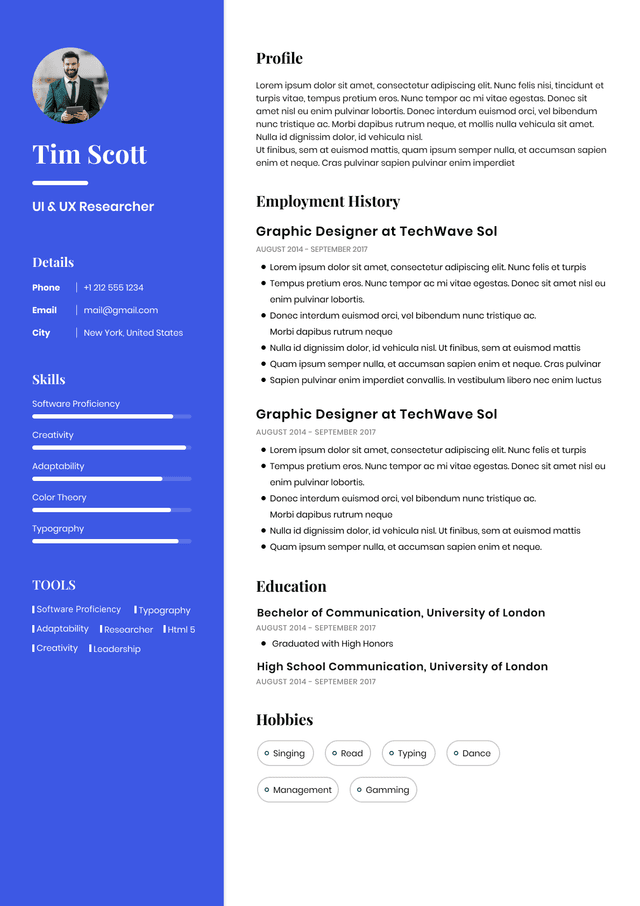
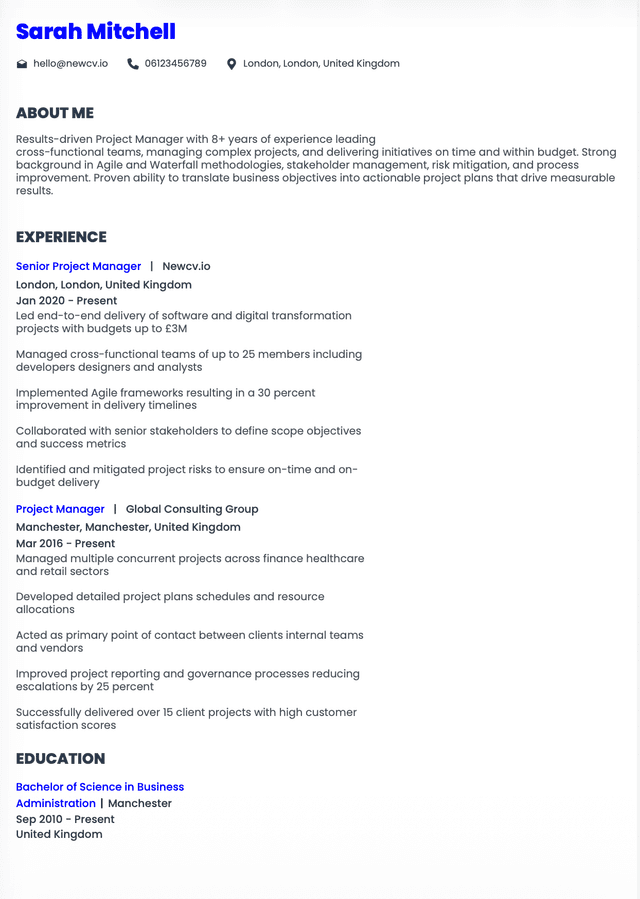
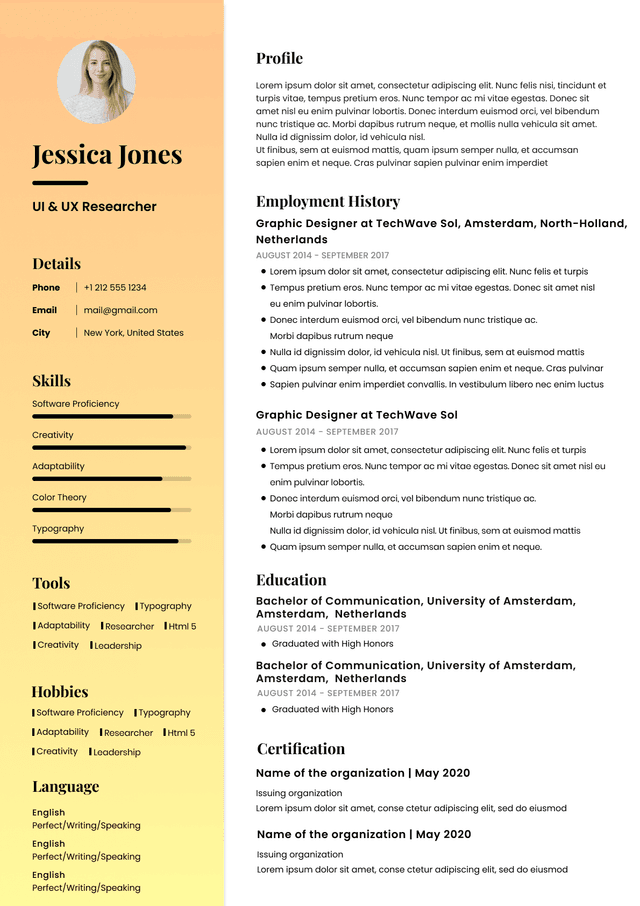
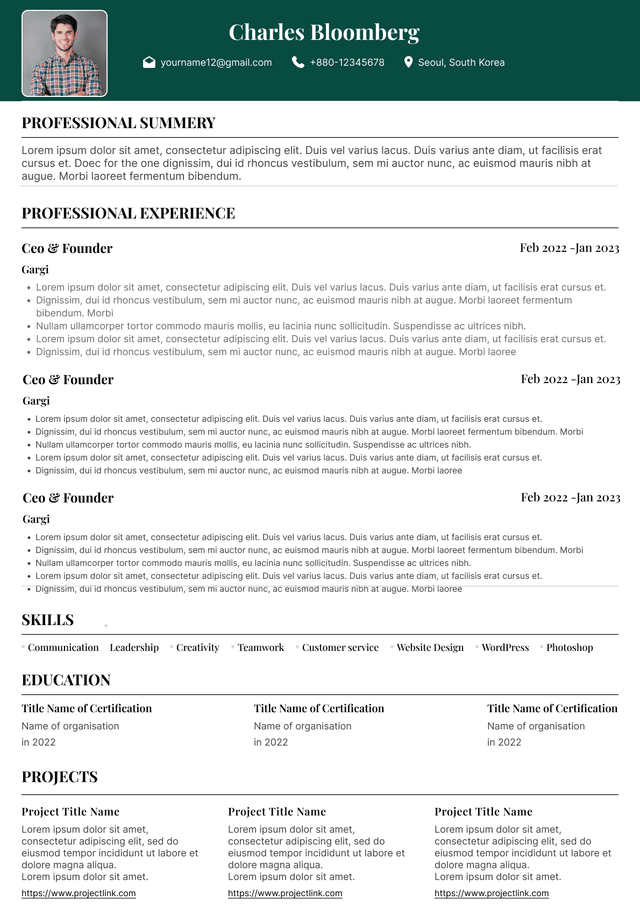


 Upload Resume
 Import from Linkedin