STILL APPLYING. STILL HEARING NOTHING?BUILD YOUR RESUME

STILL APPLYING. STILL HEARING NOTHING?BUILD YOUR RESUME
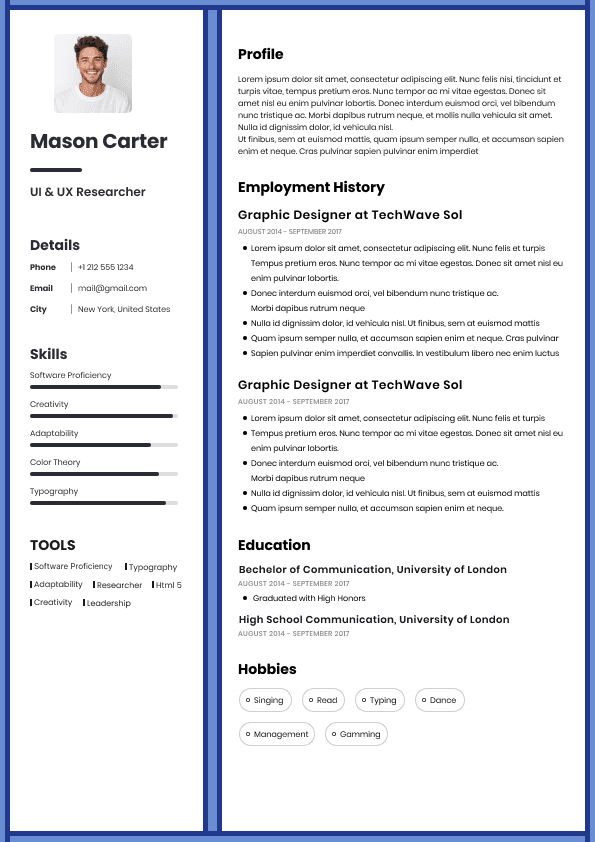
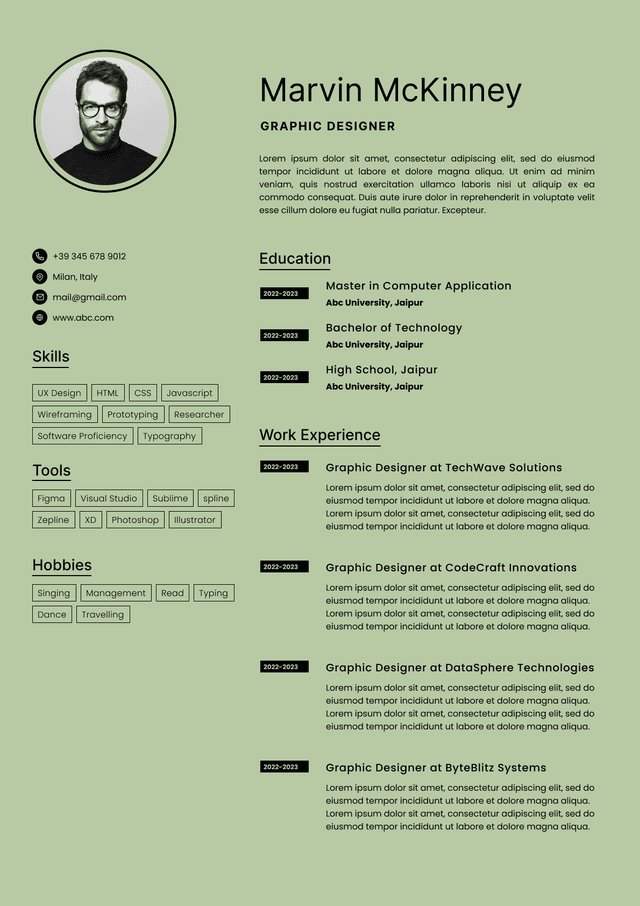
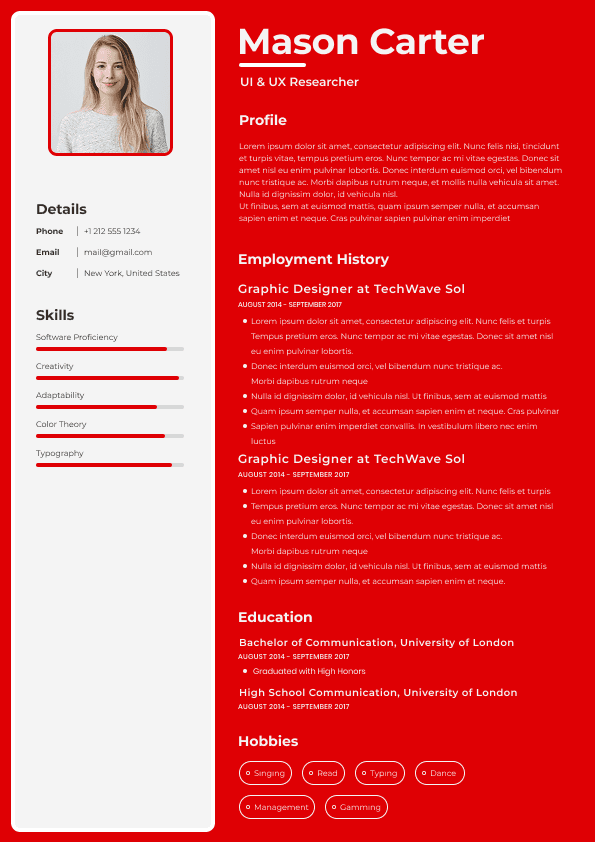
Choose from a wide range of NEWCV resume templates and customize your NEWCV design with a single click.
FAQ


If you're applying for JavaScript developer roles focused on API integrations, your resume needs to prove one thing fast: you can connect systems reliably at scale. Hiring managers are not looking for generic JavaScript experience. They want evidence that you can work with REST APIs, GraphQL, OAuth, webhooks, third-party platforms, and real production integration workflows without breaking business-critical systems.
Most resumes fail because they list technologies without showing integration depth. Recruiters want to see API reliability, authentication handling, webhook processing, retry logic, error monitoring, and measurable business outcomes. The strongest candidates demonstrate how they improved system connectivity, reduced failures, automated workflows, or accelerated partner onboarding.
This guide shows exactly how to position your JavaScript API integration experience, what recruiters evaluate during resume screening, which resume mistakes instantly weaken candidates, and how to structure a modern resume that performs well in ATS systems and technical hiring reviews.
API integration experience has become one of the most marketable specialties in modern JavaScript development. Companies across SaaS, fintech, healthcare, logistics, CRM, and e-commerce rely heavily on external services and connected systems.
Hiring demand is especially strong for developers who can:
Integrate third-party platforms safely and reliably
Build scalable Node.js middleware layers
Handle OAuth, JWT, and webhook authentication flows
Reduce API failures and synchronization issues
Work with GraphQL and REST architectures
Debug distributed systems and external service dependencies
Build automation workflows between platforms
Improve observability and API monitoring
From a recruiter perspective, API integration developers are often viewed as higher-impact engineers because their work directly affects payments, customer data, platform reliability, automation, and revenue operations.
Most recruiters screening these resumes are not deeply technical, but they are trained to identify indicators of real integration experience.
Your resume must immediately communicate:
You worked with production APIs, not tutorial projects
You handled external services and authentication flows
You solved integration reliability problems
You understand distributed system behavior
You can debug API failures and data inconsistencies
You improved operational efficiency or automation
You understand API lifecycle management
The strongest resumes include measurable outcomes tied directly to integration performance.
Recruiters and hiring managers consistently prioritize resumes that include:
Number of APIs integrated
Third-party platforms used
Webhook implementation experience
OAuth or JWT authentication handling
Retry and fallback logic
Monitoring and logging improvements
API latency optimization
Data synchronization accuracy
Automation workflow improvements
Weak resumes often:
Only list technologies without context
Say “worked with APIs” without specifics
Ignore authentication and security handling
Fail to mention business impact
Focus only on frontend UI work
Use vague phrases like “helped integrate APIs”
Lack measurable outcomes
Hiring managers immediately question whether the candidate actually owned integration work or merely consumed basic endpoints.
For API-focused JavaScript roles, clarity and technical specificity matter more than design creativity.
Use this structure:
Professional Summary
Technical Skills
Professional Experience
Projects
Education
Certifications if relevant
Keep your resume concise, ATS-friendly, and achievement-focused.
Your summary should immediately establish API integration expertise.
“JavaScript Developer with 5+ years of experience building scalable API integrations using Node.js, Express.js, GraphQL, and REST architectures. Specialized in third-party service integrations, webhook automation, OAuth authentication, and distributed system reliability across SaaS and fintech environments. Improved API synchronization accuracy, reduced integration failures, and optimized external service communication for high-volume production applications.”
“JavaScript developer experienced with APIs and frontend development looking for new opportunities.”
The weak version lacks specificity, business impact, and technical depth.
Your technical skills section should reinforce your specialization, not become a keyword dump.
JavaScript
TypeScript
Node.js
Express.js
NestJS
REST APIs
GraphQL
Apollo Client
Webhooks
OAuth 2.0
JWT Authentication
API Gateway Integration
Postman
Swagger/OpenAPI
Insomnia
Stripe API
Twilio API
HubSpot API
Shopify API
Slack API
Salesforce API
Google APIs
Docker
AWS Lambda
CI/CD Pipelines
Redis
Kafka
Avoid bloated skills sections with unrelated technologies that dilute your positioning.
Austin, Texas
michaelcarter.dev@email.com
LinkedIn: linkedin.com/in/michaelcarterdev
GitHub: github.com/michaelcarterdev
Full Stack JavaScript Developer with 6+ years of experience building and maintaining scalable API integrations for SaaS, fintech, and e-commerce platforms. Specialized in REST APIs, GraphQL integrations, webhook processing, OAuth authentication, and distributed service reliability using Node.js and React. Proven track record improving API performance, reducing integration failures, and automating external workflows across high-volume production systems.
JavaScript
TypeScript
Node.js
Express.js
NestJS
React
Apollo Client
REST APIs
GraphQL
Webhooks
OAuth 2.0
JWT
Swagger/OpenAPI
Stripe API
Shopify API
Twilio API
HubSpot API
Slack API
Salesforce API
Google APIs
Postman
Insomnia
Docker
AWS
GitHub Actions
Integrated 18+ third-party APIs including Stripe, HubSpot, Slack, Shopify, and Google Workspace APIs for enterprise SaaS customers
Built scalable Node.js middleware services to normalize external API responses and improve cross-platform data consistency
Reduced API integration failures by 31% through improved retry logic, timeout handling, and centralized logging
Implemented secure OAuth 2.0 authentication workflows for multi-tenant enterprise integrations
Designed webhook processing pipelines with signature validation and asynchronous retry handling for payment and CRM events
Improved external API response times by 24% using caching strategies and optimized request batching
Created internal API documentation using Swagger/OpenAPI standards to accelerate onboarding for engineering teams
Developed GraphQL integrations and Apollo client workflows for customer analytics dashboards
Integrated Twilio messaging APIs and SendGrid transactional email services into automation workflows
Built REST API connectors for Salesforce and HubSpot CRM synchronization
Increased webhook delivery success rates from 91% to 99.4% through queue optimization and monitoring improvements
Implemented centralized API error tracking and alerting systems using Datadog and CloudWatch
Automated customer onboarding workflows, reducing manual operations workload by 42%
Built a Node.js integration platform connecting Shopify, Stripe, and Slack APIs for real-time order automation
Developed webhook orchestration logic supporting high-volume transactional events
Implemented rate limit protection and exponential backoff handling for external APIs
Your bullet points determine whether recruiters believe your integration experience is real.
Strong bullets contain:
Specific APIs or platforms
Integration architecture details
Reliability or performance improvements
Business outcomes
Scale indicators
Integrated 15+ third-party APIs including Stripe, Salesforce, HubSpot, and Shopify across enterprise SaaS workflows
Developed webhook processing services with retry queues, signature validation, and event deduplication
Reduced external API failure rates by 29% through improved monitoring and fallback handling
Built GraphQL resolvers and Apollo integrations for real-time customer analytics dashboards
Implemented OAuth 2.0 authentication flows for secure multi-tenant partner integrations
Automated CRM synchronization workflows, reducing manual processing time by 38%
Optimized API request batching and caching strategies, reducing average latency by 21%
Created centralized API observability dashboards for monitoring webhook success and integration health
Most developers under-explain REST API work.
Hiring managers expect more than simply “consumed REST APIs.”
Your resume should demonstrate:
API design understanding
HTTP methods and status handling
Authentication flows
Pagination handling
Rate limiting
Retry mechanisms
Error recovery
Data transformation logic
“Worked with REST APIs for frontend applications.”
This sounds junior-level and generic.
“Built and maintained Node.js REST API integrations with Stripe, Salesforce, and Shopify, including OAuth authentication, rate limit handling, webhook synchronization, and retry queue processing.”
This demonstrates operational ownership.
GraphQL experience is highly valuable in modern SaaS environments, but many resumes fail to explain implementation depth.
Strong GraphQL resume content should reference:
Queries and mutations
Apollo Client or Apollo Server
Resolver optimization
Schema design
Data fetching efficiency
Real-time integrations
Webhook experience immediately signals stronger backend integration capability.
This is especially important in:
Fintech
E-commerce
CRM platforms
Marketing automation
SaaS products
Hiring managers specifically look for developers who understand event-driven workflows.
Webhook signature validation
Event retry processing
Idempotency handling
Queue management
Event deduplication
Dead-letter queue handling
Async processing workflows
Metrics dramatically improve credibility.
The best API integration resumes quantify:
Number of APIs integrated
API uptime improvements
Failure reduction percentages
Synchronization accuracy
Automation improvements
Performance optimization gains
Response time reductions
Workflow efficiency improvements
Reduced API timeout failures by 27%
Improved webhook success rate from 92% to 99.5%
Integrated 20+ external services across SaaS infrastructure
Reduced partner onboarding time by 45% through reusable integration tooling
Improved data synchronization accuracy across CRM systems by 38%
Without metrics, resumes often appear theoretical rather than operational.
Applicant Tracking Systems scan for both core technologies and contextual relevance.
You should naturally include:
JavaScript
TypeScript
Node.js
REST API
GraphQL
OAuth
JWT
Webhooks
API integration
Third-party APIs
Express.js
API documentation
Swagger
Apollo
SaaS integrations
Payment APIs
But avoid keyword stuffing.
ATS optimization works best when keywords appear naturally within experience bullets and technical achievements.
If your target role is integration-heavy, excessive UI descriptions dilute your positioning.
“Integrated Stripe API” is weak.
Explain what the integration achieved.
Modern integration hiring heavily values operational reliability.
Mention:
Logging
Monitoring
Retry logic
Alerting
Error handling
Authentication experience is expected for serious integration roles.
Recruiters specifically search for:
OAuth
JWT
API keys
Token refresh workflows
Avoid vague phrases like:
“Worked on integrations”
“Helped build APIs”
“Responsible for backend tasks”
Specificity wins interviews.
Senior-level candidates should emphasize architecture and system reliability.
Multi-service orchestration
Distributed system debugging
API scalability
Event-driven architecture
Integration observability
Middleware standardization
Internal developer tooling
Partner onboarding acceleration
Senior candidates who demonstrate operational ownership stand out significantly faster.
Integration-heavy JavaScript developers are especially valuable in industries with complex platform ecosystems.
SaaS
Fintech
E-commerce
CRM platforms
HR tech
Logistics
Healthcare technology
Marketing automation
Enterprise software
These companies often prioritize integration experience over traditional frontend specialization.
The best JavaScript API integration resumes do not read like generic full stack resumes.
They position the candidate as someone who can:
Connect systems reliably
Handle external dependencies safely
Build scalable integration workflows
Reduce operational failures
Improve automation efficiency
Support business-critical infrastructure
That distinction matters because integration engineers directly affect revenue systems, customer operations, and platform reliability.
When recruiters review API-focused resumes, they are trying to answer one core question:
“Can this person safely manage production integrations without creating operational risk?”
Your resume should answer that question immediately.
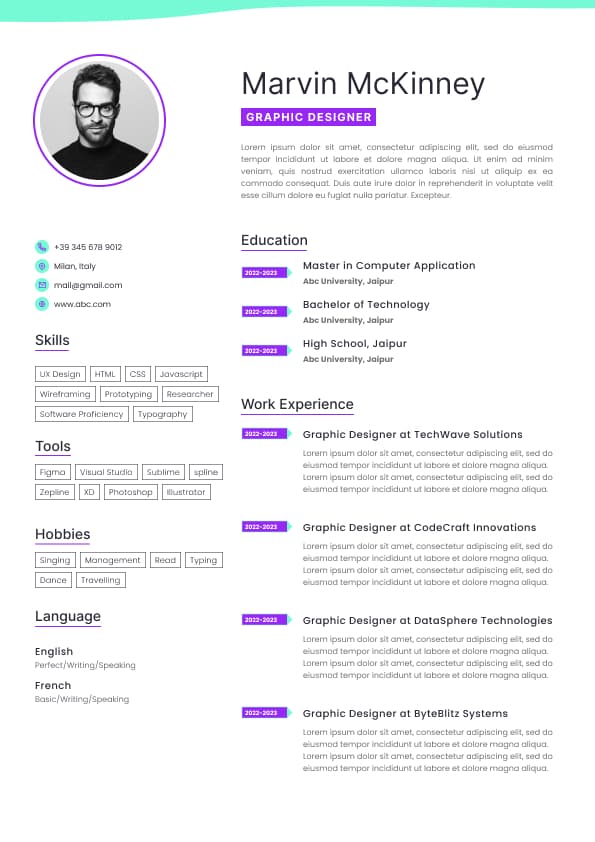
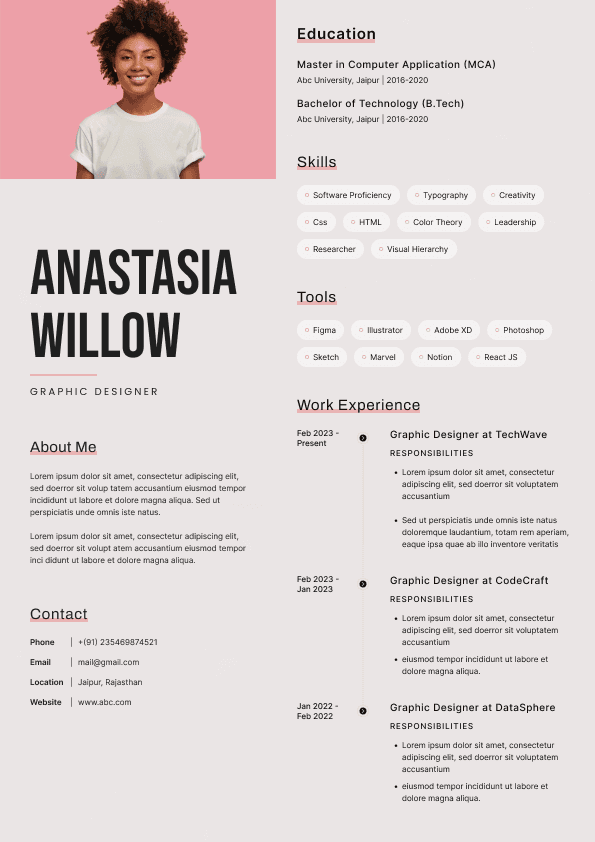
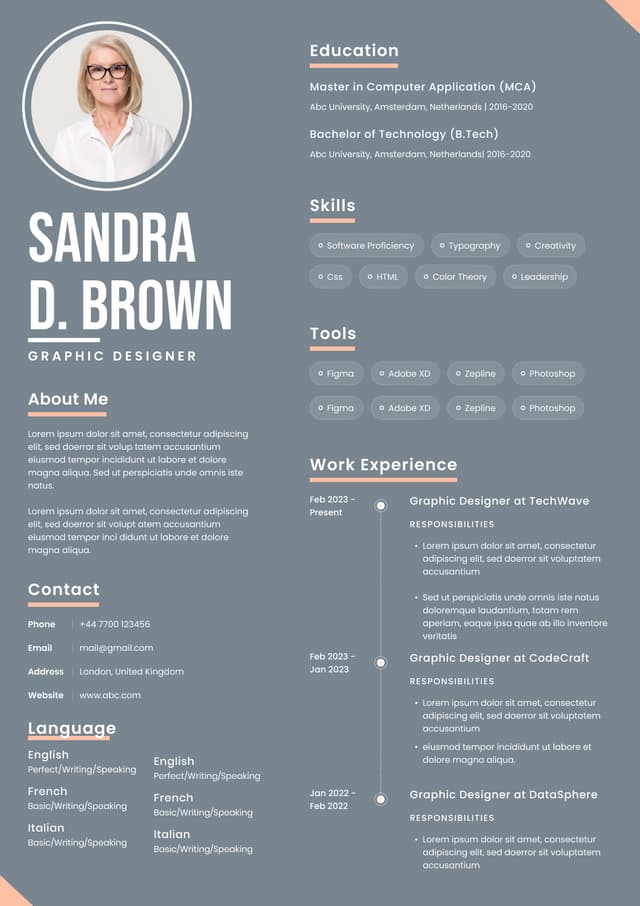
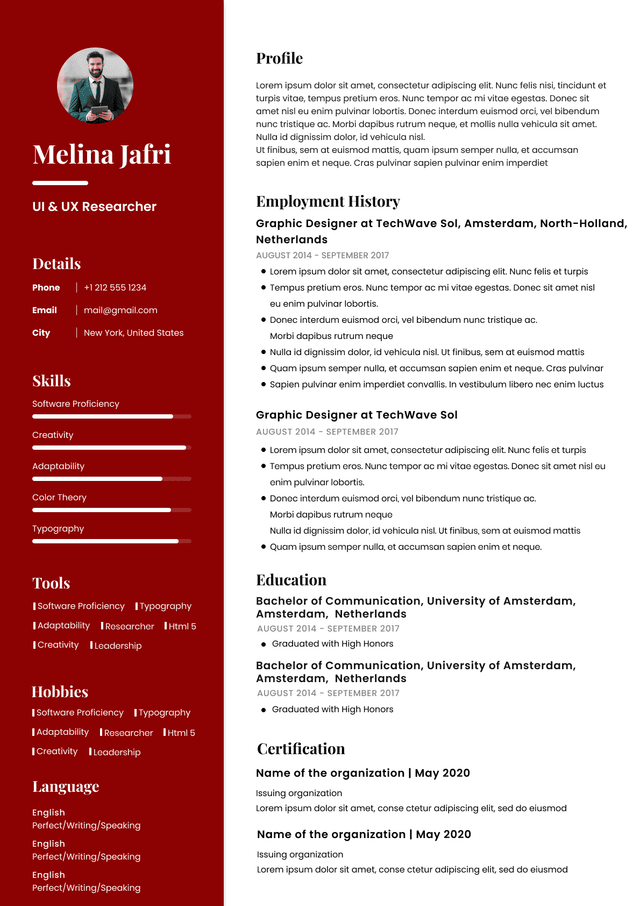
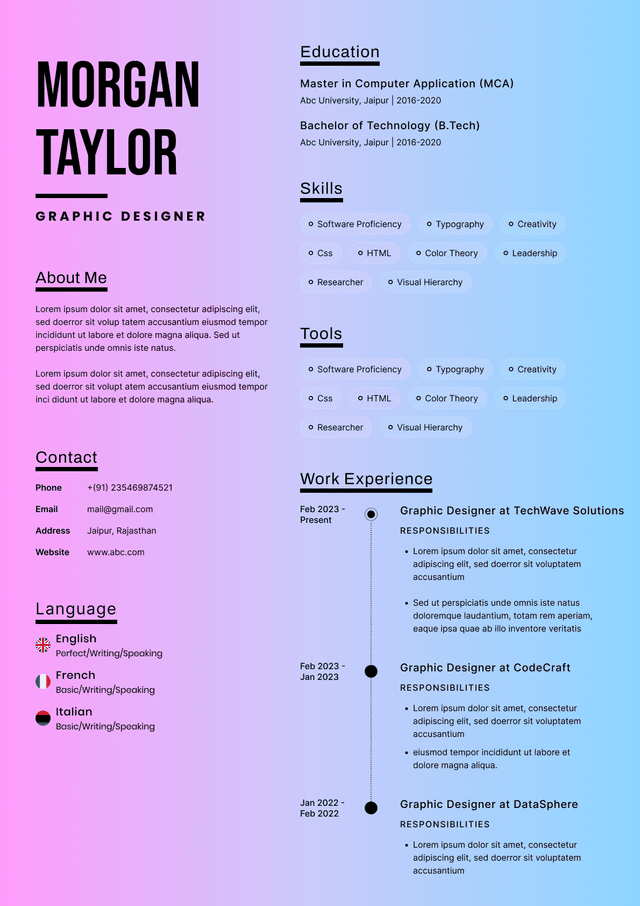
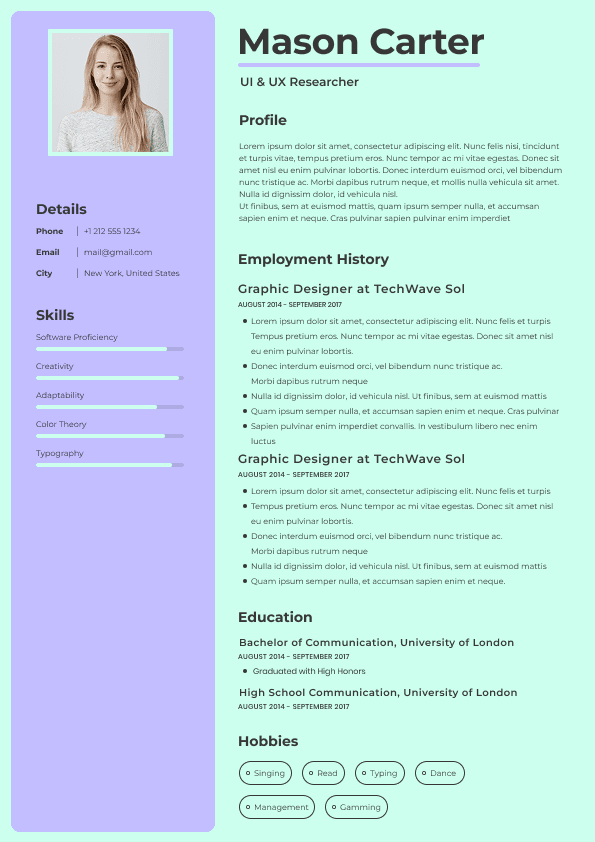
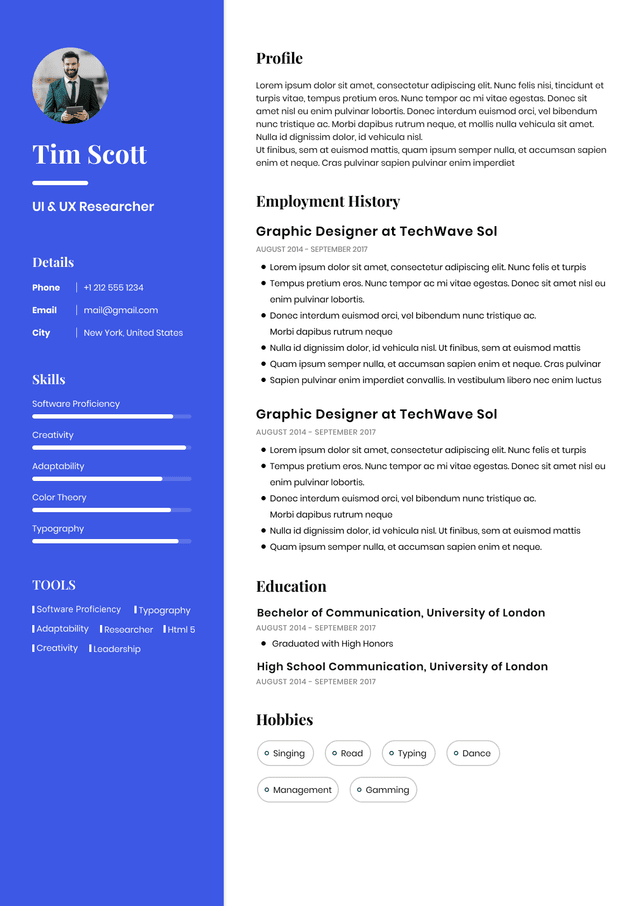
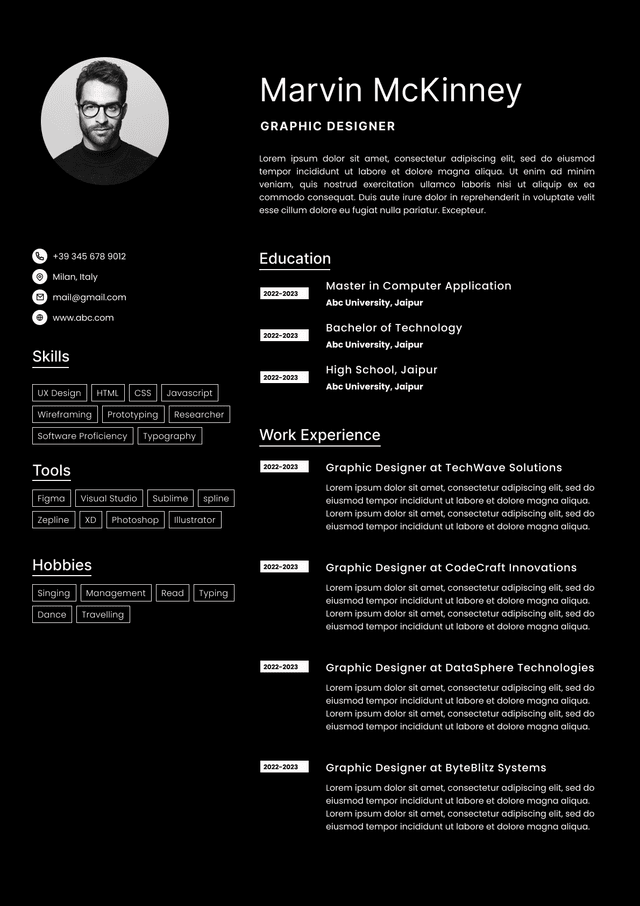
Use ATS-optimised Resume and resume templates that pass applicant tracking systems. Our Resume builder helps recruiters read, scan, and shortlist your Resume faster.


Use professional field-tested resume templates that follow the exact Resume rules employers look for.
Create Resume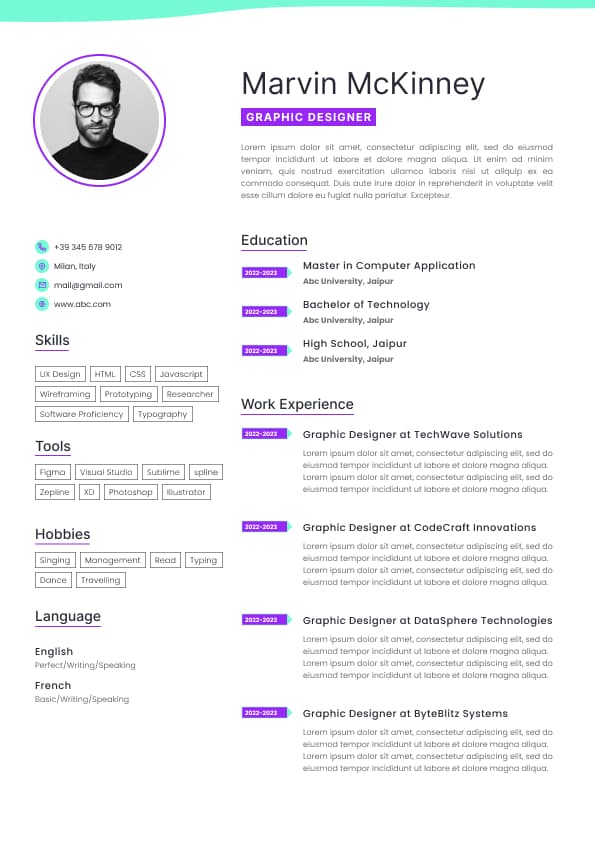
Use professional field-tested resume templates that follow the exact Resume rules employers look for.
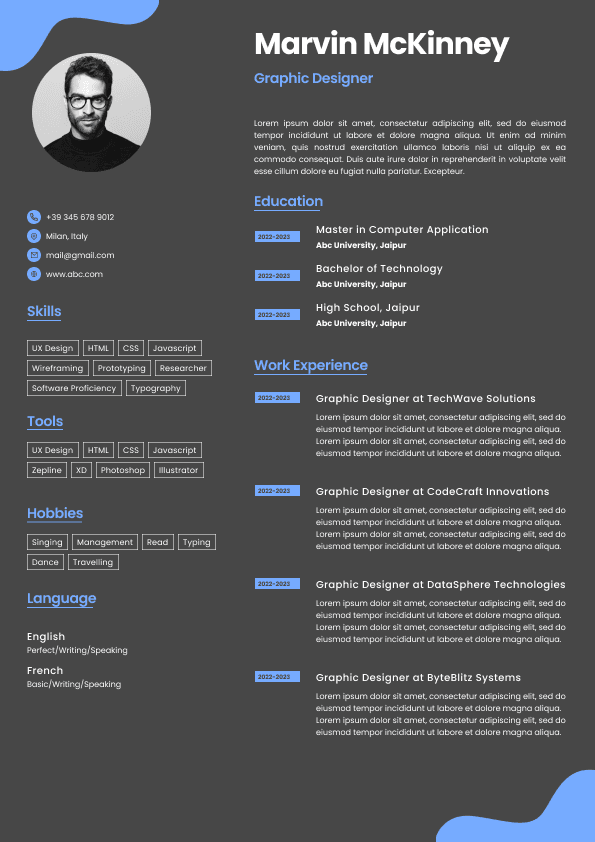
Create ResumeError rate reduction metrics




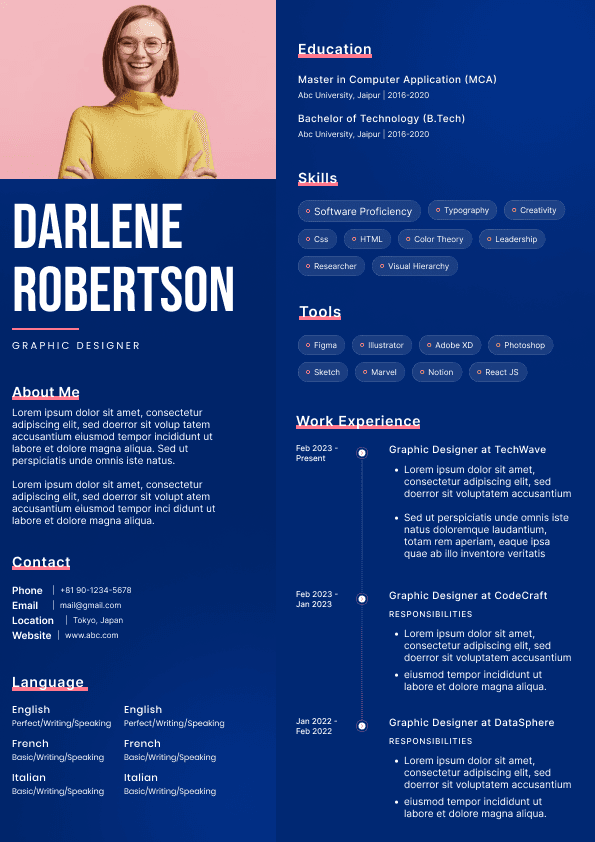

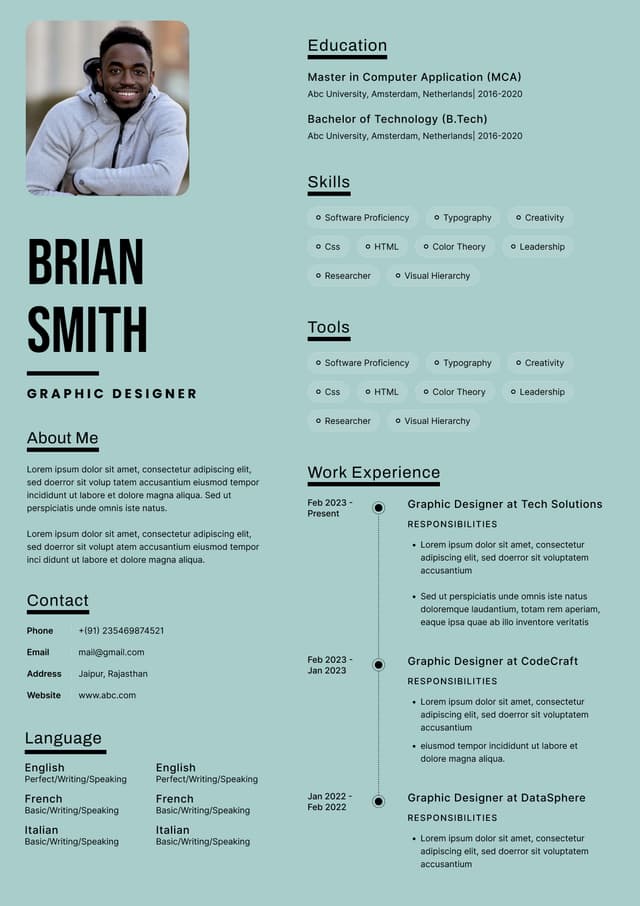






















 Upload Resume
 Import from Linkedin