STILL APPLYING. STILL HEARING NOTHING?BUILD YOUR RESUME

STILL APPLYING. STILL HEARING NOTHING?BUILD YOUR RESUME
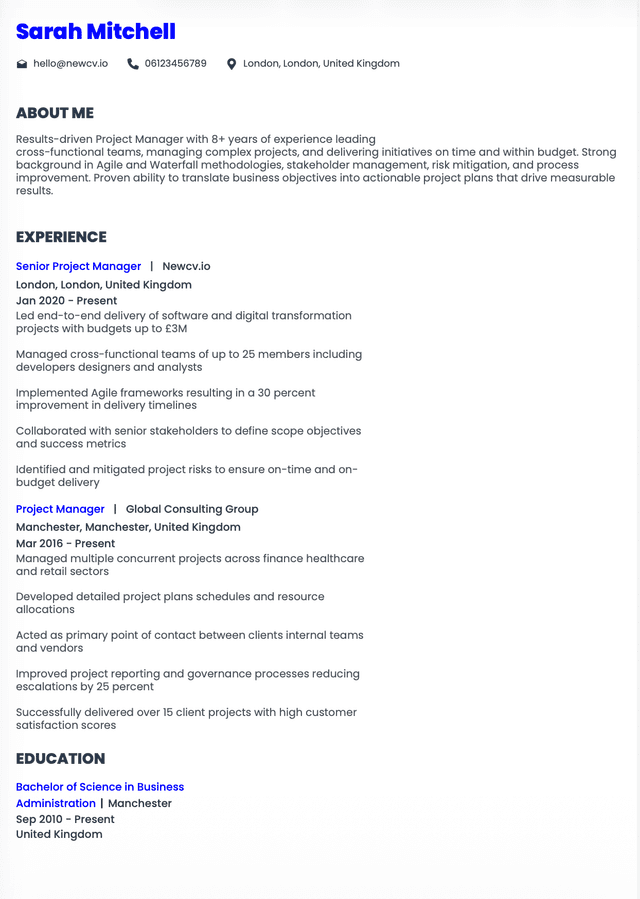
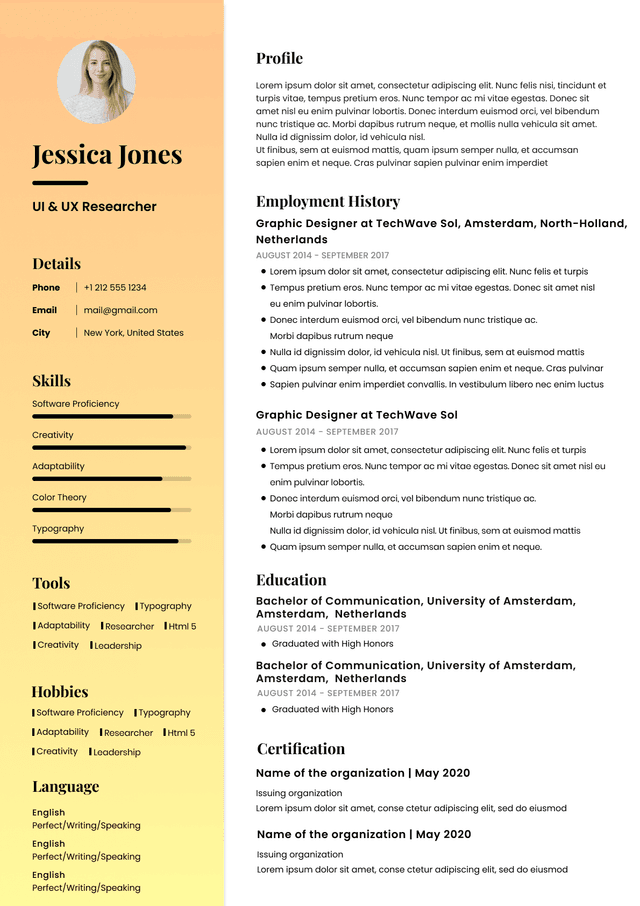
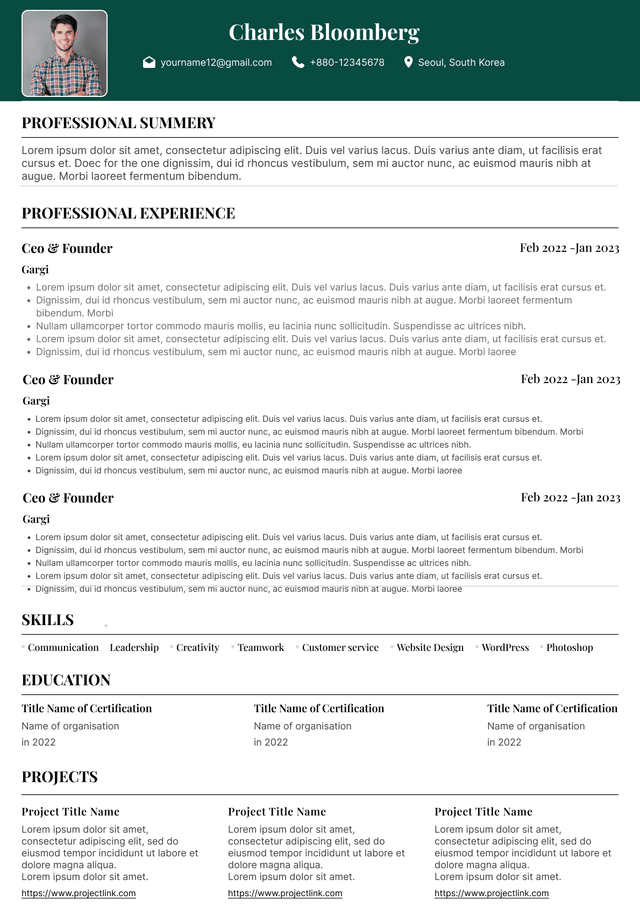
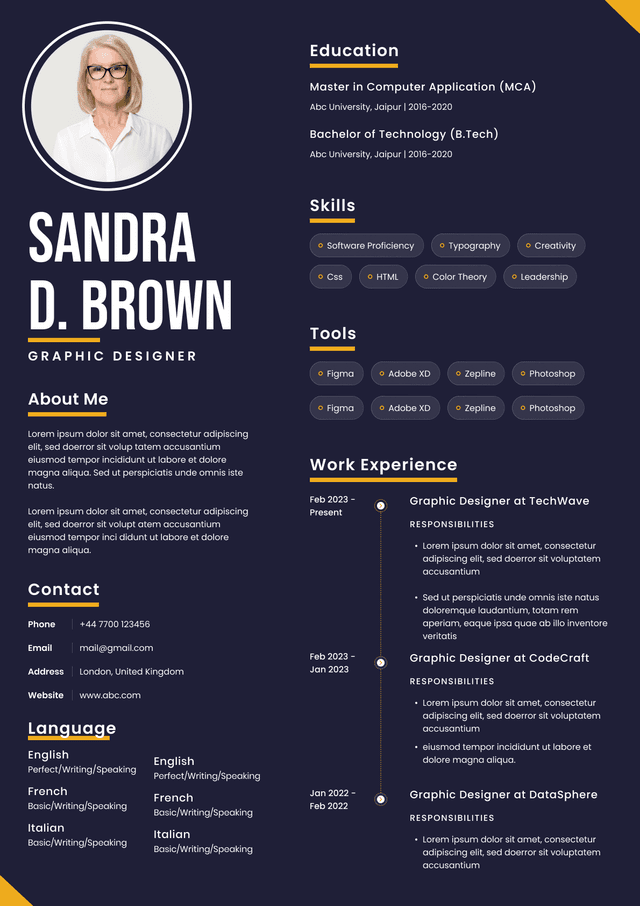
Choose from a wide range of NEWCV resume templates and customize your NEWCV design with a single click.
FAQ
A JavaScript Developer Experience resume is not evaluated like a standard frontend developer resume. Hiring managers for DX, frontend platform, and internal tooling roles are not primarily looking for polished UI features or consumer-facing React applications. They are evaluating whether you can improve engineering productivity at scale.
That means your resume must demonstrate measurable impact on developer workflows, build systems, CI/CD performance, monorepo management, TypeScript standardization, tooling automation, and cross-team enablement.
Most candidates fail because they position themselves like product engineers. Strong DX resumes position the candidate as a force multiplier for engineering organizations.
If your resume does not clearly communicate platform-level thinking within the first few bullet points, recruiters will assume you are a standard frontend developer and move on.
Recruiters hiring for DX engineering roles usually screen for five core signals:
Platform and tooling ownership
Cross-team engineering impact
Build system expertise
Productivity optimization
Scalable frontend infrastructure knowledge
Unlike traditional frontend hiring, recruiters are often coordinating with platform engineering managers, staff engineers, or developer productivity leads. These stakeholders care less about visual polish and more about operational efficiency.
Your resume should immediately communicate that you can:
Reduce friction for engineering teams
Most frontend resumes emphasize:
User-facing features
React components
Accessibility improvements
UI performance
Customer engagement metrics
A JavaScript Developer Experience resume focuses on:
Monorepo architecture
Build pipeline optimization
Your summary should position you as a systems-level frontend engineer focused on engineering efficiency.
Senior JavaScript Developer Experience Engineer with 8+ years of experience building frontend tooling, monorepo infrastructure, and scalable developer platforms. Specialized in TypeScript standardization, CI/CD optimization, internal CLI tooling, and frontend build systems using Nx, Turborepo, Webpack, and Vite. Proven track record reducing build times, improving developer onboarding, and supporting multi-team engineering productivity across enterprise SaaS environments.
This works because it:
Defines specialization immediately
Includes relevant tooling keywords naturally
Signals organizational impact
Aligns with platform engineering expectations
For developer experience roles, recruiters spend most of their attention on:
Professional experience
Technical stack
Architecture ownership
Infrastructure scale
Measurable productivity impact
Education is significantly less important unless you are early career.
Your experience section should dominate the resume.
Most candidates describe responsibilities. Strong DX candidates describe operational impact.
The best resume bullets for these roles include:
Scale
Systems
Productivity metrics
Standardization
Automation
Cross-team enablement
“Worked on frontend tooling improvements.”
This is vague and low-value.
Migrated 18 frontend applications into a Turborepo monorepo, reducing duplicated dependencies and streamlining release management workflows
Implemented Nx workspace architecture for shared UI libraries, improving code reuse across multiple product teams
Consolidated frontend package management using pnpm workspaces, reducing dependency conflicts and improving install performance
Reduced Webpack build times by 41% through incremental caching, bundle splitting, and dependency optimization
Migrated legacy Webpack configurations to Vite, improving local development startup time from 95 seconds to under 15 seconds
Recruiters and ATS systems scan heavily for infrastructure and tooling terminology.
Strong keyword coverage includes:
Developer Experience
Frontend Platform
Internal Tooling
Monorepo
Build Systems
CI/CD
Shared Libraries
TypeScript
Hiring managers for DX roles evaluate resumes differently from product engineering resumes.
They typically ask:
Has this person supported multiple engineering teams?
Can they scale frontend systems?
Do they understand developer pain points deeply?
Can they improve engineering velocity?
Have they owned tooling infrastructure before?
Can they maintain stability while improving workflows?
One major differentiator is operational maturity.
A candidate who simply built tooling is weaker than a candidate who improved adoption, governance, reliability, and engineering standards.
Developer Experience resumes become dramatically stronger when they include operational KPIs.
Strong metrics include:
Build time reduction
CI pipeline reduction
Onboarding time reduction
Deployment frequency improvements
Duplicate code reduction
Engineering hours saved
Shared package adoption
Repository standardization counts
Many candidates mention monorepos without explaining why their work mattered.
Hiring managers care less about the word “monorepo” and more about operational outcomes.
Strong monorepo positioning should communicate:
Shared dependency management
Release coordination
Package reuse
CI optimization
Cross-team collaboration
Standardization
Scalability
If your resume reads primarily like a React UI engineer, recruiters will not classify you as a DX candidate.
Your tooling and infrastructure work must dominate the narrative.
Many engineers explain tooling technically but fail to explain organizational value.
Hiring managers want to understand:
What problem existed
Who benefited
What improved
Why it mattered
DX engineering is inherently multi-team work.
If your bullets only describe individual project contributions, you appear too narrow for platform engineering responsibilities.
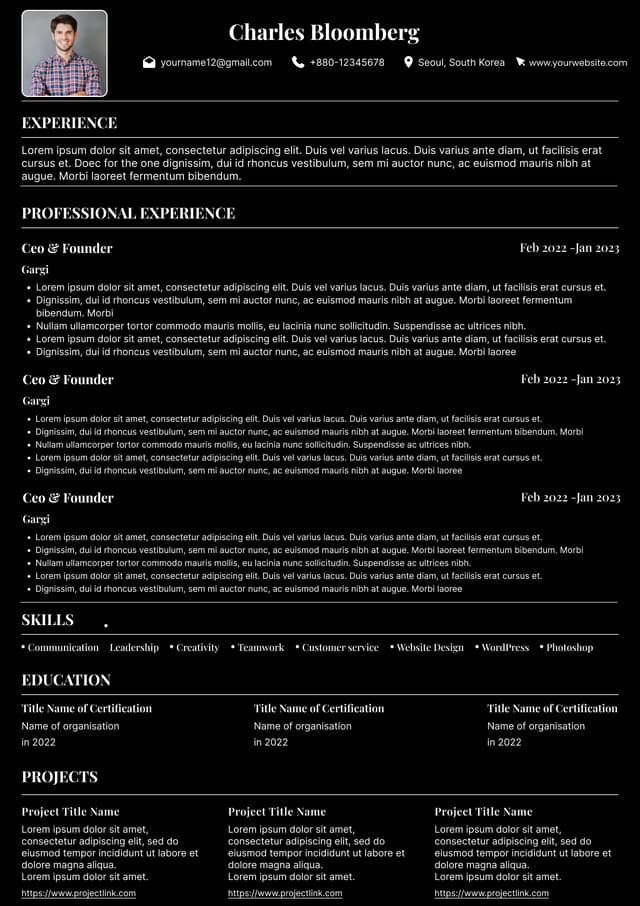
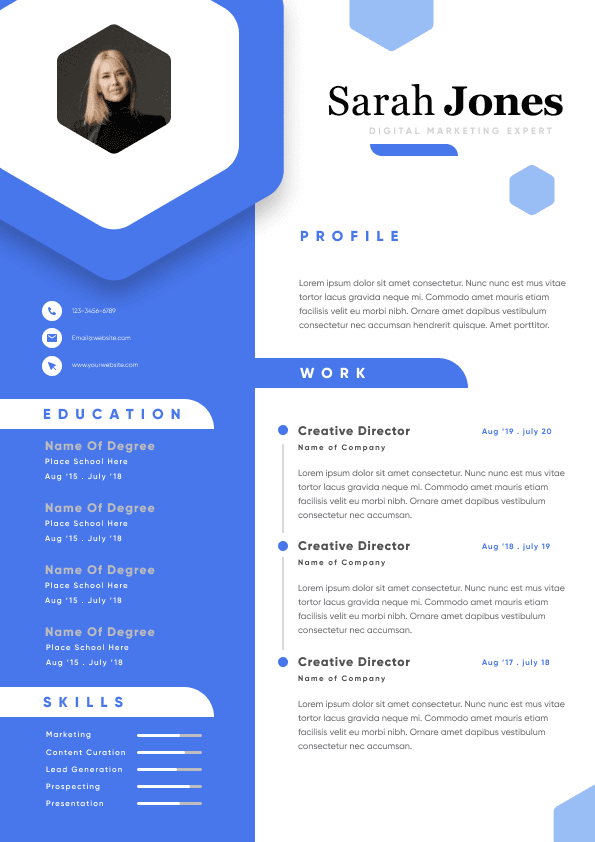
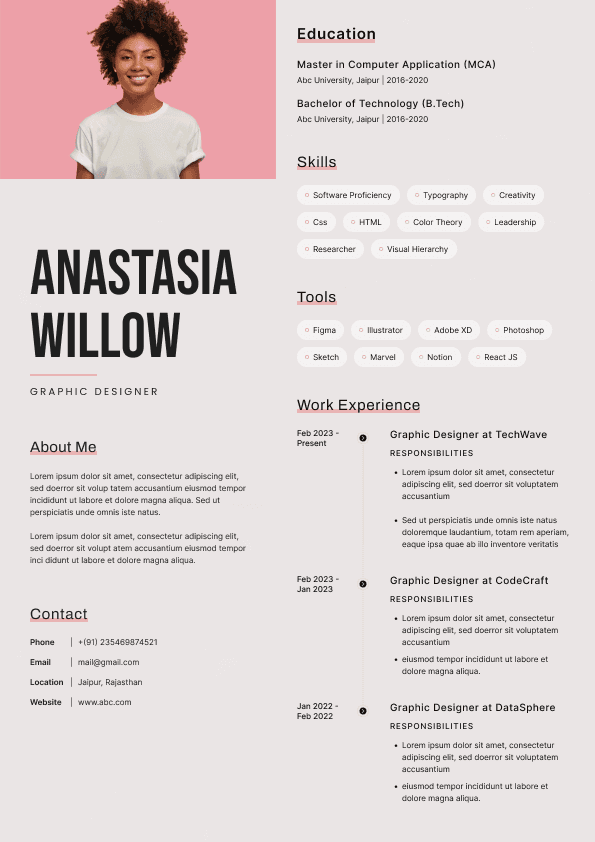
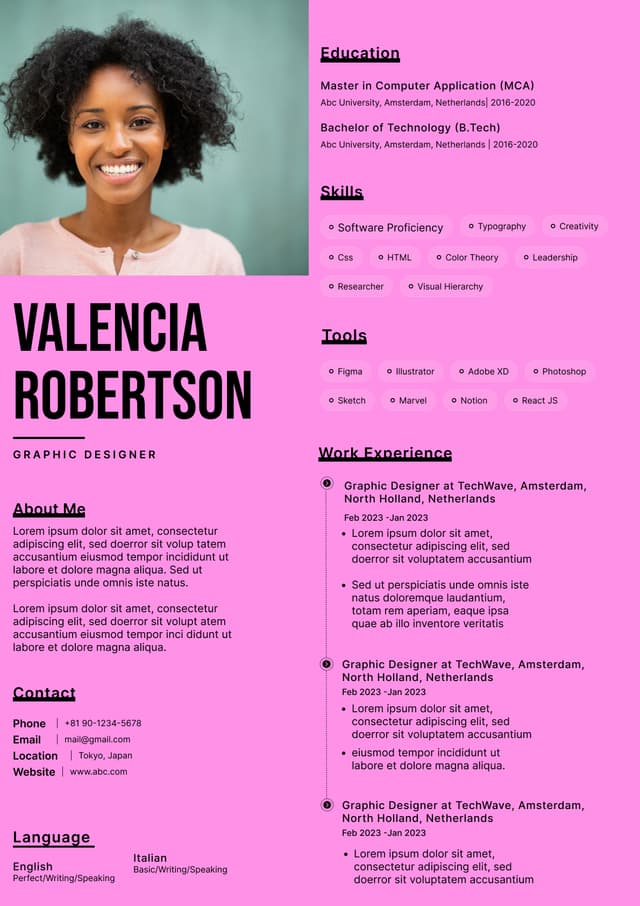
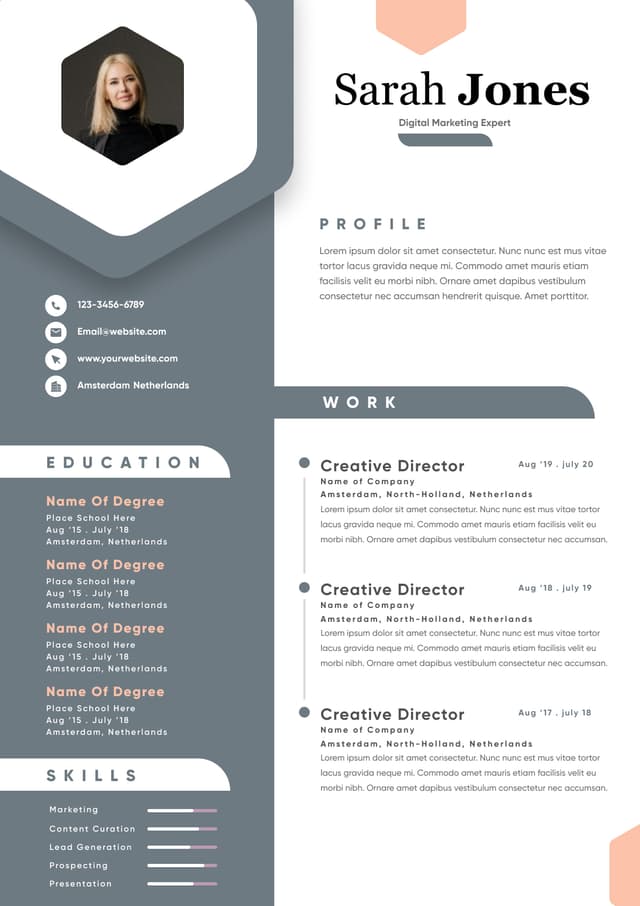
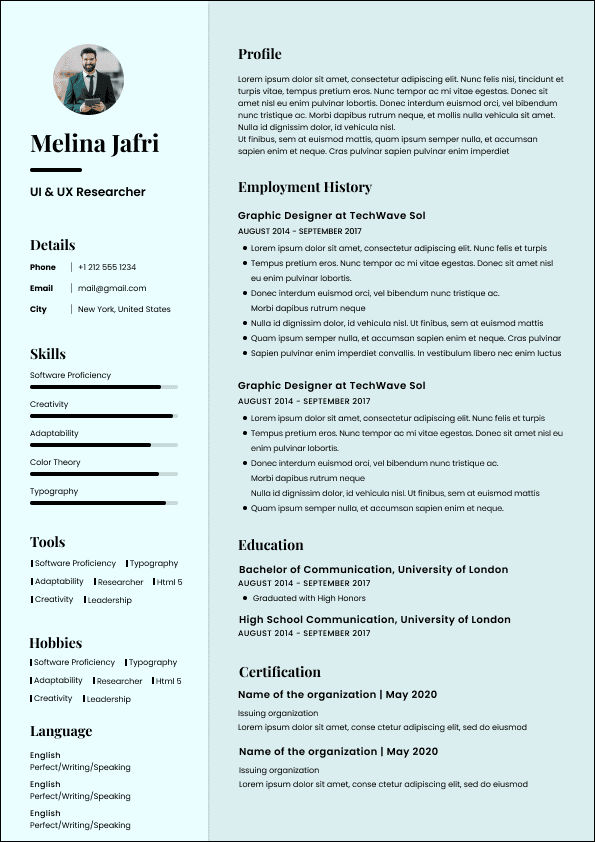
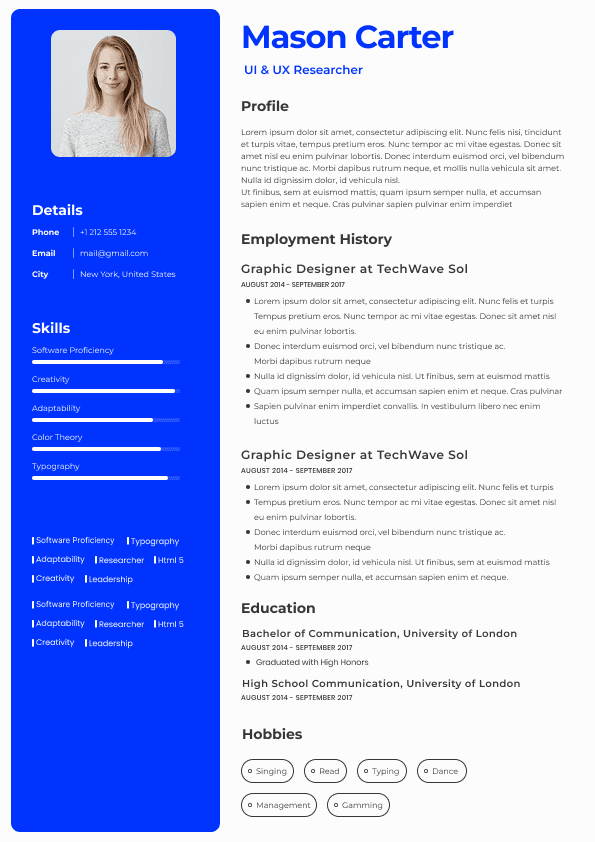
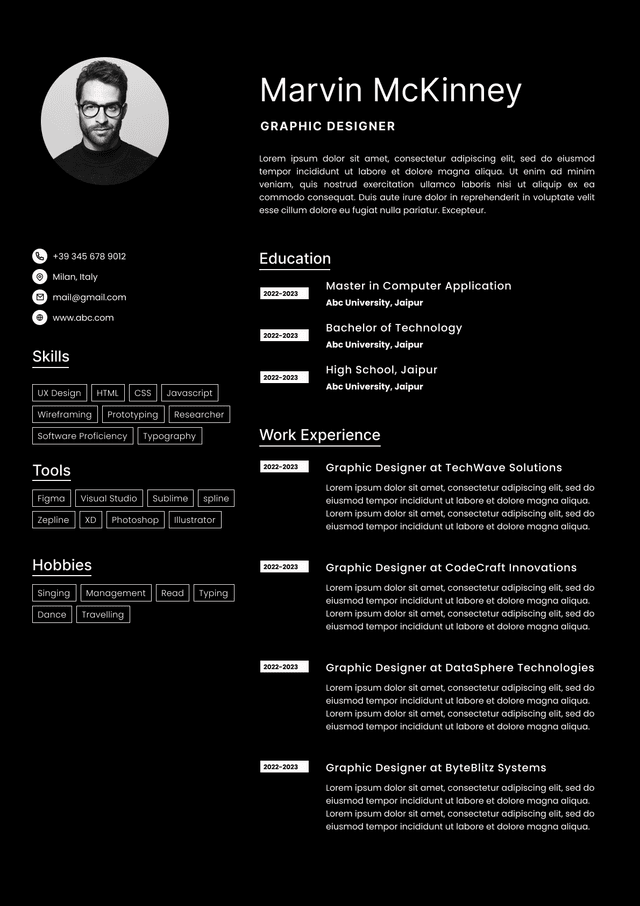
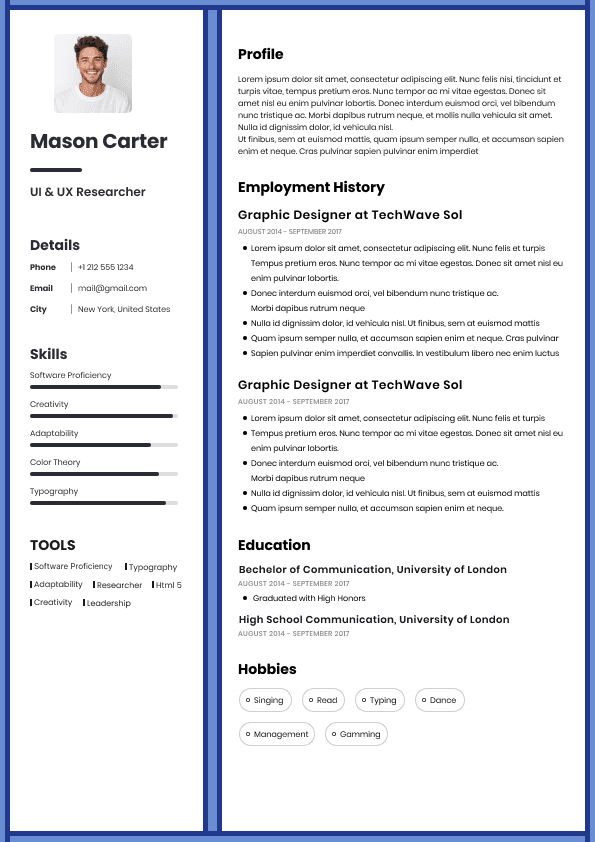
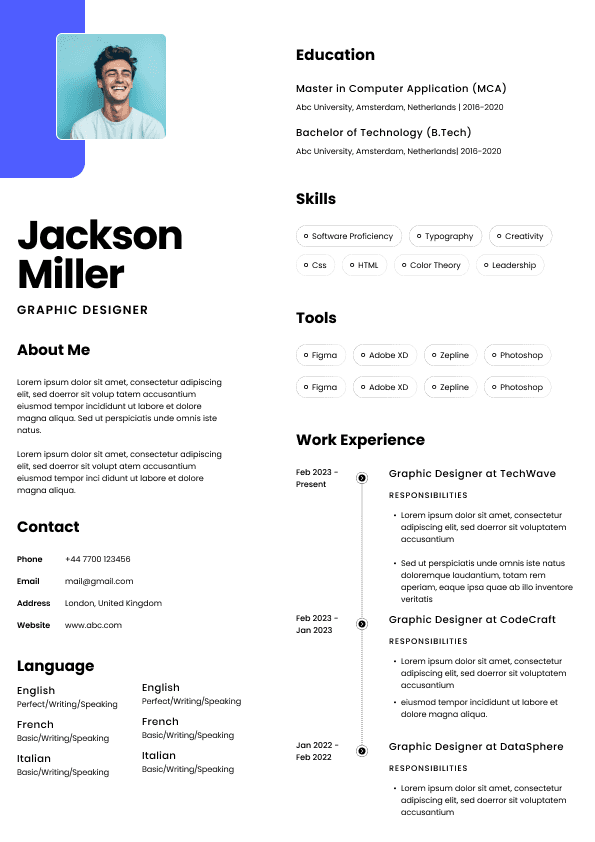
An effective resume structure for developer experience roles typically includes:
Include:
Name
GitHub
Portfolio if relevant
GitHub matters more for DX roles than for many traditional frontend roles because hiring managers often evaluate tooling sophistication.
Keep this concise and infrastructure-focused.
Group skills logically.
ATS systems often filter DX candidates using tooling-specific keywords.
However, modern ATS scoring also evaluates contextual relevance.
That means this performs poorly:
“Webpack, TypeScript, Turborepo, ESLint, Vite.”
This performs much better:
“Reduced frontend build times by 38% through optimized Webpack caching, TypeScript compilation improvements, and Vite migration initiatives.”
The second version provides semantic context around the technologies.
Senior DX engineers are evaluated on influence, not just implementation.
Strong senior-level signals include:
Standardization initiatives
Multi-team enablement
Governance ownership
Internal platform adoption
Tooling strategy
Workflow modernization
Engineering scalability
“Defined organization-wide frontend tooling standards and led migration strategy for shared TypeScript infrastructure supporting over 120 engineers.”
The strongest JavaScript Developer Experience resumes typically demonstrate three things within the first half page:
Tooling specialization
Engineering productivity impact
Organizational scale
Recruiters should instantly understand that you are:
A systems-focused frontend engineer
Comfortable supporting large engineering organizations
Experienced in infrastructure and tooling ownership
If your resume looks interchangeable with a standard React developer resume, it will struggle in competitive frontend platform hiring pipelines.


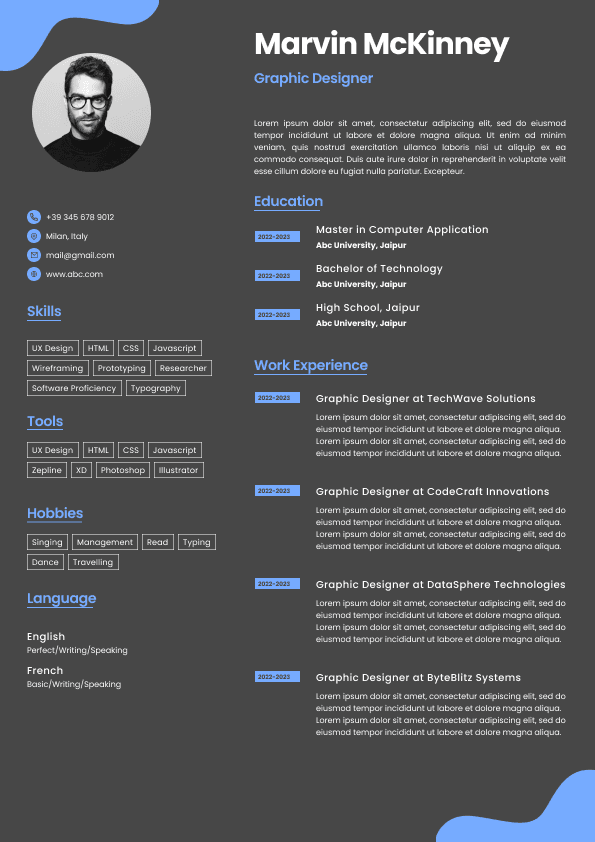
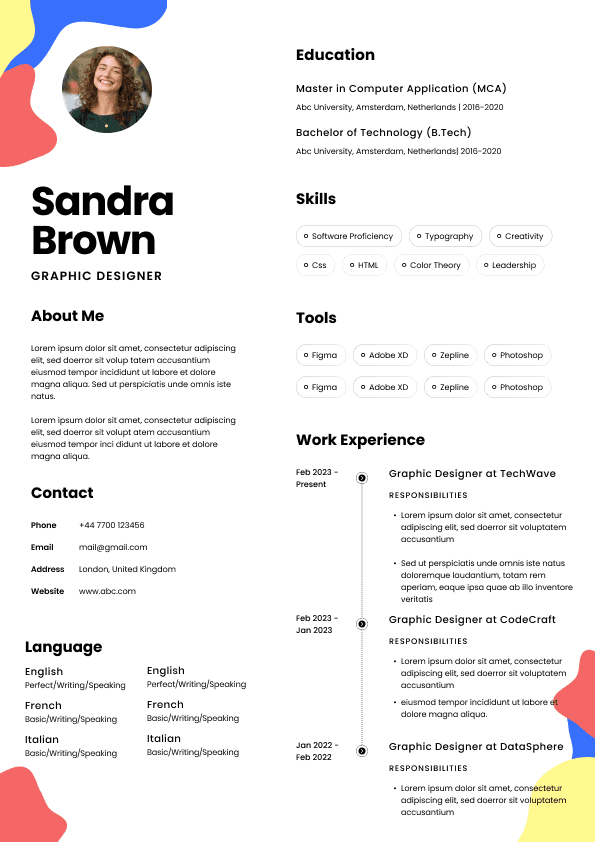
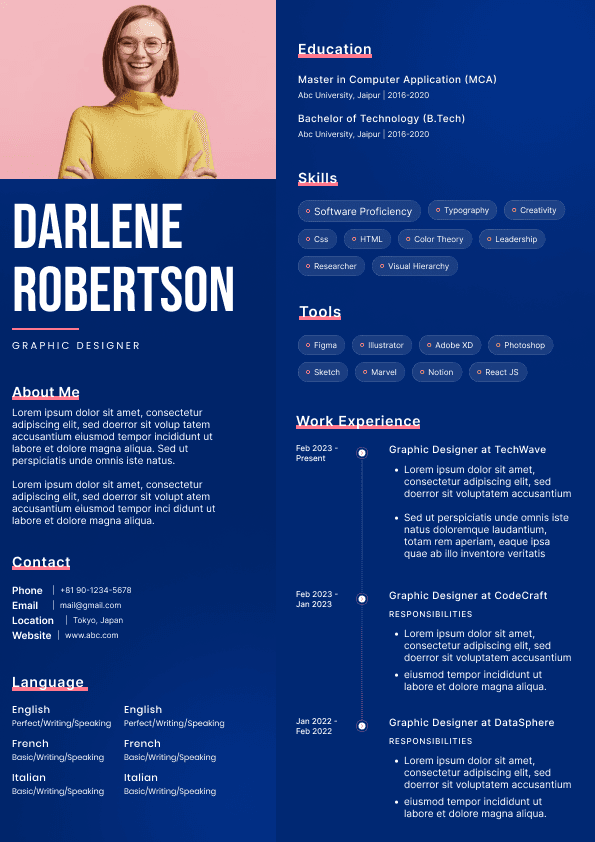
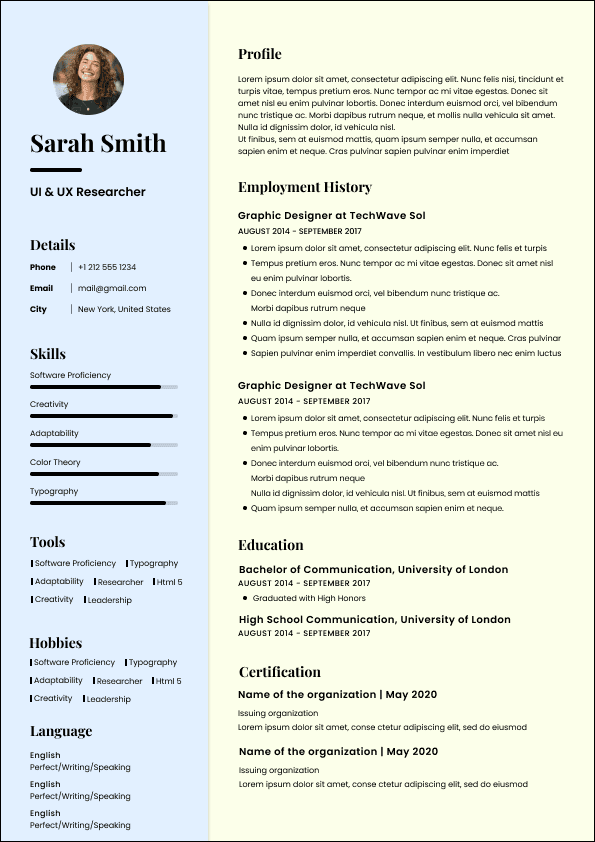
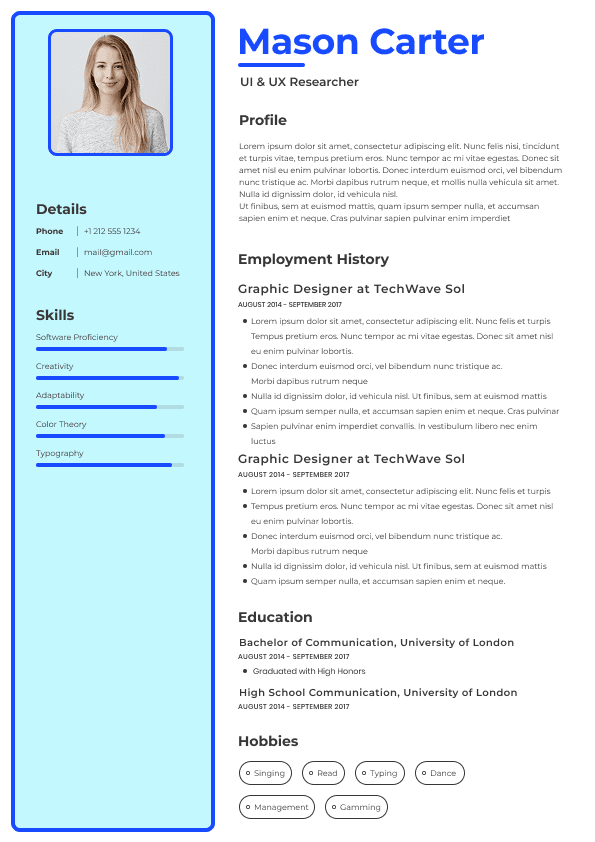
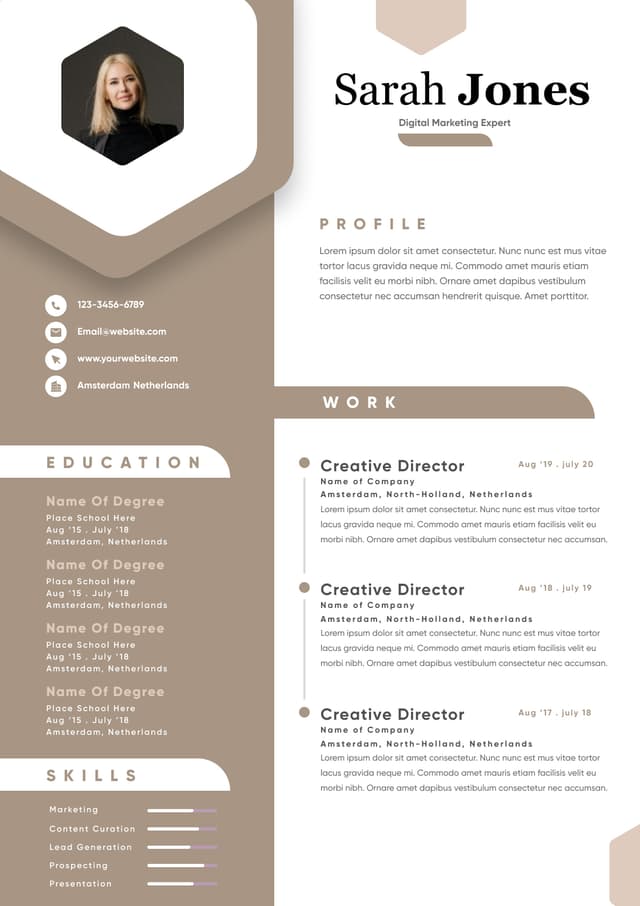
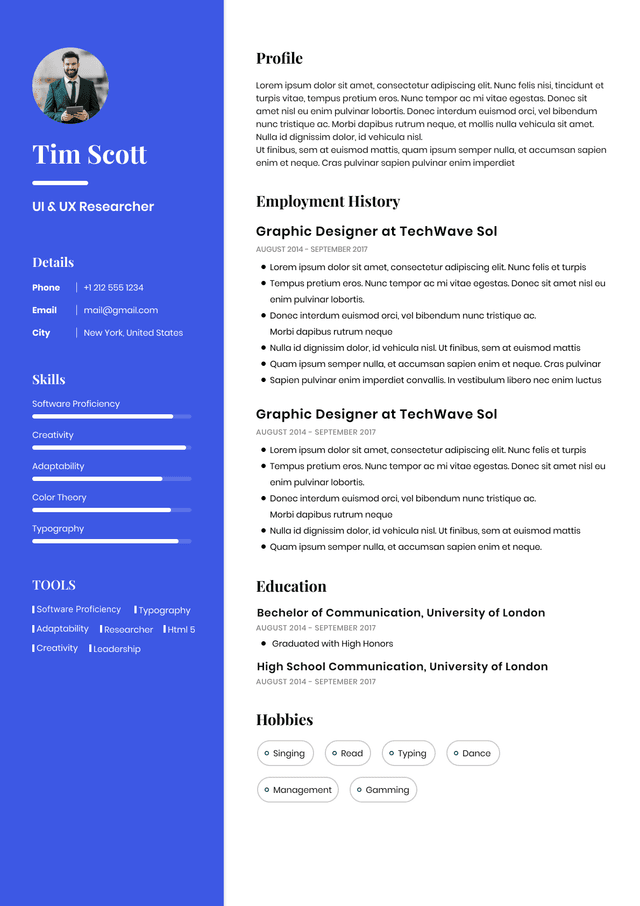
Use ATS-optimised Resume and resume templates that pass applicant tracking systems. Our Resume builder helps recruiters read, scan, and shortlist your Resume faster.


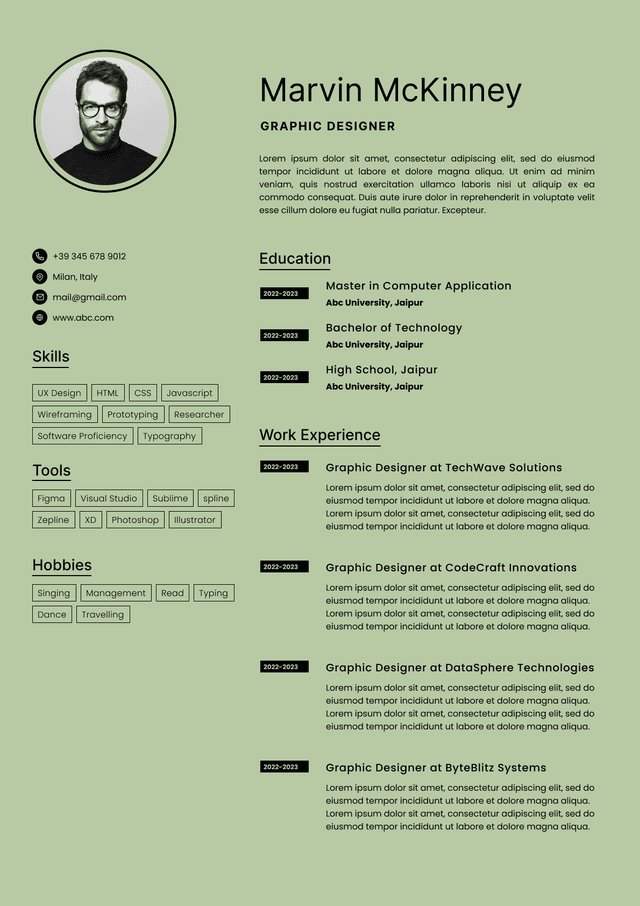
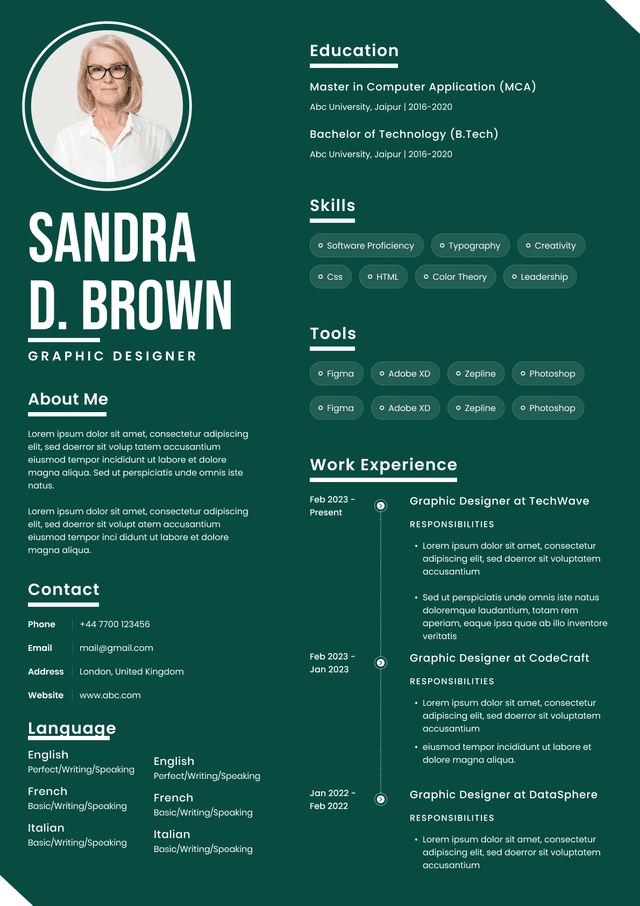
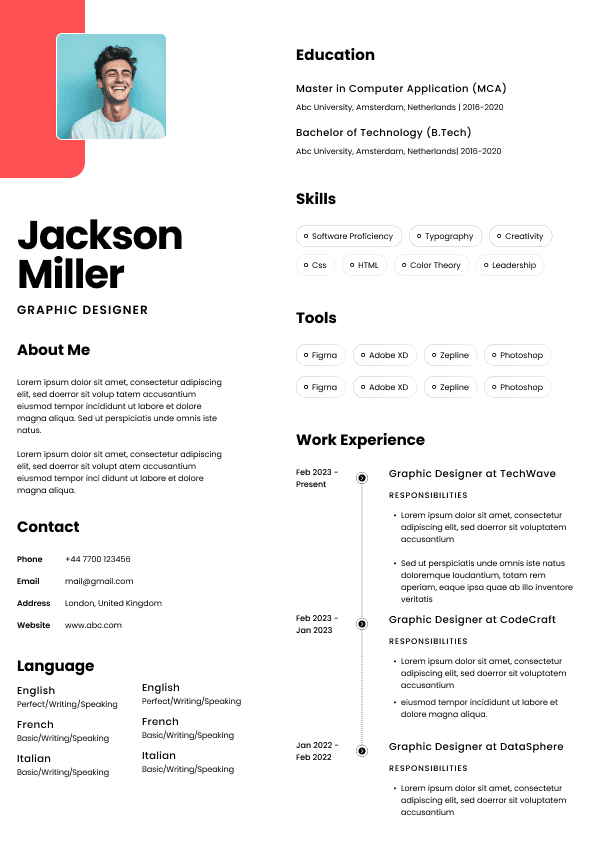
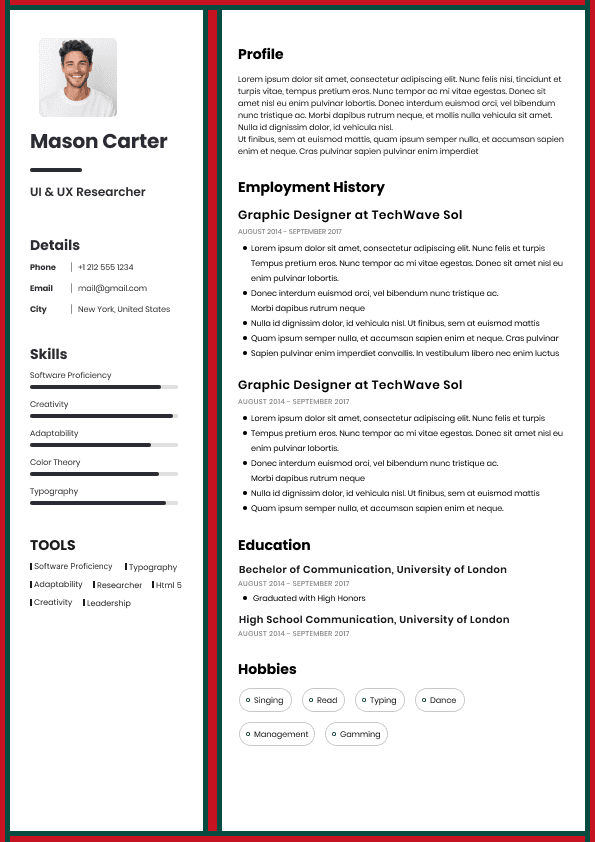
Use professional field-tested resume templates that follow the exact Resume rules employers look for.
Create Resume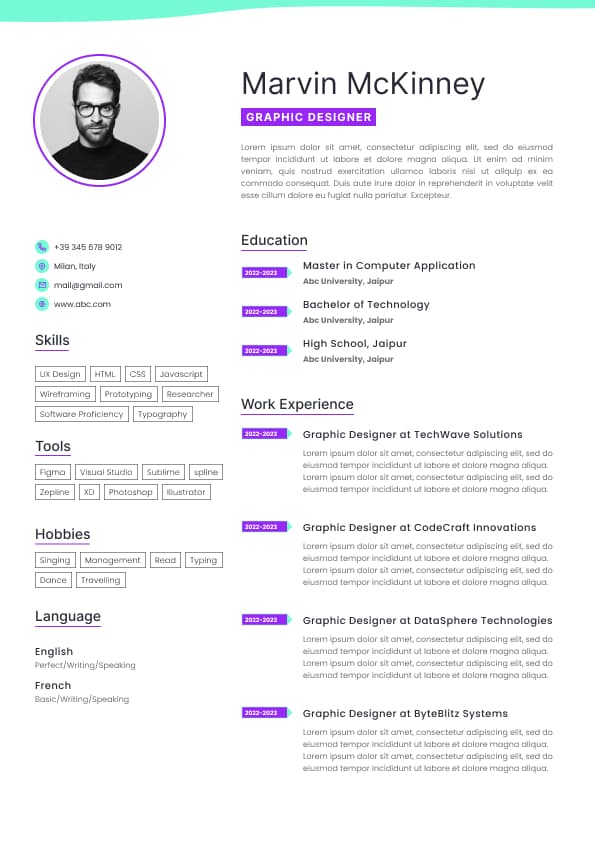
Use professional field-tested resume templates that follow the exact Resume rules employers look for.
Create ResumeStandardize frontend architecture
Improve CI/CD reliability
Support large-scale JavaScript ecosystems
Maintain tooling used by multiple teams
Improve onboarding and developer velocity
The fastest way to lose credibility is to focus primarily on UI features while barely mentioning tooling infrastructure.
Shared tooling
Internal CLIs
Dependency management
Engineering workflows
Linting and code standards
Release automation
CI/CD scalability
“Built reusable React components for enterprise dashboards.”
This sounds like a standard frontend engineer.
“Built internal component scaffolding CLI and standardized TypeScript tooling across 14 frontend repositories, reducing onboarding time by 37%.”
This signals platform engineering ownership.
“Created shared frontend tooling packages and centralized ESLint, Prettier, and TypeScript configurations across 11 repositories, reducing configuration drift and improving CI consistency.”
This demonstrates:
Technical depth
Platform ownership
Organizational impact
Engineering scalability
Optimized Babel and TypeScript compilation pipelines to reduce CI execution time across enterprise frontend applications
Built internal CLI tooling to automate React component scaffolding, testing setup, and Storybook integration
Reduced frontend onboarding time from 5 days to 2 days through automated setup scripts and developer documentation tooling
Implemented reusable code generation workflows that standardized frontend architecture patterns across engineering teams
Reduced CI pipeline duration by 43% through parallelized testing, dependency caching, and optimized GitHub Actions workflows
Designed automated release pipelines supporting shared package publishing across multiple frontend teams
Implemented branch validation tooling and automated quality checks to reduce deployment failures in production environments
Maintained shared design system infrastructure used by over 70 frontend engineers across multiple SaaS products
Developed centralized frontend platform tooling supporting React, TypeScript, Storybook, and internal package distribution
Led frontend infrastructure modernization initiatives improving release reliability and developer velocity
Package Management
Tooling Automation
Frontend Infrastructure
Engineering Productivity
Build Optimization
Release Automation
Repository Standardization
You should also include core tooling naturally throughout the resume:
Nx
Turborepo
Lerna
Vite
Webpack
Babel
ESLint
Prettier
Storybook
pnpm
Yarn
npm
GitHub Actions
GitLab CI/CD
Docker
Do not keyword stuff. Recruiters can immediately tell when a candidate artificially injects tooling names without meaningful context.
“Created shared tooling for frontend teams.”
“Led adoption of shared frontend tooling standards across 9 engineering squads, improving code consistency and reducing configuration-related CI failures by 52%.”
The second bullet demonstrates leadership, adoption, scale, and measurable outcomes.
Test execution improvements
Release speed improvements
Reduced CI execution time by 43% across 12 frontend repositories
Standardized tooling across 15 engineering teams
Reduced local environment setup time from 3 hours to 25 minutes
Improved build cache hit rates by 61%
Automated frontend workflows saving approximately 500 engineering hours annually
Metrics immediately separate platform engineers from generalist frontend developers.
“Worked with Turborepo monorepo architecture.”
“Architected Turborepo-based frontend platform enabling shared package distribution, centralized dependency management, and coordinated releases across 14 applications.”
The second version demonstrates strategic implementation instead of passive exposure.
Developer productivity work is measurable.
If your resume contains no metrics, recruiters assume the impact was minimal or unclear.
Simply listing Nx, Vite, or Webpack is not enough.
You must explain:
What you implemented
Why you implemented it
What changed afterward
TypeScript
React
JavaScript
Storybook
Webpack
Vite
Babel
Nx
Turborepo
Lerna
GitHub Actions
GitLab CI/CD
Docker
Internal CLIs
Monorepos
Shared Libraries
Package Management
This should represent the majority of the document.
Keep brief unless highly relevant.
This signals platform ownership at scale.




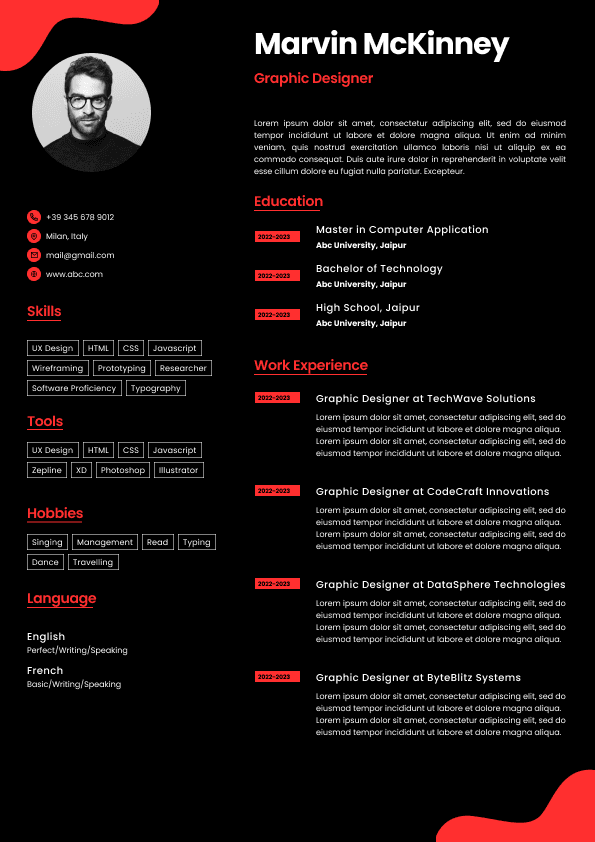
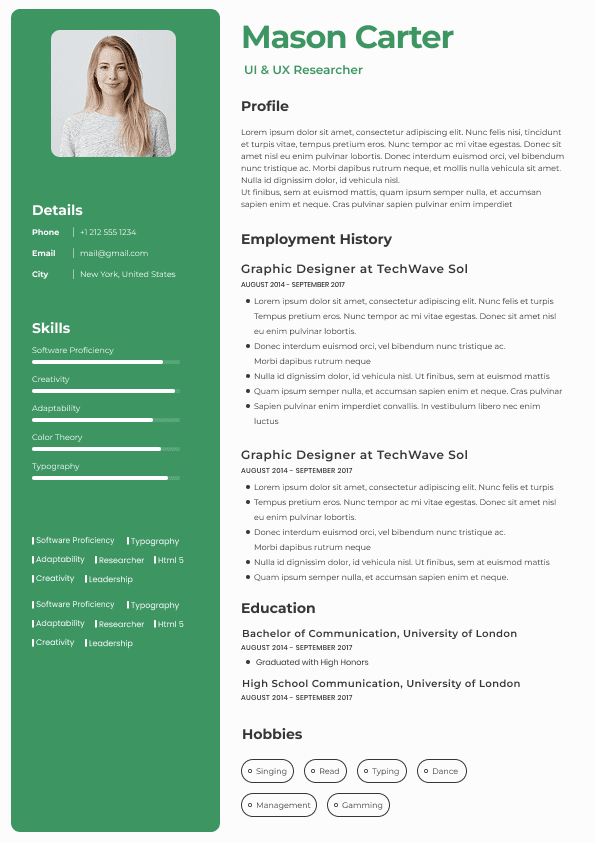
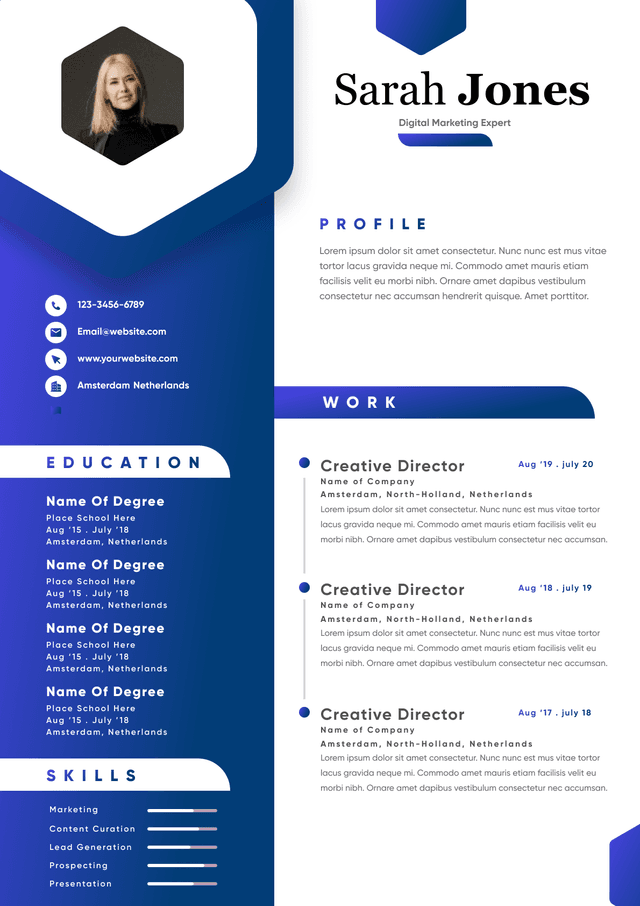
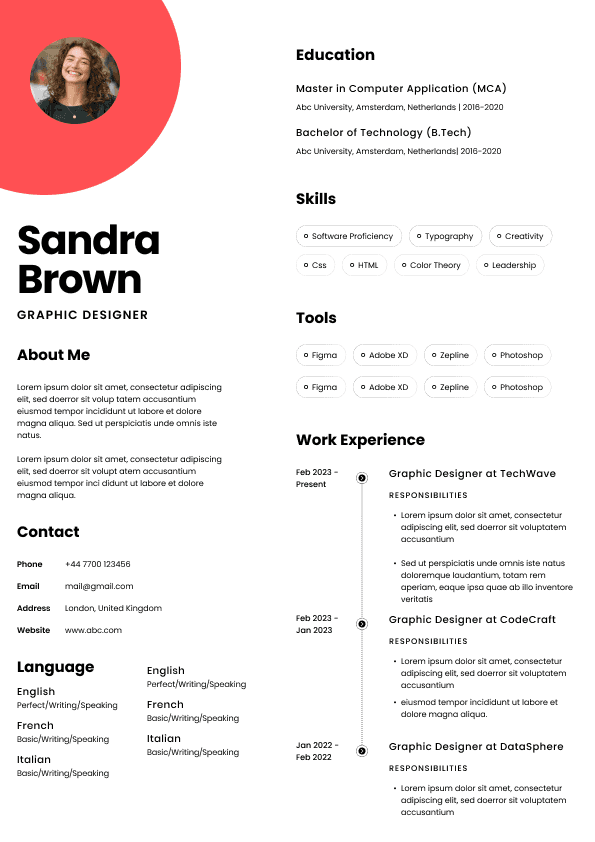
 Upload Resume
 Import from Linkedin