STILL APPLYING. STILL HEARING NOTHING?BUILD YOUR RESUME

STILL APPLYING. STILL HEARING NOTHING?BUILD YOUR RESUME
FAQ
A strong JavaScript developer resume for AI integration roles is not about pretending to be a machine learning engineer. Hiring managers are looking for product-focused developers who can successfully integrate LLM APIs into real-world applications using React, Node.js, TypeScript, and modern AI tooling.
The candidates getting interviews right now are the ones who can demonstrate practical AI implementation skills like streaming chat interfaces, RAG applications, prompt workflows, AI automation, moderation systems, and scalable API integrations. Recruiters want proof that you can ship production AI features, not just experiment with ChatGPT wrappers.
Your resume needs to clearly show:
Real AI product integration experience
Business impact and measurable outcomes
Strong frontend and backend JavaScript architecture skills
Production-level AI implementation knowledge
Most hiring managers for AI product teams are not looking for deep machine learning theory. They are hiring developers who can build reliable AI-powered user experiences.
The strongest candidates usually demonstrate four things immediately:
Strong React or Next.js application development
Backend integration experience with LLM APIs
Production-focused thinking around scaling and reliability
Business impact from AI features
Recruiters scan resumes extremely fast. If your AI experience is buried under generic frontend work, it will often be missed entirely.
For AI integration roles, recruiters specifically look for keywords and implementation patterns like:
OpenAI API
For this niche, resume structure matters more than many candidates realize.
Recruiters hiring for AI product engineering roles often review resumes while comparing dozens of developers with nearly identical JavaScript backgrounds. Your structure must make your AI experience impossible to miss.
A high-performing layout typically includes:
Professional summary
Technical skills
Professional experience
AI projects
Education
Certifications if relevant
The biggest mistake candidates make is hiding AI work inside generic frontend or full-stack descriptions.
Your AI implementation experience should be highly visible within the first half of the resume.
Your summary should position you as a product-focused AI integration engineer, not a general frontend developer experimenting with AI tools.
The goal is to establish:
Your specialization
Your stack
Your AI implementation experience
Your product mindset
“Full-stack JavaScript developer with 5+ years of experience building AI-powered web applications using React, Next.js, Node.js, and TypeScript. Specialized in integrating OpenAI and Anthropic APIs into SaaS platforms, chatbot systems, and workflow automation tools. Experienced in streaming AI responses, vector search integration, prompt management, and scalable production AI features with strong focus on UX, latency optimization, and cost control.”
This works because it immediately signals:
The AI integration market is evolving fast. Recruiters now expect developers to show applied AI product engineering skills, not just traditional frontend development.
Your skills section should reflect modern AI implementation workflows.
React
Next.js
TypeScript
Tailwind CSS
Streaming UI
AI chat interfaces
Real-time rendering
This is where most candidates lose opportunities.
Generic AI bullets usually fail because they sound experimental instead of production-ready.
Recruiters want evidence that you can:
Build scalable AI features
Improve product outcomes
Handle real-world AI constraints
Ship production systems
The best bullet points combine:
Technical implementation
AI-specific functionality
Most resumes talk about AI implementation without showing measurable outcomes.
That is a major mistake.
Metrics help recruiters understand:
Product impact
Engineering maturity
Business value
Scalability
The most effective KPIs for AI integration resumes include:
Support ticket reduction
Workflow automation rate
User adoption growth
Many developers entering AI integration roles only have personal or freelance projects.
That is completely acceptable if the projects demonstrate production thinking.
Recruiters increasingly hire based on demonstrated AI implementation ability rather than years of AI experience.
Strong AI portfolio projects include:
AI chat applications
RAG systems
AI productivity tools
AI workflow automation
AI coding assistants
AI support systems
Most AI integration hiring managers are not looking for research scientists.
If your resume is overloaded with vague AI buzzwords, it can actually reduce credibility.
Avoid:
“AI visionary”
“Machine learning enthusiast”
“Generative AI expert” without proof
Excessive prompt engineering claims
Focus instead on shipped product features.
A skills section filled with AI technologies means very little without implementation examples.
Recruiters want evidence of:
The best resumes consistently demonstrate three layers of capability simultaneously.
Without this foundation, AI experience alone is not enough.
Recruiters still prioritize:
Clean architecture
Scalable frontend systems
Backend API design
TypeScript proficiency
This is where candidates differentiate themselves.
Strong resumes show:
Production AI implementation
Applicant Tracking Systems matter heavily in this market because AI roles attract enormous application volume.
To improve ATS visibility:
Match the exact terminology used in job descriptions
Include both full technology names and abbreviations
Use modern AI tooling terminology naturally
Include role-specific keywords throughout experience sections
LLM APIs
Generative AI
Michael Carter
Full-stack JavaScript developer with 6+ years of experience building AI-powered SaaS products using React, Next.js, Node.js, and TypeScript. Specialized in integrating OpenAI and Anthropic APIs into production web applications including AI assistants, RAG systems, workflow automation platforms, and conversational interfaces. Experienced in streaming AI responses, vector search implementation, token optimization, moderation systems, and scalable AI product architecture.
Frontend: React, Next.js, TypeScript, Tailwind CSS, Redux, WebSockets
Backend: Node.js, Express.js, REST APIs, GraphQL, Serverless Functions
AI Integration: OpenAI API, Anthropic API, Gemini API, LangChain.js, Vercel AI SDK, Prompt Management
Vector Search: Pinecone, pgvector, Supabase Vector, Semantic Search
Infrastructure: AWS, Vercel, Docker, CI/CD, Monitoring, Rate Limiting
2023–Present
Built AI-powered customer support dashboards using React, Next.js, TypeScript, and OpenAI streaming APIs supporting 40K+ monthly users
AI integration hiring is becoming increasingly product-focused.
Hiring managers often ask themselves five questions while reviewing resumes:
Candidates who show:
Full-stack ownership
Rapid implementation
SaaS product experience
usually move forward faster.
Strong resumes demonstrate awareness of:
Hallucinations
Latency
The highest-performing resumes in this market position candidates as practical AI product engineers.
Not AI researchers.
Not generic frontend developers.
The sweet spot is:
Strong JavaScript engineering
Modern AI integration capability
Product-focused thinking
Real business impact
If your resume clearly demonstrates:
AI-powered application development
LLM API integration
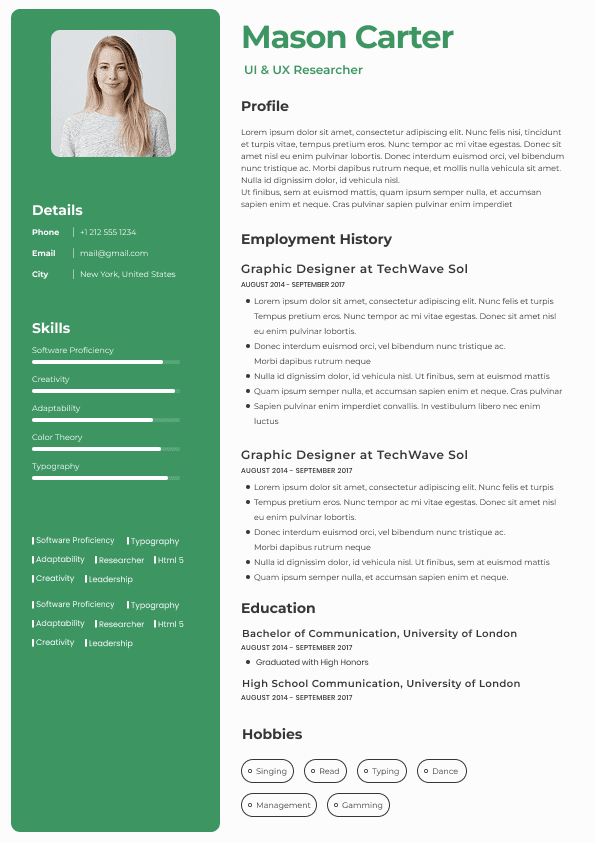
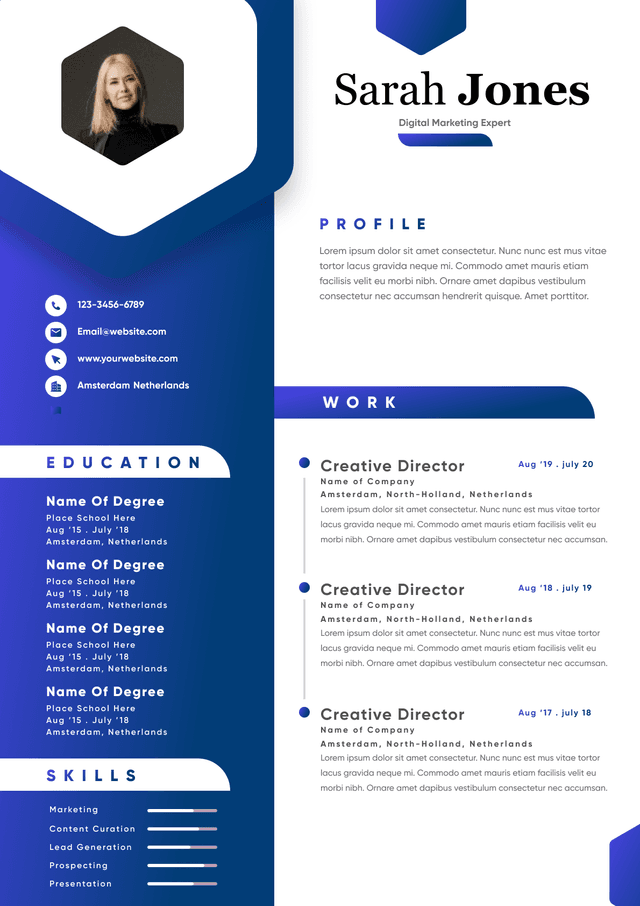
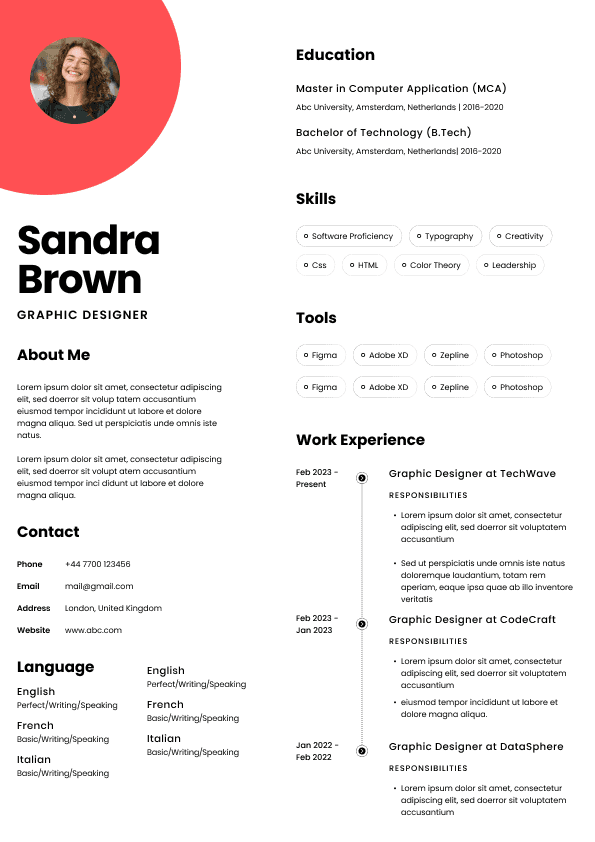
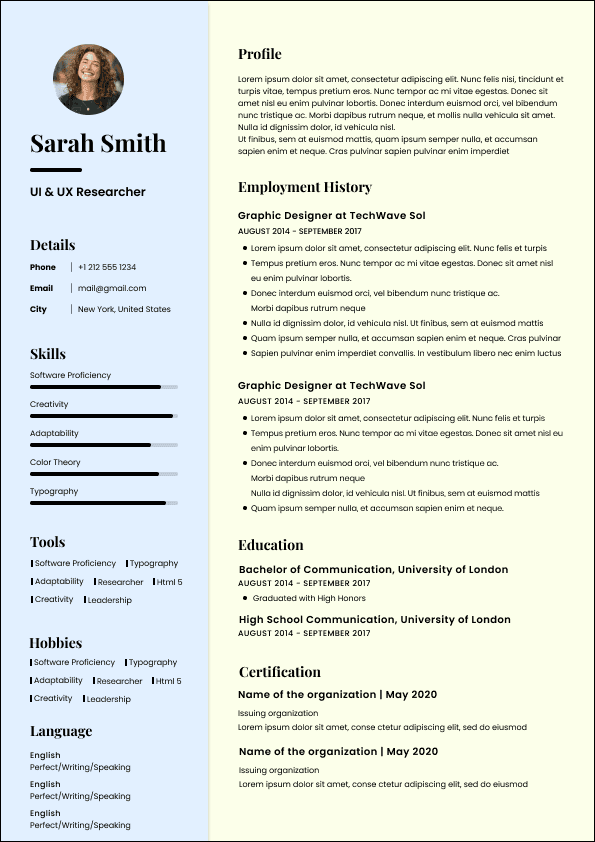
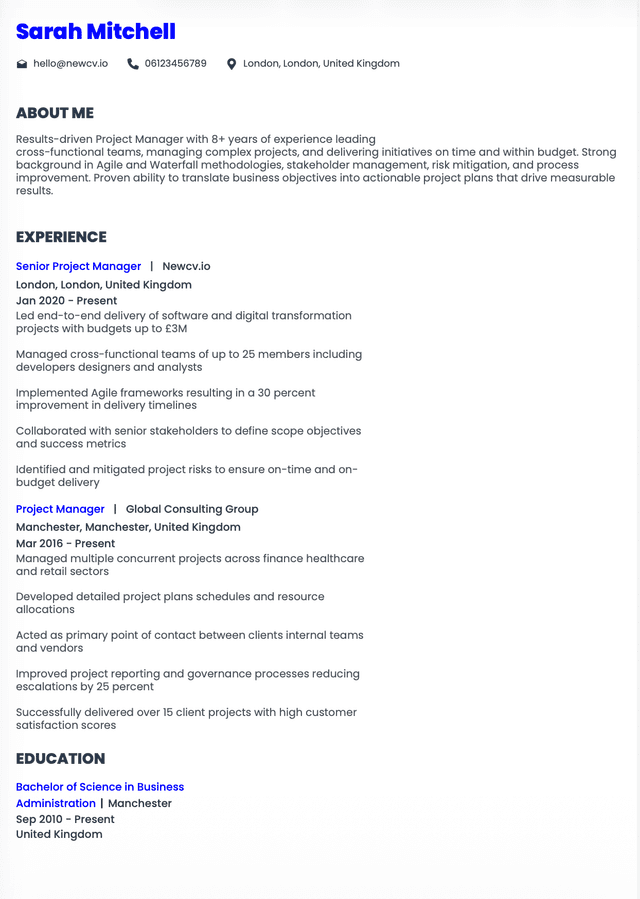
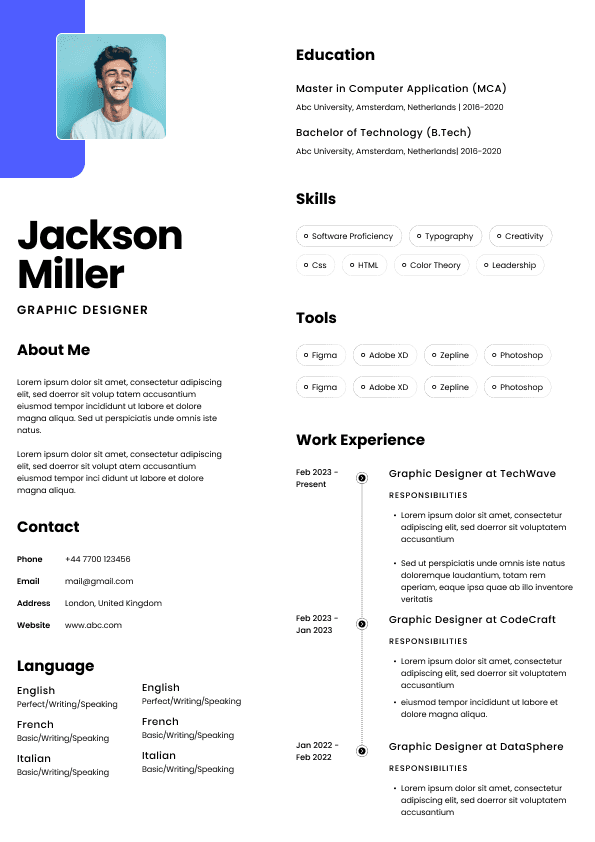
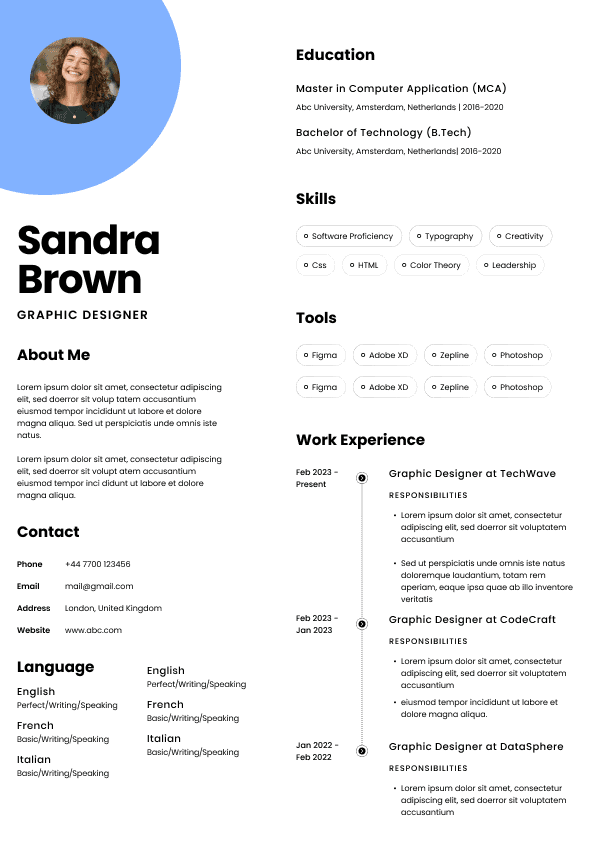
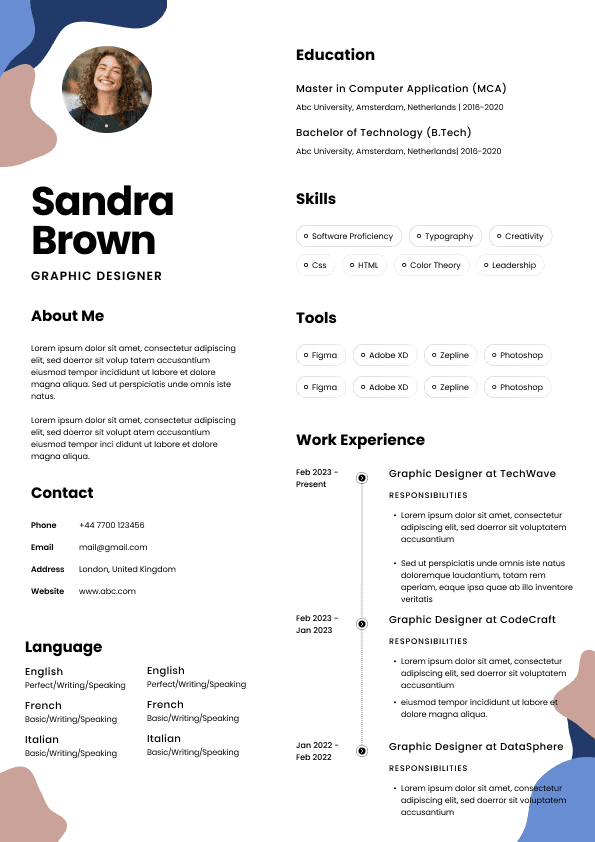
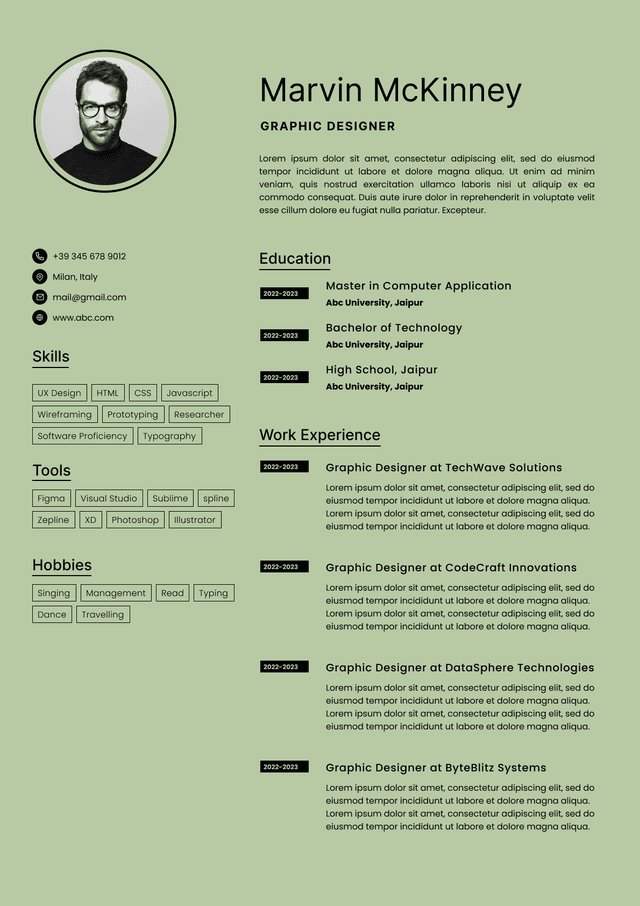
Choose from a wide range of NEWCV resume templates and customize your NEWCV design with a single click.

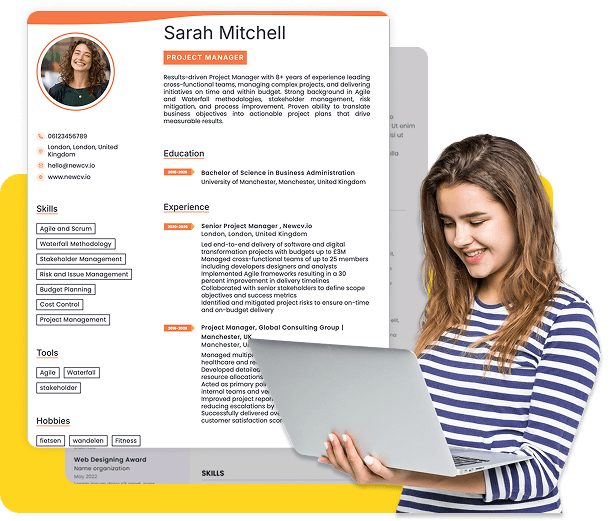
Use ATS-optimised Resume and resume templates that pass applicant tracking systems. Our Resume builder helps recruiters read, scan, and shortlist your Resume faster.
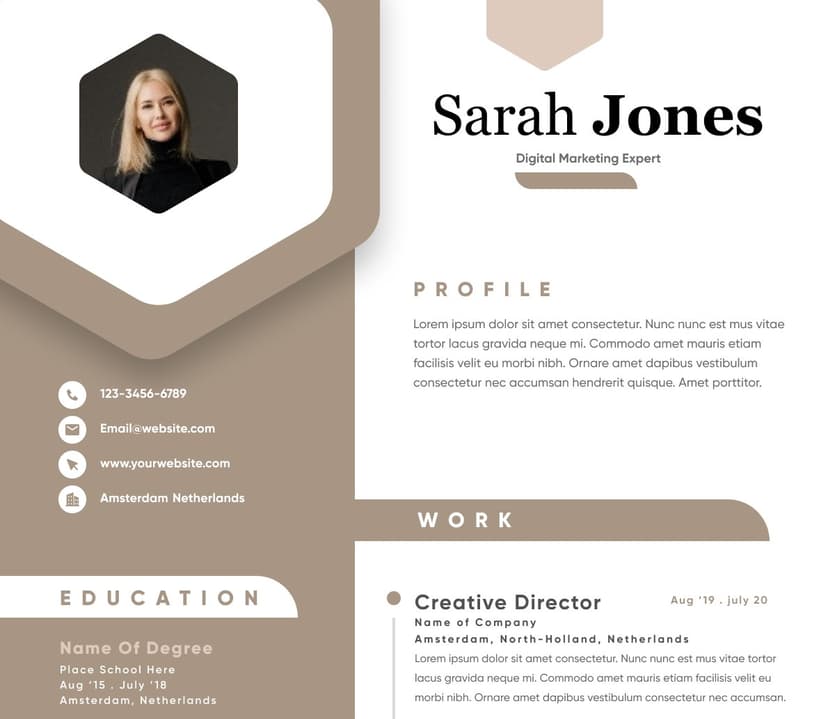
Use professional field-tested resume templates that follow the exact Resume rules employers look for.
Create Resume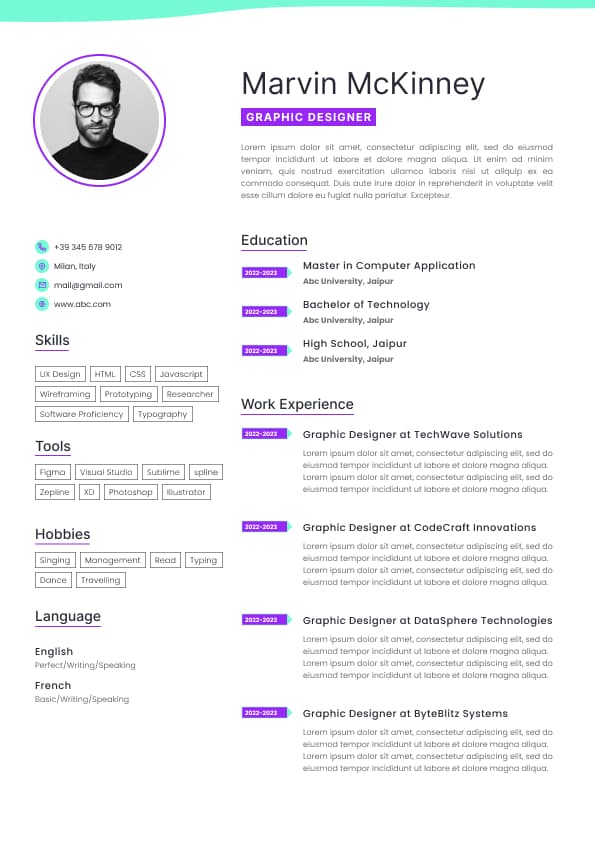
Use professional field-tested resume templates that follow the exact Resume rules employers look for.
Create ResumeUnderstanding of latency, token cost, UX, and safety concerns
Experience building usable AI-powered workflows
Most resumes fail because they either sound too generic or try too hard to sound like research engineers. The winning resumes position candidates as practical AI product developers who can help companies launch AI features fast.
Anthropic API
Google Gemini API
LangChain.js
Vercel AI SDK
RAG applications
Vector search
Streaming responses
Prompt engineering
AI workflow automation
Chatbot interfaces
Semantic search
AI assistants
Tool calling
Usage tracking
Token optimization
Rate limiting
Moderation systems
Serverless AI functions
The difference between average resumes and interview-winning resumes is specificity.
Weak Example
“Worked on AI chatbot features using JavaScript.”
This tells recruiters almost nothing.
Good Example
“Built a production AI support assistant using React, Next.js, TypeScript, OpenAI API, and streaming server responses, reducing manual support workload by 42%.”
The second version demonstrates:
Technical stack
Product ownership
AI implementation
Business impact
Production readiness
That combination is what gets interviews.
Technical capability
AI specialization
Modern tooling
Production experience
Business awareness
State management
Node.js
Express.js
Serverless functions
Edge functions
REST APIs
GraphQL
WebSockets
OpenAI API
Anthropic API
Gemini API
LangChain.js
LlamaIndex.TS
Vercel AI SDK
Prompt orchestration
Tool calling
AI workflow automation
Pinecone
Weaviate
Chroma
Supabase Vector
PostgreSQL pgvector
Semantic search
Embeddings pipelines
Rate limiting
Token optimization
AI moderation
Usage analytics
Error handling
Caching
Observability
CI/CD
Docker
AWS
Vercel
Business impact
Metrics
Built an AI-powered chat platform using React, Next.js, TypeScript, and OpenAI API with streaming responses and conversation memory
Developed customer support chatbot workflows that reduced ticket escalation volume by 37%
Implemented chat history persistence, moderation filters, and usage analytics for production AI assistants
Developed a retrieval-augmented generation application using Node.js, pgvector, and semantic search pipelines
Built document ingestion workflows for embeddings generation and vector indexing across 250K+ internal knowledge base records
Improved AI answer relevance by implementing chunking optimization and metadata filtering strategies
Integrated LLM APIs into SaaS workflows to automate summarization, content generation, and customer response drafting
Reduced manual onboarding processing time by 61% through AI-driven workflow automation
Built prompt templating systems with retry handling, validation logic, and response quality scoring
Reduced average AI response latency from 8.2 seconds to 3.6 seconds using streaming architecture and caching strategies
Implemented token monitoring and prompt optimization workflows that lowered monthly LLM API costs by 29%
Added rate limiting and fallback routing to improve production AI service reliability during traffic spikes
Response latency improvement
Token cost reduction
Chat engagement growth
Prompt success rate
Time savings
AI feature usage growth
Customer satisfaction improvement
“Implemented AI-powered content automation workflows that reduced manual content drafting time by 74% while supporting 18K+ monthly active users.”
This immediately communicates scale and value.
AI search interfaces
Multi-model AI apps
The key is showing:
Real architecture decisions
Modern tooling
Product usability
Scalability considerations
A strong project usually includes:
Frontend interface
Backend orchestration
LLM integration
Prompt handling
Data persistence
Error handling
Authentication
Analytics
Production deployment
Weak AI projects are usually just API demos with no product thinking.
Real usage
Production deployment
Business value
Modern AI product teams care heavily about usability.
Your resume should show awareness of:
Streaming UX
Response latency
AI hallucinations
Moderation
User trust
Feedback loops
Developers who understand these issues stand out immediately.
Many companies hiring AI JavaScript developers want engineers who can own features end-to-end.
That means:
Frontend UI
Backend orchestration
AI integration
Deployment
Monitoring
Candidates who show full product ownership are significantly more competitive.
Real user-facing AI products
AI reliability strategies
AI workflow integration
This is the hidden differentiator.
Hiring managers strongly favor developers who understand:
User behavior
Product metrics
AI usability
Cost tradeoffs
Performance optimization
The developers getting the highest-paying offers are rarely the ones with the most AI buzzwords.
They are the ones who can successfully ship AI-powered product experiences.
AI integration
AI-powered applications
Retrieval-augmented generation
RAG
Semantic search
Embeddings
AI assistant
Chatbot development
AI workflows
Streaming responses
Vector database
Prompt orchestration
Do not keyword stuff.
ATS optimization works best when keywords appear naturally within meaningful implementation descriptions.
Developed retrieval-augmented generation workflows using Node.js, pgvector, and semantic search pipelines for enterprise knowledge retrieval
Reduced average support resolution time by 46% through AI-assisted response generation and workflow automation
Implemented token monitoring, caching strategies, and prompt optimization workflows reducing monthly API costs by 31%
Created moderation and safety workflows for AI-generated outputs including validation layers and fallback handling
2020–2023
Integrated AI summarization and content generation workflows into internal SaaS products using OpenAI APIs and serverless functions
Built streaming AI chat interfaces with real-time response rendering and conversation persistence
Improved onboarding automation workflows reducing manual operational workload by 58%
Developed analytics dashboards tracking AI feature usage, prompt success rates, and user engagement metrics
Developed a production-ready RAG application using Next.js, LangChain.js, Pinecone, and OpenAI embeddings
Implemented document ingestion pipelines supporting PDF parsing, semantic indexing, and contextual retrieval
Added authentication, chat history persistence, usage tracking, and moderation safeguards
Reliability
Moderation
Cost optimization
This is extremely important.
AI interfaces fail constantly because developers focus only on API integration instead of usability.
Recruiters look for:
Rate limiting
Monitoring
Usage analytics
Caching
Infrastructure awareness
The strongest resumes connect AI work to:
Revenue
Efficiency
Automation
Retention
User adoption
That business alignment matters enormously.
Full-stack ownership
Production AI implementation
Measurable outcomes
you immediately become far more competitive for modern AI startup, SaaS, and product engineering roles.
The companies hiring aggressively right now want developers who can turn AI models into usable products customers actually rely on.
Your resume should prove you can do exactly that.

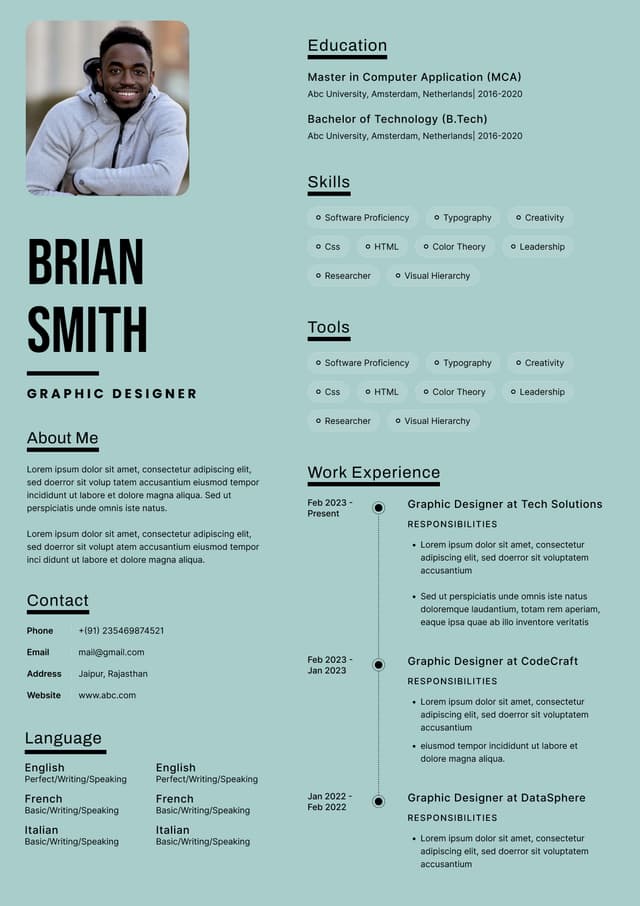
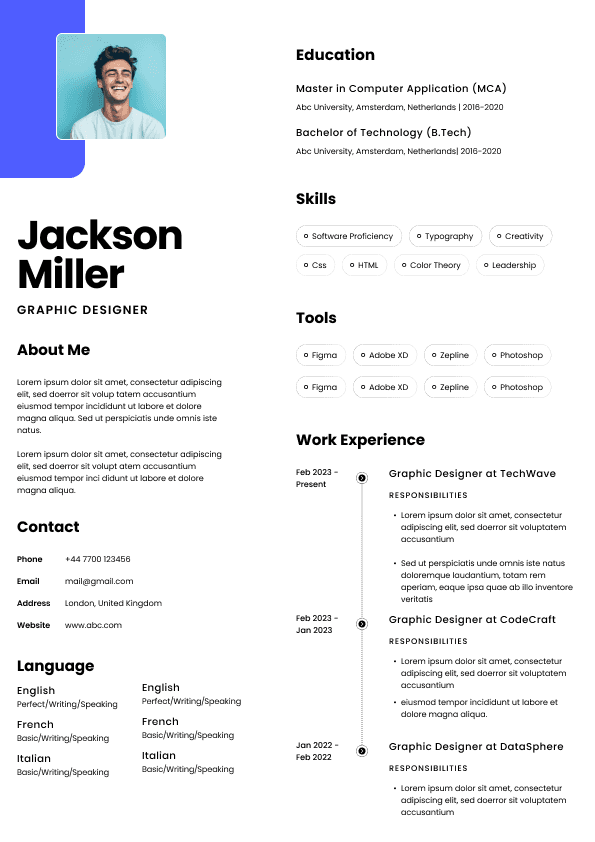
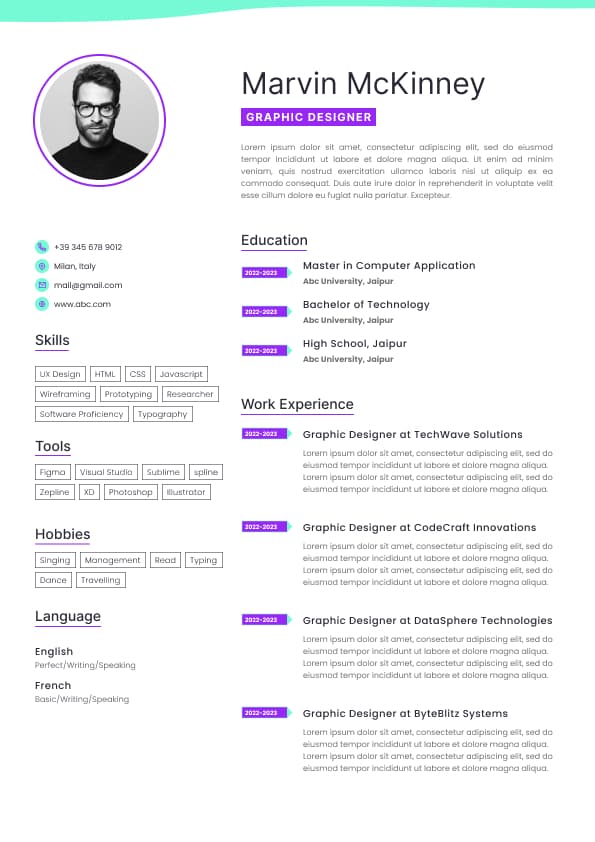
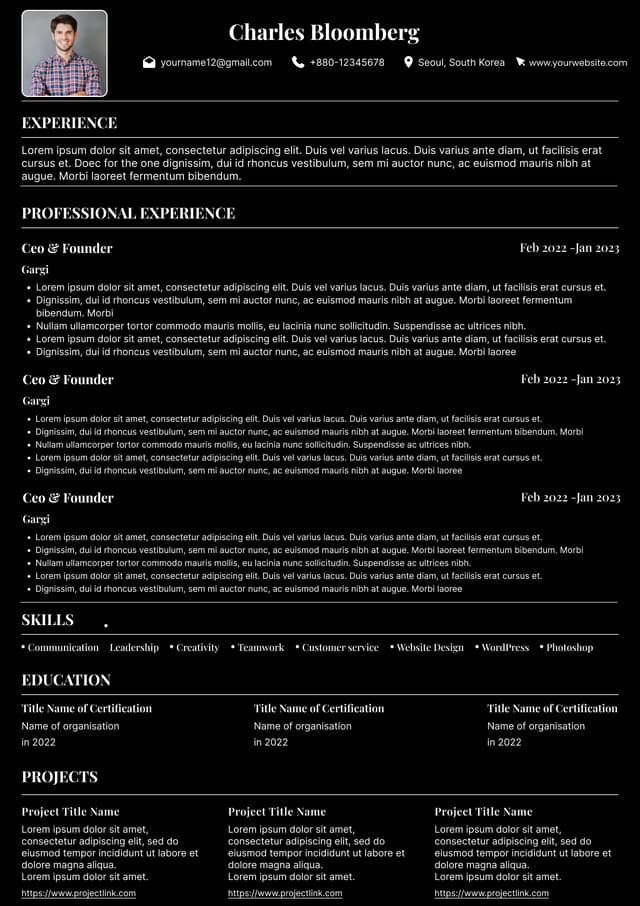
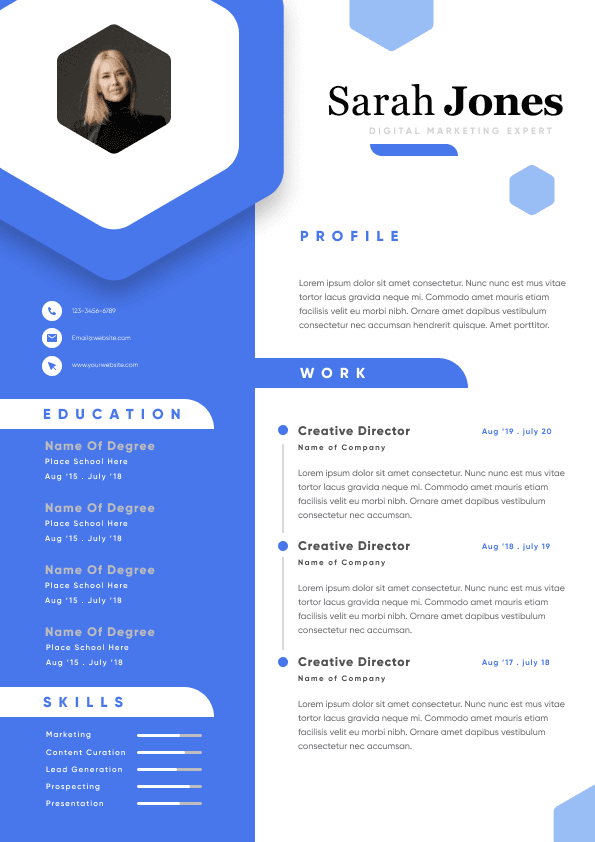
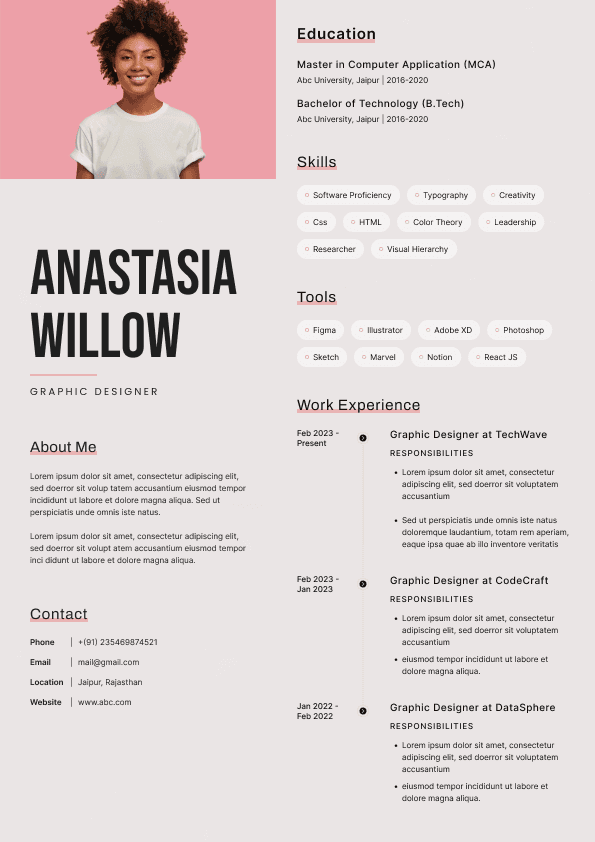
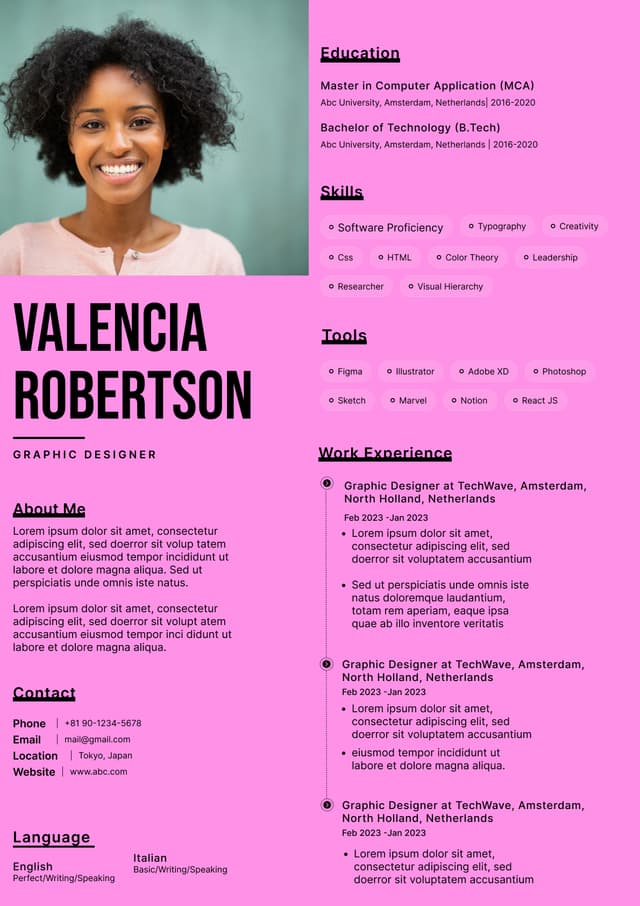
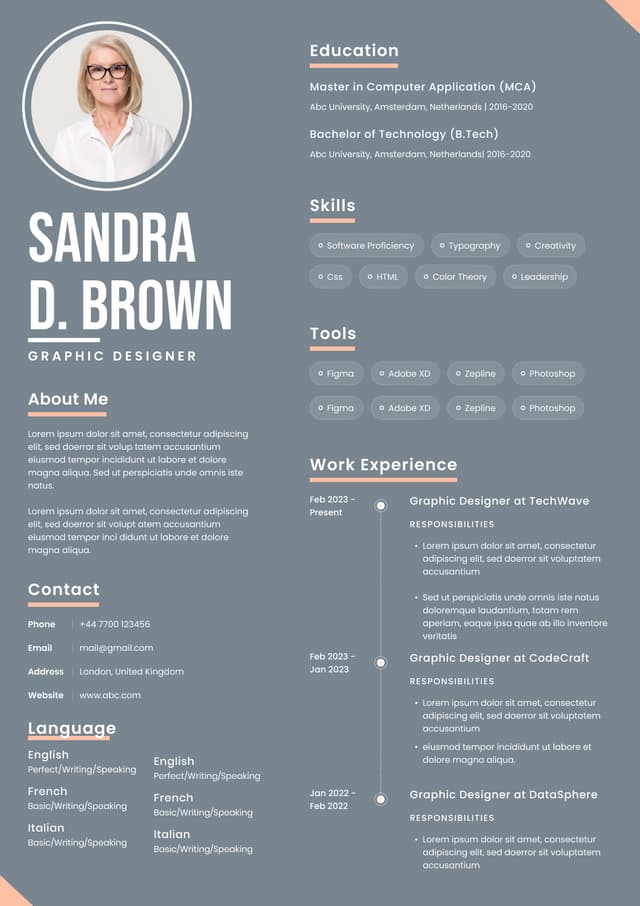

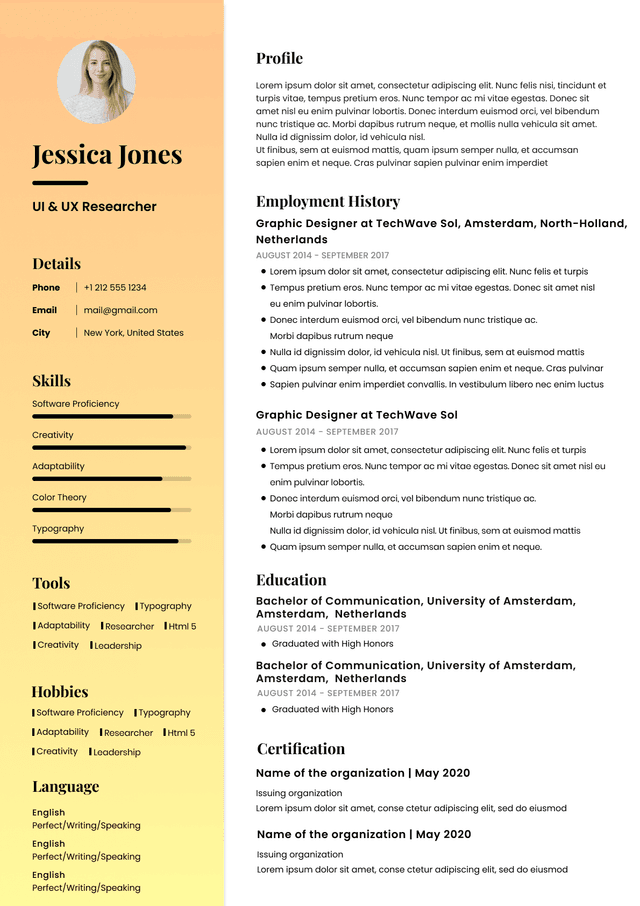
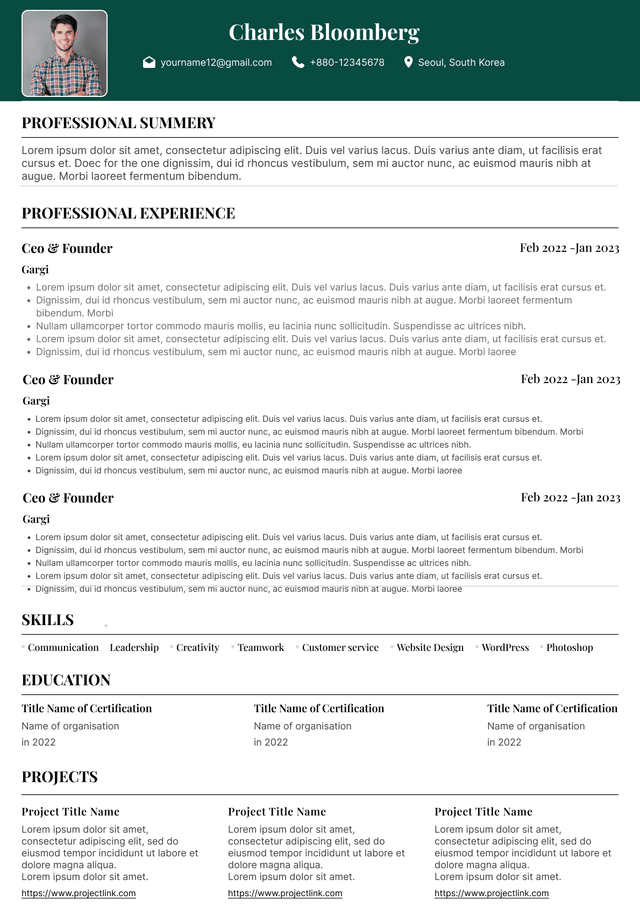
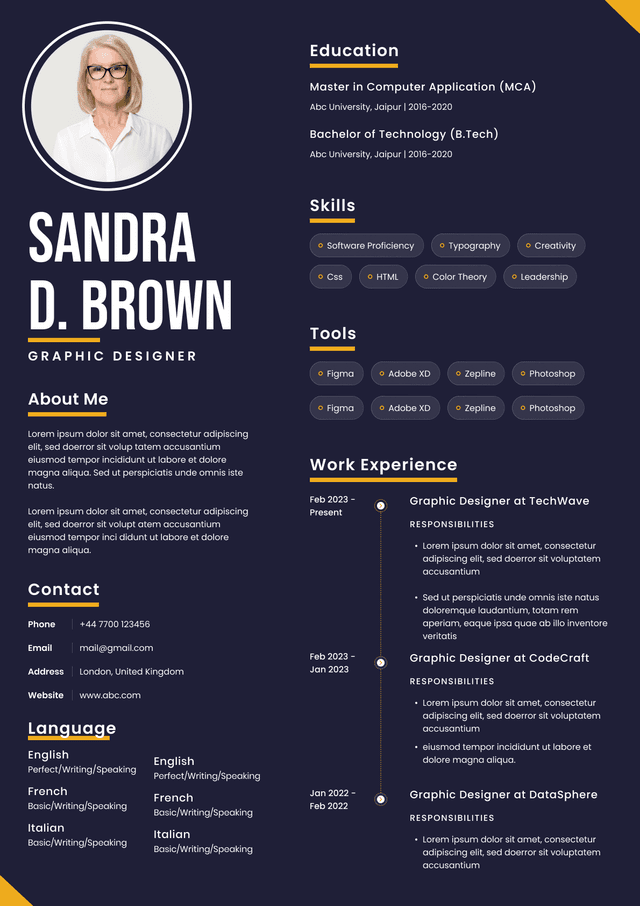
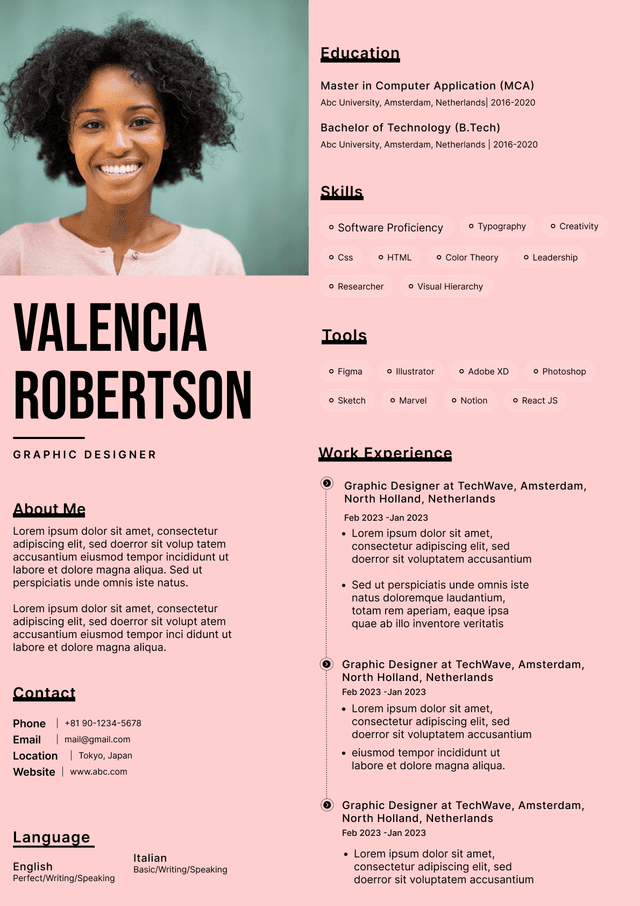
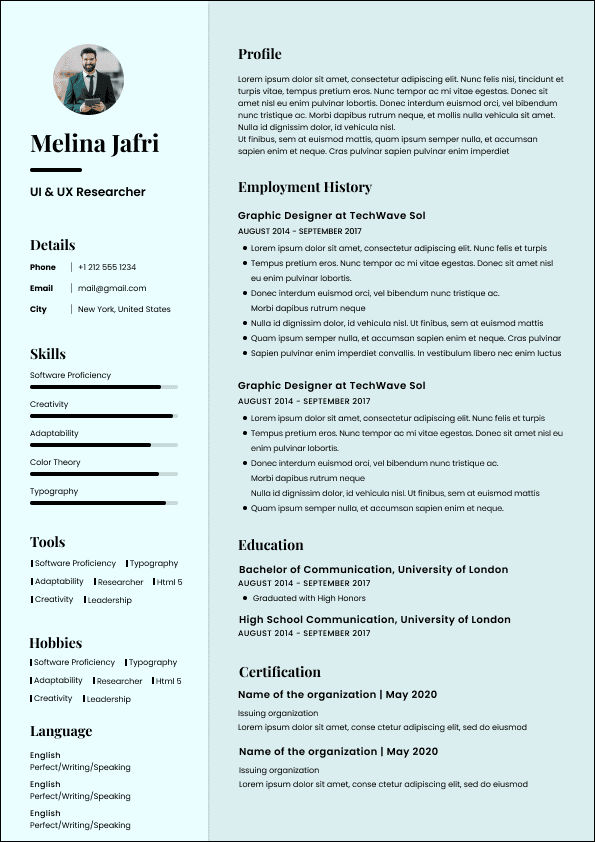
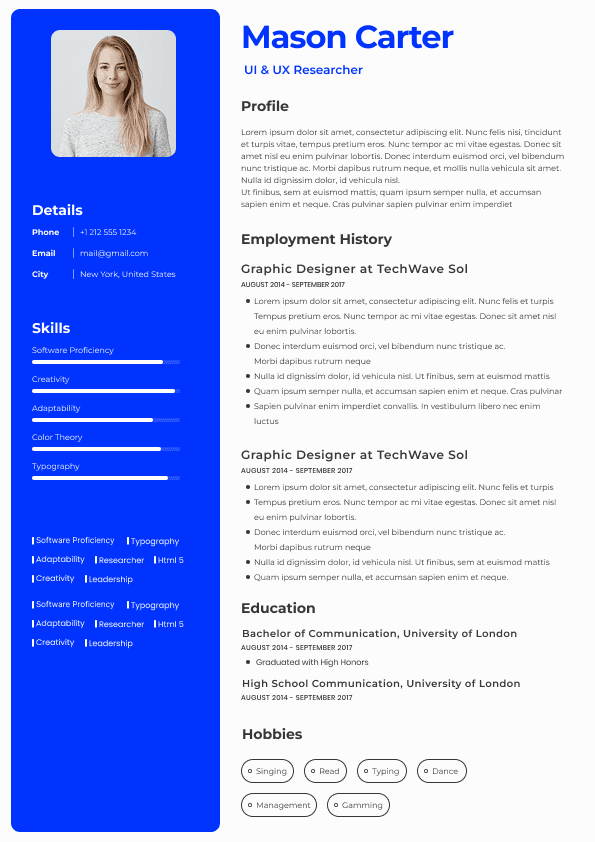
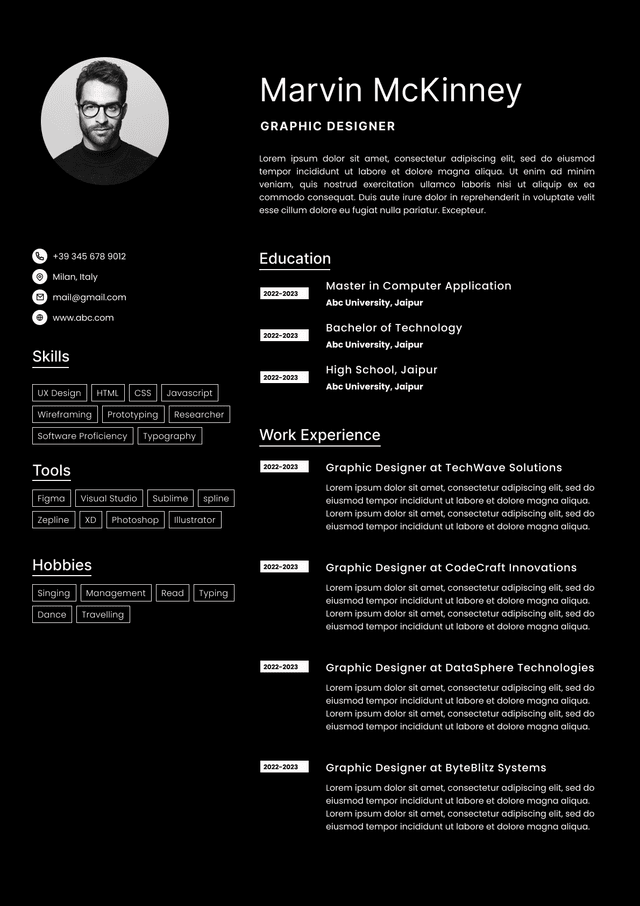
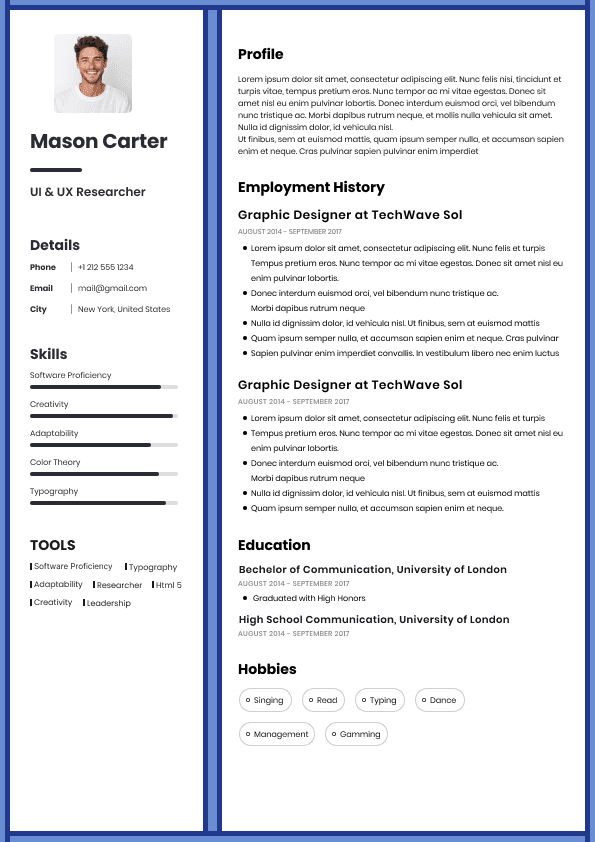


 Upload Resume
 Import from Linkedin