STILL APPLYING. STILL HEARING NOTHING?BUILD YOUR RESUME

STILL APPLYING. STILL HEARING NOTHING?BUILD YOUR RESUME
Choose from a wide range of NEWCV resume templates and customize your NEWCV design with a single click.
FAQ
Companies modernizing legacy frontend systems are not hiring generic JavaScript developers. They are hiring engineers who can safely refactor old codebases, reduce technical debt, migrate legacy frameworks, and modernize production applications without breaking business-critical functionality.
That changes how your resume should be written.
A strong JavaScript migration and modernization resume must prove you can work inside complex legacy environments, make sound architectural decisions, introduce modern frameworks incrementally, and reduce operational risk during migration projects. Hiring managers want evidence of safe modernization, not just React or TypeScript experience in isolation.
The most competitive resumes in this niche demonstrate measurable modernization outcomes like reduced runtime errors, faster build times, improved deployment velocity, safer releases, increased component reuse, and successful migration of legacy screens or modules. If your resume only says “built React applications,” you will likely lose to candidates who show modernization strategy, migration discipline, and technical debt reduction.
Modernization hiring is fundamentally different from standard frontend hiring.
Most frontend resumes focus on feature delivery. Migration and modernization resumes must prove transformation capability.
Recruiters and hiring managers evaluate these candidates based on risk reduction, architectural judgment, and migration execution discipline.
They are specifically looking for candidates who can:
Understand older codebases quickly
Refactor without destabilizing production
Create phased migration strategies
Introduce TypeScript safely
Reduce technical debt incrementally
Improve maintainability and scalability
The most common failure pattern is writing a generic frontend developer resume.
Most candidates list technologies without explaining modernization impact.
That immediately weakens positioning.
“Built React components for internal applications.”
This sounds like routine frontend development.
“Migrated 45+ legacy jQuery screens to React and TypeScript using phased component replacement strategy, reducing frontend defect rates by 31%.”
This demonstrates:
Legacy modernization
Migration ownership
Scale
Risk reduction
Your resume should position you as a modernization specialist who understands both legacy systems and modern frontend architecture.
That means your resume must demonstrate three things simultaneously:
Companies fear developers who only know greenfield React applications.
They want engineers comfortable with:
jQuery
AngularJS
Backbone.js
Older Webpack pipelines
Server-rendered frontend architectures
Monolithic frontend applications
Your headline should immediately establish modernization specialization.
JavaScript Developer Specializing in Frontend Modernization
React & TypeScript Migration Engineer
Frontend Modernization Developer | Legacy JavaScript Refactoring
JavaScript Modernization Engineer for Enterprise Applications
Senior Frontend Developer | Legacy Migration & TypeScript Adoption
Avoid generic headlines like:
Frontend Developer
Your summary should establish:
Years of experience
Modernization specialization
Legacy system expertise
Migration technologies
Enterprise experience
Measurable transformation impact
Example
Senior JavaScript Developer with 8+ years of experience modernizing enterprise frontend applications across SaaS, healthcare, and financial services environments. Specialized in jQuery-to-React migration, TypeScript adoption, AngularJS modernization, and monolithic frontend refactoring. Proven success reducing technical debt, improving release velocity, and upgrading legacy frontend architectures with minimal production disruption. Experienced in progressive migration strategies, regression testing, component architecture, and modern frontend tooling including React, TypeScript, Vite, Jest, Cypress, and GitHub Actions.
Your experience section determines whether recruiters see you as a migration specialist or generic frontend engineer.
Every bullet should communicate at least one of these:
Migration scale
Modernization strategy
Technical debt reduction
Performance improvement
Tooling upgrades
Risk mitigation
Maintainability improvement
Example
Example
Example
Example
Modernization hiring managers care heavily about measurable transformation impact.
The best metrics include:
Legacy screens migrated
Lines of code modernized
Runtime error reduction
Build speed improvements
Technical debt reduction
Deployment frequency increases
Component reuse growth
Frontend performance gains
Applicant Tracking Systems heavily rely on keyword relevance.
For migration and modernization roles, your resume should naturally include semantic variations such as:
Frontend modernization
Legacy migration
JavaScript refactoring
TypeScript migration
AngularJS migration
React migration
Technical debt reduction
Your technical skills section should reinforce modernization expertise rather than listing every technology you've touched.
Frontend Frameworks: React, Angular, Vue, AngularJS, jQuery
Languages: JavaScript, TypeScript, HTML5, CSS3
Build Tools: Webpack, Vite, Babel, npm, pnpm
Testing: Jest, Cypress, React Testing Library
Code Quality: ESLint, Prettier, SonarQube
Architecture: Component libraries, monorepos, micro frontends, shared design systems
CI/CD: GitHub Actions, Jenkins, Azure DevOps
Developer Tooling: Storybook, Nx, Turborepo
This structure immediately communicates modernization depth.
Modernization hiring managers are usually trying to answer five core questions quickly.
Many developers avoid legacy systems entirely.
Companies need engineers comfortable operating inside imperfect environments.
This is the single biggest fear in modernization hiring.
Resumes that mention testing discipline, phased migration, regression prevention, and feature parity validation perform much better.
Modernization work is rarely isolated coding.
Hiring managers want developers who understand:
Scalability
Maintainability
Shared component systems
Enterprise modernization resumes should emphasize complexity.
That includes:
Large codebases
Multiple teams
High user volume
Compliance constraints
Legacy integrations
Multi-year modernization initiatives
Cross-functional collaboration
Risk management
For modernization roles, reverse chronological format works best.
Recruiters want clear evidence of modernization progression over time.
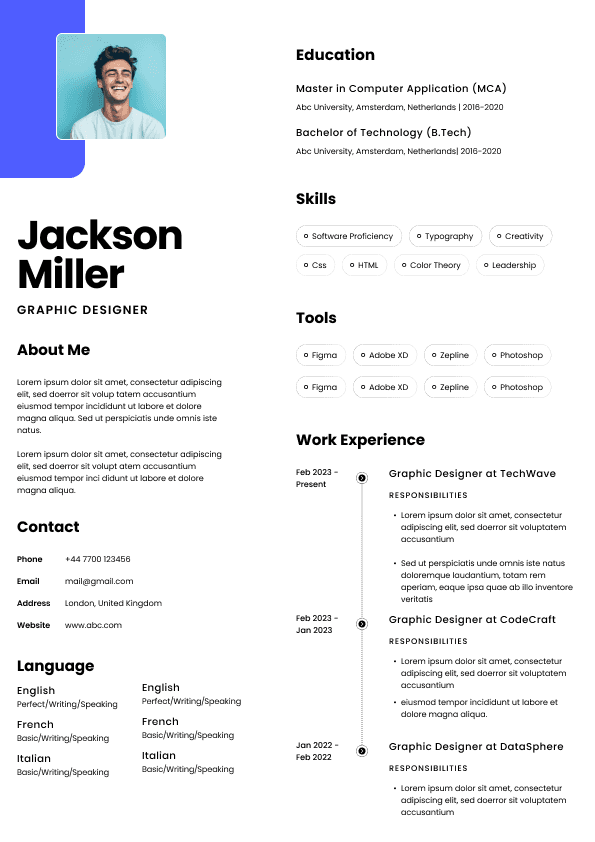
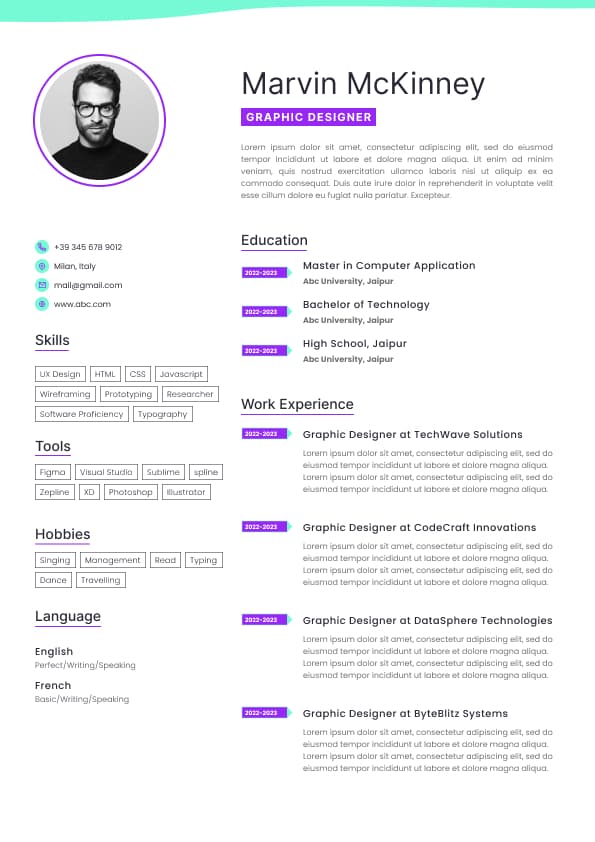
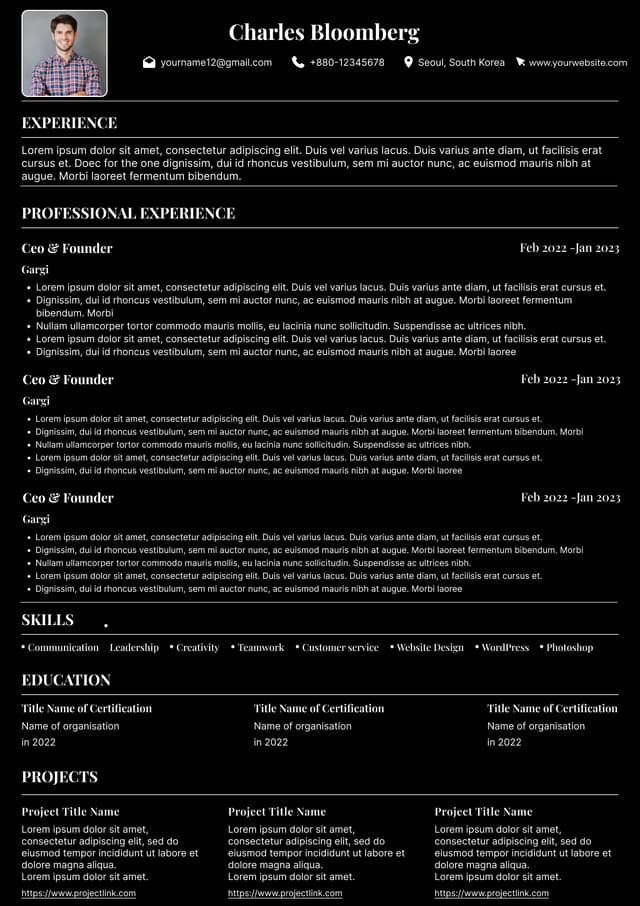
Professional Summary
Technical Skills
Professional Experience
Key Modernization Projects
Education
Certifications if relevant
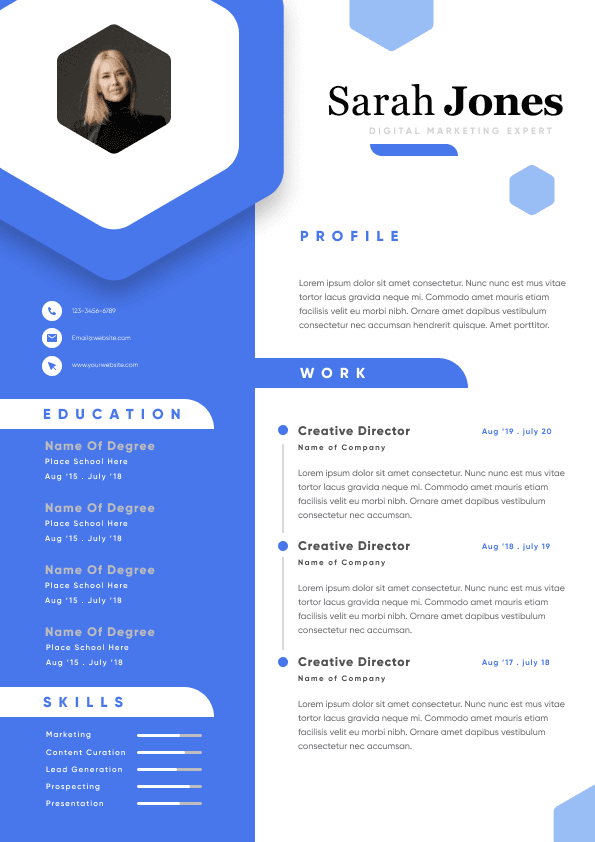
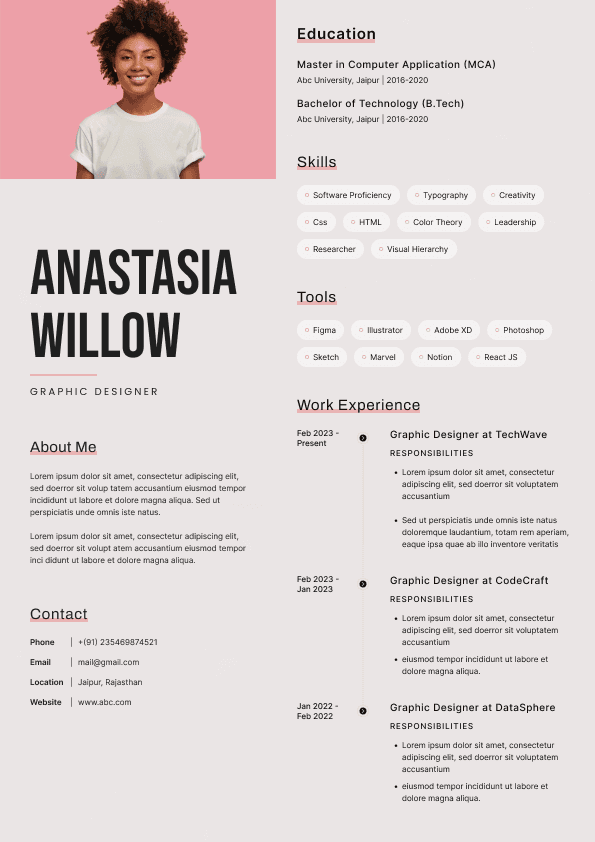
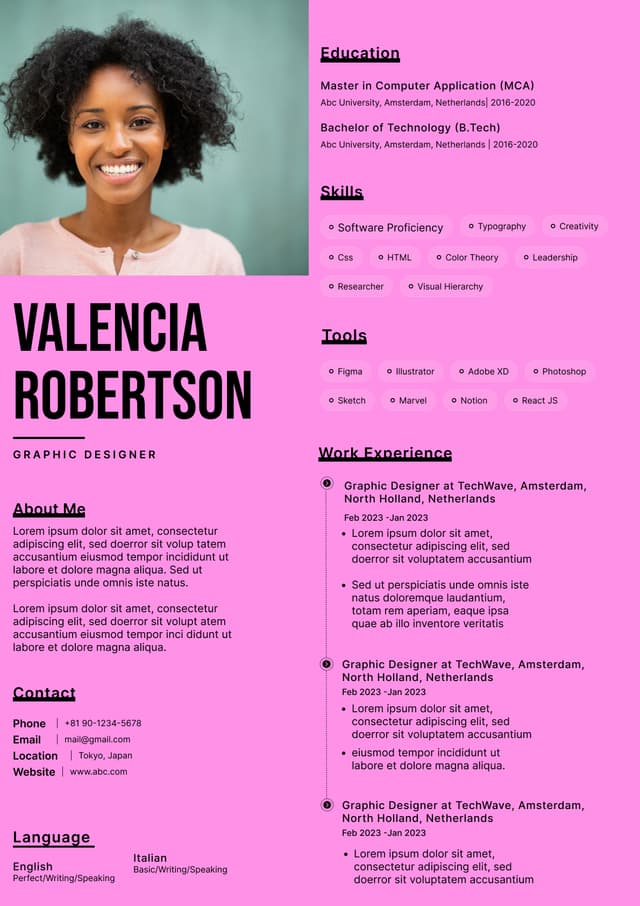
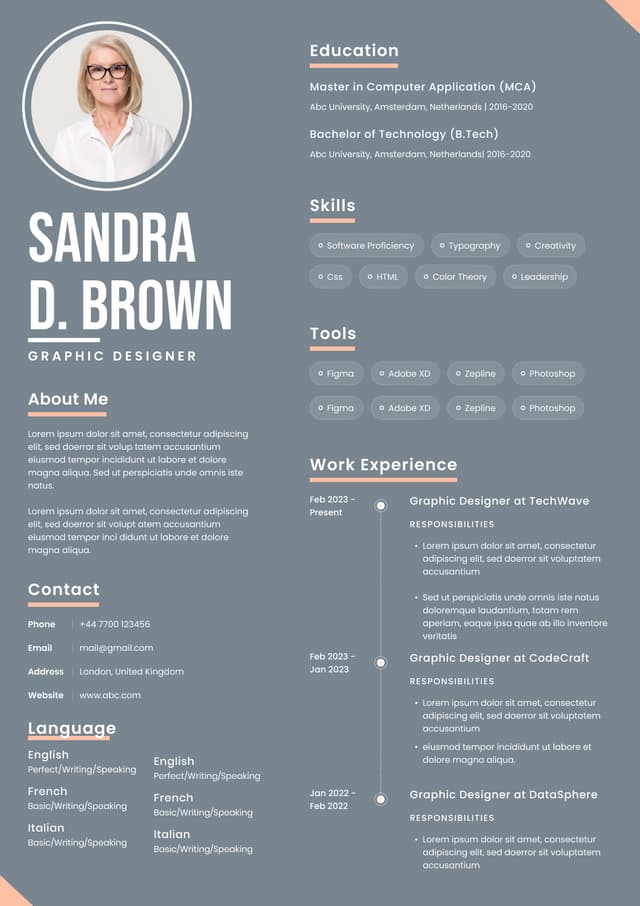
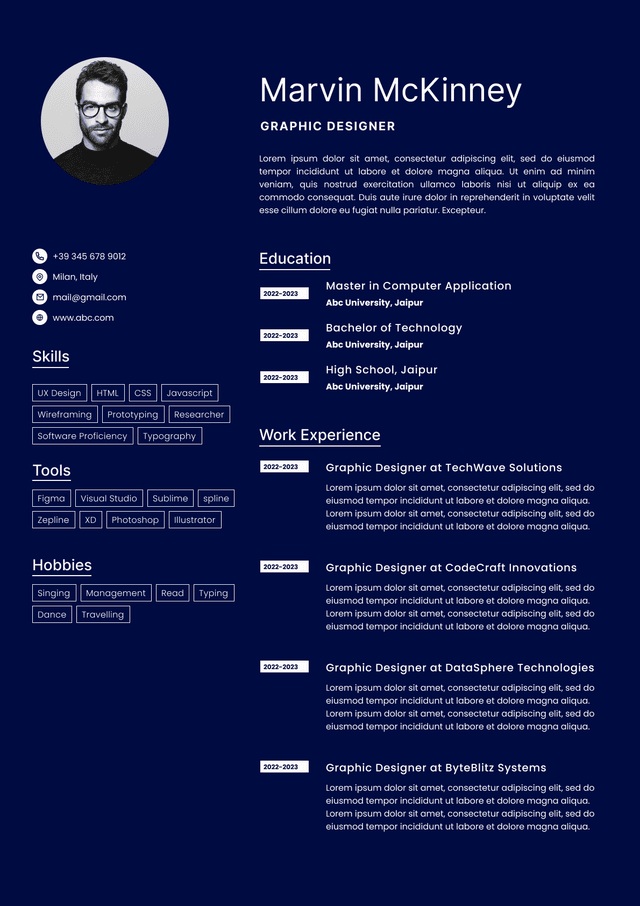
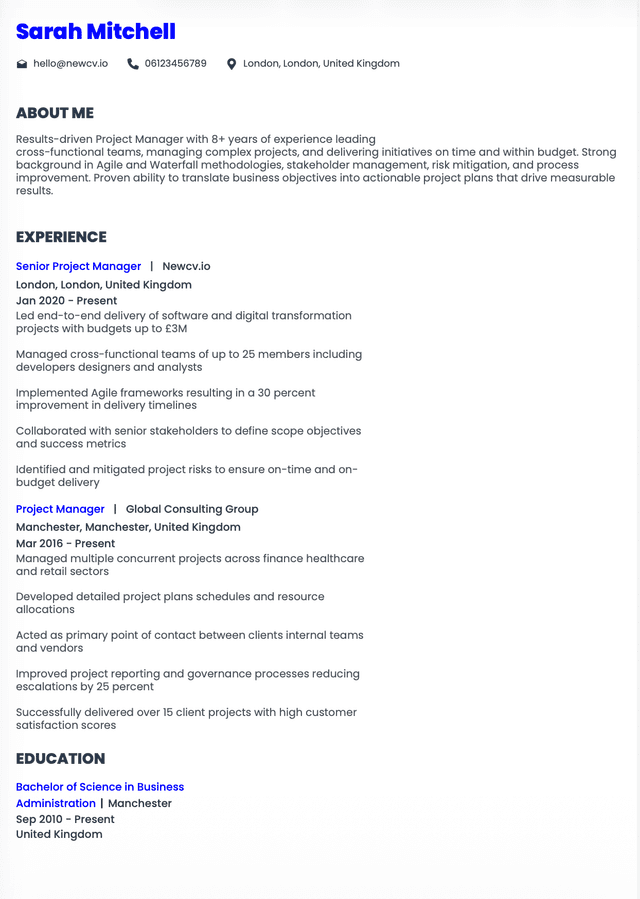
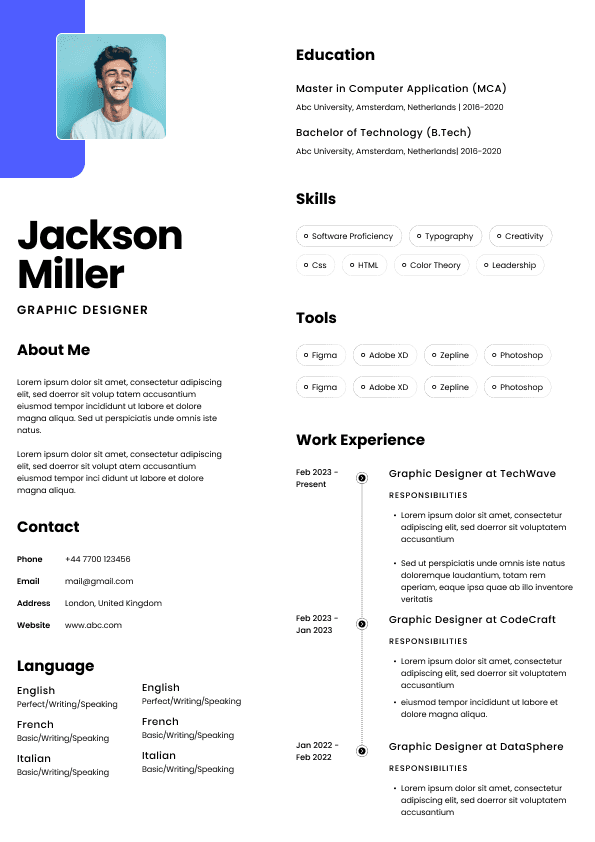
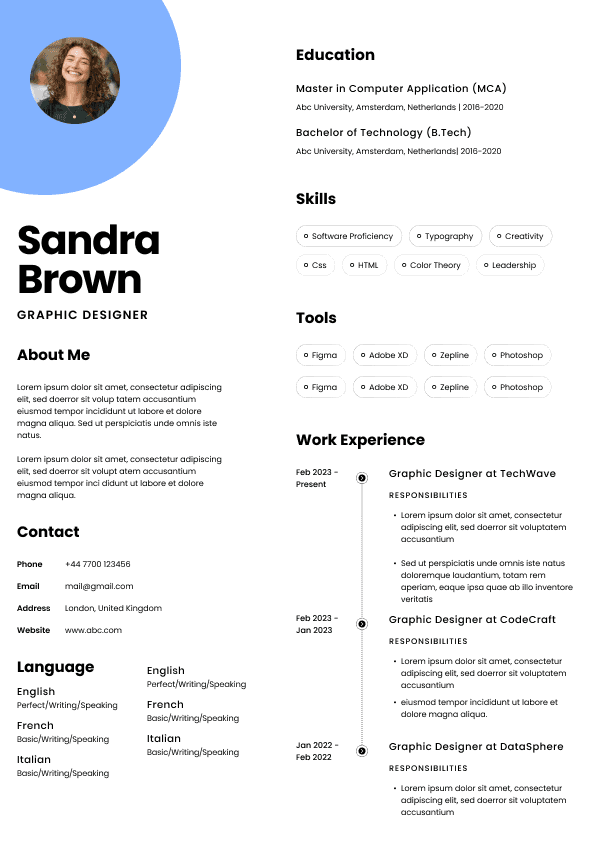
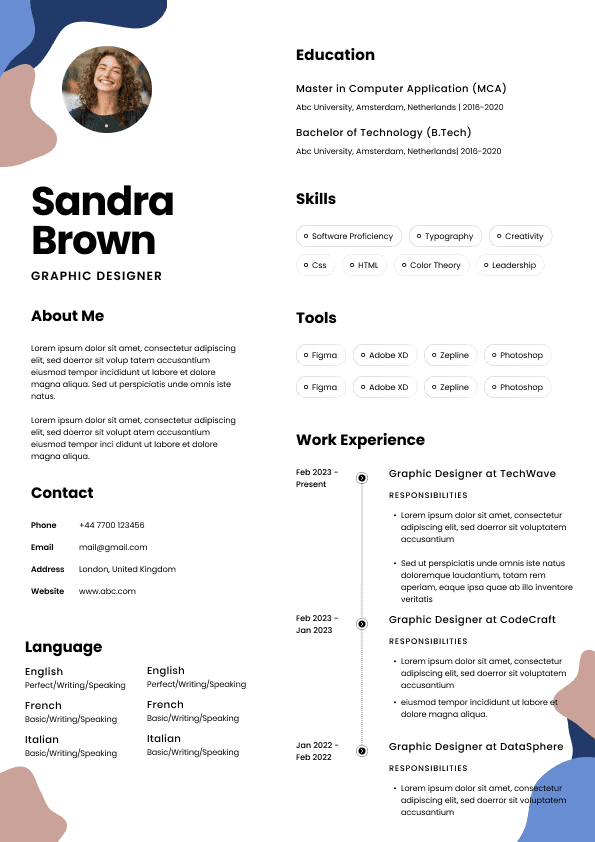
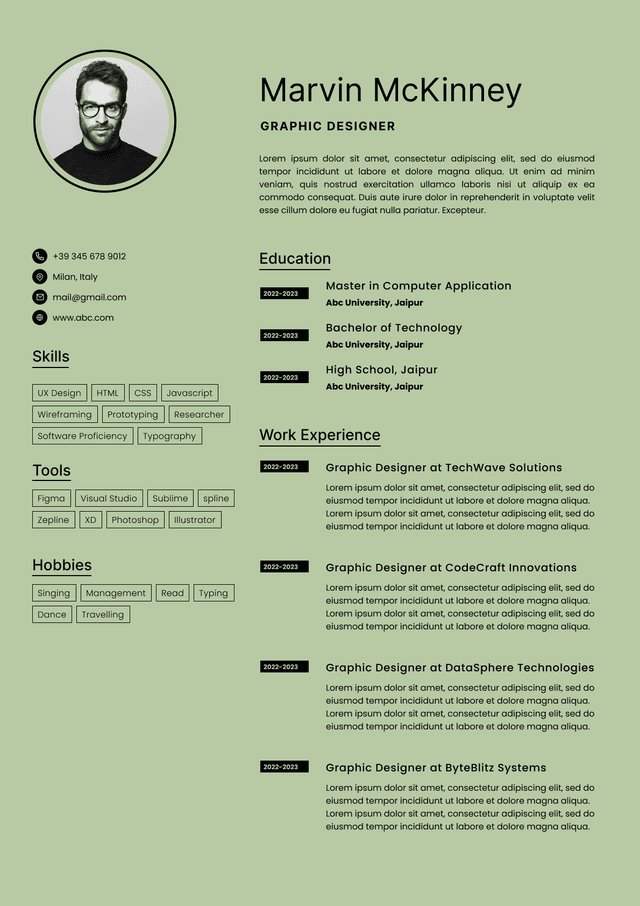
Avoid overly creative resume layouts.
Enterprise modernization hiring still favors readability and ATS compatibility.
Yes, if modernization work is a major differentiator.
This is especially valuable if:
Your official job titles were generic
You handled major migration initiatives
You led architecture upgrades
Your company used older technologies uncommon today
Your modernization work deserves deeper visibility
AngularJS to React Migration
Modernization hiring managers want developers who understand transition environments.
Pure React-only resumes can look inexperienced for migration-heavy roles.
Candidates often remove jQuery or AngularJS entirely.
That is a mistake.
Modernization companies actively search for legacy framework familiarity.
Without measurable modernization outcomes, your experience sounds generic.
Migration without testing sounds dangerous.
Testing discipline significantly improves credibility.
Modernization teams are not hiring startup-style greenfield specialists.
They want operationally mature engineers.
Technology lists alone do not demonstrate modernization capability.
Senior modernization candidates should emphasize decision-making ownership.
That includes:
Migration planning
Architecture decisions
Technical debt prioritization
Incremental rollout strategy
Cross-team modernization leadership
Frontend governance
Performance optimization strategy
Developer experience improvements
Most candidates talk about technologies.
Top candidates explain modernization outcomes, migration judgment, and business impact.
To stand out:
Quantify modernization results
Explain migration strategy
Show testing discipline
Demonstrate enterprise-scale experience
Include technical debt reduction outcomes
Show frontend architecture maturity
Highlight developer productivity improvements

Use ATS-optimised Resume and resume templates that pass applicant tracking systems. Our Resume builder helps recruiters read, scan, and shortlist your Resume faster.

Use professional field-tested resume templates that follow the exact Resume rules employers look for.
Create Resume
Use professional field-tested resume templates that follow the exact Resume rules employers look for.
Create ResumeAdd testing before modernization work
Upgrade tooling without disrupting delivery
Balance modernization with business continuity
Work across legacy and modern frontend stacks simultaneously
This is especially important in enterprise environments like banking, healthcare, insurance, telecom, government contracting, and SaaS platforms where frontend modernization often impacts large user bases and revenue-critical systems.
Measurable business impact
Technical transformation
Modernization resumes must communicate transformation outcomes, not just development activity.
Browser compatibility constraints
Enterprise UI dependencies
Legacy CSS architectures
Older JavaScript module systems
If you hide older technologies entirely, recruiters may assume you lack modernization depth.
At the same time, your resume must prove modern engineering capability with:
React
TypeScript
Angular
Vue
Vite
Jest
Cypress
Storybook
Monorepos
Component architecture
CI/CD automation
Shared design systems
Frontend performance optimization
Modernization hiring managers want developers who can bridge old and new systems effectively.
This is the differentiator most resumes completely miss.
Companies care deeply about how you modernize systems.
Your resume should show evidence of:
Progressive migration strategies
Strangler pattern implementations
Incremental modernization
Regression testing before refactoring
Feature parity validation
Dependency risk management
Rollback planning
Type-safe adoption approaches
Cross-browser stability maintenance
Production-safe deployment practices
This is what separates migration engineers from general frontend developers.
JavaScript Engineer
React Developer
UI Developer
These are too broad and fail to position you for modernization-focused searches.
This works because it immediately aligns with enterprise modernization search intent.
Release stability
Developer productivity gains
Refactoring ownership
Example
Example
Example
Example
Production defect reduction
Migration completion timelines
Developer onboarding improvements
Test coverage increases
The second version demonstrates measurable modernization outcomes.
Component architecture
Legacy codebase modernization
Progressive migration
Build pipeline modernization
Monolith refactoring
Frontend architecture upgrades
Regression testing
Dependency management
Browser compatibility optimization
Do not keyword stuff.
Instead, integrate these naturally inside experience bullets, summaries, and technical skills sections.
Dependency management
Frontend infrastructure
Build pipelines
State management evolution
Enterprise frontend constraints
Technical debt reduction without operational discipline can create new problems.
Recruiters look for candidates who modernize strategically rather than aggressively rewriting everything.
Large organizations care deeply about migration scale.
Enterprise modernization experience strongly increases interview conversion rates.
Incremental rollout strategies
Example
This demonstrates enterprise-level modernization maturity.
Enterprise TypeScript Adoption Initiative
Frontend Monolith Decomposition
Webpack to Vite Modernization
Shared Component System Refactor
These help recruiters identify specialization quickly.
Transformation impact matters more.
Standardization initiatives
Example
This demonstrates leadership-level modernization ownership.
Prove safe release management practices
Demonstrate cross-functional collaboration
Position yourself as both technical and operationally reliable
That combination is extremely valuable in enterprise modernization hiring.



 Upload Resume
 Import from Linkedin