STILL APPLYING. STILL HEARING NOTHING?BUILD YOUR RESUME

STILL APPLYING. STILL HEARING NOTHING?BUILD YOUR RESUME
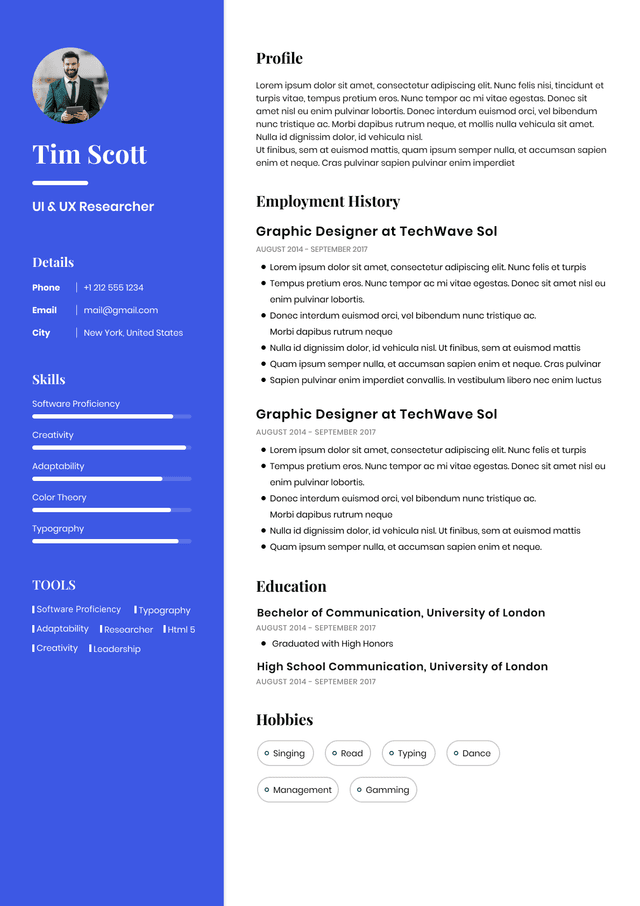
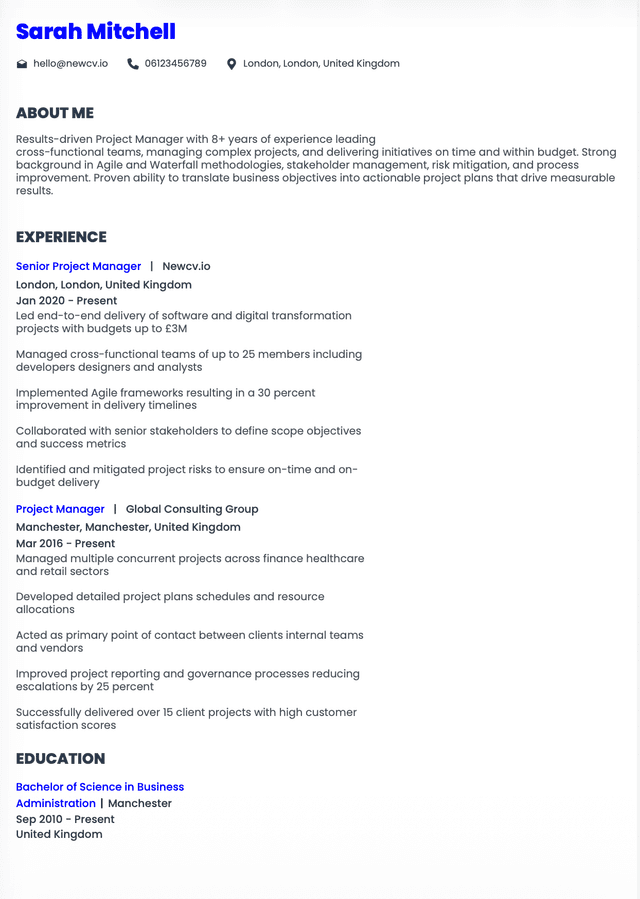
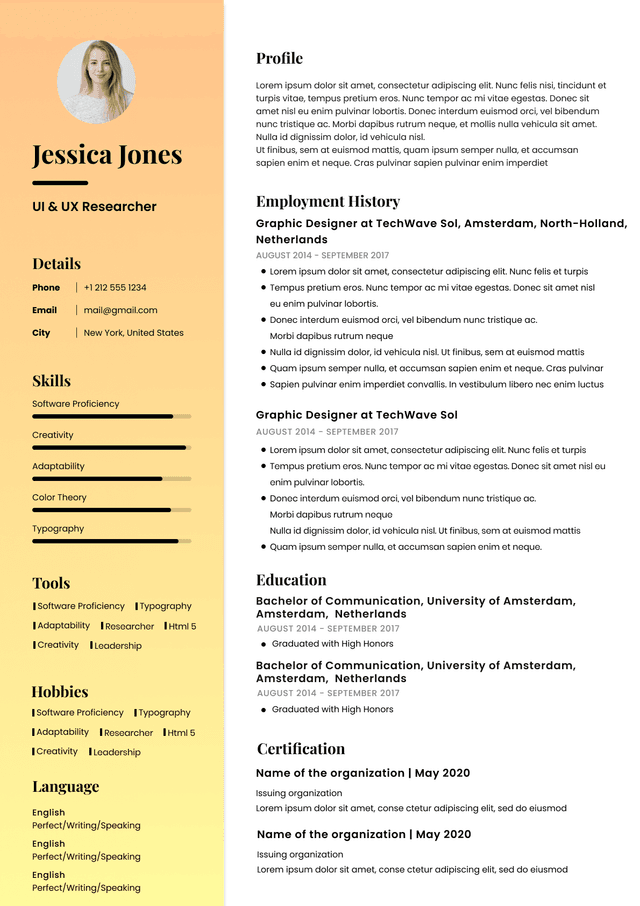
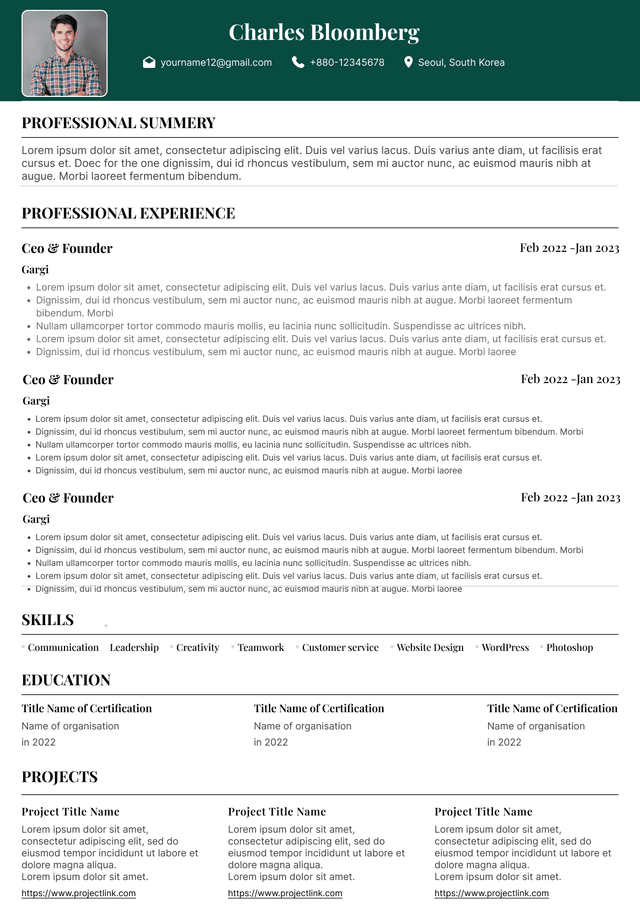
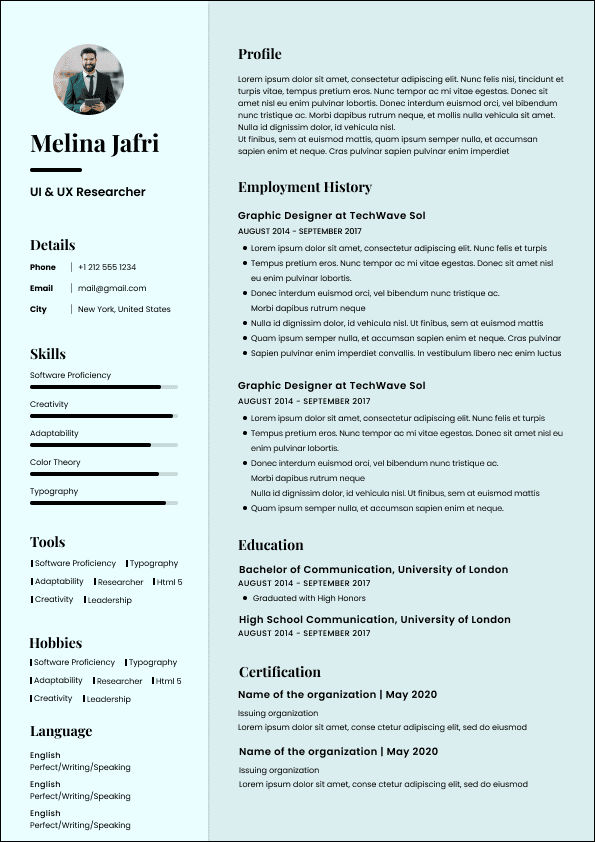
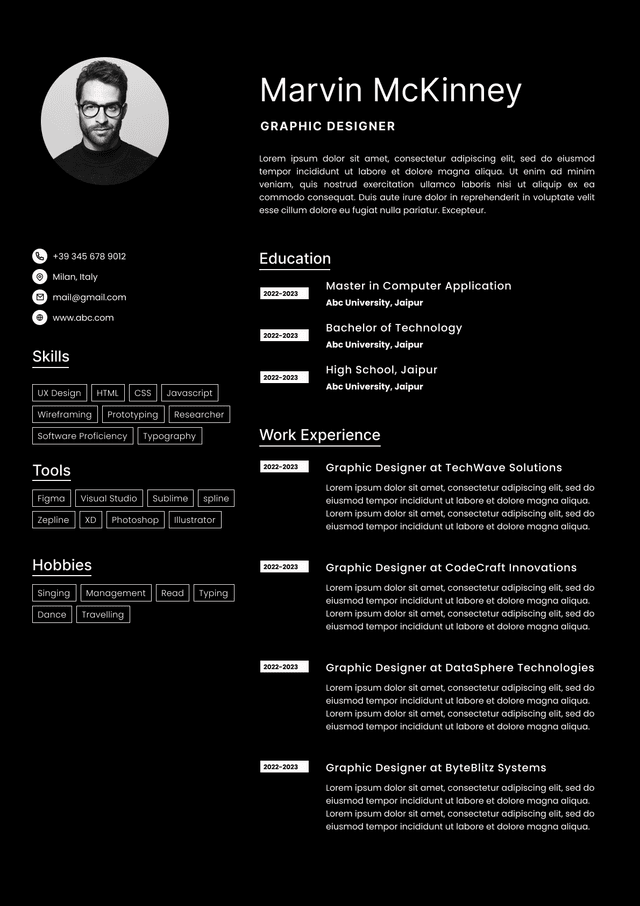
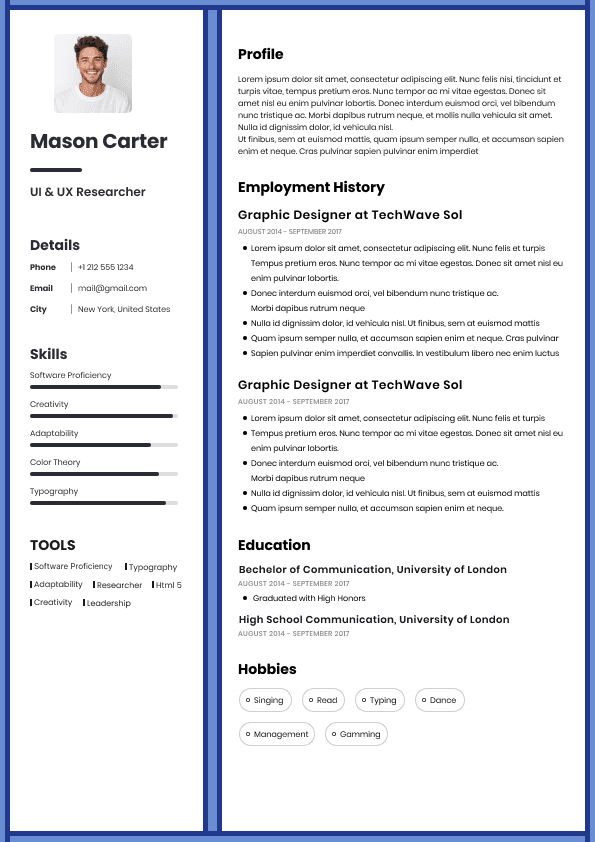
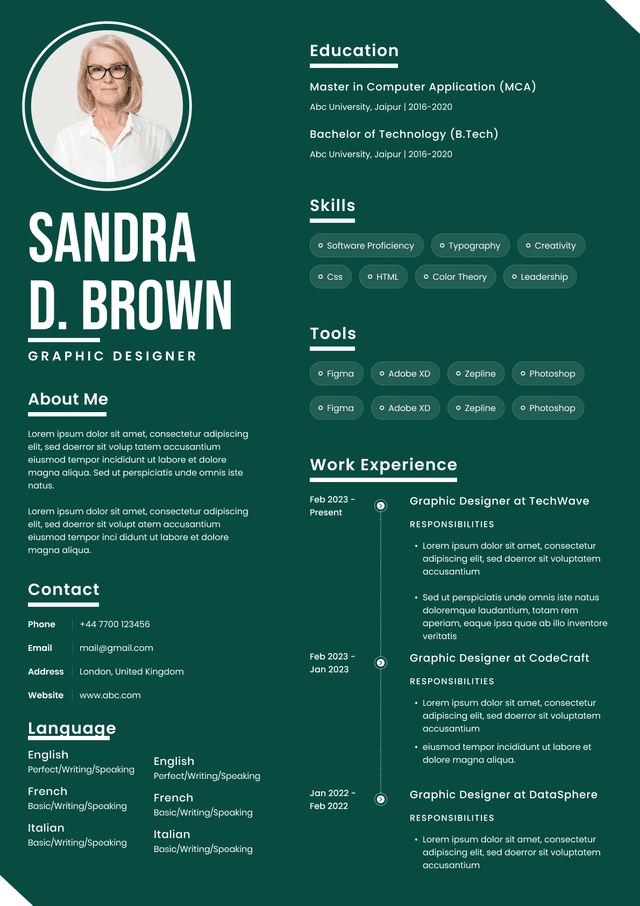
Choose from a wide range of NEWCV resume templates and customize your NEWCV design with a single click.
FAQ


If you are applying for JavaScript developer roles in fintech, healthcare, SaaS, cybersecurity, banking, or government contracting, your resume cannot look like a generic frontend or Node.js resume anymore.
Hiring managers increasingly expect JavaScript developers to understand secure coding practices, authentication systems, dependency vulnerabilities, API security, and OWASP risks. In regulated industries, security awareness is no longer considered “nice to have.” It is often a baseline hiring requirement.
The strongest JavaScript security resumes do three things well:
Show measurable secure coding impact
Demonstrate practical experience preventing real vulnerabilities
Prove the candidate can build production-grade secure web applications
Most applicants fail because they list buzzwords like “security,” “JWT,” or “OWASP” without showing implementation depth, business impact, or risk reduction outcomes.
A strong JavaScript developer security resume positions you as a developer who can ship features without creating security liabilities.
The real goal is not simply to prove you know JavaScript.
It is to prove you can safely build and maintain modern web applications in environments where security incidents create financial, legal, operational, or compliance risk.
That changes how recruiters evaluate your resume.
For security-conscious companies, recruiters screen for:
Secure authentication implementation
Secure API development practices
Knowledge of OWASP Top 10 vulnerabilities
Frontend security awareness
Node.js backend hardening
Dependency vulnerability management
Secure session handling
Authorization and RBAC implementation
Experience collaborating with security or compliance teams
Understanding of regulated environments
The strongest candidates show security as part of normal engineering execution, not as an isolated “security project.”
Most JavaScript resumes focus heavily on:
React
TypeScript
Node.js
UI performance
APIs
Testing
State management
Security-focused resumes still include those areas, but they shift emphasis toward risk reduction, secure architecture, and vulnerability prevention.
Features shipped
UI improvements
Performance optimization
Product delivery speed
Vulnerabilities prevented
Authentication security
Secure coding standards
OWASP remediation
Secure API architecture
Dependency risk management
Compliance support
Security scanning integration
This distinction matters because recruiters hiring for regulated companies often screen resumes differently from standard SaaS hiring pipelines.
Security-related hiring often involves ATS filtering tied to compliance and security requirements.
Your resume should naturally include relevant technical terminology without keyword stuffing.
High-value keywords include:
OWASP Top 10
XSS prevention
CSRF mitigation
Secure authentication
OAuth 2.0
OpenID Connect (OIDC)
JWT security
RBAC
Session management
Secure cookies
CSP headers
CORS configuration
Helmet.js
Input validation
Dependency scanning
npm audit
Snyk
Dependabot
API security
Secret management
Vulnerability remediation
Security reviews
Secure SDLC
SonarQube
GitHub Advanced Security
Recruiters often search for combinations like:
“React security”
“Node.js API security”
“secure coding”
“authentication authorization”
“OWASP remediation”
If those phrases do not appear naturally in your resume, you may never reach a human reviewer.
For JavaScript security-focused roles, recruiters usually prioritize these sections first:
Your summary should immediately position you as a developer with secure application development expertise.
Weak Example
“JavaScript developer with experience building web applications using React and Node.js.”
This says almost nothing.
Good Example
“JavaScript developer with 6+ years of experience building secure React and Node.js applications for fintech and SaaS environments, including OAuth 2.0 authentication, OWASP remediation, API security, dependency vulnerability reduction, and secure SDLC practices.”
The second version creates immediate positioning clarity.
Your technical skills section should separate security-related capabilities instead of burying them.
A strong structure looks like this:
Languages: JavaScript, TypeScript
Frontend: React, Next.js, Redux
Backend: Node.js, Express.js
Authentication: OAuth 2.0, OpenID Connect, JWT, RBAC
Security: OWASP Top 10, XSS prevention, CSRF mitigation, CSP, CORS, Helmet.js
Security Tools: Snyk, Dependabot, npm audit, SonarQube, GitHub Advanced Security
Cloud & DevOps: AWS, Docker, GitHub Actions, CI/CD
Testing: Jest, Cypress, Postman
This structure improves both ATS parsing and recruiter readability.
Most JavaScript developers write weak bullet points because they describe tasks instead of outcomes.
Security hiring managers want proof of:
Risk reduction
Prevention capability
Secure implementation
Audit readiness
Cross-functional collaboration
“Worked on authentication system using JWT.”
This sounds junior-level and incomplete.
“Implemented secure OAuth 2.0 and JWT authentication workflows with RBAC, token expiration controls, secure cookie handling, and refresh token rotation for a multi-tenant SaaS platform serving 120K+ users.”
The second version demonstrates:
Authentication depth
Security awareness
Scale
Architecture understanding
Production-level implementation
Remediated OWASP Top 10 vulnerabilities across React and Node.js applications, reducing critical security findings by 68% before quarterly penetration testing
Partnered with AppSec teams to resolve XSS, CSRF, insecure deserialization, and access control findings before enterprise production releases
Implemented CSP headers and secure input sanitization to reduce client-side injection attack exposure across customer-facing dashboards
Built secure authentication flows using OAuth 2.0, OpenID Connect, MFA integration, JWT rotation, and RBAC enforcement
Improved authentication reliability by reducing token validation failures by 42% through secure session redesign and centralized auth middleware
Developed secure role-based authorization architecture for HIPAA-compliant healthcare applications
Hardened Node.js APIs using Helmet.js, rate limiting, request validation, CORS restrictions, and secure secret management practices
Reduced API attack surface by implementing centralized input validation and request sanitization across 40+ Express.js endpoints
Integrated API threat monitoring and audit logging for enterprise customer compliance requirements
Reduced high-risk dependency vulnerabilities by 70% through automated Snyk scanning, Dependabot updates, and npm audit remediation workflows
Integrated GitHub Advanced Security and SonarQube into CI/CD pipelines to improve security scan pass rates before deployment
Established secure dependency review process for third-party JavaScript package approvals
Supported SOC 2 audit readiness by documenting secure development controls and implementing security-focused deployment procedures
Collaborated with compliance, infrastructure, and security engineering teams to maintain secure release standards for fintech applications
Participated in secure code reviews and penetration testing remediation for PCI-sensitive payment systems
Security resumes become dramatically stronger when they include measurable impact.
Most candidates forget this.
Security teams and hiring managers care about outcomes, not activity.
Strong metrics include:
Vulnerability reduction percentage
OWASP findings resolved
Security scan pass rate improvements
Authentication failure reduction
Audit readiness improvements
Dependency risk reduction
Secure deployment frequency
Incident reduction metrics
Mean time to remediation (MTTR)
Reduced critical dependency vulnerabilities from 43 to 9 within one release cycle
Improved security scan pass rates from 71% to 96% in CI/CD pipelines
Resolved 85% of OWASP penetration testing findings before release deadlines
Reduced authentication-related support incidents by 38%
These metrics immediately differentiate experienced candidates from keyword-only applicants.
Recruiters immediately notice resumes that simply dump terms like:
OWASP
JWT
OAuth
Security
Secure coding
without showing implementation.
This signals shallow experience.
If security is central to the role, burying it inside one bullet point hurts positioning.
Security-related achievements should appear throughout your experience section.
Many candidates discuss frontend validation but ignore:
API security
Backend authorization
Session handling
Dependency security
Secure middleware configuration
That creates a credibility gap for senior-level hiring.
In regulated industries, compliance matters.
If you worked in:
FinTech
Healthcare
Insurance
Government
Banking
make that visible.
Security recruiters often prioritize candidates already familiar with regulated development environments.
Recruiters screen for keywords.
Hiring managers screen for judgment.
That distinction matters.
Engineering leaders evaluate whether you understand:
Real-world attack vectors
Security tradeoffs
Production risk
Authentication architecture
Dependency exposure
Secure deployment workflows
They want evidence that you think proactively about security instead of reacting after vulnerabilities appear.
Strong resumes communicate this through implementation detail.
Clear authentication architecture experience
Real vulnerability remediation work
CI/CD security integration
Collaboration with AppSec teams
Production-scale API security
Security tooling integration
Secure middleware usage
Secure deployment practices
Generic “security knowledge” phrasing
No measurable outcomes
No implementation detail
No authentication depth
No mention of OWASP risks
No backend security examples
Security-focused JavaScript developers are increasingly valuable in industries where breaches create financial or legal exposure.
High-demand sectors include:
FinTech
Healthcare
Banking
Cybersecurity
Insurance
Government contracting
Legal tech
HR tech
Enterprise SaaS
These companies often pay premium compensation for developers who reduce security risk while maintaining delivery velocity.
Candidates with both JavaScript expertise and practical security implementation experience typically compete in a smaller, stronger talent pool.
A major misconception is that only cybersecurity engineers can discuss security on resumes.
That is false.
Modern JavaScript developers are increasingly expected to own application security responsibilities.
You do not need to claim to be a “security engineer.”
Instead, position yourself as:
A developer who builds secure applications
A developer familiar with secure SDLC practices
A developer experienced in secure authentication and API protection
A developer who proactively reduces vulnerability risk
This positioning is far more credible than overstating cybersecurity expertise.
“JavaScript developer with 4+ years of experience building secure React and Node.js applications, including OAuth 2.0 authentication, RBAC authorization, OWASP remediation, and API security enhancements in SaaS and healthcare environments.”
“Senior JavaScript engineer with 8+ years of experience designing secure frontend and backend architectures for fintech and enterprise SaaS platforms. Expertise includes OWASP Top 10 remediation, secure authentication systems, Node.js API hardening, dependency vulnerability management, and secure CI/CD implementation.”
“JavaScript developer experienced in secure application development for compliance-sensitive environments, including authentication security, access control, secure API development, audit support, and secure deployment workflows.”
Security hiring pipelines often include both automated filtering and manual security review.
To pass both:
Avoid vague phrasing like:
“Improved app safety”
“Handled security”
“Worked with authentication”
Be technically precise.
Security-focused job descriptions often prioritize:
OAuth
OIDC
OWASP
API security
Secure coding standards
Dependency management
Mirror those concepts naturally if you genuinely have experience.
Do not isolate security into one “security” section.
Integrate it into your actual engineering accomplishments.
That creates stronger credibility.
A high-performing structure typically looks like this:
Professional Summary
Technical Skills
Professional Experience
Security & Compliance Projects
Certifications (if relevant)
Education
For experienced candidates, your work experience matters far more than certifications.
However, security-related certifications can help if you are transitioning into security-conscious roles.
Useful examples include:
OWASP certifications
AWS Security Specialty
Secure coding certifications
CompTIA Security+
Certified Secure Software Lifecycle Professional (CSSLP)
Only include certifications that genuinely strengthen your positioning.
The biggest difference between average and high-performing JavaScript security resumes is specificity.
Strong candidates explain:
What they secured
How they secured it
Which risks they reduced
Which standards they followed
What business impact resulted
Weak candidates simply list technologies.
In today’s hiring market, especially in fintech, healthcare, and enterprise SaaS, security-aware JavaScript developers are increasingly treated as strategic hires rather than interchangeable frontend engineers.
Your resume should reflect that level of value.
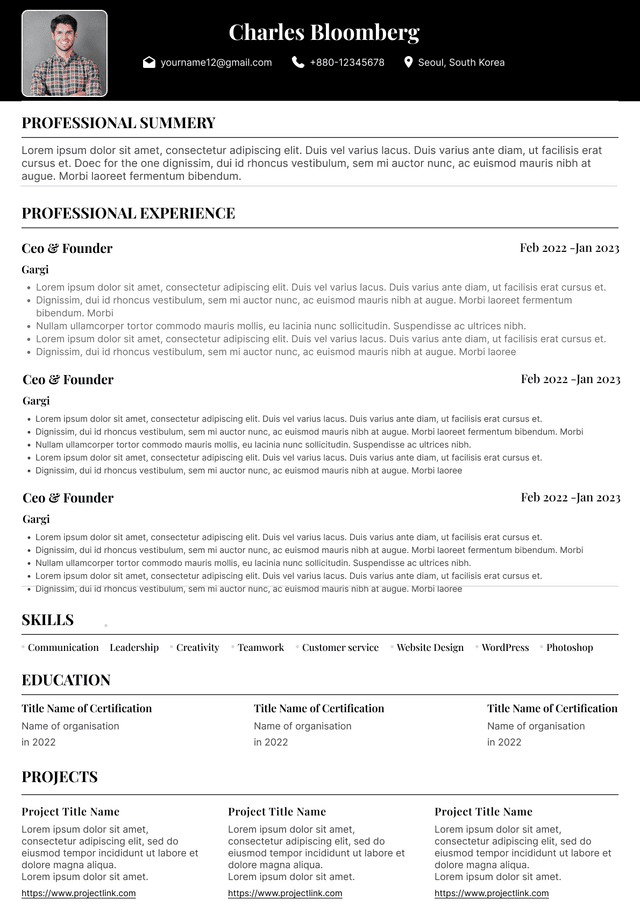
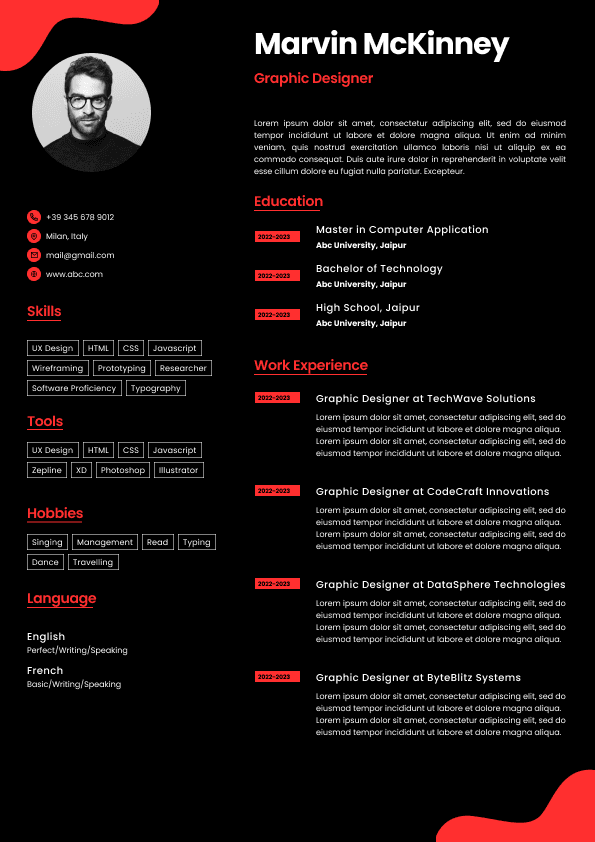
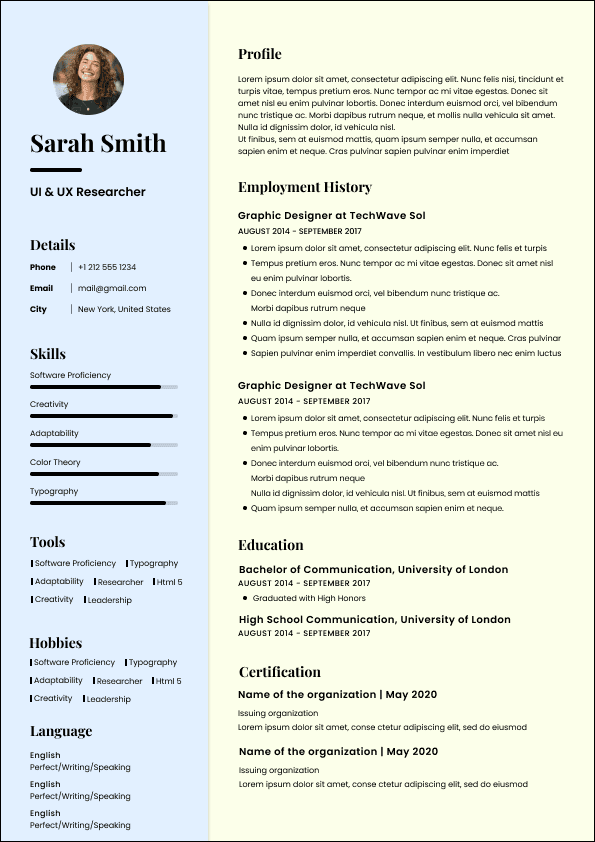
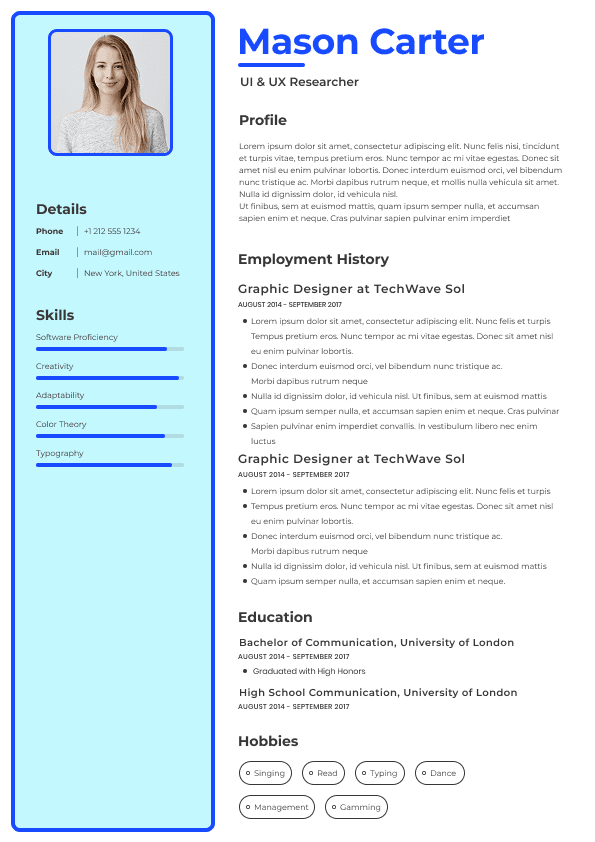
Use ATS-optimised Resume and resume templates that pass applicant tracking systems. Our Resume builder helps recruiters read, scan, and shortlist your Resume faster.


Use professional field-tested resume templates that follow the exact Resume rules employers look for.
Create Resume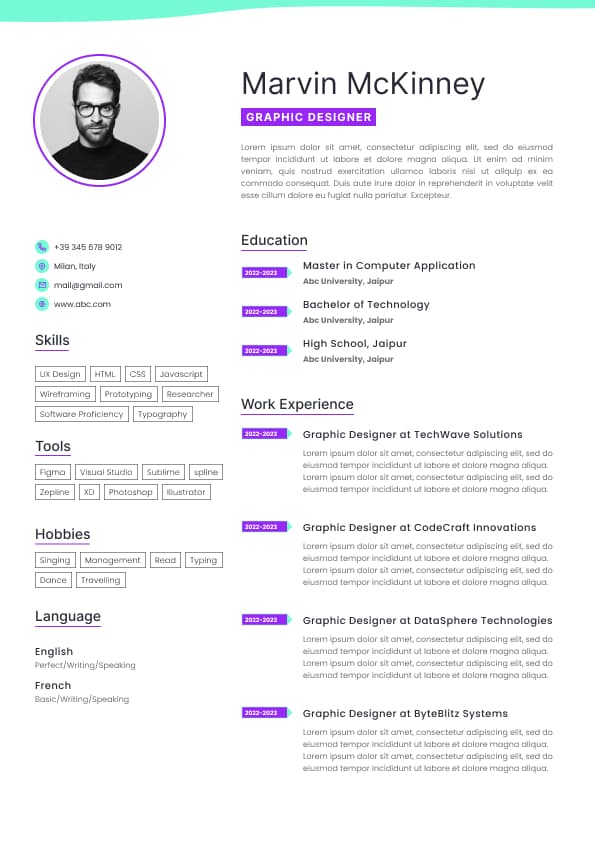
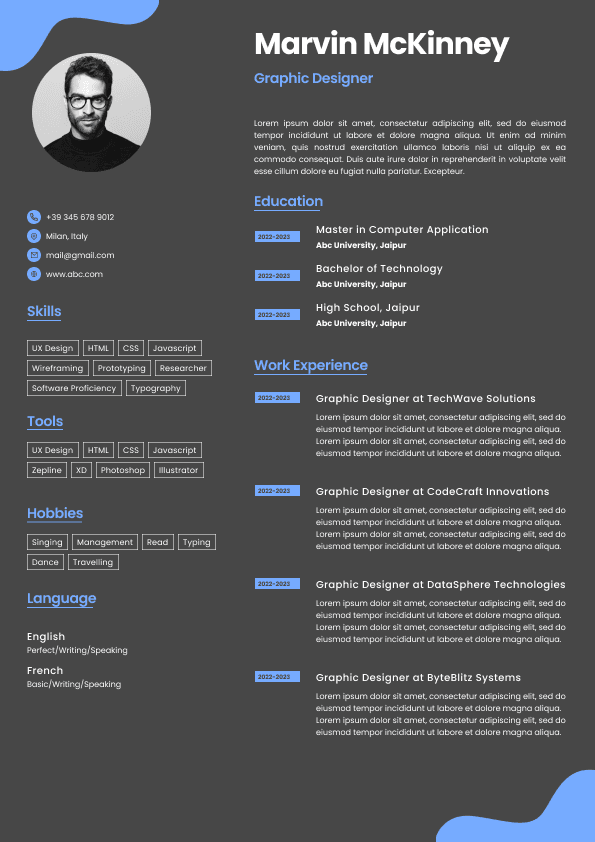
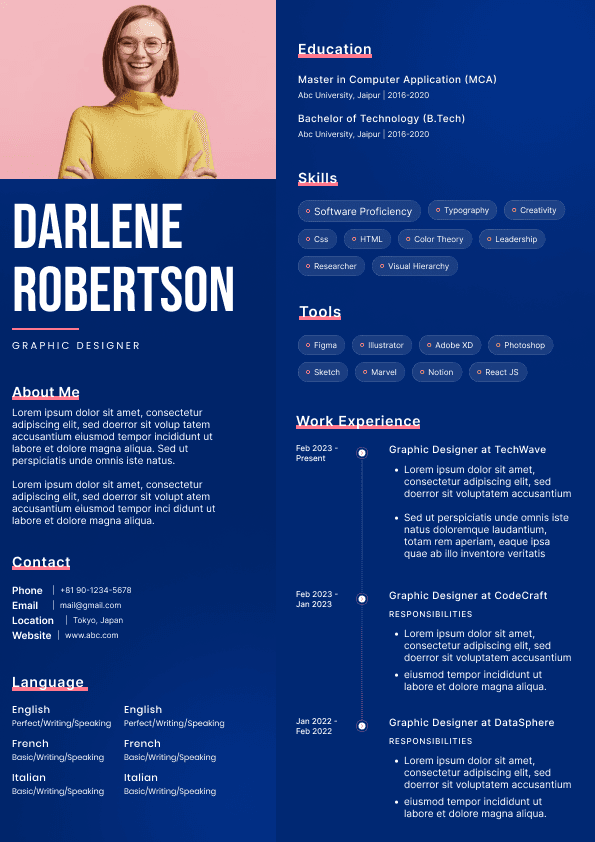
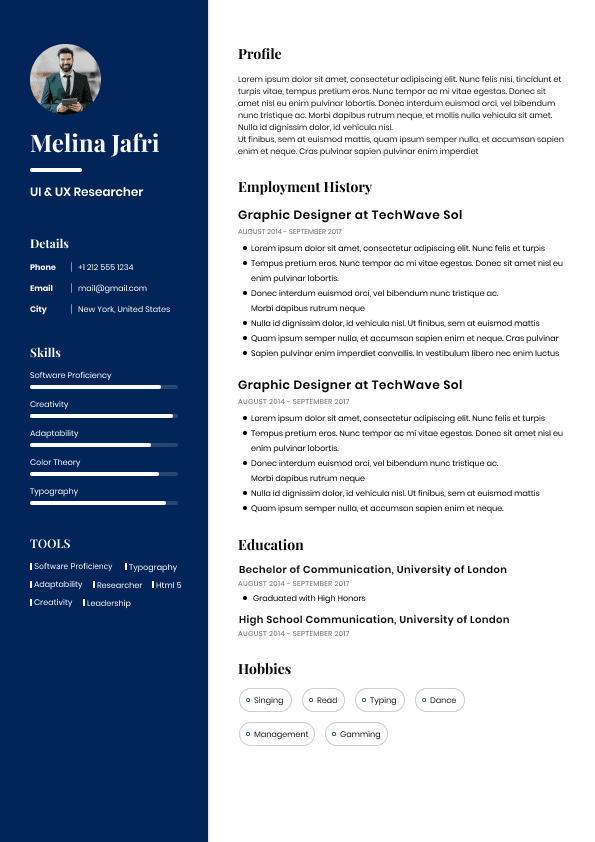
Use professional field-tested resume templates that follow the exact Resume rules employers look for.
Create Resume























 Upload Resume
 Import from Linkedin