STILL APPLYING. STILL HEARING NOTHING?BUILD YOUR RESUME

STILL APPLYING. STILL HEARING NOTHING?BUILD YOUR RESUME
FAQ
A strong .NET developer resume does not just list technologies. It shows how you contributed to building, maintaining, improving, and scaling business-critical applications using the Microsoft stack. Recruiters and hiring managers look for specific responsibilities that prove you can develop reliable software, collaborate across engineering teams, solve production issues, and support modern development workflows.
The best .NET developer resumes clearly demonstrate ownership across the software development lifecycle, including backend development, API integration, cloud deployment, debugging, testing, performance optimization, and Agile collaboration. Generic statements like “worked on applications” or “responsible for coding” rarely help candidates stand out.
This guide breaks down the most important .NET developer duties and responsibilities employers actually expect to see on resumes today, including examples, recruiter insights, and practical guidance for writing stronger resume content that aligns with modern hiring standards.
A .NET developer designs, develops, tests, deploys, and maintains software applications using Microsoft technologies such as C#, ASP.NET Core, .NET Framework, SQL Server, Azure, and related tools.
Depending on the company and seniority level, a .NET developer may work on:
Enterprise web applications
RESTful APIs and microservices
Internal business systems
Cloud-based platforms
E-commerce systems
SaaS applications
Financial or healthcare software
The following responsibilities represent the most common and most valuable duties employers expect from .NET developers in today’s market.
One of the primary responsibilities of a .NET developer is building software applications using C# and the .NET ecosystem.
This typically includes:
Designing application architecture
Developing backend services
Building APIs
Creating business logic layers
Implementing database connectivity
Developing scalable web applications
Candidates often underestimate the importance of showing realistic daily engineering activities on their resume.
Hiring managers want resumes that reflect actual software engineering workflows, not theoretical development tasks.
Typical daily tasks for .NET developers include:
Writing and reviewing C# code
Participating in Agile standups
Collaborating with QA and DevOps teams
Debugging defects
Updating APIs and services
Reviewing pull requests
Optimizing SQL queries
Modern .NET developers rarely work independently in isolated environments.
Most engineering teams now operate in Agile or Scrum-based workflows, which means collaboration responsibilities matter significantly.
Common collaboration responsibilities include:
Participating in sprint planning
Attending daily standups
Working with product owners
Collaborating with QA engineers
Coordinating with DevOps teams
Supporting release planning
Participating in retrospectives
Performance optimization is a major differentiator for mid-level and senior .NET developers.
Companies value developers who can improve:
API response times
SQL query efficiency
Application scalability
Memory usage
Caching performance
Cloud resource utilization
These responsibilities demonstrate engineering maturity because optimization work requires deeper system understanding.
Good Example:
“Optimized SQL queries, API execution paths, and caching strategies, improving application response times by 42%.”
This type of bullet signals measurable engineering impact rather than routine task execution.
Cloud experience has become increasingly important in .NET hiring.
Many employers now expect .NET developers to work with Azure environments, even in non-DevOps roles.
Common Azure-related responsibilities include:
Deploying applications to Azure
Managing App Services
Supporting Azure Functions
Working with Azure SQL
Configuring storage services
Monitoring cloud applications
Managing secrets and configuration
Modern software engineering teams expect developers to participate in deployment and release workflows.
Strong .NET developer resumes increasingly include responsibilities related to:
CI/CD pipelines
Git workflows
Build automation
Deployment processes
Release management
Environment configuration
Version control practices
Candidates who demonstrate DevOps collaboration appear more adaptable and production-ready.
Security awareness has become a major hiring factor for enterprise .NET developers.
Employers increasingly expect developers to implement:
Authentication controls
Authorization policies
Secure API practices
Input validation
Encryption standards
Secrets management
Compliance requirements
This is especially important in industries such as:
A large percentage of enterprise companies still operate legacy .NET Framework systems.
Because of this, many .NET developers work on modernization projects involving:
Migrating .NET Framework applications
Refactoring legacy code
Reducing technical debt
Upgrading APIs
Improving maintainability
Modernizing architectures
This experience is extremely valuable because modernization work requires both technical depth and business continuity awareness.
Recruiters often view modernization experience as evidence that a developer can:
Below are strong examples of .NET developer responsibilities that align with modern hiring expectations.
Developed scalable ASP.NET Core APIs and backend services supporting enterprise SaaS applications
Designed modular C# components and reusable service layers following SOLID principles
Integrated third-party APIs, payment systems, and identity providers into enterprise applications
Built multithreaded background services and asynchronous processing workflows using .NET technologies
Deployed and maintained .NET applications within Azure cloud environments using Azure DevOps pipelines
Many technically capable developers still struggle to create strong resumes because they describe responsibilities poorly.
One of the biggest mistakes is writing vague bullets like:
Responsible for coding
Worked on applications
Involved in development
Fixed bugs
These statements provide almost no hiring value.
Recruiters want specificity, scale, complexity, and business relevance.
Technology stacks alone do not demonstrate competence.
This is weak:
Most recruiters spend less than 30 seconds during initial resume screening.
They quickly look for signals that indicate:
Relevant Microsoft stack experience
Modern .NET ecosystem knowledge
Enterprise application exposure
API development capability
Cloud and DevOps familiarity
Production support experience
Team collaboration ability
Recruiters also evaluate seniority based on the complexity of responsibilities.
The strongest resume bullets usually follow a simple structure:
Action + Technical Context + Business or Operational Outcome
“Developed ASP.NET Core APIs integrated with Azure services, improving transaction processing reliability across enterprise applications.”
This structure works because it demonstrates:
What you did
Which technologies you used
Why it mattered
Clear ownership
Technical specificity
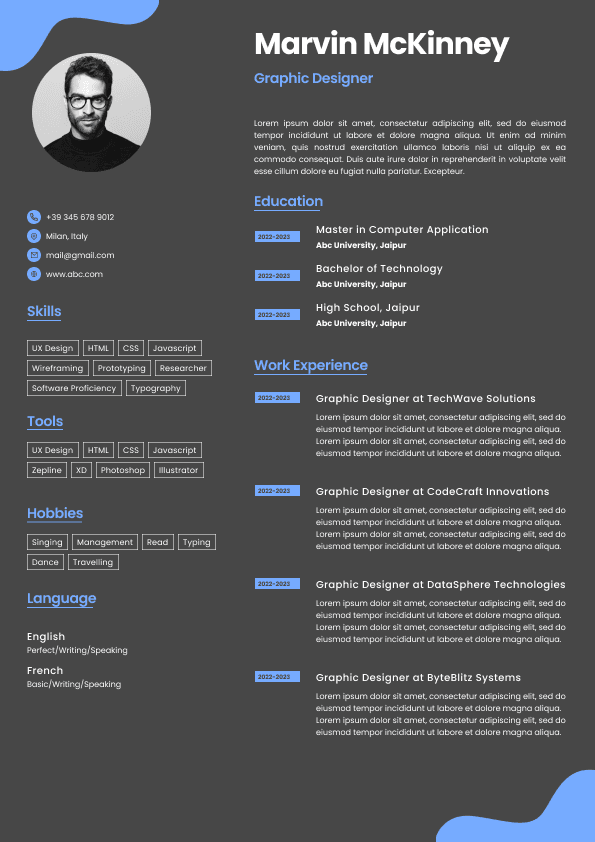
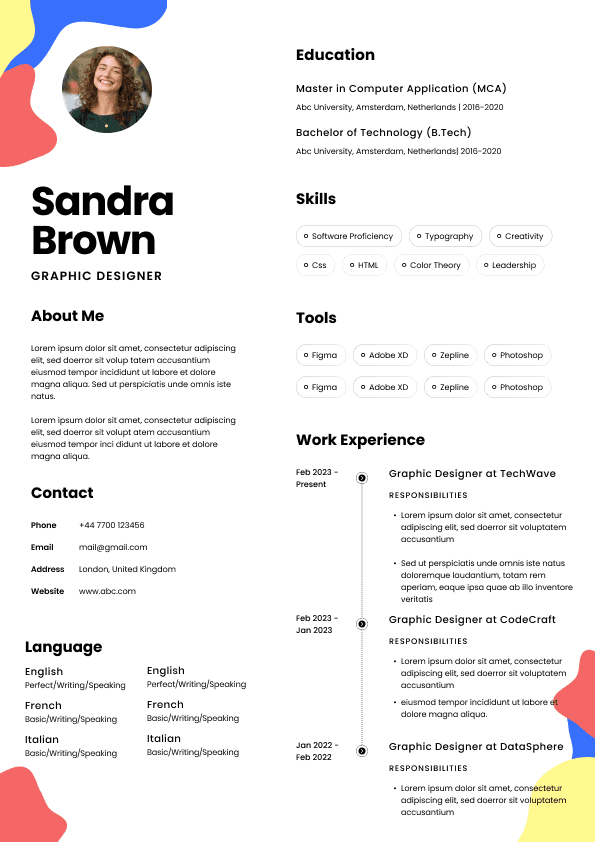
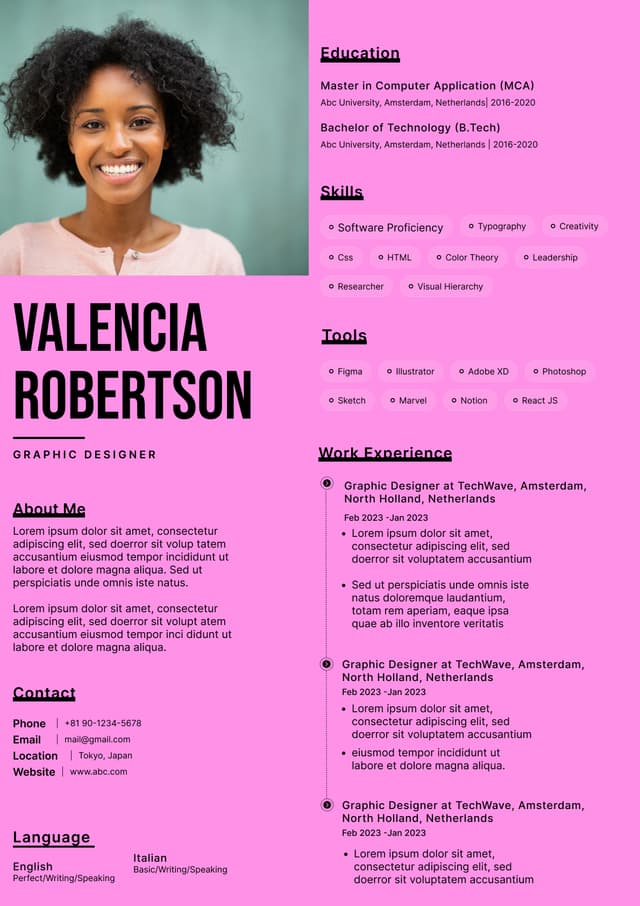
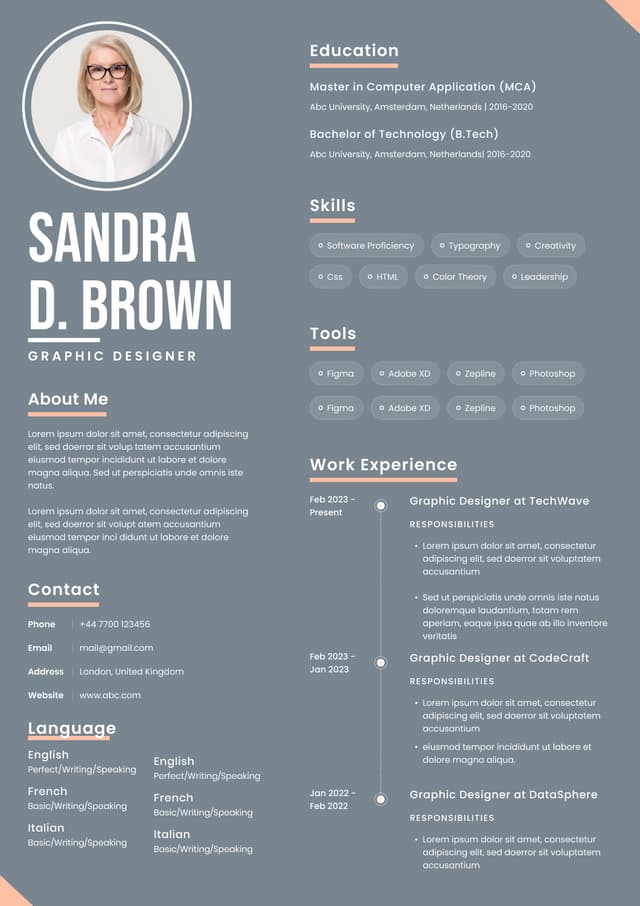
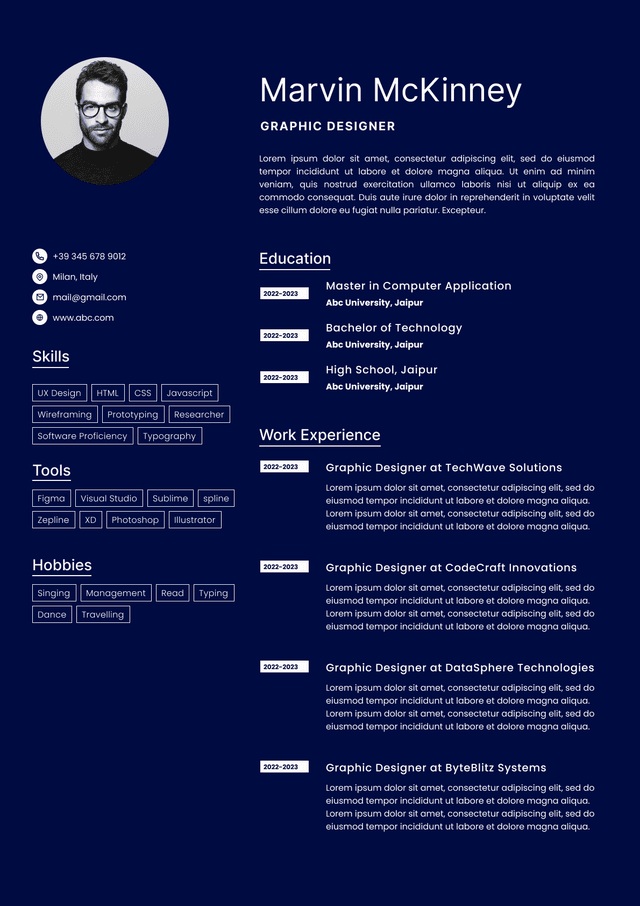
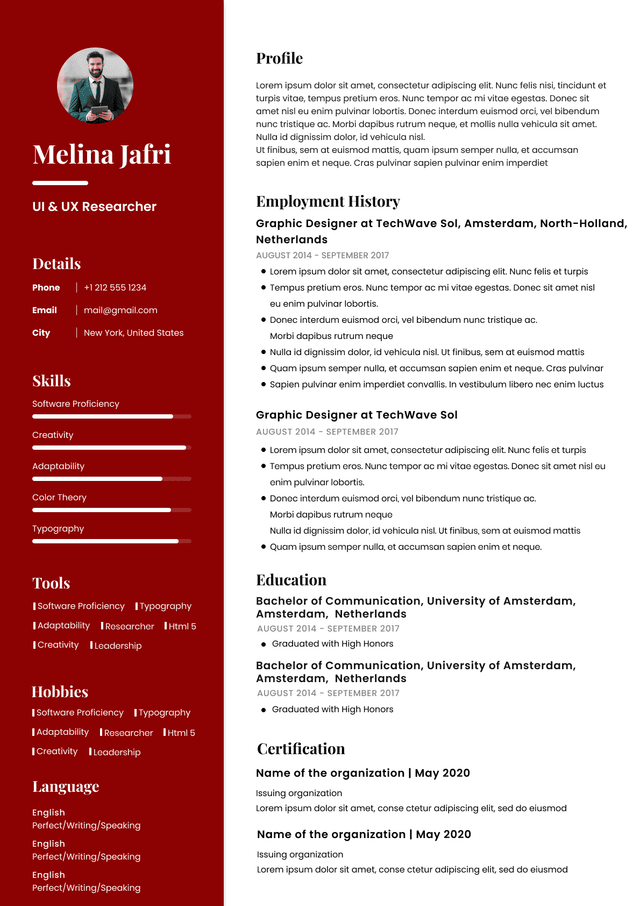
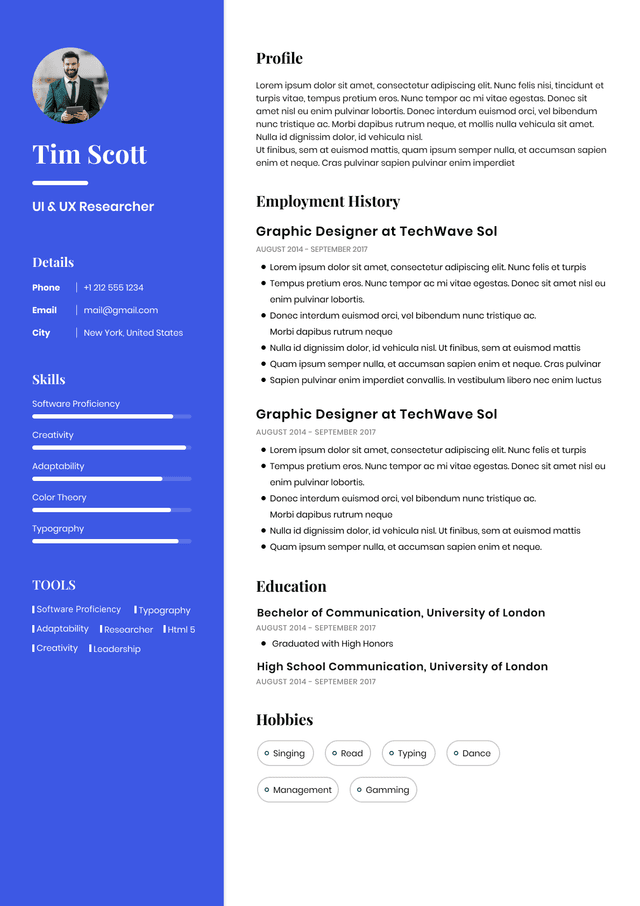
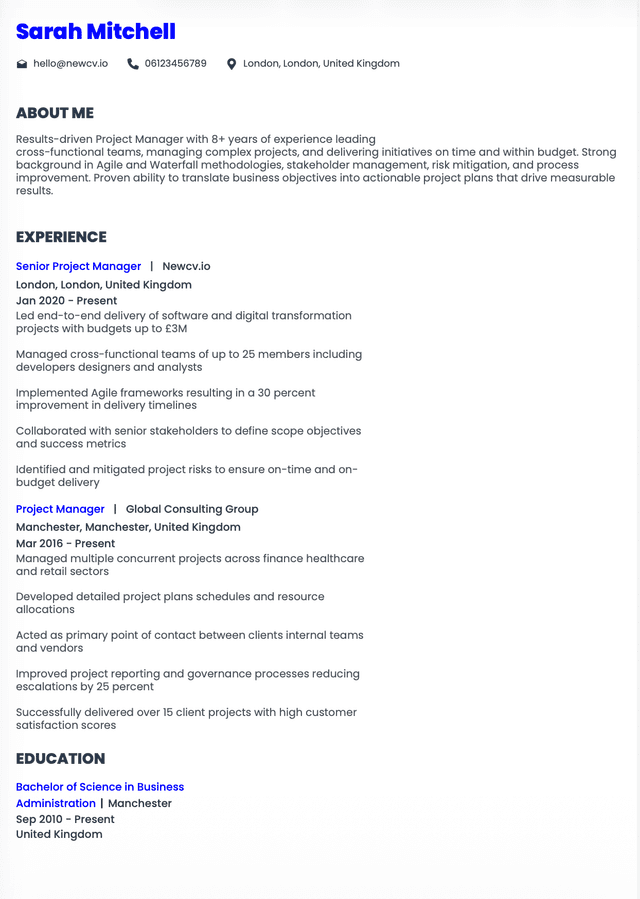
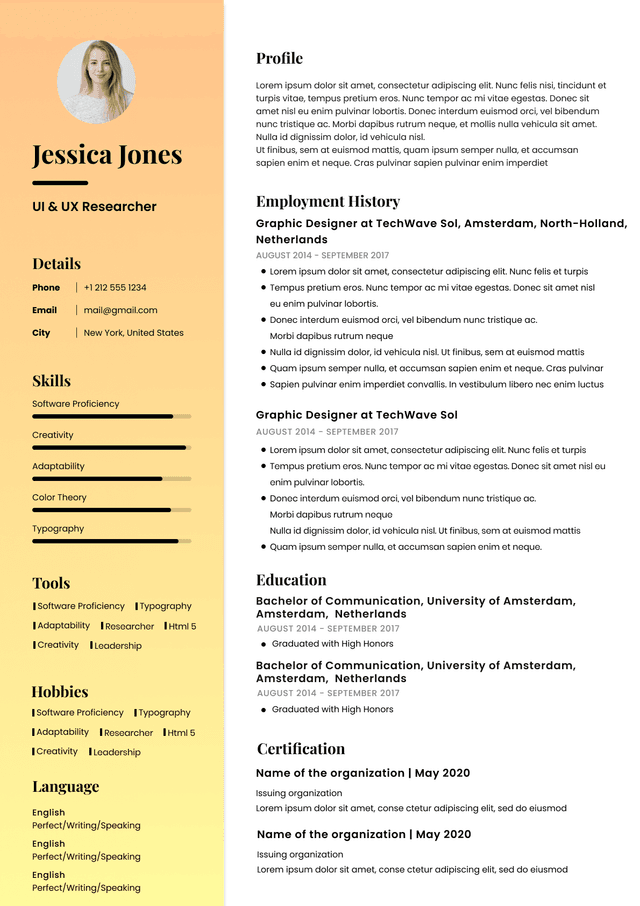
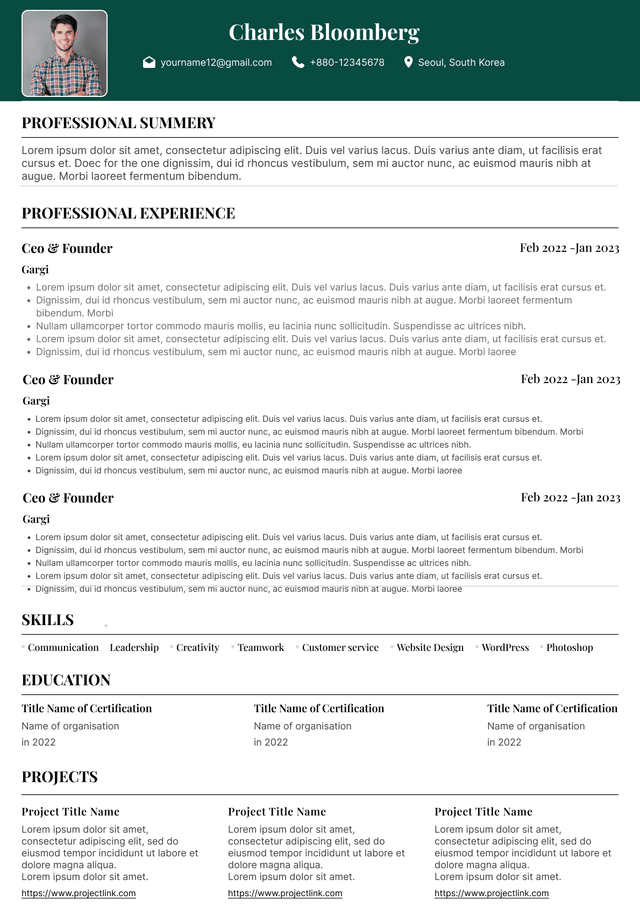
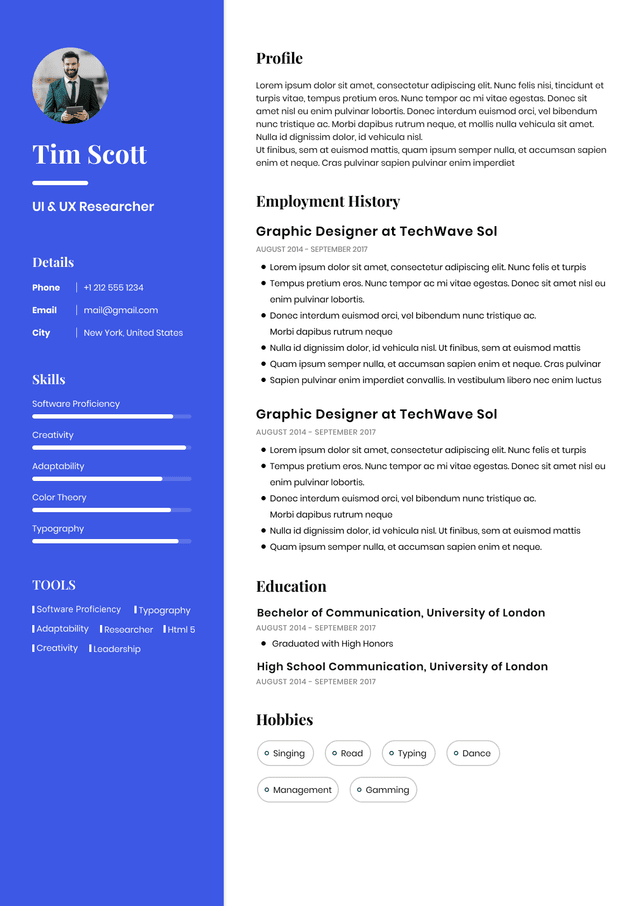
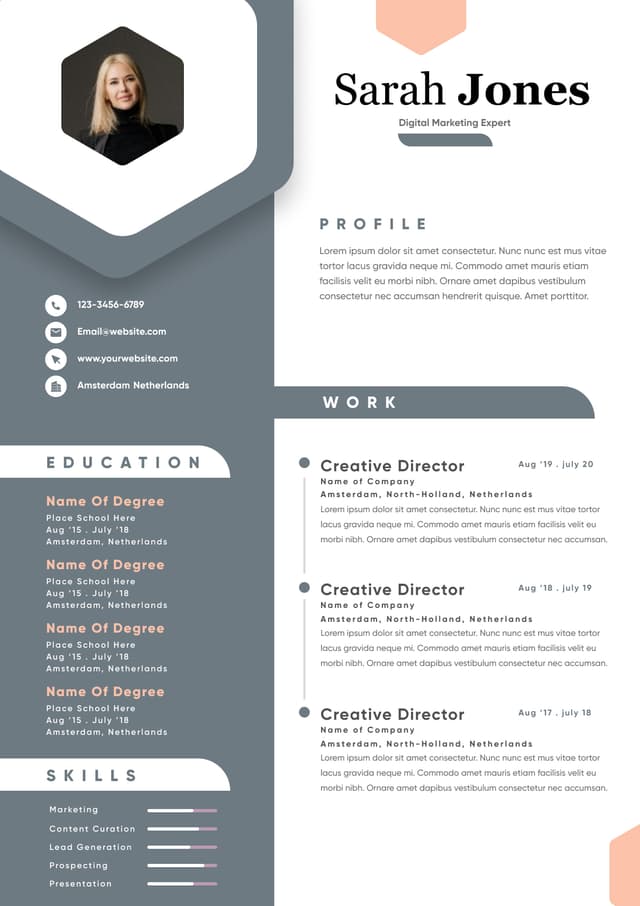
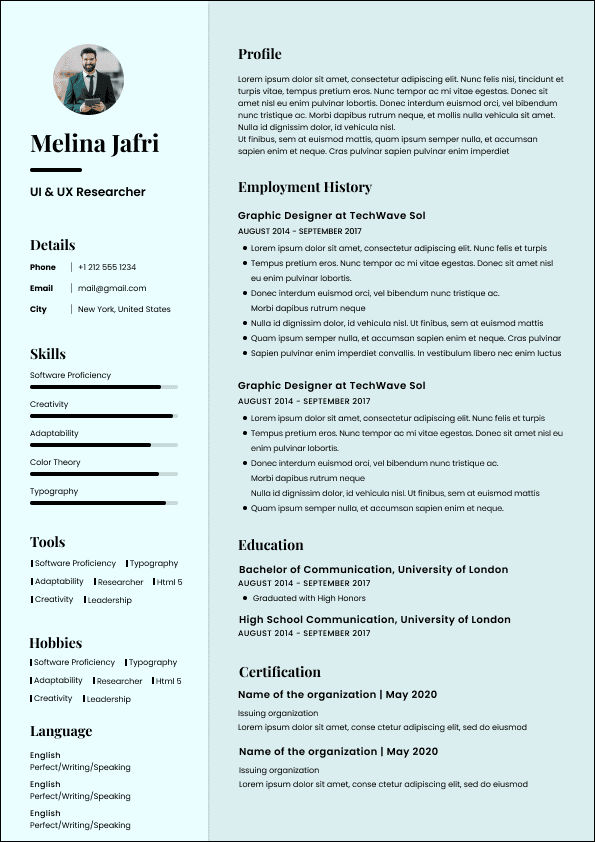
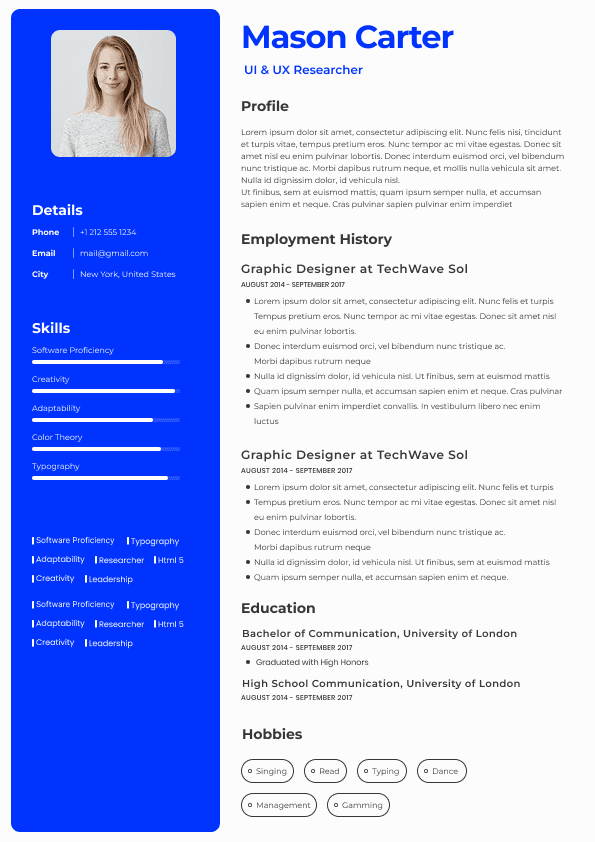
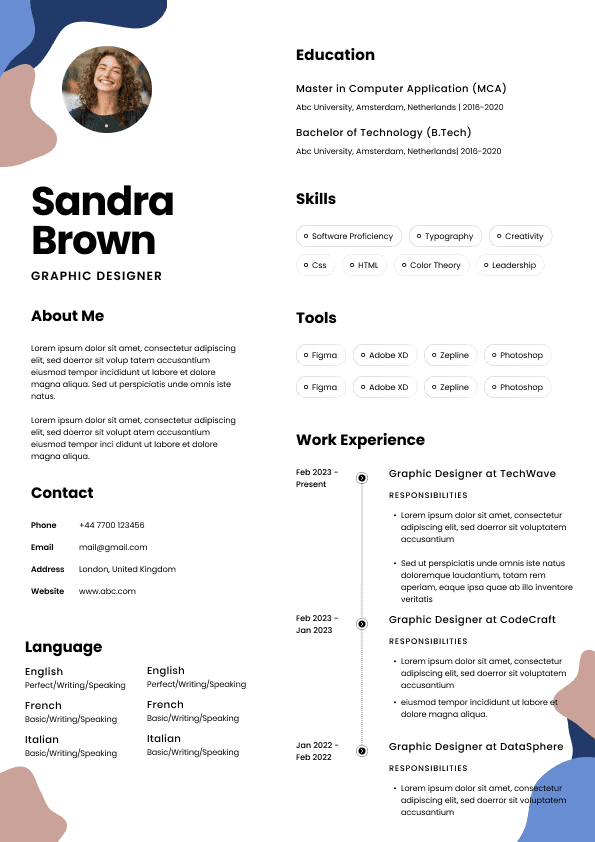
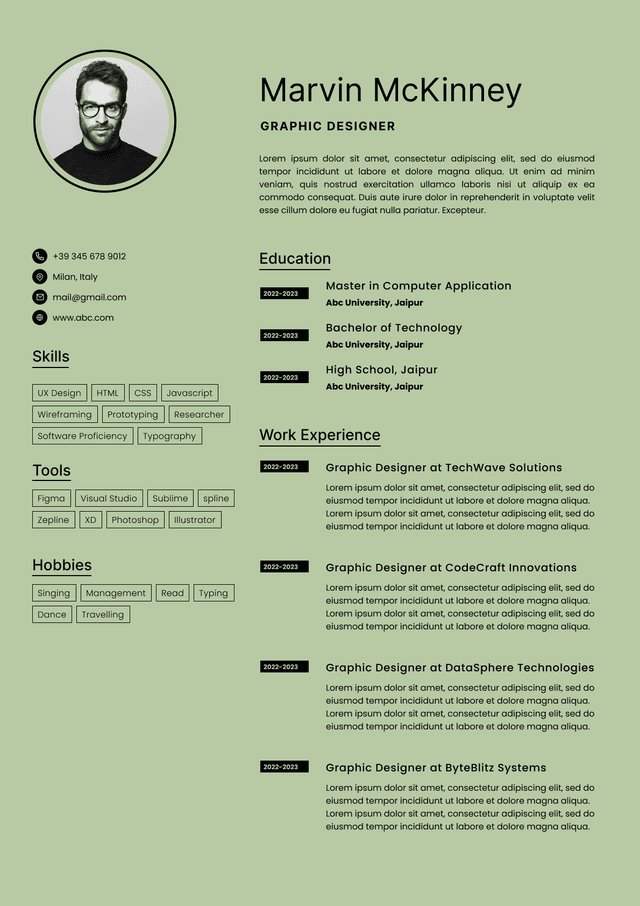
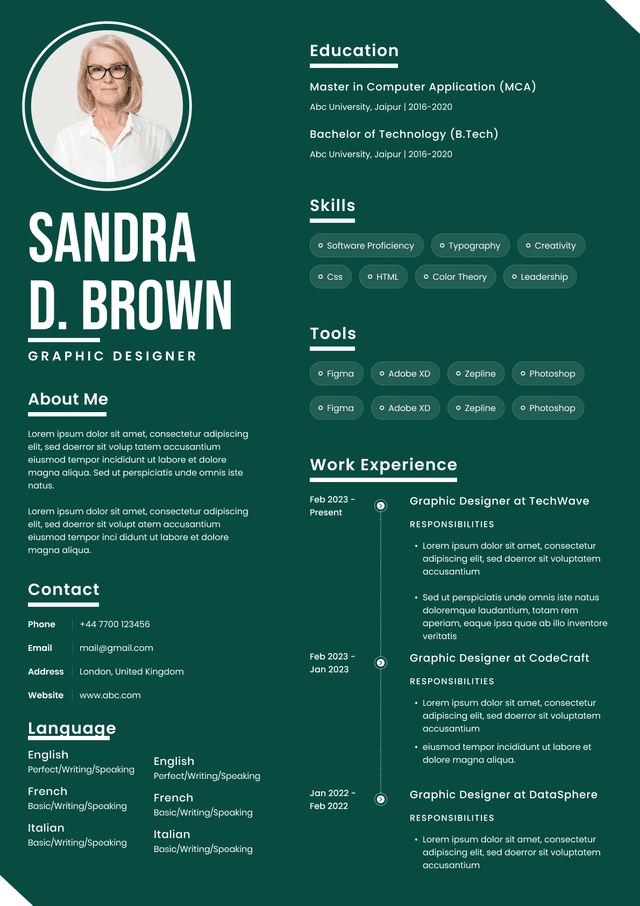
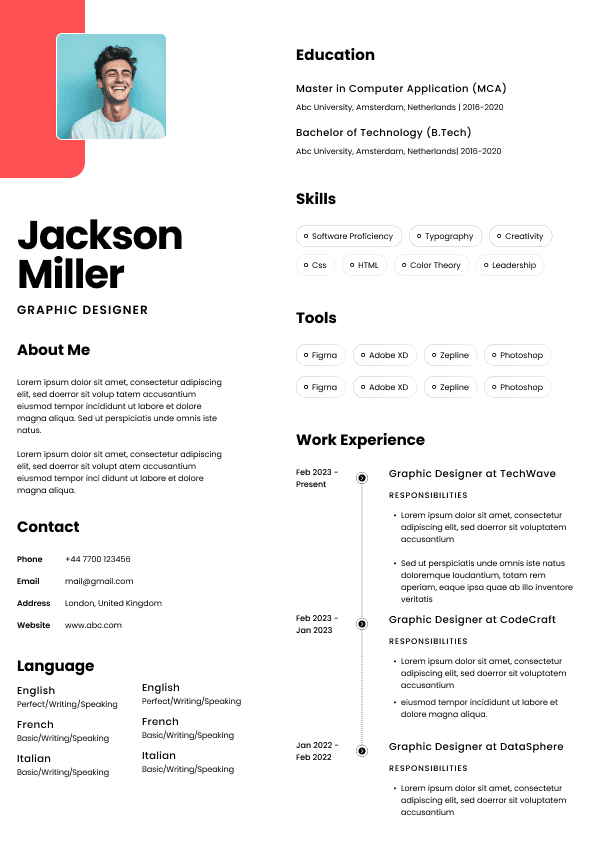
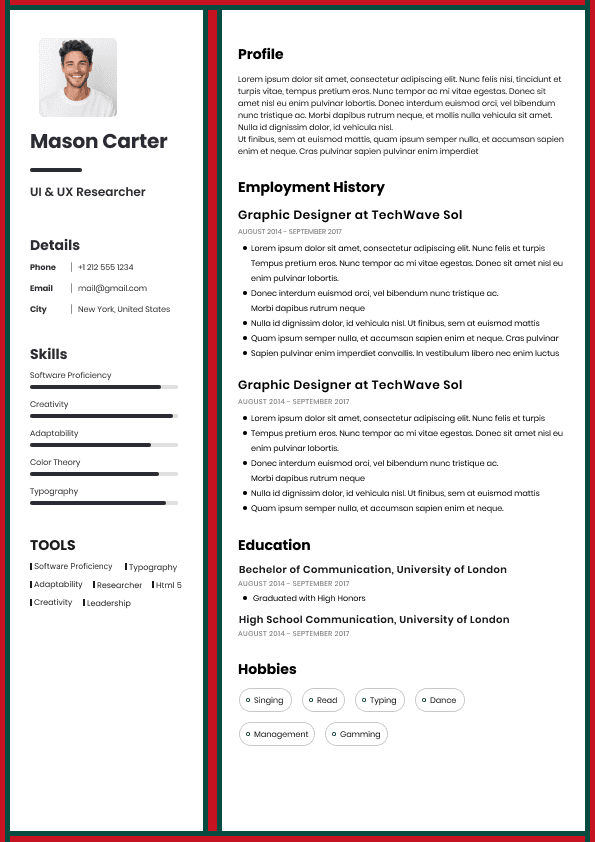
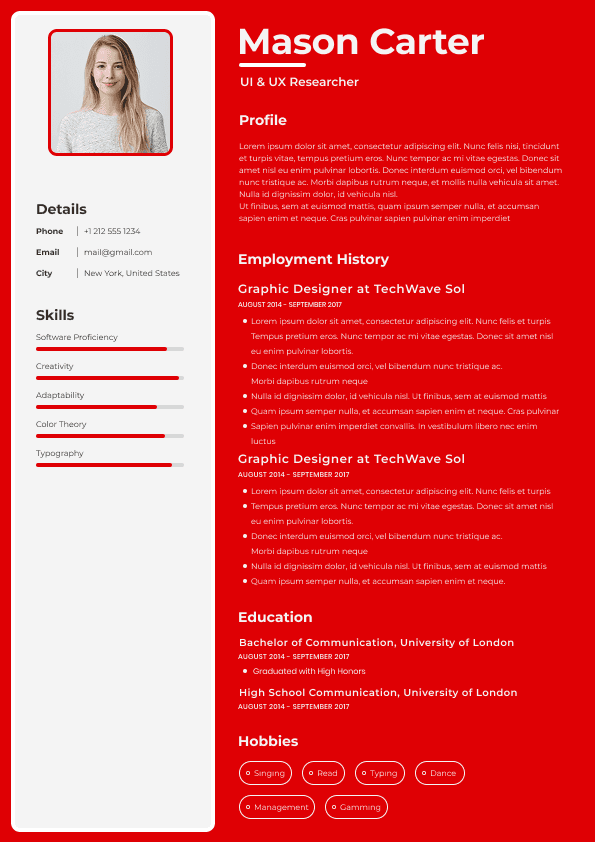
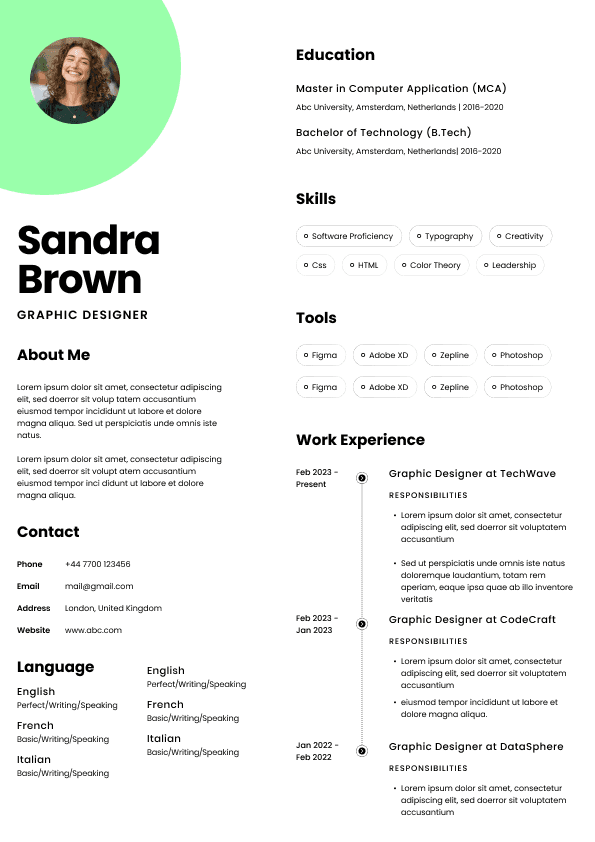
Choose from a wide range of NEWCV resume templates and customize your NEWCV design with a single click.


Use ATS-optimised Resume and resume templates that pass applicant tracking systems. Our Resume builder helps recruiters read, scan, and shortlist your Resume faster.

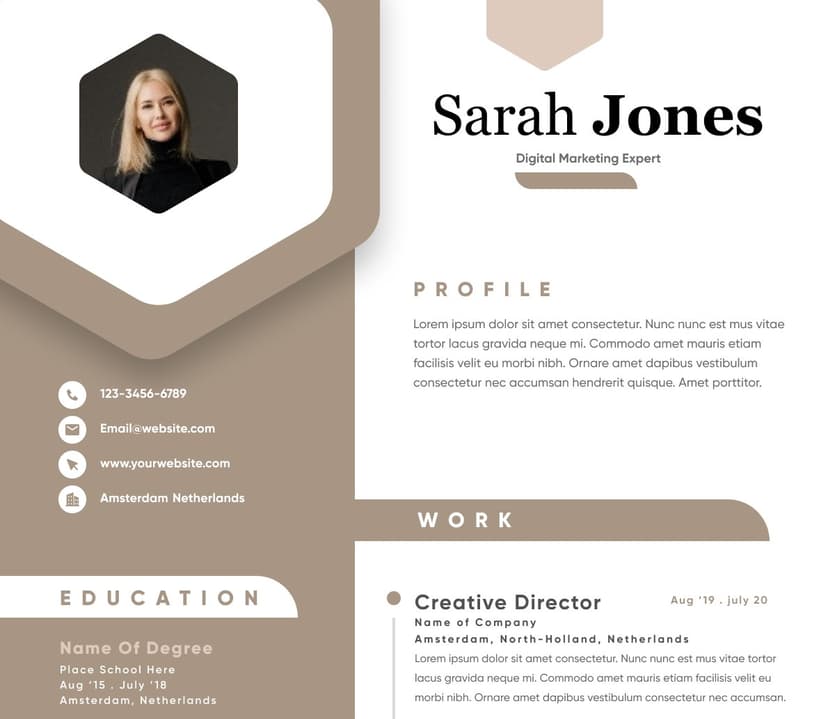
Use professional field-tested resume templates that follow the exact Resume rules employers look for.
Create Resume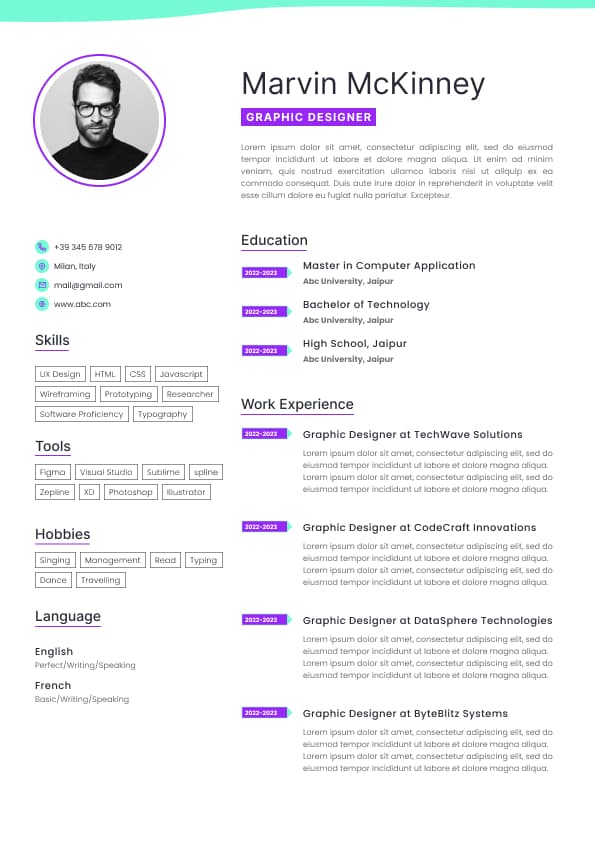
Use professional field-tested resume templates that follow the exact Resume rules employers look for.
Create ResumeData-driven applications
Legacy modernization projects
Modern .NET developers are expected to contribute beyond coding alone. Employers increasingly look for engineers who can collaborate with cross-functional teams, improve software architecture, troubleshoot production environments, and participate in DevOps and CI/CD workflows.
In most US companies, hiring managers evaluate .NET developers based on four major areas:
Technical execution
System reliability and scalability
Collaboration and communication
Ownership and problem-solving ability
That means your resume responsibilities should reflect business impact and engineering depth, not just technical keywords.
Supporting enterprise software systems
Hiring managers specifically want evidence that candidates can build production-grade applications rather than only academic or isolated features.
Weak Example:
“Worked on .NET applications.”
Good Example:
“Designed and developed scalable ASP.NET Core applications and RESTful APIs supporting over 150,000 monthly users.”
The second example demonstrates scale, ownership, and technical specificity.
Recruiters consistently reject resumes that sound overly generic or task-oriented without demonstrating engineering quality.
Strong .NET developers are expected to:
Write reusable code
Follow SOLID principles
Maintain coding standards
Improve code readability
Reduce technical debt
Build maintainable architectures
Modern hiring teams increasingly prioritize maintainability because poorly structured enterprise systems create long-term operational risk.
Resume language should reflect engineering discipline.
Good Resume Bullet:
“Developed reusable C# components and service layers that reduced duplicate code across multiple enterprise applications.”
ASP.NET Core remains one of the most in-demand frameworks in the Microsoft ecosystem.
Many companies specifically search resumes for:
ASP.NET Core
MVC
Razor Pages
Blazor
Web APIs
Microservices
Minimal APIs
Modern employers also value developers who understand API scalability, authentication, caching, and distributed systems.
Strong resume bullets often combine technical execution with measurable outcomes.
Good Example:
“Built ASP.NET Core Web APIs integrated with Azure services and third-party payment platforms to support high-volume transaction processing.”
API development is one of the most important responsibilities for modern .NET developers.
Typical duties include:
Building RESTful APIs
Integrating third-party APIs
Supporting internal service communication
Managing authentication and authorization
Implementing API versioning
Optimizing API performance
Recruiters often scan resumes for evidence of integration complexity because it signals real-world enterprise experience.
Systems integration usually indicates exposure to production environments, business workflows, and cross-team collaboration.
One major difference between junior and experienced .NET developers is production support capability.
Experienced developers are expected to:
Investigate incidents
Analyze application logs
Identify root causes
Resolve deployment issues
Debug SQL performance problems
Fix API failures
Support live production systems
This matters heavily in hiring because many enterprise environments require developers to support mission-critical applications.
Candidates who only describe feature development often appear less experienced than candidates who demonstrate operational ownership.
Good Example:
“Diagnosed and resolved production issues across application, database, and Azure infrastructure layers, reducing recurring incidents by 35%.”
Deploying code changes
Monitoring applications
Supporting release cycles
Writing technical documentation
Refactoring legacy code
Improving performance and scalability
Resumes that reflect these operational realities tend to feel more credible and senior-level.
Communicating technical requirements
Recruiters often use these responsibilities to evaluate how well candidates fit enterprise team environments.
A technically strong developer who cannot collaborate effectively may still be considered a hiring risk.
Many candidates focus too heavily on technical tools while ignoring team-based execution.
Hiring managers want developers who can:
Work across departments
Understand business requirements
Communicate technical tradeoffs
Support project delivery timelines
Contribute to engineering standards
Including collaboration responsibilities makes resumes feel more aligned with real enterprise development environments.
Supporting CI/CD pipelines
Candidates with cloud deployment exposure often receive stronger recruiter interest because modern enterprise applications increasingly rely on cloud-native infrastructure.
Recruiters frequently search for:
Azure DevOps
Azure App Services
Azure Functions
Azure SQL
Application Insights
Azure Key Vault
Azure Storage
GitHub Actions
Including these naturally within resume responsibilities improves ATS alignment without keyword stuffing.
Many organizations have shifted toward DevOps-oriented engineering cultures where developers are partially responsible for operational reliability.
Resumes that reflect deployment ownership often outperform resumes focused only on coding tasks.
Good Example:
“Maintained Azure DevOps CI/CD pipelines and automated deployment workflows supporting weekly production releases.”
Healthcare
Finance
Insurance
Government
SaaS platforms handling customer data
Candidates who demonstrate security-focused responsibilities often appear more senior and enterprise-ready.
Work within complex enterprise environments
Understand older systems
Improve software reliability
Handle large-scale codebases
Support long-term maintainability
Automated CI/CD workflows and release processes using GitHub Actions and Azure DevOps
Monitored application performance and production health using Application Insights and centralized logging tools
Optimized SQL queries and application performance, reducing API response times by 40%
Troubleshot production incidents across application, database, and cloud infrastructure layers
Improved application scalability and reduced memory consumption through performance refactoring initiatives
Collaborated with product owners, QA engineers, and DevOps teams within Agile Scrum environments
Participated in sprint planning, backlog refinement, code reviews, and release management activities
Reviewed pull requests and contributed to engineering standards and code quality improvements
This is stronger:
The second version demonstrates applied experience.
Strong resumes connect engineering work to operational or business outcomes.
Hiring managers consistently favor candidates who demonstrate:
Scalability improvements
Performance gains
Reliability enhancements
Automation improvements
Reduced incidents
Faster deployments
Impact-driven bullets outperform task-only descriptions.
Bug fixes
Feature implementation
Unit testing
Basic API development
SQL updates
Team support tasks
Full feature ownership
API integrations
Performance optimization
Production troubleshooting
Agile collaboration
CI/CD support
Architecture decisions
Scalability planning
Technical leadership
Mentoring developers
System modernization
Security implementation
Cross-team coordination
Your resume responsibilities should align with your target seniority level.
Real engineering activities
Production-level context
Measurable outcomes when possible
Enterprise relevance
Avoid overly academic language or inflated claims.
Hiring managers can usually identify exaggerated resume content immediately.


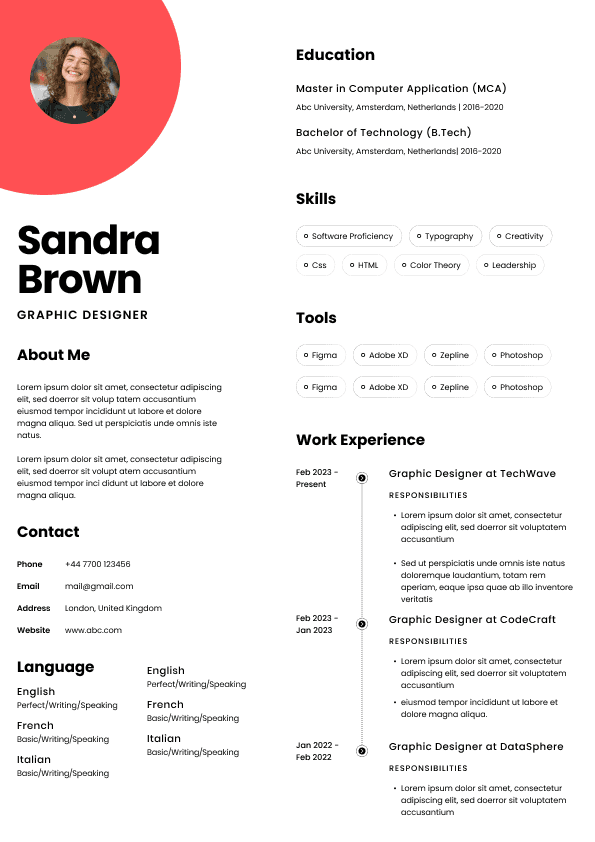
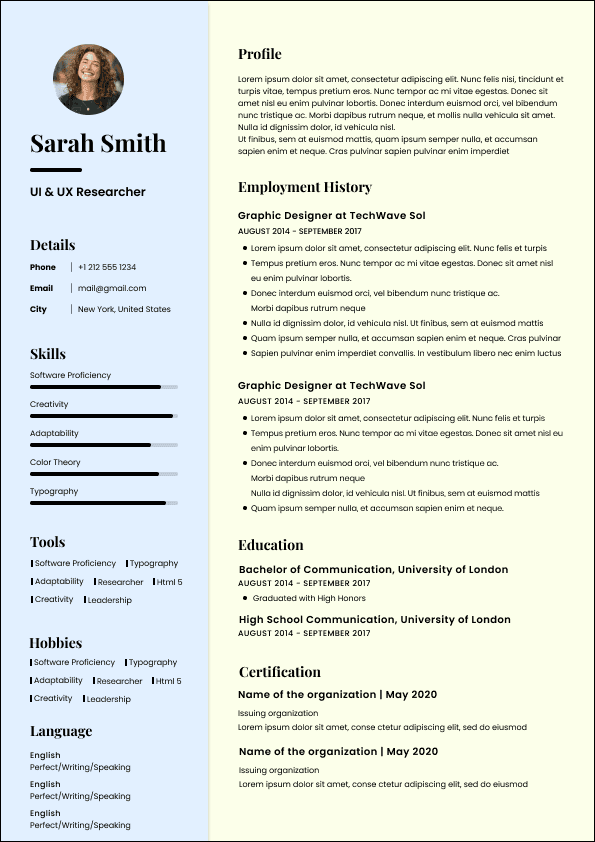
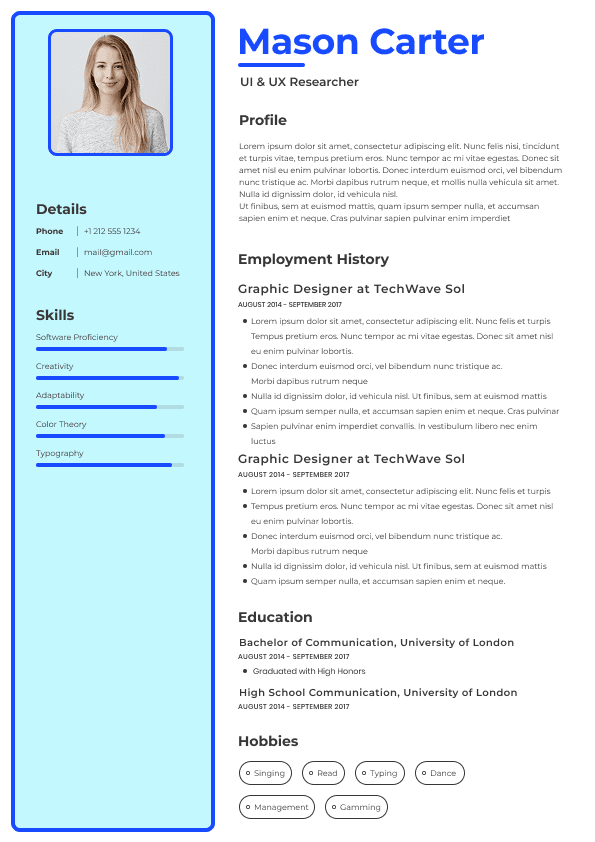
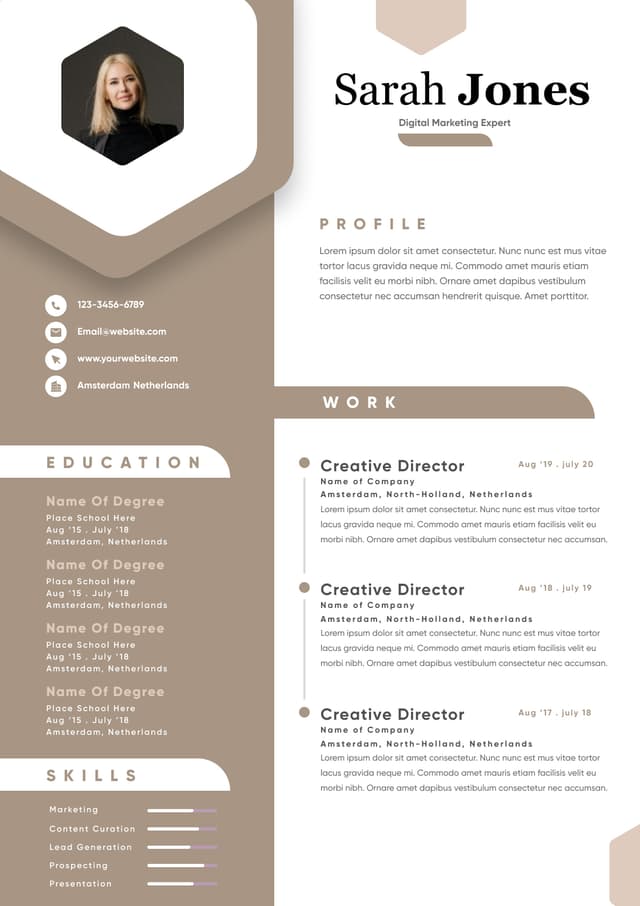
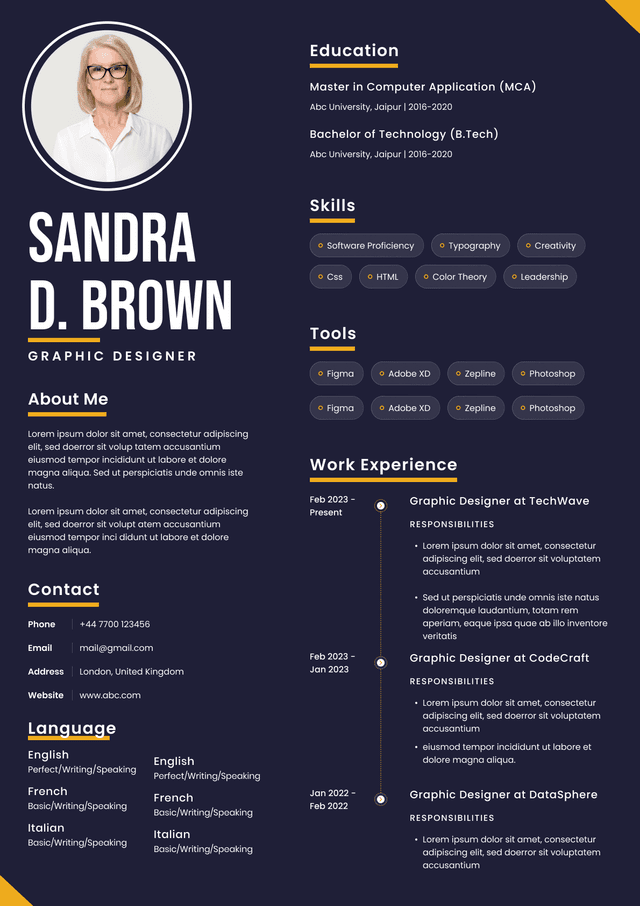
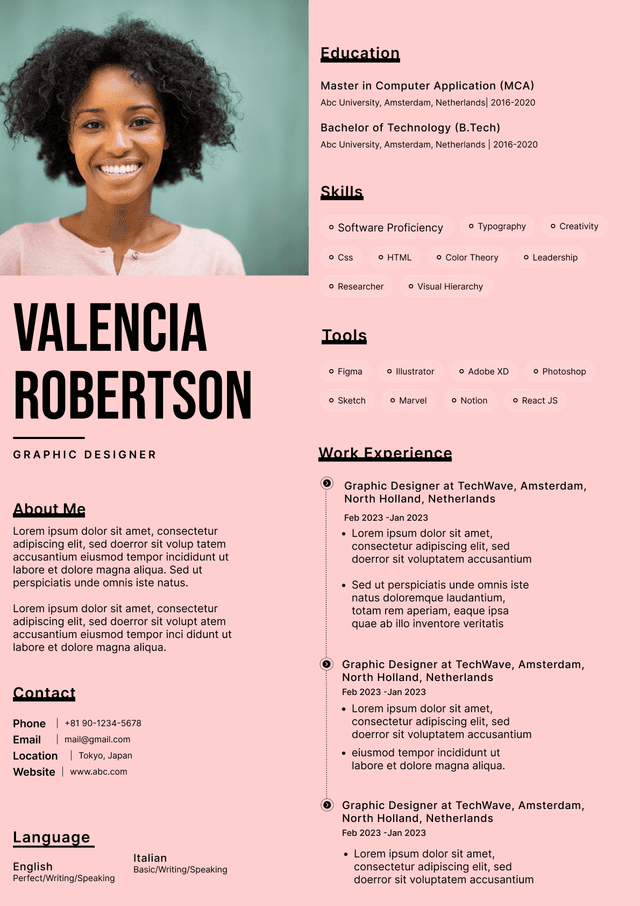
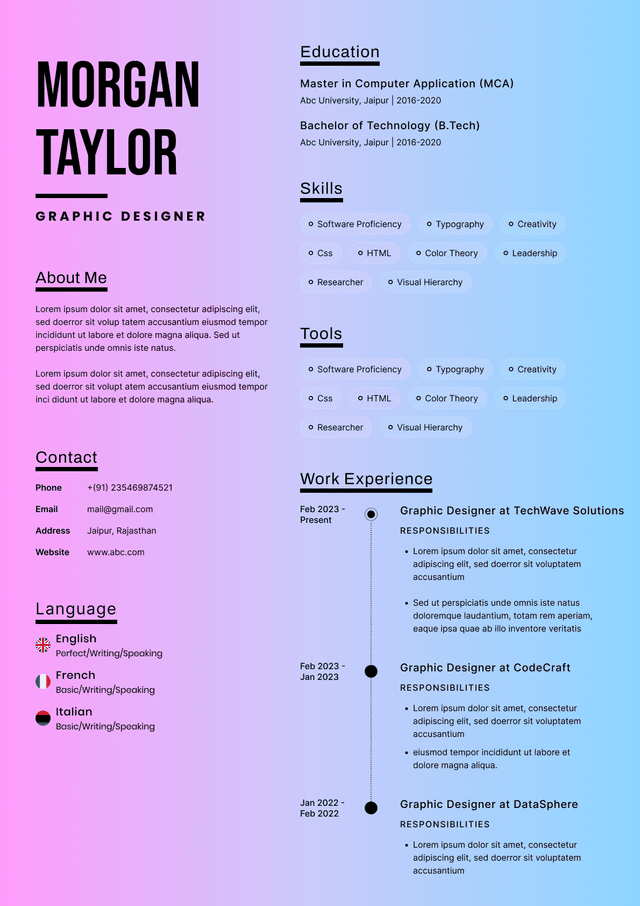
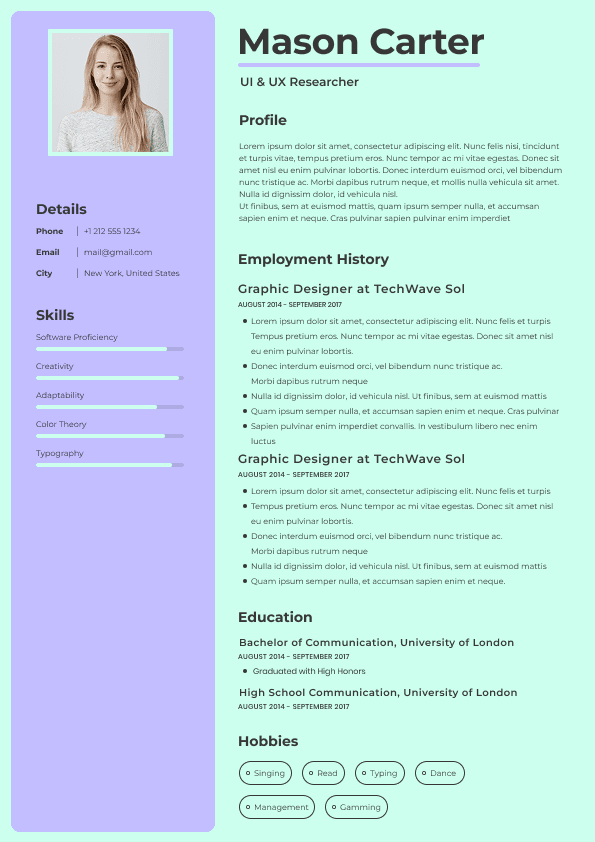


 Upload Resume
 Import from Linkedin