STILL APPLYING. STILL HEARING NOTHING?BUILD YOUR RESUME

STILL APPLYING. STILL HEARING NOTHING?BUILD YOUR RESUME
Choose from a wide range of NEWCV resume templates and customize your NEWCV design with a single click.
FAQ
A career gap does not automatically disqualify you from getting hired as a .NET developer. What matters most in today’s hiring market is whether your resume proves you can contribute to a modern engineering team right now. Recruiters and hiring managers are looking for evidence of current technical relevance, recent hands-on work, updated Microsoft ecosystem knowledge, and professional readiness.
If your resume still focuses heavily on older .NET Framework experience without showing modern skills like ASP.NET Core, .NET 8, Azure, Docker, CI/CD, Entity Framework Core, APIs, or cloud deployment, the employment gap becomes much more noticeable. But when your resume clearly demonstrates recent learning, portfolio work, GitHub activity, certifications, freelance projects, or technical upskilling, the gap becomes far less important.
The goal is not to “hide” the gap. The goal is to reduce hiring risk by proving you are current, capable, and ready to perform in a modern development environment.
Most candidates misunderstand how technical hiring decisions are made.
Recruiters are not automatically rejecting resumes because of career gaps. They are rejecting resumes because the candidate appears outdated, disconnected from current engineering practices, or unprepared for modern software development workflows.
A hiring manager reviewing a .NET developer resume with a gap is usually asking these questions internally:
Can this person work with modern .NET technologies?
Are their coding skills still current?
Do they understand cloud-based development environments?
Can they contribute in Agile engineering teams?
Will onboarding take too long?
Did they actively maintain technical skills during the gap?
Most gap-related resume failures come from poor positioning, not the gap itself.
Candidates often structure resumes in ways that force recruiters to notice the gap immediately.
For example:
Weak Example
“Experienced .NET developer returning to workforce after several years away.”
This framing unintentionally signals risk before showing value.
Good Example
“.NET Developer specializing in ASP.NET Core, Azure cloud services, REST APIs, and modern C# application development.”
The second version positions technical capability first.
One of the fastest ways to get rejected is presenting a resume dominated by:
ASP.NET Web Forms
WCF
The best resumes reduce uncertainty quickly.
Your resume should communicate three things immediately:
Your technical foundation is legitimate
Your skills are current
You are actively coding and learning now
That positioning matters more than explaining the gap itself.
A modern structure works best because it emphasizes relevance before chronology.
Your summary should focus on technical readiness, not personal circumstances.
Good Example
“Full stack .NET developer with experience building scalable web applications using C#, ASP.NET Core, SQL Server, and Azure. Recently completed cloud-focused portfolio projects involving REST APIs, Docker containers, Entity Framework Core, CI/CD pipelines, and secure application deployment. Strong background in debugging, backend architecture, and cross-functional collaboration.”
This works because it immediately answers the recruiter’s main concern:
“Can this person contribute today?”
Your skills section must look current.
Strong technologies to include when accurate:
C#
ASP.NET Core
.NET 8
Most candidates over-explain gaps.
That usually hurts them.
The best approach is brief, confident, and professional.
Good explanations include:
Family caregiving
Parenting responsibilities
Relocation
Health recovery
Continuing education
Freelance consulting
This is where many returning developers either recover their candidacy or lose it completely.
A strong recent project section can dramatically improve interview conversion rates because it proves current execution ability.
Hiring managers trust demonstrated work more than claims.
Strong portfolio projects demonstrate:
Modern .NET architecture
Cloud deployment
API development
Database integration
Security implementation
Testing practices
For candidates with employment gaps, GitHub often acts as proof of technical continuity.
Recruiters may not deeply inspect code quality initially, but they absolutely notice:
Active repositories
Recent commits
Project consistency
Documentation quality
Deployment links
Technical initiative
An inactive GitHub profile is not fatal.
But an active GitHub profile can significantly strengthen your credibility.
Strong signals include:
Certifications alone do not get developers hired.
But for candidates re-entering the workforce, certifications can reassure employers that your technical knowledge is current.
Particularly valuable certifications include:
Microsoft Certified: Azure Fundamentals
Azure Developer Associate
Azure AI Fundamentals
Azure Administrator Associate
The certification itself is less important than what it represents:
recent learning and current ecosystem familiarity.
Candidates over 40 often worry about age discrimination alongside employment gaps.
The biggest mistake is unintentionally branding yourself as outdated.
Do not emphasize:
Decades-old technologies
Extremely old certifications
Excessively long work histories
Obsolete frameworks
Dated terminology
You do not need to remove your experience.
You need to modernize how it is presented.
Emphasize:
No.
Modern US resumes do not include:
“References available upon request”
Reference lists
Personal references
Recruiters assume references will be provided later if needed.
Using valuable resume space for references weakens the document strategically.
Instead, use that space to strengthen:
Projects
Technical skills
Certifications
Strong bullet points focus on capability, execution, and technical relevance.
Good Example
“Completed full stack ASP.NET Core projects using C#, SQL Server, Docker, Azure App Service, and Entity Framework Core during career transition.”
Good Example
“Returned to .NET development with updated skills in Azure cloud services, CI/CD automation, automated testing, and modern ASP.NET Core architecture.”
Good Example
“Built and deployed portfolio APIs while completing advanced coursework in clean architecture, microservices, SQL optimization, and secure API development.”
Good Example
“Designed RESTful APIs with JWT authentication, role-based authorization, structured logging, and Docker-based deployment workflows.”
Good Example
“Collaborated in Agile project environments using GitHub workflows, pull requests, sprint planning, and code review practices.”
These bullet points work because they sound operational and current.
Many candidates over-focus on ATS systems while under-focusing on hiring managers.
Both matter.
Use relevant terms naturally throughout the resume:
ASP.NET Core
.NET 8
C#
Azure
REST API
SQL Server
Docker
Understanding rejection triggers helps you avoid them.
No recent technical activity
Only legacy .NET experience
Extremely vague summaries
Large unexplained gaps
No portfolio projects
No GitHub profile
No cloud experience
If you have been away from development for a while, spend 60 to 90 days rebuilding visible technical credibility before aggressively applying.
That short preparation period can dramatically improve response rates.
Prioritize these activities:
Build 2–3 strong ASP.NET Core projects
Deploy applications to Azure
Learn Docker fundamentals
Use GitHub consistently
Complete Azure certifications
Practice API development
Many candidates frame themselves psychologically as “trying to get back into tech.”
That mindset often weakens interviews and resumes.
The better positioning is:
“I am an experienced developer who updated my skills and is ready to contribute immediately.”
That difference affects:
Resume tone
Interview confidence
Technical positioning
Recruiter perception
Salary discussions
Hiring manager trust
Confidence grounded in demonstrated technical capability performs far better than apologetic positioning.

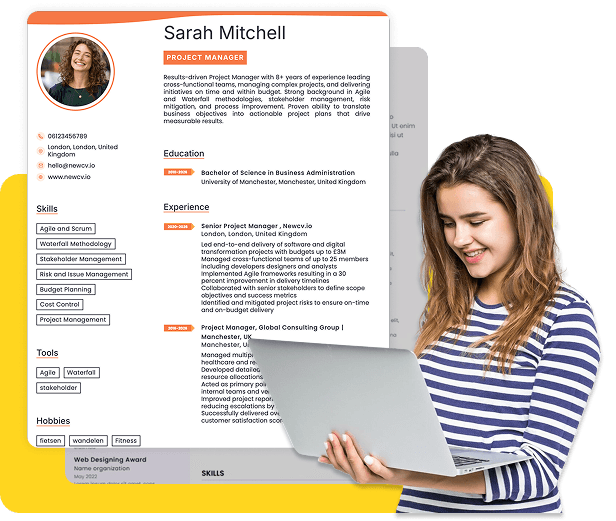
Use ATS-optimised Resume and resume templates that pass applicant tracking systems. Our Resume builder helps recruiters read, scan, and shortlist your Resume faster.

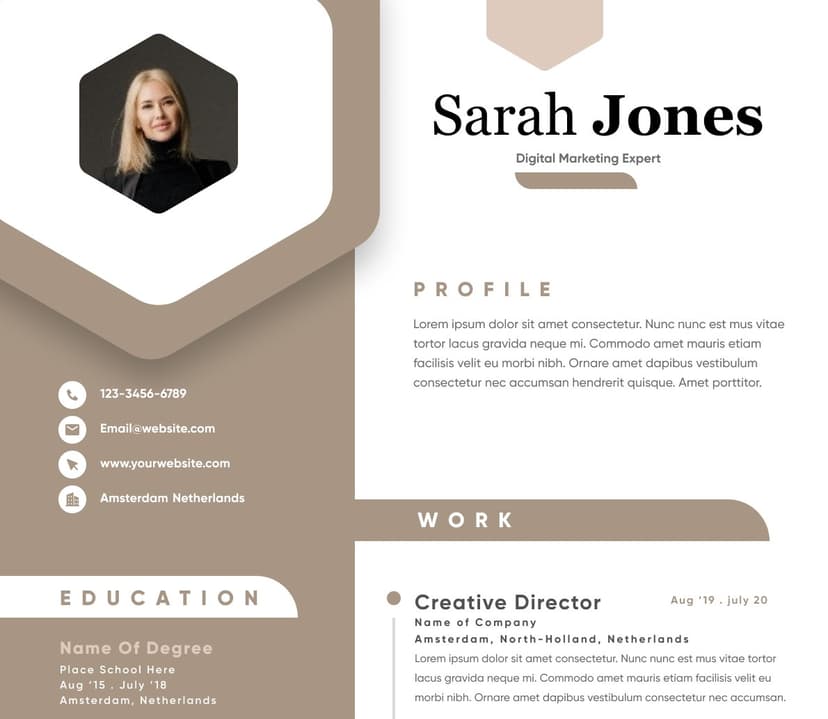
Use professional field-tested resume templates that follow the exact Resume rules employers look for.
Create Resume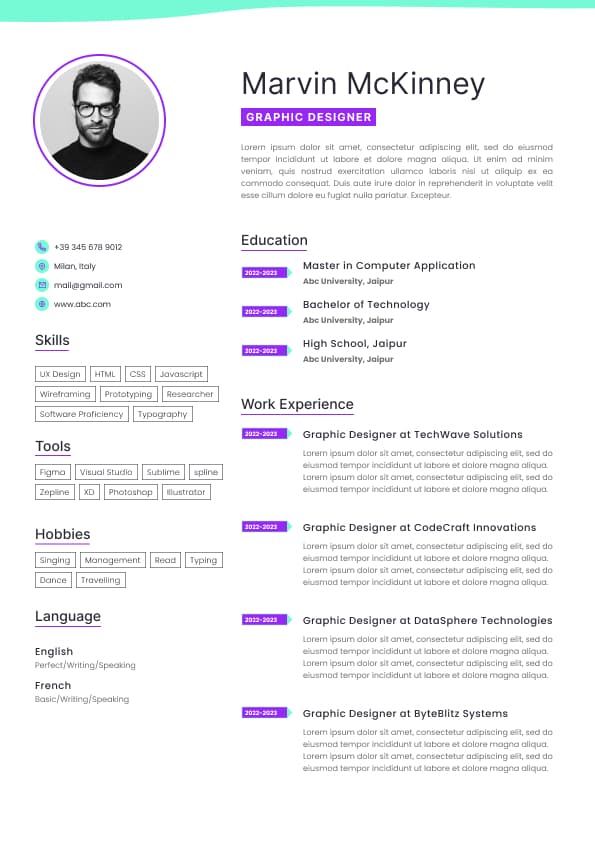
Use professional field-tested resume templates that follow the exact Resume rules employers look for.
Create ResumeDo they still write production-quality code?
Can they adapt to current development standards?
If your resume answers those questions proactively, the employment gap becomes significantly less damaging.
VB.NET
.NET Framework 3.5 or 4.0
Silverlight
Outdated IIS-only environments
Even if you have strong experience, hiring managers may assume your skills are obsolete unless you clearly demonstrate current technologies.
Many returning developers fail to add:
Recent certifications
GitHub repositories
Portfolio applications
Azure deployments
Personal projects
Open-source contributions
Technical learning
Without recent activity, recruiters assume the candidate has been disconnected from software engineering entirely.
Entity Framework Core
SQL Server
Azure App Service
Azure DevOps
REST APIs
Docker
GitHub Actions
Blazor
Microservices
xUnit
CI/CD
Dependency Injection
Clean Architecture
OAuth/JWT Authentication
Agile/Scrum
Do not overload the section with every technology you have ever used.
Modern relevance matters more than historical breadth.
Professional development
Certification training
Avoid emotional or highly detailed explanations.
Good Example
“Career Development Sabbatical | 2021–2023
Completed advanced coursework in ASP.NET Core, Azure cloud services, Docker, CI/CD pipelines, and modern API architecture while building portfolio applications.”
Good Example
“Family Care Leave | 2020–2022
Maintained active software development skills through self-directed projects, GitHub contributions, Microsoft Learn coursework, and Azure certification preparation.”
These explanations work because they remain professional while reinforcing continued technical engagement.
CI/CD familiarity
Containerization
Source control usage
Good Example
“Built and deployed a full stack ASP.NET Core application using .NET 8, SQL Server, Entity Framework Core, Docker, Azure App Service, and GitHub Actions CI/CD workflows. Implemented JWT authentication, API validation, role-based authorization, and automated testing.”
This immediately signals modern engineering readiness.
ASP.NET Core projects
REST APIs
Azure deployment
Docker usage
Clean repository organization
README documentation
Real commit history
Practical business logic
Weak signals include:
Tutorial clones only
Empty repositories
No documentation
One-day mass commits
Incomplete projects
Consistency matters more than perfection.
Architecture understanding
Technical leadership
Debugging ability
Cross-functional communication
Mentorship
Ownership
Problem-solving
System design
Production support experience
Modern engineering teams value mature developers who can reduce operational risk and improve development quality.
Achievements
Modern tooling experience
Entity Framework Core
CI/CD
Blazor
Microservices
Kubernetes
GitHub Actions
Azure DevOps
Unit Testing
xUnit
Dependency Injection
Agile
But avoid keyword stuffing.
If the resume reads unnaturally, recruiters will notice immediately.
Generic “hardworking team player” language
Outdated formatting
Overly defensive explanations
Recent certifications
Active coding projects
Cloud deployment experience
Clear technical specialization
Strong summaries
Practical project examples
Current tooling knowledge
GitHub activity
Clean modern formatting
The resume must reduce uncertainty quickly.
Learn CI/CD basics
Add automated testing
Improve LinkedIn technical positioning
Contribute to small open-source issues
This combination creates measurable evidence of readiness.


 Upload Resume
 Import from Linkedin