STILL APPLYING. STILL HEARING NOTHING?BUILD YOUR RESUME

STILL APPLYING. STILL HEARING NOTHING?BUILD YOUR RESUME
Choose from a wide range of NEWCV resume templates and customize your NEWCV design with a single click.
FAQ
A .NET developer resume for fast hiring must prove three things immediately: you have the required Microsoft stack skills, you can start quickly, and you are low risk for the hiring team. Recruiters screening urgent .NET roles do not read slowly. They look for C#, ASP.NET Core, SQL Server, Azure, APIs, recent production experience, work authorization, location or time zone fit, and interview availability within seconds.
The best resume for immediate hire .NET developer roles is short, keyword aligned, ATS friendly, and built around fast decision making. It should place your title, core tech stack, availability, work authorization, LinkedIn, GitHub, and strongest project evidence near the top. Your goal is not just to look qualified. Your goal is to make the recruiter comfortable submitting you today.
Urgent hiring changes recruiter behavior. When a company needs a .NET developer immediately, the recruiter is not trying to evaluate every possible career detail. They are trying to answer a faster, more practical question: can this person be submitted, interviewed, and onboarded without creating delays?
That means your resume needs to reduce friction. A strong resume for quick application roles answers the obvious screening questions before the recruiter has to ask.
Recruiters usually scan for:
Current or recent .NET development experience
C#, ASP.NET Core, .NET 6, .NET 7, .NET 8, or relevant legacy .NET Framework experience
SQL Server, Entity Framework Core, REST APIs, Azure, and CI/CD exposure
Clear employment dates and role titles
Availability for interview and start date
Work authorization for US roles
For urgent .NET developer roles, use a clean reverse chronological resume with technical skills near the top. Avoid creative layouts, columns that confuse ATS systems, graphics, icons, photos, ratings bars, and overly designed templates. Speed matters, but so does parsing accuracy.
A strong structure is:
Name and contact information
Target headline
Availability and hiring fit statement
Technical skills
Professional summary
Work experience
Projects if needed
An availability statement is valuable for immediate hire roles because it removes uncertainty. Place it directly under your headline or inside your summary.
Strong options include:
Available immediately for .NET developer interviews and rapid onboarding
Open to contract, contract to hire, and full time .NET developer roles
Available for remote, hybrid, or onsite roles in Eastern and Central time zones
Ready for technical interview, coding assessment, architecture review, or take home assignment
Authorized to work in the United States without sponsorship
Available to start after two weeks notice
Do not exaggerate availability. If you need two weeks notice, say that clearly. Recruiters can work with a real timeline. They cannot work with uncertainty that appears late in the process.
Your technical skills section must be scannable and aligned with the job posting. Do not create a giant keyword dump. Recruiters and ATS systems both need clear relevance.
A strong .NET developer skills section may include:
Languages: C#, SQL, JavaScript, TypeScript
Frameworks: ASP.NET Core, .NET 8, .NET 6, Entity Framework Core, Blazor, MVC, Web API
Cloud: Azure App Service, Azure Functions, Azure SQL, Azure Storage, Azure DevOps
Databases: SQL Server, PostgreSQL, MySQL, stored procedures, query optimization
APIs: REST APIs, Swagger, OpenAPI, authentication, JWT, OAuth
Front End: Angular, React, Blazor, HTML, CSS
Your summary should not be a personality paragraph. It should be a recruiter ready positioning statement.
A strong summary answers:
What type of .NET developer are you?
How many years of relevant experience do you have?
Which technologies can you use immediately?
What business environments have you supported?
Are you available quickly?
Good Example
.NET Developer with 6 years of experience building production web applications, REST APIs, and SQL Server backed systems using C#, ASP.NET Core, Entity Framework Core, Azure, and Azure DevOps. Experienced in Agile sprint delivery, legacy modernization, API integrations, and production support for enterprise and SaaS environments. Available for immediate technical interviews and open to contract, contract to hire, and full time roles.
This works because it is specific, current, and practical. It gives the recruiter enough information to submit the candidate confidently.
For fast hiring, your experience section must show that you can step into an existing codebase and contribute quickly. Hiring managers want evidence that you have worked with real systems, real bugs, real releases, and real business constraints.
Each role should include:
Job title
Company name
Location or remote status
Employment dates
Tech stack context
Achievement based bullets
Production ownership where possible
The strongest bullets connect technical work to business or engineering outcomes.
Entry level candidates can still compete for urgent roles, but the resume must reduce risk. Hiring teams move quickly only when they can see practical readiness.
If you have limited professional experience, emphasize:
Internship experience
Capstone projects
GitHub repositories
API projects with documentation
SQL database design
Azure deployment experience
Unit testing
Experienced .NET developers should avoid sounding like general software engineers when the role is specifically .NET focused. Hiring managers want to know where you can contribute quickly.
Emphasize:
Enterprise Microsoft environments
Legacy modernization
Cloud migration
Microservices
API architecture
SQL performance tuning
Production support
Urgent .NET roles often come from staffing firms, consulting teams, enterprise backfills, production support needs, and contract projects. Your resume should match that environment.
For contract roles, recruiters care about speed, independence, and low ramp time. Add signals like:
Available immediately
Open to contract and contract to hire
Experienced onboarding into existing codebases
Comfortable with short term delivery goals
Strong documentation and handoff habits
Production support experience
Certifications are not required for every .NET developer role, but they help when they support the job’s stack. They are especially useful for Azure heavy, enterprise, government contractor, and consulting roles.
Relevant certifications include:
Microsoft Certified: Azure Developer Associate
Microsoft Certified: Azure Solutions Architect Expert
Microsoft Certified: Azure Fundamentals
Microsoft Certified: DevOps Engineer Expert
AWS Certified Developer
Certified Kubernetes Application Developer
Professional Scrum Master
Fast hiring resumes must work across LinkedIn Easy Apply, Indeed, Dice, Built In, Wellfound, Greenhouse, Lever, Workday, recruiter databases, and staffing submissions.
To improve ATS compatibility:
Use standard section headings such as Summary, Technical Skills, Experience, Projects, Certifications, and Education
Save the file as a clean PDF unless the employer requests Word
Avoid tables, text boxes, images, icons, and unusual fonts
Match keywords from the job description naturally
Use both full terms and common abbreviations when helpful
Keep job titles clear and searchable
Include city, state, remote preference, and time zone when relevant
The most damaging resume mistakes are not always obvious. Many .NET developers lose recruiter attention because the resume creates uncertainty.
Common mistakes include:
No clear .NET headline
Technical skills buried at the bottom
Missing C#, ASP.NET Core, SQL Server, or Azure keywords
No availability statement for urgent roles
Unclear work authorization
No location, time zone, or remote preference
Too much focus on responsibilities instead of outcomes
Before applying to urgent .NET developer jobs, review your resume against this checklist:
Does the headline clearly say .NET Developer or a closely related title?
Are C#, ASP.NET Core, SQL Server, and Azure visible in the top third if relevant?
Is your availability clear?
Is your work authorization included if it helps speed up screening?
Are your strongest .NET achievements near the top of each role?
Do your bullets show production work, business impact, or engineering outcomes?
Are remote, hybrid, onsite, time zone, and relocation preferences clear when relevant?
Recruiters do not submit resumes based only on skill. They submit candidates who are easy to explain.
A recruiter needs to be able to say:
“This candidate has recent C#, ASP.NET Core, SQL Server, and Azure experience, has worked in production Agile environments, is available for interview immediately, is open to contract to hire, and can start quickly.”
Your resume should make that statement obvious. The easier you are to summarize, the easier you are to submit.
Hiring managers then look for proof. They want to see whether your experience matches their current pain point. That pain point might be API backlog, legacy modernization, cloud migration, SQL performance, production defects, integration work, or sprint delivery. Your resume should not only say you know .NET. It should show where you can help immediately.
A .NET developer resume for fast hiring is not just a normal resume with “available immediately” added at the top. It is a recruiter ready document designed for speed, clarity, and confidence. The best version shows your .NET stack, availability, work authorization, delivery history, technical depth, and hiring fit before the recruiter has to search for it.
For urgent roles, the strongest candidates are not always the most experienced. They are often the easiest to screen, submit, interview, and onboard. Build your resume around that reality, and you increase your chances of getting contacted quickly for immediate hire, contract, remote, and quick apply .NET developer jobs.

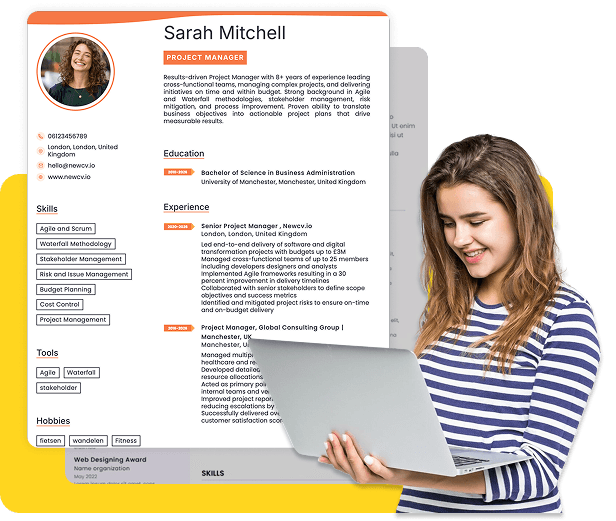
Use ATS-optimised Resume and resume templates that pass applicant tracking systems. Our Resume builder helps recruiters read, scan, and shortlist your Resume faster.

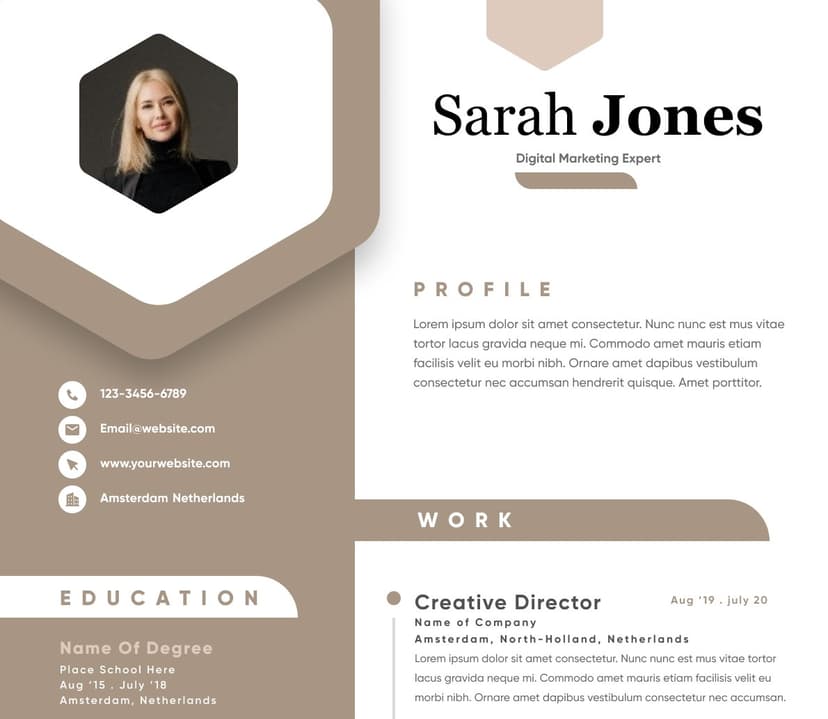
Use professional field-tested resume templates that follow the exact Resume rules employers look for.
Create Resume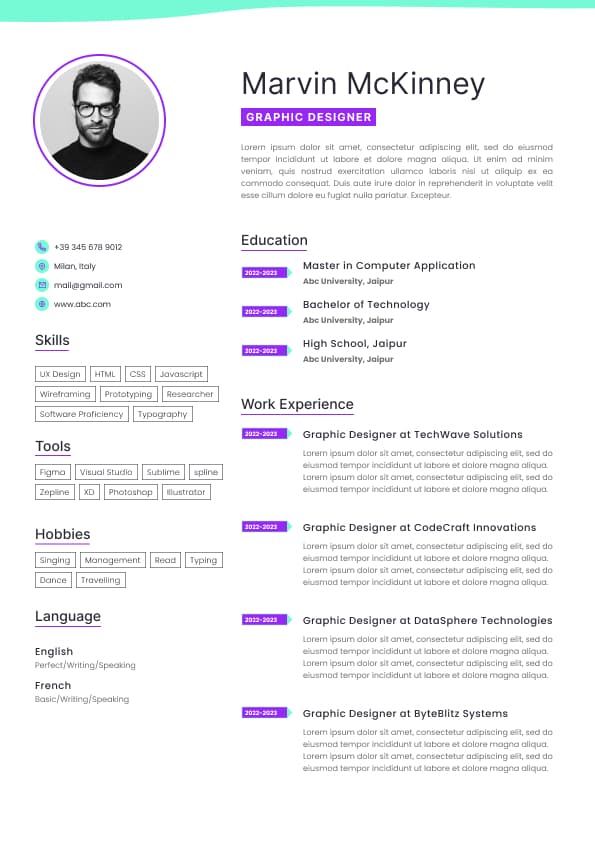
Use professional field-tested resume templates that follow the exact Resume rules employers look for.
Create ResumeRemote, hybrid, onsite, or relocation flexibility
GitHub, portfolio, Swagger documentation, or live project links when relevant
Evidence of production delivery, not just classroom or tutorial projects
For fast hiring, vague resumes get skipped even when the candidate is technically capable. Recruiters are working against time, hiring managers are impatient, and staffing teams often submit the first qualified candidates who are easy to package.
Certifications
Education
This order works because it matches how recruiters screen. They first confirm identity and contact details, then role fit, then tech stack, then availability, then proof of delivery.
Your header should be simple and complete. Include:
Full name
City and state
Phone number
Professional email address
LinkedIn URL
GitHub URL
Portfolio or project URL if useful
Work authorization if it strengthens your application
For remote roles, add your time zone if it matters. For example, “Austin, TX | Central Time | Open to Remote and Hybrid Roles.” This helps recruiters match you to distributed teams quickly.
Your headline should make the role match obvious.
Good Example
.NET Developer | C# | ASP.NET Core | SQL Server | Azure | REST APIs
This works because it tells the recruiter exactly where to place you. It is specific, searchable, and aligned with urgent job descriptions.
Weak Example
Software Developer Seeking New Opportunities
This fails because it is too broad. A recruiter filling an urgent .NET role should not have to infer your specialization.
Include work authorization when it helps the recruiter move faster. This is especially useful for contract, staffing, government contractor, and enterprise roles.
Common examples include:
U.S. Citizen
Green Card holder
H-1B transfer eligible
OPT or STEM OPT
CPT eligible
TN eligible
EAD authorized
Use accurate wording. Work authorization mistakes can slow down or eliminate your application, especially for urgent openings.
DevOps: Git, Azure DevOps, GitHub Actions, CI/CD, Docker, Kubernetes
Architecture: Microservices, clean architecture, domain driven design, event driven systems
Testing: xUnit, NUnit, MSTest, unit testing, integration testing
Tools: Visual Studio, Rider, Postman, Jira, Confluence
Prioritize the skills that match the job. If a posting emphasizes Azure, microservices, and SQL Server, those should be easy to find. If it is a legacy modernization role, do not hide .NET Framework, MVC, WCF, Web Forms, or migration experience.
Weak Example
Hardworking developer with strong communication skills and a passion for technology. Looking for a challenging opportunity where I can grow and contribute to a great company.
This fails because it says nothing about .NET hiring fit, technical stack, availability, or delivery value.
Use bullets that show delivery, ownership, and measurable impact.
Good Example
Good Example
Good Example
Good Example
These bullets work because they show usable experience. They also contain keywords recruiters search for naturally: ASP.NET Core, REST APIs, .NET 8, SQL Server, Entity Framework Core, Azure DevOps, production incidents.
Weak Example
This says almost nothing.
Weak Example
This lists tools but does not prove capability.
Weak Example
This sounds junior and vague unless supported by specifics.
Replace weak bullets with action, context, technology, and outcome.
Coding assessments completed
Availability for immediate interviews
Willingness to take contract or junior developer roles
For entry level .NET developer resumes, projects matter more than generic coursework. A recruiter is more likely to respond when your resume includes a deployed ASP.NET Core project with SQL Server, authentication, REST endpoints, Swagger documentation, and a GitHub link than when it lists “knowledge of C#.”
A strong entry level project bullet might be:
That bullet gives the recruiter evidence that you understand practical development workflow, not just syntax.
Code review leadership
Mentoring junior developers
Sprint planning and delivery
System integration
Security and authentication
For senior roles, show decision quality. Hiring managers evaluate whether you can make architecture choices, reduce technical debt, and stabilize systems.
A strong senior level bullet might be:
This shows leadership, architecture thinking, and delivery in one bullet.
References available upon request
Contract resumes should be tighter than full time resumes. Recruiters submitting contractors often need a clean one or two page profile that aligns directly with the client requirement.
For remote quick apply roles, include:
Time zone
Remote work experience
Collaboration tools
Agile ceremonies
Documentation habits
Async communication experience
Availability for video interviews
Remote hiring managers worry about communication and autonomy. Your resume should show that you can deliver without constant supervision.
A useful bullet might be:
Be careful with “same day job” language. In the US market, true same day hiring for .NET developers is uncommon outside staffing pipelines, urgent contracts, and pre vetted consultant benches. The resume should communicate speed without sounding desperate.
Use professional wording such as:
Available for immediate technical interview
Ready for rapid onboarding
Open to urgent contract and contract to hire roles
Able to begin after standard onboarding and compliance checks
Available for coding assessment this week
This sounds credible and recruiter friendly.
SQL Server or database related certifications
Place certifications after your skills or near the bottom depending on strength. If the job heavily emphasizes Azure and you have Azure Developer Associate, place it near the top.
Do not overvalue unrelated certifications. A certification helps only when it supports the hiring manager’s immediate need.
Make LinkedIn and GitHub links easy to find
Keep formatting simple enough for parsing systems
The biggest quick apply mistake is submitting the same broad resume to every .NET role. You do not need to rewrite everything, but you should adjust the headline, skills order, summary, and top bullets for each role type.
For example, an Azure focused role should show Azure, Azure DevOps, App Service, Functions, CI/CD, and cloud deployment early. A SQL heavy enterprise role should show SQL Server, stored procedures, query optimization, reporting, and data integrity earlier.
Long paragraphs instead of scannable bullets
Overdesigned templates that parse poorly
GitHub links that lead to empty or unfinished repositories
Projects that sound like tutorials instead of usable applications
No evidence of production support or deployment experience
Applying to senior roles with a resume that reads like a task list
Another major mistake is using “full stack developer” as the only positioning when the job is clearly for a .NET developer. Full stack experience can help, but the resume still needs to anchor around the Microsoft stack.
Are LinkedIn, GitHub, and portfolio links accurate and professional?
Is the resume ATS friendly with standard headings and clean formatting?
Is the resume tailored to the specific job type: contract, full time, remote, enterprise, SaaS, consulting, or modernization?
If the answer is no to several of these, your resume may still be technically accurate but too slow for urgent hiring.


 Upload Resume
 Import from Linkedin