STILL APPLYING. STILL HEARING NOTHING?BUILD YOUR RESUME

STILL APPLYING. STILL HEARING NOTHING?BUILD YOUR RESUME
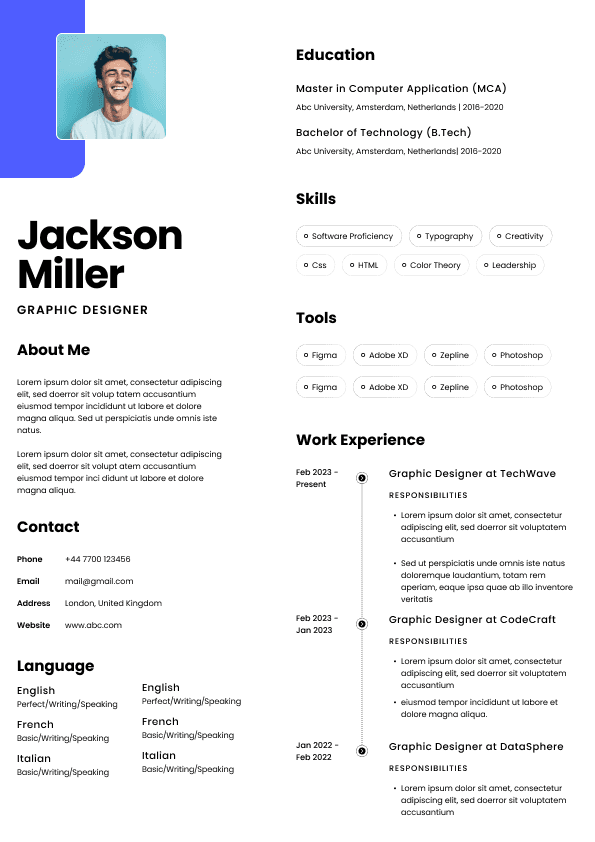
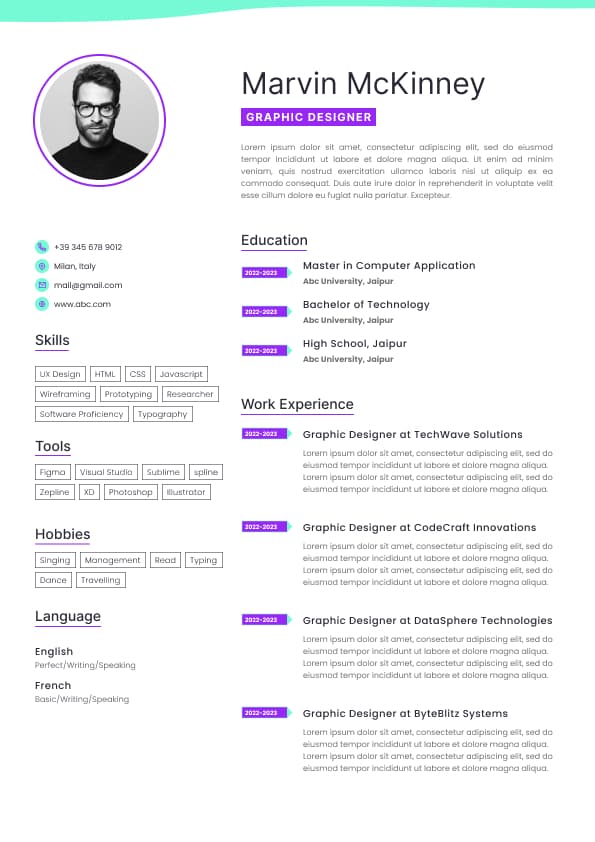
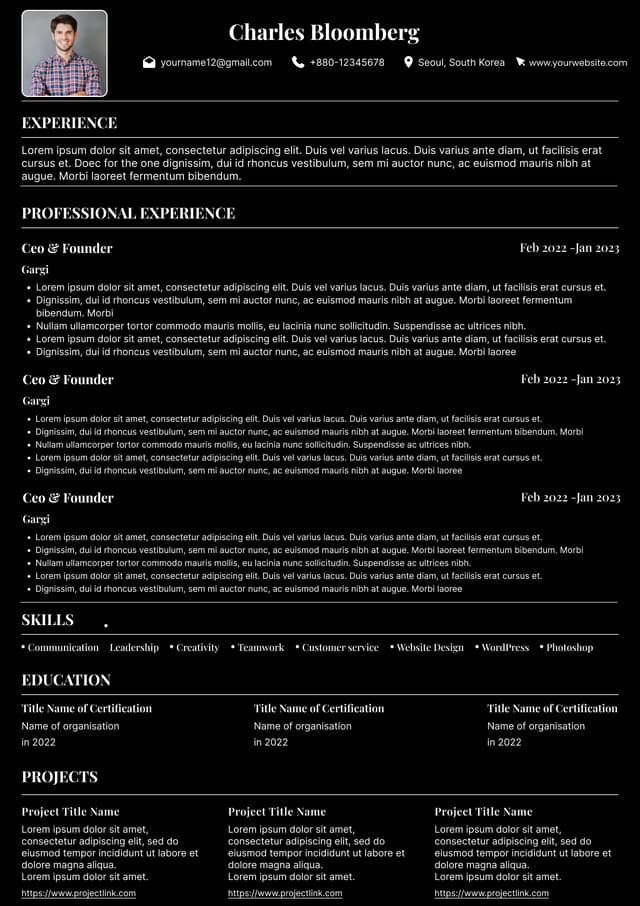
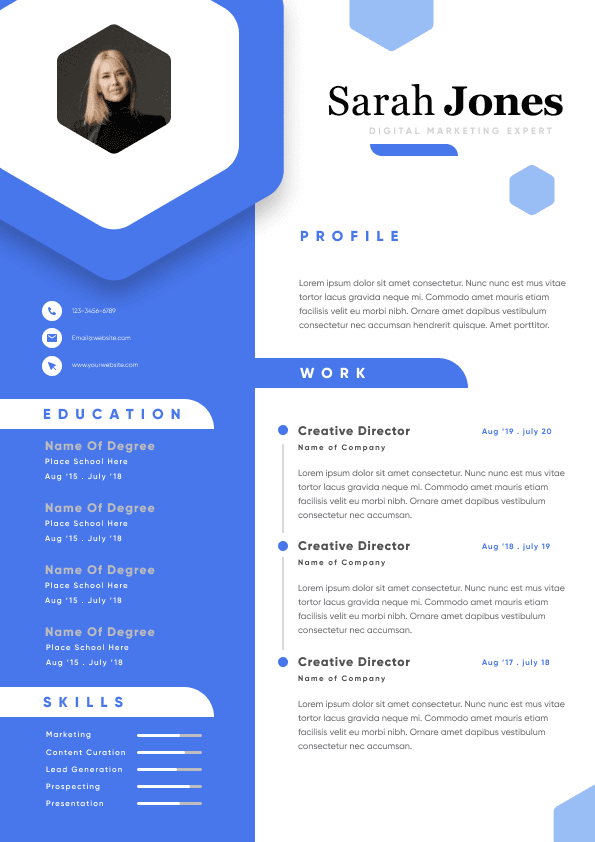
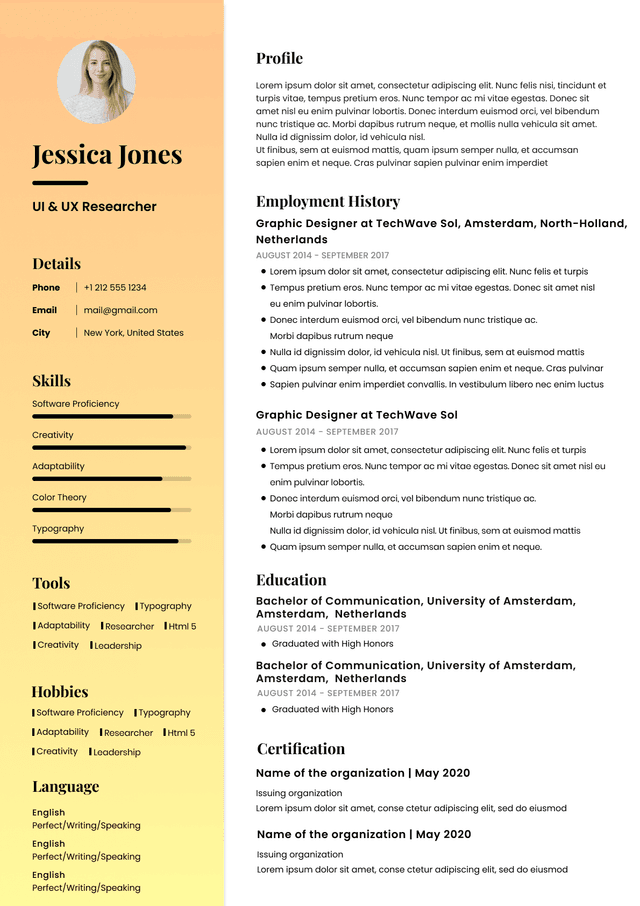
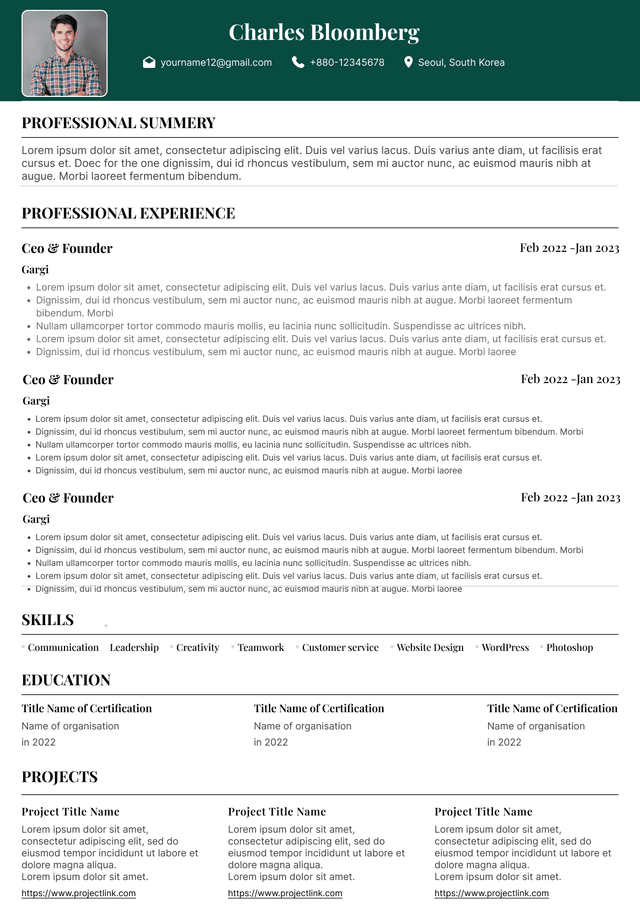
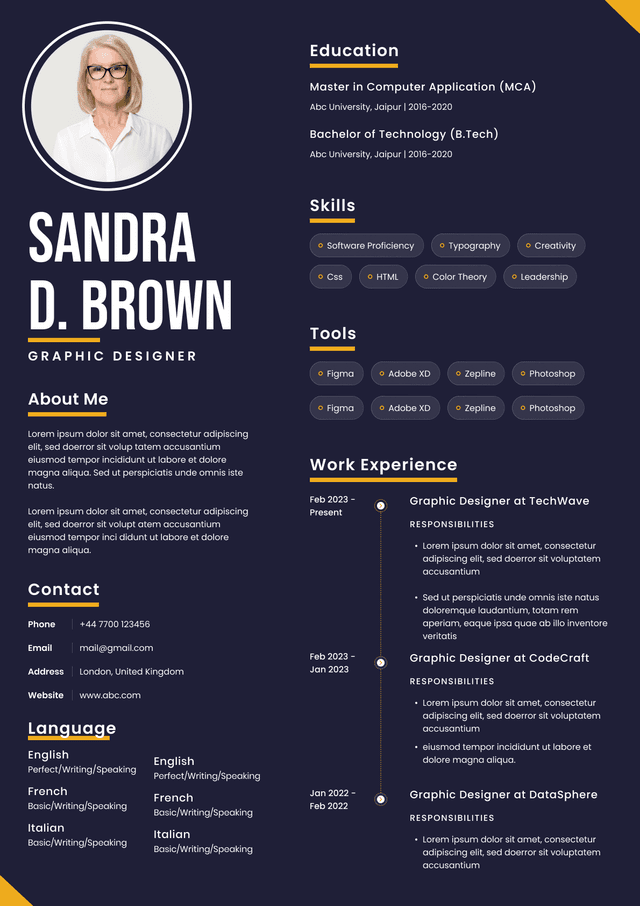
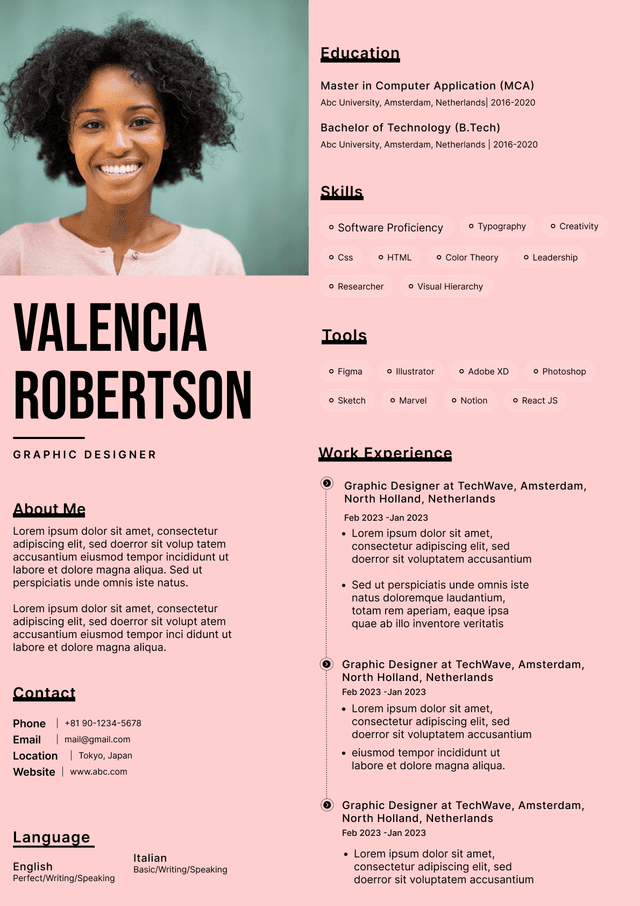
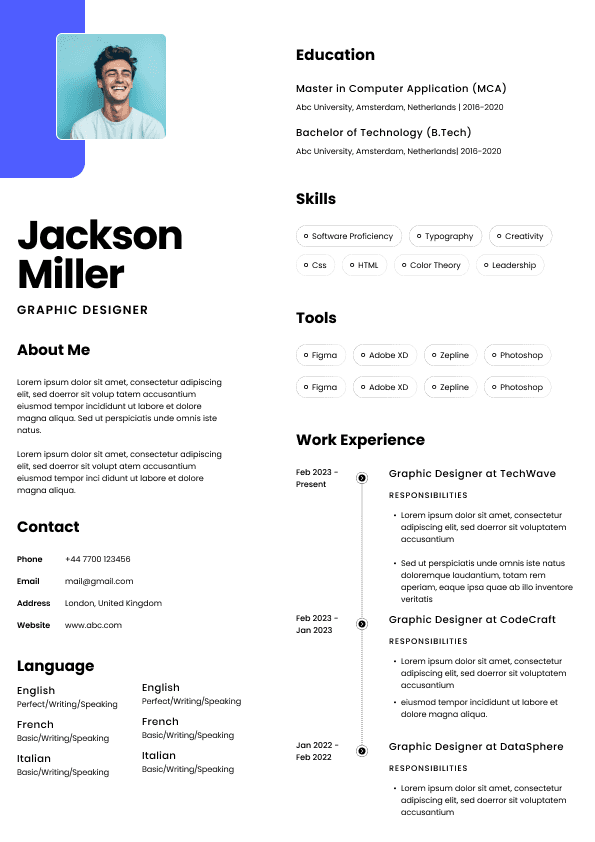
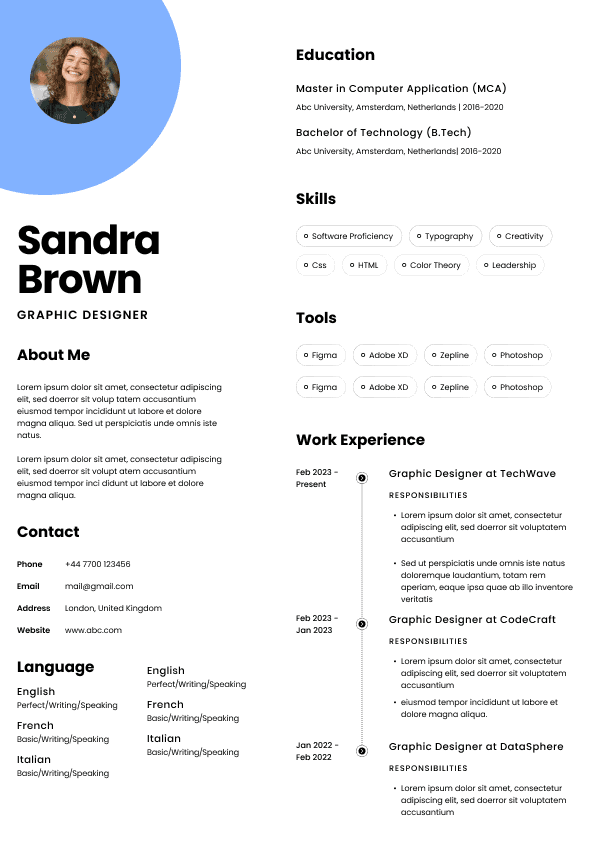
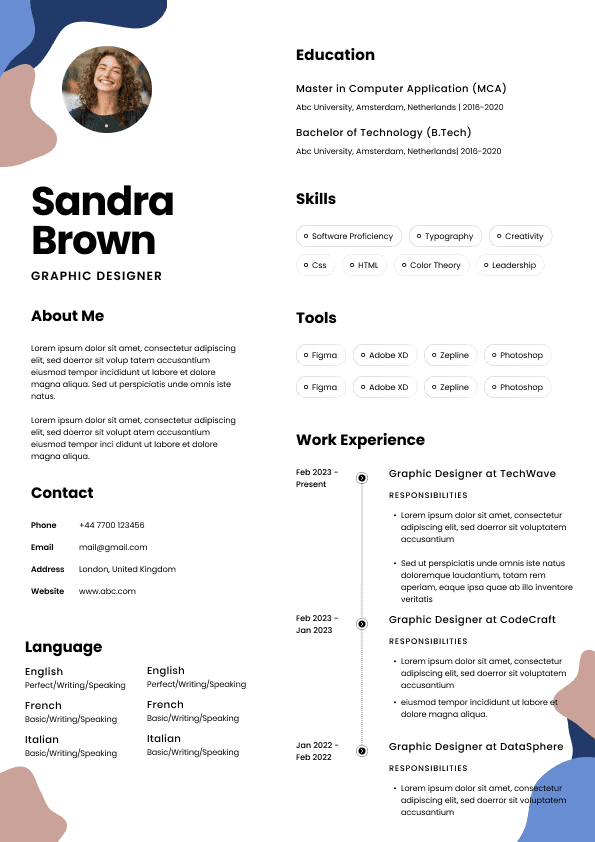
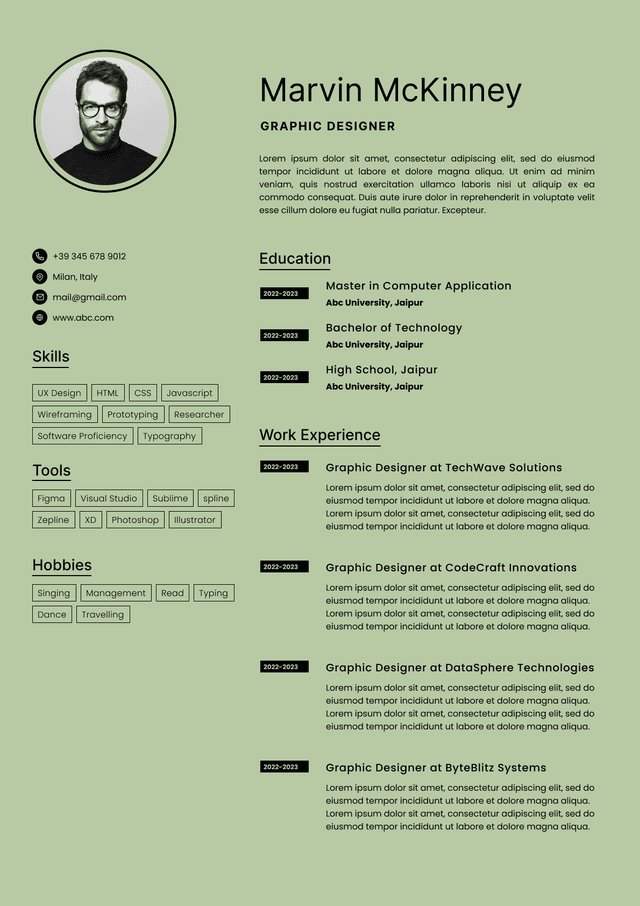
Choose from a wide range of NEWCV resume templates and customize your NEWCV design with a single click.
FAQ

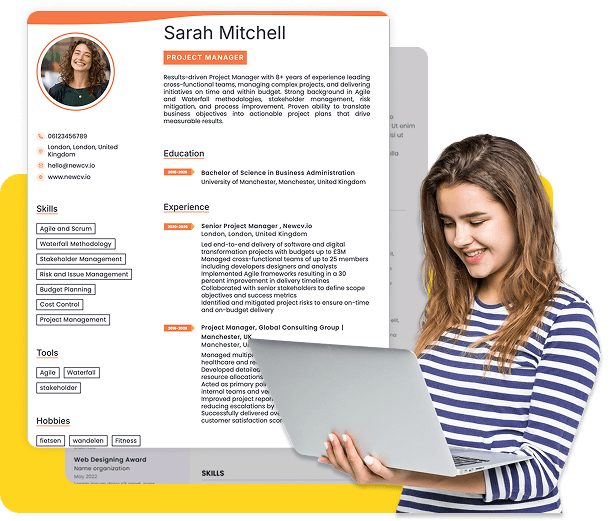
A .NET developer resume should change dramatically as your seniority increases. The biggest mistake candidates make is using the same structure, language, and positioning whether they are entry-level developers or enterprise architects. Hiring managers evaluate junior, mid-level, senior, lead, and architect candidates using completely different criteria.
Entry-level .NET resumes are screened for technical foundation, learning potential, projects, and practical coding exposure. Mid-level resumes are judged on execution, ownership, API development, delivery consistency, and collaboration. Senior resumes are evaluated on scalability, architecture decisions, mentoring, modernization work, and production impact. Lead and architect resumes are reviewed almost entirely through the lens of business outcomes, enterprise system design, cloud strategy, governance, and cross-functional influence.
If your resume does not match the expectations of your actual level, recruiters immediately notice. This guide breaks down exactly how to optimize a .NET developer resume at every seniority stage, including what recruiters look for, what hiring managers prioritize, and what causes strong candidates to get rejected.
Most .NET developer resumes fail because they focus too heavily on technologies and not enough on evidence of impact, ownership, and progression.
Recruiters are not simply scanning for C#, ASP.NET Core, or Azure. They are evaluating whether your experience matches the complexity level of the role.
Here is how screening changes by seniority:
Recruiters look for:
Foundational C# and .NET knowledge
Real coding exposure through projects or internships
GitHub activity or technical curiosity
ASP.NET Core basics
SQL familiarity
Problem-solving ability
Evidence of learning velocity
At this level, potential matters more than years of experience.
Recruiters focus on:
Feature ownership
API development experience
Production support exposure
Agile team collaboration
SQL Server proficiency
CI/CD participation
Unit testing and debugging
Delivery reliability
Mid-level hiring managers want developers who can contribute independently without constant supervision.
Senior resumes are evaluated for:
Architecture decisions
Scalability improvements
Performance optimization
Cloud implementation
Microservices experience
Technical mentoring
Legacy modernization
Cross-team influence
Senior developers are expected to solve engineering problems, not just complete tickets.
At lead and architect level, hiring becomes heavily strategic.
Hiring managers evaluate:
Enterprise architecture design
Multi-team technical leadership
Business alignment
Cloud migration strategy
Governance and standards
Security architecture
Integration patterns
Executive communication ability
At this level, your resume must show business impact alongside technical expertise.
Most enterprise employers use Applicant Tracking Systems to filter resumes before a recruiter sees them.
ATS systems prioritize:
Exact skill alignment
Job title relevance
Recent experience
Seniority matching
Technical keyword density
Resume structure readability
For .NET developers, ATS systems commonly search for:
C#
ASP.NET Core
.NET Framework
.NET 6/.NET 8
SQL Server
REST APIs
Azure
Entity Framework
Microservices
CI/CD
Docker
Kubernetes
Agile
Git
Unit Testing
Azure DevOps
However, keyword stuffing does not work anymore.
Modern ATS screening is increasingly tied to recruiter review behavior. Recruiters want context around technologies, not isolated skill lists.
Weak Example
“Skills: C#, SQL, Azure, APIs”
Good Example
“Built RESTful APIs in ASP.NET Core servicing 1M+ monthly requests and integrated Azure App Services for scalable deployment.”
The second example creates credibility, technical depth, and measurable relevance.
Junior hiring is mostly about risk reduction.
Managers ask:
Can this person learn quickly?
Do they understand programming fundamentals?
Have they built anything real?
Can they contribute with guidance?
Most junior candidates lose opportunities because their resumes feel too academic and not practical enough.
Strong junior resumes should emphasize:
Personal projects
GitHub repositories
Internships
Coursework tied to development
API basics
ASP.NET Core exposure
SQL fundamentals
Azure fundamentals
Debugging experience
Team collaboration
Projects matter enormously at this level.
A strong GitHub portfolio can outperform weak professional experience.
A strong structure typically includes:
Professional summary
Technical skills
Projects
Internship experience
Education
Certifications if relevant
Good Example
“Entry-level .NET Developer with hands-on experience building ASP.NET Core web applications, REST APIs, and SQL Server integrations through academic and personal projects. Proficient in C#, Git, Entity Framework, and Azure fundamentals. Passionate about clean code, debugging, and backend development.”
This works because it positions the candidate as technically active instead of inexperienced.
Coursework alone rarely creates interview momentum.
Recruiters want proof of application.
Terms like “hardworking,” “passionate,” and “team player” do not create technical credibility.
Projects are often the deciding factor for entry-level developers.
For junior developers, GitHub acts as evidence of practical coding ability.
Mid-level resumes must demonstrate independent execution.
Recruiters assume you already know how to code.
Now they want evidence of:
Ownership
Delivery
Reliability
Collaboration
Production problem-solving
Mid-level developers are expected to:
Deliver features end-to-end
Participate in architecture discussions
Work with APIs and databases
Support production systems
Collaborate across teams
Improve deployment pipelines
Write maintainable code
Weak Example
“Worked on APIs using ASP.NET Core.”
Good Example
“Developed and maintained ASP.NET Core REST APIs supporting 250K+ daily transactions while reducing response latency by 35%.”
The second version demonstrates scale, ownership, and measurable impact.
Important semantic coverage includes:
ASP.NET Core
SQL Server
Entity Framework
Azure DevOps
CI/CD pipelines
REST APIs
Unit testing
Agile Scrum
Docker
Monitoring and logging
The best mid-level resumes show progression from task execution to ownership.
Hiring managers want evidence that you can:
Handle ambiguity
Prioritize work
Solve problems independently
Support production environments
Collaborate effectively
Many resumes read like job descriptions.
Hiring managers care more about results.
Metrics create credibility.
Strong metrics include:
Performance improvements
API traffic volume
Deployment frequency
Downtime reduction
Cost savings
User scale
Words like “assisted” and “helped” weaken mid-level positioning unless genuinely accurate.
Senior hiring is heavily centered around engineering judgment.
Recruiters evaluate whether you can:
Design scalable systems
Lead technical initiatives
Modernize legacy applications
Mentor developers
Improve reliability
Drive architecture decisions
Strong senior resumes demonstrate:
Technical leadership
Scalability work
Cloud architecture
Distributed systems
Microservices
Performance tuning
Mentorship
Migration strategy
Good Example
“Senior .NET Developer with 10+ years of experience designing scalable cloud-native applications using ASP.NET Core, Azure, microservices, and distributed systems architecture. Led modernization initiatives reducing infrastructure costs by 28% while improving application performance and deployment reliability.”
This summary works because it combines technical depth with business impact.
Good Example
“Led migration of monolithic .NET Framework applications to microservices-based Azure architecture, improving deployment speed from biweekly releases to daily CI/CD deployments.”
Good Example
“Optimized SQL Server queries and caching strategy, reducing API response times by 47% across high-volume customer applications.”
Even individual contributors need leadership examples.
This can include:
Mentoring
Architecture ownership
Incident leadership
Technical decision-making
Cross-team coordination
Senior resumes should not read like documentation.
Focus on strategic engineering impact.
Executives and senior hiring managers care about:
Revenue impact
Customer scale
Cost optimization
Reliability improvements
Delivery acceleration
A lead developer is not just a stronger senior engineer.
Lead roles involve:
Team coordination
Technical direction
Delivery management
Cross-functional collaboration
Engineering prioritization
They want evidence of:
Team leadership
Architectural ownership
Delivery execution
Communication ability
Stakeholder management
Engineering process improvements
Good Example
“Directed a team of 9 developers across backend and cloud initiatives, delivering enterprise .NET applications supporting 3M+ monthly users.”
Good Example
“Established CI/CD standards and Azure deployment governance, reducing release failures by 42%.”
Important leadership-oriented keywords include:
Technical leadership
System architecture
Cross-functional collaboration
Delivery management
Engineering standards
Governance
Cloud transformation
Agile leadership
Lead resumes should not focus primarily on coding tasks.
Lead hiring managers expect measurable influence beyond individual contributions.
Strong lead resumes connect engineering work to operational or business outcomes.
Architects are hired to reduce technical risk and guide long-term engineering strategy.
The role is fundamentally about decision-making.
Strong architect resumes show:
Enterprise system design
Cloud migration leadership
Integration architecture
Security architecture
Scalability strategy
Governance frameworks
Platform modernization
Cross-team alignment
Good Example
“Designed enterprise-wide microservices architecture supporting global multi-region Azure deployments across 40+ integrated business applications.”
Good Example
“Defined security architecture standards for OAuth2, OpenID Connect, and API gateway integrations across customer-facing platforms.”
Architect resumes are often screened for evidence of:
Strategic thinking
Communication ability
Enterprise complexity
Tradeoff analysis
Scalability planning
Long-term technical vision
Architect resumes should emphasize systems and decisions, not individual coding tasks.
Architecture leaders must connect technical direction to business goals.
Enterprise organizations prioritize governance heavily.
This includes:
Standards
Compliance
Security frameworks
Integration policies
Technical consistency
Metrics immediately improve resume credibility.
Strong metrics include:
API transaction volume
User scale
Performance gains
Cost reduction
Deployment frequency
Uptime improvements
Release acceleration
Database optimization impact
Cloud migration savings
“Reduced API response time by 38%”
“Supported 2M+ monthly users”
“Improved deployment frequency from monthly to daily”
“Cut Azure infrastructure costs by $180K annually”
“Reduced production incidents by 45%”
Metrics help recruiters quickly understand scope and impact.
Strong skills sections are categorized and aligned to hiring expectations.
C#
ASP.NET Core
.NET Framework
Entity Framework
Azure
Azure DevOps
Docker
Kubernetes
CI/CD pipelines
SQL Server
PostgreSQL
Redis
Microservices
REST APIs
Distributed systems
Event-driven architecture
xUnit
NUnit
Application Insights
Splunk
Avoid massive keyword dumps.
Skills sections should reinforce actual experience.
Even technically strong candidates get rejected because of formatting issues.
Dense paragraphs
Poor readability
No measurable achievements
Overly long summaries
Weak section hierarchy
Inconsistent formatting
Excessive technical jargon
Generic responsibilities
Junior: 1 page
Mid-level: 1 to 2 pages
Senior: 2 pages
Lead/Architect: 2 pages maximum unless enterprise complexity justifies more
Recruiters spend seconds on initial screening.
Clarity matters more than volume.
Your resume should reflect the level you want, not just the level you currently hold.
This is especially important for developers moving into senior, lead, or architect roles.
Show ownership and independent delivery.
Show scalability, architecture participation, and mentoring.
Show cross-team coordination and technical direction.
Show enterprise strategy, governance, and long-term architectural planning.
The transition between levels is mostly about scope and influence.
Use ATS-optimised Resume and resume templates that pass applicant tracking systems. Our Resume builder helps recruiters read, scan, and shortlist your Resume faster.

Use professional field-tested resume templates that follow the exact Resume rules employers look for.
Create Resume
Use professional field-tested resume templates that follow the exact Resume rules employers look for.
Create ResumeProduction support



 Upload Resume
 Import from Linkedin