STILL APPLYING. STILL HEARING NOTHING?BUILD YOUR RESUME

STILL APPLYING. STILL HEARING NOTHING?BUILD YOUR RESUME
Choose from a wide range of NEWCV resume templates and customize your NEWCV design with a single click.
FAQ
Changing careers into .NET development is absolutely realistic in today’s market, but most career changers fail because their resume still reads like their old profession. Recruiters do not hire “aspiring developers.” They hire candidates who already demonstrate practical engineering capability. Your resume must immediately show hands-on Microsoft-stack skills, technical projects, problem-solving ability, and evidence that you can contribute in a real development environment.
The strongest .NET developer career change resumes lead with technical credibility, not previous job titles. That means placing your .NET skills, GitHub projects, ASP.NET Core applications, SQL experience, Azure deployments, certifications, and Agile exposure above unrelated work history. Your previous career still matters, but only when translated into engineering-relevant value like troubleshooting, business logic, compliance, workflow automation, stakeholder communication, or systems thinking.
This is the difference between looking like a beginner and looking like a junior developer who can ramp quickly.
Most recruiters reviewing junior or career transition developer resumes are trying to answer one question quickly:
“Can this person realistically contribute to a development team within a reasonable onboarding period?”
They are not expecting senior-level expertise. They are looking for signals of execution, technical curiosity, and practical Microsoft-stack exposure.
A strong career change .NET developer resume proves:
You understand the .NET ecosystem
You can build working applications
You have hands-on experience with C#, ASP.NET Core, APIs, SQL Server, or Azure
You can learn technical systems quickly
Your previous experience supports engineering work instead of conflicting with it
Most career transition resumes fail for predictable reasons.
If your resume starts with “Project Manager with 10 years of experience seeking a software development opportunity,” recruiters immediately categorize you outside engineering.
Your technical profile must lead.
Weak Example
“Operations professional transitioning into software development.”
Good Example
“.NET developer skilled in C#, ASP.NET Core, SQL Server, REST APIs, and Azure with hands-on experience building full-stack business applications and workflow automation projects.”
The second version sounds employable.
Hiring managers care less about tutorials and more about applied problem-solving.
Weak project descriptions:
“Built a to-do app using ASP.NET”
“Created CRUD application”
Strong project descriptions:
For most career changers, this structure performs best:
Focus entirely on development positioning.
Include relevant Microsoft-stack technologies.
This is often the most important section.
Especially valuable for career changers.
Translate prior experience into engineering-relevant strengths.
Keep concise unless highly relevant.
This structure allows recruiters to see technical value before they evaluate your unrelated background.
Your summary must establish immediate technical credibility.
C# and ASP.NET Core skills
SQL Server knowledge
Azure exposure
API development
GitHub portfolio
Business-domain expertise from previous career
Agile collaboration
Your skills section should reinforce ATS relevance while matching real hiring expectations.
Do not overload it with every technology you have touched.
Focus on technologies relevant to junior and mid-level .NET roles.
C#
ASP.NET Core
.NET Framework
Entity Framework Core
LINQ
HTML
CSS
JavaScript
For career changers, projects are often more persuasive than work history.
Projects demonstrate execution.
A hiring manager may ignore unrelated experience entirely if your projects prove you can build useful applications.
Strong .NET projects typically show:
Authentication and authorization
Database integration
CRUD operations
API development
Error handling
Cloud deployment
Business logic
Responsive UI
This is where most career changers either win or lose interviews.
You are not trying to hide your previous career.
You are reframing it.
Strong transferable areas:
Troubleshooting
Windows infrastructure knowledge
Active Directory familiarity
Technical documentation
End-user support
Systems analysis
Strong transferable areas:
Your old job titles may not be technical, but your accomplishments can still support engineering positioning.
“Managed operational workflows for healthcare department.”
“Improved workflow efficiency by analyzing reporting bottlenecks, documenting system requirements, and collaborating with technical teams to streamline patient data processes.”
The second version sounds far more relevant to software development environments.
“Worked with stakeholders across departments.”
“Partnered with cross-functional stakeholders to gather business requirements, identify process inefficiencies, and support implementation of operational system improvements.”
This aligns naturally with Agile development environments.
Certifications alone will not get interviews.
But for career changers, they help reduce recruiter uncertainty.
They signal commitment and structured learning.
Microsoft Certified: Azure Fundamentals (AZ-900)
Microsoft Certified: Azure Developer Associate (AZ-204)
C# certifications
ASP.NET Core coursework
Microsoft Learn paths
Azure Administrator Associate
Many career changers underestimate how much recruiters value visible proof.
A strong GitHub portfolio immediately separates you from candidates who only completed tutorials.
Clean repositories
Meaningful README files
Real project structure
Commit history
Documentation
Working APIs
SQL integration
ASP.NET Core architecture
Even small but polished applications outperform unfinished “advanced” projects.
Candidates who deploy applications to Azure look significantly more employable because deployment demonstrates:
Real-world application lifecycle understanding
Environment configuration
Cloud familiarity
Practical Microsoft ecosystem experience
Even simple Azure App Service deployments add credibility.
Most resumes are filtered before reaching recruiters.
ATS optimization matters, especially for career changers competing against computer science graduates and experienced developers.
C#
ASP.NET Core
.NET Framework
Entity Framework
SQL Server
REST API
Azure
Git
Hiring managers usually divide career changers into two categories.
These candidates:
Completed random tutorials
Lack polished projects
Have weak GitHub activity
Position themselves as beginners
Cannot explain technical decisions clearly
These resumes rarely convert.
These candidates:
This is one of the biggest hidden advantages most career changers fail to leverage.
You may already possess strengths many junior developers lack.
You understand real operational problems.
You can interact with stakeholders professionally.
You understand workflows, priorities, and organizational dynamics.
You have proven workplace reliability.
Industry knowledge can become a major hiring advantage.
A healthcare operations professional transitioning into .NET development may be extremely attractive to healthcare software companies.
A finance professional may be highly valuable in fintech.
Domain expertise matters more than many candidates realize.
The highest-performing strategy is:
Projects, GitHub, certifications, Azure deployments, and .NET skills come first.
Translate previous work into engineering-relevant value.
Not “hoping to break in.”
Show how your previous experience improves your effectiveness as a developer.
This creates a much stronger hiring narrative.
Most resume reviews are extremely fast initially.
Recruiters quickly scan for:
C# and ASP.NET Core
Technical projects
GitHub links
SQL experience
Azure exposure
Practical application development
Clean formatting
Relevant keywords

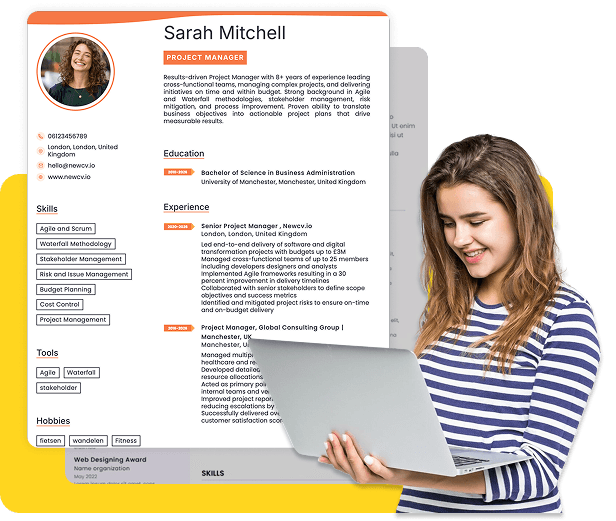
Use ATS-optimised Resume and resume templates that pass applicant tracking systems. Our Resume builder helps recruiters read, scan, and shortlist your Resume faster.

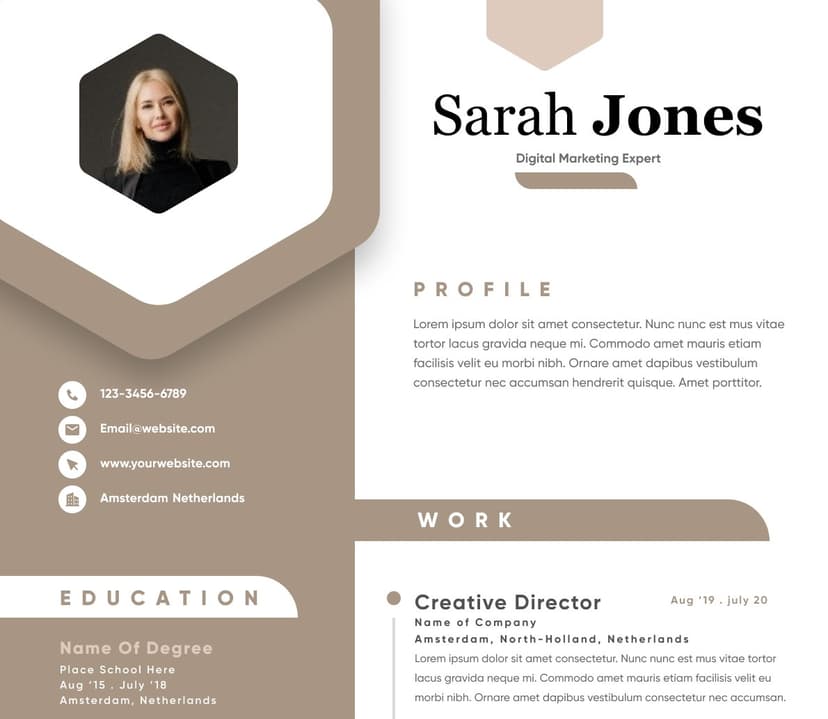
Use professional field-tested resume templates that follow the exact Resume rules employers look for.
Create Resume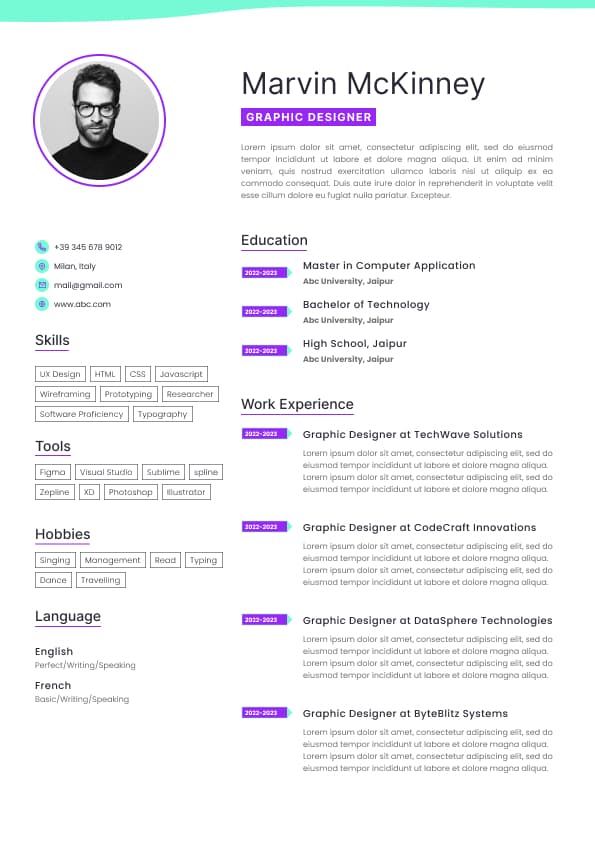
Use professional field-tested resume templates that follow the exact Resume rules employers look for.
Create ResumeYou can communicate effectively in Agile environments
You understand business workflows and real-world software usage
Weak resumes focus too heavily on education or career aspirations.
Strong resumes focus on proof.
Specificity creates credibility.
Career changers often bury the most important information.
Your technical skills, certifications, GitHub links, and projects should appear before unrelated work experience if your previous career is not directly engineering-related.
Recruiters already know you are transitioning careers.
You do not need to emphasize inexperience with phrases like:
“Junior developer seeking opportunity to learn”
“Entry-level candidate”
“No professional experience”
Instead, position yourself as someone bringing technical capability plus valuable business experience.
Problem-solving capability
Generic passion statements
Overemphasis on learning
Excessive focus on previous non-technical career
Buzzword-heavy summaries without technical substance
“Detail-oriented .NET developer with hands-on experience building ASP.NET Core applications, REST APIs, and SQL Server-backed systems. Background in healthcare operations provides strong workflow analysis, stakeholder communication, and process improvement expertise. Experienced with Azure deployment, GitHub version control, Agile collaboration, and Microsoft development tools.”
This works because it combines technical capability with transferable value.
Bootstrap
React or Angular if applicable
SQL Server
T-SQL
PostgreSQL
MySQL
Microsoft Azure
Azure App Service
Azure SQL
GitHub Actions
Docker
REST APIs
Postman
xUnit
NUnit
Git
GitHub
Visual Studio
Agile
Scrum
Jira
Source control usage
Employee management system
Healthcare scheduling platform
Inventory tracking application
Financial reporting dashboard
Help desk ticketing system
Workflow automation tool
Expense management application
CRM-style business platform
Projects connected to your previous industry background create especially strong positioning.
Debugging mindset
Test automation exposure
Product quality focus
Bug tracking
Software lifecycle understanding
Strong transferable areas:
SQL expertise
Reporting systems
Data modeling
Business logic understanding
Power BI familiarity
Strong transferable areas:
Agile workflows
Stakeholder communication
Requirements gathering
Sprint planning
Cross-functional collaboration
Strong transferable areas:
Fintech workflows
Regulatory compliance
Financial reporting systems
Data accuracy
Risk management logic
Strong transferable areas:
HIPAA awareness
Clinical workflows
Patient systems understanding
Operational compliance
Strong transferable areas:
Process optimization
Workflow automation
Systems thinking
Operational efficiency analysis
Strong transferable areas:
Security awareness
Compliance processes
Structured documentation
Mission-critical accountability
GitHub Actions training
Certifications work best when combined with deployed projects and GitHub activity.
Without projects, certifications carry limited weight.
Agile
MVC
LINQ
Authentication
Cloud deployment
API integration
Full-stack development
Software development lifecycle
Object-oriented programming
Dependency injection
Testing
Do not keyword stuff.
Keywords must appear naturally within projects, skills, and experience descriptions.
Built business-oriented applications
Understand workflows and requirements
Demonstrate technical execution
Connect previous industry expertise to development work
Show initiative and consistency
These candidates get interviews.
The difference is positioning and proof.
Signs of execution
If these elements appear quickly, your chances improve dramatically.
If recruiters must search for technical evidence, many will move on.


 Upload Resume
 Import from Linkedin