STILL APPLYING. STILL HEARING NOTHING?BUILD YOUR RESUME

STILL APPLYING. STILL HEARING NOTHING?BUILD YOUR RESUME
Choose from a wide range of NEWCV resume templates and customize your NEWCV design with a single click.
FAQ

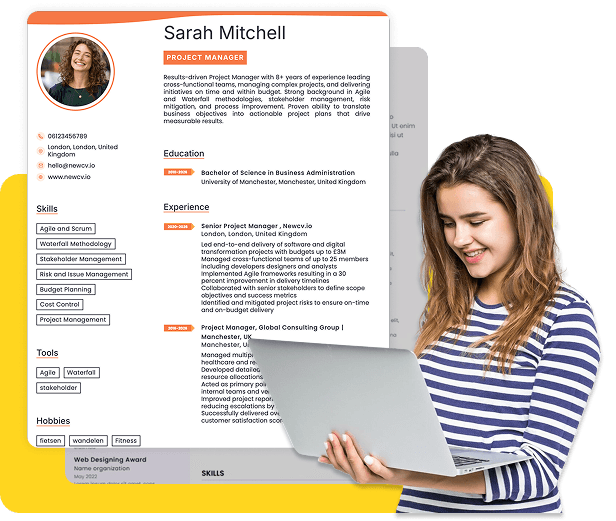
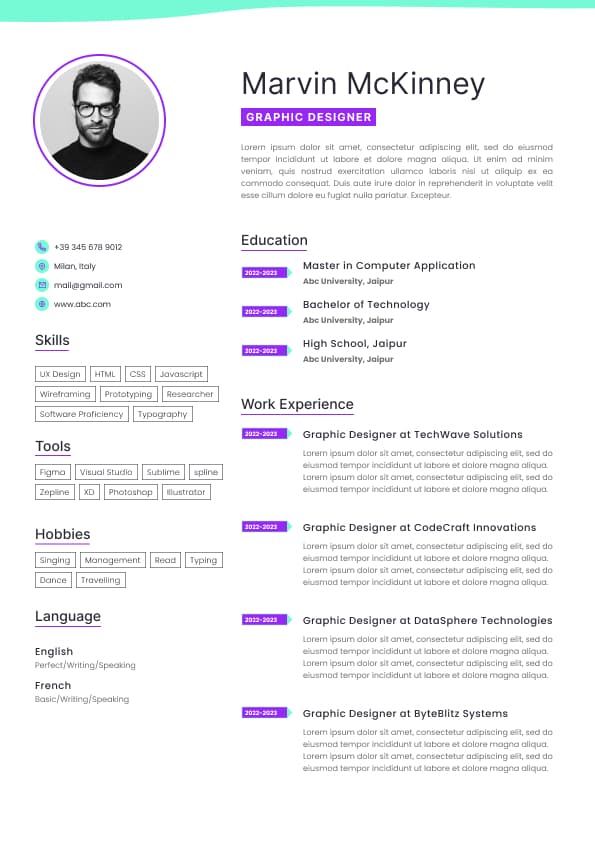
Use professional field-tested resume templates that follow the exact Resume rules employers look for.
Create ResumeA strong .NET developer resume does not fail because the candidate lacks technical ability. It fails because the resume does not clearly communicate the right tools, frameworks, cloud platforms, and development environment experience recruiters and hiring managers expect to see for modern .NET roles.
Today’s hiring process is heavily stack-driven. Recruiters screen for specific ecosystems, not just generic “.NET experience.” A resume that says “experienced C# developer” is far weaker than one that demonstrates production-level experience with ASP.NET Core, Azure DevOps, Docker, EF Core, GitHub Actions, SQL Server, and cloud-native deployment workflows.
The most competitive .NET resumes align technical tools with actual business outcomes, architecture experience, deployment practices, and enterprise development workflows. That is what gets candidates shortlisted for interviews in the US market.
Most companies hiring .NET developers are not looking for “developers.” They are hiring for a specific environment.
That environment may include:
Enterprise SaaS platforms
Azure cloud infrastructure
Microservices architecture
CI/CD automation
REST APIs
SQL-heavy backend systems
Distributed systems
Blazor or Angular frontends
Kubernetes deployments
Legacy modernization initiatives
Recruiters and hiring managers use technical tools as fast indicators of whether a candidate can operate inside that environment immediately.
This is especially true because:
Most recruiters are not engineers
ATS systems prioritize stack-specific keywords
Hiring managers scan resumes in under 30 seconds initially
Engineering teams want reduced onboarding risk
Technical interviews increasingly focus on ecosystem familiarity
A generic technical skills section no longer performs well in competitive hiring pipelines.
Most .NET developer resumes make the same mistake: they dump random technologies into a long keyword list.
That approach looks outdated and often signals shallow experience.
“Skills: C#, .NET, SQL, Git, APIs, Azure”
Problems:
No version specificity
No ecosystem depth
No architecture context
No indication of production usage
No cloud maturity
No deployment tooling
Looks ATS-generated
“Built and deployed ASP.NET Core microservices using Azure App Service, Docker, Azure DevOps Pipelines, EF Core, Redis caching, and Azure SQL Database.”
Why this works:
Shows tools in context
Demonstrates production workflow familiarity
Connects technologies together logically
Signals enterprise development experience
Helps recruiters visualize candidate fit immediately
Hiring managers trust contextualized technical experience more than isolated keyword lists.
Not every tool carries equal hiring value.
Some tools are now baseline expectations. Others create strong differentiation.
Here are the highest-impact categories for modern .NET resumes.
These are foundational for most US-based .NET developer roles.
C#
.NET Core / .NET 8+
ASP.NET Core
ASP.NET MVC
Web API
Entity Framework Core
LINQ
Dapper
Razor Pages
Dependency Injection
RESTful APIs
Recruiter insight:
Candidates who still list only “ASP.NET” without specifying ASP.NET Core often appear outdated unless they are intentionally targeting legacy enterprise environments.
Modern companies increasingly prioritize:
.NET 6+
Cloud-native APIs
Containerized deployments
Scalable backend architecture
These tools are often overlooked, but they help establish ecosystem familiarity.
Visual Studio
Visual Studio Code
JetBrains Rider
SQL Server Management Studio
Azure Data Studio
Most recruiters will not care about IDE preference alone. However, hiring managers may use these tools as indicators of workflow maturity and environment compatibility.
For example:
Rider often signals advanced engineering teams
Visual Studio Enterprise experience may imply enterprise-scale environments
Azure Data Studio can signal modern cloud database workflows
Git proficiency is now considered mandatory for professional .NET developers.
Git
GitHub
GitLab
Azure Repos
Bitbucket
Strong resumes demonstrate more than tool familiarity.
Hiring managers want evidence of:
Branching strategies
Pull request workflows
Code review participation
Merge conflict resolution
CI/CD integration
“Used Git for source control.”
“Managed feature branching, pull requests, and CI-integrated deployments using GitHub and Azure Repos across distributed engineering teams.”
The second version reflects real engineering workflow participation.
Azure experience dramatically increases interview conversion rates for .NET developers because Microsoft ecosystems dominate enterprise environments.
Microsoft Azure
AWS
Google Cloud Platform
Azure App Service
Azure Functions
Azure SQL Database
Blob Storage
Service Bus
Key Vault
Application Insights
API Management
Logic Apps
Recruiter insight:
Azure experience matters more when tied to architecture responsibilities, deployment ownership, or scalability outcomes.
Instead of:
“Worked with Azure.”
Use:
“Designed and deployed scalable ASP.NET Core services using Azure App Service, Azure Functions, Azure SQL, and Application Insights.”
That signals engineering ownership instead of passive exposure.
This is one of the biggest differentiators in modern .NET hiring.
Developers who understand deployment pipelines are significantly more valuable because engineering organizations increasingly expect developers to participate in DevOps workflows.
Azure DevOps Pipelines
GitHub Actions
GitLab CI/CD
Jenkins
Docker
Kubernetes
Helm
Terraform
Bicep
Candidates with CI/CD and infrastructure-as-code experience consistently outperform traditional backend-only developers in interview pipelines.
They want developers who can:
Deploy applications independently
Debug deployment failures
Understand infrastructure dependencies
Work in containerized environments
Contribute to release automation
Reduce operational friction
Even mid-level .NET roles increasingly expect this skill set.
Pure backend roles still exist, but many .NET positions now expect full-stack capability.
Blazor
Angular
React
TypeScript
JavaScript
HTML
CSS
Bootstrap
Tailwind CSS
Blazor deserves special attention because it increasingly appears in Microsoft-centric enterprise environments.
However:
Angular remains highly common in enterprise .NET ecosystems
React improves versatility across broader SaaS hiring markets
Recruiter insight:
Candidates who combine ASP.NET Core with React or Angular often receive more interview requests than backend-only candidates.
Database experience remains critical for nearly every .NET role.
SQL Server
Azure SQL Database
PostgreSQL
MySQL
Oracle
MongoDB
Cosmos DB
Redis
Elasticsearch
Hiring managers prioritize:
Query optimization
Stored procedure development
Performance tuning
Data modeling
Transaction handling
ORM optimization
Distributed caching
“Worked with SQL Server.”
“Optimized SQL Server queries and EF Core data access layers, reducing API response times by 38%.”
That demonstrates business impact and technical depth simultaneously.
API-heavy architecture dominates modern .NET systems.
Postman
Swagger UI
OpenAPI
Insomnia
GraphQL Playground
Strong resumes connect API tooling to engineering practices.
For example:
API documentation ownership
Integration testing
Contract validation
Third-party integrations
Authentication workflows
“Developed and documented RESTful APIs using ASP.NET Core, Swagger/OpenAPI, and Postman integration testing workflows.”
Many .NET resumes underperform because they lack testing credibility.
Modern engineering organizations increasingly evaluate testing maturity.
xUnit
NUnit
MSTest
Moq
NSubstitute
FluentAssertions
Selenium
Playwright
SpecFlow
Recruiter insight:
Candidates who demonstrate automated testing experience are often perceived as stronger engineers overall.
Why?
Because testing maturity usually correlates with:
Cleaner architecture
Better debugging skills
Higher engineering standards
Safer deployment practices
This is an increasingly valuable differentiator.
Modern engineering teams care about operational awareness, not just code delivery.
Application Insights
Azure Monitor
Datadog
New Relic
Prometheus
Grafana
Sentry
Splunk
When candidates list observability tools properly, hiring managers may infer:
Production support experience
Incident troubleshooting capability
Performance optimization awareness
Distributed systems familiarity
That becomes especially important for senior .NET positions.
Security awareness is increasingly important in enterprise hiring.
Microsoft Entra ID
Azure Key Vault
SonarQube
Snyk
Dependabot
OWASP ZAP
Burp Suite basics
Recruiters may not deeply understand these tools, but technical interviewers absolutely will.
Security-related tooling often differentiates senior engineers from mid-level candidates.
These tools matter heavily in enterprise hiring environments.
Dynamics 365
SharePoint
Power Platform
MuleSoft
Salesforce integrations
SAP integrations
ServiceNow
Enterprise integrations signal:
Large-scale system experience
Complex workflow understanding
Cross-functional engineering exposure
Corporate infrastructure familiarity
These tools are especially valuable for Fortune 500 hiring pipelines.
AI-assisted development tools are increasingly normalized.
GitHub Copilot
ChatGPT
Cursor
Visual Studio IntelliCode
However, candidates should position these carefully.
“Used ChatGPT for coding.”
“Accelerated code reviews and refactoring workflows using GitHub Copilot and AI-assisted debugging tools.”
The second version frames AI usage as productivity enhancement, not dependency.
Senior and lead-level candidates should demonstrate architectural depth.
Kubernetes clusters
Service mesh tooling
Terraform
ARM templates
Bicep
Kafka
RabbitMQ
Azure Service Bus
AWS SQS/SNS
BenchmarkDotNet
dotTrace
dotMemory
PerfView
k6
JMeter
These tools help signal:
Scalability expertise
Distributed systems experience
Performance optimization capability
Cloud infrastructure ownership
That matters heavily for:
Senior developer roles
Staff engineer roles
Platform engineering positions
Enterprise architecture positions
The best-performing resumes organize tools strategically instead of dumping them into one massive list.
C#
ASP.NET Core
Web API
Entity Framework Core
Dapper
LINQ
React
Angular
Blazor
TypeScript
Tailwind CSS
Azure
Docker
Kubernetes
Azure DevOps
GitHub Actions
Terraform
SQL Server
PostgreSQL
Redis
Cosmos DB
xUnit
Moq
Playwright
Application Insights
Datadog
This format improves:
ATS parsing
Recruiter readability
Technical credibility
Interview alignment
Most .NET resumes lose interviews because candidates position tools poorly.
This creates distrust.
Hiring managers assume shallow exposure rather than expertise.
Focus on:
Relevant tools
Production-level experience
Current technologies
Stack alignment with target jobs
Example:
“VB.NET, Web Forms, ASP.NET Core, Kubernetes”
This creates confusion unless the resume explains modernization experience.
“.NET” alone is vague.
Specify:
.NET Framework
.NET Core
.NET 6/7/8
ASP.NET Core
Modernity matters in screening decisions.
Recruiters increasingly recognize keyword stuffing.
Strong resumes connect tools to:
Outcomes
Systems
Architecture
Deployments
Team workflows
Most recruiters scan for these patterns immediately:
ASP.NET Core
Azure
CI/CD
APIs
SQL Server
Docker
React or Angular
Microservices
Cloud deployments
Git workflows
Senior recruiters may also scan for:
Kubernetes
Terraform
Event-driven architecture
Observability tooling
Distributed systems
Enterprise integrations
If these signals are missing, the resume often loses momentum before reaching technical review.
The highest-performing candidates tailor their tool stack presentation to the target environment.
Prioritize:
Azure DevOps
Azure Functions
Service Bus
Key Vault
App Service
EF Core
Prioritize:
Docker
Kubernetes
GitHub Actions
React
PostgreSQL
Redis
Prioritize:
.NET Framework migration
ASP.NET MVC
API modernization
SQL Server optimization
Hybrid cloud migration
This alignment dramatically improves recruiter response rates.
Use ATS-optimised Resume and resume templates that pass applicant tracking systems. Our Resume builder helps recruiters read, scan, and shortlist your Resume faster.

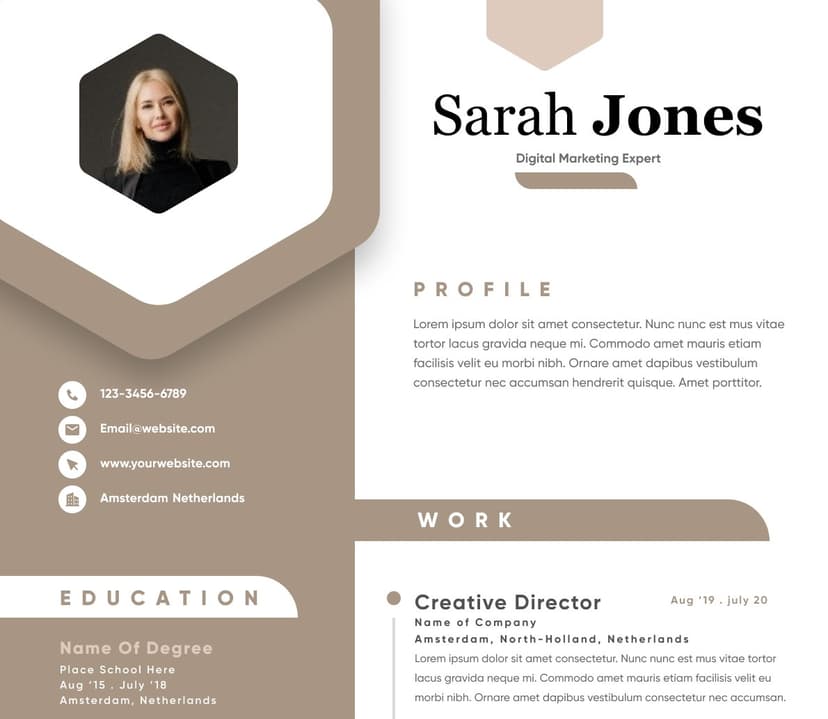
Use professional field-tested resume templates that follow the exact Resume rules employers look for.
Create Resume


 Upload Resume
 Import from Linkedin