STILL APPLYING. STILL HEARING NOTHING?BUILD YOUR RESUME

STILL APPLYING. STILL HEARING NOTHING?BUILD YOUR RESUME
FAQ
PHP developer certifications can improve your resume, strengthen ATS keyword relevance, and help validate specialized skills, especially in cloud, security, Magento, Drupal, and enterprise development. But in the US hiring market, certifications alone do not get PHP developers hired. Recruiters and engineering managers prioritize real production experience, GitHub projects, architecture decisions, debugging ability, and business impact first.
The certifications that actually help are the ones aligned with your PHP niche and target role. A Laravel developer benefits more from AWS, Docker, and testing certifications than generic PHP certificates. Magento developers gain credibility from Adobe Commerce certifications. Backend and enterprise PHP developers often benefit from cloud, Kubernetes, Linux, and security credentials because those skills directly affect production systems.
The key is strategic alignment. The wrong certification adds little value. The right certification can strengthen your positioning, improve recruiter confidence, and help you compete in crowded applicant pools.
Yes, but only in specific hiring scenarios.
Most US employers hiring PHP developers still prioritize:
Production experience
GitHub or portfolio quality
Real application architecture
Framework expertise
Database optimization
API integration experience
Team collaboration
Problem solving under real business constraints
Laravel developers are typically evaluated on API development, backend architecture, testing practices, deployment workflows, and scalability.
The most valuable certifications and training areas include:
Laravel Certification
AWS Certified Developer – Associate
Docker certification or Docker training
GitHub Actions Certification
MySQL performance optimization training
PHPUnit or Pest testing training
CI/CD pipeline training
Symfony developers are commonly hired into enterprise environments where architecture, maintainability, and scalability matter heavily.
The strongest certifications include:
Symfony Certification
Secure coding training
Doctrine ORM training
API Platform training
Docker certification
Kubernetes certifications
AWS or Azure cloud certifications
WordPress hiring is far more competitive than many developers realize.
Generic WordPress knowledge is no longer enough for strong US-based opportunities.
The most valuable certifications and training areas include:
WordPress development training certificates
WooCommerce development training
Core Web Vitals optimization training
Accessibility training
Technical SEO training
Secure WordPress development training
PHP backend optimization training
Magento and Adobe Commerce are among the few PHP ecosystems where certifications carry substantial weight.
The strongest credentials include:
Adobe Certified Professional – Adobe Commerce Developer
Adobe Certified Expert – Adobe Commerce Developer
Elasticsearch or OpenSearch training
PCI DSS awareness training
AWS certifications
MySQL optimization training
Enterprise e-commerce companies often specifically search for certified Magento developers because:
Drupal remains relevant in government, higher education, healthcare, and enterprise environments.
The best certifications include:
Acquia Certified Drupal Developer
Acquia Certified Site Builder
Composer dependency management training
Twig templating expertise
Cloud hosting certifications
Security training
Drupal hiring tends to emphasize reliability and long-term maintainability over flashy frontend skills.
Many enterprise organizations using Drupal operate in regulated industries.
Cloud infrastructure skills dramatically improve PHP developer marketability in 2026.
The most respected certifications include:
AWS Certified Developer – Associate
AWS Certified Solutions Architect – Associate
AWS Certified DevOps Engineer – Professional
Microsoft Certified: Azure Developer Associate
Google Professional Cloud Developer
Google Professional Cloud Architect
Modern PHP applications rarely run on traditional shared hosting alone.
Employers increasingly expect developers to understand:
DevOps certifications are increasingly valuable for backend and full stack PHP roles.
Top options include:
Certified Kubernetes Application Developer (CKAD)
Certified Kubernetes Administrator (CKA)
Docker certification
GitHub Foundations Certification
GitHub Actions Certification
Linux Foundation certifications
Red Hat Certified System Administrator
Security-focused backend developers are increasingly valuable because PHP applications frequently handle:
Authentication systems
Payment processing
Customer data
Healthcare information
APIs
Enterprise integrations
The best security-focused certifications include:
CompTIA Security+
Individual certifications matter less than strategic combinations.
Zend Certified PHP Engineer
AWS Developer Associate
Docker certification
MySQL optimization training
Laravel Certification
AWS Developer Associate
Not all certifications improve employability.
Some provide minimal recruiter impact because they do not align with actual hiring needs.
Common low-value certification mistakes include:
Generic outdated PHP certificates
Extremely beginner-level coding badges
Non-recognized online certificates with no technical depth
Certifications unrelated to your target role
Collecting too many unrelated credentials
Too many unrelated certifications can actually weaken positioning.
It may signal:
Certifications should support your positioning, not dominate the resume.
Most PHP developers should place certifications:
Near the bottom of the resume
After technical skills
Before education if highly relevant
Near cloud or DevOps sections when role-specific
Good Example
AWS Certified Developer – Associate
Adobe Certified Professional – Adobe Commerce Developer
Certifications can improve ATS matching significantly when aligned with the job description.
Especially valuable keywords include:
AWS Certified Developer
Azure Developer Associate
Kubernetes
Docker
Adobe Commerce
Drupal
Security+
Laravel Certification
Most engineering leaders evaluate certifications differently than recruiters.
Recruiters may view certifications as credibility indicators.
Hiring managers care more about:
Real implementation ability
Debugging capability
Architecture thinking
Production reliability
Code quality
Collaboration
Scalability understanding
Usually yes, but strategically.
Entry-level developers often lack:
Professional experience
Large-scale projects
Employer validation
Certifications can partially reduce those gaps.
Laravel Certification
AWS Certified Developer – Associate
GitHub Foundations Certification
The value of pure PHP certifications is slowly declining.
The value of ecosystem certifications is increasing.
Employers increasingly hire PHP developers based on broader engineering capability, including:
Cloud infrastructure
Security
CI/CD
DevOps workflows
API architecture
Scalability
Distributed systems awareness
The strongest PHP developers in 2026 are multidisciplinary backend engineers, not framework-only specialists.
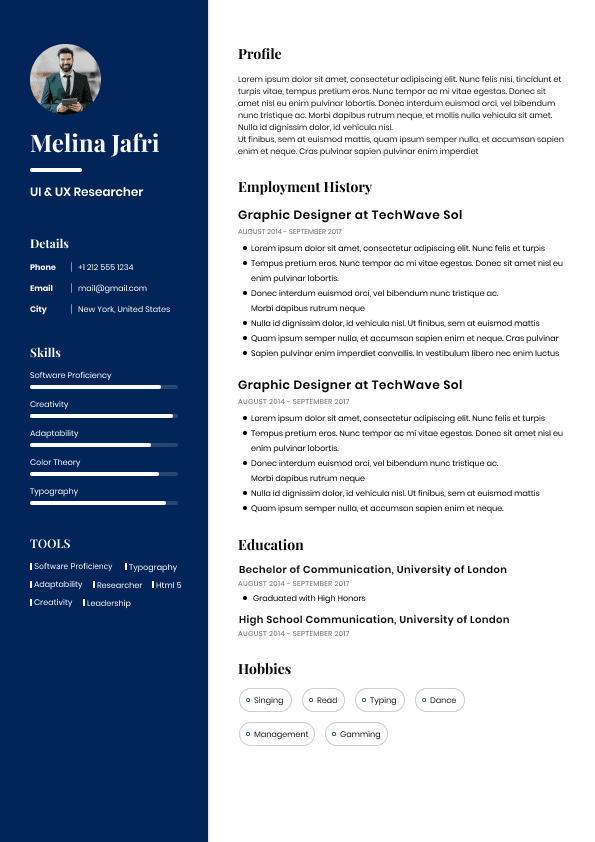
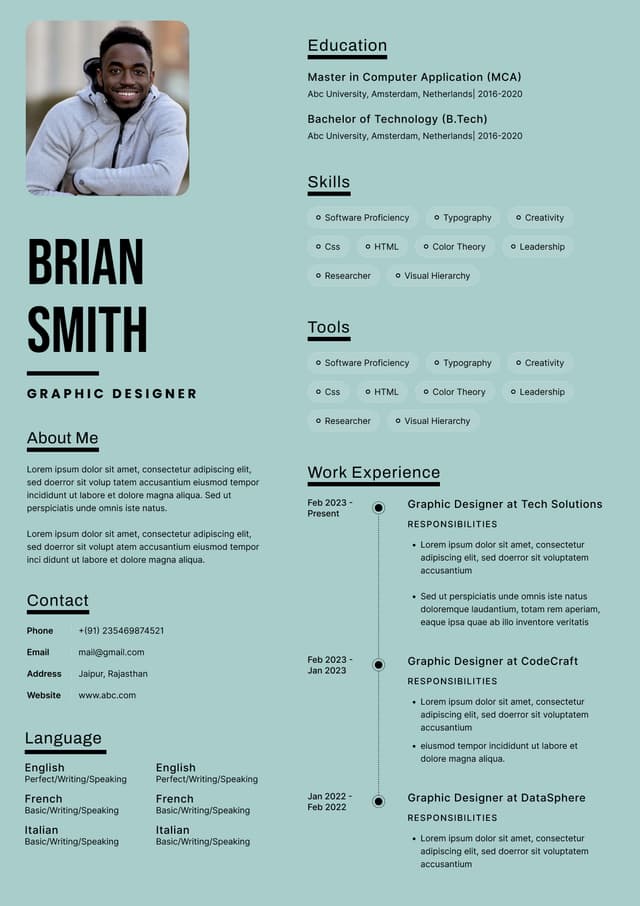
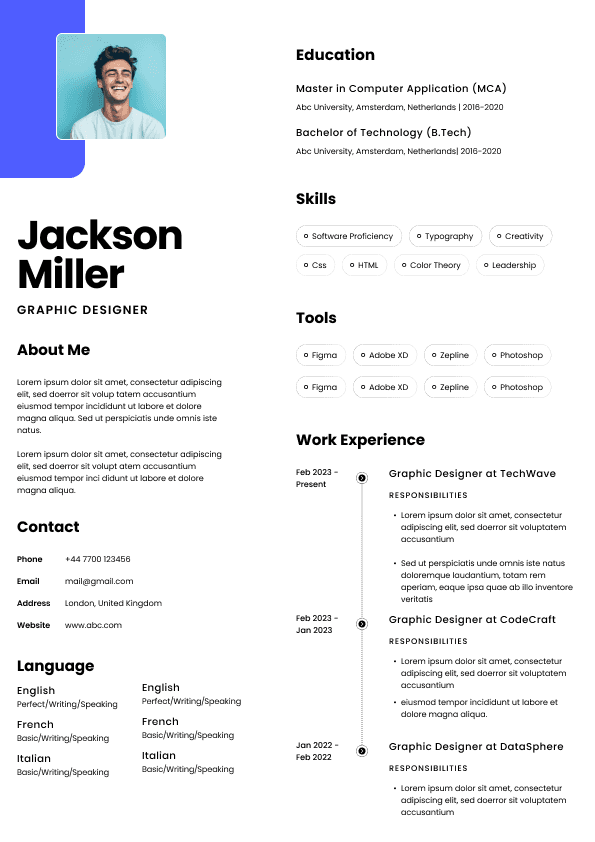
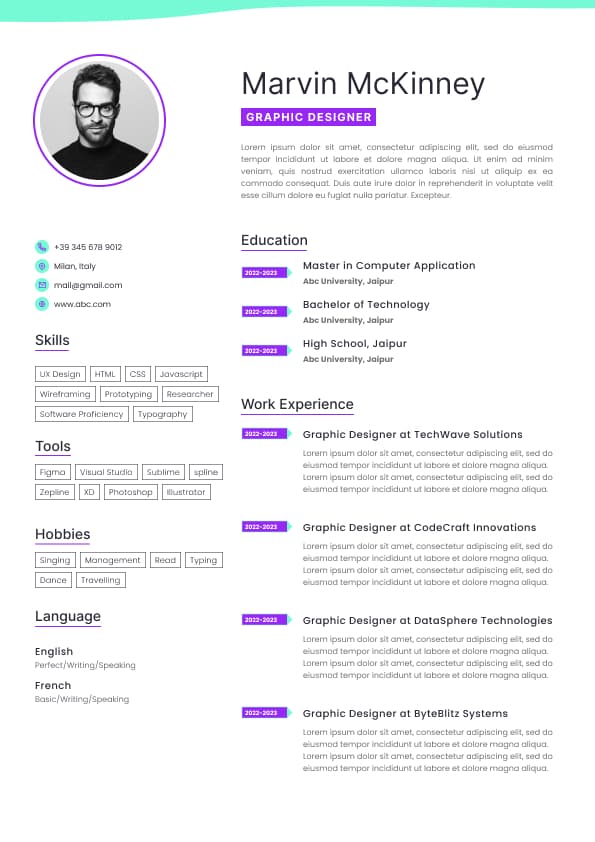
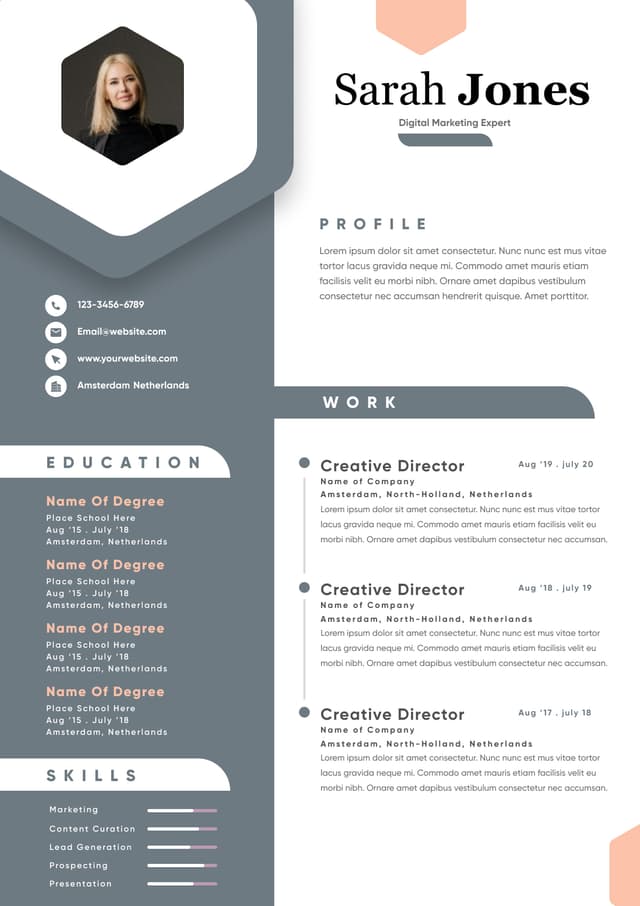
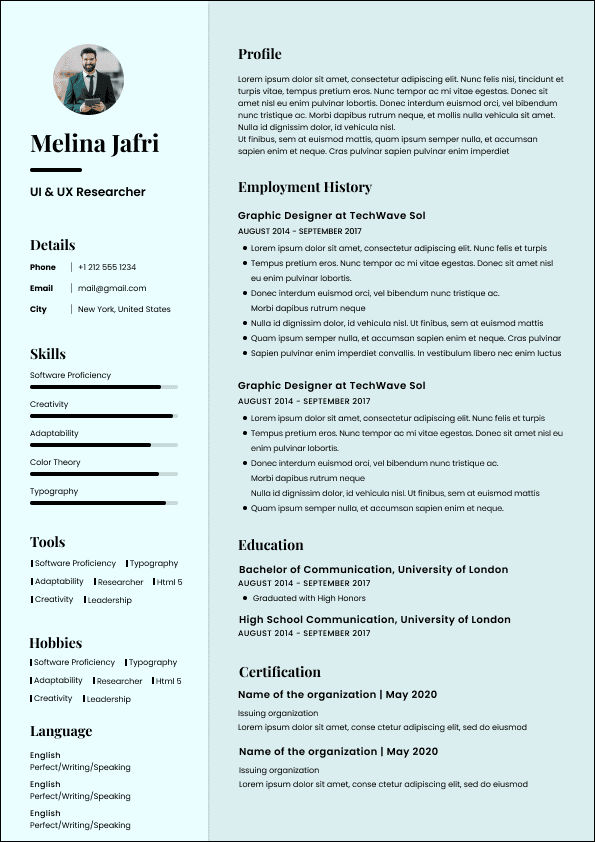
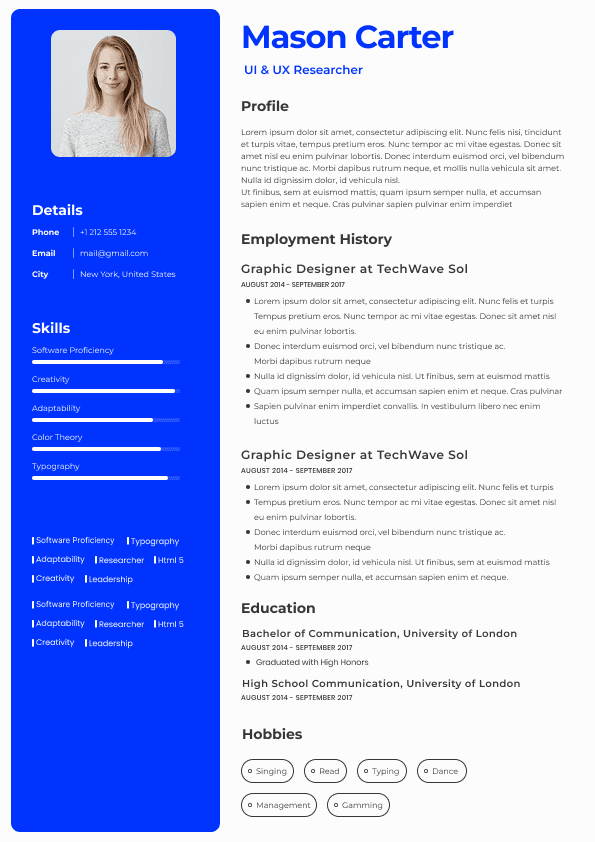
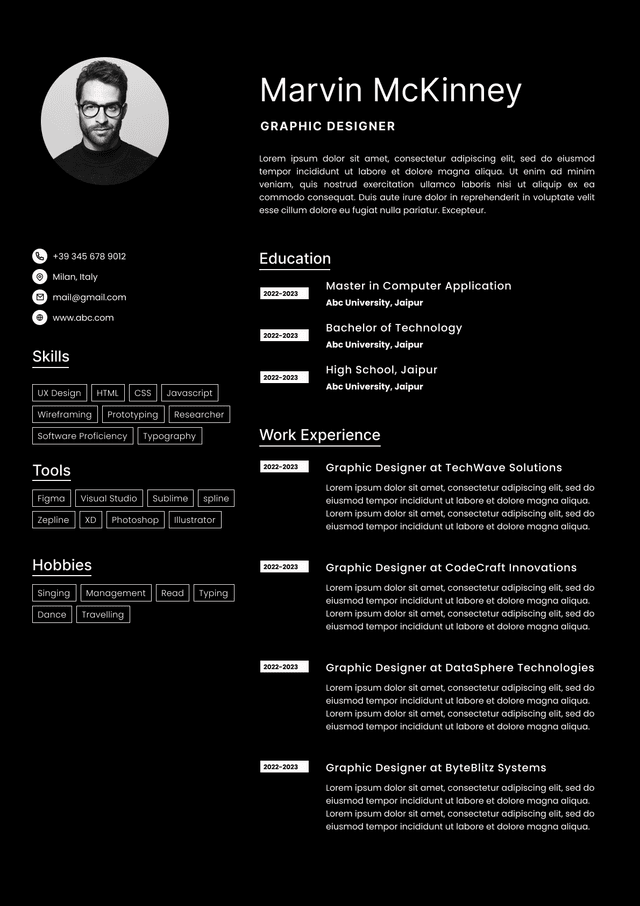
Choose from a wide range of NEWCV resume templates and customize your NEWCV design with a single click.


Use ATS-optimised Resume and resume templates that pass applicant tracking systems. Our Resume builder helps recruiters read, scan, and shortlist your Resume faster.


Use professional field-tested resume templates that follow the exact Resume rules employers look for.
Create Resume
Use professional field-tested resume templates that follow the exact Resume rules employers look for.
Create ResumeCertifications become valuable when they support or validate those skills.
They are especially useful for:
Entry-level PHP developers with limited experience
Career changers moving into backend development
Freelancers competing for higher-value contracts
Developers targeting enterprise companies
Cloud-focused PHP engineers
Magento or Drupal specialists
Security-focused backend developers
Consultants working with agencies or enterprise clients
A certification is strongest when it answers a hiring risk.
For example:
An AWS certification reduces concerns about cloud deployment knowledge
An Adobe Commerce certification validates Magento expertise
A Docker or Kubernetes certification supports DevOps readiness
Security certifications help validate secure coding awareness
Recruiters do not view certifications as proof of seniority. They view them as supporting evidence.
Redis and queue management training
Why these matter:
Modern Laravel hiring is heavily tied to deployment pipelines, cloud infrastructure, and maintainability. Companies want developers who can build and ship reliable applications, not just write controllers and CRUD operations.
Hiring managers care about:
API design quality
Queue systems
Background jobs
Caching strategies
Automated testing
Deployment workflows
Application scalability
Security awareness
A Laravel developer with AWS and Docker credentials often appears more production-ready than someone with only framework knowledge.
PHP architecture training
Symfony roles often involve:
Large enterprise systems
Microservices
Long-term maintainability
Complex API ecosystems
Event-driven architecture
Because of this, enterprise hiring managers value architectural understanding more than beginner coding certifications.
Many Symfony developers focus too heavily on framework syntax and not enough on infrastructure and architecture.
Senior Symfony hiring decisions are usually influenced by:
System design capability
Scalability thinking
Security awareness
CI/CD maturity
Database optimization
API reliability
Most low-level applicants know themes and plugins.
Higher-paying WordPress developers understand:
Custom plugin development
Performance optimization
Headless WordPress architecture
Security hardening
WooCommerce scalability
API integrations
Enterprise hosting environments
Recruiters increasingly screen for performance and business impact, not just CMS familiarity.
Adobe Commerce implementations are expensive
Security failures are high-risk
Complex integrations require specialized expertise
Enterprise clients expect credential validation
Magento certifications can significantly improve recruiter response rates in agency and enterprise hiring environments.
Even in Magento hiring, certifications are not enough.
Technical interviews still focus heavily on:
Checkout customization
Extension architecture
Performance bottlenecks
Caching
Database optimization
Security practices
Third-party integrations
Certifications help reassure employers about:
Process maturity
Platform specialization
Security awareness
Enterprise readiness
This matters especially for federal contractors and large institutional employers.
Cloud deployment
Containerization
CI/CD workflows
Infrastructure scaling
Monitoring
Load balancing
Serverless integrations
Kubernetes environments
Cloud certifications strengthen backend and DevOps credibility immediately.
Cloud-certified PHP developers are often shortlisted faster because they fit broader technical stacks.
A backend engineer who understands infrastructure reduces cross-team dependency and onboarding risk.
Companies increasingly want developers who can:
Deploy applications independently
Debug infrastructure issues
Improve deployment speed
Reduce production incidents
Support CI/CD automation
This is especially true in startups, SaaS companies, and engineering-focused organizations.
ISC2 Certified in Cybersecurity
Certified Secure Software Lifecycle Professional (CSSLP)
OWASP secure coding training
PCI DSS awareness training
HIPAA awareness training
Many employers still associate PHP with legacy security issues.
Developers who demonstrate modern security awareness gain a competitive advantage.
Recruiters increasingly look for developers familiar with:
SQL injection prevention
XSS mitigation
CSRF protection
Authentication hardening
API security
Secure session management
Dependency vulnerability management
GitHub Actions Certification
PHPUnit or Pest testing training
Symfony Certification
Kubernetes certification
Secure coding training
Cloud architecture certification
Adobe Commerce certification
PCI DSS awareness training
Elasticsearch training
AWS certification
AWS or Azure certification
Docker certification
Kubernetes certification
Linux administration training
Lack of specialization
Resume padding
Shallow expertise
Unclear career direction
Strategic alignment matters far more than quantity.
Docker Certified Associate
Acquia Certified Drupal Developer
Weak Example
Udemy PHP Course
Random online coding badge
3-hour beginner tutorial certificate
Recruiters immediately distinguish between respected certifications and low-value course completions.
ATS systems do not "score" certifications equally.
The real value comes from:
Keyword alignment
Role relevance
Skill clustering
Supporting technical depth
A cloud certification combined with matching project experience is much stronger than the certification alone.
Good certifications can communicate:
Commitment to learning
Specialized focus
Modern tooling familiarity
Enterprise readiness
Technical curiosity
Certifications cannot replace:
Real project experience
Portfolio quality
System design knowledge
Production troubleshooting experience
Communication skills
Team collaboration
Docker training
Secure coding training
MySQL training
Entry-level developers should prioritize:
Real portfolio projects
GitHub activity
API projects
Deployment experience
Clean documentation
Testing practices
A deployed Laravel SaaS project often carries more weight than multiple beginner certifications.
That is why cloud, DevOps, and security certifications are becoming more valuable than generic language credentials.




 Upload Resume
 Import from Linkedin