STILL APPLYING. STILL HEARING NOTHING?BUILD YOUR RESUME

STILL APPLYING. STILL HEARING NOTHING?BUILD YOUR RESUME
FAQ
A startup PHP developer resume needs to demonstrate one thing immediately: you can ship production-ready features fast without requiring heavy management. Startup hiring managers are not screening for narrow specialization alone. They want evidence of ownership, product thinking, adaptability, and execution under pressure.
Most PHP developer resumes fail because they read like enterprise maintenance resumes. They focus on generic responsibilities instead of measurable product outcomes. In startup hiring, recruiters look for signals like MVP delivery, feature ownership, SaaS platform development, API integrations, customer-facing releases, rapid debugging, and the ability to balance speed with maintainability.
If your resume does not clearly show that you can work in ambiguity, contribute across the stack, and move quickly in lean environments, you will likely lose to candidates who position themselves as product-focused engineers rather than task-based developers.
This guide breaks down exactly how to build a startup-ready PHP developer resume that aligns with how startup founders, CTOs, and technical hiring managers actually evaluate candidates.
Startup hiring is fundamentally different from enterprise hiring.
Enterprise companies often optimize for process alignment, specialization, documentation, and organizational fit. Startups optimize for velocity, adaptability, and execution.
That changes how your resume is evaluated.
A startup CTO reviewing PHP resumes is usually asking:
Can this person build and ship quickly?
Can they solve problems independently?
Can they handle backend and frontend work when needed?
Can they improve product delivery speed?
Can they work without perfect requirements?
Can they support production systems under pressure?
The majority of PHP resumes look interchangeable.
They typically include:
Generic Laravel responsibilities
Long technology lists
No measurable impact
No product context
No startup indicators
No evidence of speed or ownership
Startup recruiters scan quickly for execution signals.
If your resume says:
Weak Example
“Responsible for Laravel application development and bug fixes.”
That communicates almost nothing.
Startup resumes should feel lean, direct, and outcome-focused.
Do not overcomplicate formatting.
The ideal structure is:
Professional summary
Core technical skills
Professional experience
Key projects
Education
Certifications if relevant
Your experience section matters far more than certifications in startup hiring.
Most startup technical leaders care more about shipped products than formal credentials.
Your summary should position you as a builder, not just a programmer.
Avoid generic summaries like:
Weak Example
“Experienced PHP developer with knowledge of Laravel and MySQL.”
This says nothing about how you work.
A startup-ready summary should communicate:
Product ownership
Fast execution
Startup adaptability
Technical range
Business contribution
Good Example
“Full stack PHP developer with 6+ years of experience building and scaling SaaS platforms in startup environments. Specialized in Laravel application development, API integrations, subscription billing systems, and rapid MVP delivery. Proven track record shipping customer-facing features under aggressive timelines while balancing performance, security, and maintainability.”
Startup recruiters and ATS systems often search for practical execution terminology.
Strong keyword coverage improves both visibility and positioning.
Include relevant startup-specific terminology naturally throughout the resume.
High-value startup PHP keywords include:
MVP development
Rapid prototyping
Product engineering
Startup environment
Laravel SaaS
Agile delivery
Full stack ownership
Startup hiring managers are heavily outcome-driven.
They care less about your exact daily responsibilities and more about:
What you built
How fast you built it
Whether users adopted it
Whether it solved business problems
Whether you handled complexity independently
This means every bullet point should demonstrate one or more of these:
Product delivery
Speed
Startups strongly prefer developers who can contribute across multiple layers of the product.
Even backend-focused PHP developers gain a major advantage if they can demonstrate frontend collaboration or ownership.
You do not need to position yourself as a senior frontend engineer.
But showing practical frontend contribution matters.
Strong examples include:
Built responsive frontend interfaces using Vue.js alongside Laravel backend development
Collaborated directly with product and design teams to implement customer-facing dashboard improvements
Delivered full stack MVP features independently across backend APIs, frontend UI, and deployment workflows
Maintained WordPress frontend systems while developing custom PHP backend integrations
This signals adaptability.
That matters enormously in startup hiring.
The strongest startup experience sections emphasize momentum and outcomes.
Recruiters notice these quickly:
Built products from scratch
Joined early-stage companies
Supported fast growth
Worked on customer-facing systems
Managed production incidents
Integrated external tools
Reduced release cycles
Laravel is extremely common in startup environments.
But many developers fail to position Laravel experience strategically.
Do not just say:
Laravel development
Built APIs in Laravel
Maintained Laravel applications
That sounds generic.
Instead, tie Laravel directly to startup outcomes.
Strong Laravel positioning looks like:
Built scalable Laravel SaaS platform supporting subscription billing and multi-tenant architecture
Developed Laravel APIs powering real-time customer analytics dashboard
Delivered rapid MVP features in Laravel for early-stage fintech startup operating under aggressive release timelines
Many developers underestimate the value of WordPress experience in startups.
Early-stage companies frequently rely on WordPress for:
Marketing sites
Customer portals
Content systems
Landing pages
Lead generation infrastructure
The key is positioning WordPress experience strategically.
Weak positioning:
Strong positioning:
Startup hiring managers heavily prioritize product-minded engineers.
This means developers who think beyond code.
Your resume should show that you understand:
User experience
Business priorities
Speed-to-market
Customer pain points
Tradeoffs between perfection and execution
You demonstrate this through impact-oriented language.
Strong examples include:
Prioritized rapid feature delivery based on customer feedback and usage analytics
Technology lists alone do not differentiate candidates anymore.
Most startup recruiters assume baseline framework competency.
What matters is how you used those technologies.
Many developers accidentally sound too process-heavy.
Startup companies want builders.
Not ticket processors.
If you owned systems, features, or deployments, say it clearly.
Ownership is one of the strongest startup hiring signals.
Even approximate metrics are better than none.
Metrics create credibility instantly.
Even backend-focused candidates should demonstrate adaptability.
Startups rarely hire developers who only want tightly defined responsibilities.
Keep your technical section concise and relevant.
Do not dump every technology you have ever touched.
A strong startup-focused technical section might include:
PHP
Laravel
Symfony
REST APIs
GraphQL
Node.js
Not everyone has formal startup experience.
You can still position yourself effectively.
Highlight experiences involving:
Fast-moving teams
Ambiguous requirements
Cross-functional ownership
Building systems from scratch
Tight deadlines
Product launches
Small engineering teams
For example:
There are hidden evaluation factors most candidates never realize.
Startups avoid developers who create friction.
Signals that help:
Cross-functional collaboration
Customer-facing support
Product partnerships
Agile teamwork
Startups expect uncertainty.
Resumes that imply dependency on rigid processes can hurt positioning.
Technical hires who understand business impact stand out.
Yes—especially if they demonstrate real-world execution.
Strong startup project examples include:
SaaS platforms
Marketplace products
Subscription systems
API-heavy applications
Customer dashboards
Internal workflow automation tools
MVP launches
Projects are particularly valuable if:
Your resume should sound:
Confident
Practical
Outcome-focused
Product-oriented
Adaptable
It should not sound:
Academic
Bureaucratic
Overly technical without business context
The most successful startup PHP developer resumes position the candidate as:
A product-minded engineer
A fast executor
A reliable owner
A practical problem solver
A scalable systems contributor
A collaborative builder
That is what startup hiring teams actually buy into.
The biggest mistake candidates make is thinking startup hiring is purely about technical skill.
It is not.
Startup hiring is about reducing risk while increasing execution speed.
Your resume needs to convince hiring managers that you can help the company move faster without creating chaos.
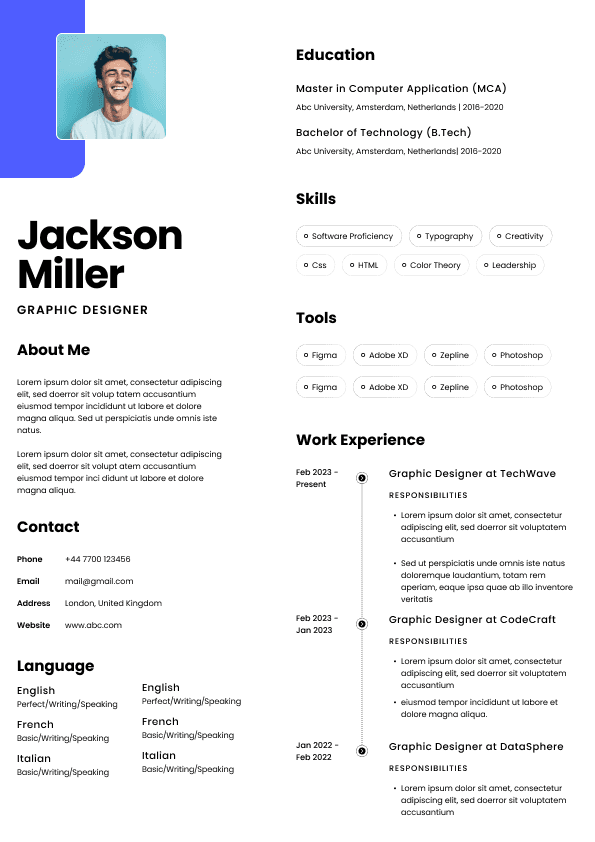
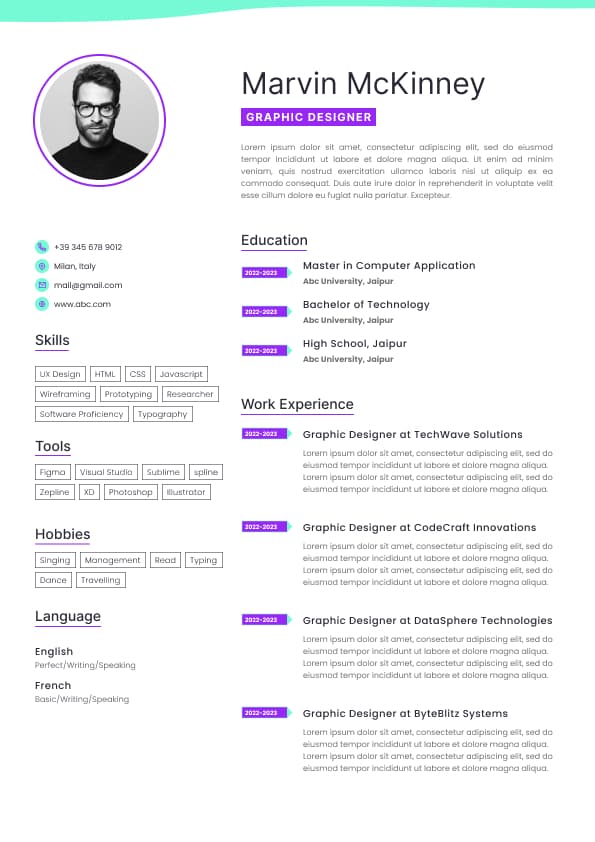
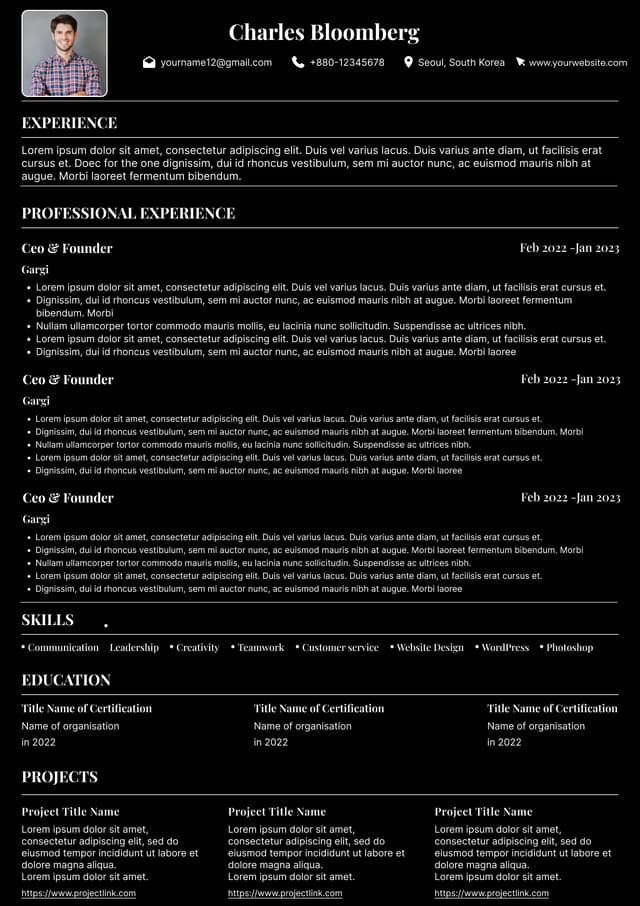
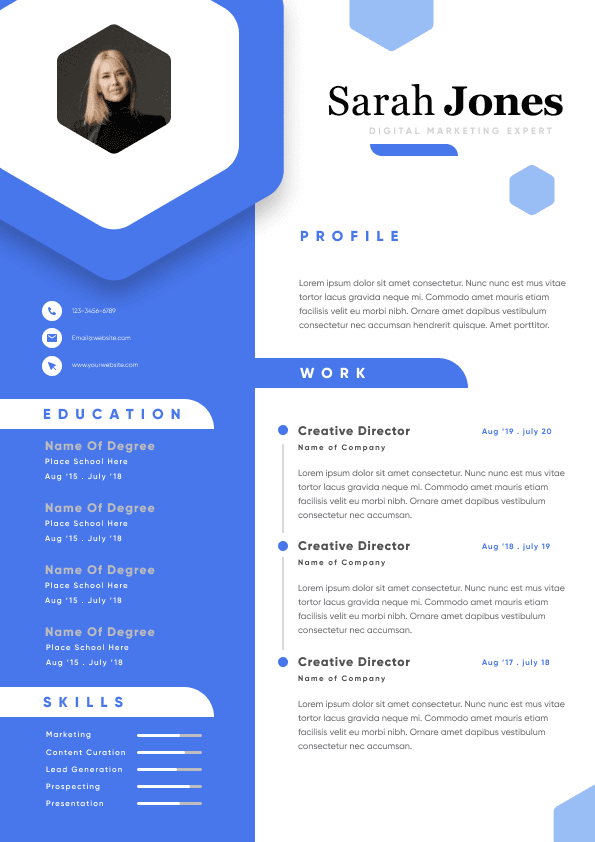
Choose from a wide range of NEWCV resume templates and customize your NEWCV design with a single click.

Use ATS-optimised Resume and resume templates that pass applicant tracking systems. Our Resume builder helps recruiters read, scan, and shortlist your Resume faster.

Use professional field-tested resume templates that follow the exact Resume rules employers look for.
Create Resume
Use professional field-tested resume templates that follow the exact Resume rules employers look for.
Create ResumeCan they contribute beyond writing code?
Your resume needs to answer those questions before the first interview.
The strongest startup PHP developer resumes consistently demonstrate:
Ownership of features or products
Full stack contribution capability
Startup SaaS experience
Rapid MVP delivery
Production support experience
Customer-focused engineering decisions
API and third-party integration experience
Ability to reduce technical debt while moving fast
Comfort operating in ambiguity
Weak resumes simply list technologies.
Strong resumes demonstrate business impact through technical execution.
A stronger version would be:
Good Example
“Built and launched customer subscription portal in Laravel within 6 weeks, reducing manual onboarding workload by 70% and supporting first 5,000 paid users.”
The second example demonstrates:
Speed
Product delivery
Customer impact
Scalability
Business awareness
That is what startup hiring managers actually care about.
This instantly aligns with startup hiring expectations.
Feature ownership
Customer portal
Subscription billing
API integrations
Payment integrations
Lean development
Production support
Technical debt reduction
Customer-facing applications
Scalable backend systems
CI/CD pipelines
Cloud deployment
REST APIs
Performance optimization
Do not keyword stuff.
Recruiters immediately recognize unnatural resumes.
Use keywords inside measurable accomplishments instead.
Ownership
Scale
User impact
Revenue support
Problem-solving
Cross-functional collaboration
The best formula is:
Action + Product/Feature + Speed/Scale + Business Impact
For example:
Built Laravel-based customer onboarding platform supporting 20,000+ users and reduced activation time from 5 days to under 24 hours
Developed MVP payment infrastructure with Stripe API integrations that enabled first recurring SaaS revenue launch
Led rapid migration of legacy PHP application to Laravel framework, reducing deployment issues by 40%
Owned backend API architecture for mobile-first SaaS platform used by enterprise healthcare clients
Improved application response times by 55% through database query optimization and Redis caching implementation
Every bullet should sound like real execution.
Handled scaling challenges
Improved user retention
Supported revenue-generating systems
Avoid emphasizing only:
Ticket completion
Maintenance work
Routine debugging
Internal documentation
Administrative tasks
Purely support-oriented responsibilities
That makes you look operational instead of product-oriented.
Refactored monolithic Laravel application into modular architecture, improving deployment speed and maintainability
Integrated Stripe, Twilio, HubSpot, and Slack APIs into Laravel customer workflow systems
Specificity wins.
Developed custom WordPress integrations supporting lead capture and SaaS onboarding workflows
Built high-converting WordPress landing page infrastructure integrated with HubSpot and Stripe APIs
Improved WordPress site performance by 45%, reducing bounce rates during major customer acquisition campaigns
Tie WordPress work to business outcomes.
That changes recruiter perception immediately.
Partnered with product team to streamline onboarding experience and improve trial-to-paid conversion
Reduced support ticket volume through backend workflow automation improvements
Balanced delivery speed with scalable architecture decisions during early product growth phase
This communicates maturity beyond coding ability alone.
Vue.js
React
JavaScript
TypeScript
HTML/CSS
MySQL
PostgreSQL
Redis
AWS
Docker
CI/CD
Linux
Nginx
Stripe
Twilio
HubSpot
PayPal
SendGrid
WordPress
Shopify integrations
Focus on technologies that align with startup product development.
Led rapid feature rollout initiatives within lean engineering environment
Managed backend architecture decisions independently in small agile team
Delivered high-priority customer features under compressed release schedules
This creates startup alignment even without a startup company name.
Production support, scaling challenges, incident response, and rapid debugging all matter.
Hiring managers subconsciously favor candidates whose resumes show progression, shipping velocity, and increasing ownership.
You lack direct startup experience
You are transitioning from enterprise
You have freelance product work
You built products independently
The key is presenting projects like products—not coding exercises.
Buzzword-heavy
Passive
The best startup resumes feel like they were written by engineers who solve problems—not just complete assignments.
That combination is rare.
And when your resume demonstrates it clearly, interviews come much faster.

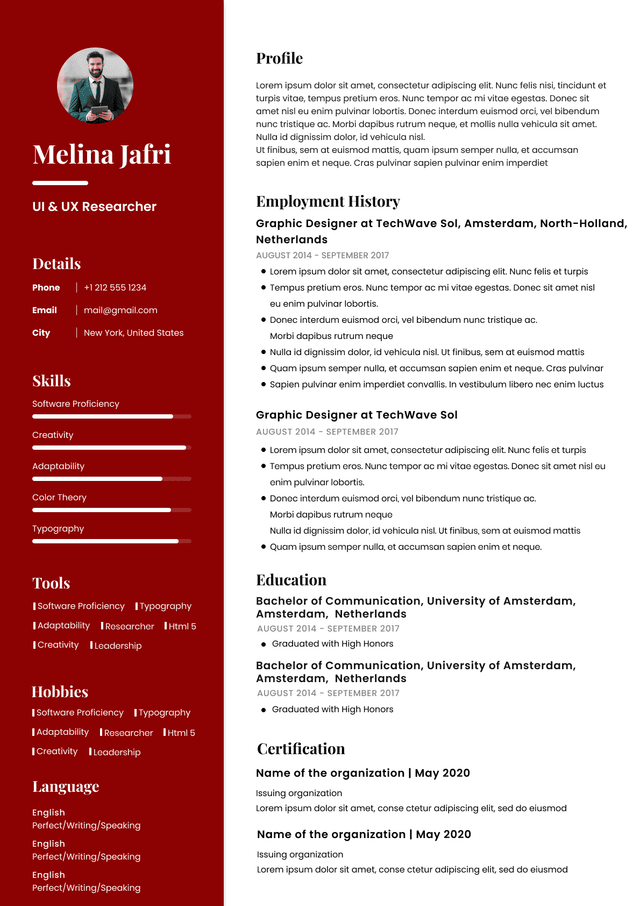
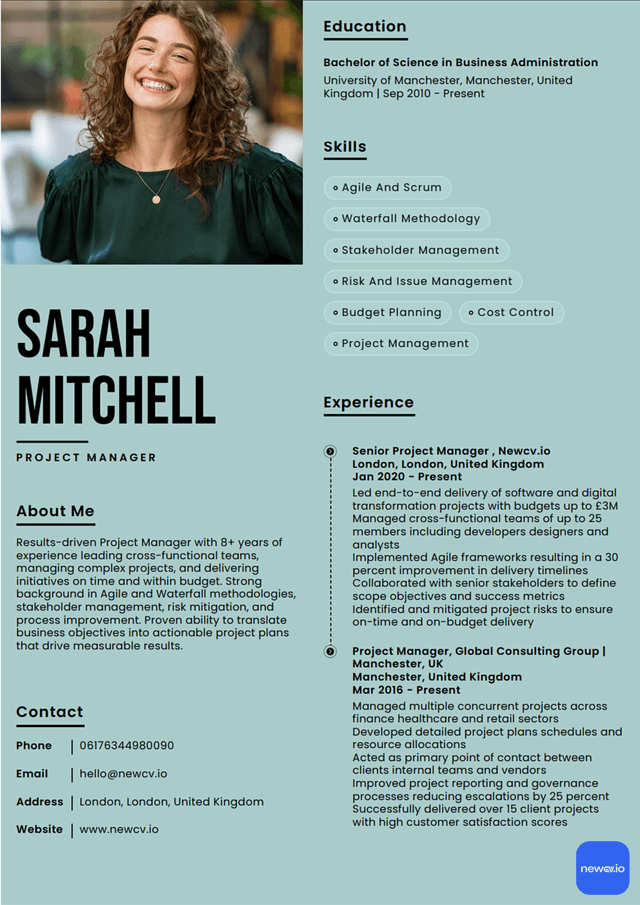
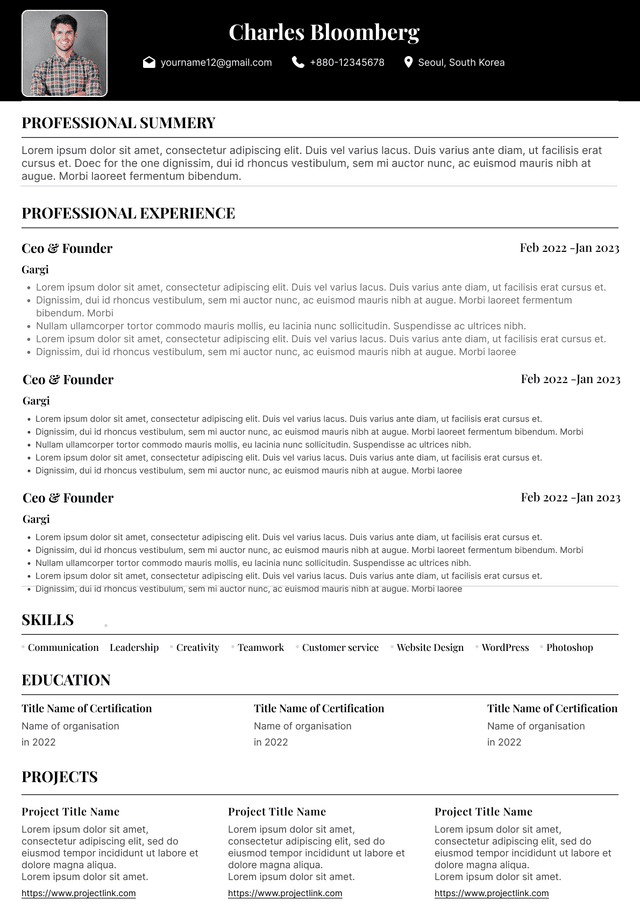
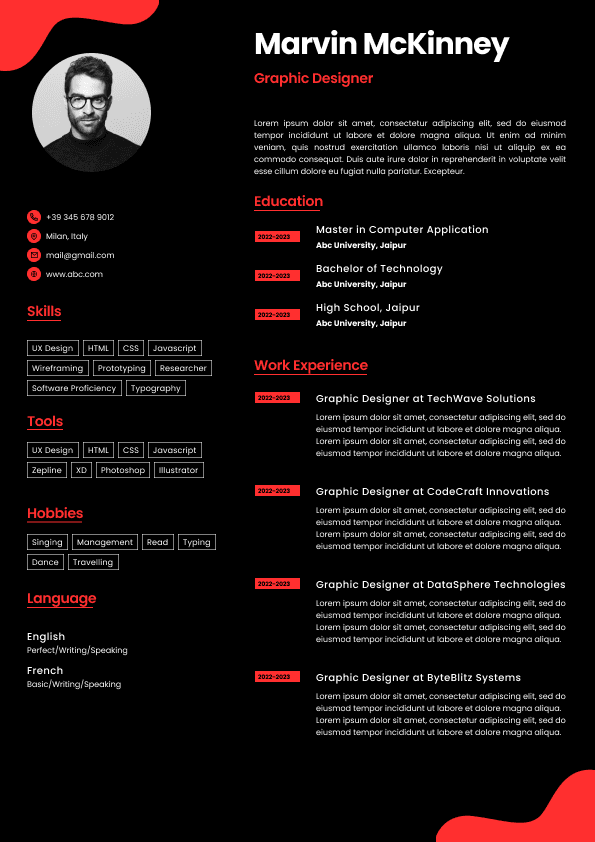


 Upload Resume
 Import from Linkedin