STILL APPLYING. STILL HEARING NOTHING?BUILD YOUR RESUME

STILL APPLYING. STILL HEARING NOTHING?BUILD YOUR RESUME
Choose from a wide range of NEWCV resume templates and customize your NEWCV design with a single click.
FAQ
Python developer jobs are still among the strongest opportunities in the US tech market, but the hiring process has become far more competitive. Companies are no longer hiring generalist “Python coders.” They want backend engineers who can build production APIs, work in cloud environments, collaborate remotely, and solve real infrastructure problems.
The candidates getting interviews fastest are the ones who position themselves as business-ready engineers, not just course graduates. That means showing deployed projects, understanding backend architecture, optimizing LinkedIn for recruiter searches, and tailoring resumes to specific Python roles like FastAPI engineering, cloud backend development, or AI infrastructure.
If you're applying to Python developer jobs in 2026, your success depends less on certificates and more on proving production-level capability. Recruiters now screen for architecture thinking, deployment experience, API scalability knowledge, GitHub credibility, and practical engineering communication long before technical interviews begin.
Python remains one of the most requested programming languages across:
SaaS companies
Fintech startups
AI and machine learning teams
Healthcare technology organizations
Cybersecurity companies
Cloud infrastructure platforms
DevOps engineering teams
Automation consulting firms
But the market has split into specialized hiring tracks.
Most Python hiring now revolves around ecosystem capability, not just language familiarity.
FastAPI hiring has exploded because companies want:
High-performance APIs
Async processing
Modern API documentation
Lightweight microservices
AI infrastructure integration
FastAPI candidates often compete for:
SaaS backend engineering roles
Most candidates optimize resumes for “Python developer.”
That is too generic.
Recruiters sourcing backend engineers use highly specific keyword combinations inside LinkedIn Recruiter and ATS systems.
The candidates who appear in searches most often include terms like:
Distributed systems
Cloud-native backend engineering
Event-driven architecture
Microservices
API scalability
Async Python
Docker
Most Python portfolios fail because they look educational instead of commercial.
Recruiters see hundreds of GitHub profiles filled with:
Tutorial projects
Basic CRUD apps
Copy-pasted clones
Unfinished repositories
No deployment links
No architecture explanations
That does not create hiring confidence.
The strongest candidates usually showcase:
Entry-level Python hiring is harder than it was several years ago because junior hiring budgets are smaller.
The biggest mistake junior candidates make is competing only on coding knowledge.
Companies hire junior engineers who reduce onboarding risk.
Successful entry-level candidates usually demonstrate:
Strong GitHub activity
Deployed applications
Clean documentation
Understanding of APIs
SQL competency
Docker familiarity
Python resumes fail ATS screening for two main reasons:
They are too generic
They describe tasks instead of engineering outcomes
Recruiters spend seconds scanning resumes initially.
The strongest resumes communicate:
Backend specialization
Production technologies
Cloud stack familiarity
Scale exposure
Many candidates rely only on LinkedIn Easy Apply.
That severely limits opportunities.
Strong Python candidates diversify job sourcing.
Most backend hiring funnels now include multiple stages.
Recruiter screening
Backend technical assessment
API debugging exercise
System design interview
Architecture discussion
Live coding round
Behavioral interview
Remote backend hiring is highly competitive because companies can hire globally.
Candidates who win remote offers consistently demonstrate trust signals.
Remote-first companies prioritize engineers who can:
Work independently
Document clearly
Communicate asynchronously
Handle production ownership
Collaborate through Git workflows
Participate effectively in distributed teams
AI has increased Python demand, but not always in the way candidates expect.
Most companies are hiring practical AI infrastructure engineers, not research scientists.
Demand is rising for engineers who can:
Build AI APIs
Deploy LLM applications
Scale inference systems
Integrate vector databases
Optimize cloud infrastructure
Build retrieval pipelines
Generic resumes underperform badly.
Candidates should tailor applications toward:
Backend engineering
AI infrastructure
Cloud engineering
Automation engineering
SaaS backend development
Tutorial-only portfolios create skepticism.
Hiring managers want evidence of real implementation capability.
Strong long-term demand with excellent salary growth.
Particularly valuable for AWS, Kubernetes, and SaaS environments.
One of the fastest-growing Python career paths.
Often overlooked but highly valuable in enterprise environments.
Python remains heavily used for infrastructure tooling and internal platforms.
Many candidates get interviews but fail conversion.
The issue is usually communication, not coding.
Explain decisions clearly
Discuss tradeoffs confidently
Show business awareness
Demonstrate debugging structure
Think through scalability
Stay calm during technical ambiguity
Instead of memorizing interview answers:

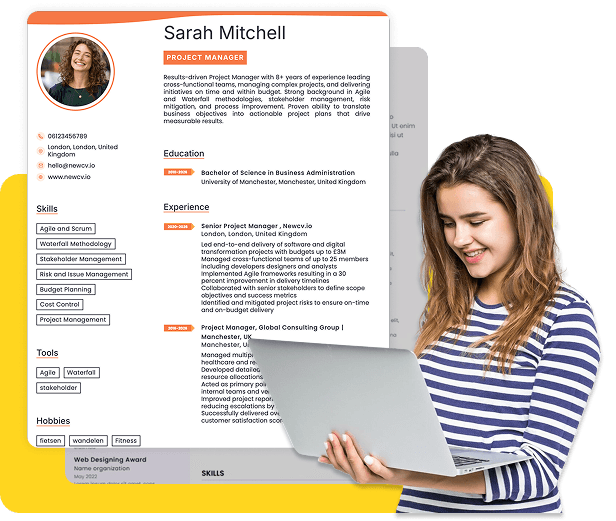
Use ATS-optimised Resume and resume templates that pass applicant tracking systems. Our Resume builder helps recruiters read, scan, and shortlist your Resume faster.

Use professional field-tested resume templates that follow the exact Resume rules employers look for.
Create Resume
Use professional field-tested resume templates that follow the exact Resume rules employers look for.
Create ResumeMost companies are hiring for one of these categories:
These roles focus on:
REST APIs
FastAPI or Django development
Microservices
Database performance
Authentication systems
Event-driven architecture
Redis caching
Distributed systems
Async processing
Hiring managers typically expect candidates to understand production engineering, not just Python syntax.
Remote hiring remains strong, especially for backend and cloud teams. However, remote engineering hiring is more selective now because companies prioritize engineers who can operate independently.
Remote-friendly employers heavily value:
Documentation quality
Git collaboration
Pull request communication
Self-management
Incident response ownership
Async communication
CI/CD familiarity
Cloud debugging skills
Many candidates misunderstand this category. Most AI Python jobs are not research scientist roles.
Companies often need engineers who can:
Build AI APIs
Deploy inference services
Integrate LLM workflows
Build vector database pipelines
Manage backend AI infrastructure
Optimize AI application performance
Strong backend engineers with Python and cloud experience frequently qualify for these jobs faster than pure machine learning beginners.
AI platform engineering jobs
Cloud-native backend positions
Startup engineering jobs
Hiring managers frequently associate FastAPI experience with modern backend engineering maturity.
Django remains extremely valuable for:
Enterprise platforms
Healthcare systems
Internal business applications
Large database-driven platforms
Government contractors
Django candidates with production deployment experience still receive strong recruiter interest.
Flask is still used heavily for:
Lightweight APIs
Automation tooling
Internal platforms
Microservice prototypes
However, Flask alone is usually not enough to stand out in competitive hiring funnels anymore.
Kubernetes
AWS
CI/CD pipelines
Observability tooling
Kafka
Redis
Celery
PostgreSQL
Production-grade APIs
Infrastructure automation
A major hiring mistake is building a resume around programming languages instead of engineering capability.
Hiring managers want evidence that you can support production systems.
API platforms
SaaS-style backend systems
Authentication workflows
Queue processing systems
AI integrations
Cloud deployment pipelines
Monitoring dashboards
Automation systems
Distributed microservices
High-performing portfolio examples include:
FastAPI SaaS backend with JWT authentication
Stripe payment API integration
Dockerized microservices architecture
Kubernetes deployment pipeline
AI chatbot backend with vector search
Event-driven notification service
Cloud-native task queue system
Real-time analytics API
Infrastructure automation scripts
Recruiters and engineering managers often review:
Repository organization
Commit consistency
README quality
Documentation clarity
Deployment evidence
Architecture explanations
API documentation
Technical writing quality
Many candidates underestimate documentation.
Clear documentation signals professional engineering maturity.
Cloud deployment basics
Communication skills
Self-learning capability
Many successful engineers enter through:
QA automation
Technical support engineering
DevOps support
Data engineering support
Internal tooling development
Python automation roles
These positions often transition into full backend engineering faster than waiting for “junior backend developer” openings alone.
Business impact
Deployment ownership
Weak Example
“Worked on Python applications and APIs.”
This sounds junior and vague.
Good Example
“Built and deployed FastAPI microservices supporting 2M+ monthly API requests across AWS infrastructure.”
This immediately communicates:
Framework expertise
Scale
Deployment experience
Cloud familiarity
Production engineering credibility
Include relevant technologies naturally throughout your resume:
FastAPI
Django REST Framework
AWS
Kubernetes
Docker
PostgreSQL
Redis
Kafka
Terraform
CI/CD
Distributed systems
Event-driven architecture
API optimization
Cloud-native infrastructure
ATS systems increasingly evaluate contextual relevance, not simple keyword stuffing.
Many strong engineering jobs never appear on job boards for long.
High-growth SaaS and AI companies often prioritize:
Referral candidates
Direct applicants
Recruiter outreach pipelines
Applying directly through company career pages frequently improves interview rates.
Hiring managers are not only checking coding ability.
They evaluate:
Debugging thought process
Communication clarity
Architecture reasoning
Scalability awareness
Tradeoff analysis
API design thinking
Production readiness
Many technically capable candidates fail because they:
Over-focus on algorithms
Cannot explain architecture decisions
Lack deployment experience
Cannot discuss tradeoffs
Memorize frameworks without understanding systems
Backend-focused Python candidates should understand:
API rate limiting
Database indexing
Caching strategies
Queue systems
Horizontal scaling
Event-driven systems
Service reliability
Authentication flows
Monitoring and observability
Your LinkedIn profile should clearly communicate:
Backend specialization
Cloud technologies
Framework expertise
Remote collaboration experience
Deployment ownership
GitHub portfolio links
Good Example
“Python Backend Engineer | FastAPI • AWS • Kubernetes • Distributed Systems”
This performs better than vague titles like:
Weak Example
“Python Developer Open to Work”
Recruiters search by technical specialization.
Experienced backend engineers often transition into AI engineering faster because they already understand:
APIs
Scalability
Infrastructure
Cloud systems
Reliability engineering
Companies frequently struggle more with AI deployment than model creation.
Strong engineers communicate clearly.
Poor documentation signals weak collaboration skills.
Certificates rarely compensate for weak project quality.
Deployed systems matter far more.
Candidates applying simultaneously to:
Data science
Frontend
DevOps
Machine learning
Backend engineering
often appear unfocused.
Specialized positioning improves recruiter response rates dramatically.
Build systems
Debug real issues
Deploy applications
Write architecture explanations
Review production tradeoffs
Practice explaining engineering decisions aloud
That mirrors real backend engineering work more accurately.


 Upload Resume
 Import from Linkedin