STILL APPLYING. STILL HEARING NOTHING?BUILD YOUR RESUME

STILL APPLYING. STILL HEARING NOTHING?BUILD YOUR RESUME
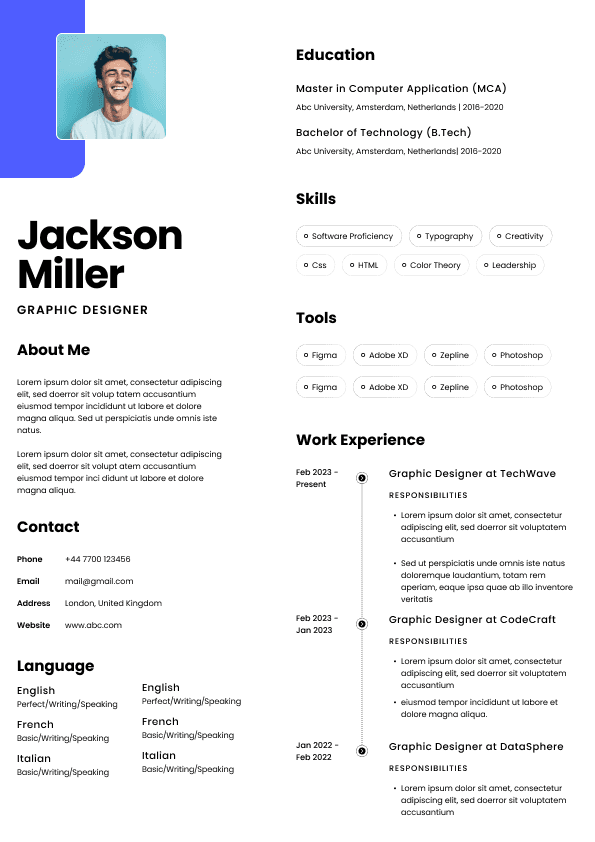
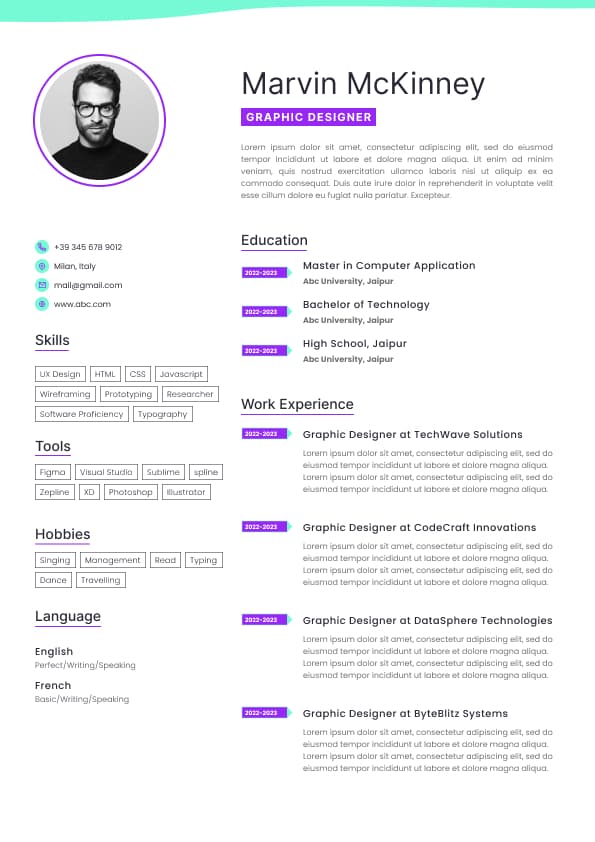
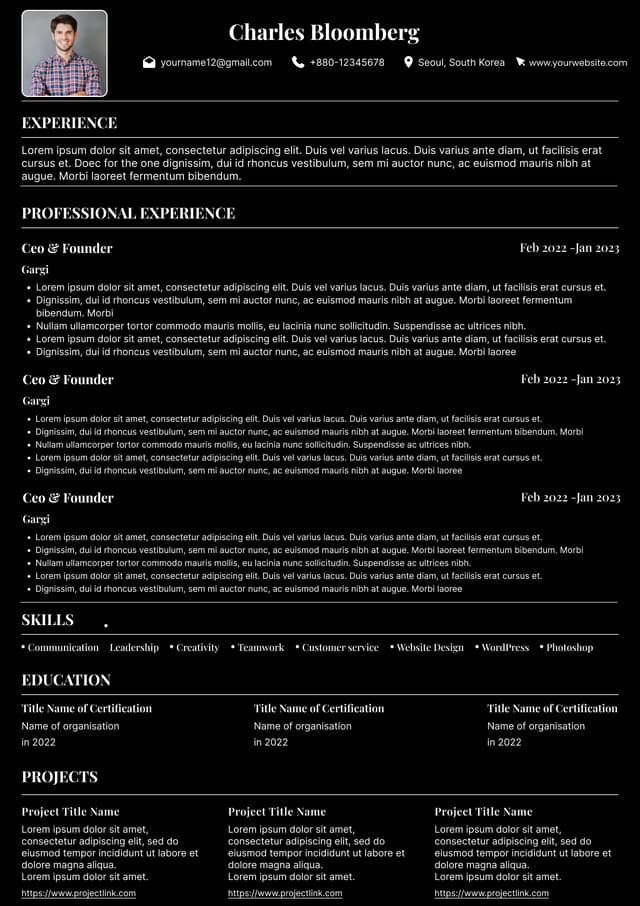
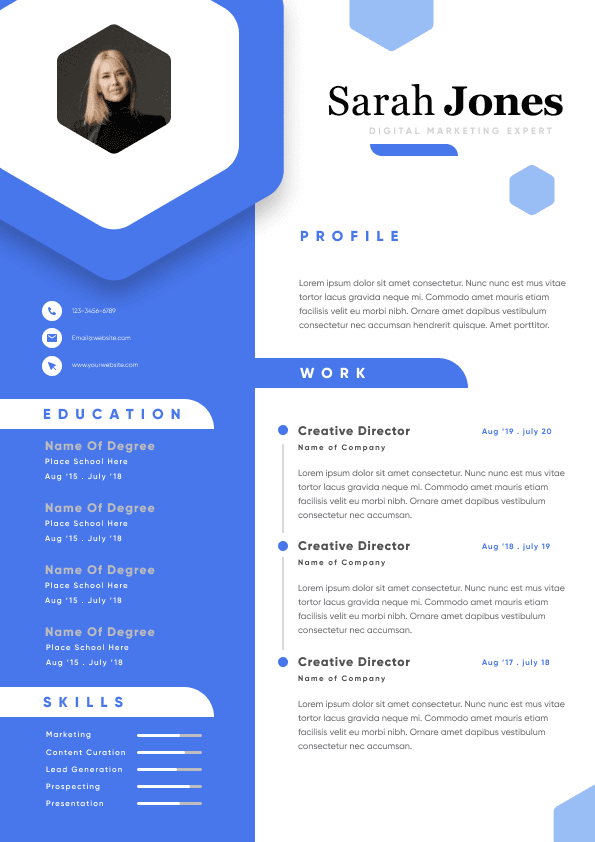
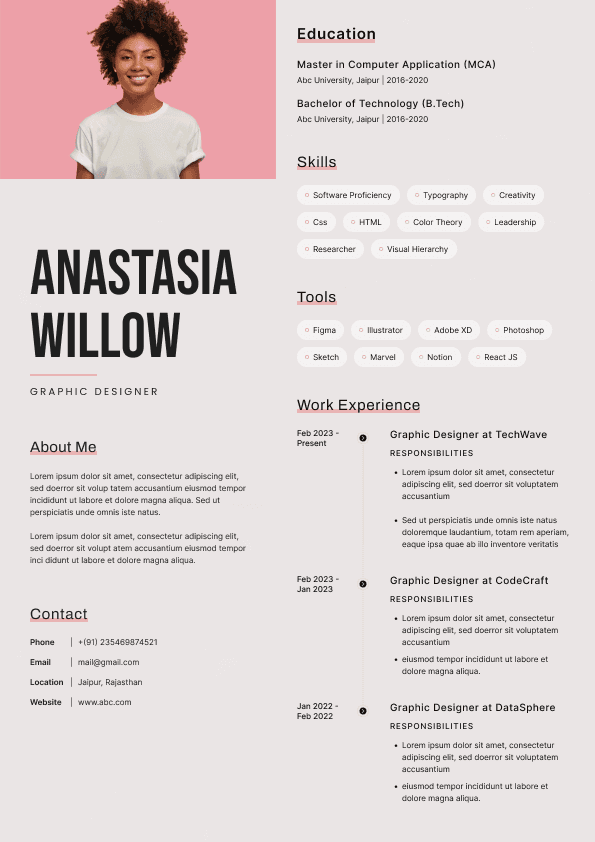
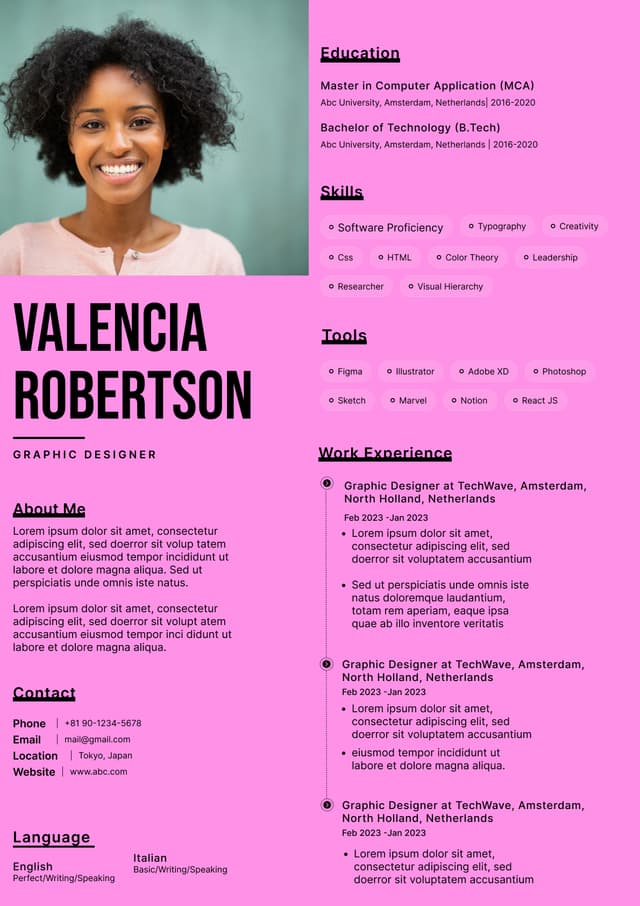
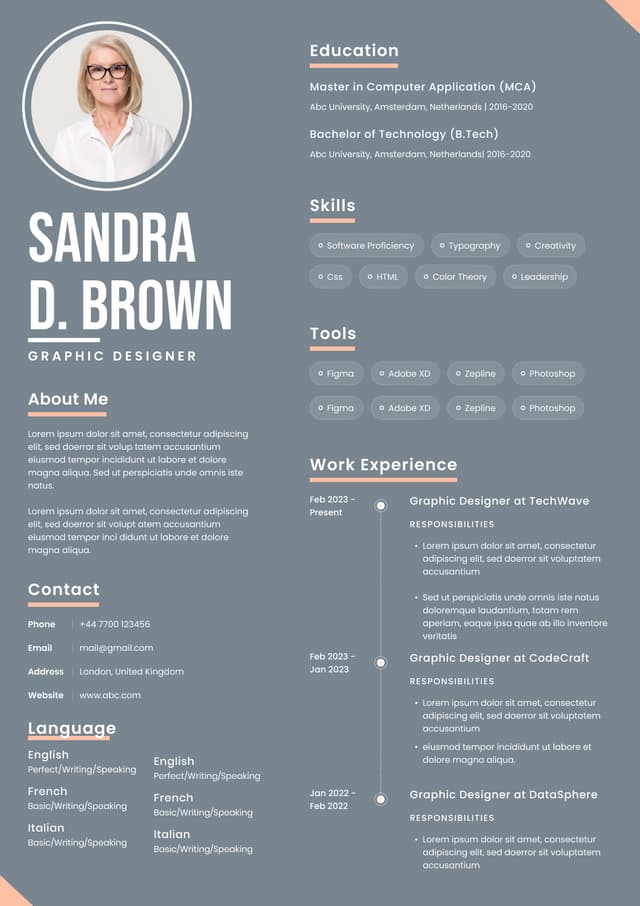
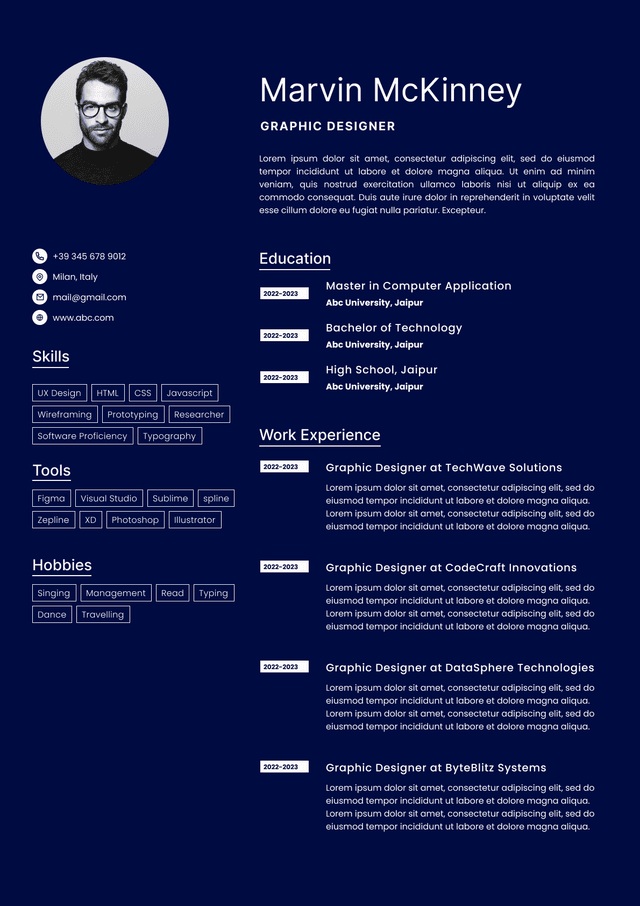
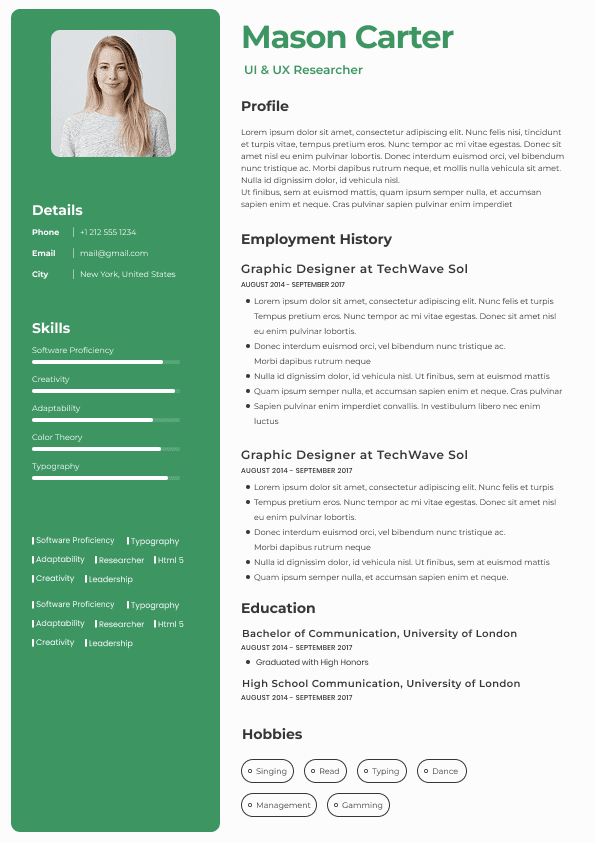
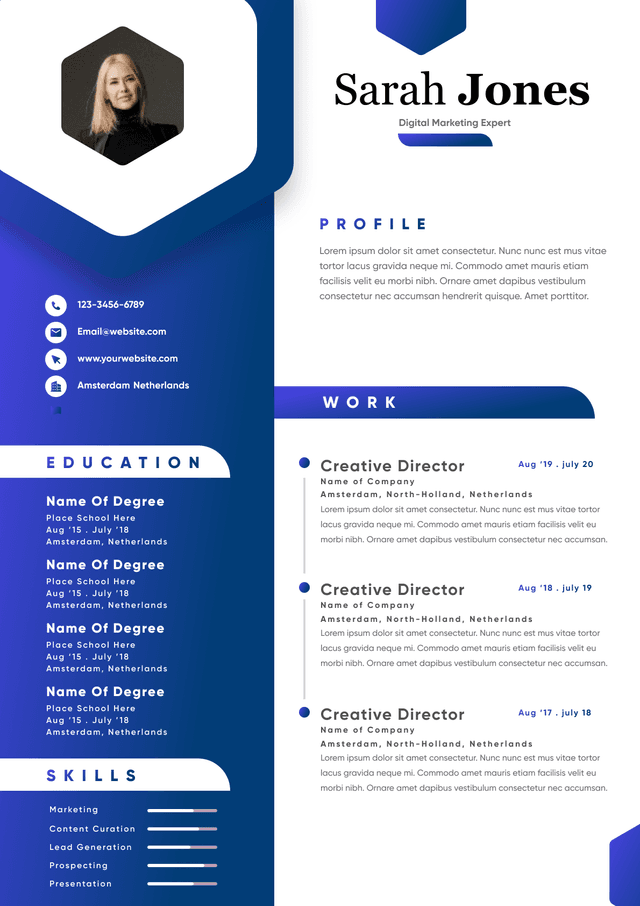
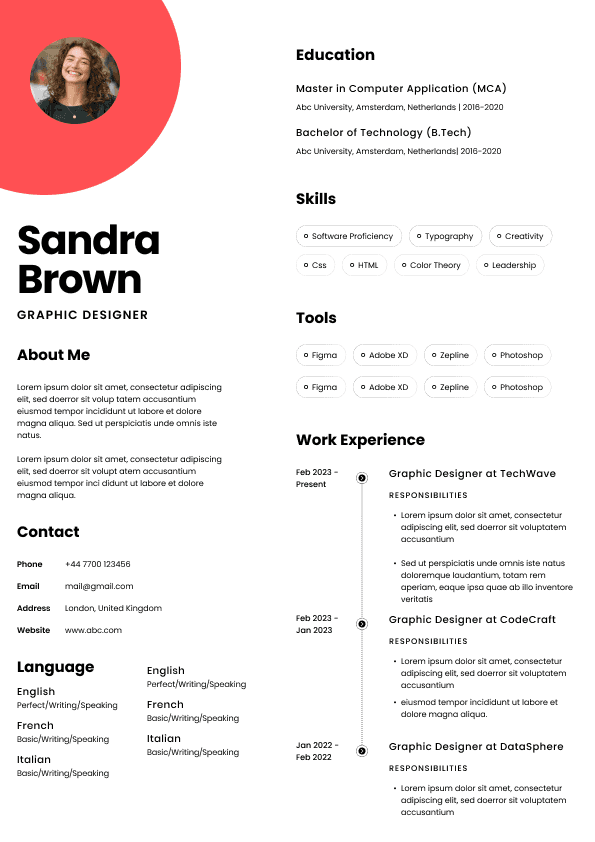
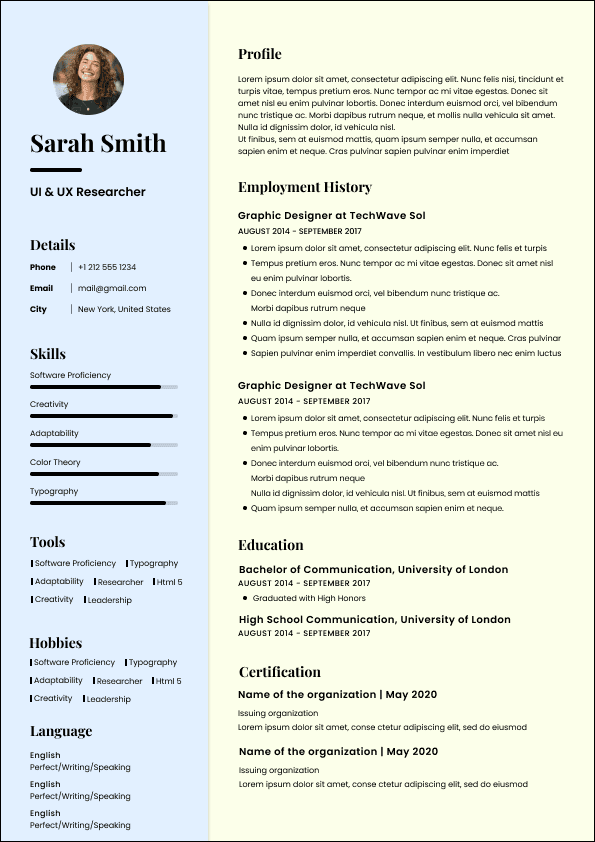
Choose from a wide range of NEWCV resume templates and customize your NEWCV design with a single click.
FAQ

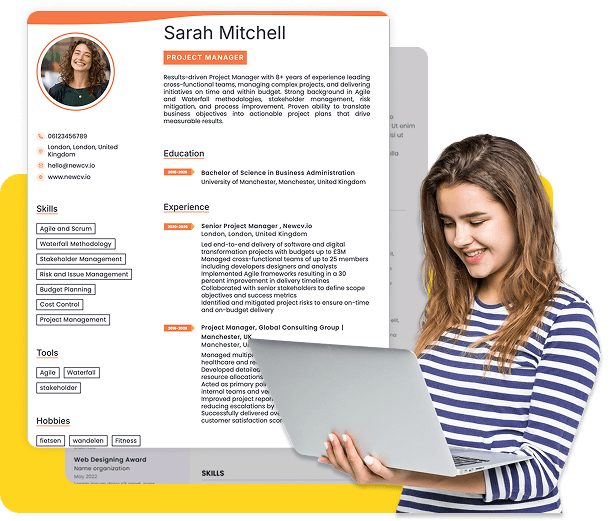
Python developer responsibilities on a resume should demonstrate business impact, backend engineering depth, scalability experience, and modern development practices, not just list coding tasks. Recruiters and hiring managers look for evidence that you can build production-grade systems, collaborate across teams, solve reliability problems, and contribute to software delivery at scale.
Most Python developer resumes fail because they sound like generic job descriptions:
“Worked on APIs,” “used Python,” or “fixed bugs.”
Strong resumes instead show:
What systems you built
How you improved performance or reliability
Which technologies you used
How your work affected users, infrastructure, deployment speed, or engineering quality
The best Python developer resume responsibilities align with real backend engineering expectations in today’s US hiring market, including APIs, cloud systems, automation, testing, CI/CD, observability, scalability, and secure coding practices.
Recruiters are not just scanning for “Python.” They are evaluating whether your experience matches the engineering maturity level required for the role.
For backend and Python-focused roles, hiring teams typically evaluate:
Backend architecture experience
API development and integration work
Cloud and deployment exposure
Database optimization experience
Testing and code quality practices
Production support and debugging ability
Scalability and performance optimization
Team collaboration and Agile participation
Ownership and engineering impact
A weak responsibility section reads like a training course syllabus.
A strong one demonstrates:
Scope
Complexity
Ownership
Technical decision-making
Business or engineering outcomes
Most candidates make these mistakes:
Listing technologies without context
Copying responsibilities directly from job descriptions
Writing vague statements without outcomes
Using generic phrases like “responsible for” repeatedly
Describing tasks instead of engineering contributions
Omitting production-scale impact
Ignoring testing, reliability, and deployment work
Failing to show collaboration with cross-functional teams
Hiring managers notice this immediately because experienced engineers typically discuss systems, scale, reliability, architecture, and delivery impact naturally.
These resume-ready responsibilities are designed to reflect modern backend engineering expectations and ATS optimization while still sounding credible to engineering managers.
Designed, developed, tested, and maintained scalable Python backend applications supporting high-traffic production environments
Built RESTful APIs and backend services using Python frameworks including FastAPI, Flask, and Django
Developed asynchronous microservices and event-driven systems to improve backend scalability and response times
Refactored legacy Python codebases into modular, maintainable, and cloud-ready architectures
Implemented reusable application components and backend libraries to improve engineering efficiency and reduce duplicate code
Built automation scripts and workflow tools to streamline operational and business processes
Designed and integrated REST APIs, third-party services, payment gateways, and authentication systems
Developed secure API endpoints with OAuth2, JWT authentication, and role-based access controls
Improved API reliability, latency, and throughput through caching, query optimization, and asynchronous processing
Integrated external platforms including cloud services, messaging queues, and enterprise SaaS tools
Created API documentation and developer integration guides to improve internal adoption and onboarding
Optimized SQL queries, database indexing, and ORM performance to improve application responsiveness
Managed PostgreSQL, MySQL, and NoSQL database integrations across distributed backend systems
Reduced memory consumption and API response times through backend performance tuning and profiling
Implemented database migration strategies and schema updates supporting scalable production deployments
Improved backend reliability and fault tolerance through monitoring, logging, and error-handling enhancements
Deployed Python applications using Docker, Kubernetes, AWS, Azure, and Google Cloud Platform services
Built and maintained CI/CD pipelines supporting automated testing, deployment, and release workflows
Automated infrastructure provisioning and deployment processes using Infrastructure as Code practices
Monitored production applications, analyzed logs, and responded to incidents to improve system uptime
Collaborated with DevOps teams to enhance deployment reliability, observability, and cloud scalability
Developed automated unit, integration, and regression tests to improve code quality and release stability
Increased test coverage and reduced production defects through continuous testing practices
Participated in code reviews, pull request evaluations, and engineering quality initiatives
Debugged complex production issues and implemented long-term fixes to improve application reliability
Applied secure coding standards and compliance practices across backend systems and APIs
Collaborated with frontend developers, QA engineers, product managers, and stakeholders throughout the software development lifecycle
Participated in Agile ceremonies including sprint planning, retrospectives, standups, and backlog refinement
Translated business requirements into scalable backend solutions aligned with product and engineering goals
Mentored junior developers and contributed to engineering best practices and documentation standards
Worked cross-functionally to deliver high-quality software releases within fast-paced Agile environments
The difference between an average resume and an interview-generating resume is usually specificity and impact.
Weak Example
Why it fails:
No scale
No ownership
No framework
No business impact
Sounds entry-level
Good Example
Why it works:
Shows technical stack
Demonstrates scale
Includes measurable impact
Sounds production-level
Signals backend engineering maturity
Weak Example
Why it fails:
Too generic
No engineering complexity
No value demonstrated
Good Example
Why it works:
Shows operational ownership
Demonstrates reliability focus
Includes measurable outcome
Reflects real production engineering work
Strong Python resume bullets usually follow this structure:
Example:
This works because it combines:
Ownership
Technology
Engineering depth
Quantifiable result
Senior Python developers are evaluated differently from junior or mid-level developers.
Hiring managers expect senior engineers to demonstrate:
Architecture ownership
Scalability decisions
Reliability improvements
Cross-team collaboration
Technical leadership
System design thinking
Operational responsibility
Architected scalable backend systems supporting multi-region cloud deployments and high-availability infrastructure
Led backend modernization initiatives migrating monolithic services into containerized microservice architectures
Established backend engineering standards for testing, code reviews, observability, and deployment automation
Improved application scalability through distributed processing, asynchronous workflows, and caching strategies
Collaborated with engineering leadership to define technical roadmaps and backend infrastructure improvements
Mentored junior engineers and conducted technical reviews to improve engineering quality across teams
These responsibilities signal real engineering ownership instead of task execution alone.
Many candidates underestimate which daily engineering tasks actually matter to recruiters.
The following daily activities often become strong resume bullets when written strategically:
Monitoring application health
Troubleshooting outages
Investigating logs and alerts
Improving observability
Handling deployments
Optimizing backend performance
This matters because companies value engineers who can maintain production systems, not just write code.
Working with frontend teams
Participating in architecture discussions
Supporting QA validation
Refining product requirements
Reviewing pull requests
This signals communication and delivery maturity.
Building internal automation tools
Streamlining workflows
Reducing manual operational tasks
Automating deployments or testing
Automation work is highly valued because it directly improves engineering productivity.
Modern ATS systems do not just search for “Python.”
They scan for semantic relevance across backend engineering concepts.
Strong Python developer resumes naturally include terms like:
Python
FastAPI
Django
Flask
REST API
Microservices
CI/CD
Docker
Kubernetes
AWS
Azure
PostgreSQL
Redis
RabbitMQ
Celery
SQLAlchemy
PyTest
Git
Jenkins
Terraform
Backend architecture
Cloud-native applications
Asynchronous processing
System scalability
API integration
Secure coding
Unit testing
Agile development
The key is natural integration, not keyword stuffing.
Experienced engineering managers often scan resumes in this order:
Systems built
Scale handled
Technologies used
Performance improvements
Production ownership
Collaboration style
Engineering maturity
They want evidence that you can operate effectively in real production environments.
Hiring managers respond strongly to responsibilities showing:
Scalability improvements
Performance optimization
Production support ownership
API architecture
Cloud deployment experience
Reliability engineering
CI/CD contributions
Security implementation
Automation impact
These areas directly affect software delivery and operational success.
Bad resumes become keyword dumps.
Instead of:
Use:
Context creates credibility.
Recruiters can instantly recognize copied responsibilities.
Generic:
Stronger:
Specificity signals authenticity.
Strong engineering resumes connect technical work to impact.
Impact can include:
Faster deployments
Reduced downtime
Improved scalability
Lower latency
Better reliability
Reduced manual work
Higher test coverage
Faster development cycles
Without outcomes, responsibilities feel incomplete.
For most roles:
4 to 7 high-quality bullets per job is ideal
Senior roles may support 6 to 8 bullets if the work is complex
Prioritize relevance over volume
Avoid repeating similar backend tasks across multiple roles
Quality matters far more than quantity.
Top candidates tailor responsibilities based on the target role.
Prioritize:
APIs
Databases
Scalability
System design
Performance optimization
Prioritize:
AWS/Azure/GCP
CI/CD
Kubernetes
Infrastructure automation
Deployment workflows
Prioritize:
Scripting
Workflow automation
Internal tooling
Operational efficiency
Data processing
Prioritize:
Monitoring
Infrastructure
Incident response
Reliability
Deployment automation
The strongest resumes align responsibilities with how the employer defines success for the role.
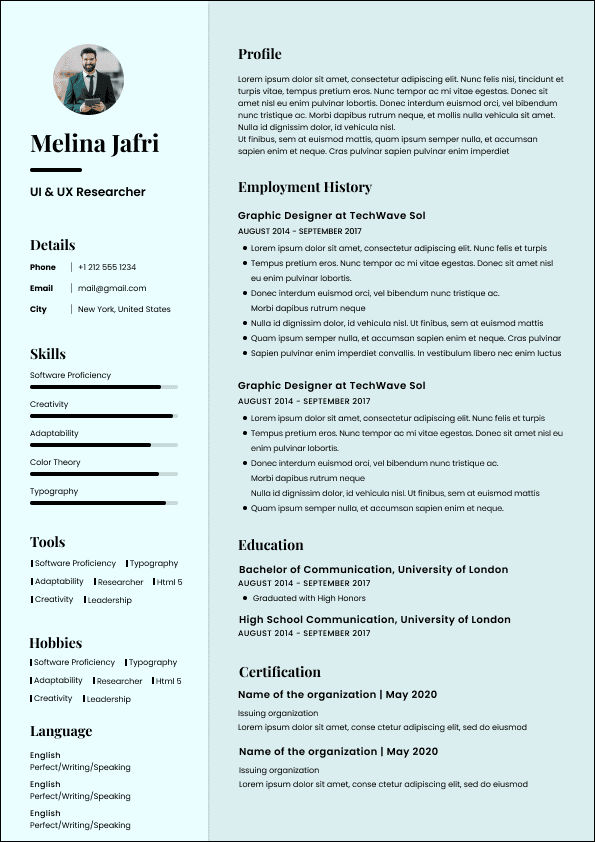
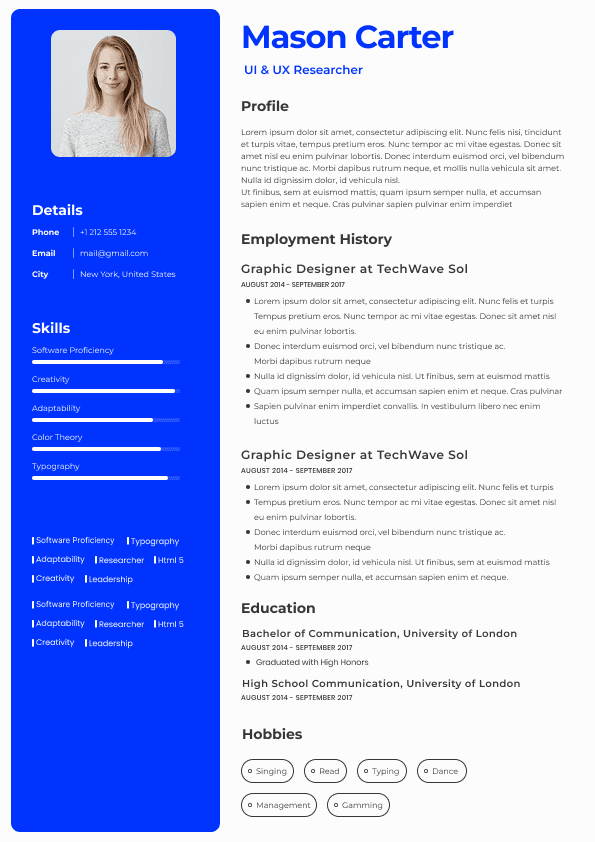
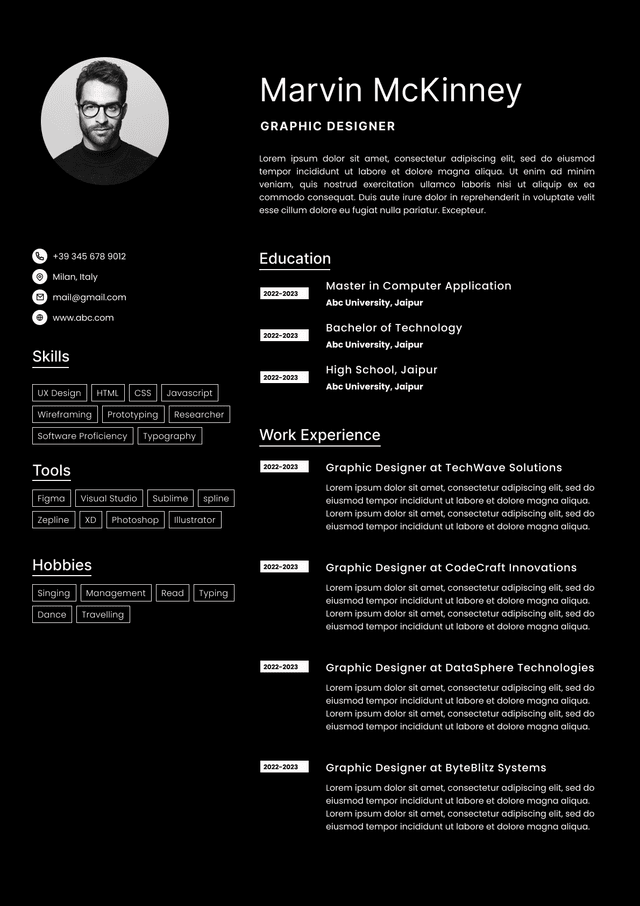
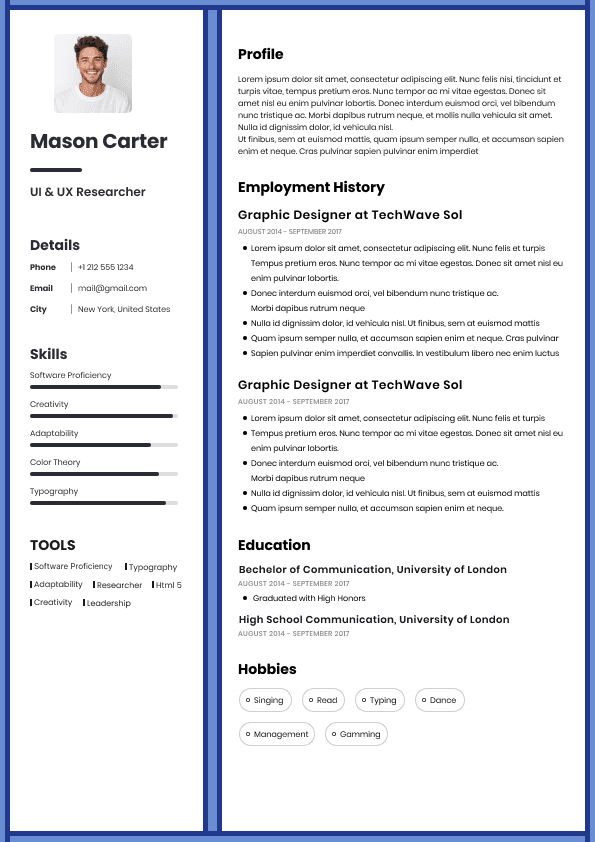
Use ATS-optimised Resume and resume templates that pass applicant tracking systems. Our Resume builder helps recruiters read, scan, and shortlist your Resume faster.

Use professional field-tested resume templates that follow the exact Resume rules employers look for.
Create Resume
Use professional field-tested resume templates that follow the exact Resume rules employers look for.
Create ResumeCross-functional collaboration



 Upload Resume
 Import from Linkedin