STILL APPLYING. STILL HEARING NOTHING?BUILD YOUR RESUME

STILL APPLYING. STILL HEARING NOTHING?BUILD YOUR RESUME
Choose from a wide range of NEWCV resume templates and customize your NEWCV design with a single click.
FAQ

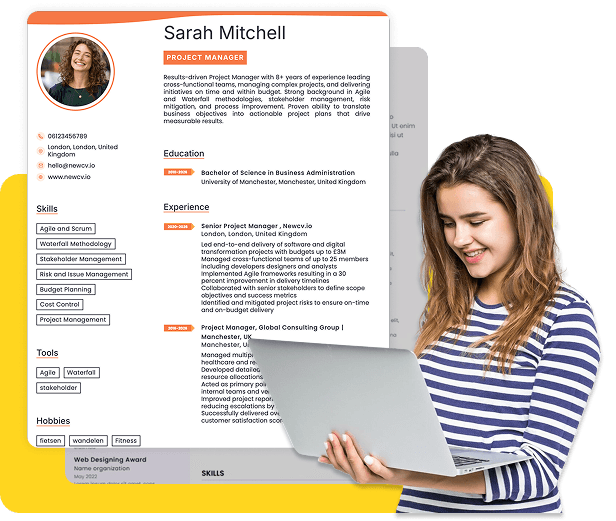
Remote Python developer jobs remain one of the strongest segments in the global tech hiring market, especially across SaaS, AI, fintech, cybersecurity, and cloud infrastructure companies. But most applicants still approach remote hiring the wrong way. They focus too heavily on Python syntax, LeetCode, or generic resumes while remote-first employers evaluate something very different: backend ownership, async communication, cloud deployment ability, documentation habits, and reliability in distributed teams.
If you want to land a remote Python developer role today, you need to position yourself as someone who can independently build, maintain, troubleshoot, and communicate around production backend systems without constant supervision. That applies whether you are applying for entry-level remote Python jobs, Django backend positions, FastAPI API engineering roles, or international contract work.
This guide breaks down exactly how remote hiring managers evaluate Python developers, where the best jobs are posted, what skills matter most, how to optimize your resume, and how to outperform other remote candidates.
Most remote Python jobs today are backend engineering roles tied to APIs, automation systems, cloud services, AI infrastructure, or SaaS products.
The majority of companies hiring remotely are not looking for “general coders.” They want developers who can own backend functionality with minimal management overhead.
Common responsibilities include:
Building REST APIs with FastAPI, Django, or Flask
Integrating third-party APIs and cloud services
Managing backend authentication and authorization
Debugging distributed systems
Writing scalable asynchronous services
Maintaining CI/CD workflows
Working with PostgreSQL, Redis, Docker, and cloud platforms
Participating in async team communication
Documenting backend architecture and workflows
Handling production incidents independently
Remote backend teams operate differently from office-based engineering teams. Communication quality matters almost as much as technical execution.
A developer who writes clean documentation, proactively communicates blockers, and reliably ships backend features often outperforms technically stronger engineers who require constant follow-up.
That is a major reason many remote-first companies heavily prioritize async collaboration experience during hiring.
Different remote Python roles require different positioning strategies.
These are the most common remote Python positions.
Employers usually expect:
API development experience
Database optimization knowledge
Git workflow experience
Cloud deployment familiarity
Backend troubleshooting ability
Experience with scalable applications
The strongest candidates can explain backend decisions clearly during interviews instead of only discussing code.
Django remains heavily used in SaaS startups, internal platforms, marketplaces, and enterprise products.
Hiring managers typically prioritize:
Django REST Framework
Authentication systems
ORM optimization
PostgreSQL performance
Admin panel customization
Multi-tenant architecture
A major mistake candidates make is presenting Django projects that look tutorial-based instead of production-oriented.
Recruiters immediately recognize copied portfolio projects.
FastAPI hiring has increased significantly because companies want lightweight, high-performance APIs for AI and microservices environments.
FastAPI roles often require:
Async Python knowledge
API architecture design
Pydantic models
Docker and Kubernetes familiarity
Cloud-native backend development
AI model integration
Many AI startups now prefer FastAPI experience over traditional Django-only backgrounds.
Entry-level remote jobs exist, but competition is extremely high.
Junior applicants often fail because they submit resumes that only show coursework or random coding exercises.
Remote employers instead want evidence of practical ownership.
Strong entry-level candidates usually demonstrate:
Real deployed projects
GitHub consistency
API integrations
Documentation ability
Strong communication
Internship or freelance experience
Cloud deployment exposure
Even small freelance projects can significantly improve your competitiveness.
Contract work is one of the fastest ways to enter remote backend development.
Companies frequently hire contractors for:
API integrations
Backend migrations
Automation scripting
Internal tooling
AI infrastructure support
Temporary scaling projects
Contract hiring often moves faster than full-time hiring because companies care more about immediate execution than long-term culture fit.
Developers with strong portfolios frequently secure contract work faster than traditional employment.
Not all job platforms attract the same quality of opportunities.
Some are flooded with low-quality listings, while others are heavily used by legitimate remote-first engineering companies.
Best for:
Mid-level and senior remote roles
Enterprise backend positions
Recruiter outreach
International remote hiring
LinkedIn works best when your profile is optimized for backend engineering keywords.
Your headline matters heavily.
A weak headline:
Weak Example:
Python Developer
A stronger positioning headline:
Good Example:
Backend Python Developer | FastAPI • Django • Cloud APIs • Remote SaaS Systems
Recruiters search by keyword combinations constantly.
Excellent for startup hiring.
Best for:
AI startups
SaaS startups
Early-stage remote companies
Backend-heavy engineering teams
Wellfound tends to reward candidates with strong project portfolios and startup-style adaptability.
Strong for international remote jobs.
Good for:
Worldwide hiring
Async remote companies
Global SaaS teams
Backend infrastructure roles
Many smaller remote-first startups post here before LinkedIn.
One of the oldest remote job boards.
Best for:
Fully remote engineering jobs
Established remote-first companies
Backend and DevOps roles
Competition is high, but the platform still attracts legitimate employers.
Especially valuable for experienced developers.
Best for:
Vetted remote talent marketplaces
Long-term remote contracts
International developer placement
Strong profiles receive inbound recruiter interest.
Turing focuses heavily on international remote engineering placement.
Useful for:
Global backend roles
Contract-based work
Distributed engineering teams
However, interview standards can be rigorous.
Often underestimated by developers.
Upwork can become a powerful entry point for:
Junior developers
Backend specialists
API freelancers
Remote contract experience
Many developers build long-term client relationships through small backend projects.
Excellent UX and startup-focused hiring.
Best for:
Product engineering roles
Modern SaaS startups
Developer-friendly hiring environments
Otta is particularly strong for developers seeking healthier remote work cultures.
Most candidates over-focus on frameworks and under-focus on execution.
Remote hiring managers care about operational effectiveness.
The highest-value skills today include:
Companies want developers who can independently manage backend systems.
That includes:
API reliability
Monitoring
Deployment troubleshooting
Error handling
Performance optimization
Ownership is one of the biggest differentiators between average and highly hireable remote engineers.
This is massively underestimated.
Remote engineering teams rely heavily on:
Slack communication
Documentation
Architecture explanations
Status updates
Written debugging analysis
A technically solid developer with poor async communication can become a liability in distributed teams.
Most remote backend roles now expect familiarity with:
AWS
Docker
CI/CD pipelines
Kubernetes basics
Render
Railway
Vercel
DigitalOcean
Even junior candidates benefit significantly from deployment experience.
Real-world backend engineering involves debugging more than writing code.
Strong remote developers know how to:
Analyze logs
Trace failed requests
Debug authentication problems
Diagnose infrastructure issues
Investigate latency bottlenecks
This is often what separates employable engineers from tutorial-based applicants.
Hiring managers immediately notice candidates who understand collaborative development.
Important experience includes:
Pull requests
Branching strategies
Code reviews
Merge conflict resolution
CI integration
Developers who only code locally often struggle in remote environments.
Remote teams rely on written systems.
Strong candidates can:
Explain architecture clearly
Write onboarding documentation
Create API documentation
Communicate technical tradeoffs
This matters far more in remote hiring than many developers realize.
Most resumes fail remote screening because they read like local office resumes.
Remote hiring managers evaluate different signals.
Your resume should clearly communicate:
Independent execution
Distributed collaboration
Backend ownership
Communication quality
Production-level development
Most recruiters spend under 30 seconds on the initial review.
They usually check:
Backend stack relevance
Remote experience
Cloud exposure
Production systems
API work
Communication indicators
If those signals are missing, many resumes get rejected immediately.
Avoid generic summaries.
A weak summary:
Weak Example:
Python developer with experience building applications.
A stronger summary:
Good Example:
Backend Python developer with experience building scalable APIs using FastAPI and Django for distributed SaaS teams. Skilled in cloud deployment, async collaboration, CI/CD workflows, and backend troubleshooting in remote-first environments.
The second version immediately aligns with remote hiring expectations.
Weak bullet points describe tasks.
Strong bullet points describe outcomes, ownership, and scale.
Weak Example:
Worked on backend APIs.
Good Example:
Built and maintained FastAPI backend services supporting 250K+ monthly API requests with Docker-based deployment pipelines and PostgreSQL optimization.
Hiring managers want evidence of impact and operational competence.
Common problems include:
Overloading resumes with tools
Listing tutorial projects
No deployment experience
No measurable outcomes
Generic summaries
No remote collaboration indicators
No production system exposure
A resume that looks “student-level” gets filtered quickly.
Remote interviews test much more than coding ability.
Companies evaluate whether you can function independently inside distributed engineering systems.
These are increasingly common.
Employers want to see:
Code readability
Documentation quality
Decision-making logic
API design structure
Error handling
Many candidates fail because they optimize for speed instead of maintainability.
Common interview exercises include:
Building REST endpoints
Authentication systems
Database modeling
API integrations
Rate limiting
Async processing
Interviewers care heavily about architectural thinking.
Even mid-level candidates now face lightweight system design questions.
Typical topics:
Scaling APIs
Background job processing
Caching strategies
Database optimization
Microservice communication
The goal is not perfection.
Hiring managers mainly assess whether you understand production tradeoffs.
This is one of the biggest hidden filters.
Remote companies constantly evaluate:
Clarity
Responsiveness
Structured thinking
Collaboration style
Problem explanation ability
A developer who communicates clearly often outperforms a slightly stronger coder with weak communication.
Most candidates never realize why they are rejected.
Common hidden rejection reasons include:
Remote teams avoid developers who appear to require constant guidance.
Signals that hurt candidates:
Excessive uncertainty
Weak project ownership
Vague explanations
Inability to explain architecture decisions
Recruiters immediately recognize copied portfolio patterns.
Common red flags:
Clone apps
Generic CRUD projects
No deployment links
No scalability considerations
No production challenges discussed
Strong engineers explain why decisions were made.
Weak candidates only describe what they built.
Hiring managers care heavily about reasoning quality.
Generic resumes signal mass applications.
Remote-first employers want evidence that candidates understand distributed work environments specifically.
Global remote hiring has increased competition significantly.
Developers are now competing internationally.
To stand out:
Build a strong GitHub presence
Publish technical documentation
Demonstrate production deployments
Improve written communication
Specialize in backend systems
Learn cloud infrastructure basics
Show ownership in projects
Specialized backend engineers generally outperform broad “full-stack generalists” in competitive remote hiring.
The highest-paying remote developers usually specialize.
Strong specialization paths include:
Backend APIs
AI infrastructure
Cloud backend engineering
Data-intensive systems
DevOps-focused backend work
Fintech backend systems
Security-focused backend architecture
Generalist positioning becomes harder as competition increases globally.
Specialization improves both compensation and hiring speed.
Use ATS-optimised Resume and resume templates that pass applicant tracking systems. Our Resume builder helps recruiters read, scan, and shortlist your Resume faster.

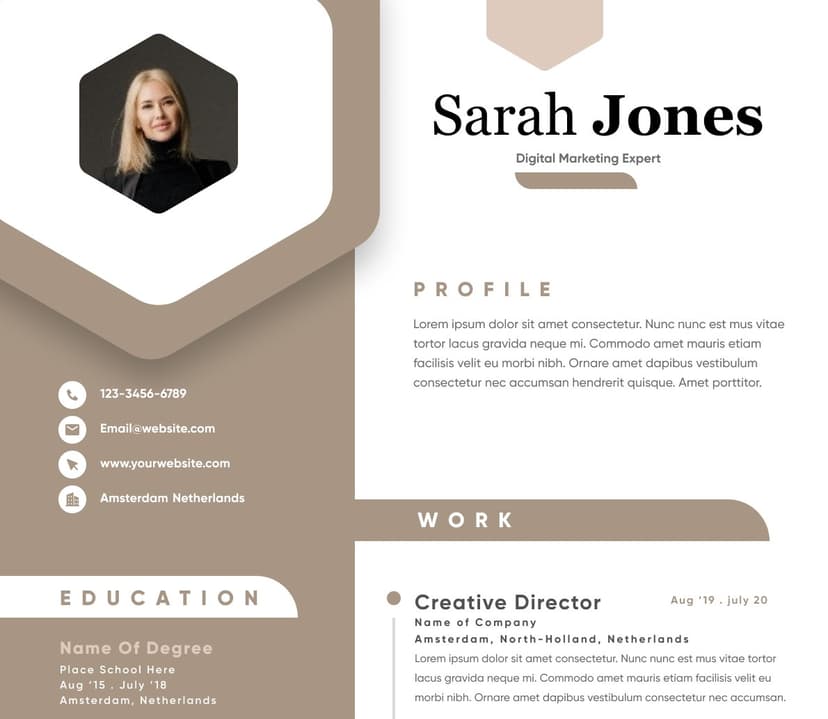
Use professional field-tested resume templates that follow the exact Resume rules employers look for.
Create Resume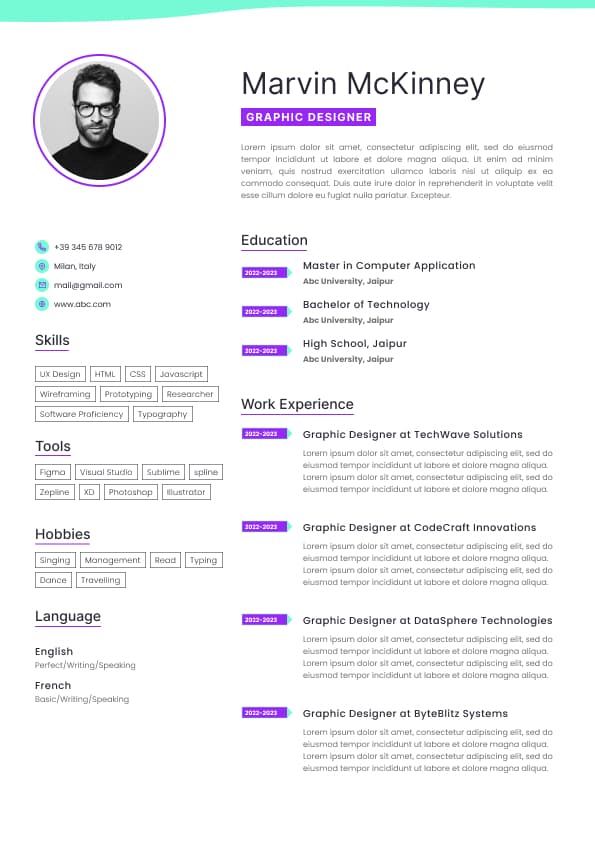
Use professional field-tested resume templates that follow the exact Resume rules employers look for.
Create Resume


 Upload Resume
 Import from Linkedin