STILL APPLYING. STILL HEARING NOTHING?BUILD YOUR RESUME

STILL APPLYING. STILL HEARING NOTHING?BUILD YOUR RESUME
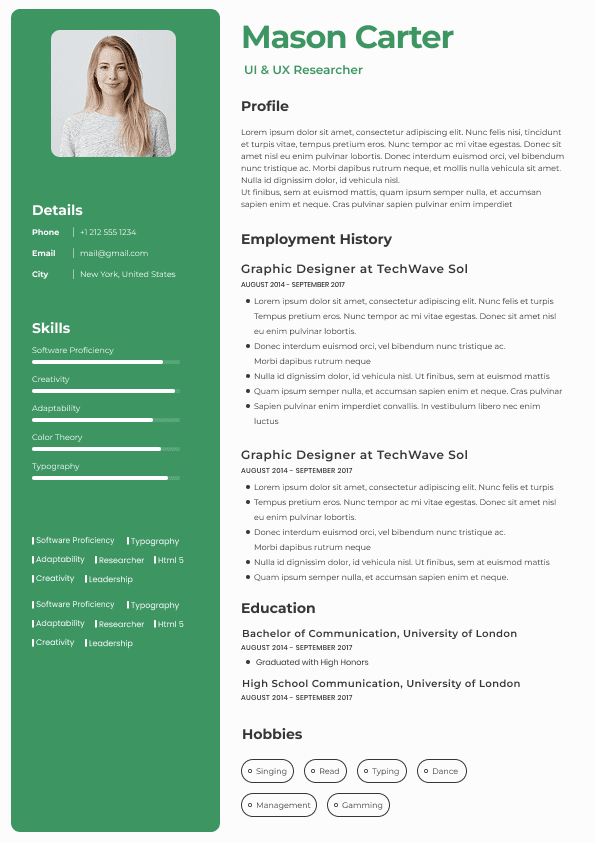
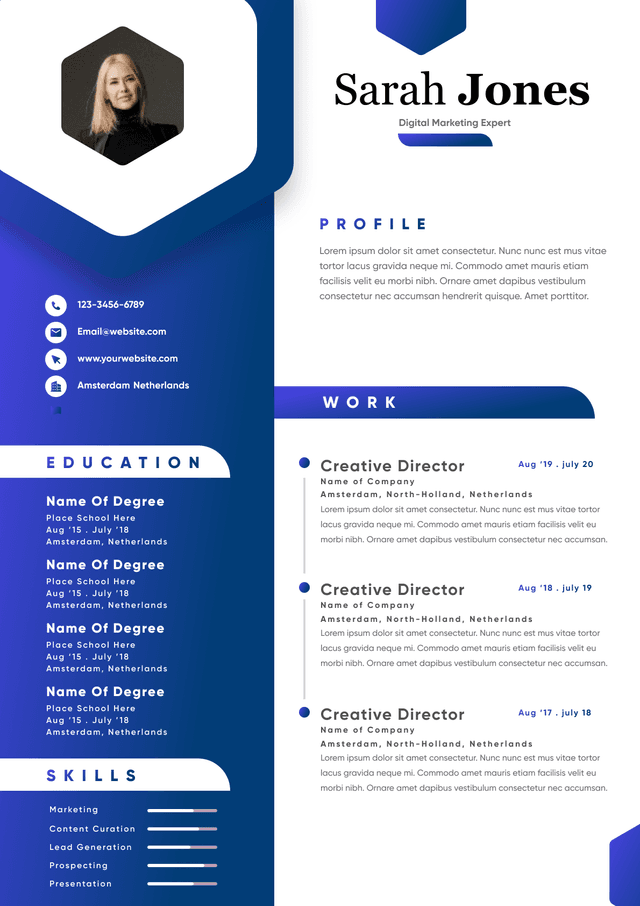
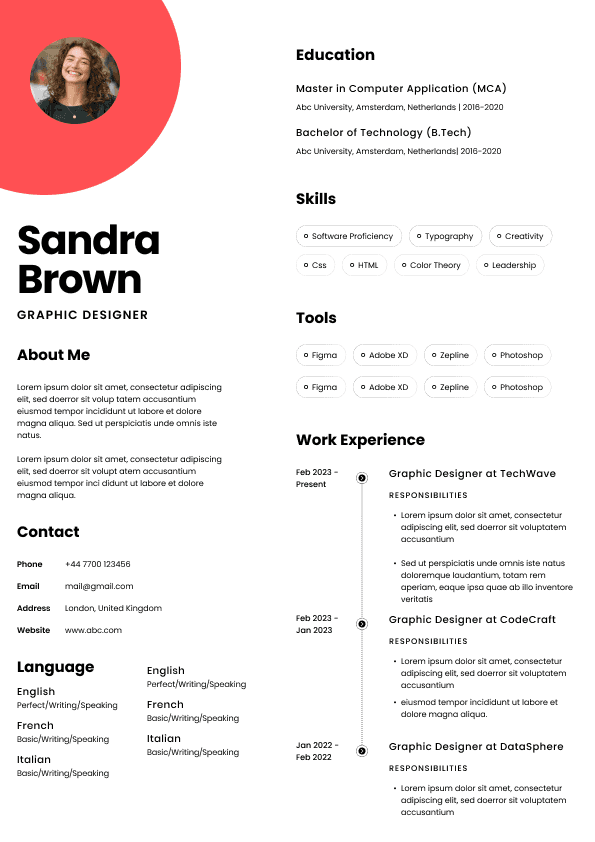
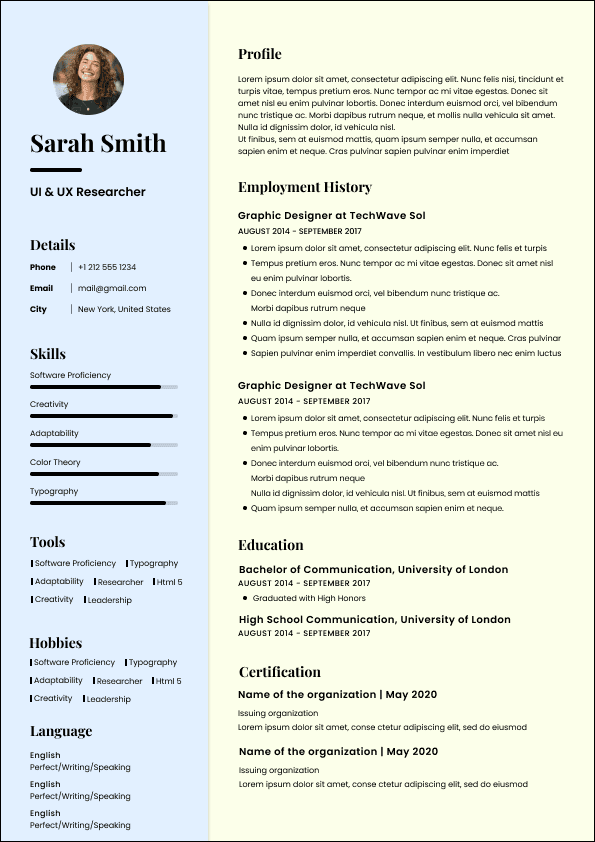
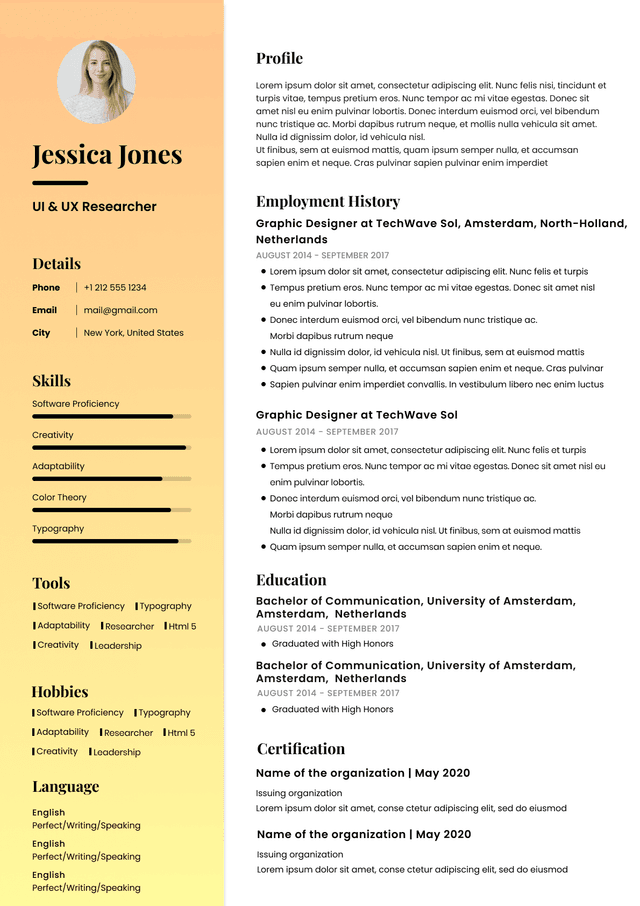
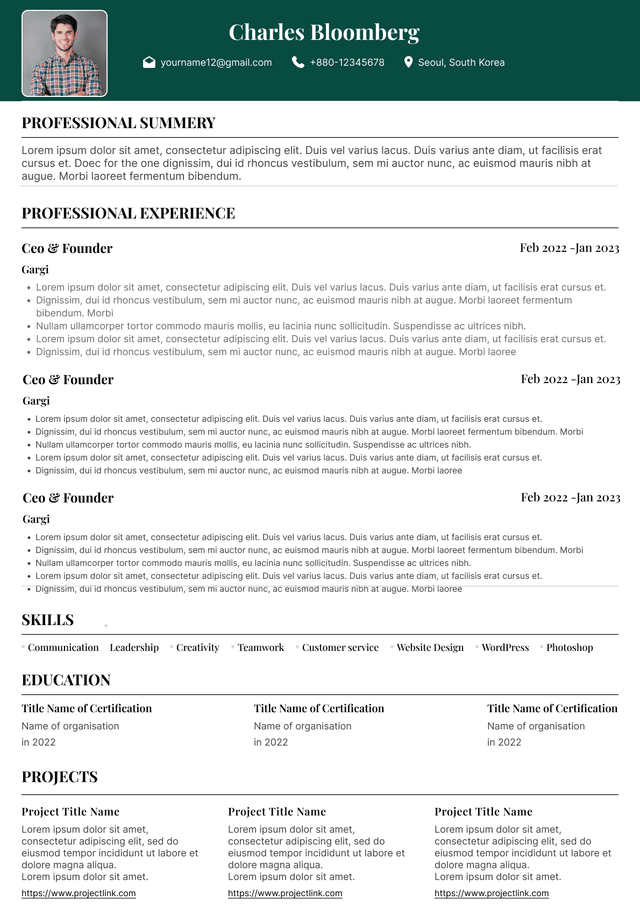
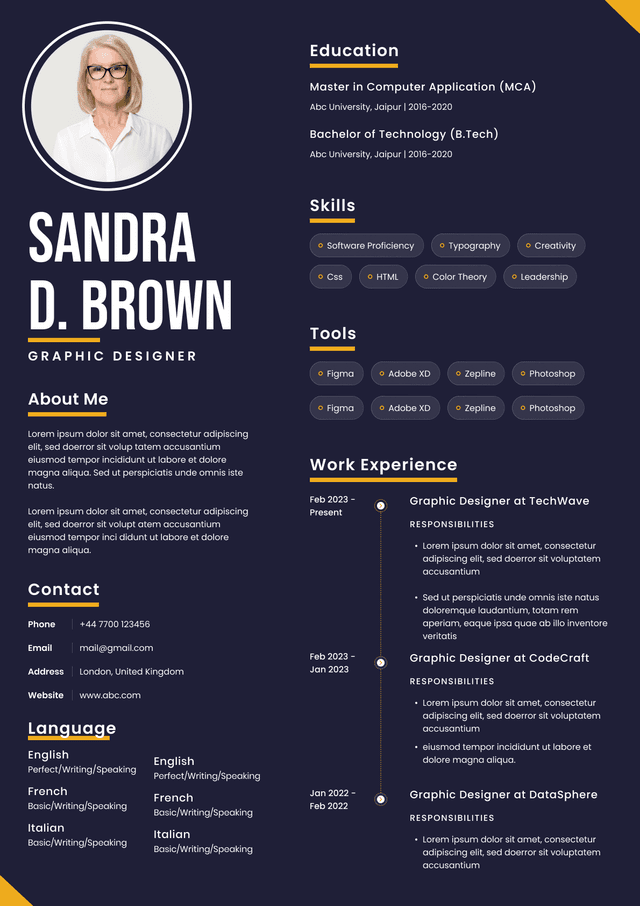
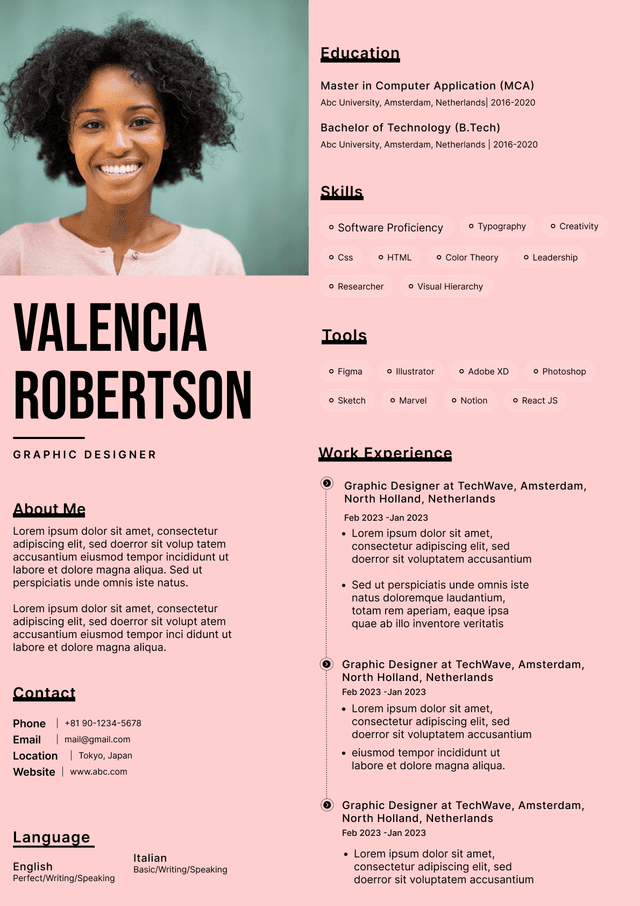
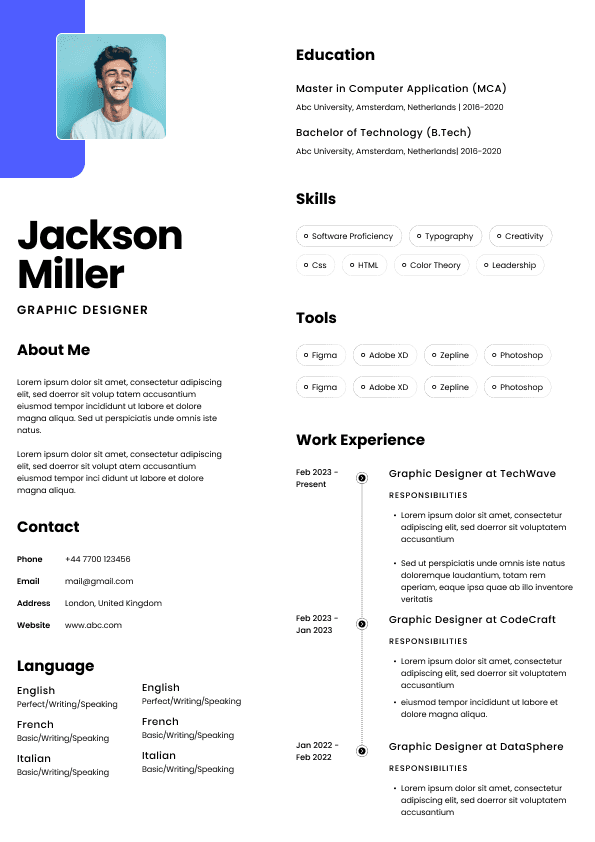
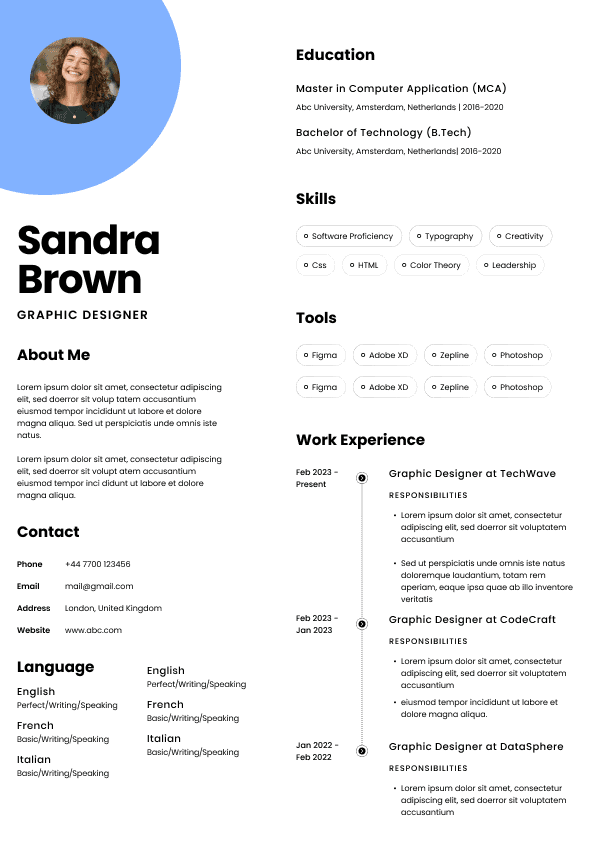
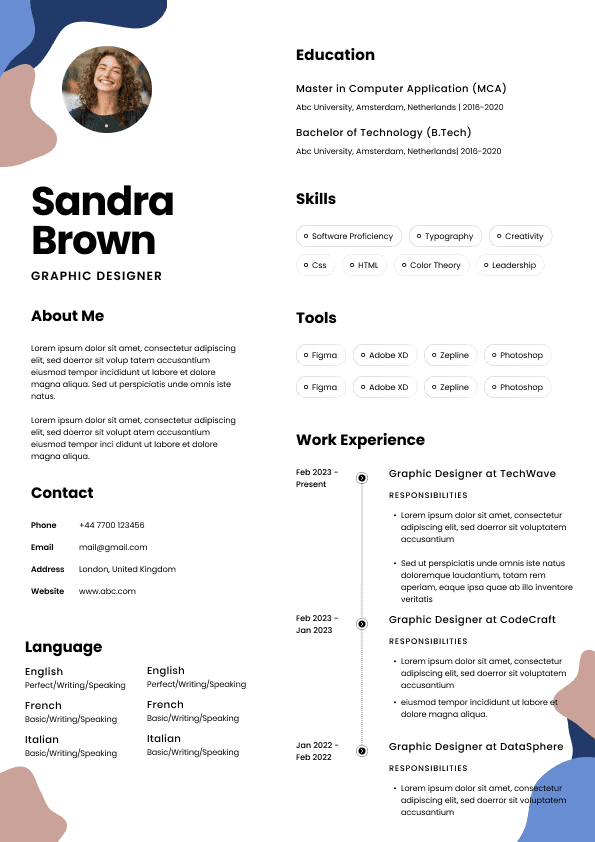
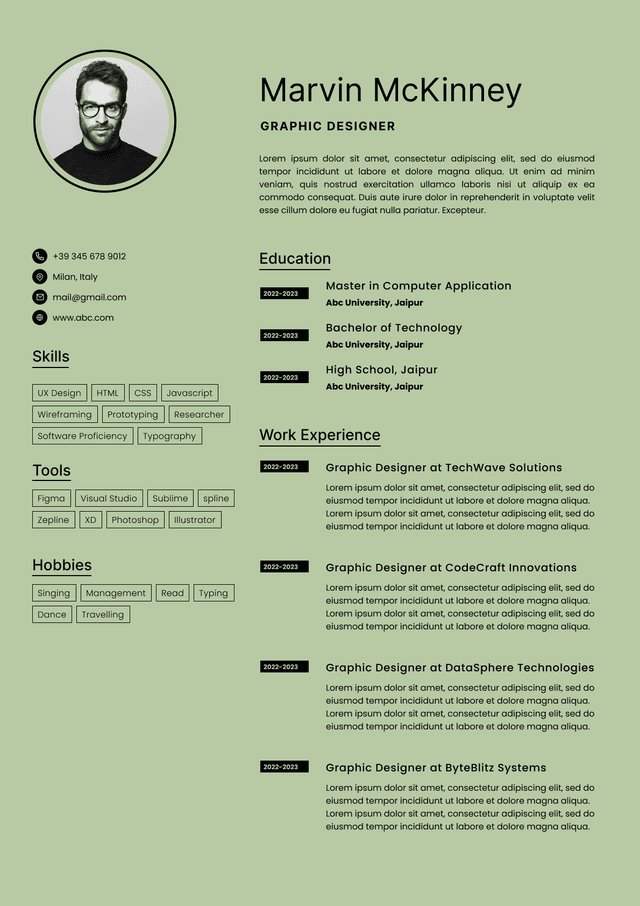
Choose from a wide range of NEWCV resume templates and customize your NEWCV design with a single click.
FAQ

A strong Python developer resume is not just a list of programming languages. In today’s US hiring market, recruiters and hiring managers evaluate Python candidates based on how well their technical stack aligns with real production environments.
That means your resume needs to show more than “Python, Django, AWS.” It must demonstrate technical depth, backend architecture familiarity, deployment awareness, API experience, testing practices, and collaboration in modern engineering teams.
Most rejected Python resumes fail for one of three reasons:
The tech stack is too generic
The tools listed do not match the target role
The candidate lists technologies without proving real usage
A recruiter reviewing Python resumes for backend, API, cloud, AI, or platform engineering roles is looking for evidence that you can contribute to an actual engineering workflow immediately. That includes frameworks, DevOps tools, databases, CI/CD systems, cloud infrastructure, testing frameworks, and modern development practices.
This guide breaks down exactly which technical tools belong on a Python developer resume, how to position them strategically, and what separates strong candidates from keyword-stuffed resumes that never make it to interviews.
Most companies hiring Python developers are not hiring “Python programmers.” They are hiring engineers who can build, deploy, scale, debug, monitor, and maintain systems.
That changes how your resume should present technical skills.
A modern Python developer resume should communicate:
Backend development capability
API design and integration experience
Database proficiency
Deployment and cloud familiarity
Testing discipline
Version control collaboration
Production environment awareness
Scalability and monitoring exposure
Security awareness
Team workflow compatibility
Recruiters scan resumes quickly. Usually 10 to 20 seconds on the first pass.
When they reach the technical skills section, they subconsciously evaluate:
Does this stack match the job posting?
Is this candidate modern or outdated?
Does this look production-level or tutorial-level?
Can this person work inside our existing environment?
Is the candidate backend-focused, data-focused, AI-focused, or full-stack?
The strongest resumes immediately create alignment between the candidate’s stack and the employer’s environment.
The right tools depend heavily on the role you are targeting.
A backend Python engineer and an AI Python engineer should not have identical tech stacks.
That said, several categories appear consistently across high-performing Python resumes.
Recruiters do not hire based on IDE choice alone, but modern development tools still matter because they indicate workflow maturity and productivity.
Strong tools to include:
PyCharm
Visual Studio Code
Vim
Sublime Text
Jupyter Notebook
For backend-heavy roles, PyCharm and VS Code are the most recognized in hiring environments.
For AI, ML, or data-heavy Python positions, Jupyter Notebook often appears alongside development environments.
Instead of listing editors randomly, connect them to workflow experience.
Good Example
Weak Example
The second example adds no hiring value because it lacks context or engineering relevance.
Git proficiency is no longer optional.
Most engineering teams expect developers to understand collaborative version control workflows, including branching, pull requests, code reviews, and CI/CD integration.
Strong version control tools:
Git
GitHub
GitLab
Bitbucket
Recruiters often infer engineering maturity from version control experience.
They want evidence of collaborative development, not just “used Git.”
Strong resume bullets include:
Managed Git branching workflows and pull requests across distributed backend engineering teams
Integrated GitHub Actions into CI/CD pipelines for automated testing and deployment
Collaborated through GitLab merge request workflows in Agile sprint environments
This communicates team engineering experience rather than solo coding projects.
Backend frameworks are one of the most important resume filters for Python roles.
Hiring managers often search resumes directly for framework alignment.
The strongest frameworks today include:
Django
Flask
FastAPI
Tornado
Pyramid
Django remains highly valued for enterprise web applications, SaaS platforms, and monolithic backend systems.
Strong associations:
Authentication systems
ORM experience
Admin dashboards
Enterprise applications
REST APIs
Flask is commonly associated with lightweight services, APIs, startups, and flexible backend architecture.
Strong associations:
RESTful APIs
Microservices
Internal tooling
Lightweight backend services
FastAPI has become extremely valuable in modern backend hiring.
Companies increasingly associate FastAPI with:
High-performance APIs
Async architecture
AI infrastructure
Modern Python engineering
Scalable microservices
FastAPI experience often differentiates senior-level candidates from outdated backend applicants.
A resume that lists only “Python, Flask” appears shallow.
A resume that explains architecture impact stands out.
Good Example
That bullet demonstrates scale, architecture, and production usage.
Many Python developers overlook async tooling on resumes, even though it strongly signals backend engineering sophistication.
Important async and queue technologies:
Celery
RabbitMQ
Redis Queue
asyncio
These tools matter especially for:
Microservices
Background processing
Distributed systems
Real-time applications
High-scale backend platforms
Junior resumes usually focus only on frameworks.
Senior backend resumes include infrastructure-level tools.
Adding async tooling signals production engineering exposure.
Good Example
That sounds significantly stronger than:
Weak Example
Database alignment heavily impacts interview rates.
Most backend Python roles expect SQL database familiarity at minimum.
Strong database technologies include:
PostgreSQL
MySQL
MongoDB
Redis
Elasticsearch
PostgreSQL is widely preferred in modern backend hiring because of:
Reliability
Scalability
Strong relational modeling
JSON support
Enterprise adoption
Redis is increasingly expected in scalable backend environments for:
Caching
Session storage
Queue systems
Performance optimization
Elasticsearch often appears in resumes involving:
Search infrastructure
Analytics systems
Logging pipelines
Large-scale querying
Many resumes fail because candidates simply dump databases into a skills section without demonstrating practical usage.
The hiring manager wants to know:
Did you optimize queries?
Did you design schemas?
Did you work with migrations?
Did you scale data systems?
Did you use indexing or caching?
Modern Python developers are heavily evaluated on API capabilities.
High-value API tools include:
Postman
Swagger/OpenAPI
Insomnia
GraphQL Playground
API-heavy environments dominate backend hiring today.
Recruiters often prioritize candidates who demonstrate:
REST API design
API documentation
Endpoint testing
API debugging
Authentication implementation
Good Example
This demonstrates engineering workflow maturity.
DevOps exposure dramatically increases interview rates for Python engineers.
Even backend developers are increasingly expected to understand deployment and infrastructure workflows.
High-value DevOps tools:
Docker
Kubernetes
Terraform
Jenkins
GitHub Actions
Docker is nearly universal in backend hiring now.
If a backend Python resume lacks Docker entirely, recruiters often assume limited production exposure.
Kubernetes strongly signals:
Distributed systems experience
Cloud-native environments
Scalability awareness
Enterprise engineering maturity
CI/CD tooling demonstrates engineering workflow integration.
Hiring managers value candidates who understand automated testing and deployment pipelines.
Good Example
Cloud familiarity has become a major resume differentiator.
Top cloud platforms:
AWS
Azure
Google Cloud Platform (GCP)
DigitalOcean
Heroku
Render
AWS remains dominant in US backend hiring.
Particularly valuable AWS services include:
EC2
Lambda
ECS
S3
RDS
CloudWatch
Azure experience is especially valuable in enterprise environments and Microsoft-heavy organizations.
GCP often appears in:
Data engineering
AI infrastructure
Machine learning platforms
Analytics-heavy companies
Many candidates list “AWS” without meaningful experience.
Hiring managers look for implementation context.
Good Example
That sounds production-level.
Testing is one of the biggest separators between hobby-level and professional Python developers.
Strong testing tools:
PyTest
Selenium
Locust
unittest
Postman
Hiring managers trust candidates more when they show testing discipline because:
Bugs become expensive at scale
Backend reliability matters
Teams want maintainable systems
Production incidents hurt business operations
PyTest is now the dominant Python testing framework in modern hiring.
Locust adds strong value for backend scalability and performance engineering roles.
Good Example
Monitoring tools increasingly appear on strong backend resumes because companies value operational awareness.
Important tools:
Prometheus
Grafana
Datadog
New Relic
Sentry
CloudWatch
These tools indicate exposure to:
Production monitoring
Incident response
Reliability engineering
Performance debugging
Operational support
Many candidates can build software.
Far fewer can maintain reliable systems in production.
That distinction matters in hiring.
Security tooling can significantly strengthen backend engineering resumes.
Especially for fintech, healthcare, enterprise SaaS, or regulated industries.
High-value security tools:
Bandit
Snyk
OWASP ZAP
SonarQube
Recruiters interpret this as:
Secure development awareness
Code scanning familiarity
Vulnerability management understanding
Enterprise engineering maturity
Even limited exposure can improve candidate credibility.
AI tooling has rapidly become one of the strongest resume differentiators in Python hiring.
Particularly for:
AI engineering
Backend AI infrastructure
LLM application development
Retrieval systems
Automation platforms
High-value AI tools:
LangChain
OpenAI APIs
Hugging Face
MLflow
Vector databases
Most resumes currently list AI buzzwords without demonstrating implementation experience.
That hurts credibility.
Strong resumes explain:
Real use cases
LLM orchestration
Prompt pipelines
Retrieval systems
AI infrastructure deployment
Evaluation workflows
Good Example
That communicates actual engineering capability.
Some Python roles overlap heavily with data engineering.
Important tools include:
Pandas
NumPy
Apache Airflow
Spark
Databricks
Airflow is particularly valuable because it signals workflow orchestration and production data pipeline management.
These tools matter more for:
Large-scale data processing
Data platform engineering
Analytics infrastructure
ML pipeline systems
Do not force data tools onto backend-focused resumes unless they genuinely support your experience.
Keyword stuffing unrelated technologies weakens credibility.
The best Python resumes organize technologies strategically instead of dumping dozens of tools into one paragraph.
A clean structure often looks like this:
Python
Django
FastAPI
Flask
REST APIs
GraphQL
PostgreSQL
MySQL
MongoDB
Redis
Elasticsearch
AWS
Docker
Kubernetes
Terraform
GitHub Actions
PyTest
Selenium
Locust
Prometheus
Grafana
Sentry
LangChain
OpenAI APIs
Pandas
NumPy
Apache Airflow
This structure improves ATS readability while helping recruiters scan quickly.
Recruiters can detect inflated resumes immediately.
If your resume contains 45 technologies but your experience bullets barely reference any of them, credibility drops fast.
Focus on tools you can confidently discuss in interviews.
Some resumes still emphasize:
Python 2
SVN
CGI scripting
Generic scripting tasks
Modern hiring focuses on:
APIs
Cloud
CI/CD
Containers
Async systems
AI tooling
Scalability
Many backend resumes fail because they only show coding experience.
Modern backend hiring increasingly values:
Deployment awareness
Monitoring familiarity
Containerization
Cloud infrastructure
Reliability practices
ATS optimization matters.
But blindly listing technologies without implementation context hurts both recruiters and hiring managers.
Strong resumes balance:
Technical breadth
Real-world usage
Production context
Measurable impact
Most recruiters are not deeply technical engineers.
But experienced tech recruiters absolutely recognize stack quality patterns.
They look for alignment between:
The job description
The seniority level
The architecture complexity
The engineering environment
For example:
A senior backend engineer resume that lacks Docker, cloud infrastructure, CI/CD, testing frameworks, and scalable databases immediately raises concerns.
Meanwhile, a junior resume overloaded with Kubernetes, Terraform, Kafka, Spark, LangChain, and distributed systems tools may appear exaggerated if the experience bullets do not support them.
The best resumes create believable technical narratives.
Everything in the stack should match the actual engineering story of the candidate.
The strongest candidates customize their stack based on role type.
Prioritize:
FastAPI
Django
PostgreSQL
Redis
Docker
AWS
PyTest
Prioritize:
LangChain
OpenAI APIs
Hugging Face
Vector databases
FastAPI
MLflow
Prioritize:
Pandas
Spark
Airflow
Databricks
PostgreSQL
GCP
Prioritize:
Django
Kubernetes
Terraform
Jenkins
PostgreSQL
Monitoring tools
Alignment matters more than volume.
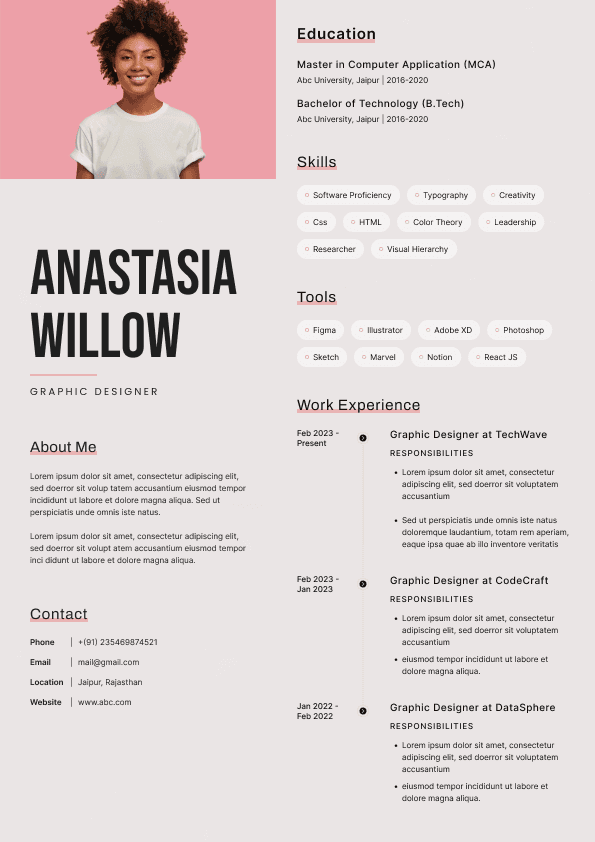
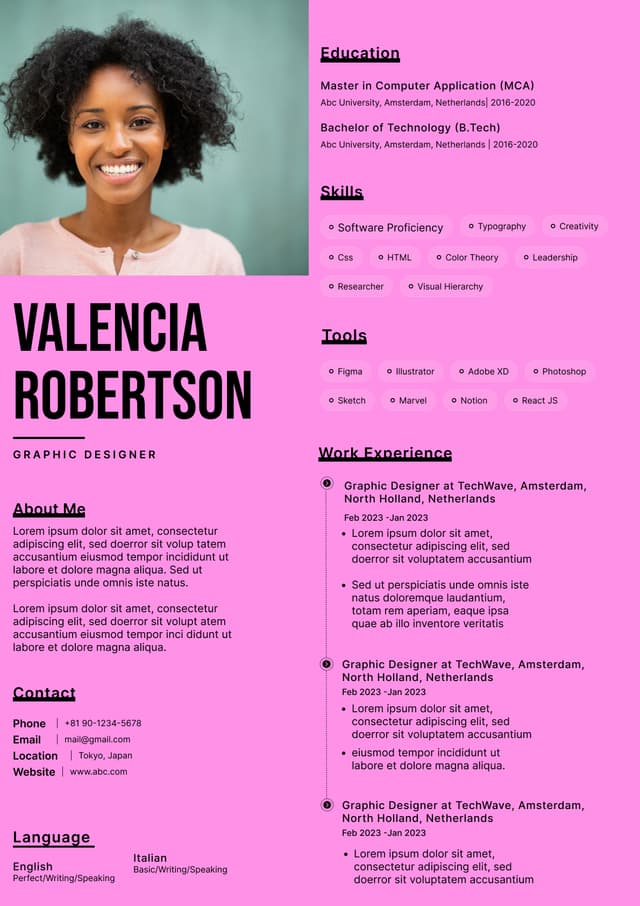
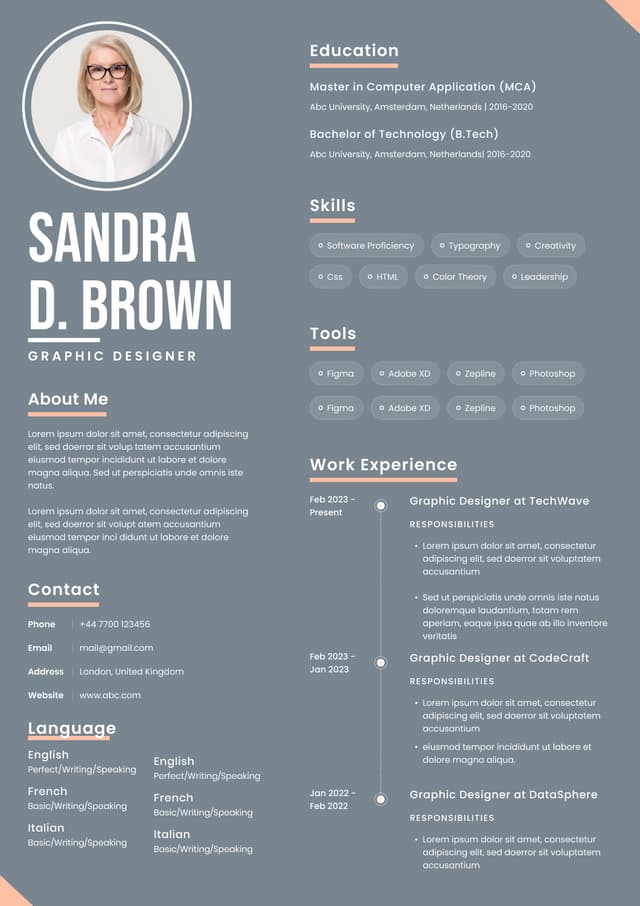
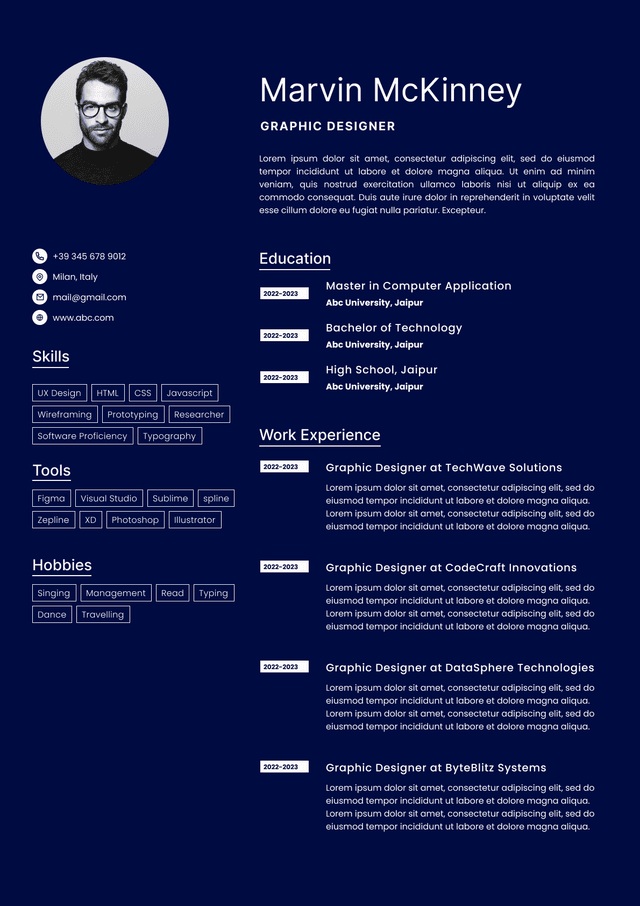
Use ATS-optimised Resume and resume templates that pass applicant tracking systems. Our Resume builder helps recruiters read, scan, and shortlist your Resume faster.

Use professional field-tested resume templates that follow the exact Resume rules employers look for.
Create Resume
Use professional field-tested resume templates that follow the exact Resume rules employers look for.
Create Resume


 Upload Resume
 Import from Linkedin