STILL APPLYING. STILL HEARING NOTHING?BUILD YOUR RESUME

STILL APPLYING. STILL HEARING NOTHING?BUILD YOUR RESUME
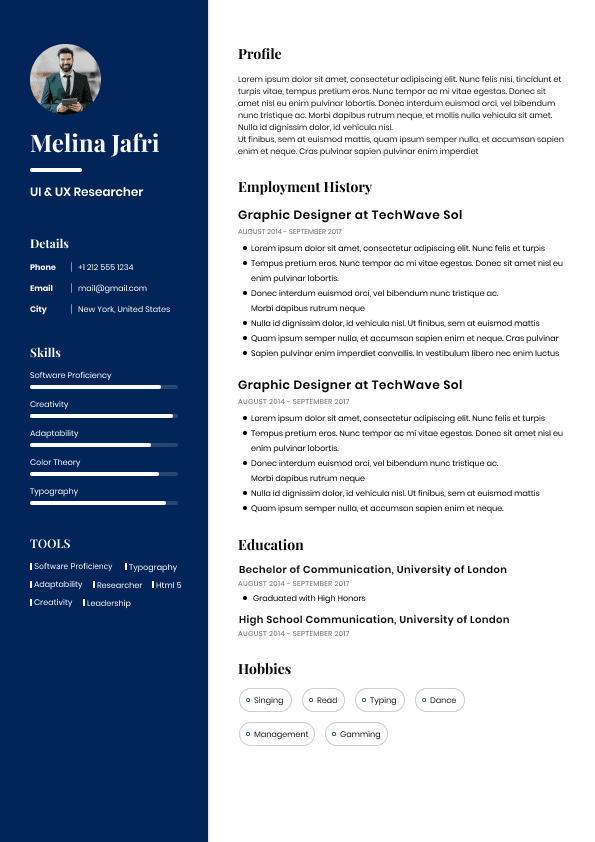
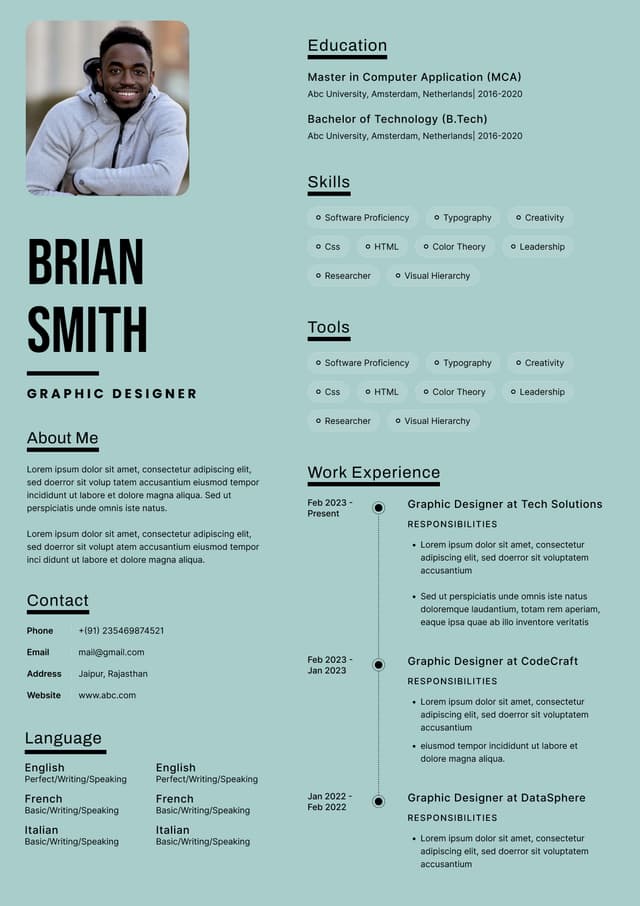
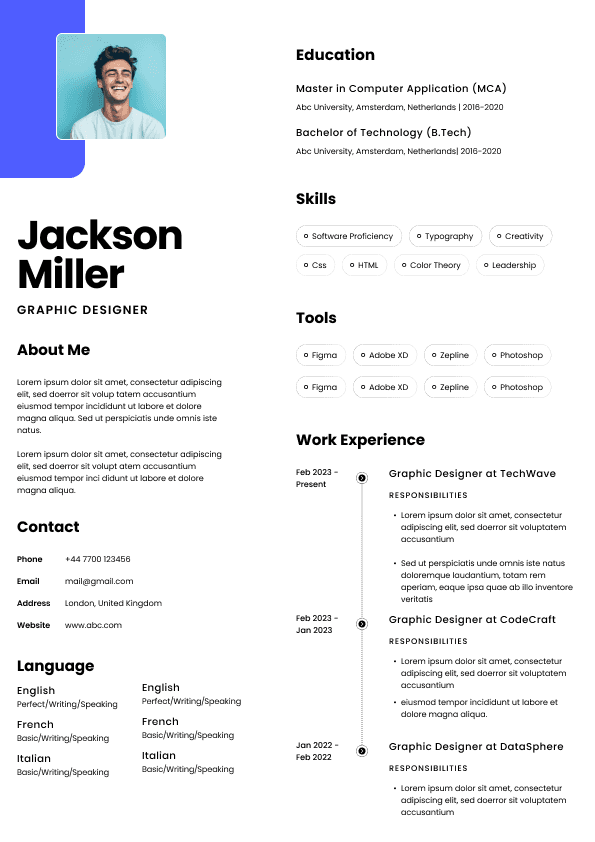
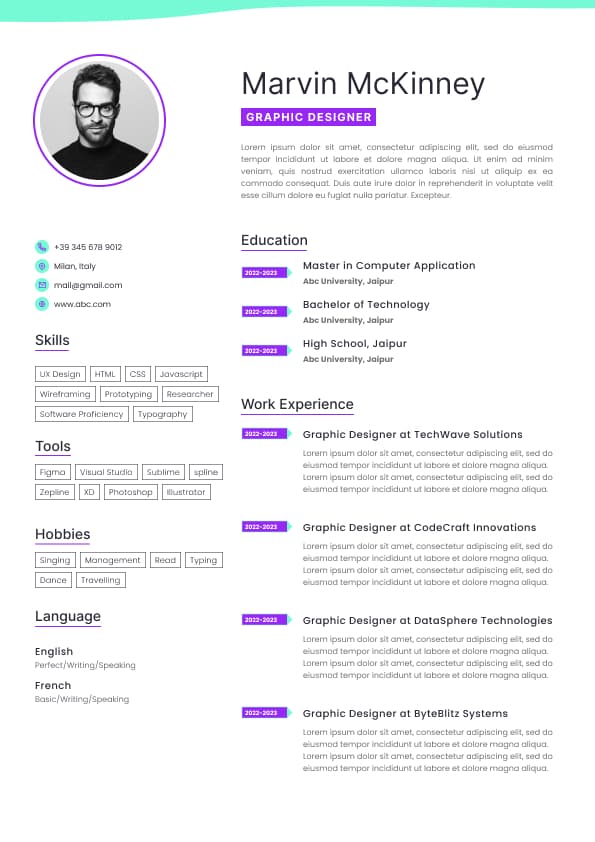
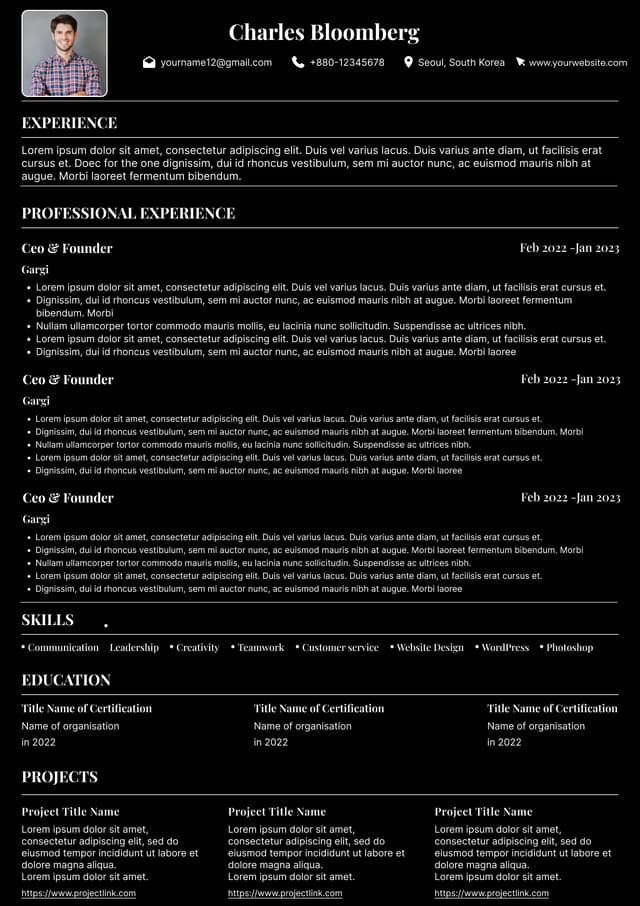
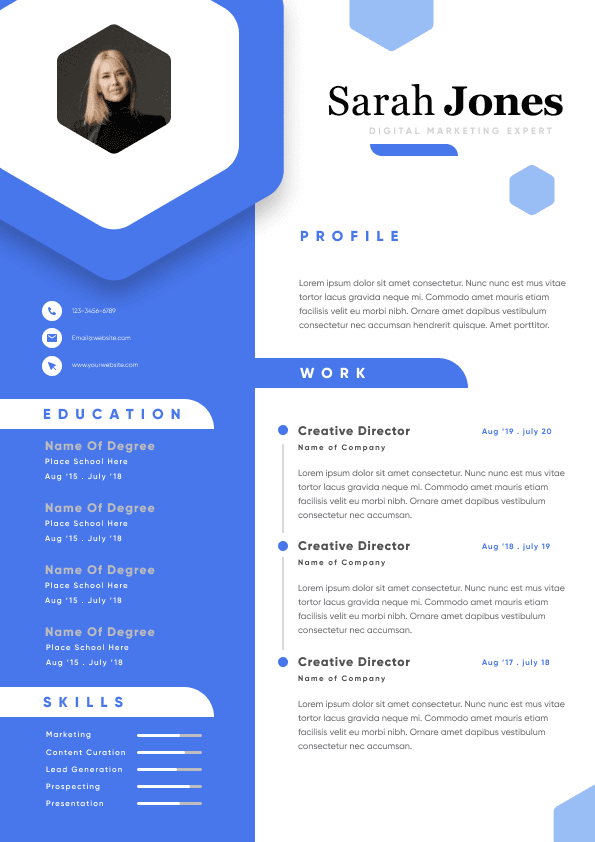
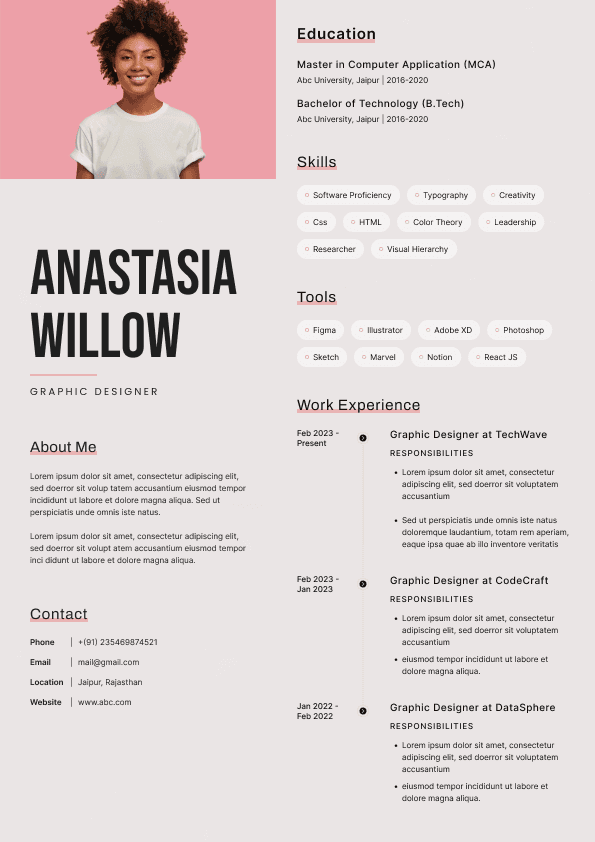
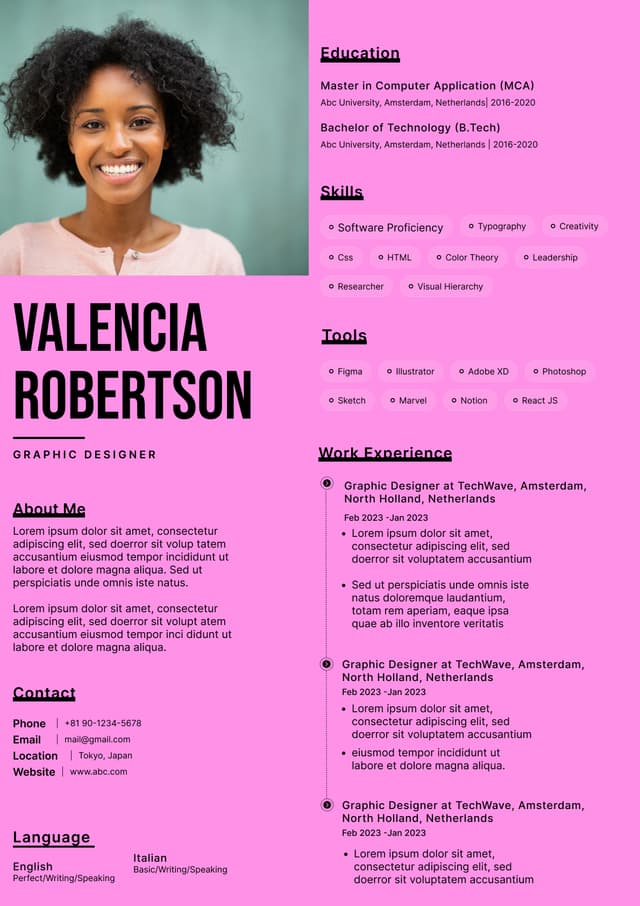
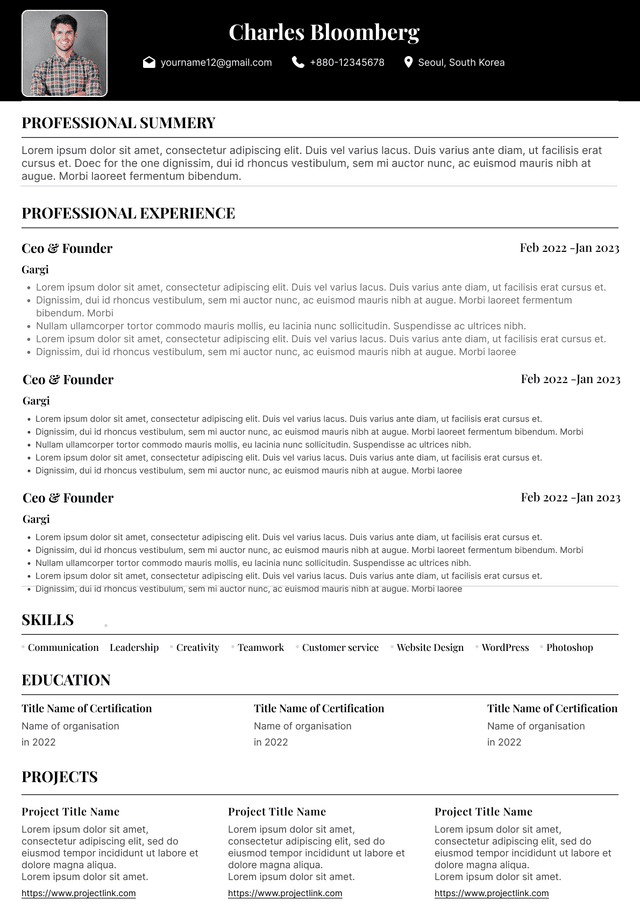
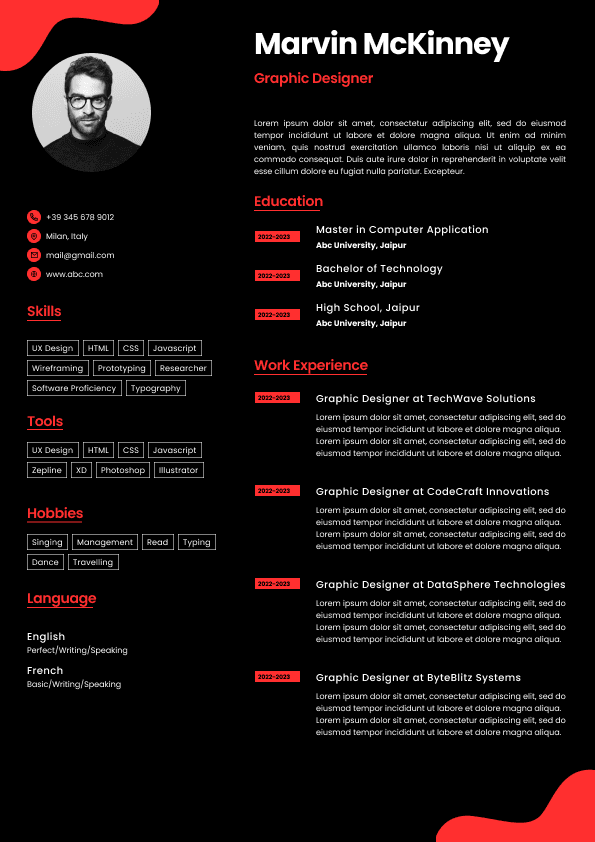
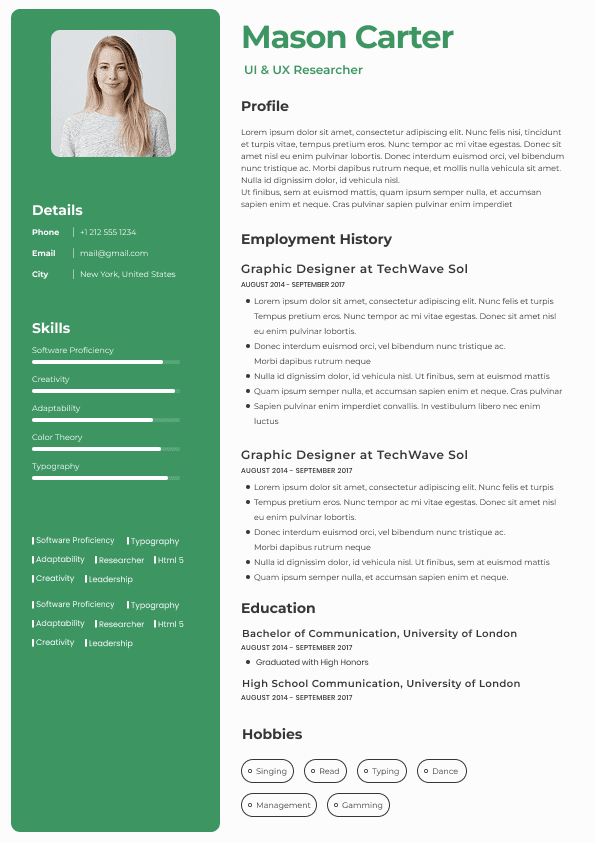
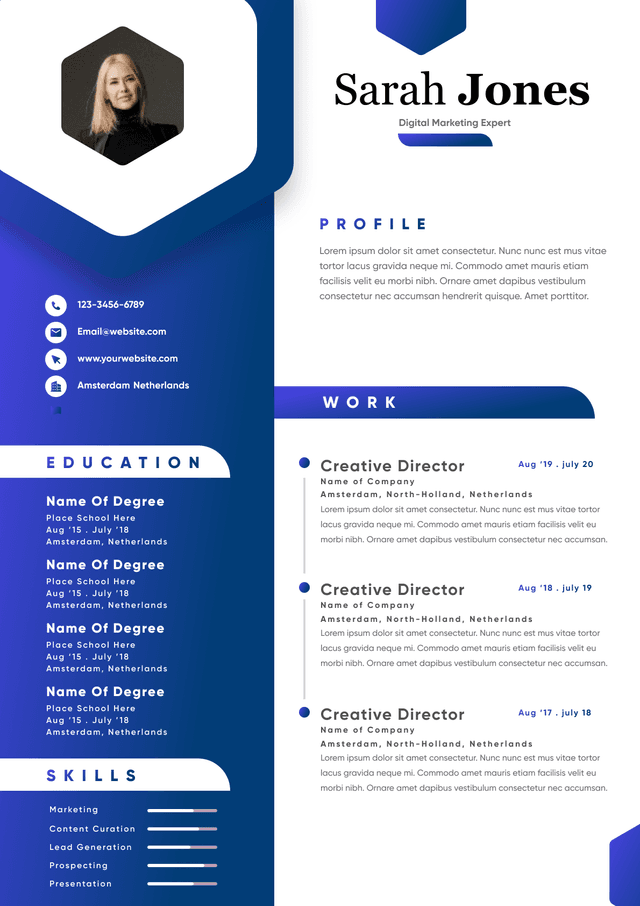
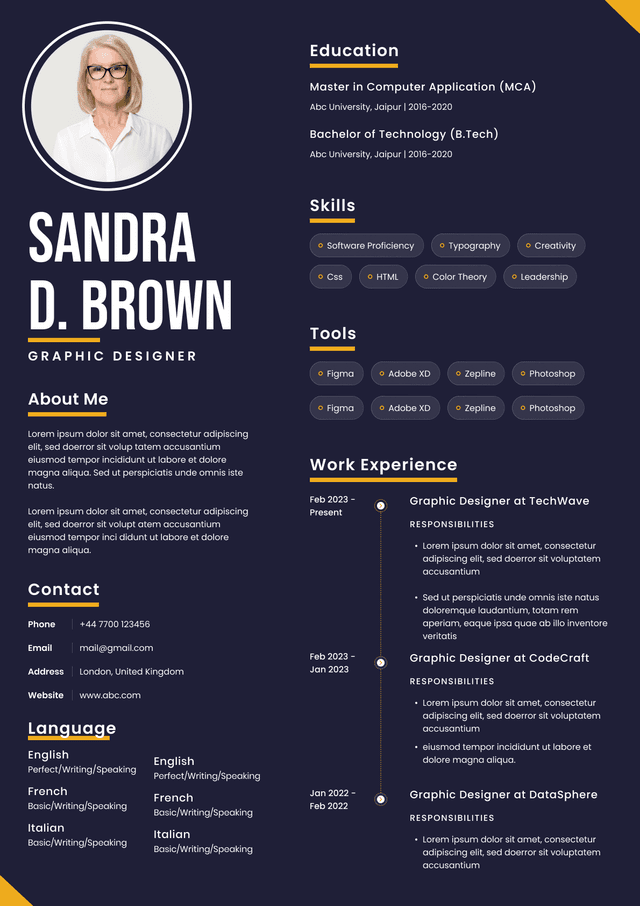
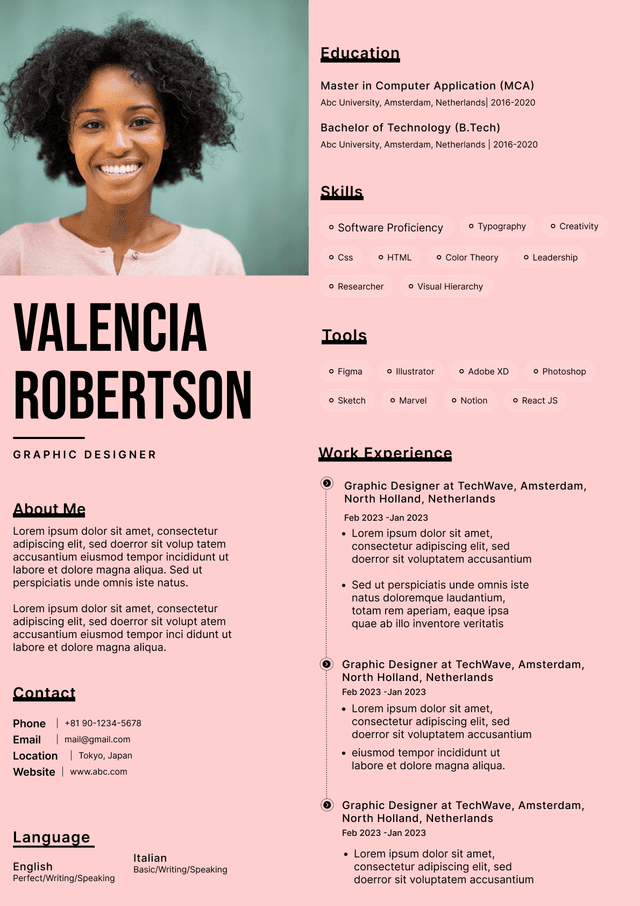
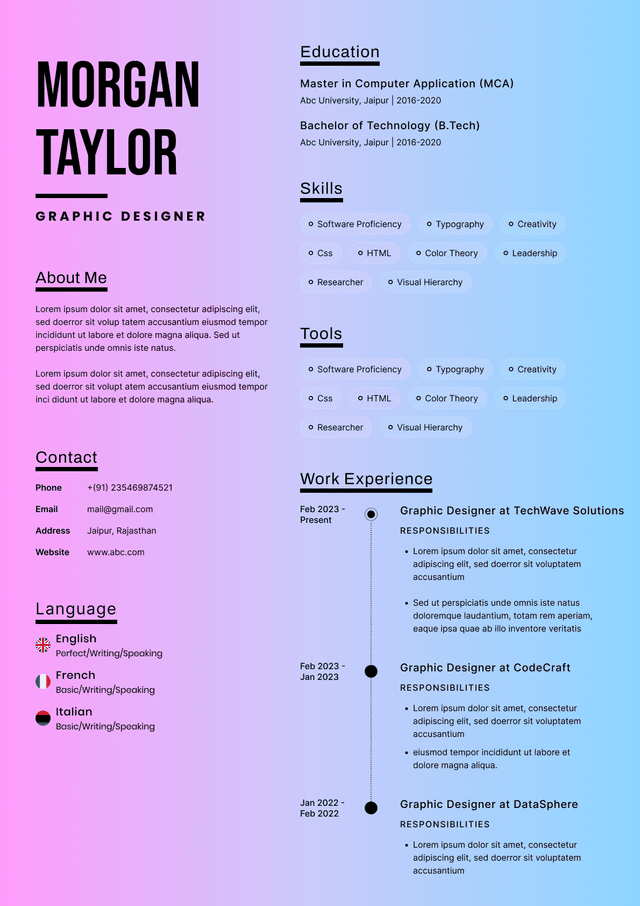
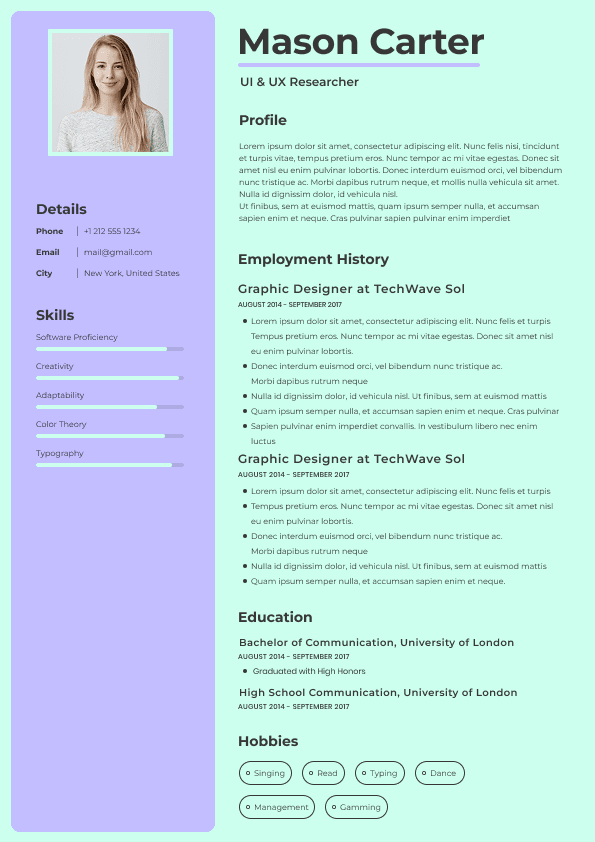
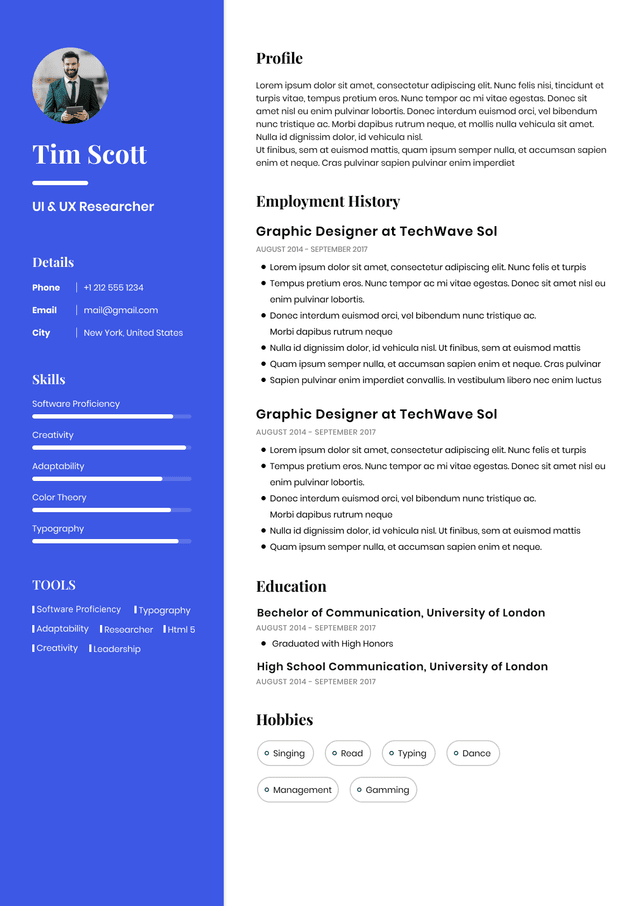
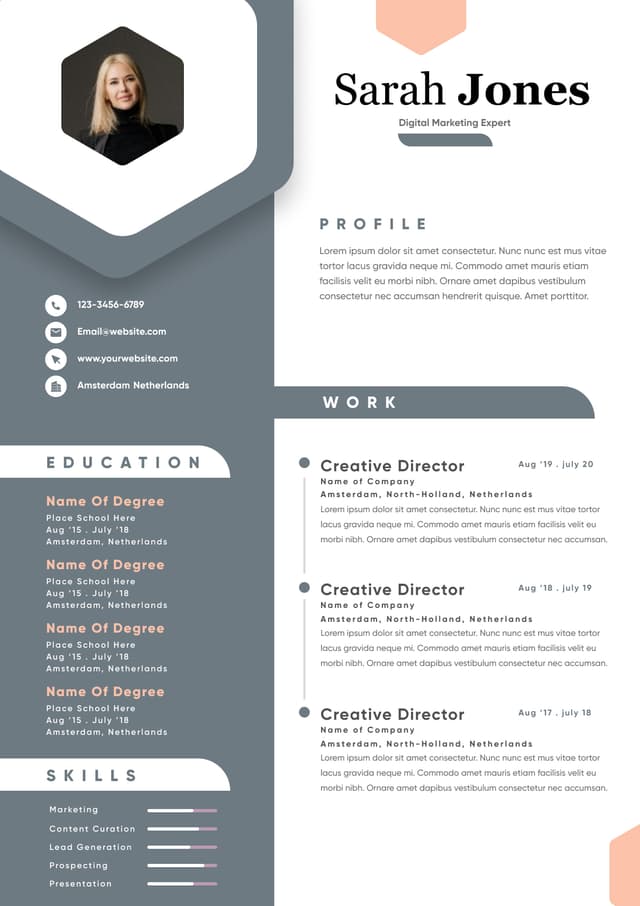
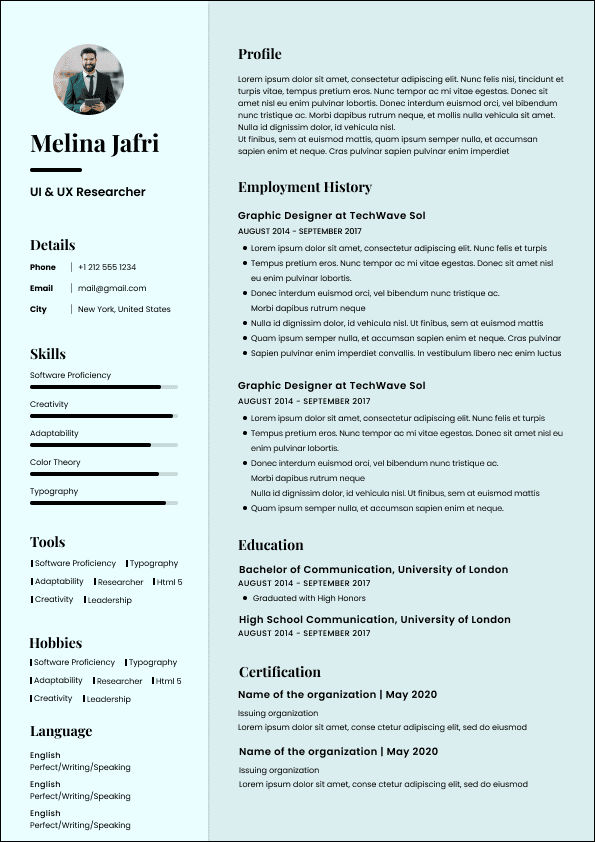
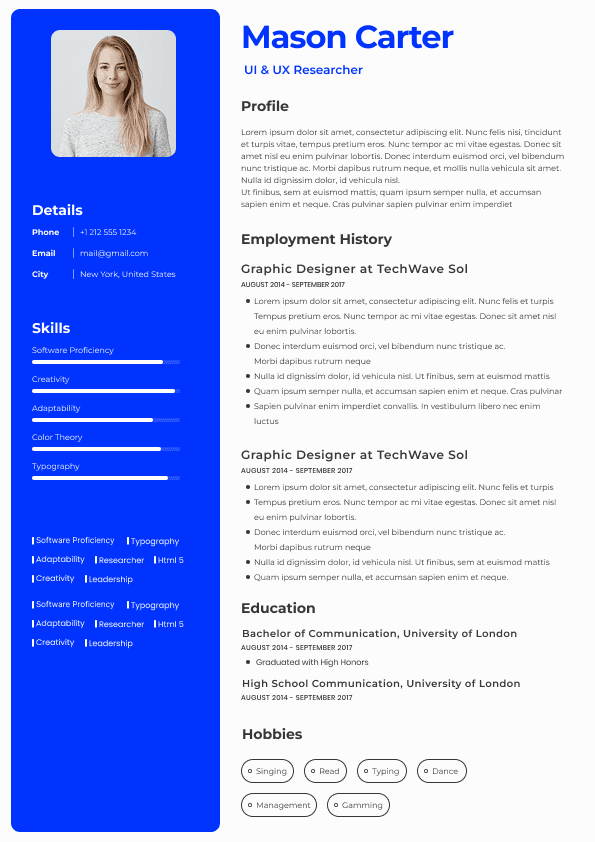
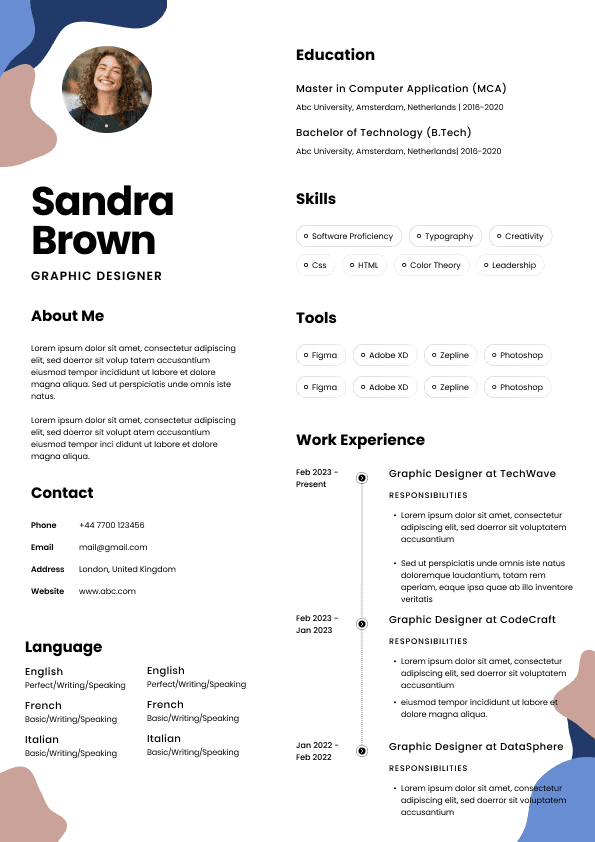
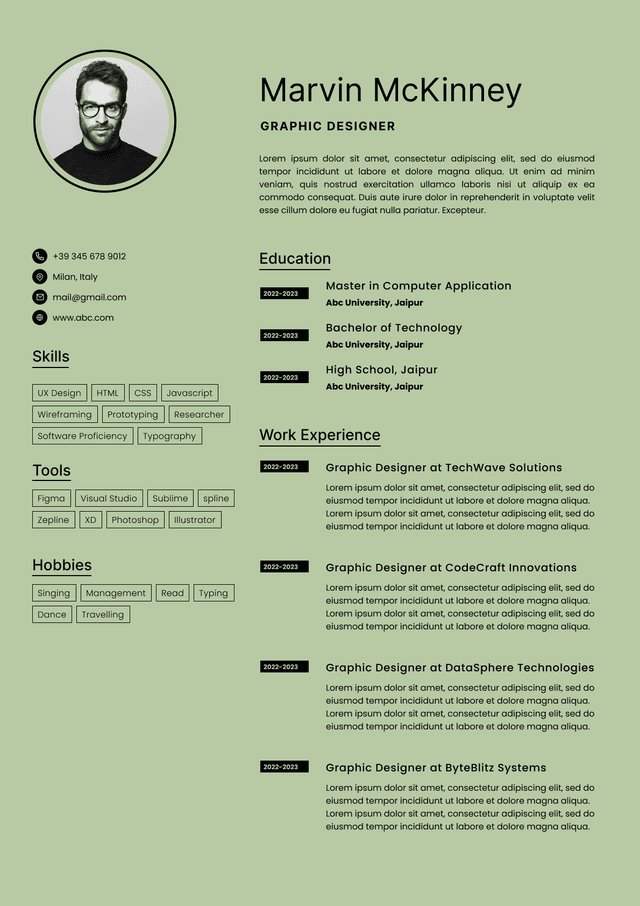
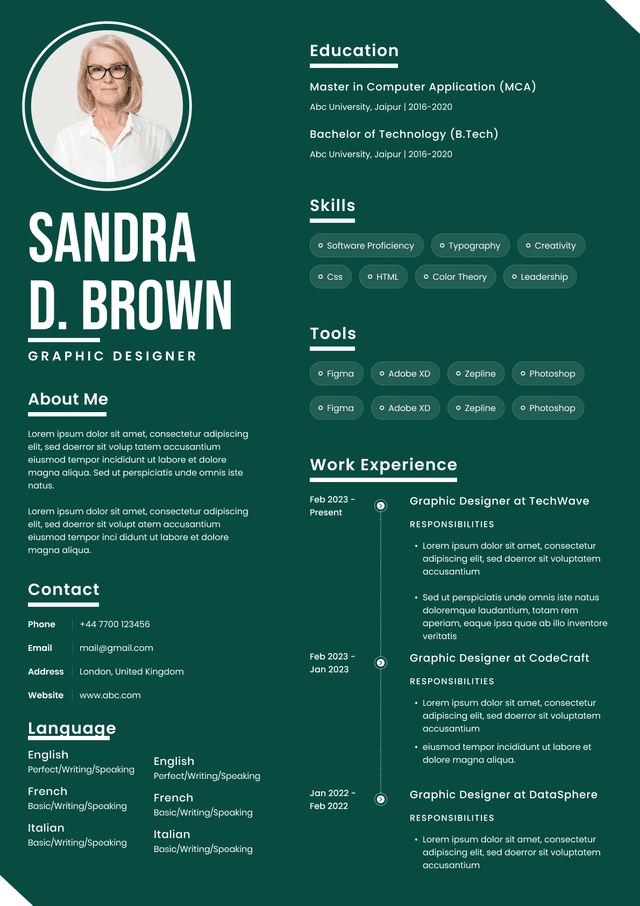
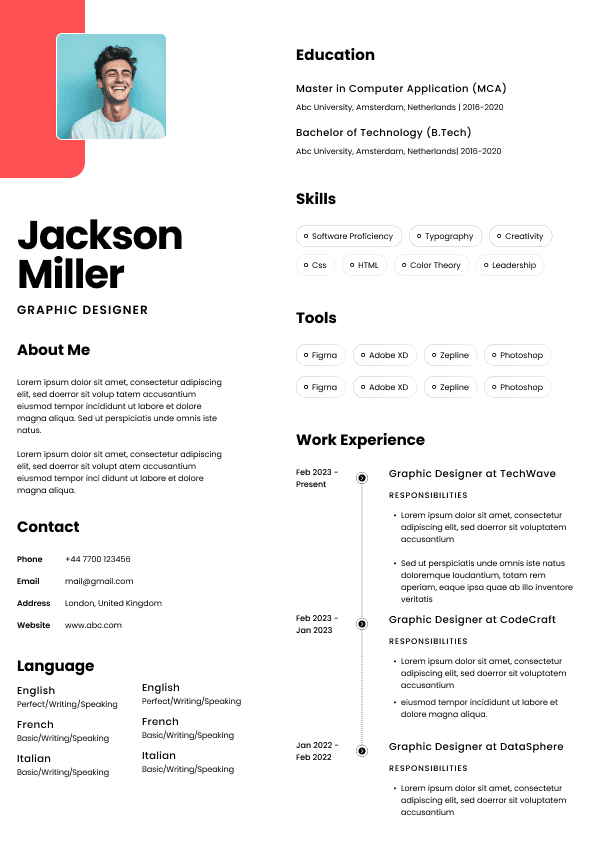
Choose from a wide range of NEWCV resume templates and customize your NEWCV design with a single click.
FAQ


A strong TypeScript Developer resume summary immediately tells recruiters three things: your technical specialization, your level of experience, and the business impact of your work. Most TypeScript developer resumes fail because the summary is too generic, overloaded with buzzwords, or disconnected from actual hiring priorities.
Hiring managers are not looking for someone who simply “knows TypeScript.” They want developers who can build reliable production systems, reduce frontend bugs, improve application performance, work across APIs, and contribute to scalable engineering workflows.
The best TypeScript Developer resume summaries are concise, technically specific, and aligned with the exact role being targeted, whether that is frontend, backend, full stack, or senior engineering positions. Your summary should position you for the interview within the first few seconds of resume screening.
This guide includes recruiter-approved TypeScript Developer resume summary examples, resume profile examples, career objectives, and strategic writing tips that reflect how modern engineering hiring actually works.
Recruiters typically spend less than 10 seconds scanning the top section of a developer resume during the initial screening stage. Your summary is not a place for generic personality traits. It is a positioning tool.
A strong TypeScript Developer summary quickly communicates:
Years of experience
Core technical stack
Engineering specialization
Product or platform scale
Business or technical impact
Seniority level
Modern development practices
The summaries that perform best usually include:
TypeScript plus complementary technologies like React, Next.js, Node.js, NestJS, GraphQL, PostgreSQL, AWS, or Docker
Evidence of production-level development
Scalability or performance impact
Collaboration within Agile engineering teams
Type-safe development expertise
API development or frontend architecture experience
Weak summaries tend to fail because they:
Sound copied from generic templates
List technologies without context
Use vague phrases like “hardworking developer”
Do not match the target role
Lack measurable engineering value
Focus on responsibilities instead of outcomes
Results-driven TypeScript Developer with 5+ years of experience building scalable web applications, APIs, and cloud-based systems using TypeScript, React, Node.js, PostgreSQL, Docker, and AWS. Skilled in frontend architecture, backend integration, API development, automated testing, and CI/CD workflows. Proven ability to improve application performance, reduce runtime issues, and deliver production-ready software in Agile environments.
TypeScript Developer with experience building modern web applications using React, Node.js, REST APIs, and cloud technologies. Strong background in scalable frontend development, debugging, testing, and performance optimization.
TypeScript Developer experienced in developing responsive web applications, integrating APIs, and supporting scalable frontend and backend systems using TypeScript and JavaScript technologies.
Professional TypeScript Developer with expertise in building type-safe applications, scalable APIs, and modern frontend interfaces using React, Next.js, Node.js, GraphQL, and cloud-based infrastructure. Strong experience collaborating with cross-functional engineering teams to deliver reliable, high-performance applications.
Many recruiters use “resume profile,” “professional summary,” and “resume summary” interchangeably. The goal is still the same: quickly position the candidate.
TypeScript Developer with strong experience designing scalable frontend and backend systems using React, Node.js, TypeScript, PostgreSQL, and AWS. Skilled in API integration, component architecture, testing automation, and Agile software delivery.
Full Stack TypeScript Developer specializing in SaaS application development, typed API contracts, cloud deployment, and frontend performance optimization. Experienced with Next.js, NestJS, GraphQL, Docker, CI/CD pipelines, and distributed engineering collaboration.
Product-oriented TypeScript Developer experienced building customer-facing applications with React, TypeScript, and modern API ecosystems. Strong background improving usability, frontend performance, application stability, and feature delivery speed.
Frontend TypeScript hiring has become significantly more competitive because companies increasingly expect developers to understand performance optimization, state management, component architecture, and production-scale UI systems.
The strongest frontend summaries show business impact, not just UI development.
Frontend TypeScript Developer with 4+ years of experience building responsive, scalable web applications using TypeScript, React, Next.js, Redux, and Tailwind CSS. Skilled in component architecture, frontend performance optimization, accessibility standards, and API integration. Proven success reducing page load times and improving user experience across production environments.
React and TypeScript Developer experienced developing reusable component libraries, responsive interfaces, and scalable frontend systems for SaaS applications. Strong expertise in React hooks, state management, testing frameworks, and frontend debugging.
Senior Frontend TypeScript Developer with experience leading frontend architecture initiatives, improving application scalability, and mentoring engineering teams. Skilled in React ecosystems, micro-frontend architecture, design systems, and performance optimization for enterprise applications.
Backend TypeScript resumes often fail because candidates describe themselves as “Node.js developers” without demonstrating architecture, scalability, or API design capability.
Hiring managers want evidence that you can build stable backend systems in production.
Backend TypeScript Developer experienced building scalable APIs, microservices, and cloud-based backend systems using Node.js, NestJS, PostgreSQL, Redis, Docker, and AWS. Strong background in API security, database optimization, asynchronous processing, and backend testing workflows.
Node.js and TypeScript Developer with expertise in REST API development, authentication systems, server-side architecture, and database integration. Experienced with scalable backend infrastructure, CI/CD deployment pipelines, and distributed application environments.
TypeScript Backend Developer skilled in designing typed API contracts, integrating third-party services, and building reliable backend services for high-traffic applications. Strong understanding of scalability, observability, logging, and production debugging.
Full stack hiring managers usually look for balance. One major mistake candidates make is presenting themselves as deeply skilled in everything.
Strong full stack summaries show practical coverage across frontend, backend, databases, and deployment without sounding unrealistic.
Full Stack TypeScript Developer experienced building end-to-end SaaS applications using React, Next.js, Node.js, NestJS, PostgreSQL, GraphQL, Docker, and AWS. Skilled in frontend architecture, backend API design, database modeling, automated testing, and CI/CD workflows.
Full Stack TypeScript Engineer with experience developing scalable SaaS platforms, customer-facing dashboards, and backend systems using TypeScript-based technology stacks. Strong expertise in API integration, cloud deployment, frontend optimization, and Agile product delivery.
TypeScript Full Stack Developer experienced working in fast-paced startup environments, delivering production-ready features across frontend, backend, and cloud infrastructure. Proven ability to handle rapid iteration, debugging, and cross-functional collaboration.
Senior engineering resumes are evaluated very differently from junior or mid-level resumes.
Recruiters and engineering leaders expect senior summaries to demonstrate:
Technical leadership
Architecture ownership
Scalability experience
Mentorship
Cross-team collaboration
Business impact
System reliability
Senior TypeScript Developer with 8+ years of experience leading frontend architecture, full stack application design, typed API contracts, component libraries, code reviews, mentoring, and high-scale product delivery. Proven record improving application reliability, reducing runtime errors, optimizing performance, and accelerating engineering delivery.
Senior Full Stack TypeScript Engineer experienced leading engineering initiatives across frontend systems, backend services, and cloud infrastructure. Skilled in architecture planning, technical decision-making, developer mentoring, and scaling modern web platforms.
Senior TypeScript Developer with extensive experience building enterprise-scale applications using React, Node.js, AWS, Kubernetes, GraphQL, and distributed systems architecture. Strong track record improving engineering efficiency, deployment reliability, and system scalability.
Entry-level developers should usually use a resume objective instead of a summary if they do not yet have substantial professional experience.
The biggest mistake entry-level candidates make is writing vague objectives that focus on what they want instead of the value they bring.
Motivated entry-level TypeScript Developer seeking to apply strong JavaScript fundamentals, TypeScript project experience, debugging ability, and knowledge of React, Node.js, SQL, Git, REST APIs, and cloud basics to build reliable, user-focused web applications.
Junior Frontend TypeScript Developer seeking an opportunity to contribute to modern web application development using React, TypeScript, HTML, CSS, and API integration skills developed through academic and personal projects.
Entry-level Full Stack TypeScript Developer with hands-on experience building personal and academic projects using React, Node.js, Express, PostgreSQL, and TypeScript. Eager to contribute to scalable software development in a collaborative engineering environment.
Software Developer transitioning into TypeScript-focused web development with strong foundations in JavaScript, frontend frameworks, API integration, and database development. Seeking an opportunity to contribute to scalable web applications while continuing to grow in modern full stack engineering.
Career objectives work best for:
Entry-level candidates
Career changers
Recent graduates
Developers changing specializations
Candidates re-entering the workforce
Results-oriented developer seeking a TypeScript Developer role where strong frontend and backend development skills can contribute to scalable web application delivery, API integration, and high-quality software engineering practices.
Seeking a Frontend TypeScript Developer position to apply expertise in React, responsive UI development, performance optimization, and modern frontend engineering practices.
Seeking a Backend TypeScript Developer opportunity focused on scalable API development, cloud infrastructure, and modern Node.js application architecture.
The first line should immediately identify your role and specialization.
Strong positioning examples:
Frontend TypeScript Developer
Full Stack TypeScript Engineer
Senior TypeScript Developer
Backend TypeScript Developer
React and TypeScript Developer
Avoid vague labels like:
Software professional
Tech enthusiast
Passionate programmer
Experienced developer
Those phrases waste valuable resume space.
Hiring managers scan summaries for stack alignment very quickly.
For TypeScript roles, common technologies include:
React
Next.js
Node.js
NestJS
GraphQL
PostgreSQL
MongoDB
Docker
AWS
Kubernetes
The strongest summaries integrate technologies naturally instead of keyword stuffing.
Strong summaries explain outcomes.
Examples:
Reduced frontend runtime errors
Improved application performance
Accelerated deployment cycles
Built scalable SaaS platforms
Improved API reliability
Reduced page load times
This matters because recruiters increasingly evaluate engineers based on measurable business contribution, not just coding ability.
Engineering leaders are usually evaluating three questions during resume screening:
Candidates with summaries focused on real production technologies usually perform better than candidates listing only academic knowledge.
Recruiters often use keyword alignment during initial screening.
If the job description emphasizes:
React
Next.js
Node.js
GraphQL
AWS
Then those technologies should appear naturally in your summary if you genuinely have experience with them.
Modern TypeScript hiring increasingly values:
Type safety
Automated testing
CI/CD
Cloud deployment
Scalable architecture
API design
Collaboration workflows
Summaries that reflect these areas generally outperform generic developer summaries.
Weak Example
“Hardworking TypeScript Developer with strong communication skills seeking growth opportunities.”
This says almost nothing about technical capability.
Good Example
“TypeScript Developer with experience building scalable React and Node.js applications, integrating APIs, and improving frontend performance across production environments.”
Overloaded summaries can make candidates look unfocused or dishonest.
Recruiters are skeptical when they see unrealistic technology lists.
Focus on technologies you can confidently discuss in interviews.
Phrases like:
Team player
Self-starter
Go-getter
Results-oriented professional
add little value unless backed by actual engineering outcomes.
A resume summary is not a biography.
Most effective TypeScript summaries stay between 3 and 5 lines.
A summary is best for:
Mid-level developers
Senior developers
Candidates with production experience
Specialized engineers
An objective is best for:
Entry-level developers
Bootcamp graduates
Career changers
Internship applicants
Using the wrong format can weaken positioning immediately.
For example, experienced developers using entry-level objectives often appear less qualified.
Frontend-focused role?
Lead with:
React
Next.js
UI architecture
Performance optimization
Backend-focused role?
Lead with:
Node.js
APIs
Databases
Cloud systems
Full stack role?
Show balanced technical coverage.
Many engineering teams hire for very specific environments.
Examples:
Startup environments
Enterprise scalability
SaaS platforms
Cloud-native systems
Product-focused engineering
Your summary should align naturally with those priorities.
One major recruiter red flag is inflated seniority positioning.
Do not claim:
Architecture leadership
Large-scale ownership
Mentoring experience
unless you can support it during interviews.
Technical hiring managers verify these claims quickly.
Strong semantic keyword coverage can improve ATS visibility and recruiter alignment.
Relevant keywords include:
TypeScript
React
Next.js
Node.js
NestJS
Full Stack Development
Frontend Development
Backend Development
REST APIs
GraphQL
PostgreSQL
AWS
Docker
CI/CD
Microservices
Scalable Applications
SaaS Platforms
Cloud Infrastructure
Automated Testing
Agile Development
Use them naturally. Forced repetition weakens readability and credibility.
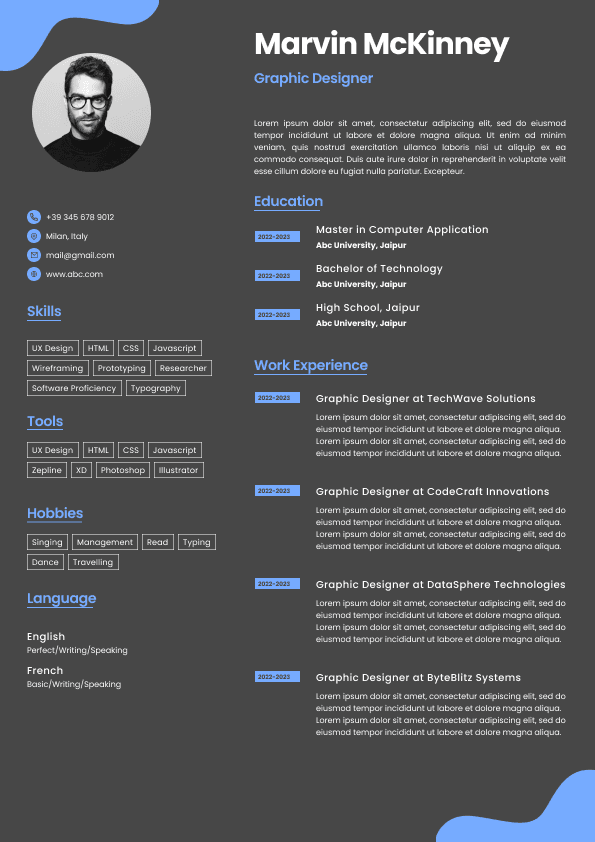
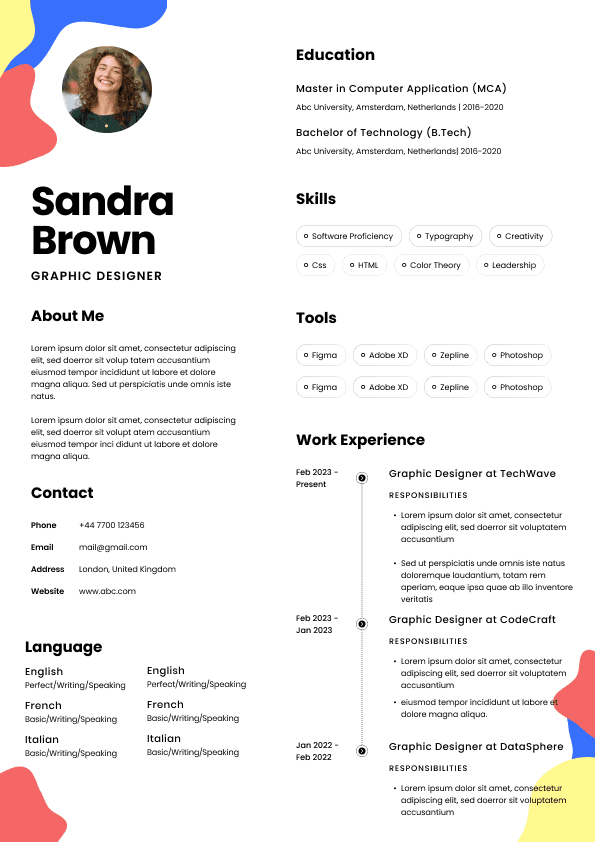
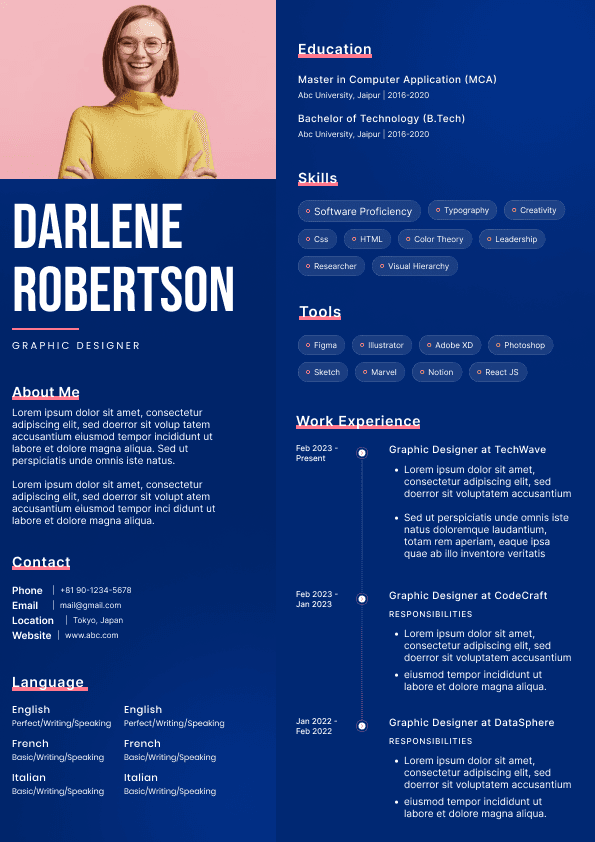
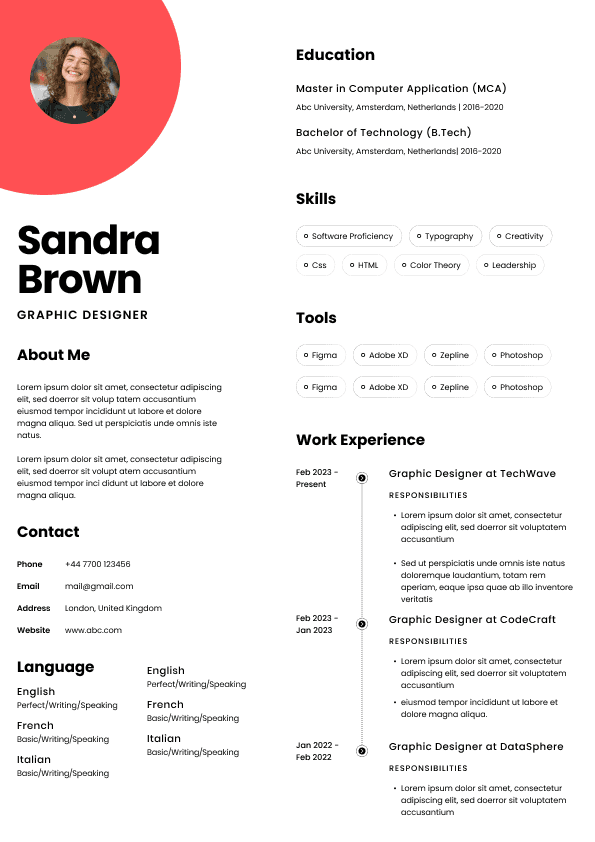
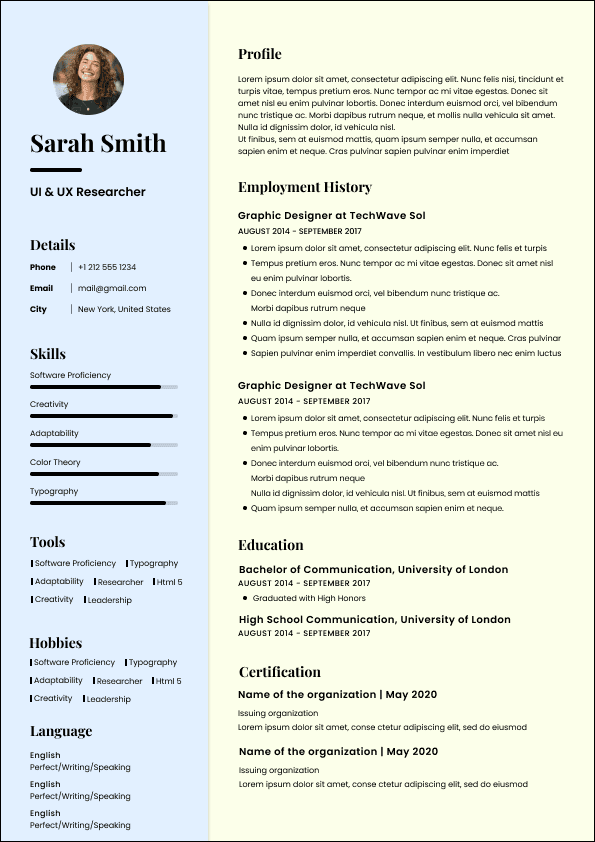
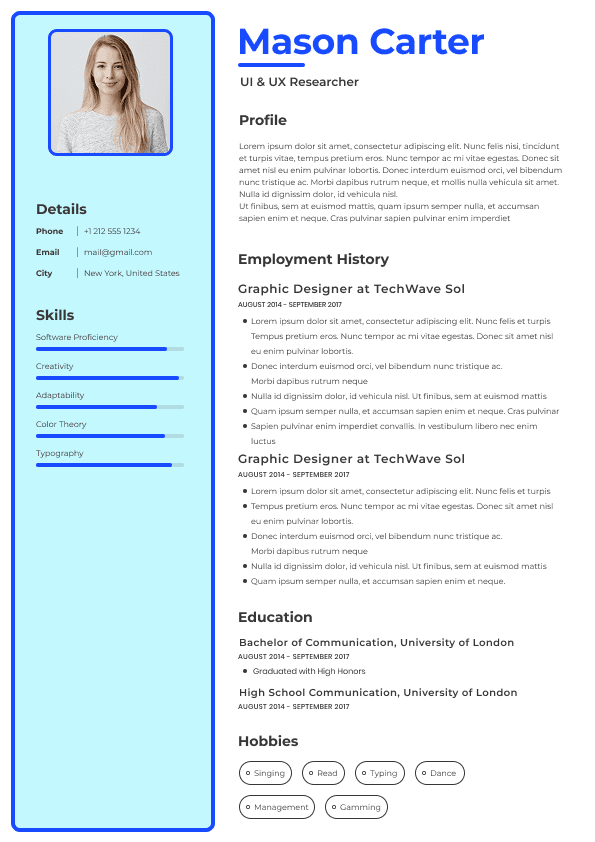
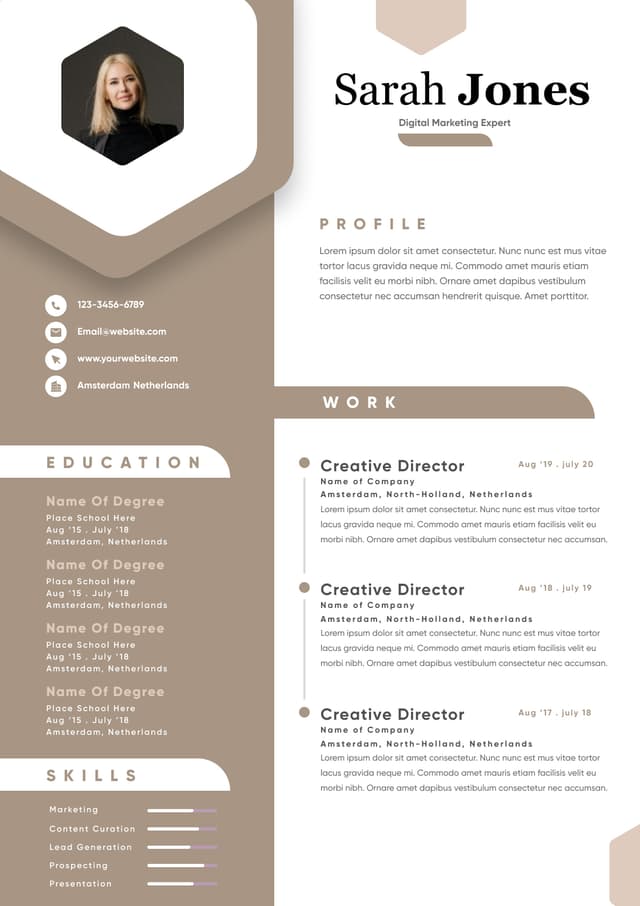
Use ATS-optimised Resume and resume templates that pass applicant tracking systems. Our Resume builder helps recruiters read, scan, and shortlist your Resume faster.


Use professional field-tested resume templates that follow the exact Resume rules employers look for.
Create Resume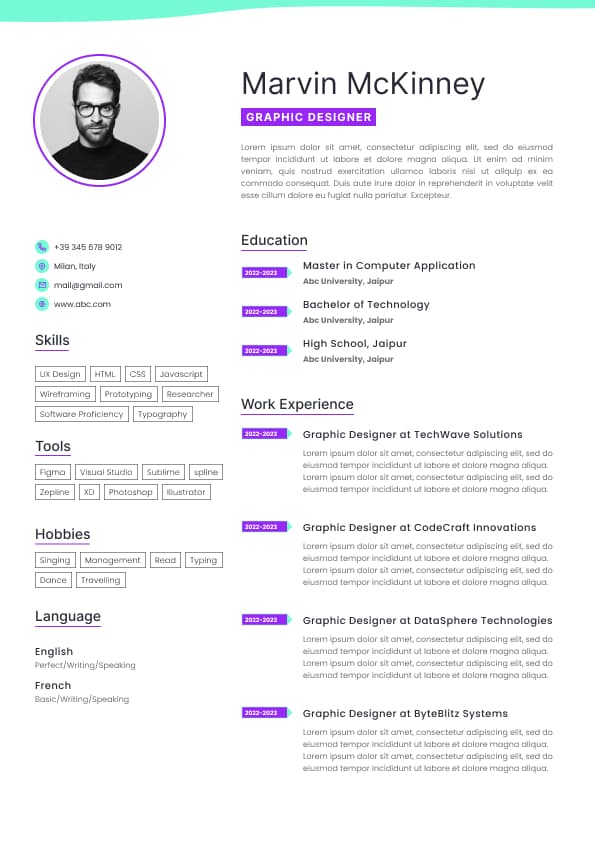
Use professional field-tested resume templates that follow the exact Resume rules employers look for.
Create ResumeREST APIs
CI/CD
Jest
Redis



 Upload Resume
 Import from Linkedin