STILL APPLYING. STILL HEARING NOTHING?BUILD YOUR RESUME

STILL APPLYING. STILL HEARING NOTHING?BUILD YOUR RESUME
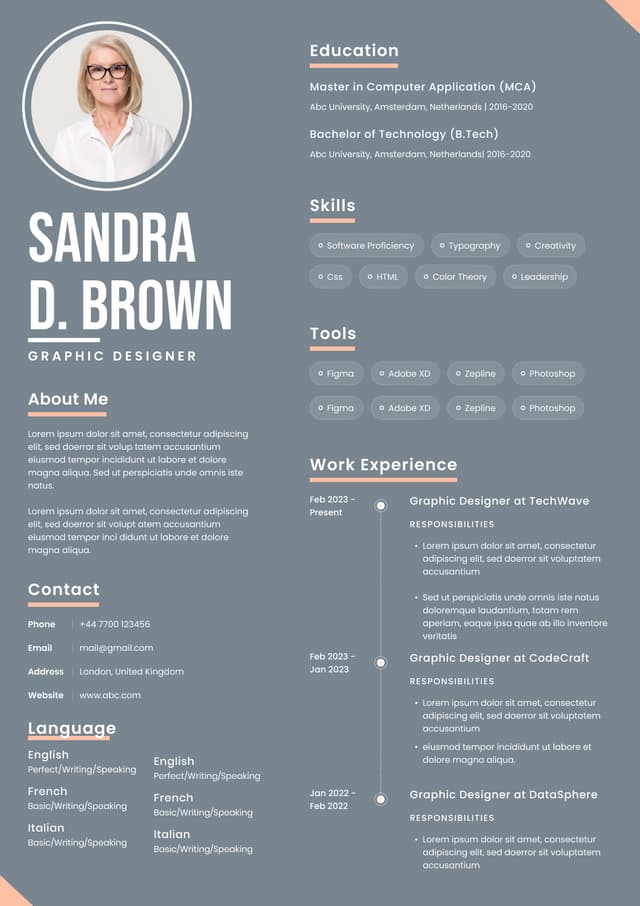
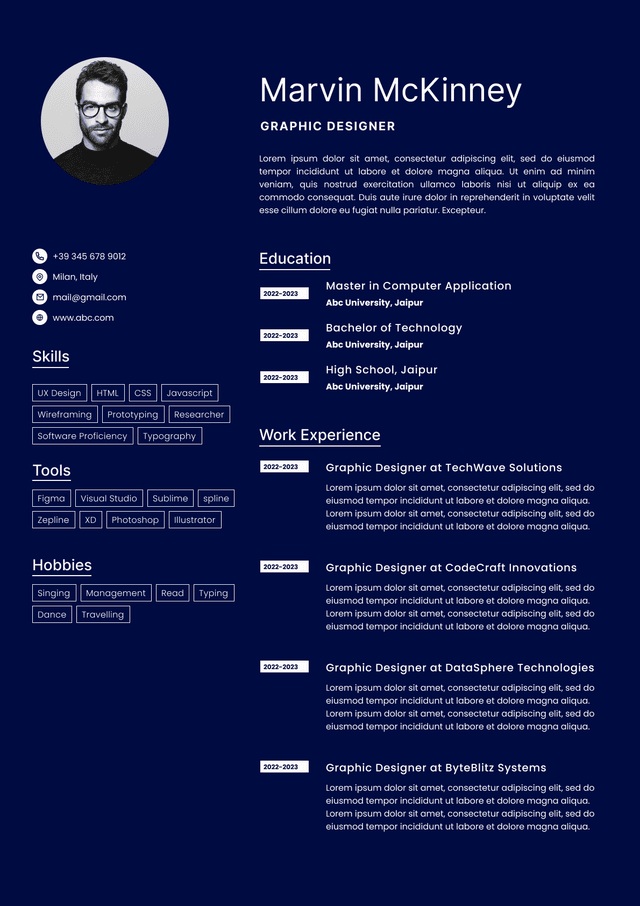
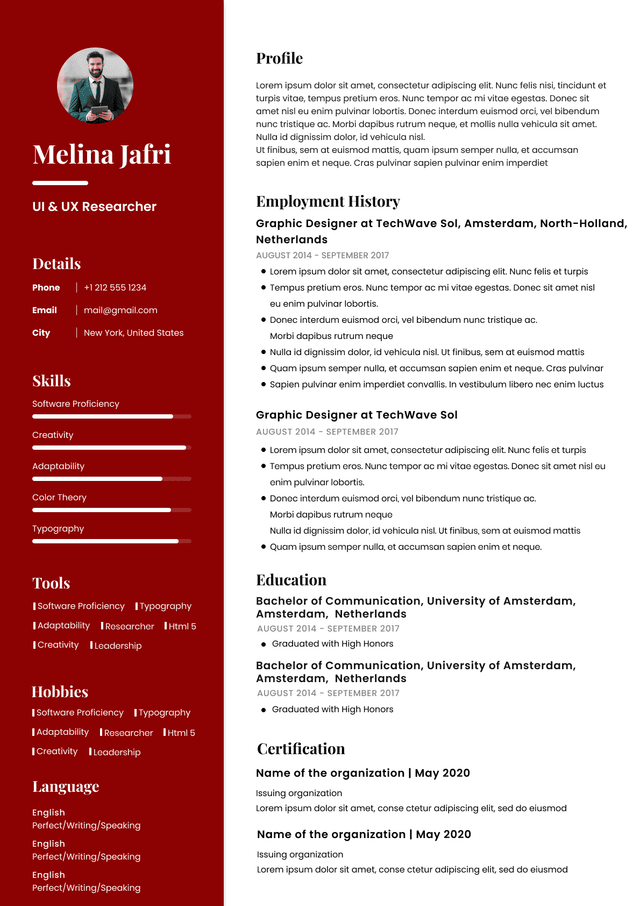
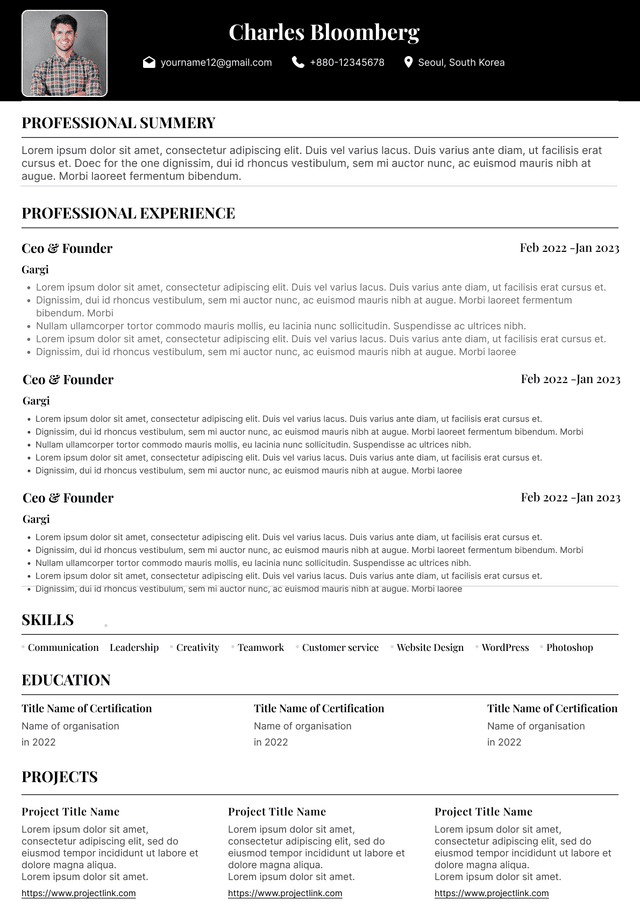
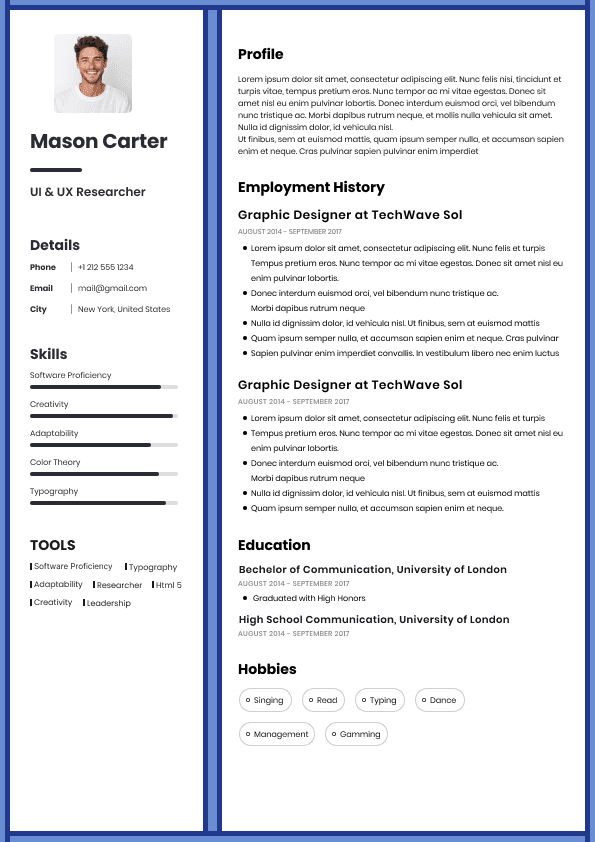
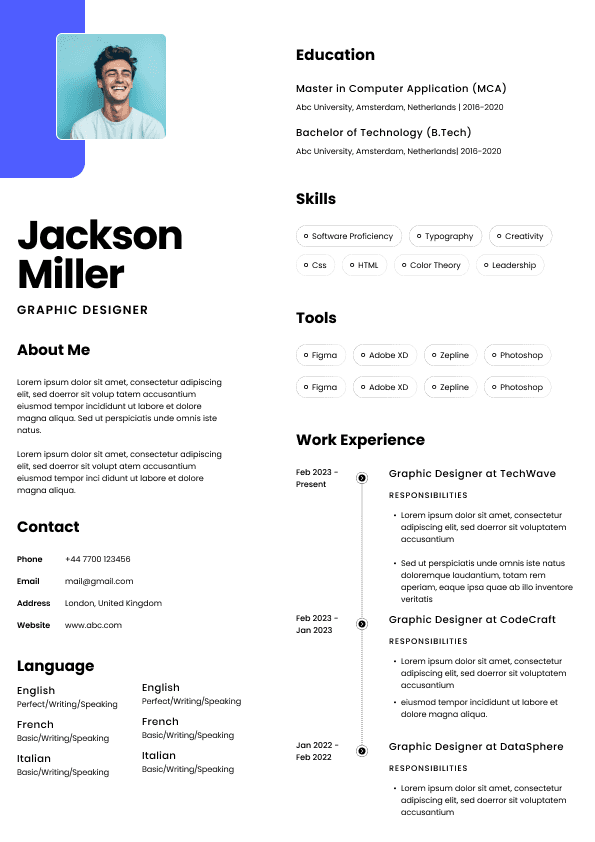
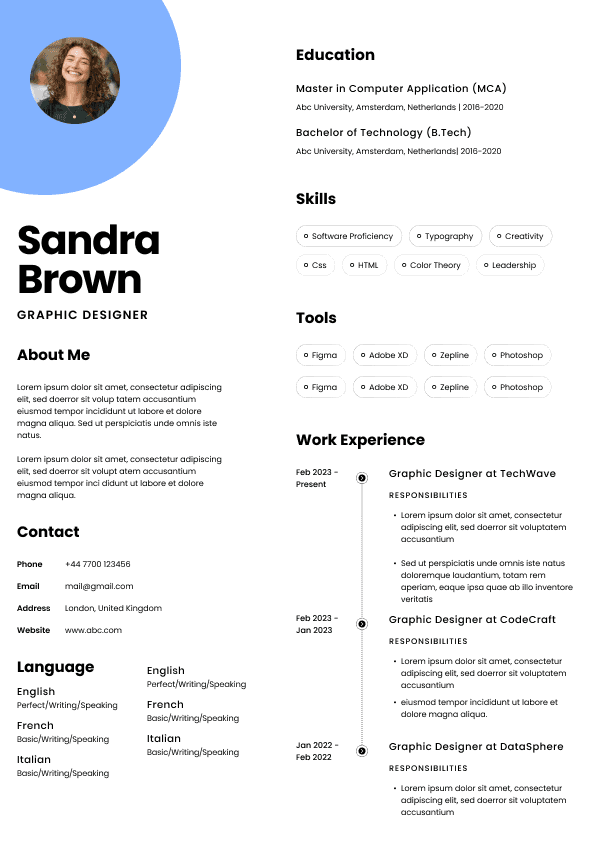
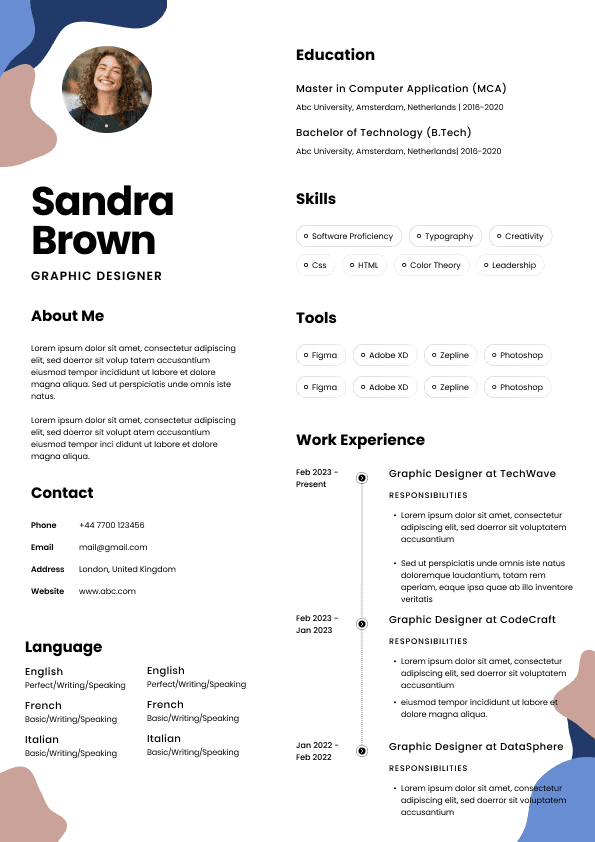
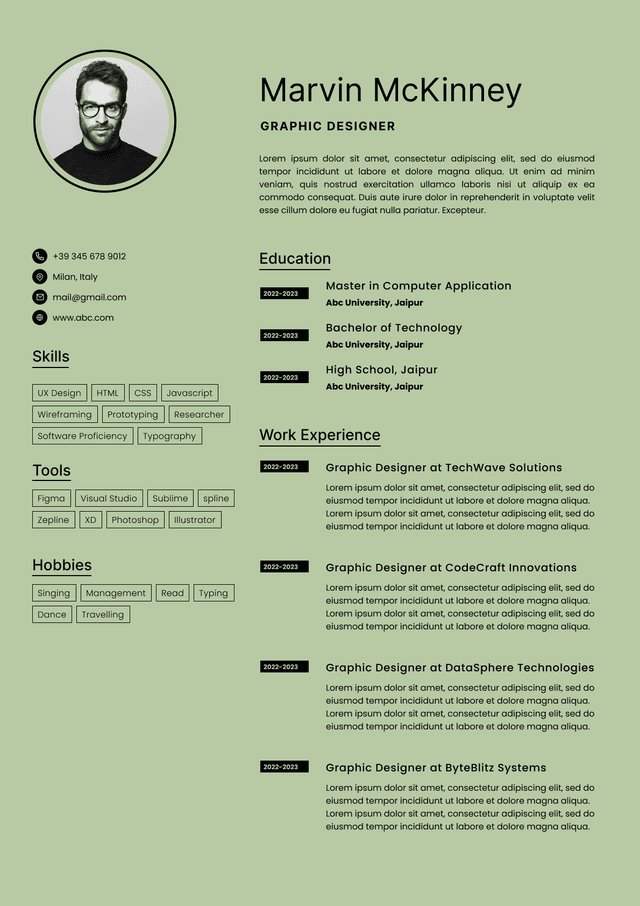
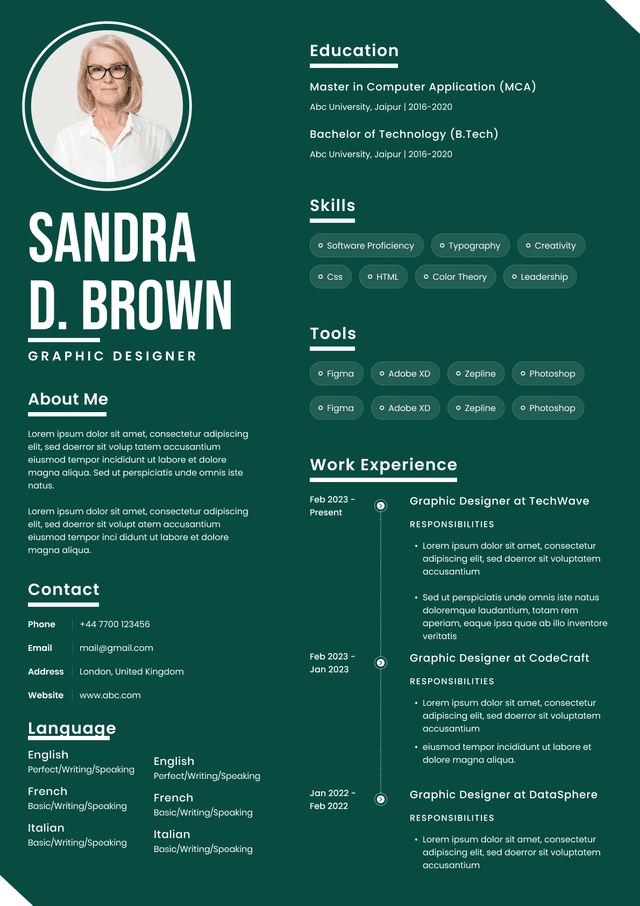
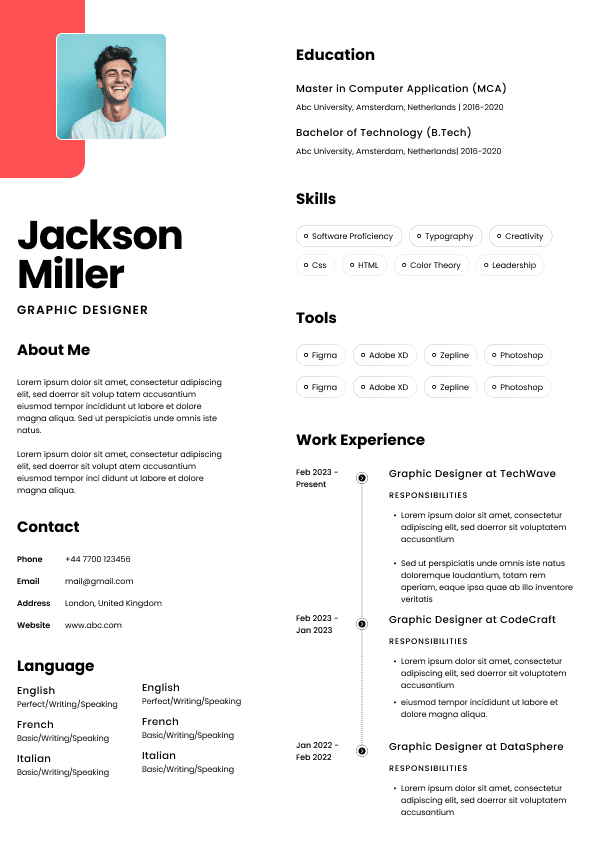
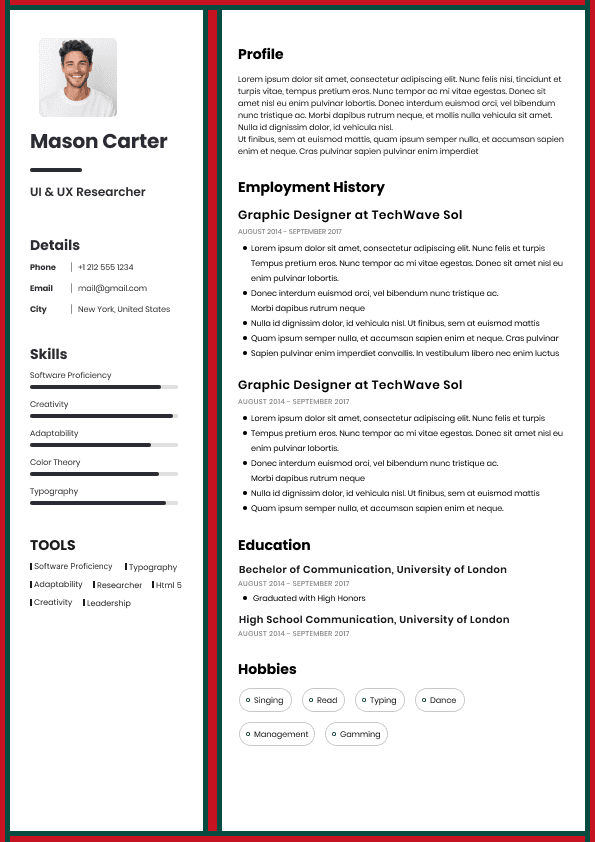
Choose from a wide range of NEWCV resume templates and customize your NEWCV design with a single click.
FAQ
A strong TypeScript developer resume is not just a list of frameworks and programming languages. In today’s US hiring market, employers expect proof that you can build scalable, production-ready applications using modern TypeScript ecosystems like React, Next.js, Node.js, Angular, and NestJS.
Most resumes fail because they focus on tools instead of outcomes. Hiring managers are looking for developers who can improve application reliability, reduce runtime errors, ship maintainable code, optimize performance, and collaborate across engineering teams.
Your resume needs to immediately show:
Strong TypeScript and JavaScript fundamentals
Production-level frontend, backend, or full stack experience
Real impact on scalability, performance, APIs, or reliability
Experience with testing, CI/CD, cloud deployment, and Agile workflows
Most companies hiring TypeScript developers are not simply looking for “someone who knows TypeScript.”
They are hiring for one of these business needs:
Building scalable frontend applications
Creating reliable backend APIs and services
Reducing JavaScript-related production issues
Improving developer productivity and maintainability
Supporting cloud-native SaaS platforms
Delivering enterprise-grade application architecture
Improving performance, accessibility, and testing coverage
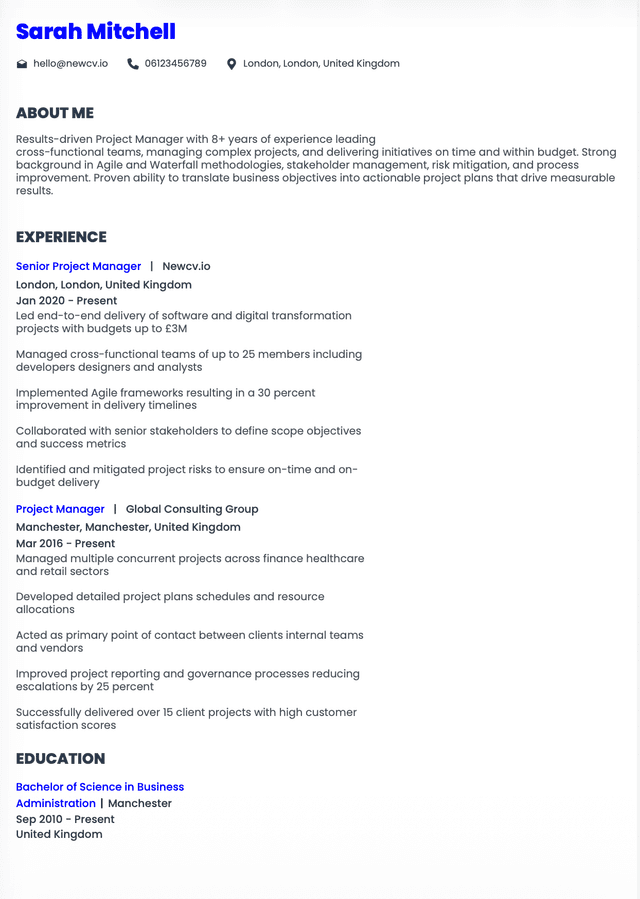
For most US software engineering roles, this structure performs best:
Include:
Name
Phone number
Professional email
GitHub
Portfolio or personal website
Avoid:
Full home address
Your summary should position you strategically for the exact role.
Do not waste space with generic statements like:
Weak Example
“Motivated TypeScript developer passionate about coding and learning new technologies.”
That tells employers nothing.
Instead, frame your engineering capability, specialization, and impact.
Good Example
“Full stack TypeScript developer with 6+ years of experience building scalable SaaS applications using React, Next.js, Node.js, and AWS. Proven track record improving application performance, reducing runtime errors through strict typing practices, and delivering production-ready APIs in Agile engineering environments.”
This works because it immediately establishes:
Technical specialization
Seniority level
Product environment
Business impact
The skills section should be organized strategically, not dumped into one large paragraph.
Include relevant technologies such as:
TypeScript
JavaScript ES6+
React
Next.js
Angular
Redux
Zustand
Recruiters are usually screening for signals before an engineering manager ever reviews the resume.
Here’s what they typically look for first:
Most US companies hiring TypeScript developers use ecosystems such as:
React + TypeScript
Next.js + TypeScript
Node.js + TypeScript
Angular + TypeScript
NestJS + TypeScript
If your experience section does not clearly connect TypeScript to production frameworks, your resume becomes weaker immediately.
Employers want evidence of:
This section determines whether you get technical interviews.
Every bullet point should demonstrate at least one of these:
Technical complexity
Product ownership
Scalability
Performance improvement
Reliability improvement
Business impact
Engineering collaboration
Architectural decision-making
Entry-level candidates often make a major mistake:
They focus too heavily on coursework and not enough on proof of practical capability.
Employers hiring junior TypeScript developers want evidence that you can contribute to real engineering workflows.
Even without professional experience, you should showcase:
Personal projects
Internship work
Open-source contributions
GitHub repositories
TypeScript application architecture
API integrations
Senior TypeScript hiring is evaluated very differently.
At senior level, employers care less about basic coding ability and more about engineering leadership.
Your resume should demonstrate:
Architectural ownership
Technical decision-making
System scalability
Mentorship
Cross-functional collaboration
Reliability improvements
Engineering standards
React + TypeScript is currently one of the most competitive frontend hiring combinations in the US market.
To compete effectively, your resume should demonstrate:
Component architecture
State management
SSR/SSG knowledge
Next.js experience
Performance optimization
Accessibility
Testing coverage
API integration
Backend TypeScript hiring is increasingly focused on reliability and scalability.
Strong backend resumes show:
API architecture
Database optimization
Authentication systems
Microservices
Queue systems
Event-driven architecture
Logging and monitoring
Security practices
Different industries prioritize different resume signals.
SaaS employers prioritize:
Product iteration speed
Scalability
User experience
Cloud deployment
CI/CD automation
Feature delivery velocity
FinTech recruiters look heavily for:
Huge skill lists without depth create skepticism.
Recruiters often assume the candidate has shallow exposure to everything.
Prioritize technologies you can confidently discuss in interviews.
Task-based resumes underperform badly.
Employers want outcomes and engineering impact.
Some candidates barely mention actual TypeScript practices.
Strong resumes mention:
Strict typing
Generics
Interfaces
Type-safe APIs
Most mid-sized and enterprise employers use Applicant Tracking Systems.
Your resume should naturally include keywords such as:
TypeScript
JavaScript
React
Node.js
Next.js
Angular
NestJS
REST API
Remote engineering hiring evaluates communication and ownership more heavily.
Your resume should demonstrate:
Cross-functional collaboration
Async communication
Independent execution
Documentation habits
Agile workflows
Distributed team experience
Strong remote candidates also show evidence of:
Ownership
Engineering managers typically scan resumes differently than recruiters.
They usually look for:
Stack alignment
Architectural maturity
Engineering depth
Product complexity
Business scale
Code quality indicators
They also notice weak signals quickly:
Generic bullets
The strongest TypeScript developer resumes position candidates as problem solvers, not framework users.
That distinction matters.
Employers are not hiring someone simply because they know TypeScript syntax.
They are hiring developers who can:
Build scalable systems
Improve maintainability
Reduce engineering risk
Deliver reliable software
Collaborate effectively
Ship production-ready applications
If your resume clearly demonstrates those outcomes using modern TypeScript ecosystems, you will outperform most applicants in today’s hiring market.


Use ATS-optimised Resume and resume templates that pass applicant tracking systems. Our Resume builder helps recruiters read, scan, and shortlist your Resume faster.


Use professional field-tested resume templates that follow the exact Resume rules employers look for.
Create Resume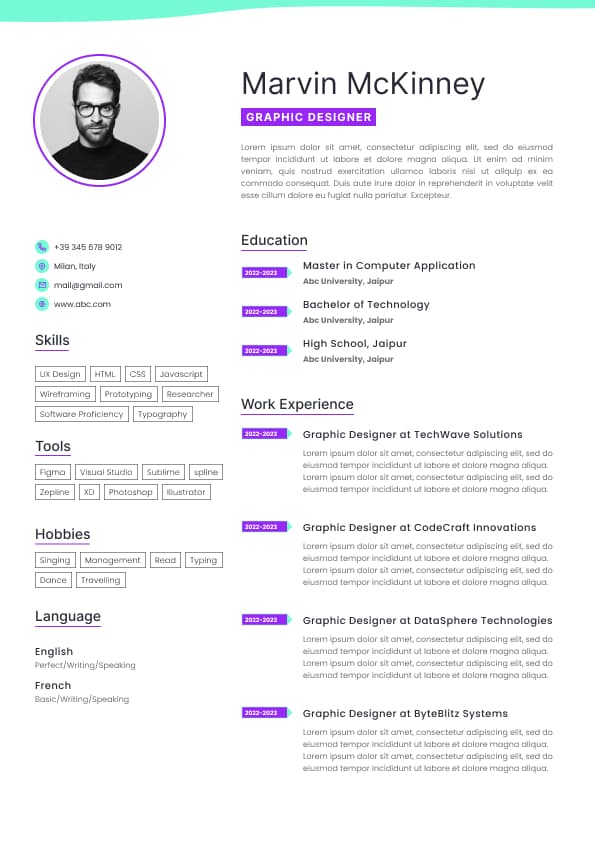
Use professional field-tested resume templates that follow the exact Resume rules employers look for.
Create ResumeClear ownership and engineering decision-making ability
If your resume reads like a generic technology inventory, you will lose interviews even if your technical skills are strong.
This guide breaks down exactly how recruiters evaluate TypeScript developer resumes, what employers expect at each experience level, and how to position yourself competitively in today’s software engineering market.
Your resume should align directly with one of these operational goals.
Recruiters scan resumes quickly for signals that you can contribute in production environments without creating engineering risk.
That means employers prioritize:
Typed application architecture
Maintainable code quality
API integration experience
Frontend framework expertise
Backend scalability knowledge
Testing discipline
CI/CD familiarity
Cloud deployment exposure
Collaboration within Agile engineering teams
A resume that only lists “TypeScript, React, Node.js” without explaining business impact or engineering contribution usually gets filtered out early.
Multiple phone numbers
Irrelevant social media
Generic GitHub with unfinished projects
Your GitHub matters more for TypeScript roles than many other technical positions. Recruiters and engineering managers often check repositories to validate code quality and architecture thinking.
Engineering maturity
HTML5
CSS3
Tailwind CSS
Material UI
Responsive design
Accessibility (WCAG)
For backend or full stack roles:
Node.js
Express.js
NestJS
REST APIs
GraphQL
Prisma
TypeORM
PostgreSQL
MongoDB
Redis
Modern TypeScript hiring increasingly expects deployment knowledge.
Include:
Docker
Kubernetes
AWS
Azure
GCP
Vercel
Netlify
CI/CD pipelines
GitHub Actions
Jenkins
Many resumes lose credibility because testing is missing completely.
Strong TypeScript developers usually show:
Jest
Cypress
Playwright
React Testing Library
Unit testing
Integration testing
E2E testing
Component architecture
State management
API design
Modular systems
Type-safe development
Performance optimization
Error handling
Engineering resumes that only describe tasks underperform badly.
This:
Weak Example
“Developed frontend applications using React and TypeScript.”
is far weaker than:
Good Example
“Built scalable React and TypeScript frontend architecture supporting 250K+ monthly users, reducing frontend runtime errors by 38% through strict typing and reusable component standardization.”
Impact creates credibility.
Developed reusable React and TypeScript component library used across 12 internal applications, reducing frontend development time by 27%
Improved Core Web Vitals performance scores from 61 to 92 by optimizing lazy loading, code splitting, and rendering performance in Next.js applications
Reduced frontend production bugs by implementing strict TypeScript typing standards and automated testing workflows using Jest and Cypress
Collaborated with UX designers and backend engineers to deliver accessible enterprise dashboards supporting over 80K active users
Built scalable REST and GraphQL APIs using Node.js, NestJS, and TypeScript supporting 4M+ monthly API requests
Improved backend reliability by introducing centralized error handling, validation middleware, and typed service contracts
Optimized PostgreSQL query performance reducing API response latency by 41% across critical transaction workflows
Implemented Docker-based deployment pipelines and CI/CD automation reducing release deployment time from 2 hours to 18 minutes
Delivered end-to-end SaaS platform features using React, TypeScript, Node.js, and AWS in Agile Scrum environments
Designed type-safe API integrations improving frontend-backend consistency and reducing integration defects during releases
Led migration of legacy JavaScript applications to TypeScript reducing debugging overhead and improving maintainability across engineering teams
Partnered with product managers and QA engineers to launch customer-facing features increasing user retention by 19%
Deployment experience
Strong junior resumes usually show:
One or two polished projects
Clean GitHub activity
Modern frameworks
Real deployment links
Testing exposure
TypeScript best practices
Weak junior resumes usually show:
Tutorial-level projects
No measurable outcomes
No deployment
No testing
No architecture thinking
No evidence of debugging or problem solving
Delivery leadership
Recruiters look for language like:
Led
Architected
Standardized
Scaled
Optimized
Mentored
Improved reliability
Reduced technical debt
Many senior developers still write resumes like mid-level engineers.
If your bullets only say “developed features,” your seniority becomes unclear.
Senior resumes should show influence across systems and teams.
Design system collaboration
Recruiters also strongly favor candidates who understand production frontend concerns such as:
Hydration issues
Bundle optimization
Rendering performance
Caching strategies
SEO optimization
Responsive design systems
Cloud deployment
NestJS resumes especially benefit from showing:
Modular architecture
Dependency injection
Typed service layers
Enterprise backend design
Swagger/OpenAPI integration
Security awareness
Data integrity
Reliability
Compliance sensitivity
Transaction processing
Performance optimization
Healthcare employers often prioritize:
HIPAA awareness
Secure data handling
Accessibility
Documentation discipline
Reliability and stability
Enterprise hiring managers value:
Large-scale application support
Cross-team collaboration
Legacy modernization
Architecture governance
SDLC discipline
Release management
Tailoring your experience toward the target industry materially improves interview conversion.
Error reduction
Maintainability improvements
Metrics dramatically improve credibility.
Strong engineering metrics include:
Performance improvements
Error reduction
Deployment speed
User scale
API throughput
Uptime improvements
Test coverage increases
If you include GitHub, ensure it reflects professional quality.
Hiring managers may check:
Code organization
README quality
TypeScript architecture
Commit consistency
Testing implementation
GraphQL
CI/CD
AWS
Docker
Agile
Jest
Cypress
Git
PostgreSQL
But keyword stuffing hurts readability.
The best resumes integrate keywords naturally inside accomplishment-driven experience bullets.
Reliability
Delivery consistency
Self-management
No metrics
Shallow project descriptions
Outdated frameworks
Unrealistic skill claims
A technically accurate, outcome-driven resume consistently performs better than a flashy but vague resume.



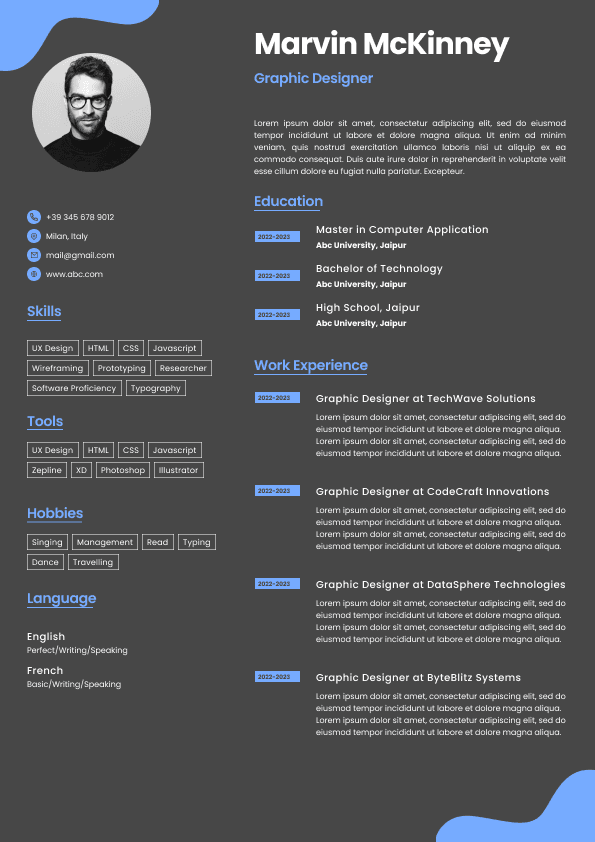
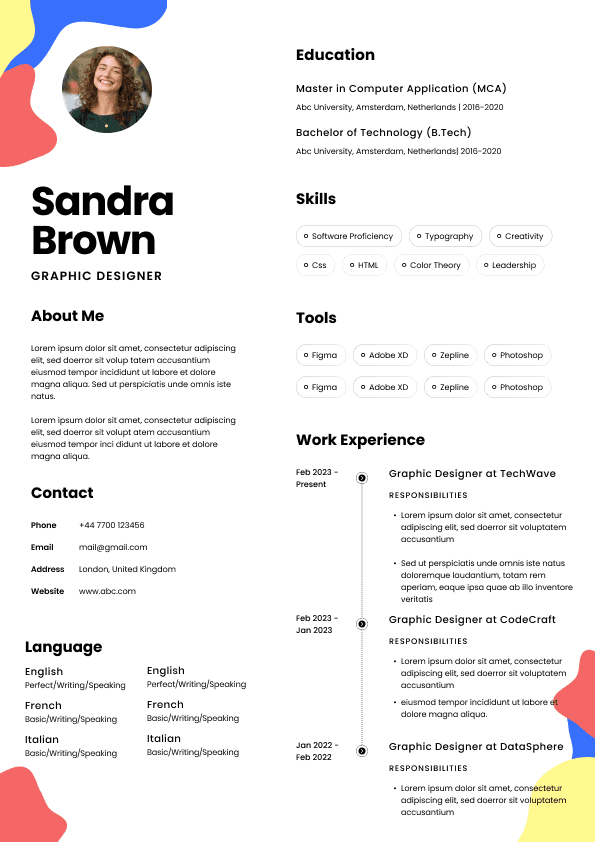
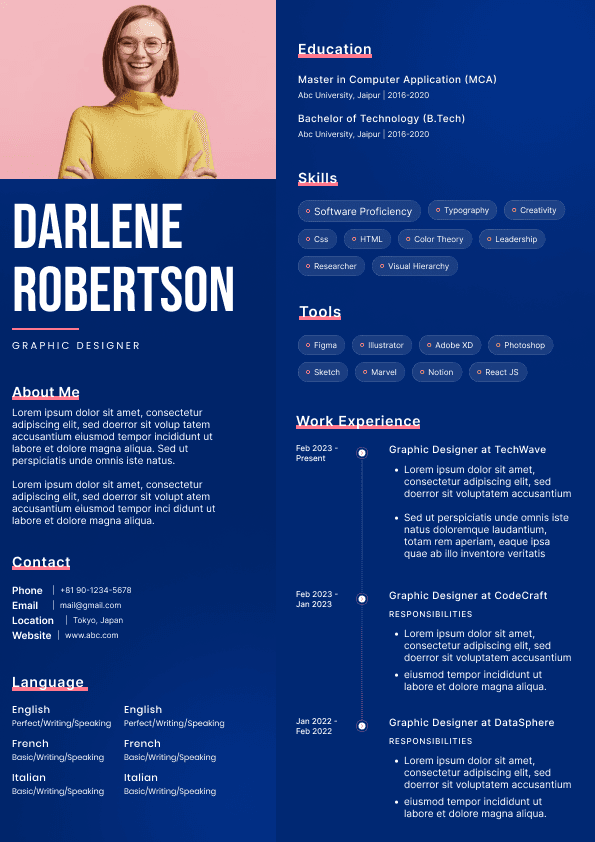

 Upload Resume
 Import from Linkedin