STILL APPLYING. STILL HEARING NOTHING?BUILD YOUR RESUME

STILL APPLYING. STILL HEARING NOTHING?BUILD YOUR RESUME
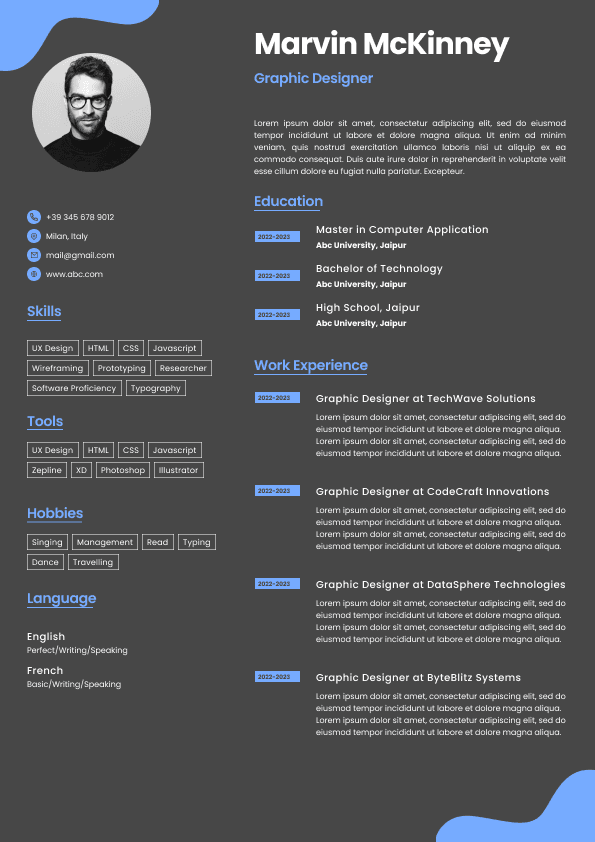
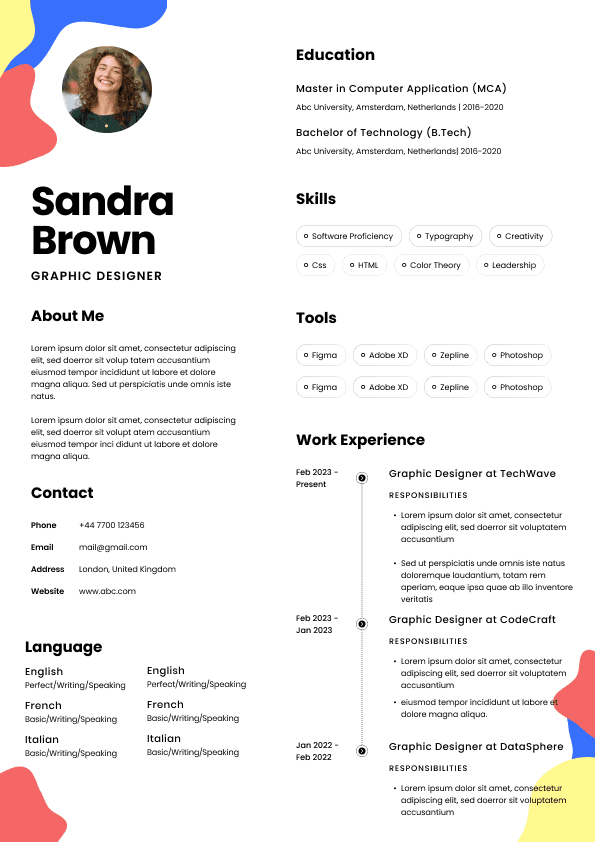
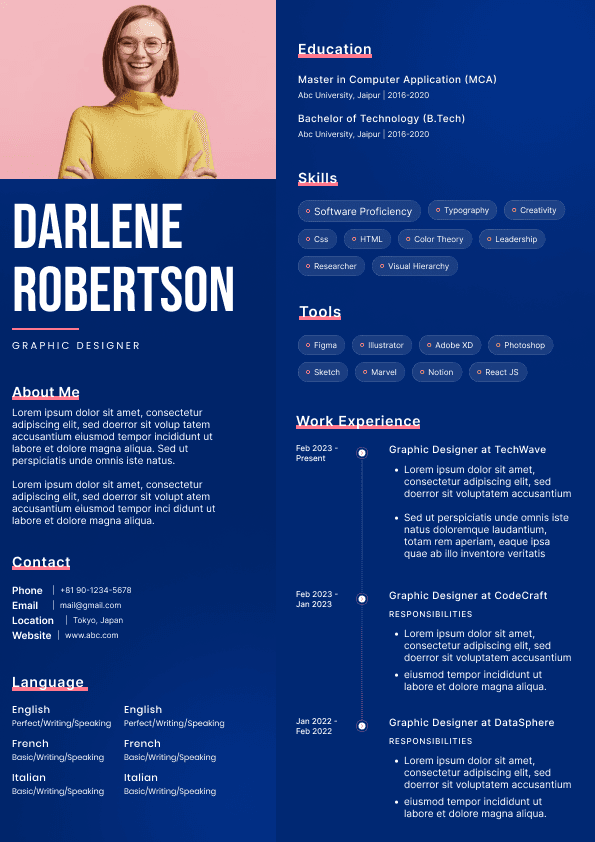
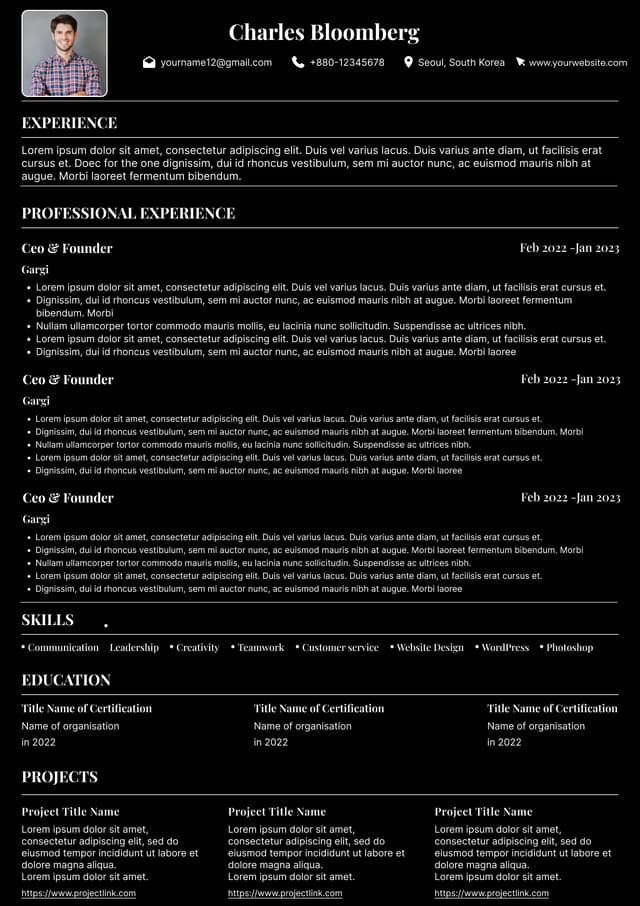
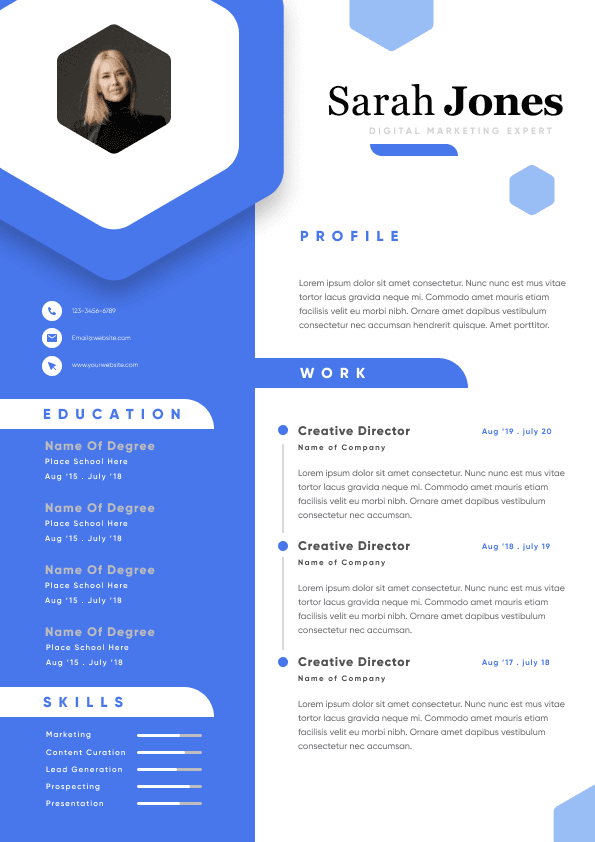
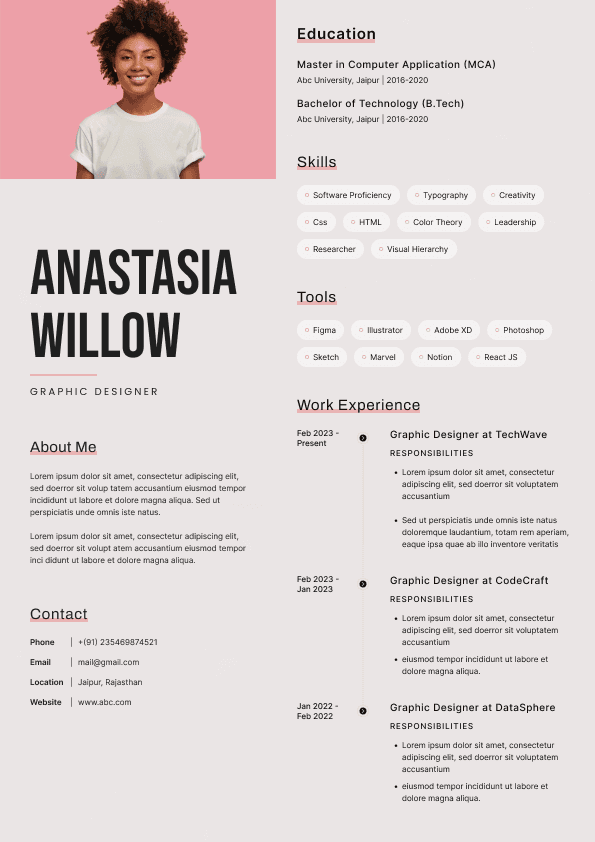
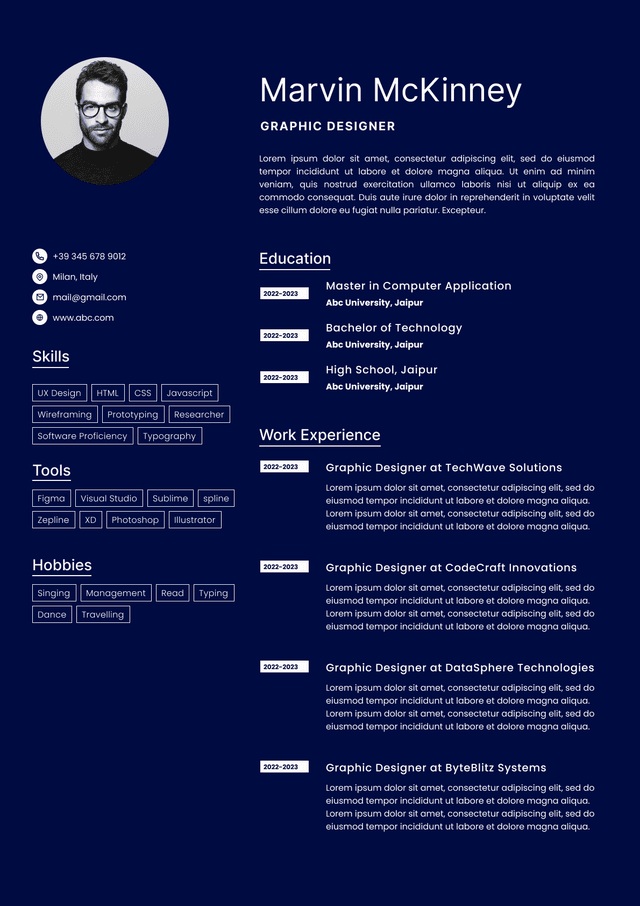
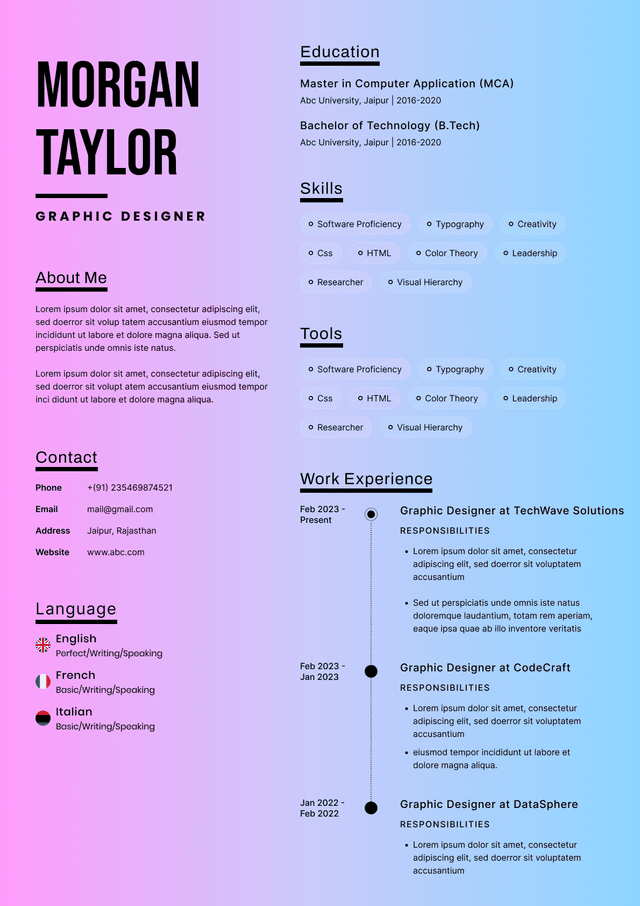
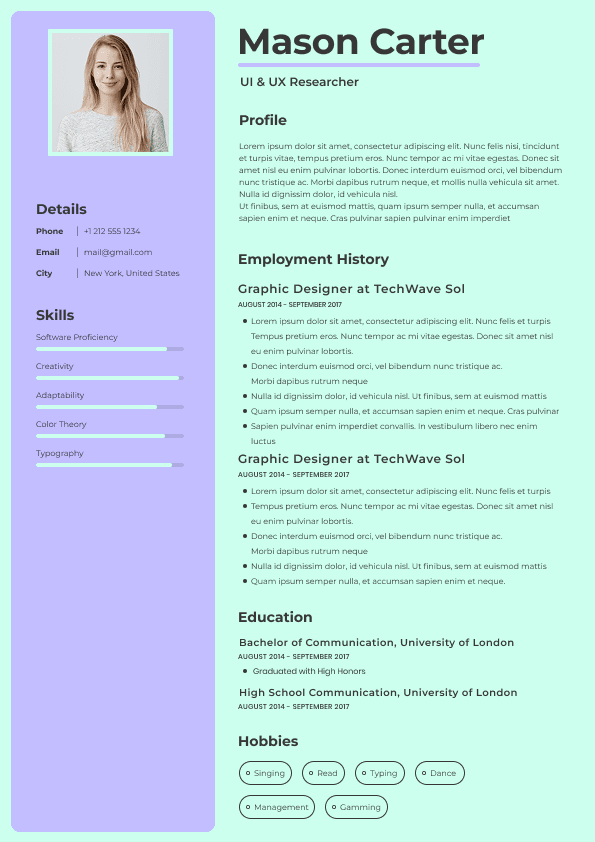
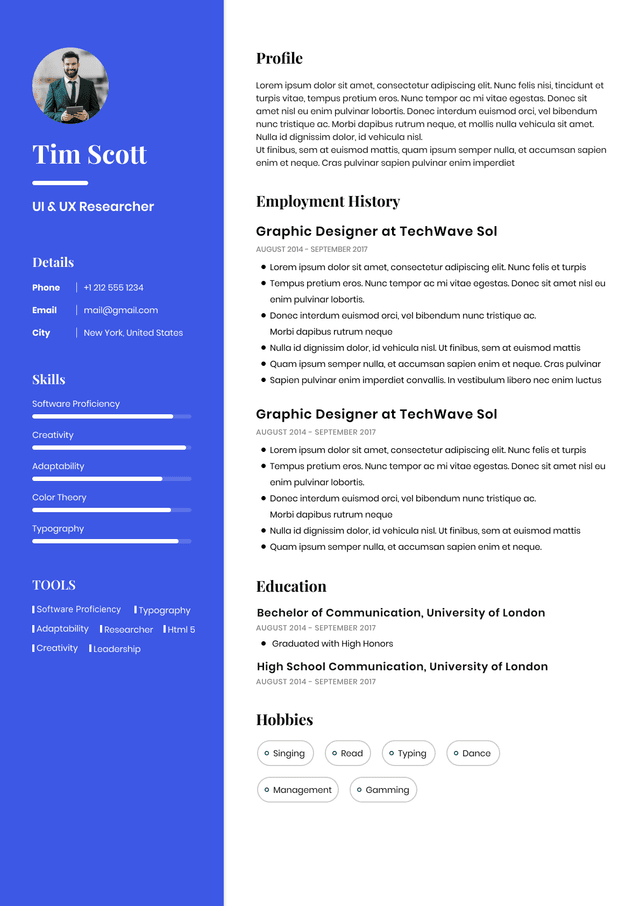
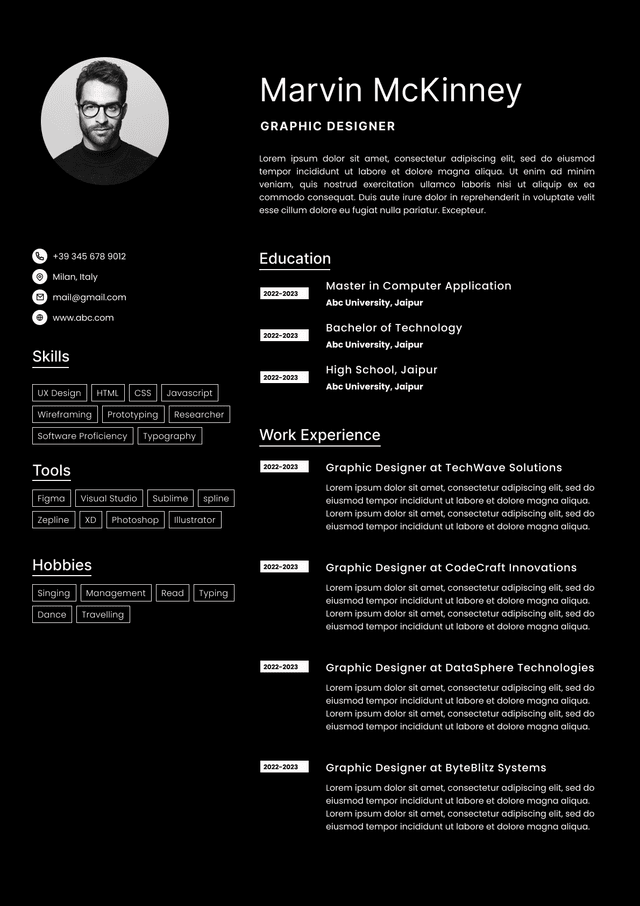
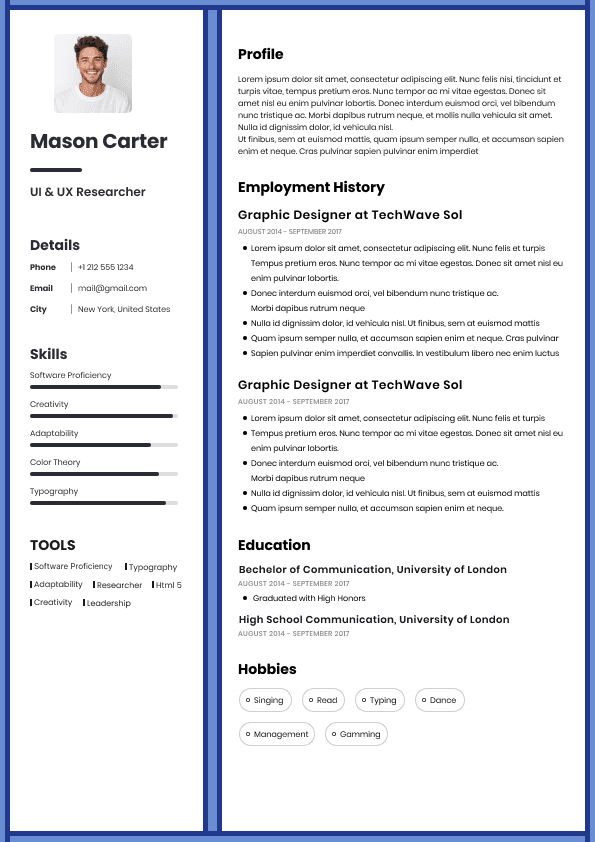
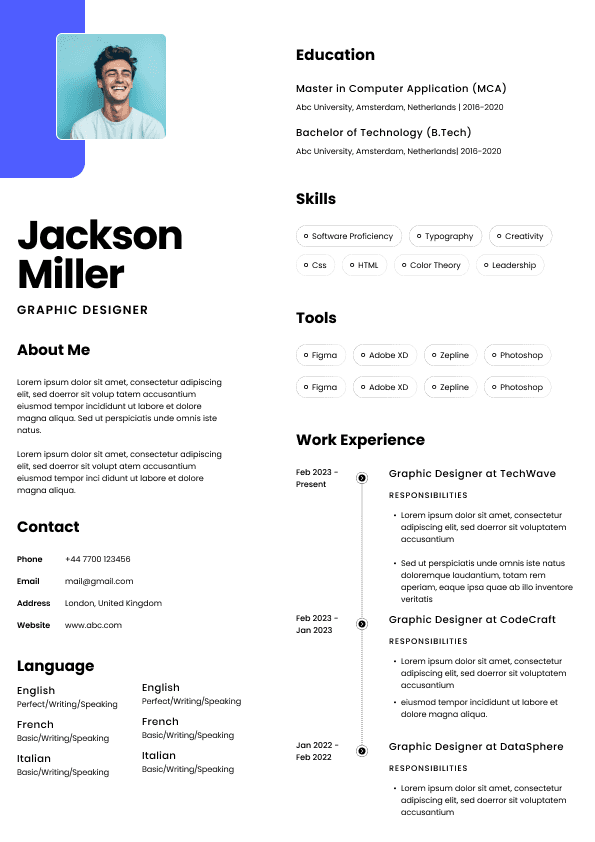
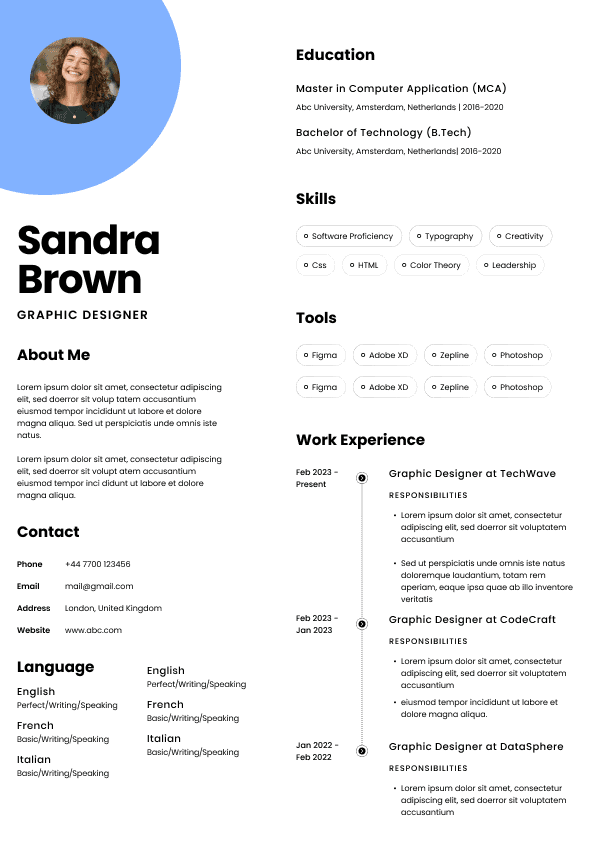
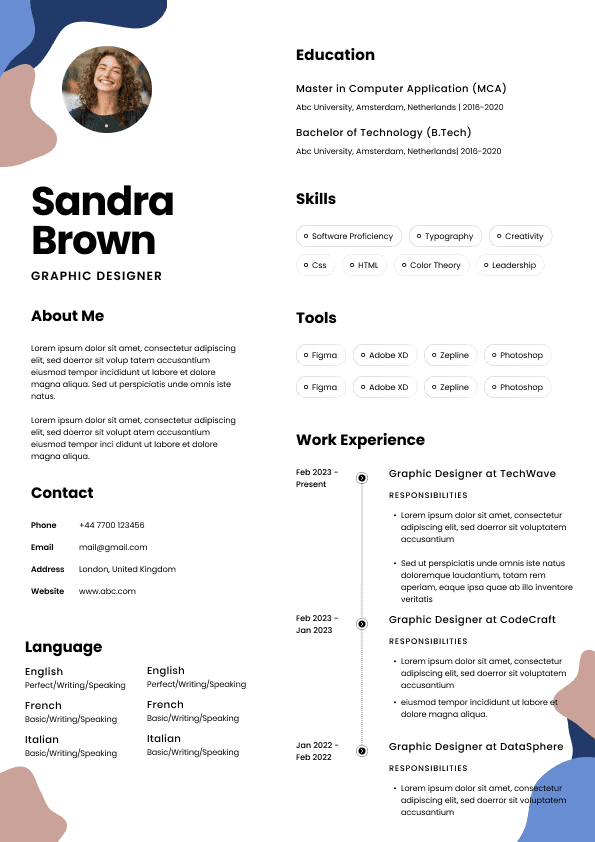
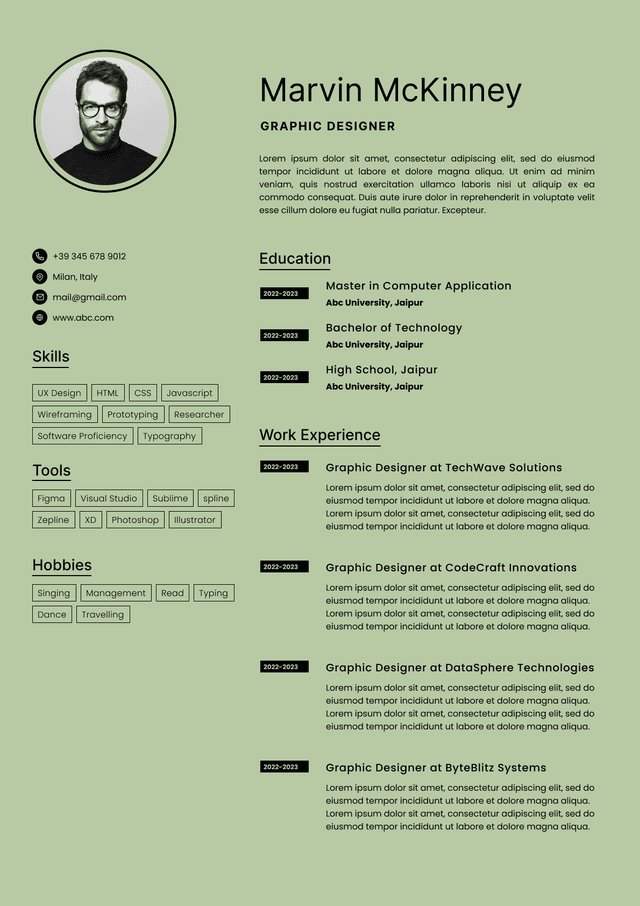
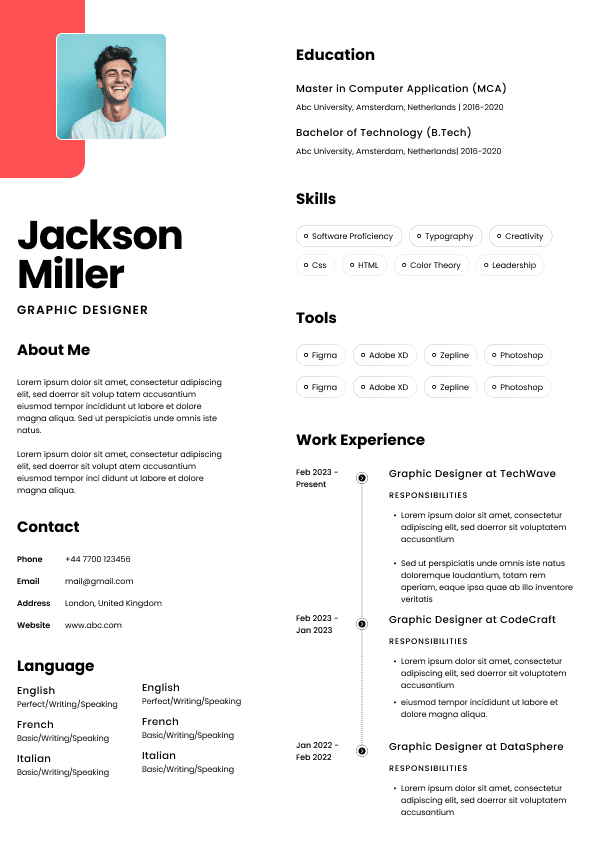
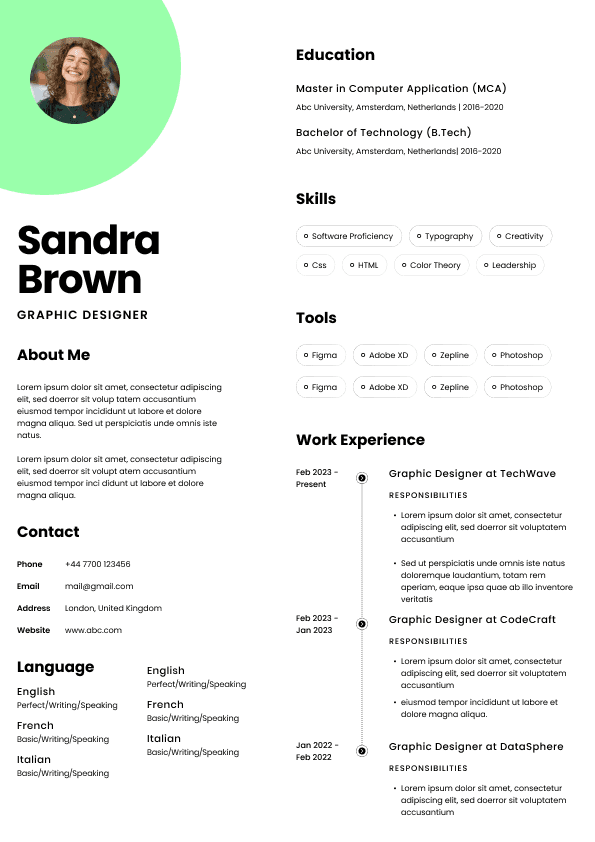
Choose from a wide range of NEWCV resume templates and customize your NEWCV design with a single click.
FAQ


A TypeScript developer in the U.S. can realistically earn anywhere from $80,000 to $210,000+ in base salary depending on experience, specialization, location, and company type. Senior engineers at top tech companies, fintech firms, AI startups, and enterprise SaaS companies often exceed $300,000 total compensation when equity and bonuses are included. Meanwhile, strong mid-level TypeScript developers with React, Next.js, Node.js, cloud, and system design skills are seeing aggressive hiring demand across remote and hybrid markets.
The biggest salary accelerators right now are not just years of experience. Employers are paying premium compensation for developers who can ship production-scale TypeScript applications, lead architecture decisions, own frontend or backend systems, and contribute across the stack. Engineers who combine TypeScript with React ecosystems, backend architecture, cloud infrastructure, AI integration, or platform engineering are consistently landing the highest-paying opportunities.
The average TypeScript developer salary in the U.S. currently falls around:
$120,000 to $140,000 per year for experienced full-time developers
$45 to $105 per hour for contract and freelance work
$225,000 to $450,000+ total compensation at top-tier tech companies for senior and staff-level engineers
Most employers hiring for TypeScript roles are not looking for “just JavaScript developers.” They are specifically paying for scalable engineering ability, typed architecture, frontend reliability, API consistency, and maintainable large-scale systems.
This distinction matters because companies increasingly use TypeScript as an operational maturity signal. Teams adopting TypeScript often prioritize engineering quality, scalable frontend architecture, design systems, typed APIs, testing rigor, and developer productivity. Those environments usually pay substantially better than basic web development shops.
Typical range:
Entry-level TypeScript developers usually work on:
UI feature implementation
Bug fixing
API integrations
Component testing
Type definitions
Debugging frontend issues
Small backend services
At this stage, employers mainly evaluate:
Ability to write clean TypeScript
Understanding of React or Node.js fundamentals
Git workflows
Communication skills
Code maintainability
Learning velocity
Recruiters often reject junior candidates who only know tutorials but lack real project depth. Candidates with deployed applications, GitHub activity, internships, freelance projects, or open-source contributions consistently outperform those with only coursework.
Typical range:
Mid-level developers are expected to own features independently and contribute to production delivery without constant oversight.
Hiring managers expect these developers to:
Design maintainable application modules
Handle production debugging
Improve application performance
Write scalable APIs
Own release workflows
Collaborate cross-functionally
Contribute to architecture discussions
This is where compensation starts increasing rapidly for developers who can work across frontend and backend systems.
A React developer who can also design Node.js APIs and deploy cloud infrastructure becomes significantly more valuable than someone limited to isolated frontend work.
Typical range:
Senior TypeScript developers are evaluated differently than junior and mid-level engineers.
At senior level, employers care less about syntax knowledge and more about:
System architecture
Scalability decisions
Risk reduction
Technical leadership
Cross-team collaboration
Performance optimization
Developer experience improvements
Mentorship ability
This is where many candidates fail interviews despite strong coding ability.
Companies paying top compensation expect senior engineers to think strategically, not just execute tickets.
A senior engineer who can improve deployment reliability, reduce frontend complexity, standardize APIs, or lead migration efforts becomes extremely valuable.
Typical range:
$180,000 to $300,000+ base and total compensation
$300,000 to $450,000+ possible at major tech firms
At this level, compensation becomes heavily tied to organizational impact.
Employers reward engineers who can:
Lead platform architecture
Influence engineering standards
Scale developer tooling
Improve system reliability
Drive frontend platform initiatives
Build internal frameworks
Lead large migrations
Mentor engineering teams
Coordinate multi-team technical execution
Equity and RSUs often become a major portion of compensation here.
Hourly rates vary significantly depending on specialization, contract structure, and reputation.
Typical U.S. hourly rates:
Junior contract TypeScript developer: $45 to $70/hour
Mid-level TypeScript developer: $70 to $110/hour
Senior TypeScript contractor: $90 to $180+/hour
Specialized consulting roles: $150+/hour possible
The highest freelance and consulting rates usually go to developers specializing in:
Enterprise modernization
Next.js performance optimization
Design systems
Type-safe backend architecture
Cloud-native applications
AI product integration
Large-scale React ecosystems
Many companies are willing to pay premium hourly rates to avoid full-time hiring overhead for short-term specialized work.
React plus TypeScript remains one of the strongest hiring combinations in the U.S. market.
High-paying React TypeScript developers usually specialize in:
Enterprise frontend architecture
Performance optimization
Design systems
Accessibility
Complex state management
Product-scale UI systems
Next.js developers are commanding premium compensation because companies increasingly prioritize:
SEO performance
SSR optimization
Full-stack React ecosystems
Edge rendering
Scalable SaaS products
Experienced Next.js engineers frequently earn above general frontend salary averages.
Backend TypeScript roles often pay exceptionally well because fewer frontend-focused engineers can successfully handle:
Distributed systems
Backend architecture
Database scaling
API reliability
Event-driven systems
Security and authentication
Companies especially value developers who can unify frontend and backend TypeScript ecosystems.
Full stack TypeScript developers remain among the most versatile and employable engineers in the market.
The strongest compensation packages go to developers who can independently build:
Frontend applications
Backend APIs
Authentication systems
CI/CD pipelines
Cloud deployments
Monitoring systems
This versatility reduces hiring risk for employers.
One of the fastest-growing compensation categories involves TypeScript developers building AI-enabled products.
Companies increasingly pay premium salaries for developers experienced with:
AI product interfaces
LLM integrations
AI workflow systems
Vector databases
Real-time streaming applications
AI SDK implementation
This area is expanding rapidly across startups and enterprise SaaS companies.
Typical range:
The Bay Area remains the strongest compensation market, especially for:
Staff engineers
AI startups
Infrastructure teams
Developer platform roles
Big Tech frontend architecture positions
However, hiring standards are also substantially higher.
Typical range:
Seattle continues to offer elite compensation because of concentrated cloud and enterprise tech hiring.
Strong demand exists for:
Cloud-native applications
SaaS platforms
Enterprise frontend systems
Developer tooling
Typical range:
NYC salaries remain especially strong in:
FinTech
AdTech
Enterprise SaaS
Media technology
Trading systems
Frontend engineers with real-time application experience often command premium offers.
Typical range:
Austin remains one of the strongest growth markets for TypeScript developers due to startup expansion and tech relocation trends.
Typical range:
Remote compensation varies heavily depending on employer philosophy.
Companies typically use one of three pay structures:
National pay bands
Location-adjusted compensation
Premium-market benchmarking
Candidates frequently underestimate how much compensation differs between remote employers.
A remote startup paying national-market compensation may offer dramatically more than a local employer in the same region.
The biggest salary jump usually happens when developers transition from implementation-focused work to architecture-level contribution.
Employers pay significantly more for engineers who can:
Design scalable systems
Reduce technical debt
Improve maintainability
Lead migrations
Improve reliability
Developers who can work across frontend and backend systems consistently outperform narrowly specialized engineers in compensation discussions.
The market increasingly rewards engineering versatility.
TypeScript developers with experience in:
AWS
Docker
Kubernetes
CI/CD
Observability
Infrastructure automation
often access higher-paying opportunities faster.
Top-paying companies increasingly prioritize product-oriented engineers over isolated coders.
They want developers who understand:
User impact
Product tradeoffs
Business priorities
Release velocity
Technical risk
This is especially important during senior-level interviews.
Many highly technical candidates plateau financially because they underestimate leadership evaluation.
Senior compensation often depends on:
Technical communication
Cross-functional influence
Mentorship
Stakeholder alignment
Engineering judgment
Not just coding performance.
Large technology companies typically offer:
Higher total compensation
RSUs and stock grants
Annual bonuses
Strong benefits
More structured career ladders
However, interviews are usually more rigorous.
Candidates often underestimate the importance of:
Data structures and algorithms
system design
behavioral interviews
engineering depth discussions
Startups may offer:
Lower base salaries initially
Larger equity upside
Faster career growth
Broader ownership
Faster promotion opportunities
Strong startup engineers often accelerate into senior leadership roles faster than peers at large enterprises.
The tradeoff is usually stability versus upside.
One of the biggest compensation killers is remaining in environments where engineering standards are weak.
Developers stagnate when they are not exposed to:
Scalable systems
Code review rigor
Architecture discussions
Modern tooling
Performance optimization
The market rewards experience quality, not just years worked.
Many developers spend too much time mastering framework trivia while neglecting:
Architecture
scalability
APIs
databases
security
deployment systems
The highest-paid engineers understand systems, not just components.
Many experienced developers underperform during interviews because they rely only on job experience.
Top-paying companies still heavily evaluate:
Coding fundamentals
Debugging ability
Architecture reasoning
Communication clarity
Tradeoff analysis
A surprising number of engineers accept the first offer.
Strong candidates negotiate:
Base salary
Equity
Signing bonuses
Remote flexibility
Performance review timelines
Level calibration
Even a modest negotiation can significantly impact long-term earnings.
Several career paths currently outperform the general frontend market.
This specialization focuses on:
Internal tooling
Design systems
frontend infrastructure
build systems
performance tooling
These roles often pay exceptionally well because they impact multiple teams.
Companies aggressively hiring AI-focused engineers frequently prioritize TypeScript because modern AI applications are heavily web-based.
Developers who combine TypeScript with cloud-native architecture are increasingly valuable.
Lead engineers, staff engineers, and engineering managers with strong TypeScript backgrounds often transition into higher compensation bands faster than purely specialized ICs.
Base salary alone rarely reflects total compensation accurately.
Many companies also provide:
Annual bonuses
RSUs
Stock options
Signing bonuses
401(k) matching
Healthcare coverage
Remote work stipends
Home office budgets
Conference budgets
Learning allowances
Wellness stipends
Paid parental leave
At major tech firms, equity can eventually exceed base salary value.
This is why experienced candidates evaluate total compensation instead of salary alone.
The strongest compensation growth currently exists around combinations like:
TypeScript + React + Next.js
TypeScript + Node.js + cloud infrastructure
TypeScript + AI integration
TypeScript + platform engineering
TypeScript + enterprise architecture
This is one of the biggest salary differentiators between mid-level and senior engineers.
Focus on learning:
System design
Scalability
API architecture
Performance optimization
Reliability engineering
Recruiters increasingly notice developers who contribute publicly through:
GitHub
Open source
Technical blogs
npm packages
conference talks
developer communities
Strong public signals reduce hiring risk for employers.
Many developers dramatically underprice themselves because they apply only locally.
Remote hiring has expanded compensation opportunities substantially.
Engineers working remotely for top-paying U.S. employers often earn far more than local market averages.
TypeScript salaries remain strong because the technology sits at the center of modern web product development.
Demand continues growing across:
SaaS
AI applications
cloud platforms
enterprise modernization
FinTech
developer tooling
ecommerce
healthcare technology
Companies increasingly standardize TypeScript across frontend and backend systems, which strengthens long-term demand.
The market is especially favorable for developers who combine TypeScript expertise with architecture, cloud, AI integration, and product engineering capability.
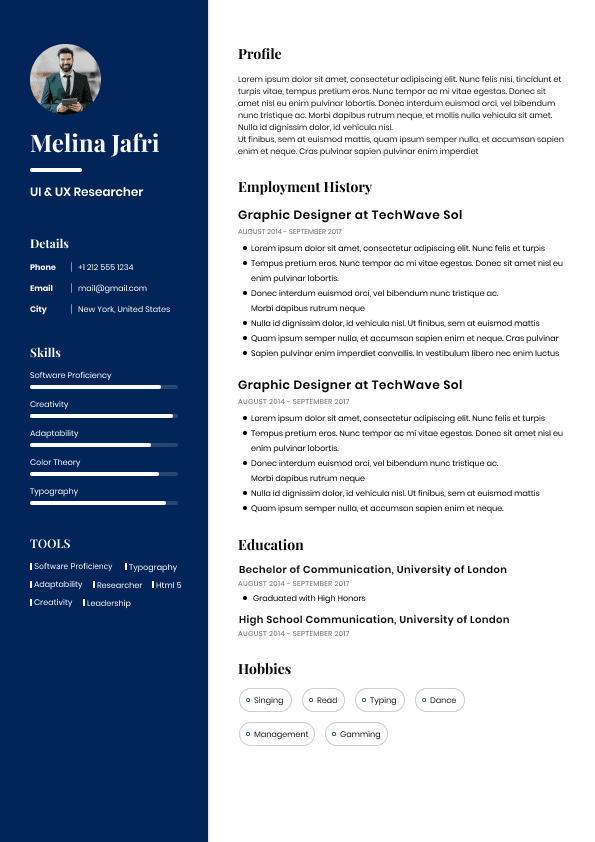
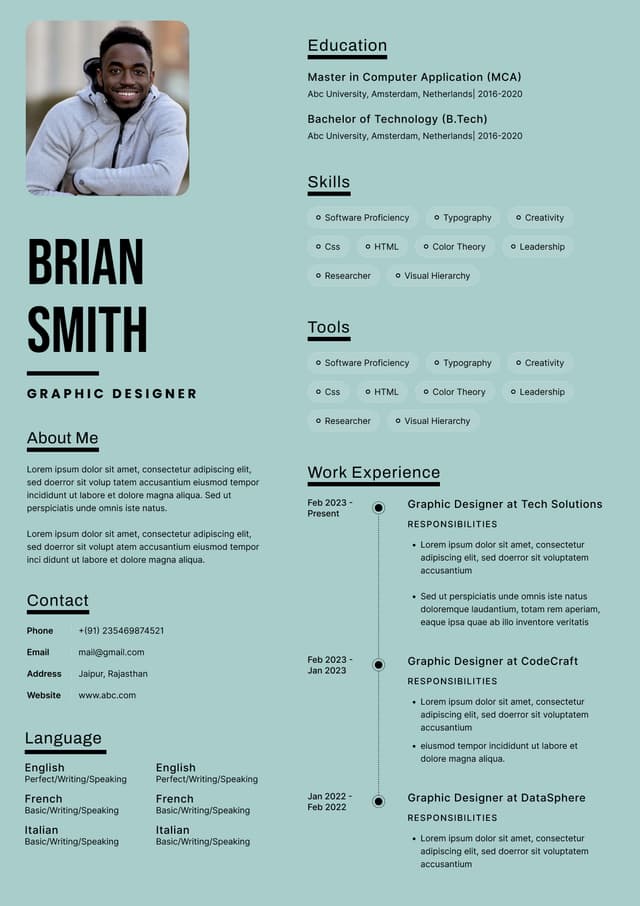
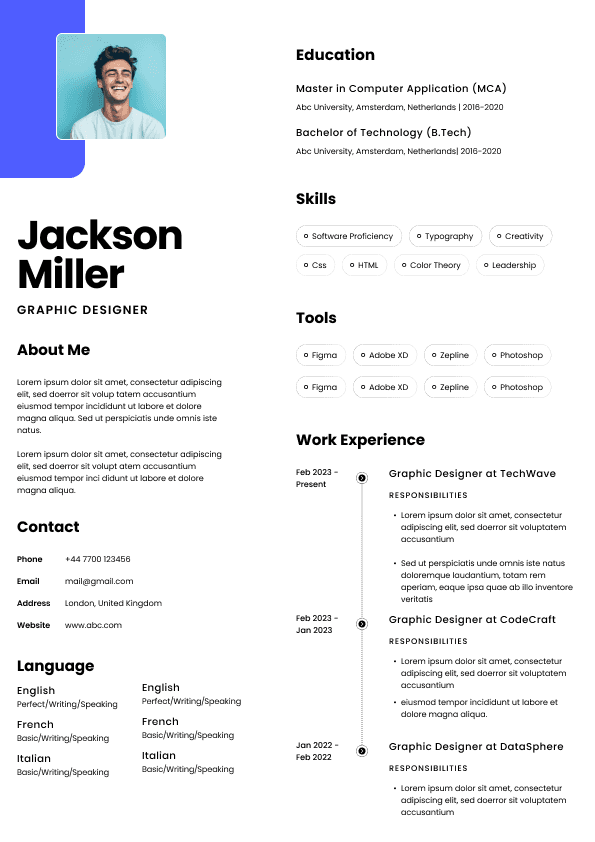
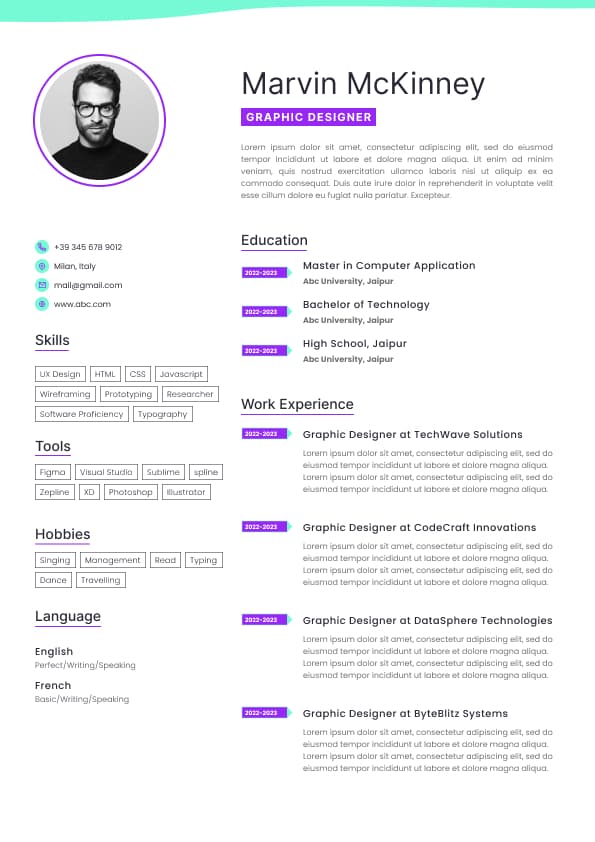
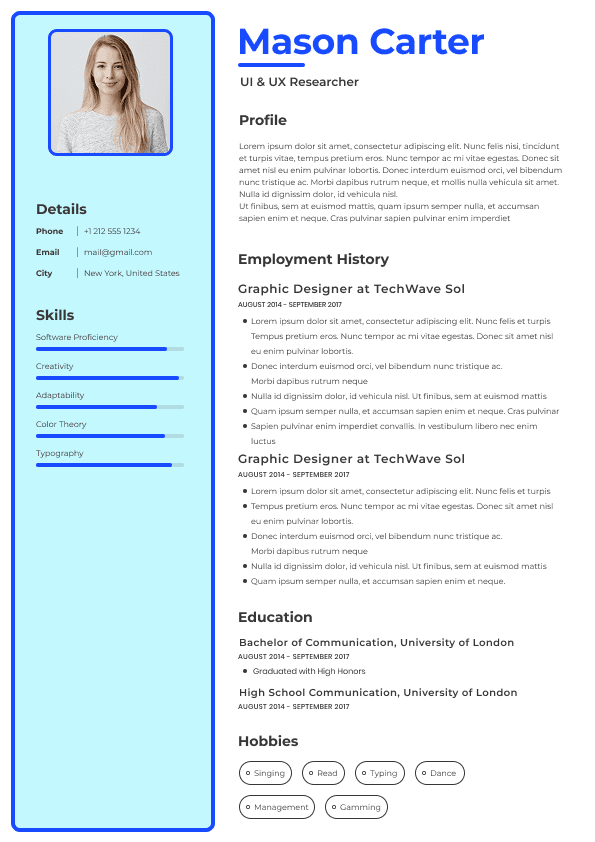
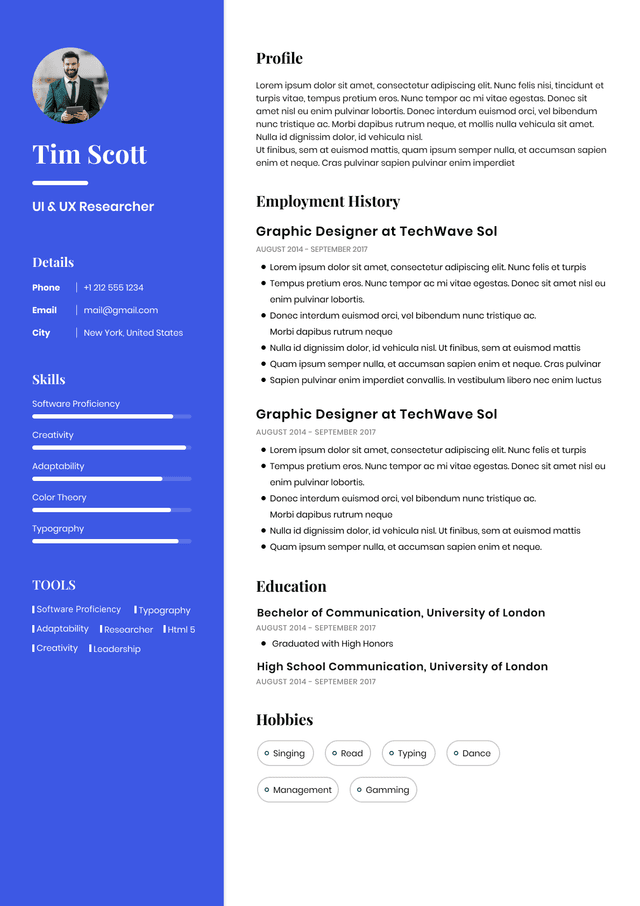
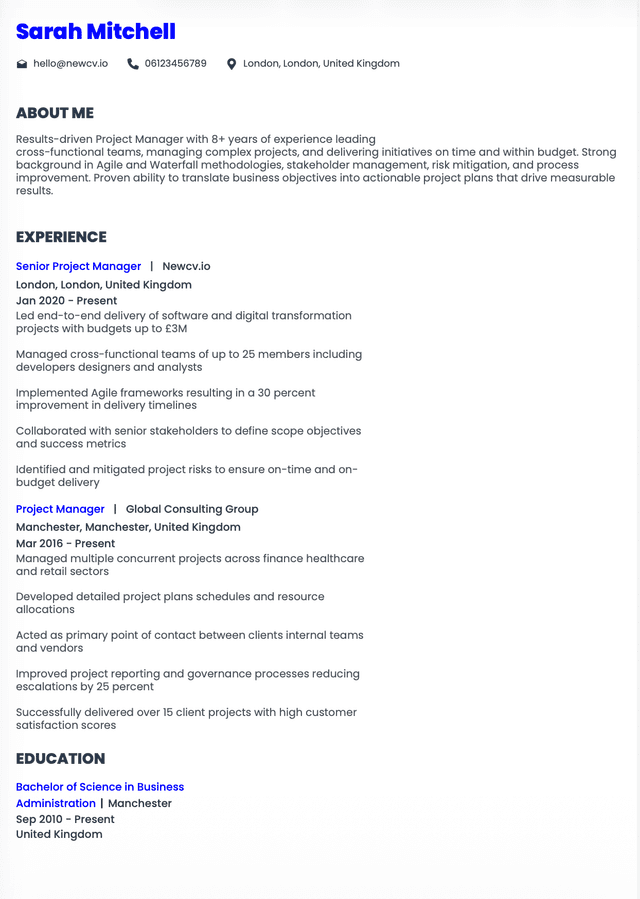
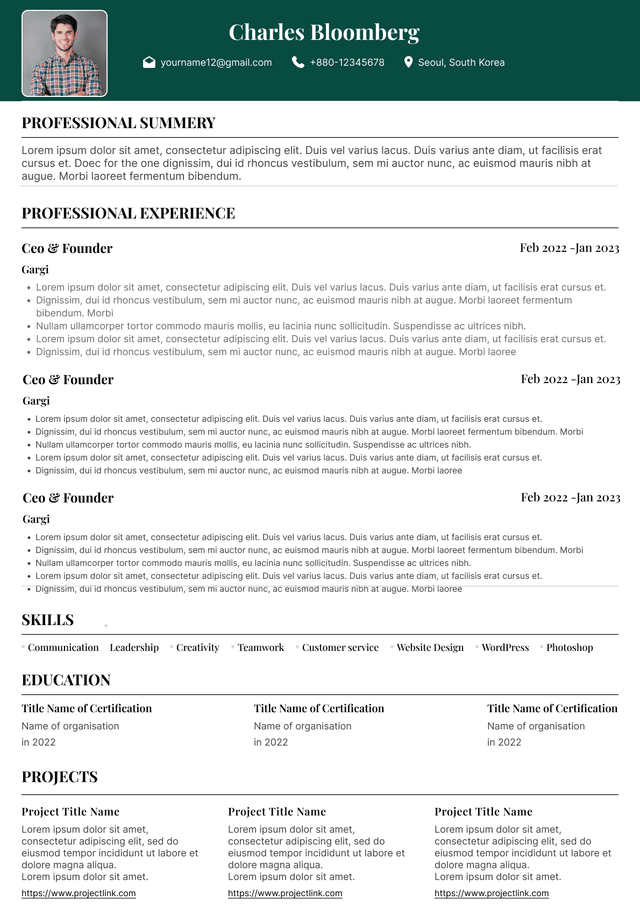
Use ATS-optimised Resume and resume templates that pass applicant tracking systems. Our Resume builder helps recruiters read, scan, and shortlist your Resume faster.


Use professional field-tested resume templates that follow the exact Resume rules employers look for.
Create Resume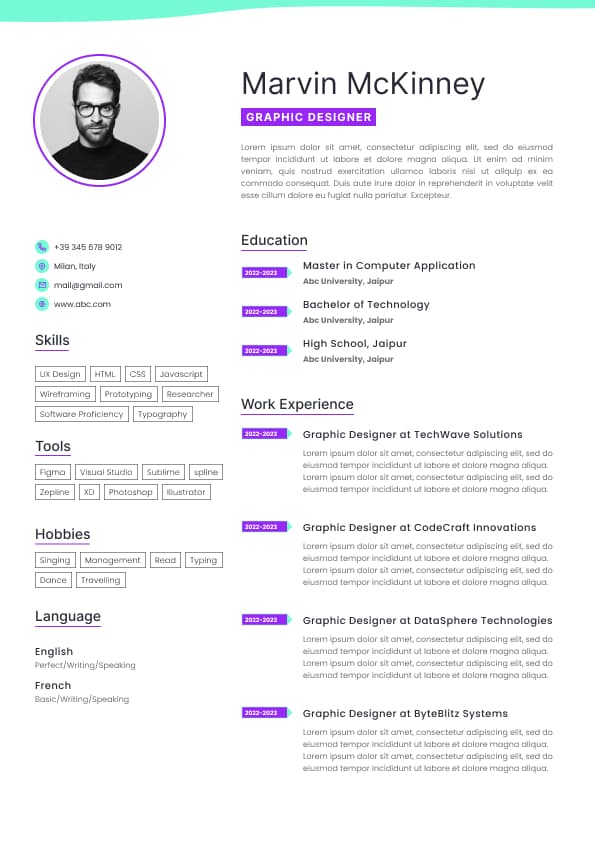
Use professional field-tested resume templates that follow the exact Resume rules employers look for.
Create Resume


















 Upload Resume
 Import from Linkedin