STILL APPLYING. STILL HEARING NOTHING?BUILD YOUR RESUME

STILL APPLYING. STILL HEARING NOTHING?BUILD YOUR RESUME
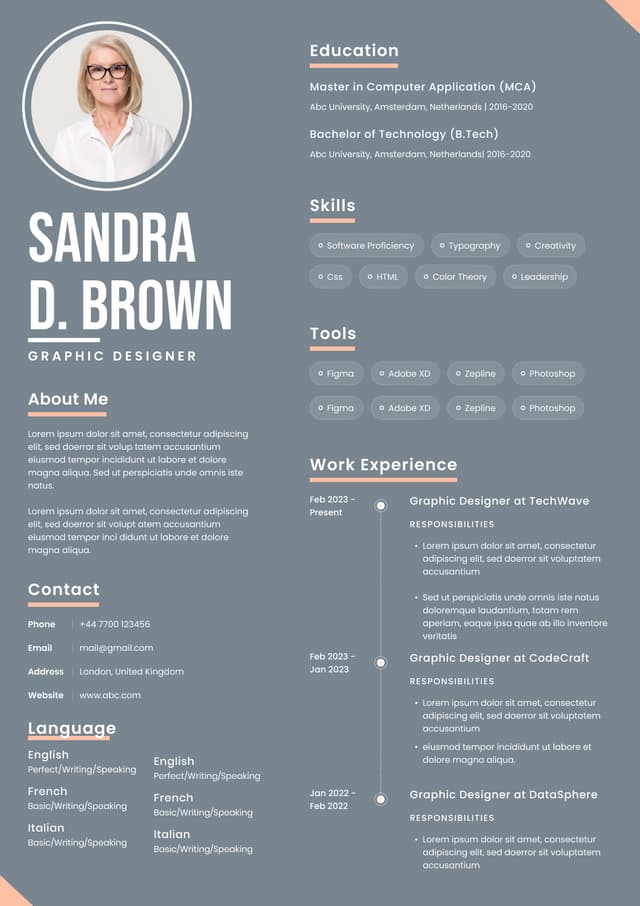
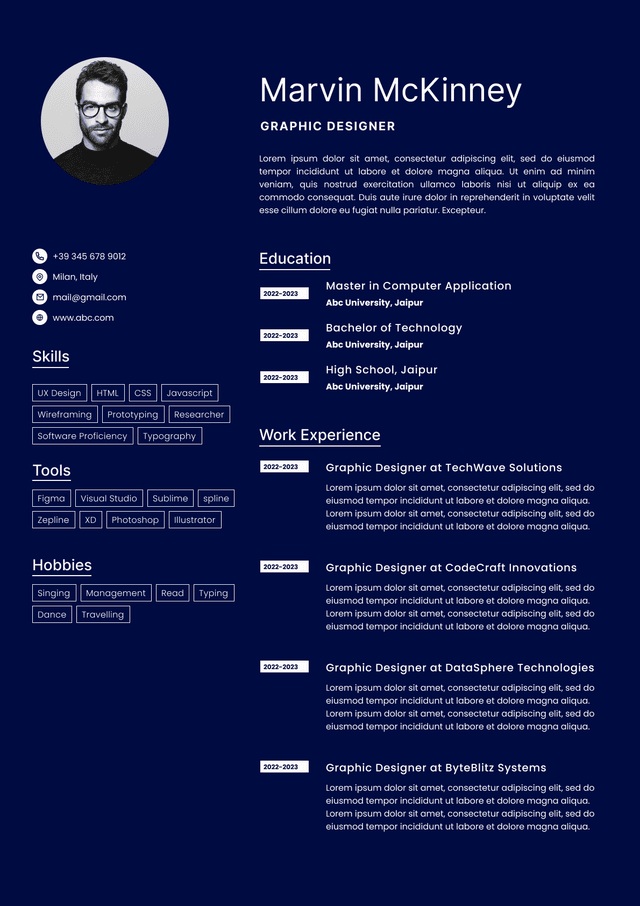
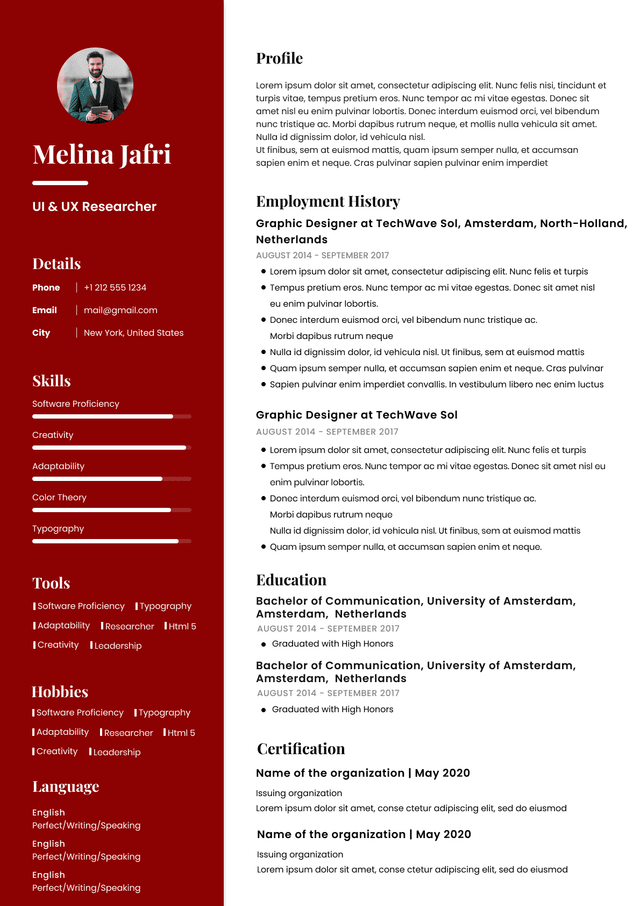
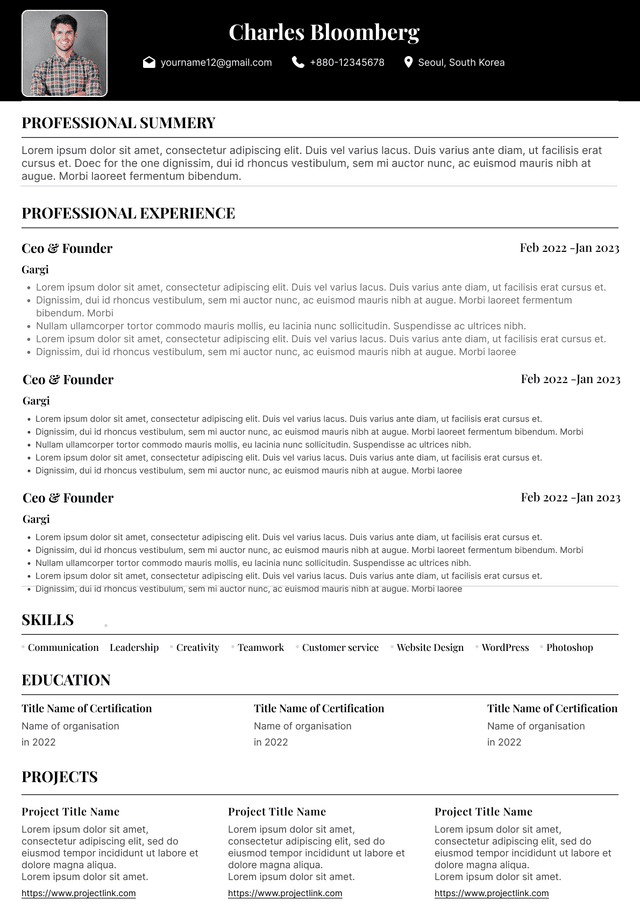
Choose from a wide range of NEWCV resume templates and customize your NEWCV design with a single click.
FAQ
An Android developer career path is no longer just about building mobile apps. In today’s US tech market, Android engineers are evaluated on architecture decisions, Kotlin expertise, scalability, performance optimization, product impact, and cross-functional leadership. The difference between a mid-level Android developer and a senior or principal engineer is rarely coding speed alone. Promotions are typically driven by ownership, technical influence, system design capability, and business impact.
Most Android developers start with feature delivery and debugging. As they advance, expectations shift toward architectural leadership, release stability, mentoring, platform strategy, and long-term mobile scalability. The highest-paying Android engineering careers increasingly exist in FinTech, mobile security, Android platform engineering, Kotlin Multiplatform, enterprise mobility, and AI-powered mobile products.
This guide breaks down the real-world Android developer roadmap from intern to director-level leadership, including what hiring managers actually evaluate at every level and what separates developers who stagnate from those who accelerate into high-impact, high-compensation roles.
Most Android careers follow a progression similar to this:
Intern
Junior Android Developer
Mid-Level Android Developer
Senior Android Developer
Lead Android Engineer
Principal Android Engineer
Mobile Architect
Director of Mobile Engineering
The progression is not purely time-based. In strong engineering organizations, promotions are tied to increasing scope, autonomy, technical influence, and organizational impact.
The internship stage focuses on foundational engineering habits rather than deep architecture expertise.
Hiring managers usually evaluate interns based on:
Ability to learn quickly
Code readability
Git workflow understanding
Communication skills
Debugging approach
Curiosity and coachability
Android fundamentals
At this stage, companies are not expecting production-level architectural mastery. They want evidence that the candidate can eventually become a reliable engineering contributor.
This is where developers transition from learning Android to contributing consistently within a production environment.
Junior Android developers are expected to:
Build features independently
Fix bugs reliably
Follow architecture guidelines
Participate in code reviews
Understand team workflows
Write maintainable Kotlin code
Most junior developers stay at this level for one to three years depending on company complexity and learning speed.
Recruiters hiring junior Android engineers usually prioritize:
Mid-level Android engineers become trusted contributors rather than supervised implementers.
This stage is where engineering maturity becomes visible.
Mid-level Android developers are expected to:
Design moderately complex features
Make architectural suggestions
Improve app stability
Write scalable code
Mentor junior developers informally
Participate in technical planning
Senior Android developer is the level where technical leadership begins.
This role is fundamentally different from junior and mid-level engineering because the evaluation criteria change significantly.
Senior developers are expected to influence systems, teams, and engineering direction.
A strong senior Android engineer typically:
Designs scalable architecture
Makes long-term technical decisions
Leads critical mobile initiatives
Mentors junior and mid-level developers
Drives code quality standards
Handles production reliability
Collaborates with product and design leadership
Improves engineering processes
Lead Android engineers bridge technical leadership and people leadership.
This role varies heavily by company size, but typically includes both engineering oversight and team coordination.
Lead engineers often:
Coordinate engineering direction
Lead mobile architecture decisions
Manage technical delivery timelines
Mentor senior engineers
Resolve engineering conflicts
Align mobile strategy with product goals
Principal Android engineers operate at organization-wide scale.
This is one of the highest individual contributor paths in Android engineering.
Principal engineers influence architecture strategy across multiple teams or products.
Their responsibilities often include:
Defining mobile platform standards
Driving large-scale architecture modernization
Leading organization-wide technical strategy
Solving high-risk engineering problems
Reviewing major system decisions
Mentoring senior and lead engineers
Influencing executive technology planning
At this level, technical credibility and influence matter more than direct implementation volume.
Some Android developers transition into mobile architecture roles instead of engineering management.
Mobile architects focus on long-term technical systems rather than day-to-day team execution.
Responsibilities may include:
Cross-platform architecture strategy
Mobile scalability planning
Platform standardization
Security architecture
Shared infrastructure design
SDK governance
This is a leadership-heavy role focused more on organizational execution than hands-on coding.
Directors typically oversee:
Multiple mobile teams
Engineering managers
Budget planning
Hiring strategy
Mobile roadmap execution
Organizational performance
Cross-department alignment
Technical understanding still matters, but leadership capability becomes the dominant success factor.
Kotlin has become one of the most important Android career accelerators.
Developers who deeply understand Kotlin often progress faster because modern Android architecture increasingly relies on advanced Kotlin capabilities.
Important Kotlin areas include:
Coroutines
Flow
DSL creation
Functional programming concepts
Generics
Sealed classes
Architecture knowledge is one of the biggest promotion drivers in Android engineering.
Developers who understand architecture deeply can influence scalability, maintainability, and engineering velocity.
High-value areas include:
MVVM
MVI
Clean Architecture
Dependency injection
Modularization
Offline-first design
Not all Android career paths pay equally.
The highest compensation typically exists in specialized, high-impact mobile domains.
FinTech companies often pay premium compensation because mobile reliability directly affects financial trust and transaction volume.
Key skills include:
Security architecture
Encryption
Fraud prevention
Payment systems
High-performance networking
Compliance awareness
This specialization focuses on securing mobile ecosystems against threats.
Skills often include:
Reverse engineering prevention
Secure authentication
Device integrity validation
Encryption systems
Secure API communication
Mobile threat modeling
Security-focused Android engineers are increasingly difficult to hire, which raises compensation.
Kotlin Multiplatform is becoming increasingly valuable for organizations seeking shared business logic across Android and iOS.
Strong KMP engineers often command premium salaries because the talent pool remains relatively small.
Platform engineers focus on internal developer infrastructure rather than consumer-facing features.
This may include:
Internal SDK development
Build systems
CI/CD tooling
Shared component systems
Developer productivity tooling
Large engineering organizations highly value this specialization because it improves team scalability.
Android Automotive is growing rapidly across automotive technology companies.
This area requires knowledge of:
Embedded systems
Vehicle integrations
Automotive UX constraints
Hardware communication
Real-time performance considerations
The specialization remains niche, which often improves compensation potential.
AI-powered mobile applications are becoming a major growth area.
This includes:
On-device ML inference
TensorFlow Lite
AI-powered personalization
Recommendation systems
Computer vision integration
Edge AI optimization
Developers combining Android expertise with AI engineering often become highly competitive candidates.
The developers who move fastest through Android engineering levels usually excel in five areas simultaneously.
High-performing engineers proactively solve problems before escalation.
Managers promote developers who reduce operational burden.
Strong communication improves:
Cross-functional collaboration
Technical alignment
Incident management
Team efficiency
Many technically strong developers plateau because they underestimate communication.
Senior engineers increasingly need to understand:
User retention
Feature impact
App engagement
Performance metrics
Business priorities
Engineers who connect technical work to business outcomes often receive faster promotions.
Mentoring signals leadership readiness.
Organizations promote engineers who improve overall team capability, not just individual productivity.
Mobile release stability has become extremely important.
Strong Android engineers understand:
Gradual rollouts
Crash monitoring
CI/CD reliability
Play Store release strategy
Incident rollback procedures
This operational awareness strongly influences promotion decisions.
Hiring managers typically evaluate Android developers differently at every stage.
Primary evaluation areas:
Coding fundamentals
Learning ability
Reliability
Team collaboration
Primary evaluation areas:
Independent execution
Architecture understanding
Many Android developers unintentionally delay career growth.
The most common mistakes include:
Remaining feature-focused too long
Avoiding architecture discussions
Weak communication skills
Ignoring testing practices
Limited business awareness
No mentoring involvement
Lack of system design knowledge
Developers who advance quickly usually follow a deliberate growth strategy.
High-performing engineers ask:
Did this improve retention?
Did this reduce crashes?
Did this improve release speed?
Did this improve engineering scalability?
Business impact creates visibility.
Developers who study architecture early tend to progress faster into senior-level responsibilities.
Strong career accelerators include:


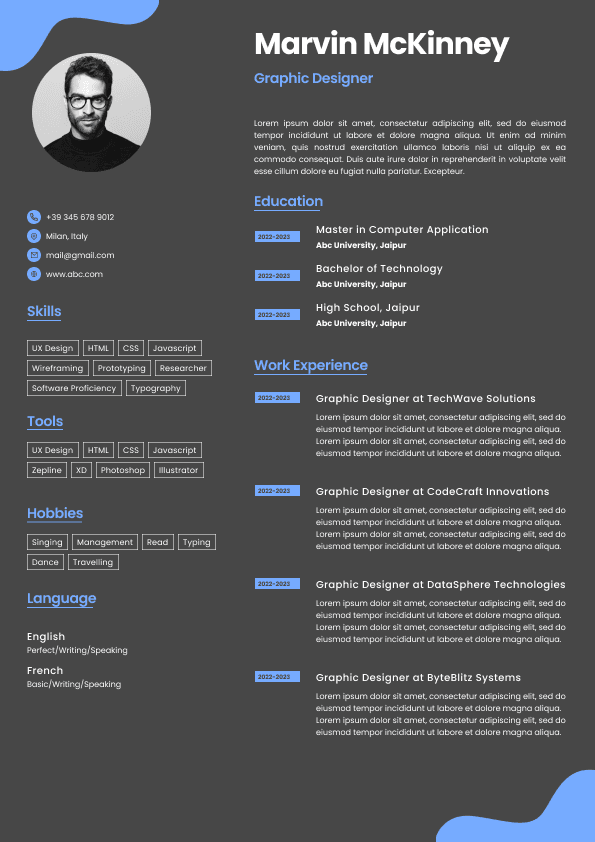
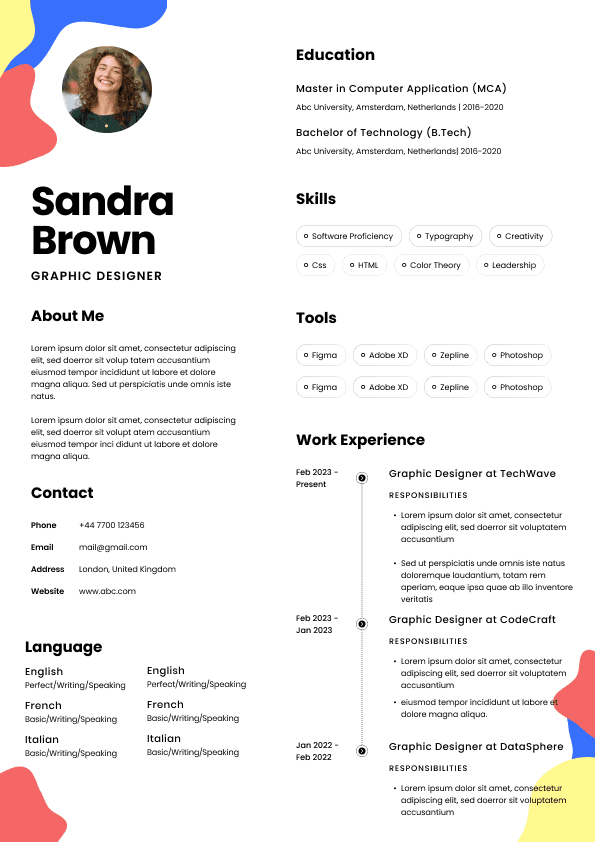
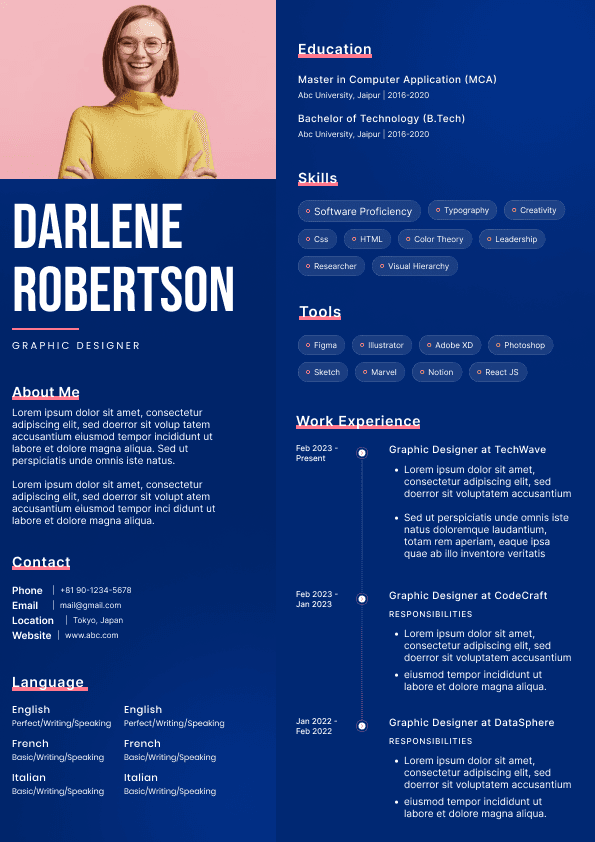
Use ATS-optimised Resume and resume templates that pass applicant tracking systems. Our Resume builder helps recruiters read, scan, and shortlist your Resume faster.


Use professional field-tested resume templates that follow the exact Resume rules employers look for.
Create Resume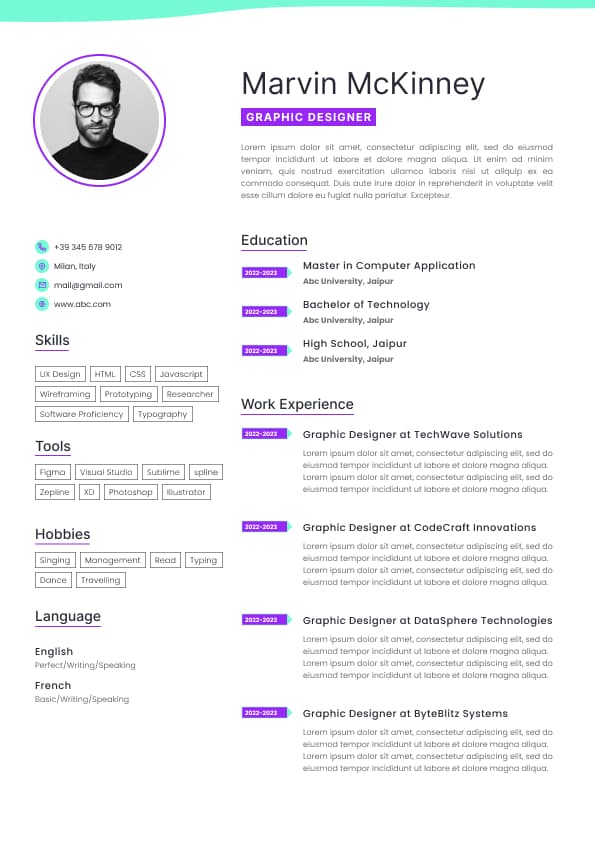
Use professional field-tested resume templates that follow the exact Resume rules employers look for.
Create ResumeA junior developer is judged primarily on execution quality. A senior engineer is judged on technical decision-making. A principal engineer is judged on how their decisions shape the engineering organization itself.
This distinction is where many Android developers plateau. Strong coding skills alone are not enough for upper-level progression.
Core areas typically include:
Kotlin fundamentals
Android Studio proficiency
Activities and fragments
RecyclerView implementation
REST API integration
Basic Jetpack components
Version control with Git
Simple MVVM understanding
Many candidates fail because they only complete tutorial projects. Recruiters and hiring managers are more impressed by:
Apps solving real problems
Published Play Store apps
Contribution to open-source Android projects
Clean GitHub repositories
Documentation quality
Thoughtful architecture decisions
Even small projects become valuable when they demonstrate intentional engineering decisions.
Kotlin proficiency
Understanding of Android lifecycle
MVVM familiarity
API integration experience
Basic testing knowledge
Ability to work inside existing architecture
Collaboration skills
The biggest differentiator is often reliability rather than brilliance.
Many Android developers fail to progress because they stay feature-focused without developing architectural thinking.
Typical stagnation patterns include:
Only knowing UI implementation
Weak debugging skills
Avoiding backend understanding
Poor communication during code reviews
No ownership mentality
Lack of performance awareness
Minimal testing discipline
Promotion to mid-level typically requires moving from task execution to engineering ownership.
Handle production incidents
The biggest transition here is independent problem-solving.
Hiring managers increasingly assess whether the developer can operate without constant oversight.
At this stage, developers usually need stronger expertise in:
Kotlin coroutines
Flow and reactive programming
Dependency injection
Room database optimization
Jetpack Compose
Modularization
CI/CD pipelines
Unit and UI testing
Performance profiling
Developers who ignore modern Android tooling often become less competitive in senior-level interviews.
One overlooked factor in Android career progression is communication.
Strong mid-level engineers explain tradeoffs clearly during:
Sprint planning
Architecture discussions
Code reviews
Production incident reviews
Engineering organizations promote developers who reduce organizational friction, not just developers who write code quickly.
This is where business understanding becomes important.
Senior engineers who understand user behavior, release impact, and product priorities often progress faster into leadership.
Senior Android engineers are commonly expected to understand:
Advanced Kotlin patterns
Multi-module architecture
Offline-first architecture
Mobile scalability
Performance optimization
Memory management
Security best practices
Release management
Deep Android lifecycle behavior
System design principles
Many senior-level interviews now heavily test Android performance knowledge.
This includes:
Startup optimization
ANR reduction
Battery efficiency
APK size reduction
Rendering performance
Memory leak prevention
Background execution optimization
Performance problems directly affect retention, revenue, and app store ratings, which is why companies value these skills highly.
Improve team processes
Guide technical hiring decisions
This role requires substantial communication maturity.
The strongest lead engineers are usually excellent at translating technical complexity into business language.
The biggest distinction is scope.
Senior engineers optimize systems. Lead engineers optimize teams and execution.
Hiring managers evaluate lead candidates based on:
Cross-functional influence
Stakeholder communication
Team leadership
Delivery predictability
Technical prioritization
Risk management
Many technically strong senior engineers fail at lead roles because they struggle with alignment, delegation, or organizational communication.
Principal-level expectations include:
Exceptional system design capability
Deep mobile infrastructure knowledge
Strong organizational influence
Long-term technical vision
High-level decision-making ability
Scalability expertise
Strong product intuition
Principal engineers are often evaluated on whether they can prevent large technical failures before they happen.
Enterprise mobile systems
This path is particularly common in enterprise organizations and large-scale mobile ecosystems.
Inline functions
Extension functions
Kotlin Multiplatform
Hiring managers increasingly view weak Kotlin knowledge as a major limitation for senior-level Android roles.
Repository patterns
State management
Event-driven systems
Interviewers are usually testing:
Tradeoff analysis
Scalability thinking
Maintainability awareness
Team collaboration impact
Long-term architecture reasoning
Many candidates fail because they memorize patterns without understanding why those patterns exist.
Problem-solving
Stability ownership
Primary evaluation areas:
Technical leadership
Scalability thinking
Mentoring
Strategic decision-making
Primary evaluation areas:
Organizational influence
Long-term architecture strategy
Team enablement
Cross-functional leadership
Understanding these evaluation differences helps developers focus on the right growth areas rather than over-optimizing low-impact skills.
Poor documentation habits
Resistance to modern Android tooling
The developers who progress fastest are usually the ones who expand beyond implementation work earlier.
Technical writing
Architecture presentations
Open-source contributions
Internal knowledge sharing
Visibility matters in engineering careers more than many developers realize.
Promotions usually follow visible ownership.
Volunteer for:
Complex migrations
Performance initiatives
Stability improvements
Release coordination
Mentoring responsibilities
Ownership creates promotion evidence.






 Upload Resume
 Import from Linkedin