STILL APPLYING. STILL HEARING NOTHING?BUILD YOUR RESUME

STILL APPLYING. STILL HEARING NOTHING?BUILD YOUR RESUME
Choose from a wide range of NEWCV resume templates and customize your NEWCV design with a single click.
FAQ
An Android developer GitHub profile is no longer optional in competitive hiring markets. Recruiters, engineering managers, and technical interviewers routinely check GitHub to validate whether candidates can actually build production-level Android applications.
A strong Android GitHub portfolio does three things immediately:
Proves you can write real Kotlin code
Demonstrates architecture and engineering maturity
Reduces hiring risk for recruiters and hiring managers
Most Android candidates fail because their GitHub profiles contain tutorial apps, incomplete repositories, weak README files, or no evidence of real engineering practices. Strong candidates use GitHub strategically to showcase Android architecture decisions, Jetpack Compose usage, testing standards, CI/CD workflows, and production-ready thinking.
If you want your GitHub to help you land Android developer jobs, internships, or freelance opportunities, your repositories must function like technical proof, not storage folders.
Recruiters do not read every line of your code. Most spend only a few minutes deciding whether your GitHub strengthens or weakens your application.
The goal is not perfection. The goal is credibility.
A strong Android GitHub profile helps recruiters answer critical questions quickly:
Can this candidate actually build Android apps?
Do they understand modern Android development?
Are they using Kotlin professionally?
Can they structure a real application?
Do they understand MVVM or Clean Architecture?
Are they active and engaged in engineering work?
The strongest Android GitHub profiles are intentionally structured. Nothing looks random.
Your profile bio should immediately position you as an Android engineer.
A strong bio typically includes:
Android specialization
Kotlin expertise
Jetpack Compose mention
Architecture focus
Current learning direction
Portfolio or LinkedIn link
Weak Example
“Passionate coder | Love technology”
Pinned repositories are the first technical proof recruiters see.
Your pinned repositories should showcase:
Kotlin-based Android apps
Jetpack Compose projects
MVVM or Clean Architecture implementation
API integration
Testing practices
Real UI complexity
Firebase or backend integration
Not all Android projects help your hiring chances equally.
The strongest Android GitHub projects demonstrate engineering depth, not just UI design.
Strong project categories include:
Expense tracker apps
E-commerce Android apps
Social media apps
Productivity applications
Fitness tracking apps
Offline-first apps
Jetpack Compose has become one of the strongest Android hiring signals.
Companies increasingly prioritize candidates who understand modern declarative UI development.
Compose projects help recruiters identify:
Modern Android readiness
State management understanding
UI architecture knowledge
Scalability awareness
Current ecosystem familiarity
If your GitHub still only contains XML-based projects, you may look outdated compared to candidates showcasing Compose.
That does not mean XML is obsolete. Many enterprise applications still use it heavily. But Compose projects now provide a major competitive advantage.
Repository quality often separates interview-worthy candidates from rejected candidates.
Strong Android repositories feel production-ready.
Clear repository naming
Professional README documentation
Setup instructions
Screenshots or GIF demos
Architecture explanation
Tech stack overview
APK or demo access
README quality is massively underrated.
Many Android developers spend months building apps and only five minutes documenting them.
That is a major mistake.
A strong README increases perceived engineering maturity immediately.
Explain:
What the app does
The problem it solves
Why the architecture was chosen
Clearly list technologies such as:
Kotlin
Jetpack Compose
Most Android GitHub profiles fail because of preventable issues.
Recruiters can identify tutorial projects immediately.
Common signs include:
Standard weather apps
Identical UI layouts
Generic repository names
Minimal customization
Copy-paste code structures
Tutorials are acceptable for learning. They are weak portfolio material unless significantly expanded.
Nothing damages credibility faster than abandoned projects everywhere.
Experienced Android interviewers look beyond visuals.
They evaluate engineering decisions.
Strong repositories usually demonstrate:
Separation of concerns
Clear package structure
Proper state management
Dependency injection usage
Repository patterns
Scalable UI organization
Open source contributions can significantly strengthen Android developer credibility, especially for junior and mid-level candidates.
They show:
Collaboration ability
Real-world development exposure
Git workflow familiarity
Engineering communication skills
Code review experience
Strong contribution areas include:
Android libraries
Your resume and GitHub should support each other strategically.
Your GitHub proves what your resume claims.
Place GitHub:
Near LinkedIn
In the header section
As a clickable URL
With a clean custom username if possible
Avoid usernames that look unprofessional.
Recruiters notice inconsistencies immediately.
If your resume lists advanced Android projects but GitHub shows only incomplete tutorials, trust drops fast.
Junior Android developers often assume they need years of experience to compete.
That is not true.
Strong GitHub positioning can compensate for limited professional experience.
Two to four polished projects
Strong documentation
Modern Android stack usage
Compose familiarity
Testing basics
Clear architecture
Strong candidates optimize beyond basic repository quality.
A profile README should act like a technical landing page.
Include:
Android specialization
Current focus areas
Featured projects
Tech stack
Certifications
Play Store links
Contact information
The best Android GitHub profiles feel intentional.
Everything supports the same message:
“This developer can build modern Android applications professionally.”
Strong profiles usually share these traits:
Consistent Android focus
Modern Kotlin usage
Compose implementation
Professional documentation
Real architecture depth
Production-style repositories
Clear engineering decisions
You do not need daily commits.
But long periods of inactivity can raise concerns.
A healthy pattern is:
Ongoing project improvement
Meaningful updates
Incremental feature additions
Bug fixes
Documentation improvements
Occasional experimentation
Consistency matters more than intensity.
Recruiters are evaluating whether engineering is an active skill for you right now.

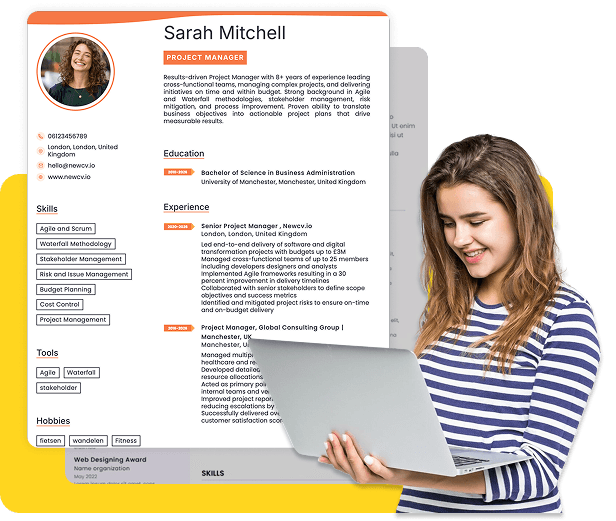
Use ATS-optimised Resume and resume templates that pass applicant tracking systems. Our Resume builder helps recruiters read, scan, and shortlist your Resume faster.

Use professional field-tested resume templates that follow the exact Resume rules employers look for.
Create Resume
Use professional field-tested resume templates that follow the exact Resume rules employers look for.
Create ResumeCan they document technical work clearly?
Do they finish projects?
Engineering managers go deeper. They often evaluate:
Repository organization
Architecture choices
State management
Compose implementation quality
Dependency injection setup
Testing coverage
API handling
Error handling patterns
Scalability considerations
Commit quality and engineering consistency
Your GitHub profile becomes a technical interview before the interview happens.
Good Example
“Kotlin Android Developer focused on Jetpack Compose, MVVM architecture, and scalable mobile applications.”
The difference is positioning. Recruiters search for keywords mentally even when they are not using ATS systems.
Production-style architecture
Avoid pinning:
Basic calculator apps
Tutorial clones
Incomplete projects
Repositories with no README
Empty repositories
A weak pinned section immediately damages credibility.
Recruiters do notice contribution consistency.
They are not expecting daily commits forever. They are looking for evidence that you actively build, improve, and maintain projects.
Consistent activity signals:
Technical engagement
Ongoing learning
Reliability
Genuine engineering interest
However, fake contribution manipulation is obvious to experienced reviewers.
Hundreds of meaningless commits do not impress engineering teams.
Quality matters more than raw activity.
Real-time chat applications
News aggregator apps
AI-integrated Android apps
Weather apps with caching and API handling
The best projects include real engineering challenges.
Your repositories should demonstrate modern Android development practices such as:
Kotlin Coroutines
Flow or StateFlow
Jetpack Compose
Room Database
Retrofit
Dependency Injection
Hilt or Koin
Navigation components
Pagination
Offline caching
Authentication flows
Unit testing
UI testing
CI/CD integration
Recruiters rarely expect all of these in one project. But advanced Android candidates usually demonstrate several.
Testing instructions
Gradle setup guidance
API usage documentation
Recruiters and engineering managers hate repositories that require guesswork.
If someone cannot understand your project quickly, they move on.
Hilt
Retrofit
Room
Firebase
Coroutines
Explain:
MVVM structure
Clean Architecture layers
Modularization strategy
State management decisions
Provide exact steps for running the project locally.
Include:
App screenshots
UI previews
Feature demonstrations
Architecture diagrams
Visual proof improves recruiter engagement dramatically.
Mention:
Unit testing frameworks
UI testing coverage
Mocking approaches
Integration testing setup
Testing documentation instantly elevates technical credibility.
One polished repository is stronger than fifteen unfinished apps.
Many recruiters are non-technical during first-round screening.
Without screenshots, they cannot quickly evaluate your work.
If a project cannot run easily, reviewers assume poor engineering discipline.
Commit history reveals development habits.
Bad patterns include:
“Final final final version”
“Fix stuff”
Massive single commits
No meaningful commit structure
Good commit history signals professionalism.
Clean API handling
Error handling consistency
Weak repositories often show:
Everything inside one activity
No ViewModel separation
Business logic inside UI
Massive fragments
Hardcoded values
No dependency management
Even visually impressive apps can fail technical evaluation if architecture quality is weak.
Jetpack Compose tools
Kotlin utilities
UI components
Bug fixes
Documentation improvements
Testing enhancements
You do not need massive contributions to gain value.
Even small, meaningful pull requests help.
These are useful starting points for newer developers.
However, recruiters care more about contribution quality than participation badges.
A meaningful fix in a respected Android project carries more weight than dozens of low-value contributions.
Usually:
Top pinned repository
README screenshots
Commit activity
Architecture structure
Recent Kotlin projects
This is why repository presentation matters so much.
Active improvement history
You do not need ten applications.
You need a small number of genuinely strong repositories.
Internship recruiters often prioritize:
Learning ability
Code organization
Technical curiosity
Consistency
Communication quality
Ability to finish projects
A well-structured GitHub profile often matters more than GPA for technical internships.
The best repositories explain decisions.
For example:
Why Compose was selected
Why Clean Architecture was used
Why certain libraries were chosen
Performance considerations
Tradeoffs in implementation
This demonstrates engineering maturity far beyond coding ability.
Advanced repositories often include:
CI/CD workflows
Automated testing
Release pipelines
Firebase integration
Crash reporting
App distribution setup
These details strongly influence senior engineering evaluations.
High-quality presentation
Weak profiles feel random, incomplete, or academic.
Hiring managers notice the difference immediately.


 Upload Resume
 Import from Linkedin