STILL APPLYING. STILL HEARING NOTHING?BUILD YOUR RESUME

STILL APPLYING. STILL HEARING NOTHING?BUILD YOUR RESUME
Choose from a wide range of NEWCV resume templates and customize your NEWCV design with a single click.
FAQ
An Android developer designs, builds, tests, maintains, and improves mobile applications for Android devices using technologies like Kotlin, Java, Jetpack Compose, Android SDK, REST APIs, Firebase, Gradle, and modern Android architecture components.
In hiring, recruiters and engineering managers are not just looking for someone who can “build apps.” They evaluate whether a candidate can ship production-ready Android applications at scale, collaborate across teams, maintain code quality, solve performance issues, and contribute to long-term mobile architecture.
That is why strong Android developer resumes focus heavily on measurable responsibilities, technical ownership, app lifecycle management, collaboration, debugging, performance optimization, testing, CI/CD, and modern Android engineering practices.
The biggest mistake candidates make is listing vague statements like “developed Android apps” without explaining the actual engineering responsibilities behind the work. Hiring managers want to see evidence of real production impact, technical depth, and ownership.
Android developer responsibilities vary based on company size, product maturity, and seniority level, but most modern Android engineering roles include these core areas:
Designing and building native Android applications
Writing maintainable Kotlin and Java code
Developing UI components using Jetpack Compose or XML
Integrating APIs and backend services
Managing local storage and offline functionality
Debugging crashes, ANRs, and production defects
Optimizing mobile app performance and reliability
Many candidates underestimate how important daily engineering workflows are during hiring evaluations. Recruiters and engineering managers often assess whether candidates understand the operational side of Android development, not just coding.
A typical Android developer daily workflow may include:
Writing Kotlin or Java application logic
Building Compose UI screens or XML layouts
Reviewing pull requests and providing code feedback
Attending Agile standups and sprint planning meetings
Debugging production crashes and device-specific issues
Collaborating with backend engineers on API integration
Investigating performance bottlenecks and memory leaks
Most resumes fail because they describe tasks instead of ownership.
Recruiters reviewing Android developer resumes typically scan for signals that indicate:
The candidate shipped real production applications
The candidate worked on scalable mobile systems
The candidate solved technical problems independently
The candidate improved app performance or reliability
The candidate collaborated effectively with cross-functional teams
The candidate understands modern Android architecture
The candidate contributed beyond feature coding
When writing Android developer responsibilities on a resume, candidates should focus on four things:
Technical depth
Ownership
Collaboration
Measurable impact
Strong Android resumes balance engineering detail with business relevance.
Designed, developed, tested, and maintained scalable Android applications using Kotlin and Java
Built modern Android UI using Jetpack Compose, XML, and Material Design principles
The Android ecosystem has evolved significantly. Hiring managers now expect Android developers to understand modern mobile engineering practices beyond traditional app coding.
Kotlin-first development
Jetpack Compose adoption
MVVM or Clean Architecture implementation
Coroutines and Flow usage
Dependency injection frameworks like Hilt or Dagger
Modular application architecture
Automated testing practices
Performance optimization has become one of the most important Android engineering responsibilities.
Poor-performing apps directly impact:
App Store ratings
User retention
Revenue
Conversion rates
Mobile engagement metrics
Strong Android developers actively optimize:
App startup time
Rendering performance
Android development is highly collaborative. Candidates who position themselves as isolated coders often struggle during hiring.
Strong Android engineers regularly collaborate with:
Product managers
UX/UI designers
Backend engineers
QA engineers
DevOps teams
Security teams
Data and analytics teams
Stakeholders and leadership
One major hiring differentiator is whether candidates understand software quality practices.
Many weak Android resumes completely ignore testing responsibilities, which immediately raises concerns for engineering managers.
Modern Android developer testing responsibilities may include:
Writing unit tests using JUnit and Mockito
Creating UI tests using Espresso
Implementing integration testing strategies
Improving test coverage
Supporting QA automation initiatives
Performing regression testing
Debugging production issues
Mid-level and senior Android developers are increasingly evaluated based on architecture ownership rather than feature implementation alone.
High-value architecture responsibilities include:
Designing scalable Android application architecture
Implementing MVVM, MVI, or Clean Architecture patterns
Reducing technical debt
Refactoring legacy codebases
Creating reusable Android modules
Improving maintainability and developer experience
Defining engineering standards and best practices
Production release management is another overlooked area on Android resumes.
Strong Android developers often contribute to:
Play Store submissions
Release versioning strategies
Gradle build management
CI/CD workflows
Beta testing pipelines
App signing configurations
Staged rollouts
Production incident response
Most Android developer resumes fail because they sound generic and interchangeable.
Listing tools without context
Using vague responsibility statements
Focusing only on coding tasks
Ignoring business impact
Missing performance metrics
Omitting testing responsibilities
Not mentioning collaboration
Most candidates do not realize how quickly technical resumes are evaluated.
During initial resume screening, recruiters and hiring managers usually look for:
Does the candidate use the technologies required for the role?
Has the candidate worked on real applications with active users?
Did the candidate own features, architecture, or operational processes?
Does the resume reflect testing, scalability, performance, and reliability awareness?
Is the candidate aligned with current Android engineering standards?
Did the candidate improve measurable outcomes?
This evaluation often happens in under 60 seconds during first-pass screening.
That is why responsibility wording matters so much.
The strongest Android resumes follow a specific pattern.
Action + Technical Skill + Ownership + Outcome
“Implemented Jetpack Compose onboarding flows that increased mobile user activation rates by 18%.”
This structure works because it combines:
Action
Technical detail
Product ownership
Business impact
Prioritize measurable achievements
Junior developers are usually expected to:
Build smaller application features
Fix bugs and UI issues
Support testing efforts
Learn Android architecture standards
Collaborate with senior engineers
Participate in Agile workflows
Mid-level engineers often:


Use ATS-optimised Resume and resume templates that pass applicant tracking systems. Our Resume builder helps recruiters read, scan, and shortlist your Resume faster.


Use professional field-tested resume templates that follow the exact Resume rules employers look for.
Create Resume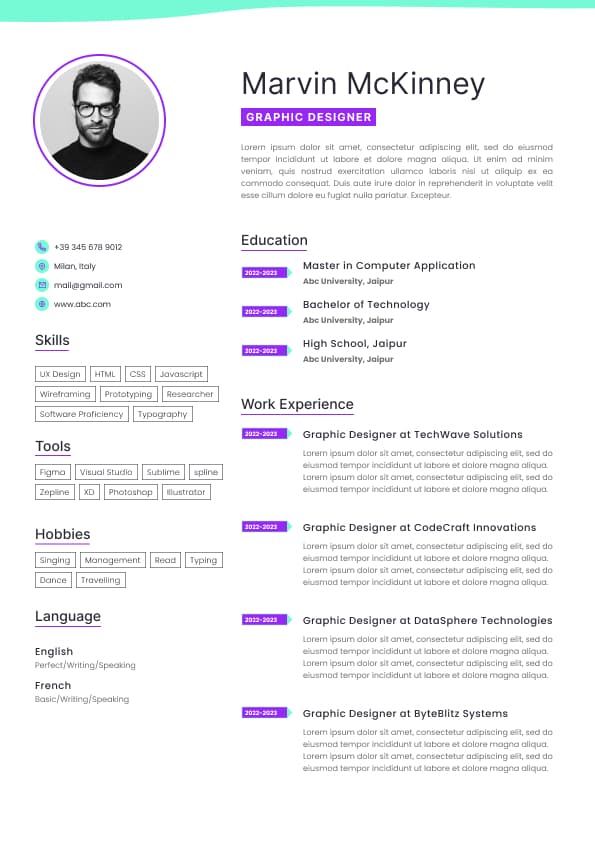
Use professional field-tested resume templates that follow the exact Resume rules employers look for.
Create ResumeCollaborating with product, design, backend, and QA teams
Implementing Android architecture best practices
Supporting app releases and Play Store deployments
Maintaining CI/CD pipelines and Gradle configurations
Writing automated tests and improving code quality
Refactoring legacy Android codebases
Monitoring analytics, crash reporting, and app health
Implementing mobile security and compliance standards
These responsibilities often appear across Android developer resumes, job descriptions, performance reviews, and engineering evaluation frameworks.
Updating dependencies and Gradle configurations
Writing unit tests and UI tests
Monitoring Firebase Crashlytics and analytics dashboards
Testing applications across multiple Android devices
Supporting release deployments and beta testing
Refining architecture and reducing technical debt
Hiring managers pay close attention to candidates who demonstrate operational maturity because production Android development is heavily tied to reliability, scalability, and collaboration.
The candidate handled release processes and production support
This is why generic phrases rarely perform well during resume screening.
“Responsible for Android app development.”
This tells recruiters almost nothing.
“Designed and developed Kotlin-based Android features used by 500K+ monthly active users while reducing crash rates by 32% through architecture refactoring and improved error handling.”
The second version demonstrates:
Technical ownership
Business scale
Engineering impact
Quantifiable outcomes
Problem-solving ability
That is the level modern hiring managers expect.
Integrated RESTful APIs, Firebase services, and third-party SDKs into production mobile applications
Optimized application startup performance, memory usage, and rendering speed across Android devices
Debugged crashes, ANRs, and production defects using Crashlytics, Logcat, and Android Studio profiling tools
Collaborated with product managers, designers, QA engineers, and backend developers in Agile environments
Developed automated unit tests and UI tests to improve application reliability and code coverage
Implemented MVVM architecture, dependency injection, and modular Android design patterns
Managed Play Store releases, app signing, CI/CD pipelines, and staged rollout deployments
Refactored legacy Java/XML codebases into modern Kotlin and Jetpack Compose architecture
Improved mobile application security through encrypted storage, biometric authentication, and secure API handling
Participated in code reviews and engineering discussions to improve Android development standards
These types of resume bullets communicate actual engineering contribution instead of vague participation.
CI/CD pipeline familiarity
Performance optimization techniques
Firebase ecosystem integration
Security-first mobile development
Scalable mobile architecture design
Candidates who only describe legacy XML development without modern Android practices often appear outdated during technical screening.
Frame drops and UI lag
Memory consumption
Battery usage
Network efficiency
APK/App Bundle size
Offline synchronization reliability
Recruiters often prioritize candidates who can demonstrate measurable performance improvements because these skills directly affect business outcomes.
“Reduced Android application cold start time by 41% through lazy loading, dependency optimization, and background task restructuring.”
That bullet demonstrates senior-level engineering impact.
Hiring managers value communication skills because mobile development frequently requires tradeoff discussions between performance, design, deadlines, technical constraints, and business goals.
Translating product requirements into technical solutions
Participating in Agile sprint planning and retrospectives
Reviewing pull requests and mentoring junior developers
Coordinating API contracts with backend teams
Supporting QA validation and bug triaging
Communicating technical risks and delivery timelines
Candidates who demonstrate cross-functional collaboration appear significantly stronger than candidates who only focus on coding tasks.
Monitoring crash analytics
Validating application stability across Android versions
Testing experience signals engineering maturity.
Hiring managers know that developers who never mention testing often create unstable production applications.
Supporting long-term application scalability
This is one of the biggest differences between junior and senior Android resumes.
Junior resumes focus on tasks.
Senior resumes focus on systems, architecture, scalability, and technical leadership.
Rollback procedures
These operational responsibilities are highly valuable because many companies struggle with mobile deployment reliability.
Candidates with release management experience often stand out during hiring.
Using outdated Android terminology
Failing to demonstrate ownership
Writing responsibilities instead of accomplishments
“Worked on Android applications using Kotlin.”
“Developed and maintained Kotlin-based Android applications serving 1M+ users while improving app stability, API performance, and release reliability.”
The second example demonstrates scale, ownership, and impact.
Use modern Android terminology
Mention architecture patterns where relevant
Include collaboration signals
Show production-scale experience
Demonstrate performance optimization work
Include testing and quality ownership
Highlight deployment and release support
These elements create stronger recruiter confidence during resume evaluation.
Own feature development end-to-end
Design reusable Android components
Improve performance and reliability
Review code contributions
Support production releases
Contribute to architectural discussions
Senior engineers typically:
Define Android architecture strategy
Lead major mobile initiatives
Mentor engineers
Improve engineering processes
Drive scalability and modernization efforts
Solve complex production issues
Influence product and technical decisions
Candidates should align resume responsibilities with their target seniority level.
One of the fastest ways to get rejected is presenting junior-level responsibilities while applying for senior Android roles.


 Upload Resume
 Import from Linkedin