STILL APPLYING. STILL HEARING NOTHING?BUILD YOUR RESUME

STILL APPLYING. STILL HEARING NOTHING?BUILD YOUR RESUME
Choose from a wide range of NEWCV resume templates and customize your NEWCV design with a single click.
FAQ
An Android developer is expected to do far more than write Kotlin or Java code. Modern hiring managers evaluate whether candidates can build, maintain, test, optimize, and scale production-grade Android applications using current Android architecture standards. Most employers prioritize practical Android development experience, strong mobile engineering fundamentals, clean architecture knowledge, and the ability to work inside collaborative Agile environments.
For entry-level Android developers, recruiters typically look for Android Studio proficiency, Android SDK knowledge, GitHub projects, internships, or published apps. Mid-level and senior Android developers are evaluated on architecture decisions, scalability, app performance, testing strategy, code quality, and technical leadership. Employers increasingly favor candidates with Kotlin-first development experience, Jetpack Compose expertise, MVVM architecture knowledge, API integration skills, and production debugging experience.
This guide breaks down the real Android developer requirements companies use during hiring, screening, and technical evaluation.
An Android developer designs, builds, tests, deploys, and maintains Android mobile applications. Depending on the company and seniority level, responsibilities can include:
Building native Android apps using Kotlin or Java
Creating responsive mobile UI components
Integrating REST APIs and backend services
Managing app architecture and scalability
Writing unit tests and UI tests
Monitoring crashes and application performance
Publishing releases through Google Play Console
Most Android developer job descriptions contain a combination of technical requirements, software engineering expectations, and collaboration skills.
Many employers prefer candidates with a degree in:
Computer Science
Software Engineering
Computer Engineering
Information Systems
Mobile Application Development
That said, degree requirements are becoming more flexible in the US job market. Strong portfolios, production apps, GitHub repositories, internships, and real Android projects can often outweigh formal education for junior candidates.
Recruiters increasingly prioritize demonstrated capability over credentials alone.
Modern Android teams expect familiarity with architecture patterns such as:
MVVM
MVI
Clean Architecture
Repository pattern
Modular architecture
Candidates who cannot explain architectural decisions often struggle during system design or technical interviews.
Strong candidates understand:
Separation of concerns
Nearly every Android engineering role requires:
Git
GitHub or GitLab
Pull requests
Code reviews
Branching workflows
Candidates who cannot confidently discuss Git workflows immediately raise concerns about collaboration readiness.
Hiring managers want developers who can safely work within large production codebases.
Modern Android developers are expected to understand:
Entry-level Android developer hiring focuses less on years of experience and more on evidence of capability.
Recruiters typically look for:
Personal Android projects
GitHub repositories
Internship experience
Published Play Store apps
Bootcamp projects
Strong Android fundamentals
Kotlin knowledge
Understanding of APIs and local storage
Senior Android developers are evaluated very differently from junior candidates.
At the senior level, companies prioritize:
Mobile architecture leadership
Scalability expertise
Mentorship ability
System design knowledge
Cross-functional collaboration
Performance optimization
Incident response experience
Technical decision-making
Preferred qualifications are not always mandatory, but they can significantly improve interview conversion rates.
Modern Android hiring increasingly favors candidates with experience in:
Jetpack Compose
Coroutines
Flow
Hilt or Dagger
Firebase
WorkManager
Navigation Component
Technical skills alone rarely secure offers.
Hiring managers also evaluate:
Communication clarity
Problem-solving ability
Documentation habits
Collaboration style
Ownership mentality
Adaptability
Many technically strong developers fail interviews because they cannot clearly explain:
Recruiters frequently see resumes overloaded with buzzwords like:
MVVM
Clean Architecture
Jetpack Compose
Coroutines
But during interviews, candidates cannot explain real implementation details.
This damages credibility quickly.
Common junior portfolio problems include:
Tutorial-clone apps
Recruiters usually spend less than 30 seconds on initial resume reviews.
The strongest Android resumes clearly show:
Android-specific technical stack
Production app experience
Measurable impact
Modern Android tools
Relevant architecture experience
Recruiters are more likely to advance candidates who show:
Kotlin-first development
Certifications are usually secondary to real experience, but they can help in competitive markets.
Useful certifications may include:
Associate Android Developer
Kotlin certifications
Firebase certifications
Scrum certifications
Cloud certifications
Certifications matter most when:
Transitioning into Android development
Applying for junior roles
Typical Android career progression in the US market looks like:
Junior Android Developer
Android Developer
Senior Android Developer
Lead Android Engineer
Mobile Architect
Engineering Manager
Progression is usually tied to:
Architecture ownership
Scalability expertise
Top Android developers consistently demonstrate:
Deep Android lifecycle knowledge
Strong architecture thinking
Real production application experience
High-quality debugging skills
Ownership mindset
Modern Android development practices
But the biggest differentiator is usually practical execution.
Hiring managers strongly prefer candidates who can explain:
Problems they solved

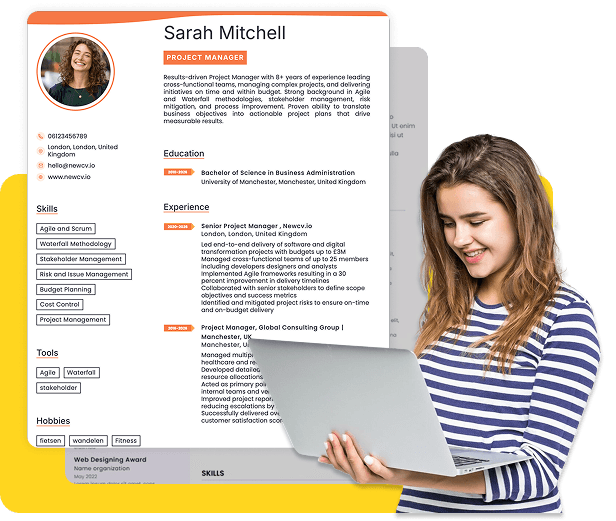
Use ATS-optimised Resume and resume templates that pass applicant tracking systems. Our Resume builder helps recruiters read, scan, and shortlist your Resume faster.

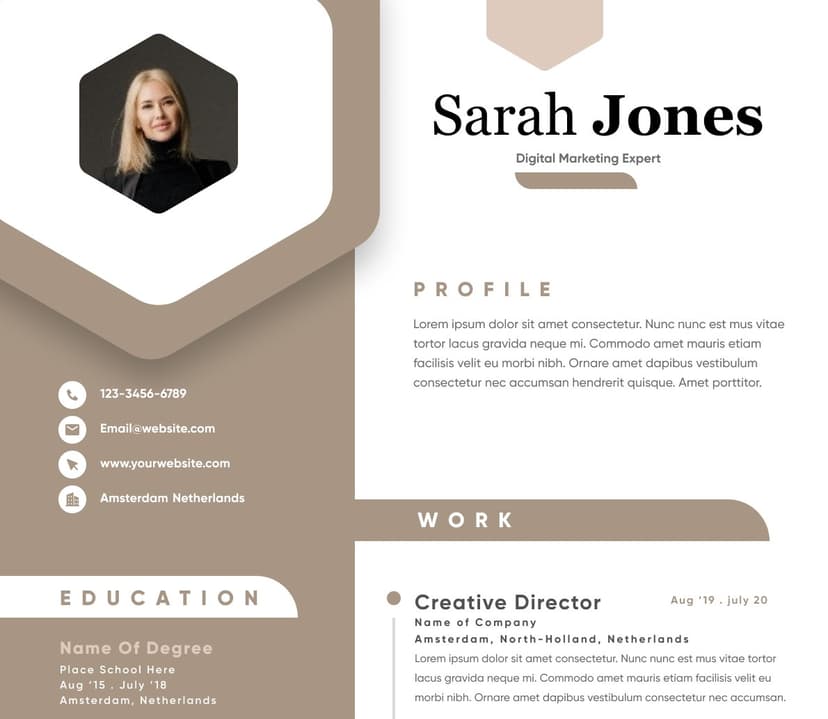
Use professional field-tested resume templates that follow the exact Resume rules employers look for.
Create Resume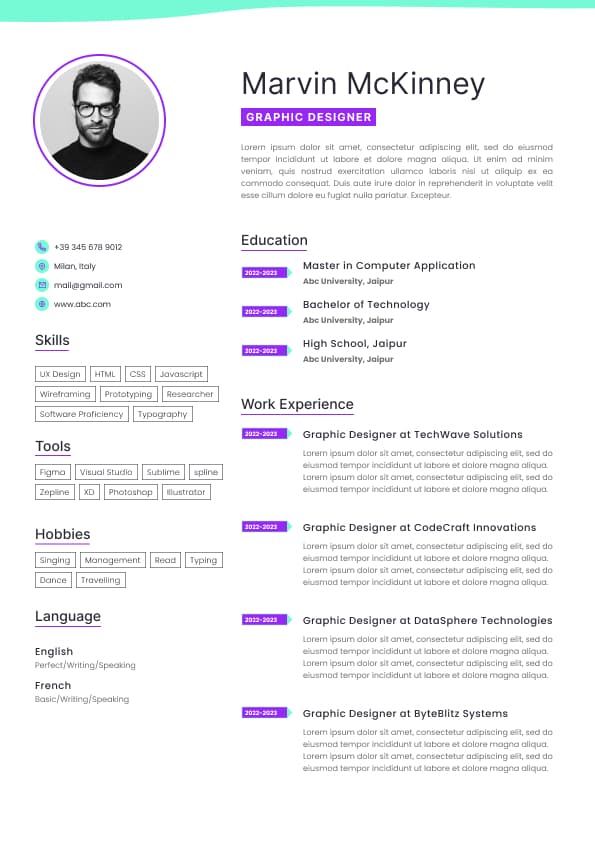
Use professional field-tested resume templates that follow the exact Resume rules employers look for.
Create ResumeMaintaining legacy Android codebases
Migrating Java applications to Kotlin or Jetpack Compose
Collaborating with designers, product managers, QA teams, and backend engineers
In modern mobile engineering teams, Android developers are also expected to understand app lifecycle management, security practices, offline data handling, and performance optimization.
Most Android positions require proficiency in:
Kotlin
Java
Kotlin has become the preferred language for modern Android development. Many companies now explicitly state “Kotlin-first” environments in job descriptions.
However, Java remains important because many production Android applications still contain legacy Java codebases.
Candidates who can work in both languages have a major advantage during hiring.
Employers expect Android developers to understand:
Android SDK
Android Studio
Activities and Fragments
Android lifecycle management
Intents and navigation
Permissions handling
Background services
Broadcast receivers
Dependency injection
Android app architecture
This is one of the biggest hiring filters during technical screening.
Many candidates can build simple apps but struggle to explain lifecycle management, memory leaks, configuration changes, or state handling during interviews.
Hiring managers use these concepts to separate tutorial-level developers from production-ready engineers.
State management
Dependency injection
Scalability considerations
Maintainability tradeoffs
Offline-first architecture
Recruiters frequently see resumes listing “MVVM” without any real implementation knowledge. Hiring managers usually uncover this quickly during interviews.
Modern Android development heavily relies on Jetpack libraries.
Commonly required tools include:
Jetpack Compose
Navigation Component
Room
WorkManager
ViewModel
LiveData
Paging
DataStore
Jetpack Compose has become one of the most requested Android skills in newer job postings.
Candidates with Compose experience often receive more interview opportunities because many companies are actively modernizing Android applications.
Most Android apps rely on external services and APIs.
Employers commonly expect experience with:
REST APIs
JSON parsing
Retrofit
OkHttp
Authentication flows
Token handling
Error management
One major hiring issue recruiters see is Android candidates who only built frontend UI projects without handling real backend integration.
Production Android developers must understand unreliable network conditions, retries, caching, pagination, and API failure handling.
Android developers are frequently expected to manage local application data using:
Room
SQLite
SharedPreferences
DataStore
Employers particularly value developers who understand:
Offline synchronization
Caching strategies
Local persistence
Data consistency
Offline-first mobile experience is becoming increasingly important in fintech, healthcare, logistics, and field-service applications.
Gradle
Build variants
CI/CD pipelines
Signing configurations
Play Store release workflows
Senior Android candidates are often evaluated on release reliability and deployment strategy.
This becomes especially important in enterprise environments where app releases affect millions of users.
Strong Android developers know how to:
Debug crashes
Analyze logs
Use Android Profiler
Identify memory leaks
Improve rendering performance
Reduce ANRs
Optimize startup time
This is where many intermediate developers fail technical interviews.
Building features is only part of the role. Maintaining app quality at scale is what separates professional Android engineers from hobbyists.
The strongest junior Android candidates usually have:
At least 2 to 4 polished Android projects
Real API integrations
Clean GitHub commit history
Modern Android architecture usage
Compose or MVVM implementation
Documentation and README files
App deployment experience
A surprisingly large number of entry-level applicants submit resumes with no working Android portfolio.
That immediately weakens credibility.
Hiring managers want proof that a candidate can independently build and finish mobile applications.
Senior Android developers are often expected to have experience with:
Jetpack Compose migration
Large-scale Android applications
Modularization
Dependency injection frameworks
Coroutines and Flow
App observability
Crash analytics
CI/CD automation
Secure mobile coding practices
Strong senior candidates can explain:
Why architecture decisions were made
Tradeoffs between approaches
Performance bottlenecks
Scalability concerns
Technical debt management
This level of communication is critical during hiring loops.
Retrofit
Room
Companies modernizing older Android systems often prioritize candidates who can help migrate legacy applications.
Android developers with backend or cloud exposure often stand out.
Useful experience includes:
Firebase services
Google Cloud Platform
AWS integration
GraphQL
Push notifications
Authentication systems
Full-stack awareness improves collaboration with backend engineering teams.
Companies in regulated sectors heavily value Android developers with experience in:
Healthcare
Fintech
Insurance
Government
Cybersecurity
These environments require stronger security practices, compliance awareness, and release discipline.
Recruiters often prioritize candidates with regulated-industry experience because onboarding risk is lower.
Their implementation decisions
Debugging approach
Architecture reasoning
Tradeoffs they considered
Strong communication creates confidence.
Hiring managers want engineers who can collaborate effectively across teams, not just write code independently.
No API integration
Poor UI quality
Missing GitHub documentation
No testing
Incomplete applications
Hiring managers can usually identify tutorial projects within minutes.
Strong projects solve real problems and demonstrate independent thinking.
Candidates relying heavily on older Android approaches may struggle in modern hiring processes.
Examples include:
XML-only UI knowledge without Compose exposure
AsyncTask usage
Deprecated APIs
Lack of Kotlin knowledge
Modern Android hiring increasingly favors current development practices.
Published Android applications
Play Store deployment
Modern Android architecture
Performance optimization work
Team collaboration experience
Common resume rejection factors include:
Generic software developer resumes
No Android-specific projects
No measurable outcomes
No production environment exposure
Keyword stuffing without depth
Recruiters want evidence, not just terminology.
Competing without a CS degree
Working in enterprise environments
However, certifications rarely replace practical Android experience.
Technical leadership
Product impact
Cross-team influence
Seniority is not based solely on years of experience.
Many developers plateau because they focus only on feature delivery instead of architecture, performance, and leadership skills.
Constraints they worked within
Technical tradeoffs they evaluated
Results they achieved
That level of depth signals genuine experience.


 Upload Resume
 Import from Linkedin