STILL APPLYING. STILL HEARING NOTHING?BUILD YOUR RESUME

STILL APPLYING. STILL HEARING NOTHING?BUILD YOUR RESUME
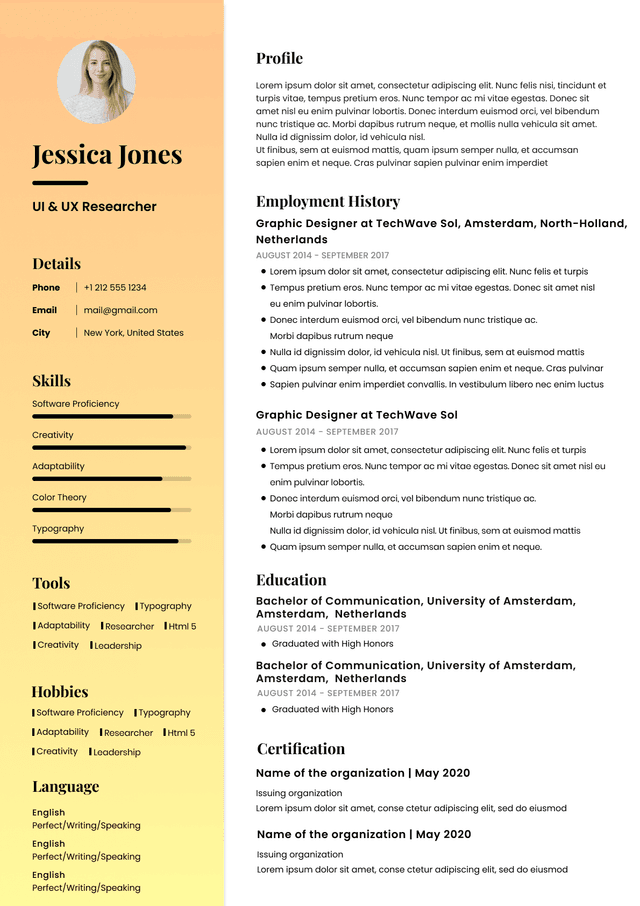
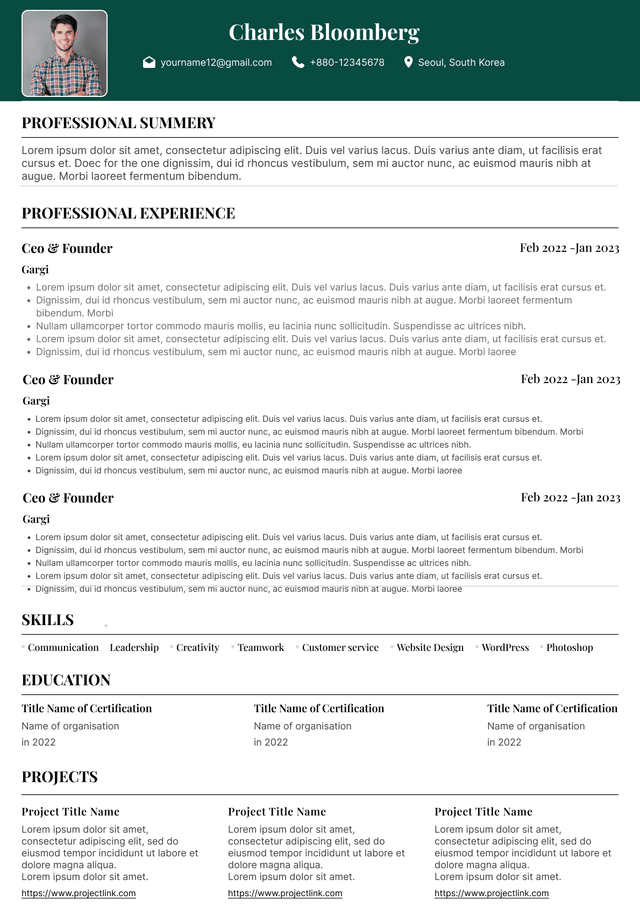
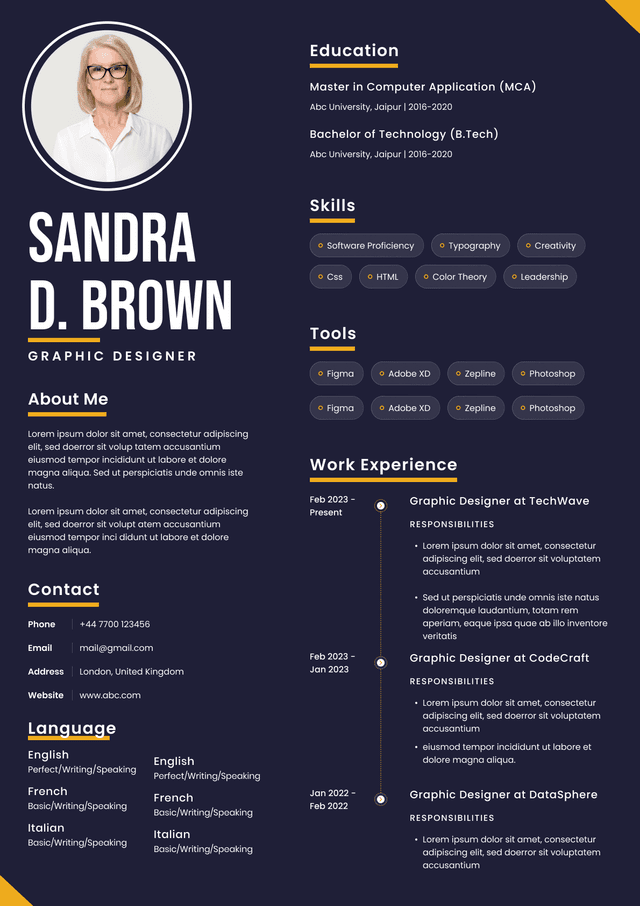
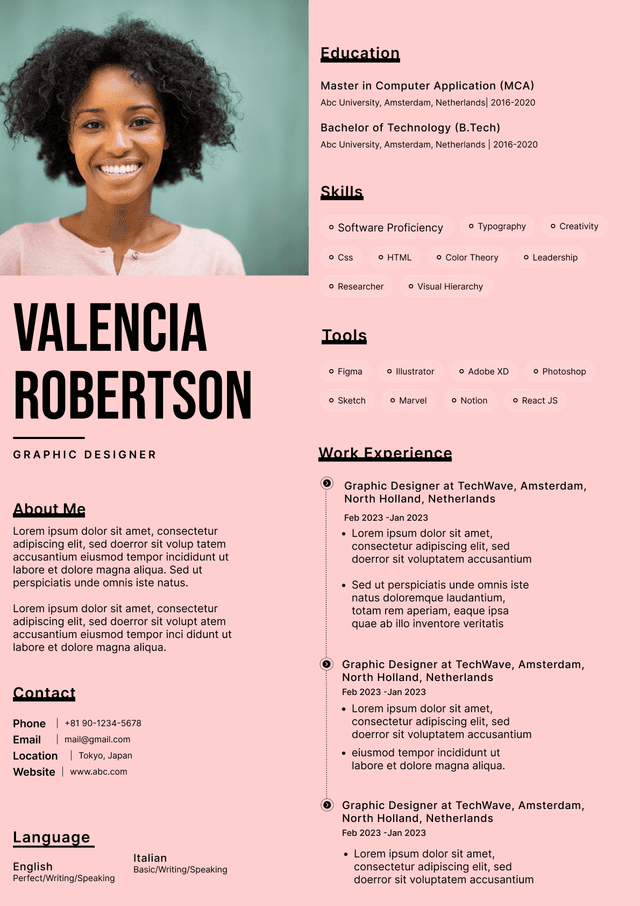
Choose from a wide range of NEWCV resume templates and customize your NEWCV design with a single click.
FAQ
An Android developer resume that fails ATS screening usually has one of three problems: missing Android-specific keywords, weak technical positioning, or a format ATS systems struggle to parse. Most companies now use applicant tracking systems to filter resumes before a recruiter ever sees them. If your resume does not clearly match the Android stack in the job description, it may never reach a hiring manager even if you are qualified.
For Android developers, ATS optimization is not just about stuffing keywords. Strong resumes combine exact Android technologies, measurable mobile impact, clean formatting, and role-specific positioning. Recruiters want to quickly confirm three things:
You work with the Android stack they need
You have production-level mobile experience
You can ship stable, scalable Android applications
This guide breaks down the exact Android developer resume keywords, ATS strategies, formatting rules, and recruiter evaluation logic that help Android resumes rank higher and generate interviews.
Most Android developer resumes are screened in two stages:
Automated ATS parsing and keyword matching
Human recruiter review
ATS software scans for relevance signals tied to the job description. For Android roles, that usually includes:
Job titles
Android programming languages
Frameworks and libraries
Architecture patterns
Mobile app release experience
The strongest Android resumes combine broad Android development terms with highly specific technical keywords.
These are foundational ATS keywords nearly every Android resume should include when truthful:
Android development
Native Android development
Mobile app development
Android application development
Android SDK
Kotlin
Java
Many ATS systems heavily weight job title alignment.
Include relevant title variations naturally throughout your resume:
Android Developer
Android Engineer
Android Software Engineer
Android App Developer
Mobile Android Developer
Native Android Developer
Kotlin Android Developer
Modern Android hiring heavily prioritizes framework familiarity.
Jetpack Compose
Android Jetpack
Material Design
Material Design 3
ViewModel
LiveData
StateFlow
Strong Android resumes often include data-layer keywords because companies increasingly prioritize offline reliability and scalable app architecture.
Room
SQLite
SQL
DataStore
SharedPreferences
Realm
Cloud Firestore
Firebase has become one of the highest-value Android ATS keyword groups.
Firebase Authentication
Firebase Cloud Messaging
Firebase Crashlytics
Firebase Analytics
Firebase Remote Config
Firebase Performance Monitoring
Firebase App Distribution
Testing keywords are often missing from otherwise strong Android resumes.
That is a major mistake.
Companies hiring Android engineers want evidence that you can maintain app stability at scale.
Unit testing
Instrumentation testing
UI testing
Espresso
JUnit
Mockito
MockK
Formatting mistakes destroy ATS parsing quality.
Many visually impressive resumes perform terribly in applicant tracking systems.
Use this structure:
Header
Professional Summary
Technical Skills
Professional Experience
Projects
Certifications
Education
Keywords alone are not enough.
ATS systems increasingly analyze contextual relevance.
That means your experience bullets must show Android technologies in realistic implementation scenarios.
Weak Example
This tells recruiters almost nothing.
Good Example
This bullet demonstrates:
Android stack depth
Architecture knowledge
Strong ATS resumes do more than repeat technologies.
They position the candidate as production-ready.
High-performing Android resumes include metrics like:
Crash-free rate
ANR reduction
Startup time improvements
App rating improvements
User growth
Retention increases
Conversion improvements
Generic Android resumes often underperform because they fail to align with industry context.
Mobile banking
Payment processing
PCI DSS awareness
Biometric login
Secure APIs
Encrypted storage
Fraud prevention
Many Android resumes fail because they look technically weak even when the candidate is qualified.
Missing Kotlin keywords
Missing Jetpack Compose keywords
Generic software engineering descriptions
No Android architecture references
No mobile metrics
No Play Store release experience
No testing tools
Most candidates misunderstand how technical recruiting works.
Recruiters are not simply checking whether you know Kotlin.
They are evaluating:
Technical stack alignment
Production readiness
Platform specialization
Team fit
Seniority signals
Business impact
Ownership level
Yes, especially for Android developers.
Mobile engineering is highly demonstrable.
Recruiters strongly value proof of execution.
GitHub repositories
Play Store apps
APK demos
Architecture diagrams
Technical documentation
Release notes
Screenshots
Focus on:
Kotlin
Android SDK
Android Studio
Jetpack Compose
REST APIs
Firebase
Room
Git
Before submitting your Android developer resume, confirm that you have:
Used the exact target Android job title where accurate
Included Kotlin and Android SDK keywords
Added Jetpack Compose or XML experience clearly
Mentioned architecture patterns
Included testing frameworks
Added Firebase and API integration keywords
Demonstrated measurable mobile impact
Used ATS-friendly formatting

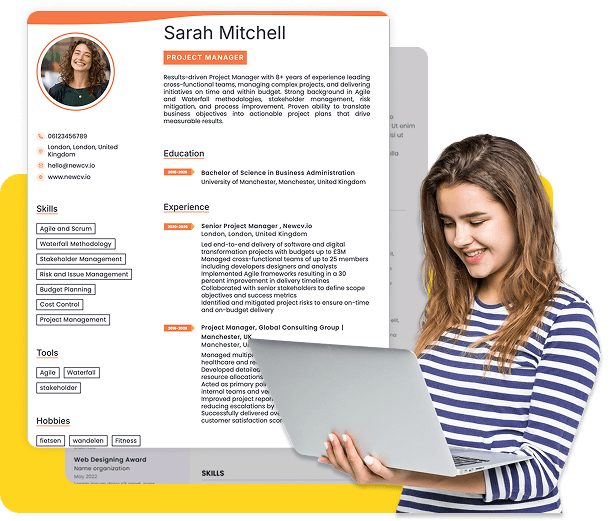
Use ATS-optimised Resume and resume templates that pass applicant tracking systems. Our Resume builder helps recruiters read, scan, and shortlist your Resume faster.

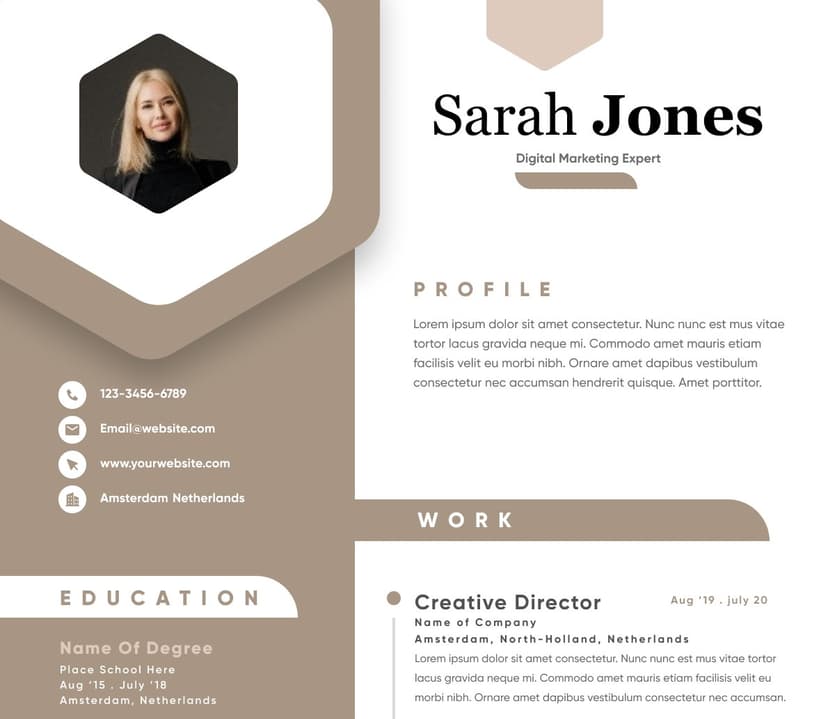
Use professional field-tested resume templates that follow the exact Resume rules employers look for.
Create Resume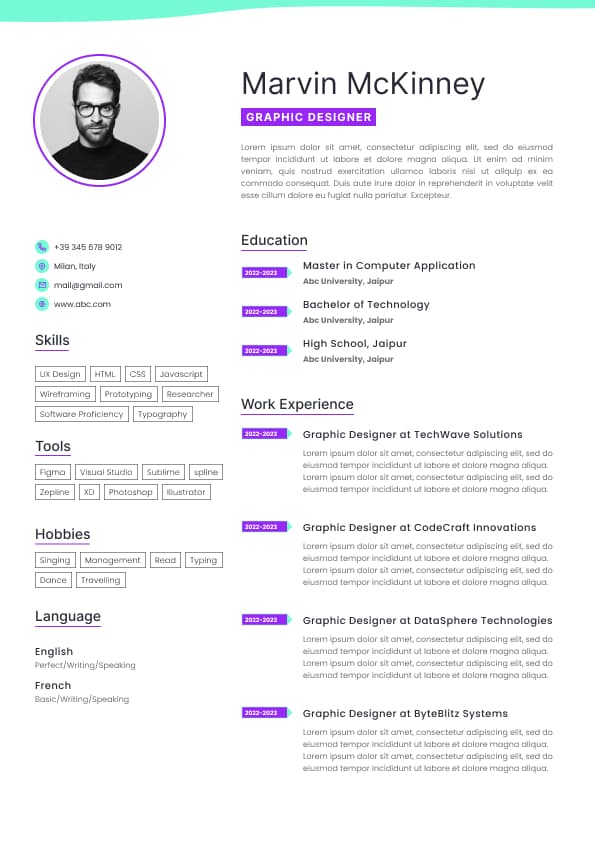
Use professional field-tested resume templates that follow the exact Resume rules employers look for.
Create ResumeTesting tools
Cloud and Firebase technologies
CI/CD workflows
Production metrics
If the posting heavily emphasizes Kotlin and Jetpack Compose but your resume focuses mainly on generic “mobile development,” your ATS match score drops immediately.
Recruiters also search ATS databases manually. That means your keyword strategy must support both automation and human search behavior.
Many recruiters use Boolean searches like:
“Android Developer” AND Kotlin AND MVVM
“Jetpack Compose” AND Firebase
“Android SDK” AND Retrofit
“Senior Android Engineer” AND CI/CD
If those terms are missing from your resume, your profile may never appear in recruiter searches.
Android Studio
Jetpack Compose
XML layouts
REST API integration
Firebase
MVVM architecture
Clean Architecture
Git version control
Play Store release
Mobile performance optimization
Unit testing
UI testing
Gradle
These keywords establish baseline Android relevance.
Java Android Developer
Android Mobile Engineer
Android Platform Developer
Android SDK Developer
Android UI Developer
Senior Android Developer
Lead Android Developer
If your official title was “Software Engineer” but your role focused entirely on Android development, clarify the specialization.
Good Example
Software Engineer (Android Developer)
Using vague titles like:
Software Developer
Application Engineer
Programmer
Without Android context weakens ATS relevance significantly.
Kotlin Flow
Coroutines
Navigation Component
Room
DataStore
WorkManager
Paging 3
Hilt
Dagger
Koin
Retrofit
OkHttp
Moshi
Gson
Coil
Glide
Picasso
RxJava
CameraX
ML Kit
ExoPlayer
Media3
Recruiters often infer seniority from architecture and framework depth.
A resume mentioning only:
Java
Android SDK
XML
May appear outdated.
A resume including:
Kotlin Coroutines
Jetpack Compose
Clean Architecture
Hilt
Paging 3
Signals a modern Android engineering skill set.
Firebase Realtime Database
Offline caching
Local persistence
Database migration
Query optimization
Offline-first architecture
When candidates mention:
Offline-first architecture
Room database optimization
Data synchronization
Caching strategies
Recruiters often assume stronger production-level engineering experience.
Google Cloud Platform
AWS
Microsoft Azure
GitHub Actions
GitLab CI/CD
Jenkins
CircleCI
Bitrise
Fastlane
Release automation
Play Console
App signing
CI/CD pipelines
Android developers who mention release automation and CI/CD usually stand out because many mobile candidates lack deployment maturity.
This becomes especially important for senior Android roles.
Robolectric
Turbine
Compose UI testing
Snapshot testing
Regression testing
API testing
Test-driven development
Code coverage
Static analysis
Lint
Detekt
Ktlint
SonarQube
Candidates without testing keywords are often perceived as:
Junior
Feature-only developers
Weak in maintainability
Riskier for production environments
Even basic testing experience improves recruiter confidence.
Use:
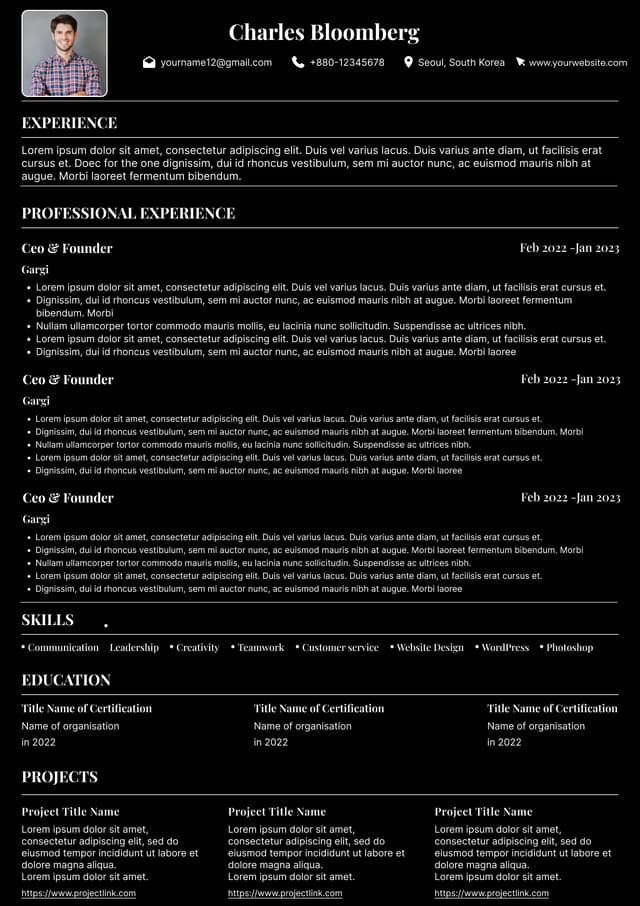
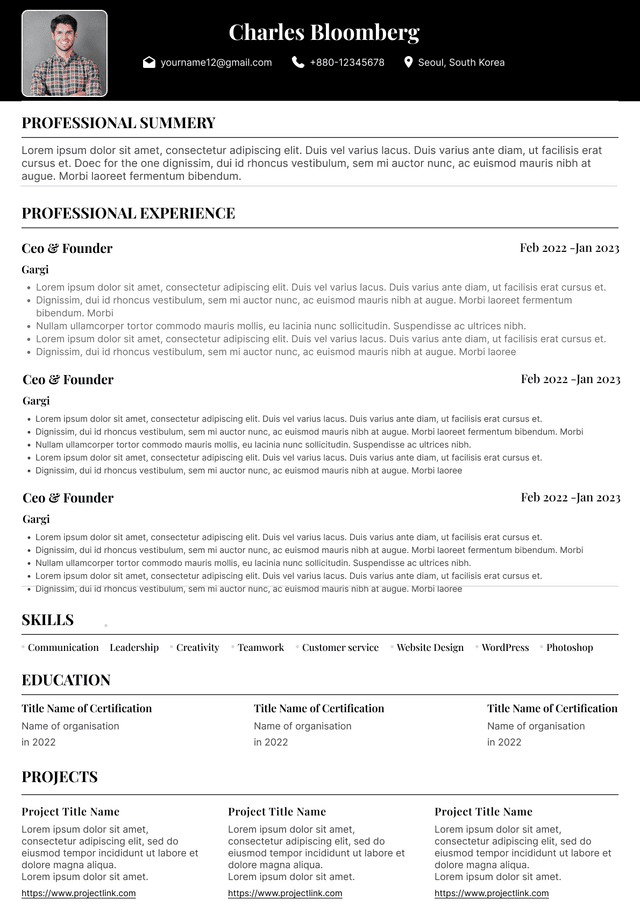
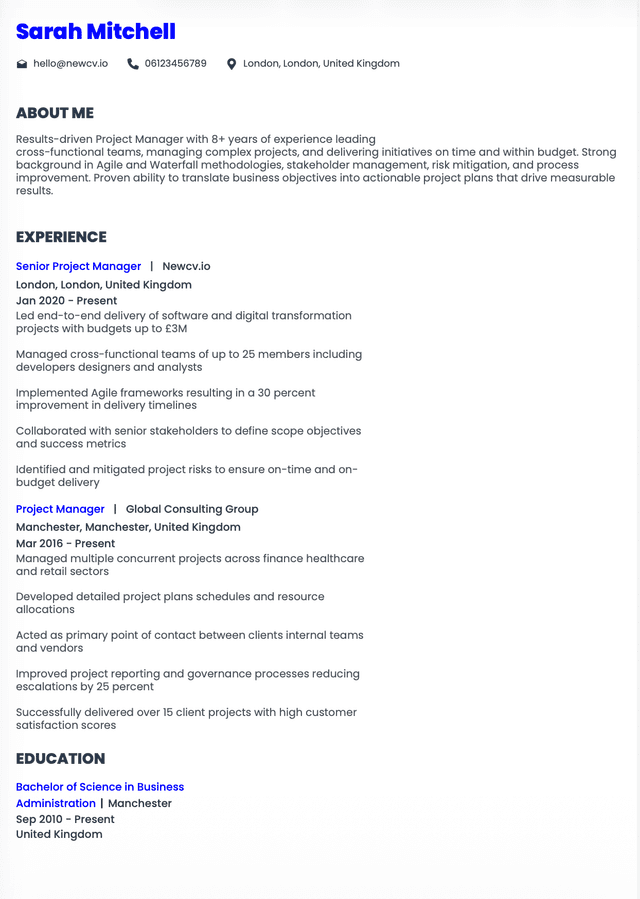
Standard fonts
Single-column layouts
Clear section headings
Bullet points
Consistent formatting
Avoid:
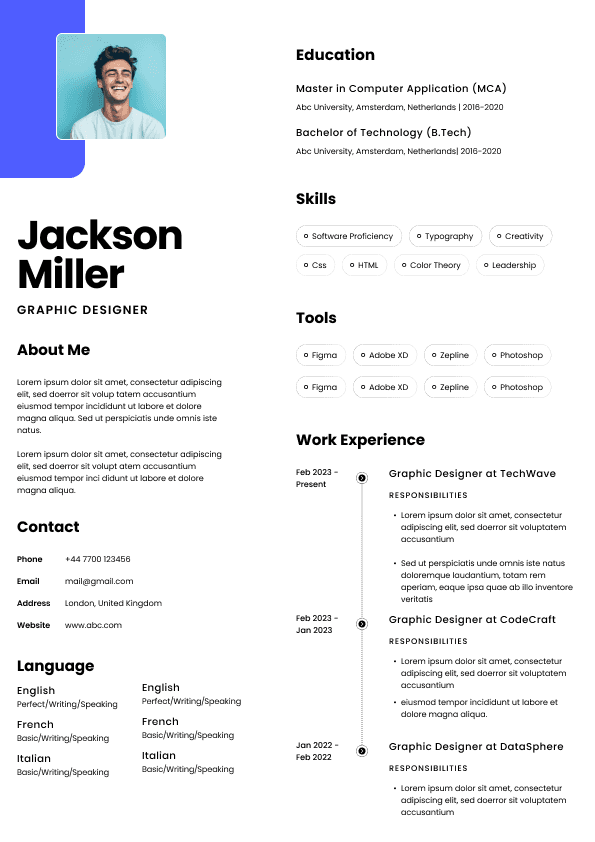
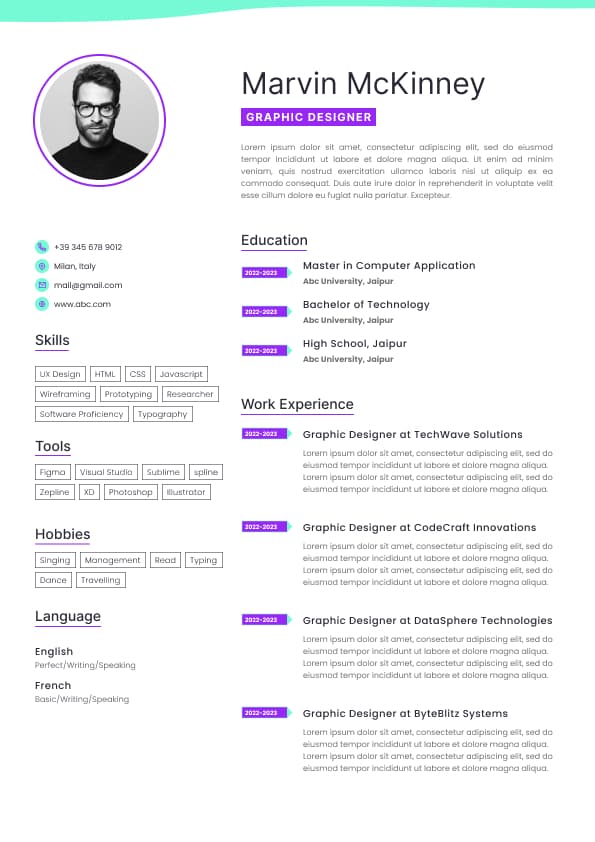
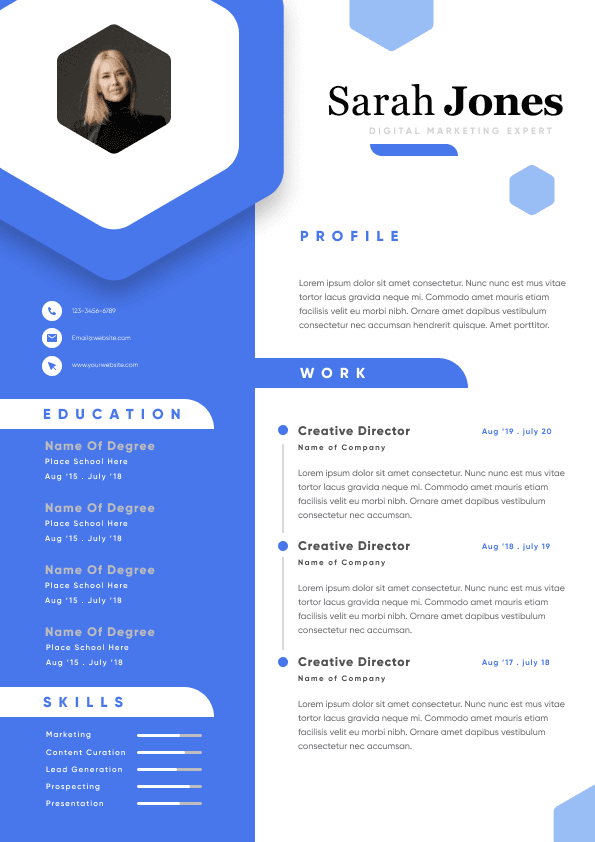
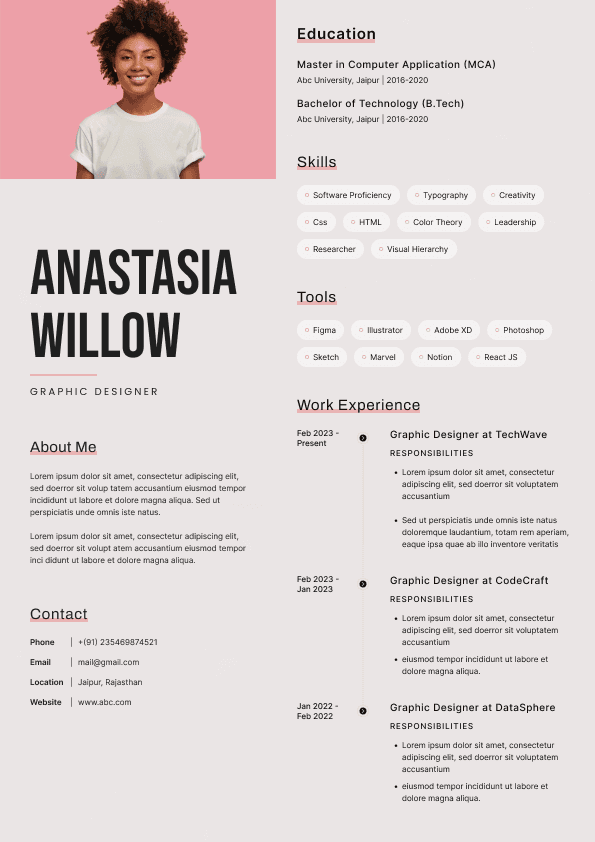
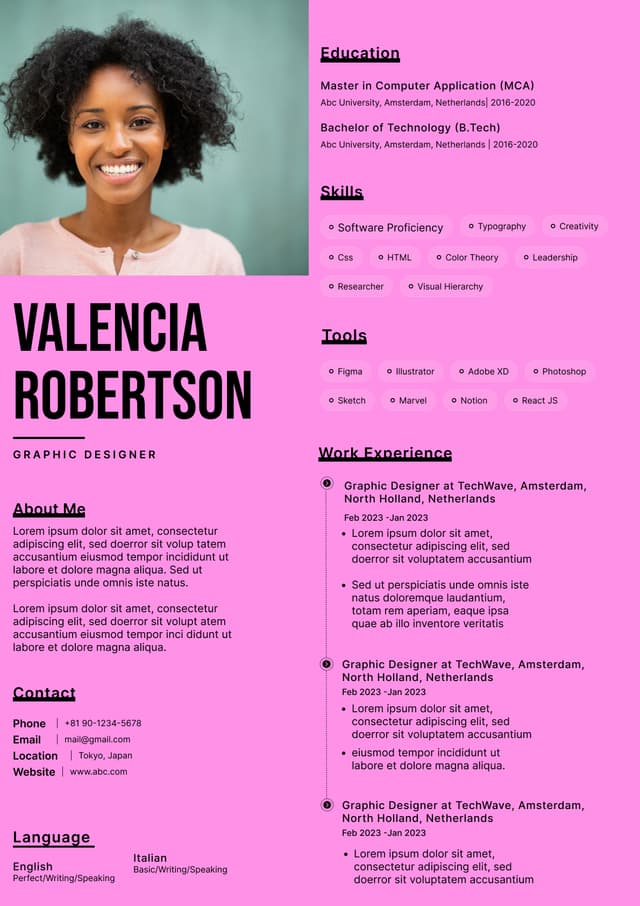
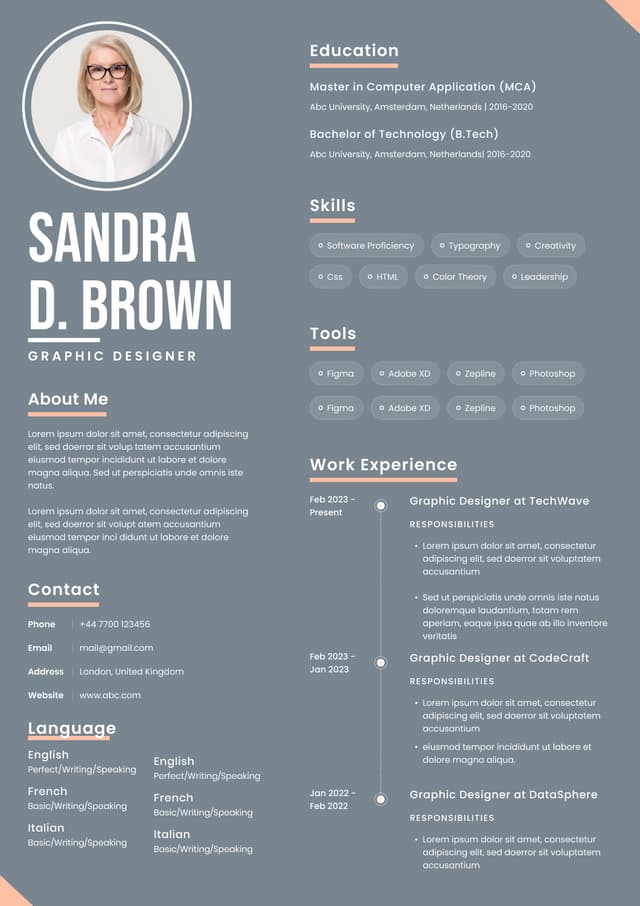
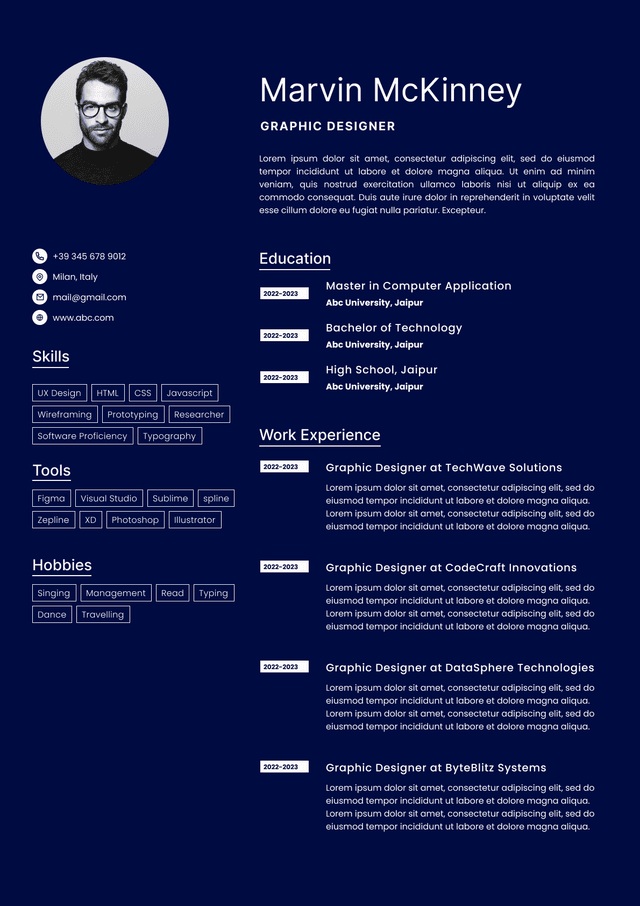
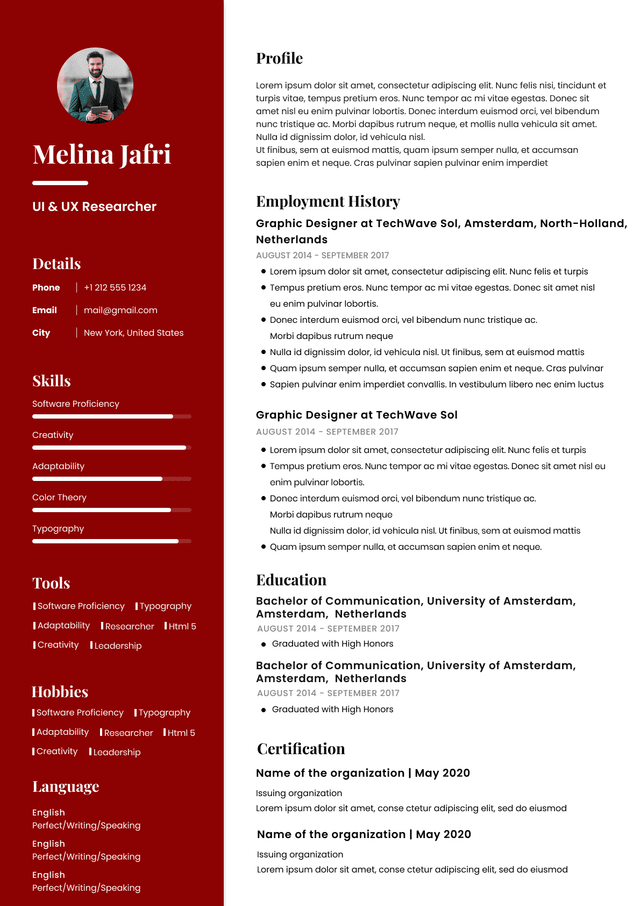
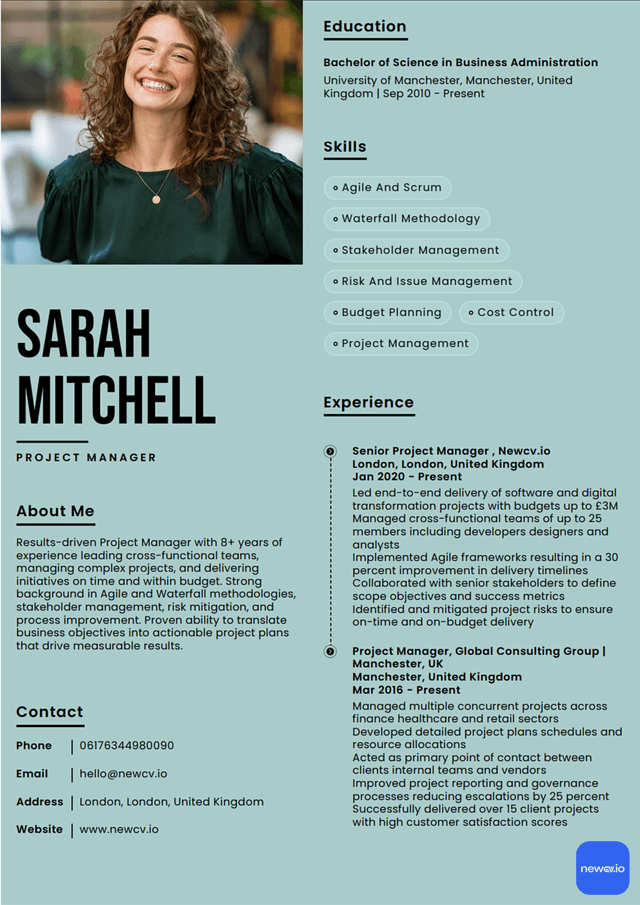
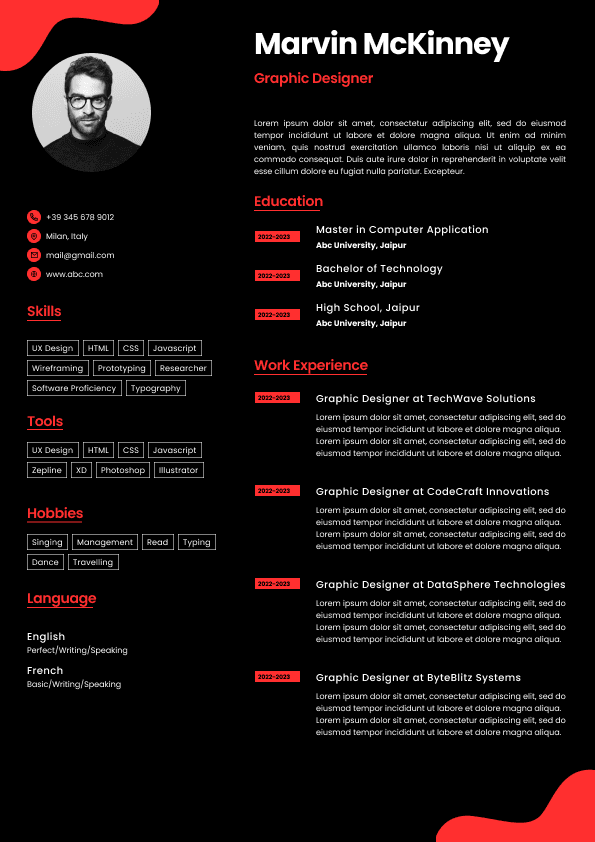
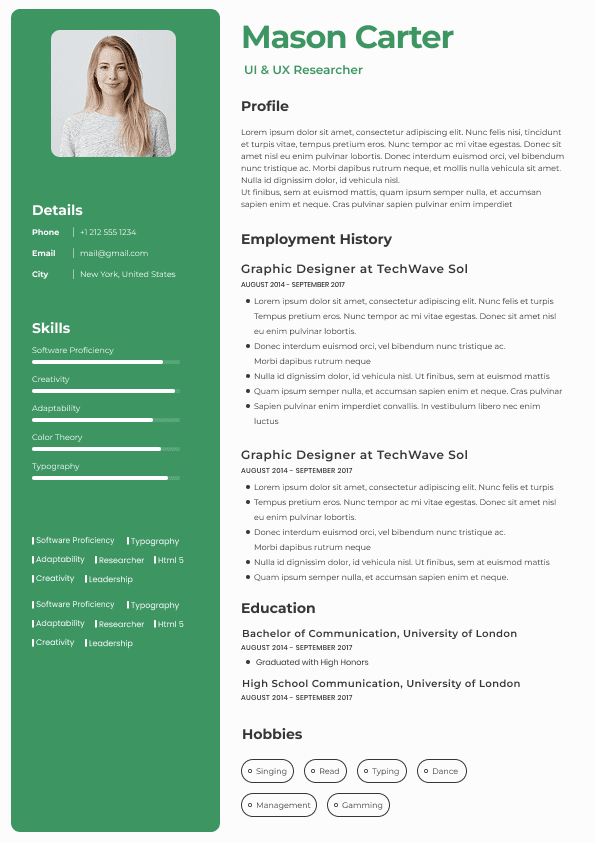
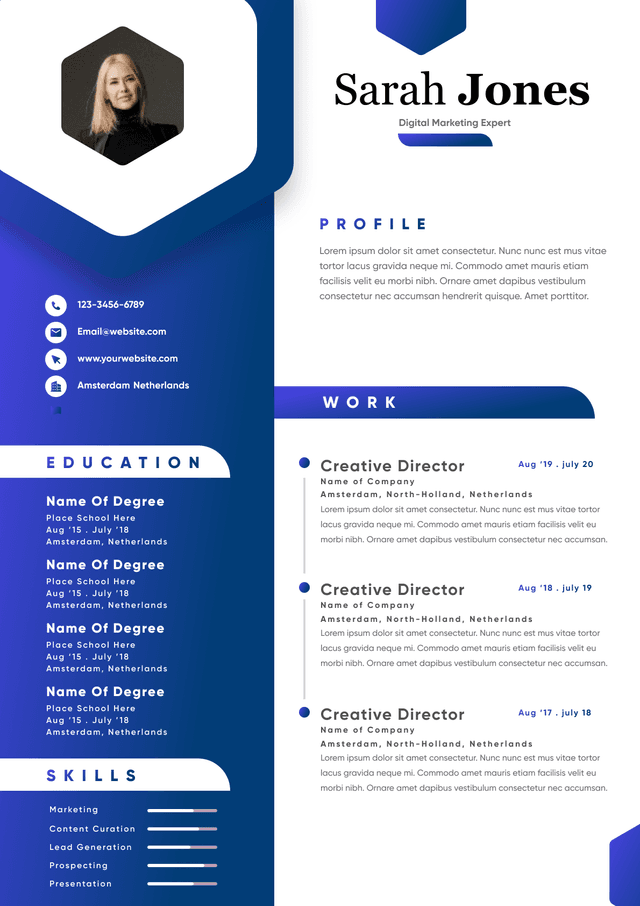
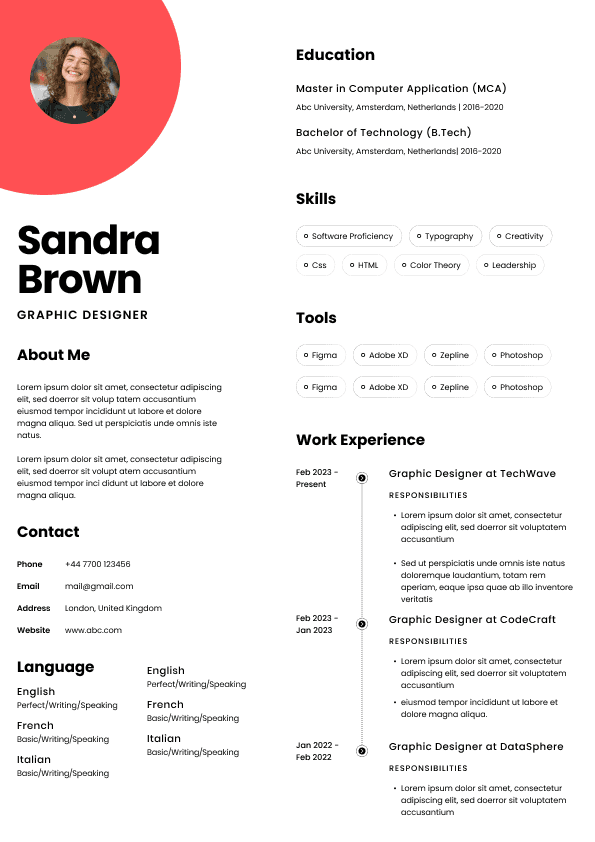
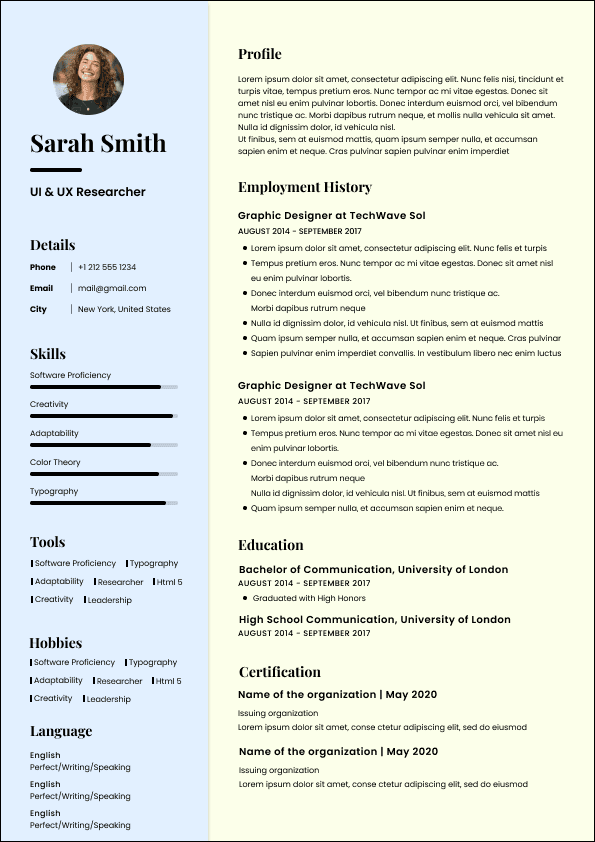
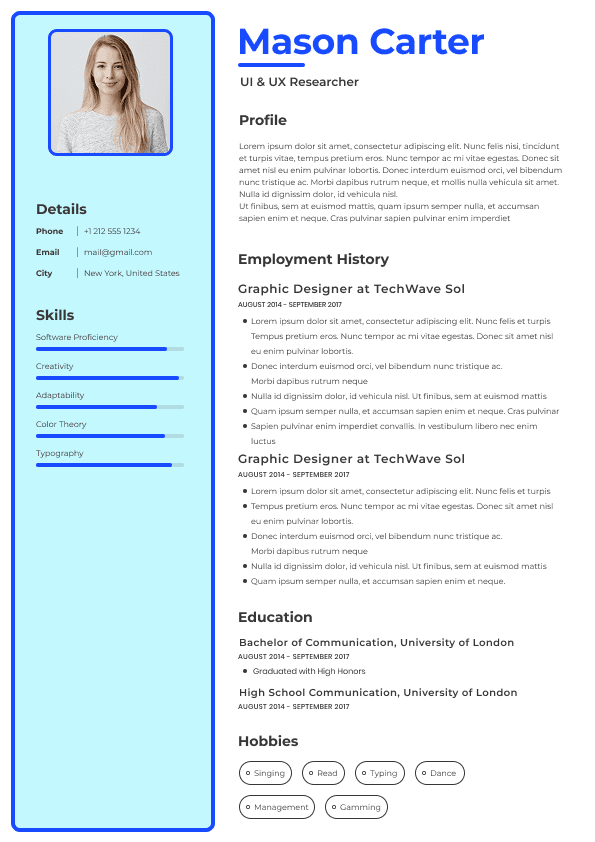
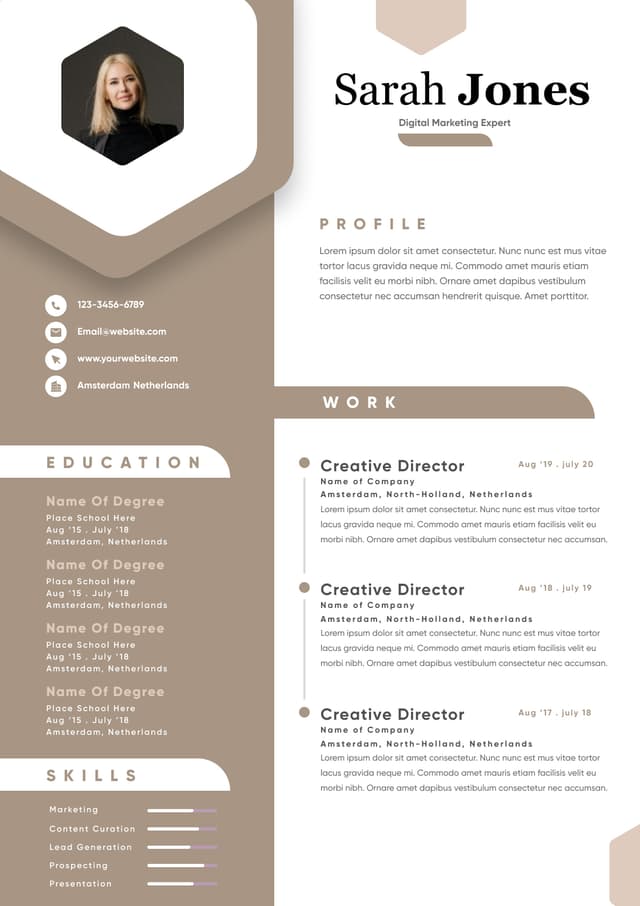
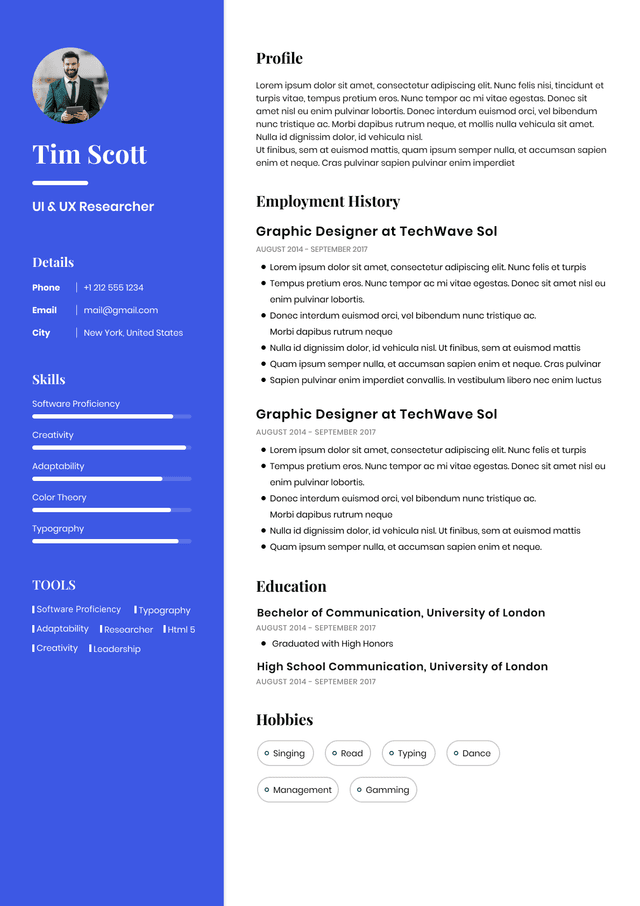
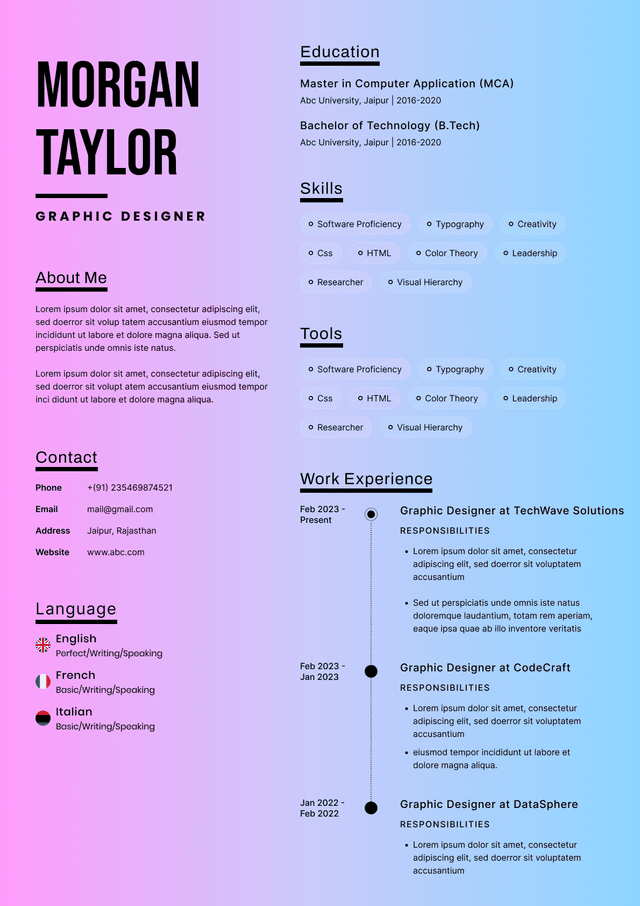
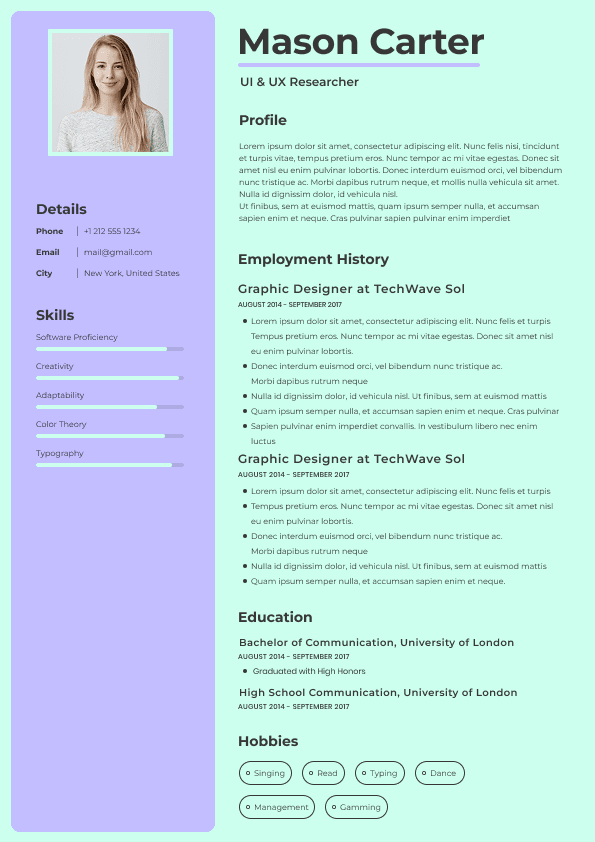
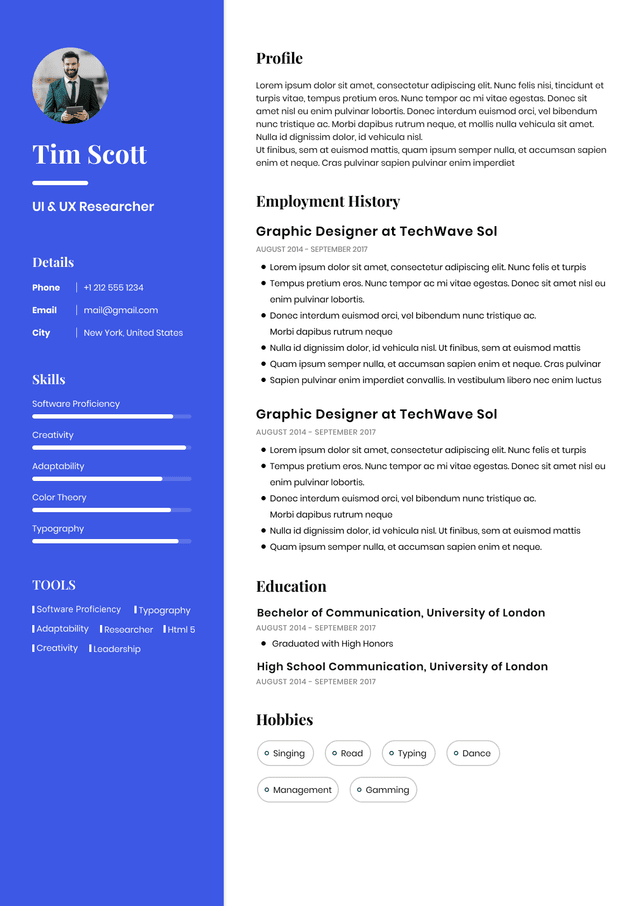
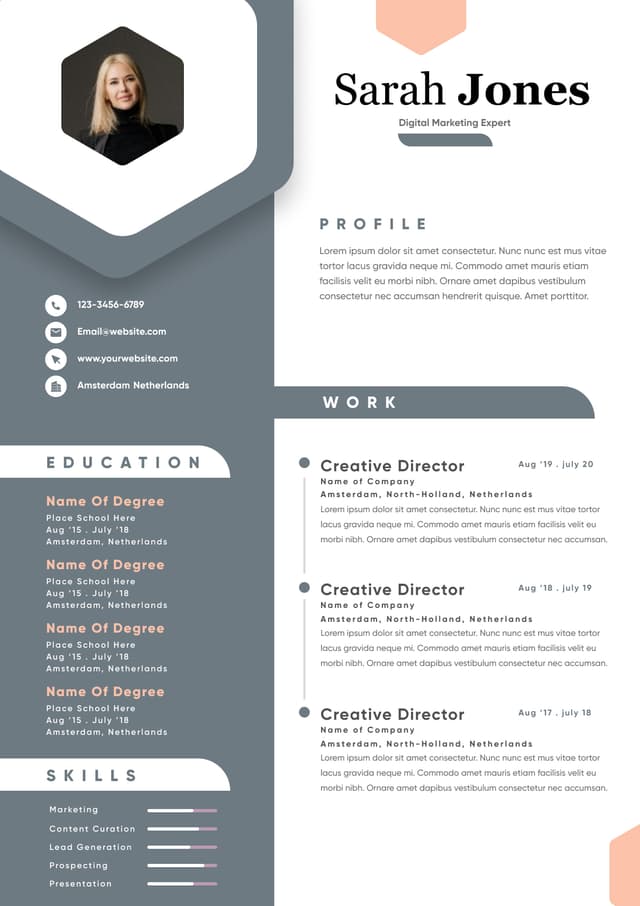
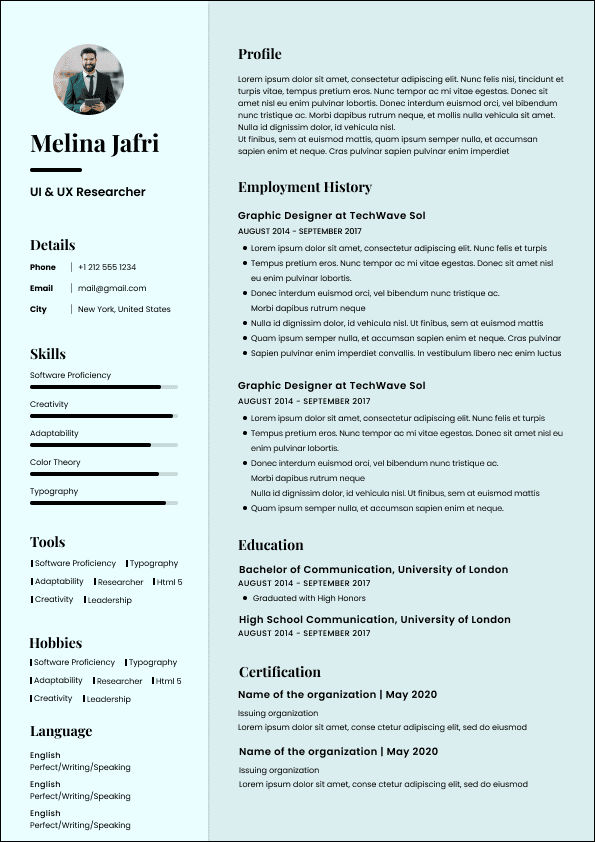
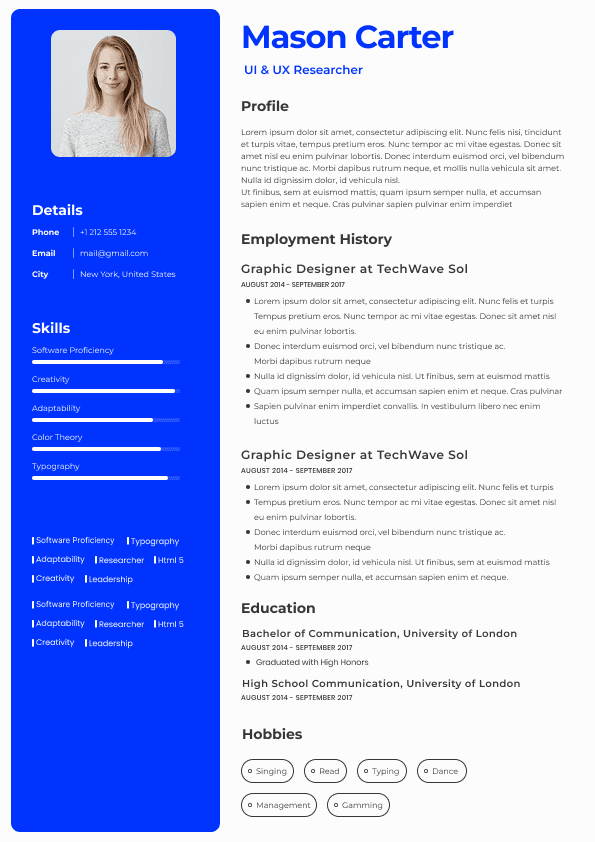
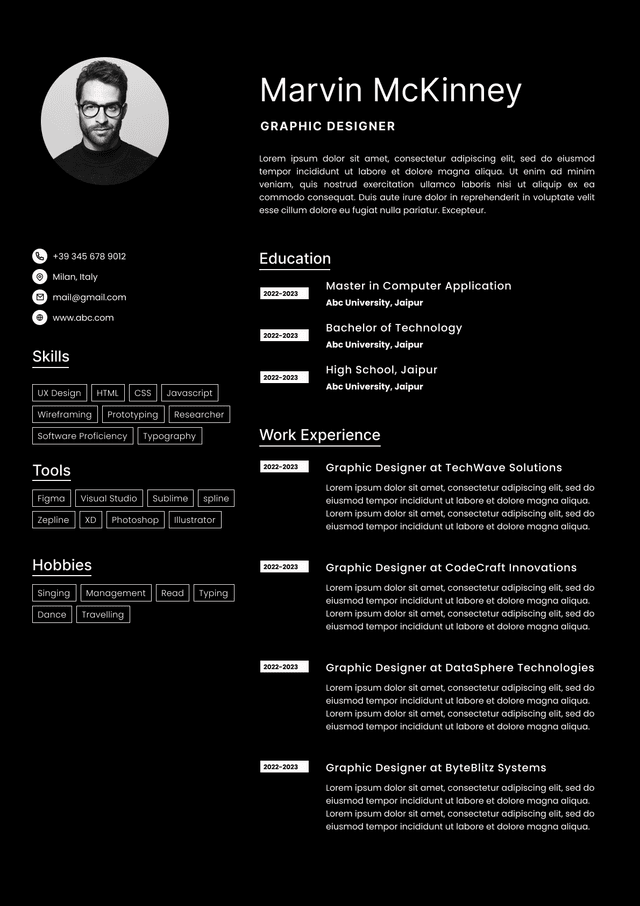
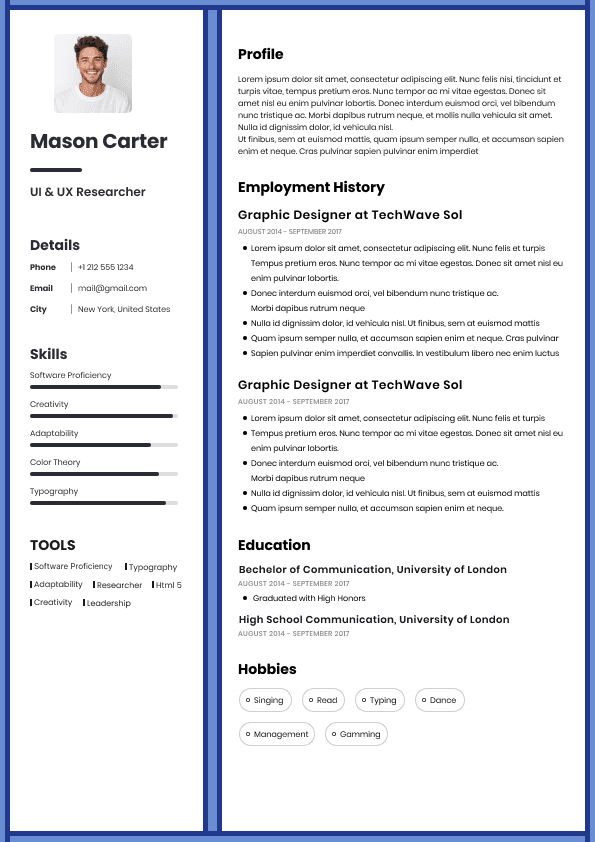
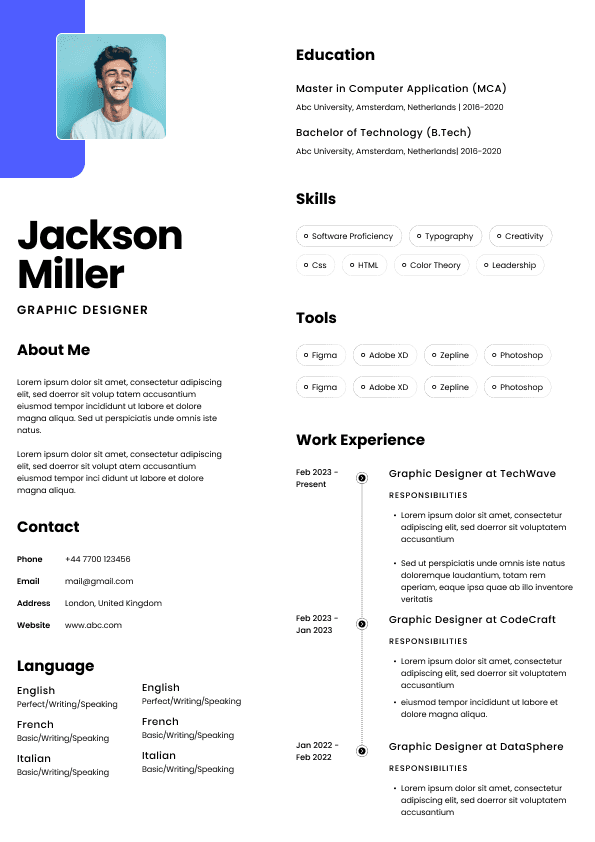
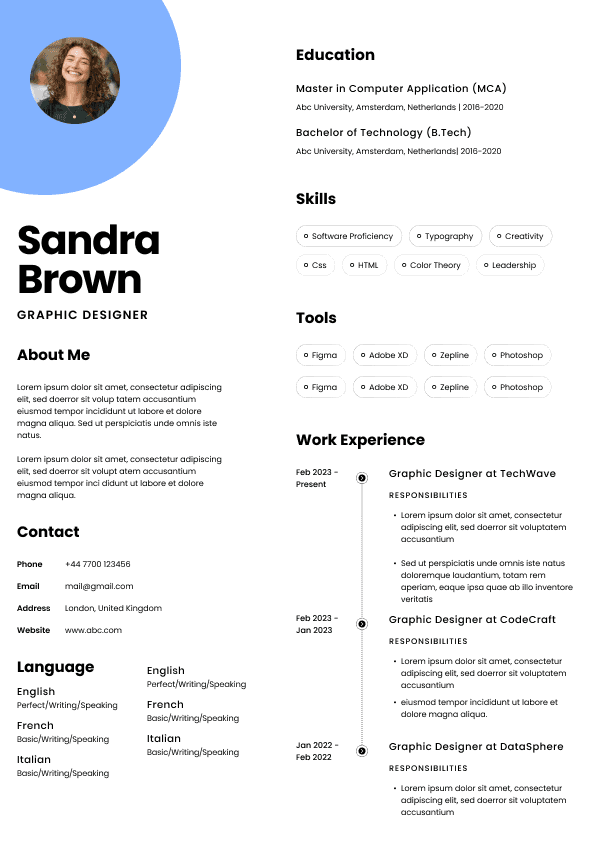
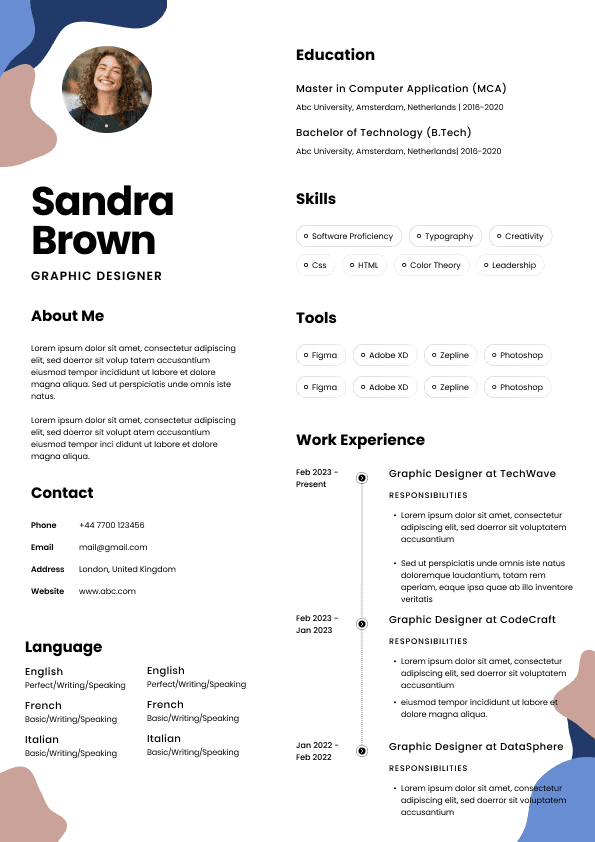
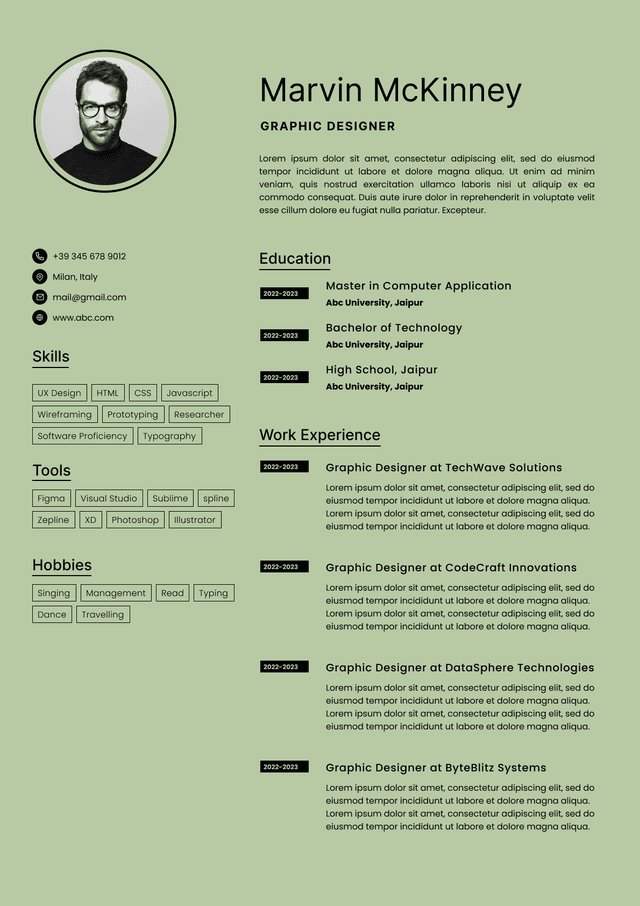
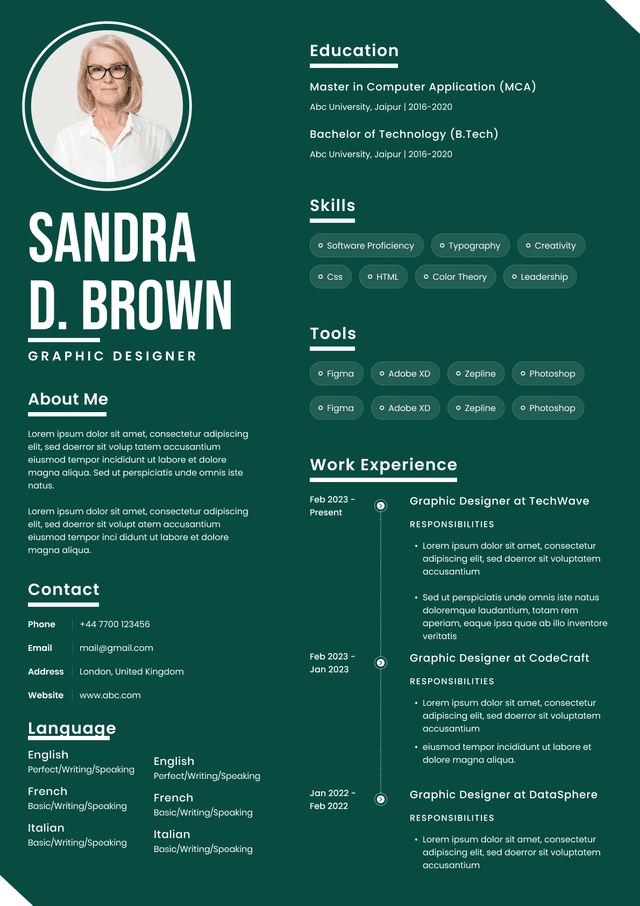
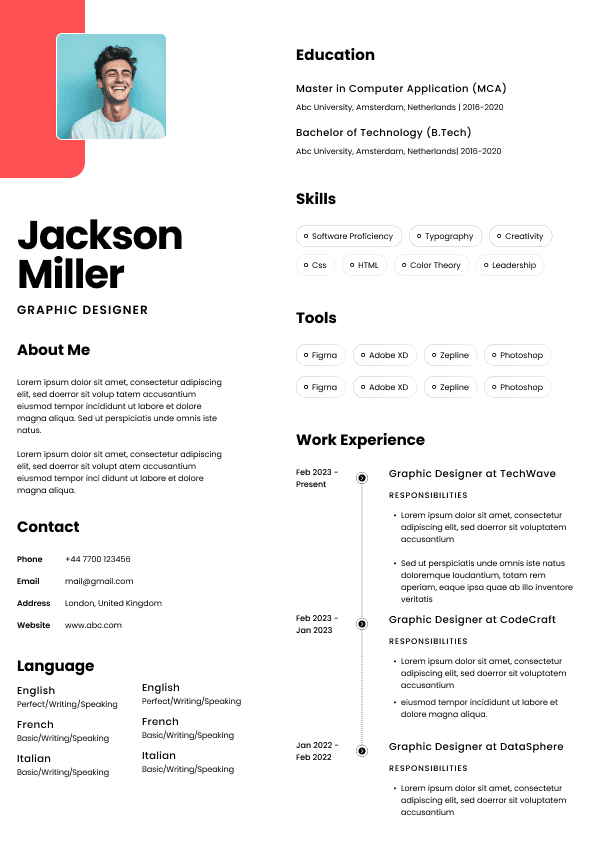
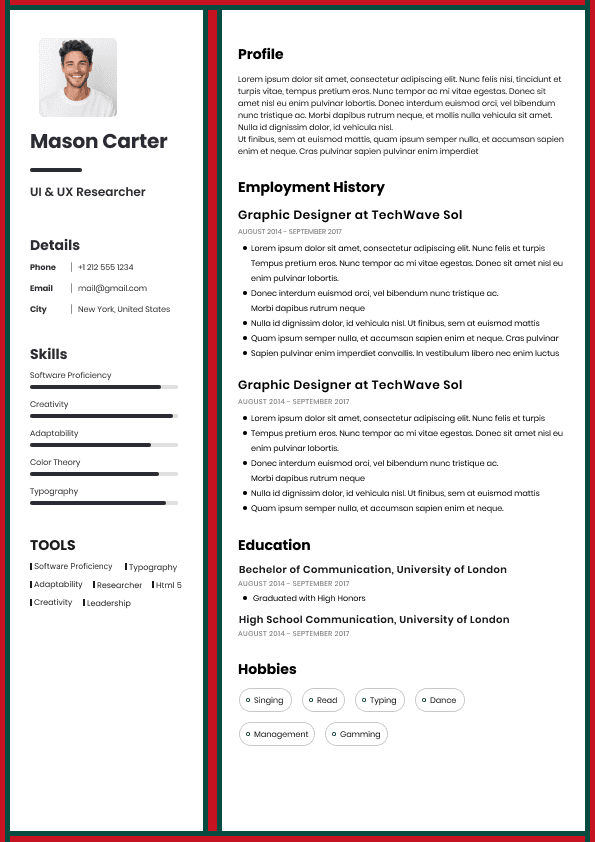
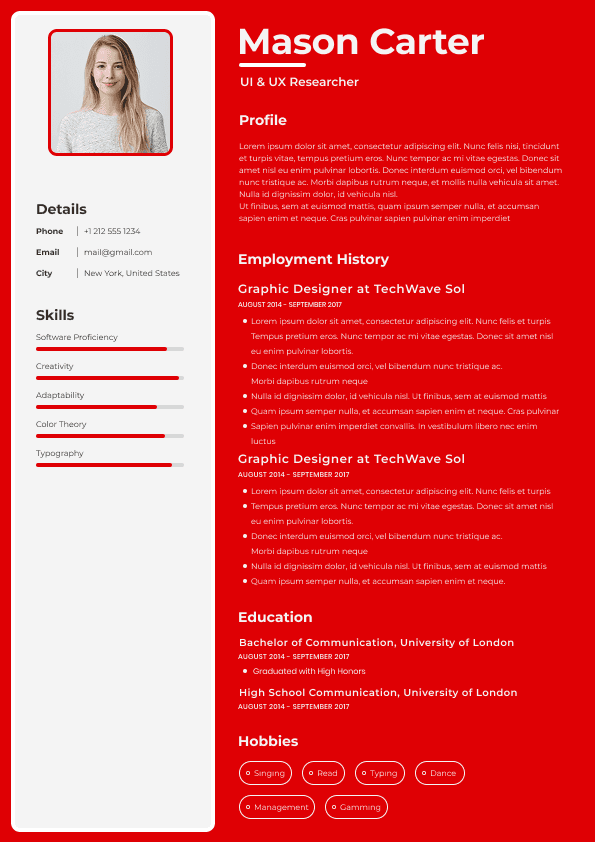
Tables
Icons
Graphics
Text boxes
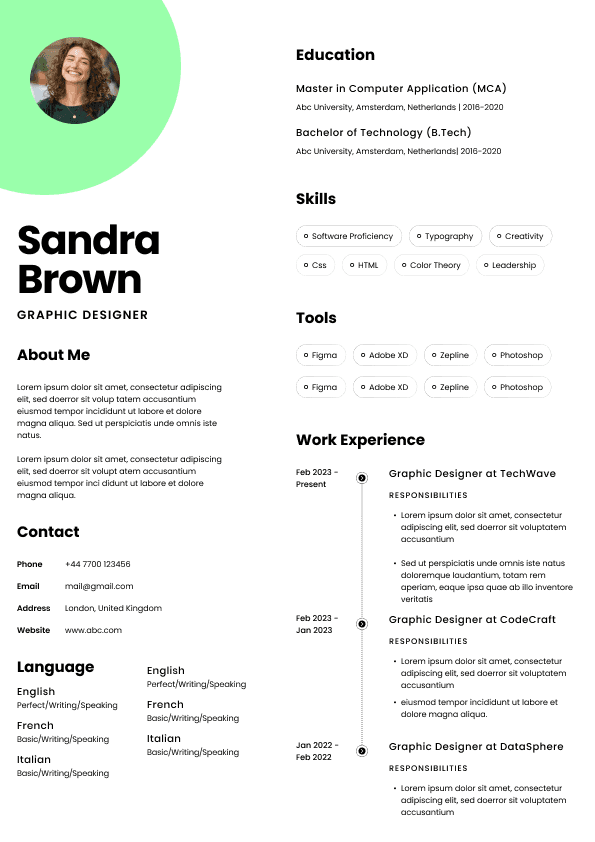
Multi-column layouts
Infographics
Skill bars
Preferred formats:
.docx for maximum ATS compatibility
ATS-friendly PDF when explicitly accepted
Many ATS parsing errors happen because developers use design-heavy templates built for visual appeal instead of machine readability.
A plain resume with strong Android keywords consistently outperforms visually complex resumes.
Modern frameworks
Business impact
Production ownership
Build time reductions
Test coverage percentage
Release frequency
Play Store downloads
Good Example
Recruiters prioritize candidates who demonstrate:
Performance ownership
Product impact
Scalability awareness
Engineering maturity
HIPAA awareness
Telehealth applications
EHR integrations
PHI protection
Secure messaging
Shopping cart
Checkout flow
Payment SDKs
Loyalty programs
Push notifications
Mobile conversion optimization
ExoPlayer
Media3
DRM awareness
Chromecast
Offline downloads
Android TV
Android Automotive OS
Android Auto
BLE
Bluetooth
Sensors
Embedded Android
Device integration
Industry alignment can dramatically improve interview rates because recruiters often prioritize domain familiarity over pure technical overlap.
No Firebase keywords
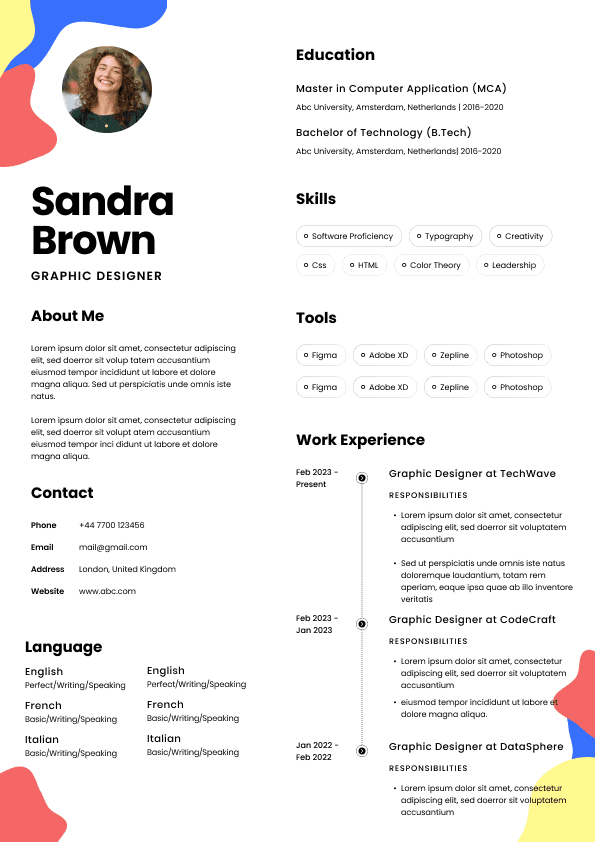
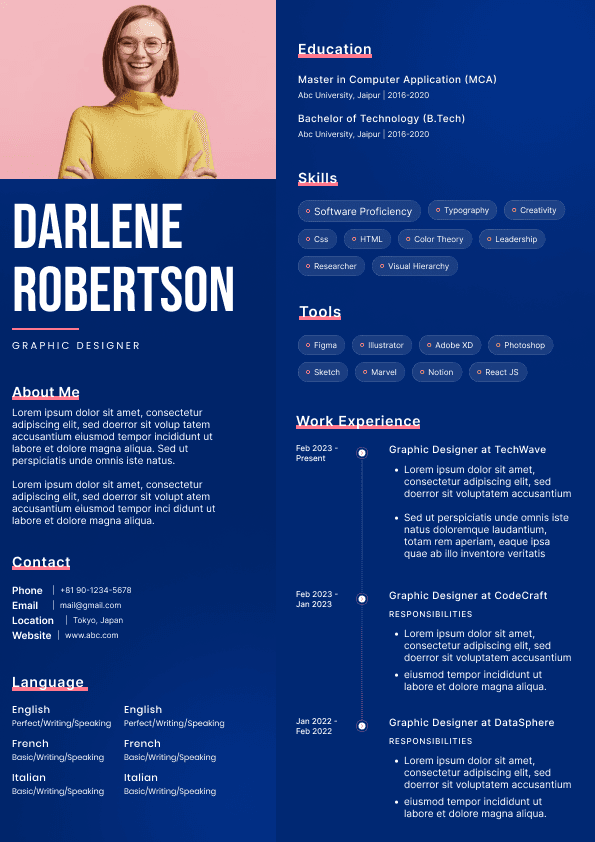
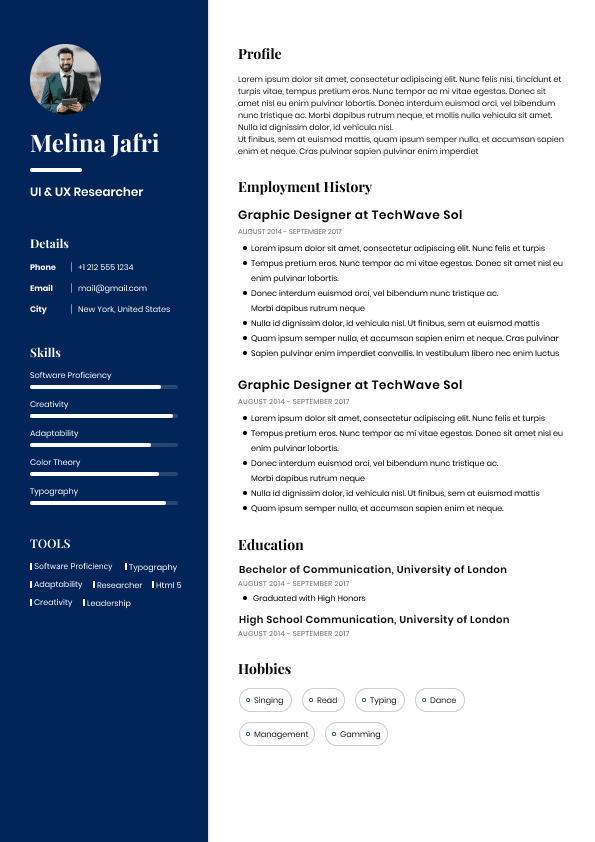
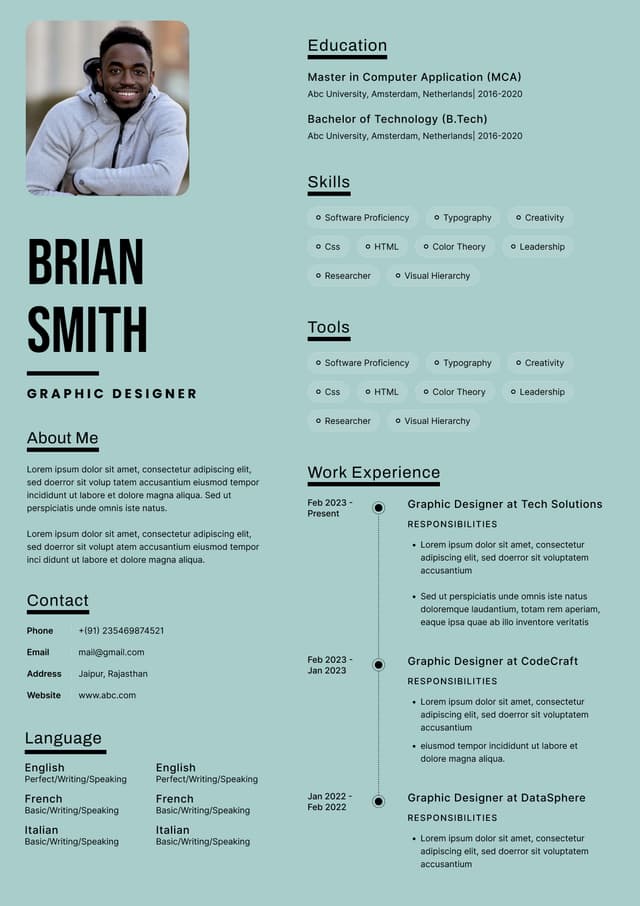
Using visual resume templates
Weak bullet points without impact
Some candidates overload the skills section with keywords but fail to reference them in experience bullets.
ATS systems increasingly detect shallow keyword stuffing.
Mention technologies in real engineering scenarios.
Good Example
This demonstrates real competency instead of keyword padding.
Expected signals:
Projects
GitHub
Android fundamentals
Kotlin basics
Jetpack familiarity
Expected signals:
Production apps
Architecture patterns
API integration
Firebase
Testing
Expected signals:
Scalability
Performance optimization
CI/CD
Release ownership
Mentoring
Modularization
Technical leadership
Recruiters quickly reject Android resumes that appear too generic or backend-heavy.
If Android specialization is not obvious within the first few seconds, your resume loses momentum.
Case studies
Projects matter enormously when professional experience is limited.
Strong Android projects can compensate for:
Limited work history
Career changes
Junior-level experience
Hiring managers frequently open GitHub links for Android candidates because implementation quality matters more than certifications.
Add:
MVVM
Clean Architecture
Coroutines
Dependency Injection
CI/CD
Unit testing
Performance optimization
Add:
Modularization
Scalable architecture
Technical leadership
Release management
ANR reduction
Baseline profiles
Observability
Mobile platform strategy
Avoided graphics and tables
Added GitHub or Play Store links
Tailored keywords to the specific Android job posting
The strongest Android resumes balance keyword optimization with real engineering credibility. ATS systems may open the door, but recruiter confidence and technical positioning are what ultimately drive interviews.



 Upload Resume
 Import from Linkedin