STILL APPLYING. STILL HEARING NOTHING?BUILD YOUR RESUME

STILL APPLYING. STILL HEARING NOTHING?BUILD YOUR RESUME
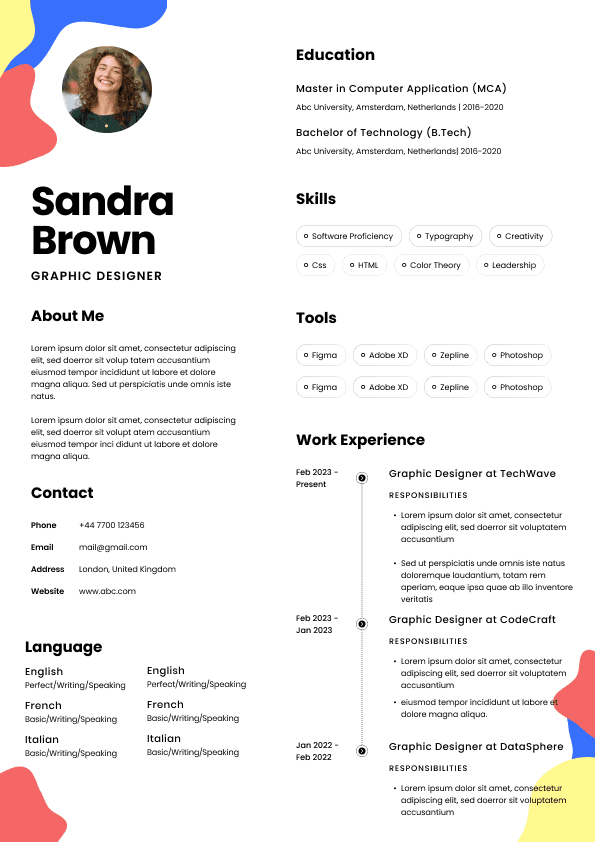
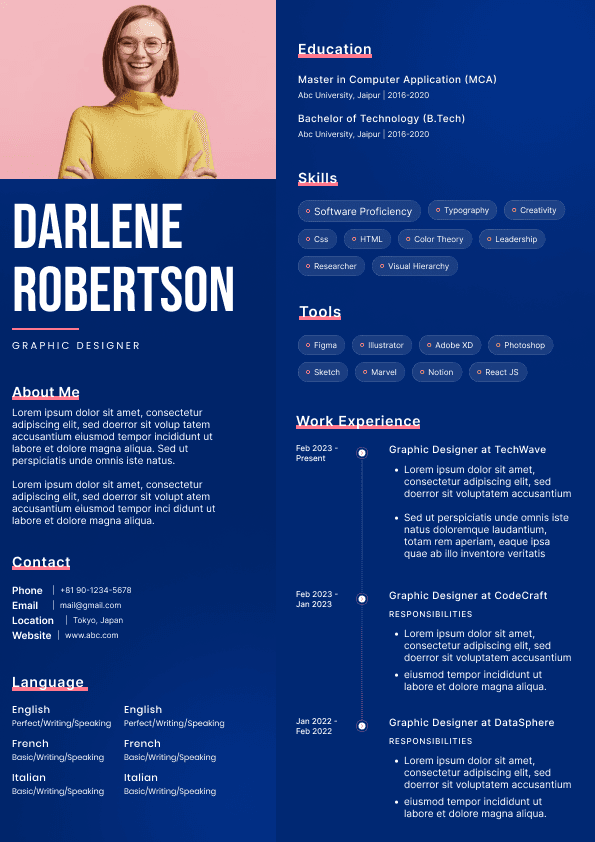
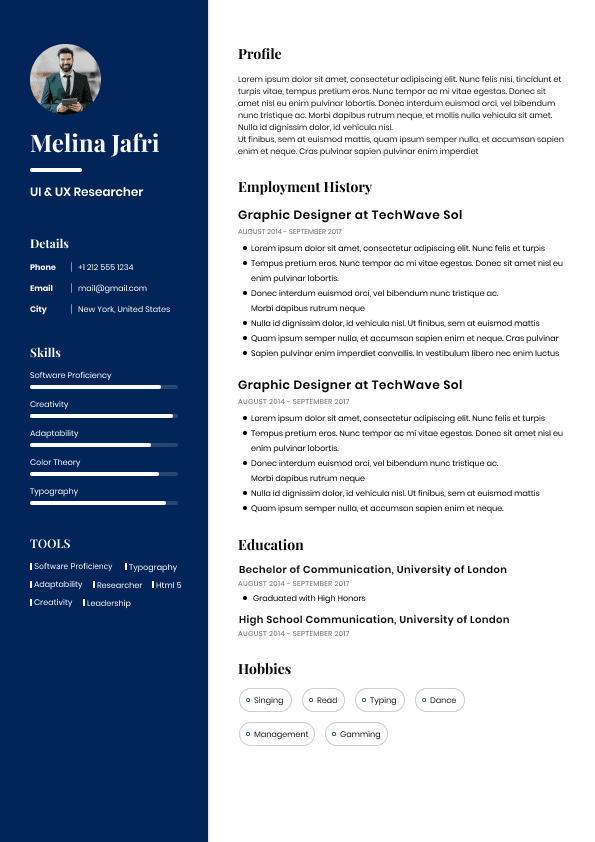
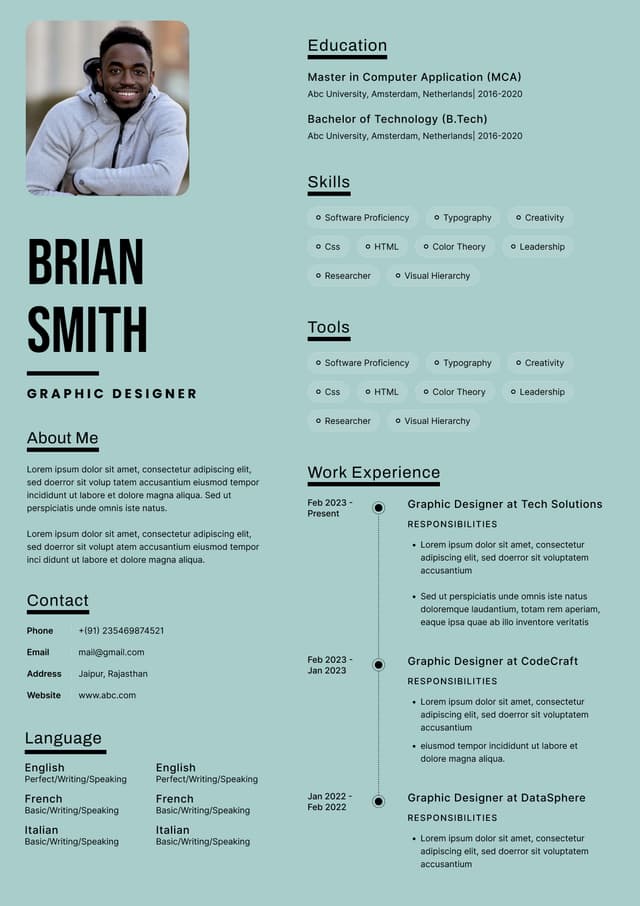
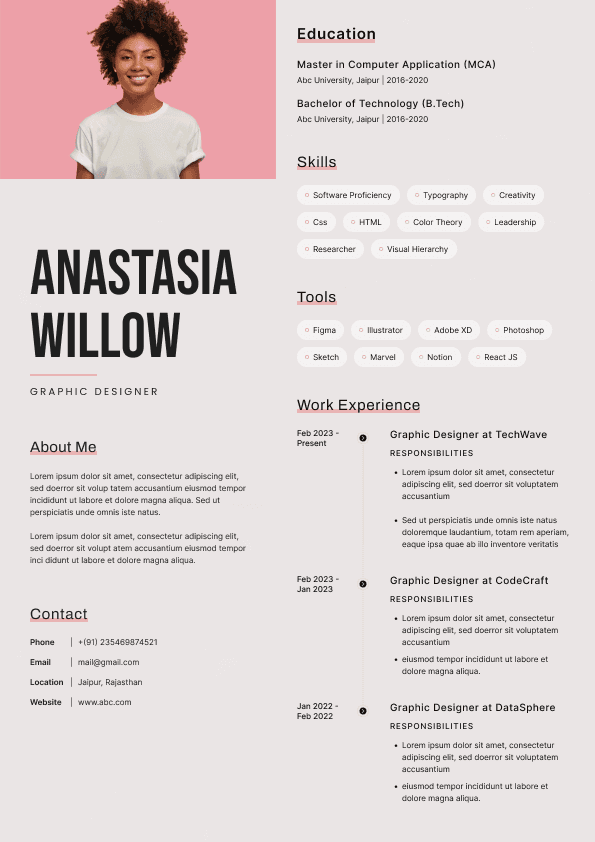
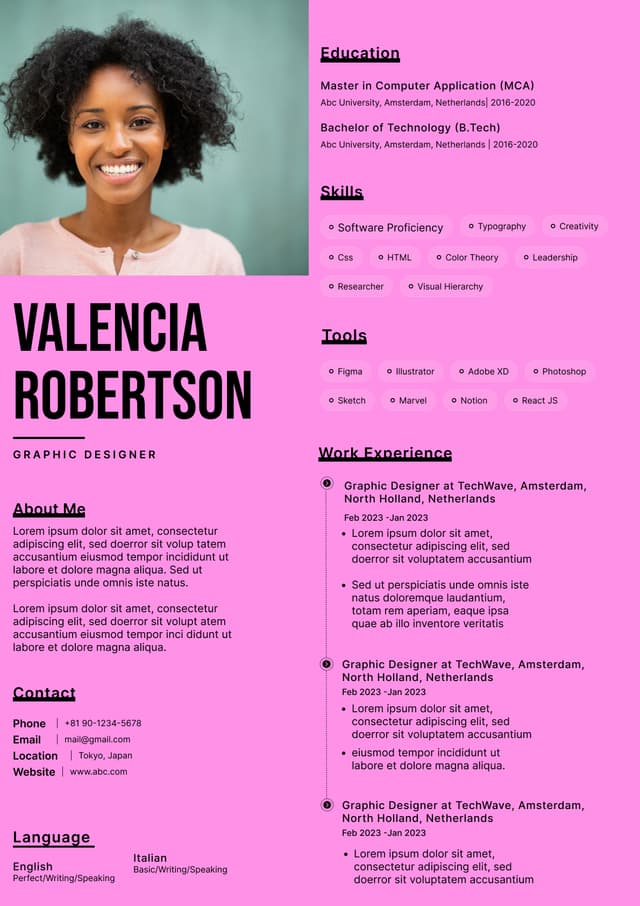
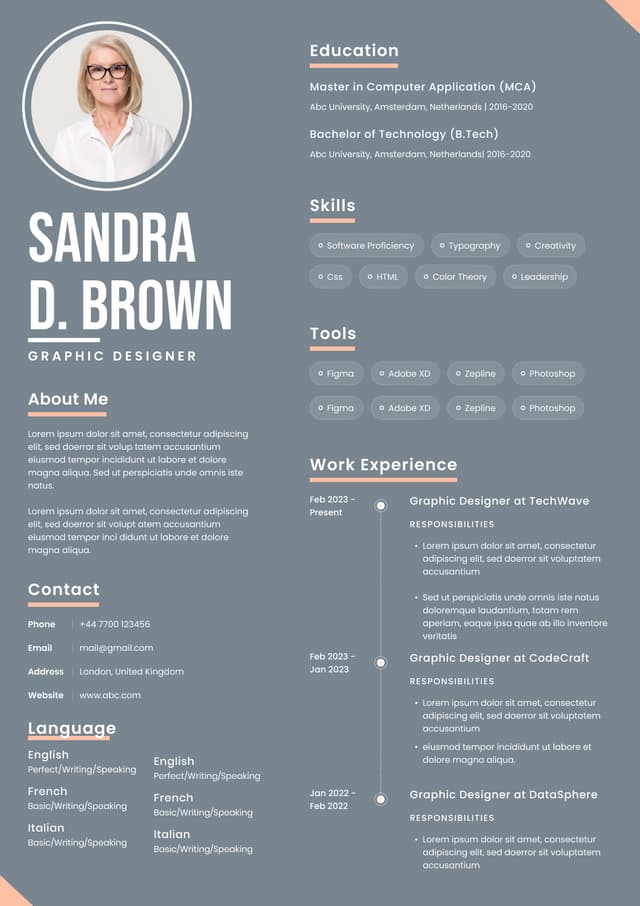
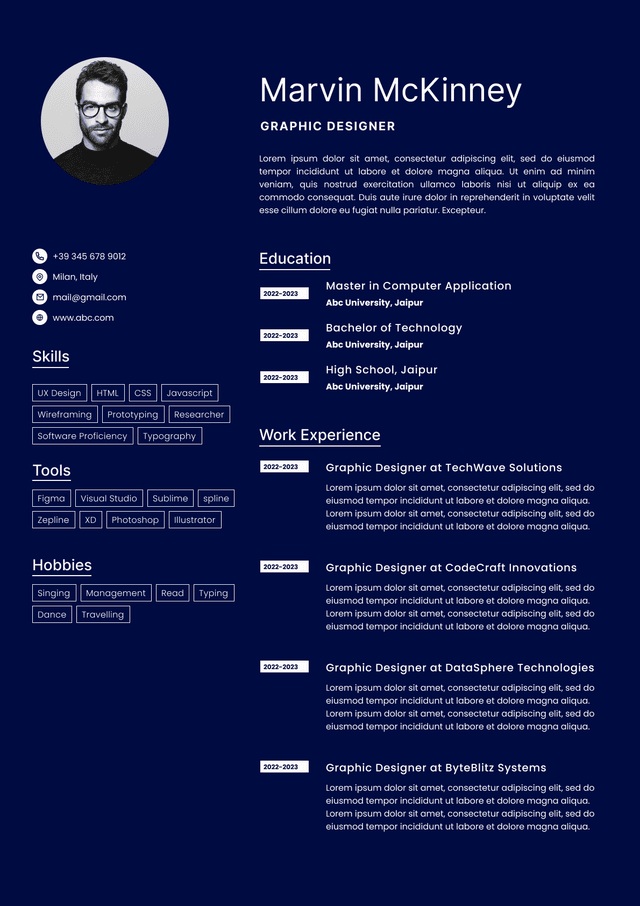
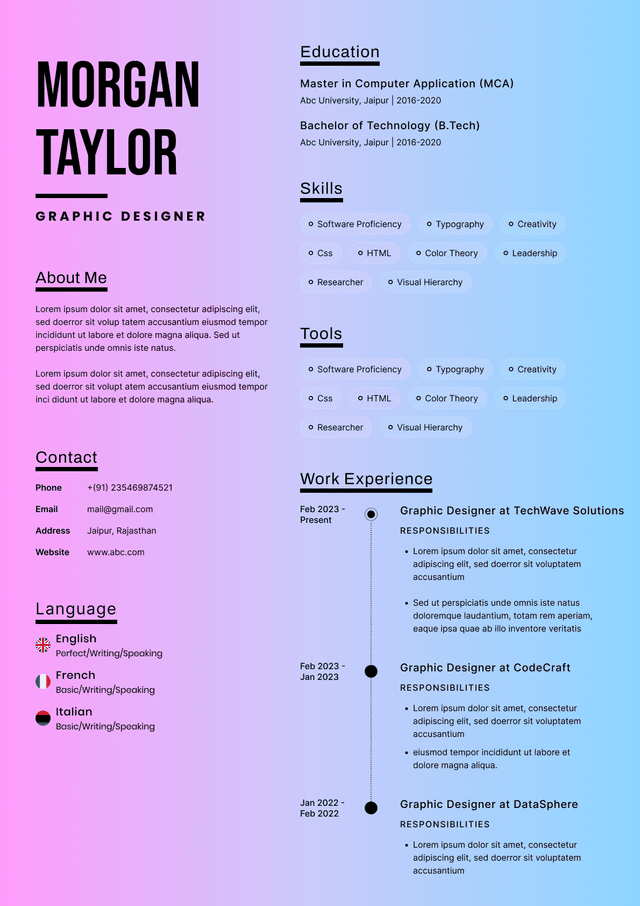
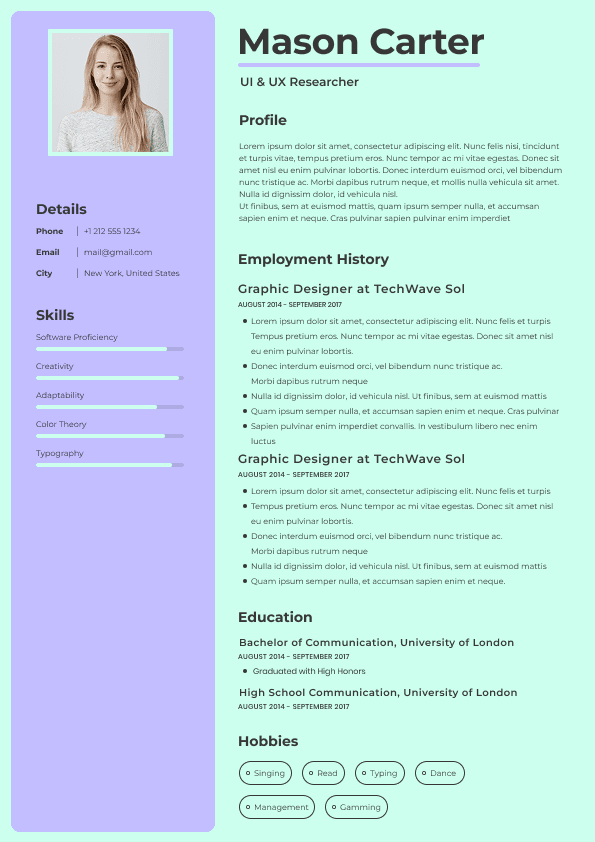
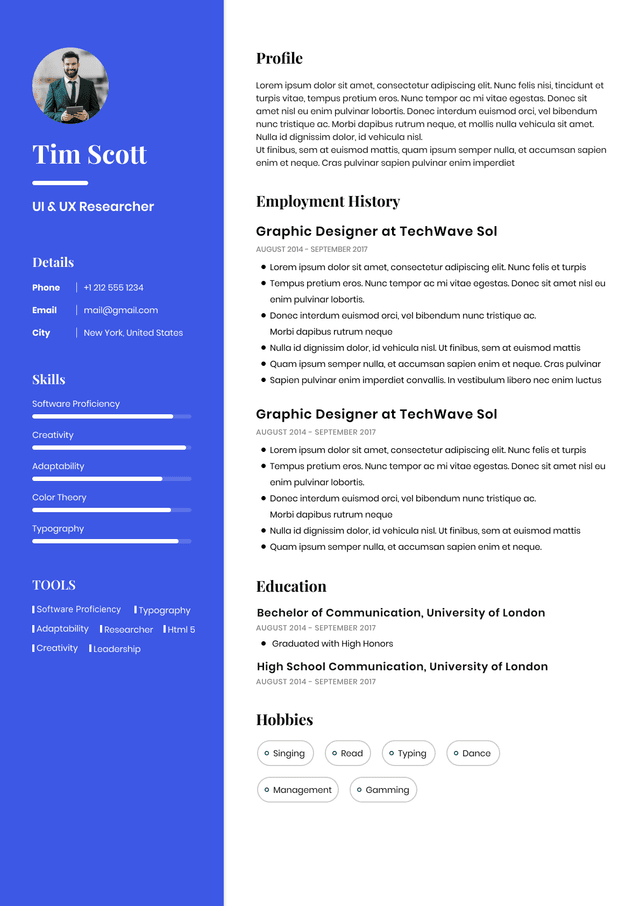
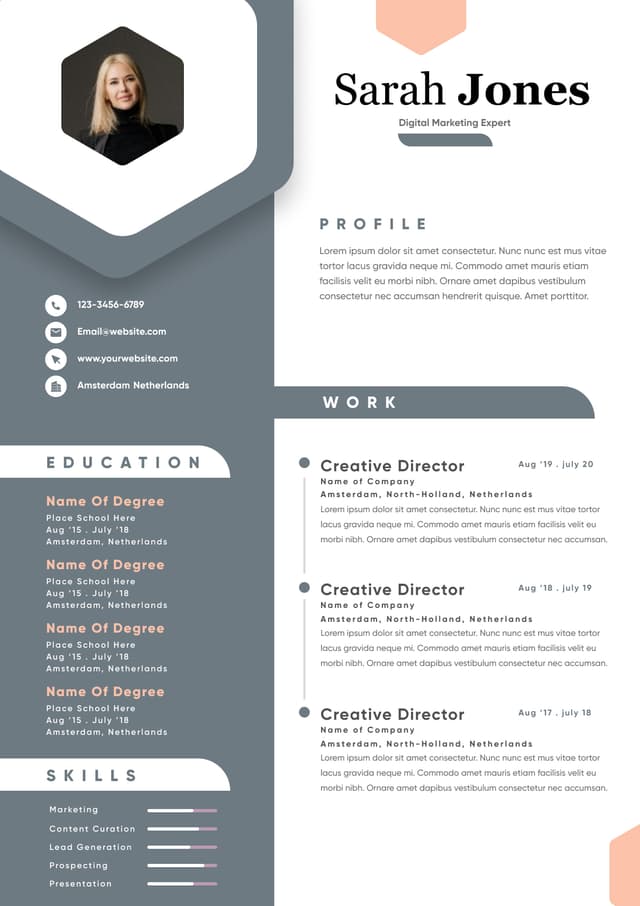
Choose from a wide range of NEWCV resume templates and customize your NEWCV design with a single click.
FAQ

If you have no professional Android development experience, your resume still can compete for internships, junior Android developer jobs, and entry-level mobile engineering roles. Recruiters hiring junior Android developers are not expecting years of production experience. They are looking for proof that you can build, debug, and ship Android applications using modern tools and workflows.
The strongest entry-level Android developer resumes replace work history with evidence of capability. That means Kotlin projects, GitHub repositories, Android Studio experience, API integrations, Jetpack libraries, Firebase usage, clean architecture, debugging skills, and documented mobile projects.
Most candidates fail because their resume reads like a class syllabus instead of proof of engineering ability. Hiring managers want to see what you built, how you built it, what technical decisions you made, and whether you understand modern Android development practices like MVVM, coroutines, Room, Retrofit, version control, and testing.
This guide shows exactly how to structure an Android developer resume with no experience so recruiters see potential instead of inexperience.
For junior Android hiring, recruiters are screening for potential, not mastery.
Your resume needs to answer five core questions quickly:
Can this candidate build Android apps independently?
Do they understand modern Android development fundamentals?
Can they work with APIs, local storage, and UI components?
Do they use GitHub and professional workflows?
Are they capable of learning quickly in a real engineering environment?
Most resumes fail because they overemphasize education and underemphasize practical Android development.
A recruiter reviewing entry-level Android resumes usually spends less than 10 seconds deciding whether to continue reading. Your projects and technical stack matter far more than generic objective statements.
When you lack work experience, your resume should shift from employment-based credibility to project-based credibility.
That means your resume should prioritize:
Android app projects
GitHub repositories
Technical implementation details
Mobile architecture understanding
Real Android tools and frameworks
Problem-solving evidence
Deployment or testing workflows
Collaboration exposure through Git or open source
A weak beginner resume says:
Weak Example
“Motivated Android developer seeking an opportunity to grow skills.”
A strong beginner resume says:
Good Example
“Built 4 native Android applications using Kotlin, Jetpack Compose, Room, Retrofit, Firebase Authentication, and MVVM architecture with documented GitHub repositories and emulator-tested releases.”
One sounds like intent. The other sounds like capability.
Hiring managers interview capability.
For Android developers with no experience, use this structure:
Contact Information
Professional Summary
Technical Skills
Android Projects
Education
Certifications
Open Source or Hackathons
Additional Technical Experience
Do not use a functional resume format.
Recruiters and ATS systems prefer reverse chronological formatting, even for junior candidates.
Your summary should position you as an emerging Android developer already building applications, not someone “trying to get into tech.”
Keep it short and technical.
“Entry-level Android developer with hands-on experience building native mobile applications using Kotlin, Jetpack Compose, Room, Retrofit, Firebase, and MVVM architecture. Developed multiple Android portfolio projects with REST API integrations, local storage, GitHub version control, and responsive UI design. Strong understanding of Android lifecycle management, debugging, and Agile development workflows.”
This works because it immediately establishes:
Technical stack
Mobile development focus
Practical implementation
Development workflow familiarity
Many junior candidates overload resumes with irrelevant technologies.
Recruiters specifically hiring Android developers prioritize Android ecosystem skills first.
Kotlin
Java
SQL
XML
JavaScript basics
Python scripting
Android Studio
Android SDK
Jetpack Compose
Material Design
MVVM architecture
Activities and Fragments
Navigation Component
ViewModel
LiveData
Coroutines
RecyclerView
Retrofit
REST APIs
JSON parsing
Room database
SQLite
Firebase Authentication
Firestore
JUnit
Espresso basics
Logcat debugging
Emulator testing
Error handling
Git
GitHub
Gradle
CI/CD basics
Pull requests
Agile fundamentals
Jira familiarity
Avoid listing technologies you cannot discuss confidently during interviews.
Recruiters frequently reject candidates after technical screens because the resume overstated skill level.
For candidates without experience, projects are the resume.
This is where hiring managers determine whether you are interview-worthy.
A weak project section only lists app names.
A strong project section explains:
What the app does
Which technologies were used
Which engineering challenges were solved
Which Android concepts were implemented
Whether APIs, databases, authentication, or architecture patterns were used
Junior Android developer with hands-on experience building native Android applications using Kotlin, Jetpack Compose, Room, Retrofit, Firebase, and MVVM architecture. Developed mobile portfolio projects featuring REST API integrations, local persistence, responsive UI design, and GitHub-based version control workflows. Strong understanding of Android lifecycle management, debugging, testing fundamentals, and Agile collaboration practices.
Languages: Kotlin, Java, SQL, XML, JavaScript, Python
Android Technologies: Android Studio, Android SDK, Jetpack Compose, RecyclerView, Navigation Component, ViewModel, LiveData, Coroutines, Room, Material Design
APIs & Backend: Retrofit, REST APIs, Firebase Authentication, Firestore, JSON
Tools: Git, GitHub, Gradle, Postman, Jira, Firebase App Distribution
Testing: JUnit, Espresso basics, Emulator Testing, Debugging
Personal Project | GitHub Portfolio
Built a native Android productivity app using Kotlin, Jetpack Compose, Room, Hilt, Navigation Component, and MVVM architecture
Developed local database models, repository layers, and asynchronous data handling using coroutines
Implemented responsive Material Design UI components with state management and navigation flows
Added form validation, loading states, and exception handling to improve reliability and user experience
Documented setup instructions, architecture decisions, and feature roadmap in GitHub README
Portfolio Project | Android Studio
Integrated third-party REST APIs using Retrofit and JSON parsing for live weather updates
Designed reusable UI components and dynamic weather visualization screens using Jetpack Compose
Implemented location permissions, API error handling, and offline state messaging
Used GitHub for version control, pull requests, release tracking, and project documentation
Capstone Project
Built Android expense management application with Room database persistence and Firebase Authentication
Developed category filtering, transaction history, and monthly analytics functionality
Applied MVVM architecture and ViewModel state management to separate business logic from UI
Performed emulator testing and debugging using Android Studio Logcat tools
Bachelor of Science in Computer Science
University Name | City, State
Relevant Coursework: Mobile Application Development, Data Structures, Algorithms, Software Engineering, Database Systems
Android Basics in Kotlin
Associate Android Developer coursework
Google Firebase Fundamentals
This format succeeds because it compensates for missing work history by maximizing evidence density.
Recruiters immediately see:
Android-specific technical depth
Multiple completed applications
Familiarity with production-style workflows
Modern Kotlin stack usage
Architecture understanding
Most beginner resumes fail because they sound academic.
This one sounds operational.
For junior Android developers, GitHub is often more important than experience.
A recruiter may ignore your GitHub.
An engineering manager usually will not.
Your repositories should include:
Clear README documentation
App screenshots or GIF demos
Installation instructions
Architecture explanation
Technologies used
API documentation
Clean commit history
Consistent commits
Organized project structure
Descriptive README files
Recent activity
Real Android projects
Clean Kotlin naming conventions
Empty repositories
Tutorial-copy projects
Broken builds
No documentation
Poor file organization
No version control activity
A mediocre Android app with excellent documentation often beats a more advanced app with zero explanation.
The best beginner Android projects simulate real-world app functionality.
Task management app
Expense tracker
Weather app
Recipe application
Habit tracker
Notes application
Fitness tracker
Chat application
Movie database app
Inventory manager
Authentication
API integration
Offline storage
Dark mode
Error handling
Search functionality
Pagination
Dependency injection
Unit testing
Push notifications
Recruiters care less about originality and more about implementation quality.
New developers often add every programming language they touched once.
This weakens credibility.
Depth beats breadth.
This is weak:
Weak Example
“Created an Android app using Kotlin.”
This is stronger:
Good Example
“Built a Kotlin-based Android budgeting application using Room persistence, Retrofit API integration, MVVM architecture, and coroutine-based asynchronous data handling.”
Specificity signals competence.
Hiring managers increasingly expect even junior developers to understand architecture basics.
Mentioning MVVM, repository patterns, dependency injection, or state management immediately improves positioning.
An Android resume without project links creates friction.
Recruiters should never need to search for your work.
Avoid statements like:
“Seeking growth opportunities”
“Passionate developer”
“Hard-working individual”
These say nothing measurable.
Applicant Tracking Systems scan for role-relevant technical terms.
For Android developer jobs, ATS systems often prioritize:
Kotlin
Android SDK
Android Studio
Jetpack Compose
REST APIs
MVVM
Firebase
Git
Room
Retrofit
Coroutines
Material Design
Many candidates get filtered out because their resume uses vague language instead of technical terminology.
For example:
Weak Example
“Worked on mobile apps.”
Good Example
“Developed native Android applications using Kotlin, Jetpack Compose, Retrofit, and MVVM architecture.”
ATS systems match keywords. Recruiters evaluate substance.
You need both.
Career switchers should not hide prior experience.
Instead, connect transferable skills to Android development.
Problem solving
Technical troubleshooting
Client communication
Agile teamwork
Documentation
Process improvement
Analytical thinking
However, your resume still must lead with Android capability first.
Do not let unrelated experience dominate the page.
The hiring manager is evaluating whether you can contribute to Android engineering teams.
The core structure remains similar, but emphasis changes slightly.
Coursework
Learning mindset
Collaboration
Academic projects
Curiosity
Fundamentals
Independent projects
Technical implementation
App architecture
Git workflows
Debugging
Real-world tooling
Internship recruiters tolerate more learning-stage language.
Junior developer recruiters expect more execution evidence.
Recruiters increasingly look for developers who understand software quality.
Mention:
Error handling
Testing
Architecture decisions
Performance considerations
Maintainability
Even without professional metrics, quantify work where possible.
Good Example
Built 5 Android applications using Kotlin and Jetpack Compose
Solved 150+ LeetCode-style algorithm challenges
Implemented 20+ REST API endpoints across portfolio projects
Numbers create perceived seriousness.
Android hiring is heavily keyword-driven.
If a role repeatedly mentions:
Kotlin
Jetpack Compose
Firebase
MVVM
Those should appear naturally in your resume if you genuinely used them.
A hiring manager reviewing junior Android resumes is usually asking:
“Can this person become productive quickly with guidance?”
The best resumes reduce perceived onboarding risk.
That means demonstrating:
Familiarity with Android workflows
Ability to debug independently
Clean coding habits
Willingness to learn
Technical curiosity
Project completion ability
Most entry-level candidates underestimate how important project completion is.
Finished apps outperform unfinished ambitious concepts.
Yes, but only briefly.
Coding challenge platforms help support technical readiness, especially for internships and junior roles.
Good placement:
Additional Technical Experience
Achievements
Technical Projects
Avoid making coding challenges the centerpiece of your resume.
Mobile development evidence matters more for Android roles.
Before applying, confirm your resume includes:
Kotlin prominently listed
Android Studio experience
At least 2 to 4 Android projects
GitHub links
REST API integration examples
MVVM or architecture references
Database usage like Room or SQLite
Firebase or authentication exposure
Testing or debugging references
Quantified project scope where possible
Technical terminology aligned with Android jobs
If your resume still feels empty, the solution usually is not better formatting.
The solution is building better Android projects.
Use ATS-optimised Resume and resume templates that pass applicant tracking systems. Our Resume builder helps recruiters read, scan, and shortlist your Resume faster.

Use professional field-tested resume templates that follow the exact Resume rules employers look for.
Create Resume
Use professional field-tested resume templates that follow the exact Resume rules employers look for.
Create Resume


 Upload Resume
 Import from Linkedin